
2027 Easiest Online Master's in Psychology Degree Programs Ranking in Kansas

Co-Founder and Chief Data Scientist
For students in Kansas exploring further education, pursuing a master's degree in psychology online opens many doors. Choosing the right program can feel overwhelming, but this article simplifies your search.
It features the 2027 Easiest Online Master's in Psychology Degree Programs Ranking in Kansas, developed by the Research.com team of data scientists. This ranking helps you identify programs that are accessible and worth considering.
Reading this can guide your decision, making your journey toward a fulfilling psychology career more confident and achievable.
Key benefits of getting online psychology degree in Kansas
- Psychology degree graduates in Kansas can expect strong earning potential with jobs like Industrial-Organizational Psychologists making around $154,380 annually and School Psychologists earning approximately $91,990 per year.
- Graduates from Kansas universities often explore varied career paths such as Mental Health Counselors or Marriage and Family Therapists, offering rewarding work helping others and making a positive impact in communities.
- Completing a psychology degree online in Kansas provides flexibility for balancing work and study, allowing students to gain valuable skills at their own pace without sacrificing their personal or professional lives.
- 2027 Easiest Online Master's in Psychology Degree Programs Ranking in Kansas
- What can I expect from online psychology degree in Kansas?
- Where can I work with online psychology degree in Kansas?
What can I expect from online psychology degree in Kansas?
Picture a graduate from a well-known Kansas university sharing how their online psychology degree didn't just fit their hectic schedule-it saved them thousands. In Kansas, the average cost of an online psychology master's program usually lands below the national mark, often around two to three years of study that feels less like a financial burden and more like a smart investment. Tuition costs are typically lower here, which means less stress about piling student debt while juggling work and family.
One graduate narrates how asynchronous classes enabled them to study after bedtime stories and weekend shifts, all without paying for gas or campus housing. The money saved often goes back into essentials-like therapy for themselves or further certifications-making the whole process feel more empowering than draining.
Kansas programs cleverly blend affordability with quality. The result? Graduates feel equipped not just academically but emotionally, ready to meet the state's unique rural mental health challenges without breaking the bank.
Where can I work with online psychology degree in Kansas?
Graduates with an online psychology degree from Kansas institutions like the University of Kansas or Wichita State often find themselves weaving their skills into the fabric of local hospitals and mental health clinics. Imagine stepping into a bustling rehabilitation center, where your knowledge shapes therapy sessions that spark real transformation. These are spaces where empathy meets expertise, and your client's breakthrough becomes your daily triumph.
Picture joining a public school district as a behavioral specialist, helping students navigate challenges with tailored support. Many alumni speak of the rewarding buzz that comes from fostering young minds in K-12 settings-turning classroom struggles into stories of growth and hope.
Others plunge into nonprofit agencies tackling substance abuse or youth counseling. The thrill of community outreach in Kansas neighborhoods makes every day a meaningful adventure, weaving psychology directly into the lives of those who need it most.
For those drawn to corporate corridors, companies in Kansas increasingly crave psychological insights to reboot employee wellness or sharpen human resources. It's like translating minds into metrics, boosting workplace morale with a sprinkle of psychology.
Even research hubs at Kansas universities call out to graduates seeking to blend investigation with innovation, proving an online degree can open doors beyond traditional paths.
Imagine graduating from a top Kansas school like the University of Kansas or Washburn University with an online psychology degree and stepping into a world where your paycheck reflects your passion. Graduates stepping into roles as school psychologists often see mean annual wages around $91,990, enough to spark joy in anyone balancing a new career and life in places like Lawrence or Topeka. Mental health counselors, stepping stones for many grads, earn roughly $60,080, offering a fulfilling path by helping others while sustaining a comfortable lifestyle.
Picture yourself as a marriage or family therapist in Wichita, earning about $68,730 annually, weaving relationships while securing financial peace. For the ambitious, industrial-organizational psychology offers a dazzling salary, averaging $154,380-perfect for those who love blending human behavior with business strategy.
Thinking about rehabilitation counseling? Graduates find steady opportunities with mean annual wages near $48,430, grounding their work in impactful, community-centered roles. An online psychology degree in Kansas not only shapes futures but supports dreams with salaries that truly reflect dedication and local demand.
- Tuition for online psychology degrees in Kansas ranges from about $8,000 to $15,000 per year at public universities, with private or out-of-state options potentially exceeding $20,000 annually.
- Entry-level salaries for psychology graduates typically range between $40,000 and $50,000 per year, while advanced degree holders can earn from $60,000 to $85,000 or more.
- Employment for clinical, counseling, and school psychologists in Kansas is projected to grow by approximately 10% over the next decade.
- Accredited online programs in Kansas ensure degrees are recognized by employers and licensing boards, including necessary coursework and practicum for licensure requirements.
- Licensure in Kansas requires completing specific clinical experience hours and passing state exams, so students should choose programs that meet these criteria.
Picture yourself enrolled at a beloved Kansas university, balancing family, work, and that ever-present cup of coffee as you chase a psychology degree online. For a bachelor's degree, expect around four years if you're full-time, completing roughly 120 credit hours. Some graduates share stories of stretching this journey to five or six years, savoring each moment while managing life's curveballs.
Graduate students diving into a master's program often float in the 1.5 to 3-year range. Online learners from Kansas colleges appreciate the flexibility of accelerated courses-think 8-week terms-that let them sprint through credits when life feels stable. Many speak of the joy in fast-tracking their degree, fueled by evening study sessions after work.
Doctoral seekers embrace an odyssey lasting 4 to 7 years, weaving through intense dissertation work and clinical hours. Relished moments include breakthrough insights and connection with peers across the state, even online. Kansas's growing online doctoral programs may demand residency bursts, but the reward is a degree tailored to real-life impact.
To practice professionally in Kansas with your online Master’s in Psychology, you must navigate specific licensure pathways that ensure both competency and compliance with state regulations. Most graduates pursue licensure as a Licensed Psychologist or Licensed Professional Counselor (LPC), each with distinct requirements: 1. Accreditation and Degree Verification • Ensure your chosen program is accredited by the American Psychological Association (APA) or regionally accredited by bodies such as the Higher Learning Commission. APA accreditation is especially critical if you aim for full psychologist licensure, while regional accreditation supports eligibility for LPC credentials. • During your studies, exploring interdisciplinary connections-like the sociology vs psychology key similarities-can enrich your clinical perspective and strengthen your licensure applications. 2. Supervised Professional Experience • After graduation, aspiring psychologists must complete a minimum of 2,000 hours of supervised experience under a licensed psychologist, with at least 1,000 hours of direct client contact. • For LPC licensure, Kansas requires 3,000 post-master’s supervision hours, including a mix of counseling, assessment, and ethics training, typically spread over two years. 3. Examination Requirements • Psychologists in Kansas sit for the Examination for Professional Practice in Psychology (EPPP) administered by the Association of State and Provincial Psychology Boards (ASPPB). • LPC candidates must pass the National Counselor Examination (NCE) or the National Clinical Mental Health Counseling Examination (NCMHCE), depending on their specialization. 4. State Board Application and Jurisprudence • Submit your application to the Kansas Behavioral Sciences Regulatory Board (BSRB), including official transcripts, supervised experience logs, examination scores, and background checks. • Complete the Kansas Jurisprudence Assessment to demonstrate knowledge of state laws, ethical codes, and professional responsibilities. 5. Continuing Education and Renewal • Kansas requires licensed psychologists to complete 40 hours of continuing education (CE) every two years, including ethics and cultural competence. • LPCs must earn 40 CE hours biennially, with at least 2 hours dedicated to ethics and 2 hours to laws and regulations. By proactively planning for these steps-selecting an APA-accredited online program, tracking supervised hours, and preparing for licensure exams-you’ll streamline your path from graduation to professional practice in Kansas.
Imagine a psychology student at the University of Kansas juggling two toddlers while attending virtual lectures at midnight-this is the magic of an online degree, where flexibility bends time and space to your needs. Here, self-discipline becomes a trusted companion in a world of video lectures and discussion boards, perfectly tailored for those balancing work or family in Kansas's heartland.
Contrast this with a Wichita State graduate who thrives on the buzz of campus life, soaking up knowledge in lively classrooms and collaborating face-to-face with professors and peers. The tactile feel of hands-on labs and counseling center visits enriches their learning beyond textbooks, making every interaction a stepping stone to real-world skills.
Both paths in Kansas share a crucial common thread: programs must be APA-accredited or approved by the Kansas Behavioral Sciences Regulatory Board, ensuring your degree holds the key to licensure. Online or on-campus, your journey shapes around your lifestyle, financial comfort, and thirst for connection-each uniquely valid and vibrant.
Graduates of online Master’s in Psychology programs in Kansas must navigate specific licensure and certification pathways to practice professionally. To become a Licensed Psychological Associate (LPA) or Licensed Psychologist in Kansas, candidates typically need to: • Supervised Experience: Complete 2,000–4,000 hours of post-master’s supervised practice under a certified psychologist or psychological associate, depending on the chosen credential level. • Examinations: Pass the Examination for Professional Practice in Psychology (EPPP) administered by the Association of State and Provincial Psychology Boards (ASPPB) and, in some cases, a state jurisprudence exam covering Kansas-specific regulations. • Application and Fees: Submit official transcripts, verification of supervised hours, and application fees to the Kansas Behavioral Sciences Regulatory Board (BSRB). • Continuing Education: Maintain licensure with a minimum of 20 hours of approved continuing education every two years, including ethics, cultural competence, and evidence-based practice updates. For those considering specialized roles-such as working with hospitalized children or in pediatric settings-understanding the average child life specialist salary can guide financial planning and career development. While a Master’s in Psychology provides foundational knowledge, additional certifications like Board Certified Behavior Analyst (BCBA) or Child Life Professional Certification may be required for niche positions. By meeting these licensure requirements and pursuing relevant specialty certifications, online psychology graduates in Kansas can ensure compliance with state regulations, bolster their professional credibility, and position themselves for a successful career in diverse psychological settings.
The average cost of an online psychology degree in Kansas often surprises many prospective students with its accessibility. Graduates from popular public institutions like Fort Hays State University frequently reflect on how manageable tuition fees, averaging around $6,780, eased their journey without sacrificing quality education. This figure encourages many locals to dive into psychology programs, knowing the financial strain won't overshadow their passion. When considering tuition and fees for psychology master's Kansas avenues, it's clear that in-state options, particularly at public universities, stand out as cost-effective pathways.
One graduate fondly recalls balancing studies with part-time work, comforted by the predictability of tuition rates near this median total cost. The expense felt like an investment rather than a burden, especially when compared to pricier private colleges outside Kansas. Yet, beyond tuition, the experience is enriched by real-life learning, which many students find invaluable. It's these nuances that paint a hopeful picture for those worried about the financial side of pursuing psychology online in the Sunflower State.
For students curious about how their journey might contrast with other regions, exploring the michigan online psychology degree requirements can provide insightful comparisons. This broadens perspectives on affordability and program flexibility beyond Kansas, helping future psychologists make savvy educational choices informed by both cost and curriculum needs.

Imagine unlocking your online psychology degree at a Kansas university without drowning in debt-that's the reality for many who tap into federal financial aid. By filling out the FAFSA, students access Direct Unsubsidized Loans and Grad PLUS Loans tailored for grad learners, often bearing friendlier interest rates. One graduate from a University of Kansas online program recalls how these loans made their transition from hopeful to licensed psychologist manageable and less stressful.
State-specific scholarships, like those from the Kansas Board of Regents, act as hidden gems for Kansas residents diving into mental health fields. Picture earning a merit-based scholarship at Washburn University, where a student's strong undergraduate GPA and psychology passion led to substantial tuition help.
Some online programs also offer graduate assistantships or local research opportunities, allowing students to earn stipends while applying psychology concepts in real-world settings-turning academic theory into hands-on experience. These creative funding streams often combine to make the $20,000 to $40,000 tuition price tag feel achievable, not daunting.
Diving into an online psychology degree in Kansas feels like unlocking a door to the human mind, but first, you need to hold a key: a bachelor's degree. Whether your undergraduate journey meandered through psychology courses at the University of Kansas or touched on related fields at Wichita State, that foundational credential signals you're ready for the next challenge. Picture a graduate recalling late-night study sessions balancing developmental psychology and stats-these courses aren't just boxes to tick; they build your thinking toolbox.
Then there's the GPA hurdle-most programs want to see a solid track record, often a 3.0 or above. Think of it like a spotlight, showing admissions you've got the stamina and intellect for rigorous, advanced studies. Official transcripts, recommendation letters, and a passionate statement of purpose form the vibrant mosaic of your application, painting who you are beyond numbers and grades.
Some programs sprinkle in GRE scores or prioritize hands-on experience, especially if you're headed toward clinical placements. Graduates from Kansas State mention how their practicum gave dimensions to theory, weaving real-world psychology into their academic tapestry. While the costs in Kansas are kinder than the national average, these prerequisites shape a journey rich with opportunity, ready to unfold inside your laptop screen.
Choosing an APA-accredited or regionally accredited online Psychology program in Kansas is essential to ensure your degree meets both academic standards and state licensure requirements. Regional accreditation by bodies such as the Higher Learning Commission (HLC) confirms that an institution maintains rigorous quality controls, while programmatic accreditation from the American Psychological Association (APA) signals specialized curriculum alignment with nationally recognized clinical and research competencies. In Kansas, aspiring mental health professionals must complete a master’s program with at least 60 credit hours of graduate-level coursework, including supervised practicum and internship experiences that total a minimum of 1,800 direct client contact hours. After graduation, candidates apply for the Licensed Professional Counselor (LPC) or Licensed Psychologist credential through the Kansas Behavioral Sciences Regulatory Board (BSRB). Key steps include: • Education: Graduation from an APA-accredited master’s or doctoral program with documented practicum and internship hours. • Supervision: Completion of at least 3,000 hours of post-degree supervised work under a licensed psychologist or counselor. • Examination: Passage of the National Counselor Examination (NCE) or Examination for Professional Practice in Psychology (EPPP) as required by your chosen license. • Application: Submission of official transcripts, verification of supervised experience, exam scores, and application fees to the BSRB. Maintaining licensure in Kansas also requires ongoing continuing education-typically 40 hours every two years-including ethics training and evidence-based practice updates. Many online programs incorporate built-in CE modules and alumni workshops to streamline renewals. For applicants weighing cost against accreditation status, it may be helpful to compare accredited programs in other regions. Prospective students can explore the Inexpensive Psychology Degree Programs Ranking in Massachusetts to identify budget-friendly options that still uphold strict accreditation standards. By prioritizing accredited coursework and understanding Kansas licensure pathways from the outset, you’ll position yourself for a seamless transition from student to licensed professional.
Imagine diving into developmental psychology while sipping coffee at a favorite Kansas coffeehouse, unraveling how your childhood shapes your adult self-this is the kind of journey many online students at Kansas State University embark on. Foundational courses like cognitive and abnormal psychology become the lens through which you decode everyday human quirks, leaving you fascinated by the invisible threads of thought and emotion weaving through your friends and family.
Graduates often recall grappling with research methods and statistics-yes, numbers can feel intimidating!-but these classes empower you to design experiments that could one day influence local mental health initiatives in Wichita or Lawrence. Ethics in psychology stands out as a heartfelt challenge, especially knowing Kansas's stringent licensing requirements, making you proud to follow a path grounded in trust and responsibility.
Specialized courses, like biopsychology or psychological assessment, take you from textbook theory to real-world application, such as interpreting diagnostic tests at the University of Kansas Medical Center. Online learners often feel a genuine thrill from connecting these dots, knowing they're preparing to enter Kansas's vibrant and growing mental health landscape.
Imagine diving into an online psychology degree in Kansas where your educational path bends toward the unique rhythm of your passion. Graduates from popular universities in the state often find themselves drawn to specializations like clinical psychology, where the art of diagnosing and healing minds plays out like a daily mission in bustling Kansas City clinics. Others are captivated by counseling psychology, equipping themselves with the empathy needed to support learners and patients in diverse settings across the Sunflower State.
For those intrigued by the pulse of workplaces, industrial-organizational psychology offers a chance to redesign environments, boosting morale and productivity from hidden corners of Topeka offices. Meanwhile, forensic psychology intertwines with the legal realm, empowering students statewide to serve justice through expert testimony, echoing stories from Wichita's courthouse halls. Students enrolling in Kansas online master's in psychology concentrations appreciate this vast spectrum, blending theory with the vibrant local landscape of minds and needs.
Emerging fields like health and developmental psychology invite exploration of human growth and wellness across a lifespan, often spotlighted in programs that encourage interdisciplinary learning with social work or business. Many find comfort knowing Kansas universities offer flexible, accredited online programs designed to make this specialization journey accessible and affordable.
Picture yourself juggling family, work, and late-night study sessions while earning a psychology degree from a Kansas university like the University of Kansas or Wichita State. Graduates often share that the magic lies in choosing a program with genuine flexibility-where asynchronous classes feel like a conversation with a mentor rather than a rigid schedule. This is especially true when seeking the best online psychology degrees in Kansas, where local accreditation by bodies like the Higher Learning Commission ensures your diploma carries weight in the community and opens doors professionally.
Affordability comes alive when you explore affordable psychology master's programs Kansas residents rave about, balancing tuition costs-often between $7,000 and $10,000 annually at public institutions-with scholarships and employer assistance. Imagine the relief of a graduate who found expert faculty and robust support services at Kansas State University, turning challenges into confidence.
If clinical licensure is your goal, consider the path to a doctoral degree paired with supervised hours. For deeper dives, explore best PsyD programs online to map your future with precision and passion.

Graduates armed with an online psychology degree in Kansas often find themselves at the fascinating crossroads of human behavior and community impact. Fresh out of popular institutions like the University of Kansas or Washburn University, many dive into clinical or counseling psychology, transforming hospital rooms and school offices into sanctuaries of healing and understanding. The tangible joy of seeing a patient regain confidence fuels their passion daily. Others harness the power of industrial-organizational psychology, enhancing workplace harmony in bustling Kansas businesses and government agencies, turning abstract theories into lively, productive environments. Those attuned to educational ecosystems channel their skills as school psychologists or counselors, easing the emotional challenges of students and nurturing brighter futures within local districts-a promising avenue for online psychology careers in Kansas.
For graduates fascinated by deeper exploration, research assistant or coordinator roles in universities offer a front-row seat to behavioral discoveries shaping the state's mental health strategies. Some carve out unique paths in forensic psychology, partnering with the justice system to influence rehabilitation and community safety. Kansas-based students curious about licensure might explore professional requirements beyond state lines, such as Indiana lpceducational requirements, enriching their career toolkit in unexpected ways.
The job market for online psychology degree holders in Kansas feels like a steadily turning wheel, propelled by a quiet but persistent need for mental health professionals in both urban and rural landscapes. Graduates from universities such as the University of Kansas and Wichita State often share stories of landing roles in community health centers or school districts eager to expand psychological services. This growing demand mirrors the statewide push to address mental health, especially in overlooked rural areas, turning psychology careers in Kansas into pathways of meaningful impact and professional growth.
Psychology graduates benefit from a balance of opportunity and challenge, with average salaries around $78,000 that encourage further specialization. Many find joy in becoming linchpins in businesses or educational settings, using skills in cognitive-behavioral therapy or data analysis-competencies emphasized in online programs. Those navigating the job outlook for psychology graduates Kansas also understand the importance of licensure, often supported through accredited curricula offering supervised practicum experiences.
For prospective students weighing their options, blending cost-effectiveness with valuable training, online degrees from Kansas institutions shine. They reduce expenses by skipping commuting and housing costs, all while preparing ambitious individuals for roles that weave clinical insight with real-world impact. To truly grasp how these careers unfold, it's helpful to compare fields by reading about sociology vs psychology key similarities.
2027 Easiest Online Master's in Psychology Degree Programs Ranking in Kansas
Investing in your education is a significant decision that can shape your future, and the Research.com team understands the importance of making informed choices. To assist prospective students in Kansas, we have meticulously crafted the "2027 Easiest Online Master's in Psychology Degree Programs Ranking in Kansas." Our commitment to quality, credibility, and accuracy is reflected in the extensive research and analysis conducted to compile this ranking.
We utilized the following reputable data sources to ensure a comprehensive evaluation of psychology programs:
By exploring this ranking, readers will gain valuable insights into the most accessible online master's in psychology programs in Kansas, helping them make informed decisions about their educational paths. For more details on our methodology, please visit our Research.com methodology page.

# 2 position
Kansas State University
Master of Psychology with an emphasis in Industrial and Organizational Psychology

Frequently Asked Questions About psychology
Students pursuing online psychology degrees in Kansas can enhance their learning by actively engaging with course materials and participating in virtual discussions. Utilizing available university resources such as online libraries and research databases helps deepen understanding of psychological theories and practices. Networking with peers and professors through online platforms encourages collaboration and practical insight.
Additionally, seeking internships within Kansas mental health organizations can provide valuable real-world experience. According to the Kansas Psychological Association, hands-on practice significantly improves graduate outcomes. Maintaining a consistent study schedule and using time management tools are also essential strategies for success in online psychology programs.
The psychology field is evolving rapidly, with several emerging niches gaining attention in Kansas and nationwide. One growing area is telepsychology, which uses technology to provide mental health services remotely. This trend accelerated due to COVID-19 and is expected to continue expanding.
Another notable niche is neuropsychology, focusing on brain-behavior relationships, critical for addressing neurological disorders. Kansas institutions increasingly emphasize this specialty due to aging populations.
Additionally, forensic psychology is gaining ground as courts require expert analysis of mental health in legal cases. According to the Kansas Psychological Association, demand for such specialists grew by over 12% in the past five years.
After completing an online psychology degree in Kansas, preparing for the job market requires strategic steps. Start by obtaining relevant experience through internships or supervised practicum hours, as many psychology careers require hands-on practice. Kansas requires licensure for clinical psychologists, involving a doctorate and supervised hours, but master's graduates may find roles as behavioral health technicians or case managers.
Networking is crucial; connect with local organizations like the Kansas Psychological Association to learn about job openings. Additionally, familiarize yourself with Kansas labor market trends: the Bureau of Labor Statistics projects a 16% growth in psychologist jobs nationwide through 2031, reflecting positive prospects. Tailor your job search towards expanding fields such as health services and school psychology.
Employers in Kansas highly value communication skills among psychology graduates. Effective verbal and written communication enables professionals to work well with clients and colleagues, essential in clinical and counseling roles. Critical thinking and problem-solving abilities are also crucial, helping graduates analyze client behavior and develop practical treatment plans.
Additionally, ethical judgment and adherence to confidentiality standards play a significant role, reflecting the demands of licensed psychological practice statewide. Data from the Kansas Behavioral Sciences Regulatory Board emphasize the importance of these skills in maintaining professional standards.
Competency in research methods and statistical analysis is another key skill, as many employers expect graduates to interpret psychological data accurately to inform evidence-based decisions, aligning with trends shown by the Bureau of Labor Statistics for the state.
Finding internships in Kansas relevant to a psychology degree requires careful planning and leveraging local resources. Start by contacting university career centers, as many offer support connecting students to internships within the state. Kansas hosts several mental health organizations, such as the Kansas Psychological Association (KPA), which regularly posts internship opportunities on their website.
Additionally, explore healthcare facilities and counseling centers in major cities like Wichita and Topeka, where internships in clinical, counseling, and research psychology are commonly available. According to the Bureau of Labor Statistics, Kansas had over 2,000 psychology-related jobs in 2023, indicating a growing demand for trained professionals and potential internship positions.
Networking is essential; joining local chapters of professional associations can improve access to internships. Also, Kansas universities offering online psychology degrees often maintain partnerships with local agencies specifically to place students in internships that satisfy licensure requirements.
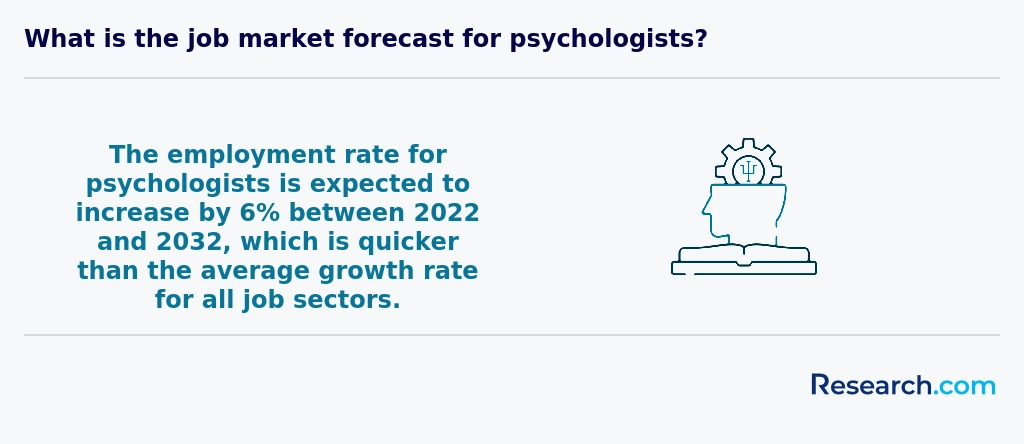
Obtaining an online psychology degree in Kansas can significantly enhance career mobility and advancement opportunities within the state. Kansas has a growing demand for mental health professionals, with the Bureau of Labor Statistics projecting a 14% increase in psychology-related jobs from 2022 to 2032 in the Midwest region.
Licensure requirements in Kansas typically include a master's or doctoral degree, so an accredited online psychology program can provide the essential educational credentials needed to qualify for state licensure. This is crucial for roles such as licensed professional counselors or psychologists.
Graduates often find increased job flexibility, allowing work in diverse settings like schools, healthcare facilities, and social service agencies. Additionally, holding an advanced degree often correlates with higher earning potential and eligibility for supervisory or specialized positions.
Sources such as the Kansas Department of Labor and the American Psychological Association confirm these trends, highlighting how advanced education contributes to professional growth in the state.
Studying for a psychology degree in Kansas offers solid preparation for interdisciplinary roles by emphasizing diverse skill sets relevant across health, education, and social services. Kansas universities often incorporate courses that blend psychology with fields like sociology, neuroscience, and public health. This approach aligns with the growing demand for professionals who can collaborate in teams addressing complex human behaviors in various contexts.
Programs typically include training in research methods, critical thinking, and data analysis, which are valuable in interdisciplinary environments. Kansas also benefits from statewide initiatives promoting mental health integration within medical and community settings, enhancing practical experience opportunities.
According to the Kansas Board of Regents, nearly 40% of psychology graduates locally engage in cross-sector roles, reflecting the versatility of their education. Such programs prepare students to work effectively alongside educators, healthcare providers, and policymakers, facilitating comprehensive care and support.
Choosing between a thesis and a non-thesis online psychology degree program in Kansas depends on your academic and career goals. A thesis program involves conducting original research and writing a substantial paper, which suits students aiming for doctoral studies or research careers. Non-thesis programs focus more on coursework and practical skills, ideal for those seeking immediate employment in counseling, human services, or administrative roles.
According to the Kansas Board of Regents, most master's programs require 30 to 36 credit hours, but thesis options may offer fewer classes paired with research credits. Also, approximately 40% of psychology graduates in Kansas pursue licensure where research experience can be a valuable asset.
Consider your time availability, interest in research, and long-term plans before deciding. Employers in Kansas often recognize both paths, but thesis work can strengthen your academic profile.
Students based in Kansas interested in studying psychology abroad can explore a limited number of options focused on international partnerships and study-abroad programs. Many U.S. institutions with psychology programs, including those in Kansas, offer virtual exchange programs or blended learning opportunities with overseas universities, allowing students to gain global perspectives without leaving home.
Currently, no Kansas public universities provide fully online psychology degrees from foreign institutions. However, students may enroll in accredited U.S. online programs that incorporate international research modules or internship placements abroad.
According to the Kansas Board of Regents, psychology is among the top fields of study, encouraging some international collaborations, but direct overseas degree enrollment remains rare for Kansas residents.
Students pursuing an online psychology degree in Kansas can benefit from part-time job opportunities that enhance their educational experience. Positions such as research assistants at universities like the University of Kansas or Wichita State University offer exposure to psychological research methods and data analysis. Additionally, roles in community mental health centers provide practical experience working with diverse populations while supporting licensed professionals.
Other relevant jobs include behavioral health technicians and peer support specialists, which are in demand across Kansas and provide direct client interaction. According to the Kansas Department of Labor, these roles often require less than a bachelor's degree but align well with psychology studies.
These roles provide valuable hands-on experience, improving job prospects post-graduation.
Online psychology students in Kansas have multiple networking opportunities despite the remote format. Many Kansas universities offering online psychology programs encourage participation in virtual student organizations and professional groups, helping students connect with peers and faculty. For example, the Kansas Psychological Association often hosts webinars, conferences, and workshops accessible to online learners, providing valuable chances to engage with local professionals.
Additionally, students can join national psychology organizations that offer Kansas-specific chapters, such as the American Psychological Association's state division. Internship placements and practicum experiences within Kansas organizations allow online students to build professional networks on the ground.
According to the Bureau of Labor Statistics, Kansas employs over 2,000 psychologists, highlighting an active professional community accessible to networking students.
Alumni networks provide valuable support for online psychology degree students in Kansas by connecting them with experienced professionals and peers. These networks often offer mentorship opportunities, which can help students navigate their academic and career paths more effectively. According to the Kansas Psychological Association, strong professional relationships improve job prospects and scholarly collaboration within the state.
Networking through alumni groups also increases awareness of local internships and job openings, especially important in Kansas where regional ties are significant. Students gain access to resources such as workshops, conferences, and continuing education tailored to Kansas' mental health landscape.
Overall, alumni networks enhance career readiness and professional growth for Kansas-based online psychology students.
Customizing an online psychology degree program in Kansas starts with selecting courses that align with your career interests. Many universities offer electives in clinical psychology, counseling, or organizational psychology, allowing students to focus on specific areas.
Additionally, some programs provide opportunities for internships or practicum placements, which can be arranged in your local community to gain practical experience.
According to the Kansas Board of Regents, choosing accredited programs ensures your degree meets state licensing requirements for psychologists or counselors.
To tailor your education further, consider certificates or minors in related fields such as social work or education, which can enhance your skills and employability.
Online psychology students in Kansas often face challenges related to the hands-on nature of the field. Psychology programs typically require practicum or internship hours, which can be difficult to arrange remotely. Students must find local placements approved by their school, adding logistical complexity. Additionally, Kansas has specific licensure requirements that students need to understand early to ensure their program meets state standards.
Access to technology and reliable internet can also pose difficulties, especially in rural areas. According to data from the Kansas Department of Education, about 15% of households in rural counties lack broadband internet, which impacts online learning. Moreover, many students report feeling isolated without regular in-person interaction with faculty and peers, which can affect motivation and success.
With an online psychology degree in Kansas, graduates can pursue several professional certifications to advance their careers. One popular option is becoming a Licensed Psychologist, which requires a doctoral degree, supervised experience, and passing the Examination for Professional Practice in Psychology (EPPP), overseen by the Kansas Behavioral Sciences Regulatory Board.
For those with a master's degree, certifications such as Licensed Specialist Clinical Social Worker (LSCSW) or Licensed Professional Counselor (LPC) are attainable after fulfilling state-specific requirements including supervised clinical hours and exams. These credentials are valuable in many counseling settings.
Additionally, certifications in areas like Applied Behavior Analysis (ABA), often sought by psychology graduates, require specific coursework and passing the Board Certified Behavior Analyst (BCBA) exam. According to the Kansas Department for Aging and Disability Services, demand for behavioral health professionals is growing steadily.
To write a winning application for an online psychology program in Kansas, start by thoroughly researching the program's specific requirements and deadlines. Many Kansas institutions, like Fort Hays State University, focus on applicants with a strong undergraduate background in psychology or related fields.
Highlight relevant experience, such as internships or work in mental health settings. Make sure your personal statement clearly expresses your motivation for studying psychology and your career goals. Kansas employers value practical skills combined with academic knowledge.
Letters of recommendation should come from faculty or supervisors familiar with your academic or professional abilities. Lastly, ensure your application is error-free and submitted before deadlines, as Kansas schools report up to 20% of applications are disqualified due to missing documents or lateness (Kansas Board of Regents, 2023).
Psychology careers are recognized worldwide for their importance in understanding human behavior and improving mental health. In the United States, including Kansas, demand for psychology professionals is expected to grow 8% from 2021 to 2031, according to the U.S. Bureau of Labor Statistics. Globally, psychology is valued for its role in addressing social, educational, and clinical challenges. Many countries emphasize evidence-based practices, similar to U.S. standards, making an online psychology degree from Kansas a versatile credential. Students benefit from this global respect, as psychology skills are transferable across cultures and healthcare systems. This broad demand reflects psychology's growing relevance everywhere.
Gaining practical experience while studying for an online psychology degree in Kansas is essential for career readiness. Many programs encourage students to complete supervised internships or practicum placements with local mental health agencies, schools, or hospitals. These opportunities let students apply theoretical knowledge in real-world settings under professional supervision.
The Kansas Psychological Association and state universities often provide resources to help students find local placements. Additionally, virtual internships have become more common, allowing remote practical experience related to research, counseling, or behavioral analysis.
The Kansas Board of Regents advises that clinical experience is important for licensure and professional development for psychology graduates.
Choosing the right concentration within an online psychology degree program in Kansas depends largely on your career goals and interests. Popular concentrations include clinical, counseling, industrial-organizational, and developmental psychology. For example, Kansas reports a steady demand for licensed clinical psychologists, with the Bureau of Labor Statistics projecting a 10% growth in related fields statewide through 2031.
Consider the specific licensure requirements in Kansas, which often influence program choice, especially for clinical or counseling psychology. Reviewing faculty expertise and research opportunities within each concentration can also guide your decision.
Lastly, reflect on the types of psychology roles available locally or nationally to ensure your concentration aligns with both employment trends and your professional aspirations.
- 2027 Easiest Online Master's in Psychology Degree Programs Ranking in Missouri
- 2027 Easiest Online Master's in Psychology Degree Programs Ranking in Texas
- 2027 Easiest Online Master's in Psychology Degree Programs Ranking in Alabama
- 2027 Easiest Online Master's in Psychology Degree Programs Ranking in Indiana
- 2027 Easiest Online Master's in Psychology Degree Programs Ranking in Florida
- 2027 Easiest Online Master's in Psychology Degree Programs Ranking in Ohio
- 2027 Easiest Online Master's in Psychology Degree Programs Ranking in Virginia
- 2027 Easiest Online Master's in Psychology Degree Programs Ranking in Pennsylvania
- 2027 Easiest Online Master's in Psychology Degree Programs Ranking in New York
- 2027 Easiest Online Master's in Psychology Degree Programs Ranking in Massachusetts
See What Experts Have To Say About Studying Psychology
Read our interview with Psychology experts

Catherine Caldwell-Harris, Ph.D.
Psychology Expert
Associate Professor of Psychology
Boston University

Elizabeth L. Jeglic Ph.D.
Psychology Expert
Professor of Psychology
City University of New York

Joann Farrell Quinn, Ph.D., MBA
Psychology Expert
Director at the College of Medicine Department of Medical Education
Morsani College of Medicine

- A Guide to Psychology Internships | Psychology Degree Guide https://psychologydegreeguide.org/resources/internships/
- Psychology https://www.sckans.edu/undergraduate/psychology/
- Best Online and Campus Psychology Schools in Kansas https://www.psychologydegree411.com/schools/kansas/
- Call for papers https://www.hogrefe.com/us/journal/international-perspectives-in-psychology-research-practice-consultation
- How To Find Psychology Internships https://www.psychology.org/resources/how-to-find-an-internship/
- Psychology https://programs.umkc.edu/undergraduate/school-of-education-social-work-and-psychological-sciences/psychology
- Society for the Teaching of Psychology https://teachpsych.org/page-1784686/8675326
- Ontario Psychological Association - Networking and Community Resources https://www.psych.on.ca/become-a-member-(1)/member-services/networking-and-community-resources
- Alumni Perspectives - Meet Our FPN Alumni https://www.aanmelder.nl/alumni-perspectives-june-2023
- Study Psychology Abroad | Go Overseas https://www.gooverseas.com/study-abroad/psychology


