
2027 Most Popular Psychology Degree Programs Ranking in Pullman

Co-Founder and Chief Data Scientist
Are you considering a psychology degree in Pullman? This article introduces the 2027 Most Popular Psychology Degree Programs Ranking in Pullman, carefully compiled by the Research.com team of data scientists. It offers clear, data-driven insights to help you identify which programs stand out and deserve your attention.
Exploring this ranking can make your decision easier and more confident. Pursuing a psychology degree opens doors to meaningful careers and personal growth. Dive in to discover programs that align with your goals and passions.
Key benefits of getting psychology degree in Pullman
- Salary for psychology degree graduates: Jobs like Human Resources Specialist and Marketing Research Analyst offer strong income potential, with mean annual wages around $76,060 and $83,190 respectively, making a psychology degree a smart investment in Pullman.
- Career paths: Graduates from local schools such as Washington State University can explore diverse roles including Clinical Research Associate or Survey Researcher, enjoying fulfilling work in healthcare, research, or business.
- Online degree benefits: Completing a psychology degree online provides flexibility to balance work and studies, enabling students to earn while learning without sacrificing quality education from respected Pullman institutions.
- 2027 Most Popular Psychology Degree Programs Ranking in Pullman
- What can I expect from psychology degree in Pullman?
- Where can I work with psychology degree in Pullman?
What can I expect from psychology degree in Pullman?
The average cost of pursuing a psychology degree in Pullman, primarily through Washington State University, is known for being competitive within the Pacific Northwest region. Graduates often recall feeling grateful for the balance between quality education and affordability that WSU provides, allowing them to focus on their passion for psychology without overwhelming financial pressure.
Many psychology students appreciate how tuition costs align well with the comprehensive resources available, such as access to cutting-edge research labs and community partnerships. This combination creates an environment where students feel supported and inspired. The manageable costs make it possible for graduates to invest in meaningful experiences like internships or specialized research projects, which are vital steps on their journey toward clinical or applied psychology careers.
For aspiring psychologists in Pullman, the moderate price of education at WSU helps open doors to exciting opportunities-turning academic dreams into real-world impact with confidence and enthusiasm.
Where can I work with psychology degree in Pullman?
Graduates with a psychology degree in Pullman find themselves stepping into rewarding careers across healthcare, education, social services, and business. Many begin their journeys in local hospitals or mental health clinics, where licensed psychologists and counselors make a real difference in people's lives. Imagine working alongside passionate professionals at Washington State University, combining research with hands-on support to improve well-being.
Others thrive as school counselors or academic advisors in nearby schools, helping students overcome challenges and unlock their full potential. Social service agencies in Pullman welcome psychology graduates to lead community programs supporting families, veterans, and children, turning knowledge into meaningful change.
In the business world, psychology experts use their skills to enhance human resources and marketing efforts, shaping positive workplace cultures and better customer experiences. Graduates often share how their Pullman education enriched their understanding of human behavior, empowering them with confidence and purpose in every role they embrace.
Psychology graduates in Pullman can look forward to promising career opportunities with rewarding salaries that reflect their dedication and education. Those starting with a bachelor's degree often find fulfilling roles like Human Resources Specialists, earning a mean annual wage of $76,060, or Marketing Research Analysts, with an average income around $83,190. These positions allow graduates to apply their understanding of human behavior in dynamic, impactful workplaces.
Many Pullman graduates have shared how their education at local institutions, such as Washington State University, prepared them for roles like Clinical Research Associates or Survey Researchers, both averaging $62,370 per year. These jobs not only offer solid financial foundations but also the chance to contribute to meaningful research and community support.
For those passionate about nurturing future generations, becoming a Childcare Worker is another valuable path, typically earning around $32,070 annually. Each graduate's journey reflects the vibrant academic and professional ecosystem in Pullman, where pursuing psychology leads to both personal fulfillment and exciting financial potential.
- Washington State University in Pullman offers psychology degrees at bachelor's, master's, and doctoral levels.
- Annual tuition costs are about $12,500 for in-state students and $27,000 for out-of-state students, excluding fees and living expenses.
- Entry-level psychology jobs in Pullman pay between $45,000 and $55,000 per year, with mid-career salaries ranging from $70,000 to $90,000.
- Key employment sectors include education, health services, social services, and human resources with growing demand in healthcare and social assistance.
- Licensure as a psychologist in Washington requires a doctoral degree and supervised experience, but bachelor's and master's degrees qualify graduates for other counseling and support roles.
Completing a psychology degree in Pullman is an exciting journey that typically spans around four years for undergraduates, especially at Washington State University, a leading institution in the area. Many graduates recall balancing vibrant campus life with engaging psychology classes, feeling motivated as they progress toward understanding human behavior and supporting others.
For those aspiring to deepen their expertise, pursuing a master's degree takes about two to three additional years. Graduates often describe this period as transformative, filled with hands-on research and meaningful connections with faculty mentors who inspire their passion.
Doctoral degrees, such as Ph.D. or Psy.D. programs, extend this timeline to five to seven years, blending intensive research, clinical training, and dissertation work. Past students appreciate the challenge, as it prepares them to make significant contributions to the psychology field.
Whether full-time or part-time, the path in Pullman encourages students to grow both academically and personally, offering rich experiences that make every year truly rewarding.
Aspiring psychologists in Pullman, WA, must fulfill specific licensure and certification steps to practice legally and ethically. Understanding these requirements early in your educational journey ensures you select programs that align with state regulations and accelerate your path to professional practice. Education and Supervised Experience • Earn a doctoral degree in Psychology from an APA-accredited institution or a regionally accredited program recognized by the Washington Department of Health. • Complete at least 3,000 hours of supervised experience, including a minimum of 1,500 post-doctoral hours under a licensed psychologist’s mentorship. Examinations and Application • Pass the Examination for Professional Practice in Psychology (EPPP), which assesses foundational and applied psychological knowledge. • Successfully complete the Washington State Jurisprudence Exam to demonstrate understanding of local laws and ethical standards. • Submit an application for licensure through the Washington Department of Health, pay the required fees, and provide verification of supervision and exam scores. Maintaining Your License • Renew your license biennially by completing at least 36 hours of continuing education in approved topics such as ethics, risk management, and cultural competence. • Stay informed about evolving scope-of-practice regulations and advanced credentialing opportunities, like specialization in neuropsychology or forensic psychology. When planning for the financial investment required for these steps, prospective students may compare tuition and program affordability through our Cheapest Psychology Degree Programs Ranking in Hawaii, helping you balance cost with quality education.
Choosing between an online and an on-campus psychology degree in Pullman offers exciting possibilities tailored to your lifestyle and aspirations. Online programs provide incredible flexibility, allowing you to study at your own rhythm whether you're balancing work or family commitments. Imagine completing your courses from home or a favorite coffee spot while staying connected to a vibrant learning community-this is a reality many Pullman psychology graduates embrace.
On the other hand, on-campus programs at institutions like Washington State University immerse you in a dynamic environment filled with rich resources. Picture yourself engaging directly with professors, participating in hands-on research, or joining internships that open doors to your future career. The personal connections formed here bring lasting support and inspiration.
Both paths empower you with strong academic foundations and career readiness. Online students benefit from accessible, quality learning, while campus students enjoy unique clinical experiences critical for licensure. Whichever you choose in Pullman, opportunity and growth await with enthusiasm and support.
When deciding on a psychology program in Pullman, WA, it's essential to consider several factors that can significantly impact your educational experience and future career prospects. Prospective students should research the program's accreditation, curriculum, and specializations to ensure they align with their interests and goals. For instance, those interested in clinical psychology may want to explore programs that offer hands-on training and internships in local clinics. Additionally, evaluating the faculty's expertise and the availability of research opportunities can provide valuable insights into the program's quality and potential for growth. Students can also visit https://research.com/rankings/psychology/most-popular-psychology-wa as a resource to find in demand psychology schools in the area, helping them make informed decisions about their education and future opportunities. By carefully considering these factors, students can find a psychology program that not only meets their academic needs but also prepares them for a fulfilling career in psychology.
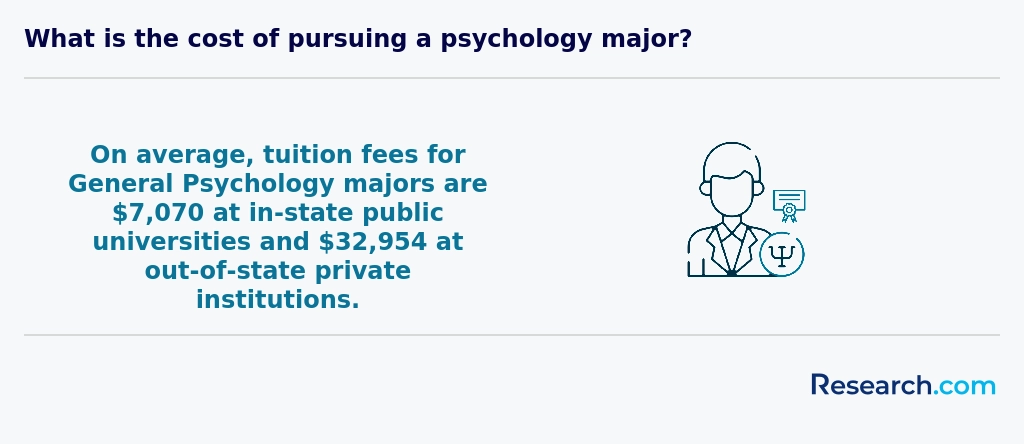
The average cost of a psychology degree in Pullman is an important consideration for students embarking on this rewarding path. At Washington State University, one of the most popular institutions for psychology studies in Pullman, the median total cost for earning a degree is around $44,334. In-state students typically benefit from more affordable tuition and fees, with median costs closer to $13,391, making higher education more accessible and motivating many to pursue their dreams. Graduates often reflect positively on the practical experiences and personalized attention they received, which make the investment feel truly worthwhile.
Many students share how the vibrant campus life and supportive community at WSU fostered a sense of belonging while they mastered complex psychological theories and applied them in real-world settings. When considering the average cost of psychology degree in Pullman, it's encouraging to know that the city's smaller size helps keep living expenses reasonable. This positive environment allows students to focus on their growth without overwhelming financial stress.
Financial aid, scholarships, and assistantships further lighten the financial load, enhancing the overall value of a psychology degree tuition and fees Pullman. Prospective students should also explore options at psychology schools Ohio accreditation, as various accredited programs can provide valuable opportunities and comparable affordability.
Graduates seeking to practice independently in Washington State must navigate a structured licensure path regulated by the Washington State Department of Health. First, candidates need at least a master’s degree in psychology or counseling from an accredited institution, followed by a minimum of 3,000 supervised clinical hours-1,500 of which must be direct client contact. These hours are typically completed under the mentorship of a licensed psychologist or mental health counselor and can be accrued through university practicum placements or local internship programs. Once supervised experience is fulfilled, applicants must pass the national Examination for Professional Practice in Psychology (EPPP) and the Washington Jurisprudence Examination, which tests knowledge of state laws and ethical standards. After exam completion, candidates submit an application, official transcripts, supervisor evaluations, and exam scores to the Board. Approval grants the title of Licensed Psychologist (LP) or Licensed Mental Health Counselor (LMHC), each requiring biennial renewal and 36 continuing education credits, including ethics and cultural competency modules. For those interested in specializing in child and adolescent services, meeting additional coursework requirements in developmental and family psychology is recommended. Graduates aiming for roles in pediatric settings can explore child psychology degree jobs to understand current demand and credential expectations. Maintaining licensure also involves adherence to the American Psychological Association’s ethical guidelines, ensuring practitioners uphold the highest standards of confidentiality, informed consent, and professional conduct. By understanding and completing these steps, Pullman psychology graduates can confidently transition from academic training to licensed practice, serving diverse populations across clinical, educational, and community settings.
Students pursuing a psychology degree in Pullman have encouraging financial support options that lighten the journey toward their dreams. Federal financial aid, like the Pell Grant, offers vital need-based assistance that doesn't require repayment, making it a lifeline for many aspiring psychologists. One graduate from Washington State University shares how receiving a Pell Grant allowed them to focus fully on their studies without overwhelming debt.
At universities in Pullman, institutional scholarships reward academic excellence and dedication to psychology, helping students reduce tuition costs. These scholarships often reflect a student's passion for research or community involvement, fueling their motivation to succeed. Many psychology majors have also benefited from graduate assistantships, gaining hands-on experience teaching or assisting in research while earning stipends or tuition waivers, which makes balancing finances and education more manageable.
Beyond campus, the Washington Student Achievement Council offers tailored resources, and numerous work-study roles on campus provide practical experience and income. Together, these opportunities empower psychology students in Pullman to pursue their education confidently and affordably.
Getting started with your psychology degree involves a clear set of steps and deadlines. Follow this guide to streamline your application:
- Review Prerequisites
Confirm you meet requirements such as a high school diploma (GPA ≥2.5) and foundational coursework in English, math, and social sciences.
- Gather Documents
Request official transcripts, draft a concise personal statement highlighting your interest in psychology, and secure one or two letters of recommendation.
- Complete the Online Application
Apply through Washington State University’s portal by the priority deadline (typically January 15 for fall entry). Late applications may be considered on a rolling basis.
- Submit the FAFSA and State Grants
File the FAFSA by March 1 to maximize eligibility for federal aid and the Washington College Grant. Follow up with any additional WSU financial aid forms.
- Track Your Application Status
Monitor your WSU student portal for admission decisions and next steps, including placement assessments and orientation registration.
For related counseling degree options, see affordable online mft programs.
In Pullman, preparing to enroll in a psychology degree program means taking exciting steps toward a rewarding future. Students at Washington State University, Pullman's leading institution for psychology, often share how meeting prerequisites like a strong high school GPA around 2.5 to 3.0 opened doors to enriching learning experiences. Completing courses in biology, mathematics, and social sciences can make you feel confident and ready as you dive into fascinating psychological theories and research.
Undergraduates have found that crafting personal essays expressing genuine passion for understanding human behavior truly helps their applications shine. Graduate hopefuls are inspired by alumni who leveraged their bachelor's degrees and research experiences to thrive in competitive master's and doctoral programs, supported by recommendation letters that speak to their commitment.
Whether you're tackling foundational subjects or preparing for standardized tests, each requirement builds a solid path. Envision yourself joining a community where your dedication and curiosity are valued, setting the stage for success in Pullman's vibrant psychology programs.
Pursuing an advanced degree can be a transformative step for those looking to deepen their expertise and advance their careers in psychology. Many graduates find that transitioning to graduate studies not only elevates their understanding of complex psychological theories and research methodologies but also opens doors to specialized career opportunities. For instance, enrolling in programs like a masters in criminal psychology can provide the focused training needed for careers in forensic and clinical settings. Advanced programs typically offer an enriched curriculum featuring hands-on research, internships with leading practitioners, and immersive experiences that bridge the gap between academic learning and practical application. Many candidates benefit from expanded networking opportunities and collaborations with industry experts, which can be crucial for ascending into leadership roles. Moreover, graduates of advanced studies often enjoy competitive salaries and higher placement rates in specialized roles across government agencies, private sectors, and academic institutions. By opting for further education, students not only gain specialized skills but also demonstrate a commitment to their personal and professional growth. This additional qualification can make a significant difference in a competitive job market, proving to employers a higher level of dedication and preparedness for the challenges of the field.
Psychology degree programs in Pullman offer a rich blend of courses that spark curiosity and deepen understanding of human behavior. At Washington State University, for example, students dive into foundational classes like Introduction to Psychology, where they explore fascinating psychological theories that explain everyday experiences, such as how memory shapes our identities or why social influences affect our decisions.
Graduates often reflect on their excitement taking Research Methods in Psychology, learning to design experiments and analyze data-skills that empower them to contribute to meaningful scientific discoveries right from Pullman's campus labs. Courses like Biopsychology open doors to understanding the brain's role in controlling emotions and actions, turning abstract concepts into vivid realities.
Students pursuing this path in Pullman also engage with Developmental and Social Psychology, gaining insights into how people grow and connect across life's stages. Abnormal Psychology courses bring compassionate perspectives on mental health challenges, inspiring many to pursue careers that help others thrive.
Psychology degrees in Pullman offer vibrant pathways through diverse specializations that truly ignite passion and purpose. At Washington State University, graduates have thrived by choosing areas like clinical psychology, where they learn to compassionately support individuals facing mental health challenges, or cognitive psychology, which unlocks the mysteries of memory and thought processes. This variety allows students to deeply connect with their chosen focus, tailoring their education to fit real-world aspirations.
Many students appreciate the enriching experience of specializing in developmental psychology, working toward careers that nurture growth from childhood through old age, or social psychology, exploring how group dynamics influence everyday decisions. These specializations within psychology degree specializations in Pullman empower learners to envision impactful careers, whether in community settings or pioneering research.
Some also dive into industrial-organizational psychology, enhancing workplace wellbeing, or delve into exciting fields like behavioral neuroscience and health psychology. For those curious about brain-behavior links, or the mind-body connection, these tracks open new horizons. Students passionate about such interdisciplinary studies often explore careers in neuropsychology, blending psychology with biology.
Choosing the best psychology degree programs in Pullman means immersing yourself in a vibrant academic community like Washington State University, where graduates often speak of transformative experiences shaped by dedicated faculty and diverse research opportunities. Imagine joining cutting-edge studies that spark your passion and open doors to meaningful internships right on campus or in Pullman's supportive local networks.
Many students find joy in exploring specialized courses that align with their unique interests-whether it's developmental psychology or counseling-allowing them to build skills that feel both exciting and relevant. Affordable psychology colleges in Pullman make it possible to pursue these dreams without overwhelming financial stress, especially when combined with scholarships and aid designed for motivated learners.
Engaging with a program accredited by strong academic bodies gives confidence and prepares students for future paths, including graduate school or well-regarded careers. For those drawn to helping others, exploring top careers in substance abuse counseling can add great purpose and fulfillment to your journey.
Graduates with a psychology degree in Pullman discover a vibrant range of career paths tailored to their passions. Many pursue advanced clinical roles, becoming licensed psychologists or counselors who make a meaningful difference in hospitals, schools, and private practices. These professionals often share inspiring stories of guiding individuals toward mental wellness, reflecting the supportive community at popular universities like Washington State University.
Jobs with psychology degree in Pullman Washington are also plentiful in social services and human resources, where graduates excel at managing behavioral programs and developing talent in various organizations. Others thrive in research environments, taking advantage of Pullman's close ties to academic labs to become research assistants or data analysts, contributing to groundbreaking studies that impact the field.
Many alumni express excitement about careers in education or corporate roles, such as UX design and organizational psychology, where they creatively apply their knowledge to improve lives and workplaces. Those interested in exploring educational options can find more information on in demand psychology schools by visiting in demand psychology schools.

The psychology degree job outlook in Pullman is encouraging for graduates eager to make a meaningful impact. With Washington State University at its core, the city offers diverse opportunities ranging from clinical roles to research and education. Many graduates find rewarding positions as licensed clinical psychologists, mental health counselors, or research assistants, benefiting from the strong academic and community support available.
Careers for psychology graduates in Pullman often blossom through hands-on experience gained at local institutions. For example, psychology students at Washington State University engage with innovative research projects and clinical internships that prepare them for competitive roles in healthcare and educational settings. This real-world exposure helps graduates confidently navigate the job market, where median salaries around $87,000 reflect the value of their expertise.
For those considering further specialization, exploring a masters in criminal psychology can open additional doors in law enforcement or forensic fields while enhancing job prospects. Overall, the stable growth of psychology occupations in Pullman encourages students to pursue their passions with optimism and dedication.
2027 Most Popular Psychology Degree Programs Ranking in Pullman
Investing in your education is a significant decision that can shape your future, and the Research.com team understands the importance of making informed choices. To assist prospective students in Pullman, we have meticulously crafted the "2027 Most Popular Psychology Degree Programs Ranking in Pullman." Our commitment to quality, credibility, and accuracy is reflected in the extensive research and analysis conducted to compile this ranking.
We utilized the following reputable data sources to ensure a comprehensive evaluation of psychology degree programs:
By exploring this ranking, readers will gain valuable insights into the most popular psychology degree programs in Pullman, empowering them to make well-informed decisions about their educational journeys. For more details on our methodology, please visit our Research.com methodology page.

Frequently Asked Questions About psychology
Psychology degree students in Pullman can maximize their learning experience by actively engaging in research opportunities offered by Washington State University, a leading institution in the city. Participating in faculty-led projects allows students to apply theoretical knowledge practically, enhancing understanding and skills. Students should also consider joining psychology clubs and organizations, which provide networking, peer support, and professional development events.
Internships and volunteer work in local mental health facilities can offer hands-on experience crucial for future careers. According to the American Psychological Association, students involved in practical work settings show a 30% higher retention rate of course material. Utilizing campus resources such as tutoring and counseling services can further support academic success.
The psychology field in Pullman is expanding into several emerging niches that reflect broader trends within the U.S. For students interested in pursuing psychology degrees here, areas like neuropsychology, which explores the relationship between brain function and behavior, are growing. Another rising niche is forensic psychology, combining legal studies with psychological assessment, especially relevant as the region sees increased collaboration between local law enforcement and mental health services.
Additionally, health psychology focusing on the impact of mental and emotional factors on physical health is gaining attention. According to the Bureau of Labor Statistics, overall employment in psychology is projected to grow 8% between 2021 and 2031, with specialties like industrial-organizational psychology also increasing in demand. Pullman's academic institutions increasingly support research and training in these areas, aligning local education with national employment trends.
Graduates with a psychology degree in Pullman should focus on gaining practical experience to boost employability. Internships and volunteer opportunities within local clinics or counseling centers provide valuable hands-on skills. Networking with professionals through campus events or the Washington State Psychological Association can open doors to job openings.
Many employers look for candidates with strong research, communication, and critical thinking abilities. Students are encouraged to participate in research projects or present at regional conferences to strengthen their resumes. According to the U.S. Bureau of Labor Statistics, employment for psychologists is projected to grow 8% from 2021 to 2031, indicating a positive job market trend.
Additional certification or graduate education may be necessary for clinical positions. For those interested in applied psychology roles around Pullman, familiarity with state licensure requirements through the Washington State Department of Health is essential.
Employers in Pullman seeking psychology degree graduates prioritize strong communication skills. Being able to clearly explain psychological concepts to clients and colleagues is essential. Additionally, critical thinking and analytical abilities are highly valued, as these enable graduates to interpret research data and develop effective treatment plans.
Knowledge of research methods and statistical analysis is also important, reflecting the increasing emphasis on evidence-based practice within the region's mental health services. According to the U.S. Bureau of Labor Statistics and local job market analyses, teamwork and interpersonal skills rank among the top attributes employers seek in Pullman's psychology graduates.
These skills help professionals collaborate effectively in clinical and organizational settings, enhancing overall service quality in the community.
Finding internships relevant to a psychology degree in Pullman involves utilizing university resources and local organizations. Washington State University, the main institution in Pullman, offers a dedicated internship program through its Department of Psychology that connects students with clinical, research, and community placements.
Students can also explore opportunities at the Whitman County Public Health Department, local counseling centers, and social service agencies, which frequently collaborate with WSU. According to the National Association of Colleges and Employers, about 60% of psychology students nationwide complete at least one internship before graduation, highlighting the value of these experiences.
Networking via university career fairs and joining psychology-related student groups improves internship prospects in Pullman.
A psychology degree in Pullman can significantly enhance career mobility and advancement opportunities. Graduates often find roles in counseling, social services, education, and human resources, sectors growing steadily in Washington state. According to the U.S. Bureau of Labor Statistics, employment for psychologists is projected to grow by 8% nationally through 2030, indicating strong demand.
Pullman's proximity to Washington State University provides access to internships and research projects, which are crucial for career development. Advanced degrees or certifications, such as a master's or licensure as a Licensed Mental Health Counselor (LMHC), further improve job prospects.
Local employers value graduates who combine theoretical knowledge with practical skills, enhancing upward mobility and salary potential over time.
Studying for a psychology degree in Pullman offers a strong foundation for interdisciplinary roles by integrating coursework across various fields such as biology, sociology, and education. This approach equips students with diverse analytical and research skills applicable in healthcare, human services, and business. For example, Washington State University in Pullman emphasizes collaboration between psychology and neuroscience programs, enhancing understanding of mental health and behavior.
Students also gain experience with real-world applications through internships and community partnerships, which broaden their perspectives beyond traditional psychology.
The U.S. Bureau of Labor Statistics projects a 13% growth in psychology-related jobs by 2032, highlighting the value of versatile training found in Pullman's programs.
Choosing between a thesis and a non-thesis psychology degree program in Pullman depends on your career goals and learning preferences. A thesis option typically involves conducting original research, which can enhance critical thinking and analytical skills essential for pursuing doctoral studies or research careers. The non-thesis track often focuses more on coursework and practical experience, appealing to those aiming for professional practice or positions in counseling and applied settings.
In Pullman, Washington State University offers both paths, with about 40% of its psychology graduate students opting for thesis programs, according to recent university data. Consider if you prefer independent research or a structured curriculum and check specific program requirements before making a choice.
Students based in Pullman interested in studying psychology abroad have several pathways to explore through U.S. higher education programs. Washington State University, located in Pullman, offers robust psychology courses with options for study abroad programs in countries such as the United Kingdom, Australia, and Spain. These programs often include cultural immersion alongside academic credit in psychology, providing valuable international experience.
Additionally, many U.S. universities participate in exchange programs facilitated by organizations like ISEP and CIEE, which allow psychology students to study at partner institutions overseas while continuing their degree progress. Financial aid and scholarships may be available to support these opportunities.
According to NAFSA, over 300,000 U.S. students studied abroad in 2022, with psychology among the top fields, reflecting growing interest in global perspectives within the discipline.
Students pursuing psychology degrees in Pullman can benefit from various part-time job opportunities that align well with their academic goals. Positions such as research assistants at Washington State University provide practical experience in psychological research methods and data analysis. According to the university's career services, these roles often pay between $12 and $18 per hour. Additionally, local healthcare facilities sometimes offer part-time roles as mental health aides or behavioral health technicians, which help students develop clinical skills.
Working in campus counseling centers or peer support programs is another valuable option, allowing students to apply psychological theories in real-world settings while gaining communication and empathy skills.
Psychology students in Pullman benefit from a variety of networking opportunities linked primarily to Washington State University (WSU). The WSU Psychology Department hosts regular events such as guest lectures, research symposiums, and student organization meetings that foster connections among peers and faculty. Students can join the Psi Chi Honor Society, which offers networking events and access to national psychology conferences.
Local internships and research assistant positions also provide valuable real-world experience and professional contacts. Pullman's proximity to Spokane and other cities expands possibilities for attending regional psychology workshops and networking events. These activities help students build relationships crucial for career advancement in psychology.
Alumni networks play a crucial role in supporting psychology degree students in Pullman by providing valuable professional connections. Graduates often share job leads, internship opportunities, and advice about career paths within the local and national psychology fields.
These networks offer mentorship programs that help current students navigate academic challenges and prepare for licensure exams specific to psychology, such as the EPPP. According to recent data from the National Association of Colleges and Employers, 85% of graduates found employment through connections made in alumni groups.
Furthermore, alumni events and workshops in Pullman foster continuous learning and networking, enhancing students' chances of securing positions in clinics, schools, or research institutions. Maintaining contact with these accomplished professionals can be especially beneficial in a competitive field like psychology.
In Pullman, students can customize psychology degree programs by selecting electives and specializations aligned with specific career goals. Many universities offer tracks such as clinical, developmental, or industrial-organizational psychology, allowing learners to focus their studies accordingly. Additionally, internships and research projects based in Pullman's local community provide practical experience tailored to individual interests. According to the U.S. Bureau of Labor Statistics, psychology careers requiring specialized knowledge often benefit from targeted coursework and applied practice. Students should consult academic advisors to design a curriculum that integrates both theoretical knowledge and hands-on experience relevant to their professional aspirations.
Psychology students in Pullman often face several notable challenges during their studies. One common difficulty is managing the demanding coursework, which frequently includes complex subjects like research methods, statistical analysis, and cognitive psychology. These areas require strong analytical skills and consistent effort, which can overwhelm some students.
Additionally, access to local research opportunities or internships in Pullman may be limited compared to larger urban areas, potentially impacting practical experience. According to data from the National Center for Education Statistics, students in smaller college towns often report fewer local placements.
Mental health is another concern; balancing academic pressure with personal well-being can be challenging, especially during peak exam periods.
With a psychology degree in Pullman, you can pursue several professional certifications that enhance your career opportunities. Common certifications include the Licensed Professional Counselor (LPC) and the Licensed Marriage and Family Therapist (LMFT), both requiring graduate education and supervised experience. Additionally, becoming a Board Certified Behavior Analyst (BCBA) is popular among psychology graduates interested in applied behavior analysis.
Washington state, where Pullman is located, has specific licensing boards setting these requirements. The Washington State Department of Health oversees LPC and LMFT licenses. Many local universities, including Washington State University, offer preparatory programs aligned with these certifications.
Certification can increase job prospects in clinical, educational, and organizational settings, making it a vital step for psychology graduates in Pullman.
Applying for a psychology program in Pullman requires a clear, well-structured application that highlights your academic achievements and passion for the field. Strong undergraduate GPA and relevant coursework in psychology or related sciences are essential. Many programs, such as those at Washington State University, prefer applicants with research experience or volunteer work in mental health settings.
Compose a concise personal statement that explains your motivation, career goals, and why you chose Pullman. Emphasize your understanding of psychology's role in addressing real-world issues and reference specific faculty or research opportunities at local institutions if possible.
Letters of recommendation should come from professors or professionals familiar with your academic and personal qualities. Lastly, ensure you meet all application deadlines and submit required standardized test scores, if applicable.
The psychology career offers diverse opportunities worldwide, with a strong foundation in research and clinical practice. In the United States, including Pullman, professionals usually pursue a master's or doctoral degree to enter specialized fields such as clinical, counseling, or industrial-organizational psychology. According to the U.S. Bureau of Labor Statistics, psychology professions are expected to grow 8% from 2021 to 2031, slightly faster than average for all occupations.
Globally, psychology careers emphasize cultural competence and evidence-based practice, reflecting varied mental health needs. In Pullman, Washington State University provides accredited programs emphasizing research skills and community engagement, preparing graduates to meet these challenges. This local focus aligns with broader global trends prioritizing adaptability and interdisciplinary collaboration in psychology careers.
Gaining practical experience while studying for a psychology degree in Pullman often involves engaging with local institutions and university-affiliated programs. Washington State University, located in Pullman, offers psychology students opportunities to participate in research labs, internships, and community service projects. These opportunities help students apply theoretical knowledge in real-world settings, which is crucial for graduate school or employment.
Many students gain hands-on experience through internships at nearby clinics, schools, or social service agencies. The WSU Psychology Clinic, for example, provides supervised clinical practice. Additionally, students can join faculty-led research projects, which frequently focus on areas like behavioral science and mental health.
According to recent data from the National Center for Education Statistics, internships increase employment chances by up to 20% for psychology graduates in the U.S. Practical experience also enhances skills such as assessment, counseling, and data analysis, important for future career paths in psychology.
Choosing the right concentration within a psychology degree program in Pullman involves understanding your career goals and interests. Psychology offers diverse specializations such as clinical, cognitive, developmental, and social psychology. Each concentration prepares students for different roles in research, therapy, or applied psychology settings.
Washington State University in Pullman provides detailed program options reflecting current trends in psychology careers. According to the U.S. Bureau of Labor Statistics, clinical and counseling psychology remain among the fastest-growing fields nationally, which may guide your decision.
Consider also internship opportunities and faculty expertise in Pullman to align your studies with practical experience. Consulting academic advisors and reviewing course descriptions helps ensure a well-informed choice tailored to your aspirations.
- 2027 Most Popular Psychology Degree Programs Ranking in Portland
- 2027 Most Popular Psychology Degree Programs Ranking in Eugene
- 2027 Most Popular Psychology Degree Programs Ranking in San Francisco
- 2027 Most Popular Psychology Degree Programs Ranking in Denver
- 2027 Most Popular Psychology Degree Programs Ranking in Santa Barbara
- 2027 Most Popular Psychology Degree Programs Ranking in Pasadena
- 2027 Most Popular Psychology Degree Programs Ranking in Claremont
- 2027 Most Popular Psychology Degree Programs Ranking in Los Angeles
- 2027 Most Popular Psychology Degree Programs Ranking in Riverside
- 2027 Most Popular Psychology Degree Programs Ranking in Irvine
See What Experts Have To Say About Studying Psychology
Read our interview with Psychology experts

Catherine Caldwell-Harris, Ph.D.
Psychology Expert
Associate Professor of Psychology
Boston University

Elizabeth L. Jeglic Ph.D.
Psychology Expert
Professor of Psychology
City University of New York

Joann Farrell Quinn, Ph.D., MBA
Psychology Expert
Director at the College of Medicine Department of Medical Education
Morsani College of Medicine

- Mental Health Challenges Faced by Psychology Students | The Healthcare Guys https://healthcareguys.com/2023/11/23/mental-health-challenges-faced-by-psychology-students/
- Financial Aid for Psychology Students https://www.onlinepsychologydegrees.com/financial-aid/
- Jobs With A Bachelor's Degree In Psychology https://www.psychology.org/resources/jobs-with-a-bachelor-of-arts-in-psychology/
- Why Get a Psychology Degree Online? | University of Bridgeport https://www.bridgeport.edu/news/reasons-to-get-your-psychology-degree-online/
- Community Psychology in Global Perspective http://siba-ese.unisalento.it/index.php/cpgp
- Application and tuition fees - SWPS University https://english.swps.pl/programs/apply/application-and-tuition-fees
- A Guide to Psychology Internships | Psychology Degree Guide https://psychologydegreeguide.org/resources/internships/
- How Psychology Students Can Get Clinical Experience Before Graduating | The Playful Psychologist https://www.theplayfulpsychologist.com/post/students-experience-how-to-get-the-experience-you-need-before-you-graduate
- Alumni Perspectives - Meet Our FPN Alumni https://www.aanmelder.nl/alumni-perspectives-june-2023
- National Application Center :: campus tours :: Washington State University https://www.nationalapplicationcenter.com/gotocollege/campustour/undergraduate/5423/Washington_State_University__Pullman/Washington_State_University__Pullman4.html


