2027 Easiest Online Master's in Psychology Degree Programs Ranking in Massachusetts

Co-Founder and Chief Data Scientist
If you're considering furthering your education in psychology, this article offers valuable guidance tailored specifically for students in Massachusetts. The 2027 Easiest Online Master's in Psychology Degree Programs Ranking in Massachusetts was carefully developed by the Research.com team of data scientists to help you identify programs that balance quality and accessibility.
By exploring this ranking, you can make a confident choice about which degree pathway suits your lifestyle and career goals. Earning a psychology degree opens doors to meaningful work helping others and personal growth. This article is here to support your journey toward that exciting future.
Key benefits of getting online psychology degree in Massachusetts
- Salary for psychology degree graduates: Graduates can earn competitive salaries, such as $91,990 annually for School Psychologists or $60,080 for Mental Health Counselors, reflecting strong earning potential in Massachusetts.
- Career paths: Psychology graduates from Massachusetts universities often pursue diverse roles like Industrial-Organizational Psychologists, with a mean annual wage of $154,380, showing a variety of rewarding career opportunities.
- Benefits of online degrees: Earning a psychology degree online offers flexibility and convenience, helping students balance work and study while gaining skills recognized by top Massachusetts institutions.
- 2027 Easiest Online Master's in Psychology Degree Programs Ranking in Massachusetts
- What can I expect from online psychology degree in Massachusetts?
- Where can I work with online psychology degree in Massachusetts?
What can I expect from online psychology degree in Massachusetts?
The average cost of pursuing an online psychology degree in Massachusetts often depends on whether you're enrolling at a public university or a private college. Graduates from well-known institutions like UMass Amherst or Boston University often share that tuition for online master's programs can range from more affordable in-state rates around $15,000 to more premium costs reaching $35,000 or more, depending on the institution and program length.
Many students appreciate how public universities offer accessible pricing without sacrificing quality, which makes balancing budgets and busy lifestyles easier. Imagine managing coursework while working full-time or raising a family-this affordability creates space to focus on growth rather than finances.
Private institutions, while pricier, often provide extensive online resources and tighter-knit networking opportunities, which some graduates find invaluable when starting careers in counseling or mental health services across Massachusetts. The investment often feels worth it when stepping confidently into local internship placements and community roles.
Where can I work with online psychology degree in Massachusetts?
Graduates with an online psychology degree in Massachusetts often find themselves stepping into vibrant roles across hospitals, schools, and corporate offices. Imagine joining a team at Massachusetts General Hospital, contributing to behavioral health programs, or supporting patients as a case manager in community health centers. Many discover rewarding paths in school settings, assisting special education departments or providing mental health support as they build toward full licensure.
For those who pursued their degrees online through institutions like Boston University or the University of Massachusetts, the journey often includes roles as research assistants at places such as the Harvard T.H. Chan School of Public Health. These positions ignite curiosity and provide hands-on experience, fueling passion for psychological research and public health initiatives.
Others dive into Boston's bustling business scene, applying psychology to enhance employee wellness or develop talent in human resources departments. These graduates share excitement about transforming workplace culture and positively impacting organizational behavior, all while exploring dynamic, fulfilling careers right in their home state.
Graduates from online psychology programs in Massachusetts often find themselves stepping into diverse roles with intriguing salary ranges. For instance, a school psychologist in the state typically earns a mean annual wage of about $91,990, providing a solid foundation for those passionate about supporting students in their learning environments.
Many who earned their degrees through well-regarded institutions like Boston University or UMass Amherst report starting careers as mental health counselors, where the average annual salary hovers around $60,080. This role offers rewarding daily interactions, guiding individuals through challenges while earning a competitive income.
For the adventurous, industrial-organizational psychology presents an exciting path, with mean salaries soaring to approximately $154,380 annually. Graduates who have explored this route emphasize the thrill of applying psychology within corporate settings to improve work life and productivity.
Additionally, marriage and family therapists in Massachusetts can expect earnings near $68,730 annually, merging meaningful connection with steady financial growth. These figures reflect Massachusetts's vibrant market and the promising prospects for those with relevant licenses and experience.
With online degrees from respected Massachusetts colleges, graduates feel confident stepping into professions where passion meets opportunity, turning their academic journeys into fulfilling careers.
- Undergraduate online psychology programs in Massachusetts cost between $15,000 and $35,000 per year for in-state students.
- Master's programs typically cost between $20,000 and $40,000 total.
- Job growth for psychology-related roles in Massachusetts is projected at around 8% over the next decade.
- Entry-level psychologists and counselors earn between $55,000 and $65,000 annually, with experienced professionals making $90,000 or more.
- Online programs include supervised clinical hours to meet Massachusetts licensing requirements.
Curious about how long it takes to complete an online psychology degree in Massachusetts? Imagine a passionate student at the University of Massachusetts Amherst diving into a bachelor's program; they typically invest around four years if studying full-time, embracing a steady pace filled with engaging courses and virtual campus connections. Yet, for those balancing work and family, programs at schools like Suffolk University offer flexible part-time options that stretch the journey a bit longer, allowing life's adventures to continue alongside studies.
Master's hopefuls at institutions such as Boston University often find themselves wrapping up their degrees between 1.5 to 3 years, depending on how aggressively they chase finishing. Some accelerated graduates recall years packed with intensive classes and projects, completing their programs in as little as 12 to 18 months-proof that dedication can fast-track success.
Doctoral candidates pursuing a rare fully online journey in Massachusetts face a longer trek of 4 to 7 years, blending rigorous research and clinical hours, often through hybrid programs that balance digital learning with in-person experiences. Across all paths, students discover that Massachusetts' mix of quality programs and flexible pacing makes the timeline a personal adventure rather than a rigid countdown.
Choosing between an online and on-campus psychology degree in Massachusetts feels like setting off on two very different adventures. Imagine a student enrolled at a prominent university in Boston, juggling family and work while diving into psychology through online lectures, virtual discussions, and digital research projects. The freedom to study anywhere, without the hassle of commuting across the city, offers a unique kind of peace and flexibility.
On the flip side, graduates from on-campus programs at colleges like UMass Amherst often recall the energizing buzz of crowded lecture halls, lively lab sessions, and face-to-face connection with professors and peers. They thrived on hands-on experiences-internships nestled in nearby clinical settings or research labs-making learning tangible and deeply immersive.
Both paths demand dedication, but the on-campus journey offers a vibrant campus vibe and immediate access to mental health resources, while online students creatively harness virtual platforms to build networks. Tuition is comparable, though online learners sometimes save time and commute expenses, adding to that sense of adventurous independence.
When diving into the adventure of earning an online psychology degree in Massachusetts, one key detail to uncover is the average cost. Graduates from well-known institutions in the state often share stories of balancing excitement with careful budgeting. Typically, the average cost of online psychology degree Massachusetts hovers around $22,200 in total tuition fees. This figure captures the overall expense beyond just yearly tuition, offering a clearer financial map for travelers on this academic journey.
Imagine a student enrolled at a popular Massachusetts public university, drawn by the convenience and flexibility of online learning. While the tuition marks a significant investment, many find joy in how the program's supportive faculty and well-crafted curriculum make each dollar feel worthwhile. It's not just about numbers but the energy and growth sparked by the experience. Total tuition fees for psychology master's Massachusetts students usually span between $20,000 and $40,000, reflecting variations between public and private institutions.
Explorers embarking on this path might uncover unexpected treasures like reduced in-state tuition rates and financial aid options that ease the burden. For those still charting their course, resources like the best online colleges with open admissions policy can provide gateways to accessible programs.

State aid adds another layer of support - MassGrant and even aid from the Massachusetts Rehabilitation Commission can reduce financial stress, especially for those balancing work and study. One graduate from Northeastern University shared how institutional scholarships boosted their confidence by easing the cost burden, enabling focus on research and internships.
Professional affiliations matter too. Joining groups like the Massachusetts Psychological Association led others to exclusive scholarships, marrying passion with financial help. Plus, many employers in Massachusetts enthusiastically offered tuition reimbursement, turning career advancement into an affordable adventure.
By weaving together loans, grants, scholarships, and employer support, online psychology students in Massachusetts chart a funded path toward their dreams.
Diving into an online psychology degree in Massachusetts means you'll likely need a bachelor's degree, preferably in psychology or related fields like social sciences, from an accredited school. Imagine a graduate from a well-known Massachusetts college eagerly submitting transcripts that showcase their solid GPA-usually around 3.0 to 3.5-knowing it's their key to joining any competitive program. These schools value dedication and readiness, so glowing letters of recommendation from past professors or employers can truly open doors by highlighting your analytical and communication skills.
Many students recall crafting personal statements filled with passion, describing their journey and goals to programs at respected institutions around Boston or Worcester. Though some programs might still ask for GRE scores, an increasing number have waived this to embrace diverse talents. Plus, with online classes, reliable tech and internet access become your daily companions as you explore psychology's fascinating depths from your own space in Massachusetts.

Research methods and statistics quickly become a favorite challenge, as students learn to design studies and interpret data, giving real power to their curiosity. It's like unlocking the code behind human behavior, a skill praised by those balancing work and study in the Bay State.
Courses in developmental psychology bring vivid stories to life, helping students understand how toddlers learn or how seniors adapt to change. Many find social psychology eye-opening, revealing secrets behind group behaviors witnessed at lively campus discussions or community events in Cambridge.
Electives in cognitive psychology or biopsychology add adventurous depth, connecting brain science to daily moods. Graduates often recall these moments as the spark that made their learning feel instantly relevant and deeply exciting.
Diving into an online psychology degree in Massachusetts opens doors to fascinating specializations that shape unique career paths. Graduates from popular institutions often share how exploring clinical psychology transformed their understanding of mental health, empowering them to meet the high demand for licensed professionals in the state. Others find joy in counseling psychology, where real-life practicum experiences in schools or rehab centers provide hands-on growth and warmth in helping communities heal.
For those intrigued by workplace dynamics, industrial-organizational psychology offers exciting opportunities within Massachusetts' thriving biotech and tech sectors, making research-driven roles feel thrilling and impactful. Some students venture into forensic psychology, unlocking complex legal puzzles, while school psychology specializations spark passion through enhancing student wellbeing and behavior interventions. These diverse paths are common concentrations within a psychology master's program in Massachusetts, guiding students through licensure essentials to succeed.
Curious minds balancing study and life often explore easiest associate's degree programs initially, then eagerly step into specialized online psychology degree specializations Massachusetts offers, embracing the excitement of transforming knowledge into real-world change.
Choosing the best online psychology degree programs Massachusetts offers means diving deep into accreditation and curriculum that truly align with state licensure needs. Graduates from reputable schools often share how faculty with strong clinical backgrounds turned intimidating topics into exciting, real-world applications-like ethical dilemmas and developmental psychology case studies that felt like preparing for Massachusetts' licensing exams firsthand.
Affordable accredited psychology master's Massachusetts options can surprise you. Some graduates found that programs based at notable state universities provide scholarships and financial aid tailored just for online learners, making the journey less daunting financially. One graduate's story highlights balancing a part-time schedule while working, appreciating how flexible program lengths allowed a personalized pace without sacrificing quality.
For those exploring unique online paths, it's useful to review the easiest bachelor degree options as a stepping stone, especially if your goal is to build confidence before tackling advanced studies. Many students emphasize how a strong tech platform and practical virtual internships boosted their engagement and readiness for Massachusetts' job market.
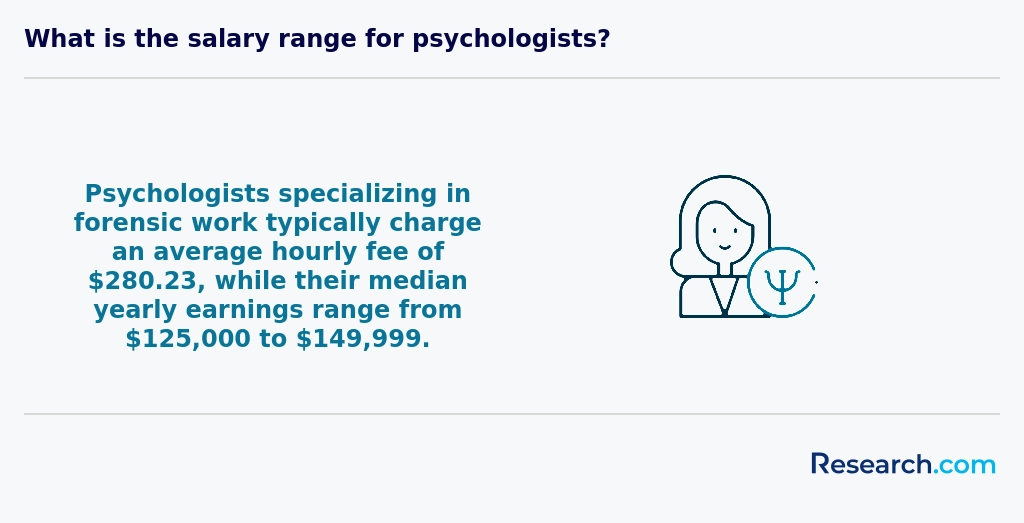
Graduates with an online psychology degree in Massachusetts dive into exciting career paths that reflect the state's dynamic healthcare and academic landscape. Whether stepping onto the path of becoming a licensed clinical psychologist or unlocking roles as a licensed mental health counselor or behavioral therapist, many find doors opening after earning their degree from institutions like Boston University or Northeastern University.
Some alumni relish the thrill of research, joining prestigious Massachusetts universities as research coordinators or data analysts, turning curiosity into impactful discoveries. Others venture into human resources or industrial-organizational psychology, thriving in Boston's corporate world where understanding human behavior sparks real change.
The psychology job opportunities in Massachusetts don't stop there-graduates often benefit from local professional networks that boost confidence through career support, making transitions from study to work not only possible but inspiring. For those exploring financially feasible paths, it's worth checking out options among the easiest masters degrees which can provide a smoother start into this vibrant field.
For those exploring the online psychology degree job outlook Massachusetts offers a vibrant landscape fueled by strong healthcare networks and an expanding focus on mental wellness. Graduates from well-known schools like Boston University or UMass Amherst often find themselves stepping confidently into roles supporting hospital clinics, schools, or community centers. Imagine working alongside seasoned professionals in a bustling outpatient care facility or joining school systems where your efforts actively improve student mental health-these are everyday realities for many.
Psychology careers demand in Massachusetts is robust, with a 10% projected growth in psychologist roles. This means plenty of opportunity for freshly minted online graduates to find meaningful work, especially if they embrace roles in counseling or employee well-being at local businesses. Some graduates share how easing the cost and commute through an easiest degree to get online program made their journey smoother and more adventurous, opening doors to diverse fields like research or social services.
2027 Easiest Online Master's in Psychology Degree Programs Ranking in Massachusetts
Investing in your education is a significant decision that can shape your future, and the Research.com team understands the importance of making informed choices. To assist prospective students in Massachusetts, we have meticulously crafted the "2027 Easiest Online Master's in Psychology Degree Programs Ranking in Massachusetts." Our commitment to quality, credibility, and accuracy is reflected in the extensive research and analysis conducted to compile this ranking.
We utilized the following reputable data sources to ensure a comprehensive evaluation of psychology programs:
By exploring this ranking, readers will gain valuable insights into the most accessible online master's programs in psychology available in Massachusetts, empowering them to make informed decisions about their educational paths. For more details on our methodology, please visit our Research.com methodology page.


# 3 position
UMassOnline
Master of Family Therapy
Frequently Asked Questions About psychology
Students pursuing online psychology degrees in Massachusetts can enhance their learning by actively engaging in virtual discussions and networking with peers and faculty. Research shows that Massachusetts hosts over 35 licensed psychology clinics, offering valuable opportunities for internships and applied learning experiences. Utilizing local resources such as the Massachusetts Psychological Association can provide access to workshops, webinars, and professional development tailored to the state's psychological community.
Allocating dedicated study time and employing varied learning tools, including interactive simulations and case studies, helps deepen understanding of psychological theories. Finally, staying informed about Massachusetts licensing requirements ensures coursework aligns with future career goals in psychology practice or counseling.
The psychology field is expanding into several emerging niches that offer promising career paths. One notable area is health psychology, which focuses on how mental health impacts physical well-being. This is particularly relevant in Massachusetts, where the aging population increases demand for integrated care providers.
Another growing niche is neuropsychology, a specialty examining brain-behavior relationships. Massachusetts ranks among the top states for research funding in this area, with institutions like Harvard and MIT leading advancements. Additionally, industrial-organizational psychology is gaining popularity due to companies' growing focus on workplace mental health and productivity.
Environmental psychology also shows growth, addressing how surroundings affect mental health, a topic relevant in urban areas of Massachusetts.
After completing an online psychology degree in Massachusetts, preparing for the job market involves several key steps. First, graduates should obtain relevant licensure if they intend to practice clinically; the Massachusetts Board of Registration of Psychologists outlines specific requirements, including supervised hours and exams. Networking is also crucial-joining state chapters of professional organizations like the Massachusetts Psychological Association can provide valuable connections and job leads.
Gaining practical experience through internships or volunteer work can improve employability. According to the Bureau of Labor Statistics, the demand for psychologists in Massachusetts is expected to grow by 11% from 2022 to 2032, indicating promising job prospects. Building a strong resume highlighting skills in research, communication, and data analysis is essential.
Employers seeking psychology degree graduates in Massachusetts prioritize a mix of technical knowledge and interpersonal skills. Strong research abilities are essential, as psychology roles often require data analysis and interpretation. Graduates must be proficient in statistics and experimental design, reflecting the state's emphasis on evidence-based practices, as noted by the Massachusetts Board of Registration of Psychologists.
Communication skills rank highly, given the need to explain complex concepts to clients or colleagues. Critical thinking and ethical judgment are also crucial, aligning with Massachusetts' strict licensure standards.
Furthermore, cultural competence and adaptability are increasingly important in the diverse Massachusetts workforce, enhancing client engagement and outcomes.
Finding internships relevant to a psychology degree in Massachusetts involves several strategic steps. Many students begin by exploring partnerships their online programs may have with local hospitals, clinics, or community organizations that offer supervised internship opportunities.
The Massachusetts Psychological Association and the American Psychological Association provide listings of approved internship sites and resources for students. According to APA data, about 70% of psychology internships in Massachusetts are connected to healthcare and social service sectors.
Additionally, students can search state government websites for internships in mental health departments or organizations like the Department of Mental Health (DMH). Networking through academic advisors and attending local psychology conferences can also help uncover hidden opportunities.
Finally, Massachusetts has a robust nonprofit sector with organizations offering internships in counseling, research, and behavioral health, which are valuable experiences for psychology students.
Obtaining an online psychology degree in Massachusetts significantly enhances career mobility and advancement opportunities. The state's growing demand for mental health professionals, projected to increase by 14% through 2030 according to the Massachusetts Department of Labor, means graduates can access diverse roles in counseling, social services, and healthcare.
Online degrees provide flexibility for working adults, enabling continued employment while studying. Employers in Massachusetts increasingly recognize accredited online programs, especially when candidates pursue licenses such as the Licensed Mental Health Counselor (LMHC), which requires specific graduate coursework.
Furthermore, online psychology students often develop skills applicable to multiple sectors, including education, human resources, and research. This adaptability supports upward mobility within competitive Massachusetts job markets.
Studying for an online psychology degree in Massachusetts equips students with diverse skills applicable across multiple disciplines. Programs often integrate coursework in counseling, neuroscience, and social sciences, fostering a broad understanding of human behavior. This interdisciplinary approach aligns with Massachusetts' emphasis on collaborative healthcare, education, and business sectors, where psychology graduates frequently work alongside other professionals.
Many Massachusetts institutions emphasize research methods and applied psychology, preparing students to adapt theory to real-world challenges. The state's strong healthcare industry, ranked among the top nationally by the U.S. Bureau of Labor Statistics, offers ample opportunities for psychology graduates to engage in interdisciplinary teams.
According to the Massachusetts Department of Higher Education, psychology remains a top choice among social science graduates, highlighting its role in contributing to fields such as healthcare management, human resources, and educational services.
When choosing between a thesis and a non-thesis online psychology degree in Massachusetts, consider your career goals first. A thesis program typically involves original research, which suits students aiming for doctoral study or research-oriented positions. Non-thesis options focus more on coursework and practical skills, ideal for those seeking immediate employment in clinical or counseling roles.
Massachusetts hosts several accredited universities that offer both options, following guidelines from the American Psychological Association and regional accrediting bodies. The choice may also reflect your available time and resources, as thesis programs usually require more dedication over a longer period.
Check specific program requirements and faculty expertise to align your interests with the right path.
Students based in Massachusetts who want to study psychology abroad have several pathways, though options for fully online international psychology degrees remain limited. Many Massachusetts universities, such as Boston University and Northeastern, offer online psychology programs with international study components or partnerships. However, full online psychology degrees from foreign universities are less common for U.S. students due to accreditation and licensing differences.
The Massachusetts Board of Registration of Psychologists requires degrees from accredited institutions, mainly U.S.-based, which can affect international program eligibility for licensure. Students should verify that foreign programs meet standards recognized by organizations like the American Psychological Association (APA).
Some students choose to enroll in hybrid or exchange programs, blending online coursework with study abroad, enabling them to meet Massachusetts licensure requirements while gaining global experience.
Part-time job opportunities in Massachusetts can effectively complement online psychology degree education by providing practical experience and skill development. Many students pursue roles as behavioral health technicians, assisting licensed professionals with patient care, which aligns closely with psychology coursework.
Additionally, research assistant positions at institutions like Harvard University or Boston University offer exposure to academic research methods. According to the Massachusetts Department of Labor, social service assistant roles are expected to grow by 14% through 2030, providing strong employment potential.
Volunteer or part-time work in community mental health centers and schools also enhance understanding of diverse populations served by psychologists in the state.
Online psychology students in Massachusetts have access to various networking opportunities despite studying remotely. Many state universities and private colleges offer virtual events, such as webinars and guest lectures, that connect students with psychology professionals and faculty. For example, the Massachusetts Psychological Association provides online forums and regular meetings, fostering engagement within the local professional community.
Students can also join national organizations like the American Psychological Association, which host regional online networking events. Additionally, Massachusetts has a strong presence of psychology research centers and hospitals, offering remote internships or volunteer roles to build connections.
Local LinkedIn groups and alumni networks provide another valuable platform for relationship building, career advice, and job leads specific to Massachusetts.
Alumni networks offer significant advantages for students pursuing online psychology degrees in Massachusetts. These networks foster connections among graduates and current students, enabling valuable professional networking opportunities. In Massachusetts, psychology graduates benefit from strong ties with local mental health organizations and research institutions through alumni associations.
Such networks facilitate mentorship, internship placements, and job referrals, which are crucial for career advancement. According to the Massachusetts Psychological Association, graduates who engage with alumni groups report higher employment rates within six months of graduation. Additionally, these networks keep students informed about changes in state licensure requirements and continuing education options.
Customizing an online psychology degree program in Massachusetts allows students to align their education with specific career goals. Many Massachusetts institutions offer electives or concentrations such as clinical psychology, counseling, or organizational psychology. Choosing these options tailors your skill set to desired fields.
The Massachusetts Board of Registration of Psychologists requires specific licensure criteria. Selecting coursework that meets these requirements, including supervised practicum or internship experiences, can accelerate professional licensing.
Additionally, online programs often provide flexible scheduling and opportunities for research or applied projects relevant to local mental health trends. According to the U.S. Bureau of Labor Statistics, Massachusetts employs numerous psychologists in healthcare and educational sectors, emphasizing the value of specialized training in these areas.
Online psychology students in Massachusetts often face unique challenges related to balancing rigorous coursework with personal and professional responsibilities. Many learners report difficulty in managing time effectively, especially when synchronous sessions interfere with work hours or family commitments. According to a 2023 Massachusetts Board of Higher Education report, approximately 65% of online psychology students juggle full-time jobs alongside their studies.
Another common challenge is maintaining engagement in virtual environments. Students may feel isolated without direct interaction, which can impact motivation and academic performance. Additionally, accessing required practicum or internship placements in Massachusetts can be competitive, given the state's stringent licensing requirements outlined by the Massachusetts Board of Registration of Psychologists.
Technical issues and varying levels of digital literacy also affect some students, with reported concerns about stable internet connections in rural MA areas. These factors collectively influence the overall online learning experience for psychology students in the state.
With an online psychology degree in Massachusetts, graduates can pursue various professional certifications to advance their careers. Common certifications include becoming a Licensed Mental Health Counselor (LMHC) or a Licensed Alcohol and Drug Counselor (LADC), both regulated by the Massachusetts Board of Registration of Allied Mental Health and Human Services Professionals.
Additionally, individuals may seek certification as a Certified Rehabilitation Counselor (CRC) or pursue credentials in school psychology, requiring further graduate study and licensure through the Massachusetts Department of Elementary and Secondary Education.
These certifications often require completing supervised clinical hours and passing state licensing exams. According to the Massachusetts Department of Public Health, there is steady demand for licensed mental health professionals across the state.
Writing a strong application for an online psychology program in Massachusetts begins with thorough research. Applicants should clearly understand program prerequisites and align their academic background accordingly. Highlighting relevant experience, such as volunteering or work in mental health settings, strengthens the application.
Massachusetts has a competitive psychology education market, with institutions often valuing statements of purpose that demonstrate clear career goals and understanding of psychological principles. According to the Massachusetts Department of Higher Education, programs may look for evidence of strong writing and critical thinking skills.
Careful attention to letters of recommendation is crucial; selecting referees who can speak directly about your psychological aptitude is highly recommended. Finally, applicants should ensure all transcripts and official documents meet the specific enrollment deadlines to avoid delays.
Psychology careers in the United States, including Massachusetts, reflect global trends emphasizing mental health's growing importance. According to the U.S. Bureau of Labor Statistics, employment for psychologists is projected to grow 8% from 2021 to 2031, signaling steady demand. Globally, psychology professionals work across various sectors like healthcare, education, and business, adapting to cultural needs. In Massachusetts specifically, recognized for its many top-ranked universities and healthcare systems, there is strong demand for psychology experts to address diverse populations.
Internationally, psychology careers often require advanced degrees and licensure, similar to U.S. standards. Earning an online psychology master's degree in Massachusetts can provide credentials aligned with national and global expectations. Such programs emphasize evidence-based practices, preparing students for roles in research, therapy, and applied psychology worldwide.
Students pursuing an online psychology degree in Massachusetts can gain practical experience through internships and practicums mandated by many programs. These opportunities allow students to apply theoretical knowledge in real-world settings such as mental health clinics, hospitals, or community organizations. Collaborating with faculty advisors can help identify nearby approved sites.
The Massachusetts Department of Higher Education often encourages partnerships between universities and local agencies to support hands-on training. According to the Massachusetts Psychology Internship Consortium, about 70% of psychology graduate students complete supervised internships within the state.
Additionally, some programs offer virtual simulations and lab work to supplement in-person experiences, making practical learning accessible even for fully remote students.
Choosing the right concentration within an online psychology degree program in Massachusetts requires understanding your career goals and interests. Psychology offers diverse specializations such as clinical, counseling, forensic, or industrial-organizational psychology, each leading to different job paths.
Consider the demand for certain specializations in Massachusetts. For example, the state's Bureau of Labor Statistics reports that clinical and counseling psychologists are among the fastest-growing mental health professions locally, reflecting high employment opportunities.
Evaluate programs accredited by the American Psychological Association (APA) or recognized regional bodies, as this affects licensure eligibility in Massachusetts.
Additionally, factor in faculty expertise and online resources, ensuring the program supports your learning style and career aspirations.
- 2027 Easiest Online Master's in Psychology Degree Programs Ranking in New York
- 2027 Easiest Online Master's in Psychology Degree Programs Ranking in Pennsylvania
- 2027 Easiest Online Master's in Psychology Degree Programs Ranking in Virginia
- 2027 Easiest Online Master's in Psychology Degree Programs Ranking in Ohio
- 2027 Easiest Online Master's in Psychology Degree Programs Ranking in Indiana
- 2027 Easiest Online Master's in Psychology Degree Programs Ranking in Florida
- 2027 Easiest Online Master's in Psychology Degree Programs Ranking in Alabama
- 2027 Easiest Online Master's in Psychology Degree Programs Ranking in Missouri
- 2027 Easiest Online Master's in Psychology Degree Programs Ranking in Kansas
- 2027 Easiest Online Master's in Psychology Degree Programs Ranking in Texas
See What Experts Have To Say About Studying Psychology
Read our interview with Psychology experts

Robin M. Kowalski. Ph.D.
Psychology Expert
Professor of Psychology
Clemson University

Elizabeth L. Jeglic Ph.D.
Psychology Expert
Professor of Psychology
City University of New York

Joann Farrell Quinn, Ph.D., MBA
Psychology Expert
Director at the College of Medicine Department of Medical Education
Morsani College of Medicine

- Society for the Teaching of Psychology https://teachpsych.org/page-1784686/8675326
- What Certifications Can I Get With A Bachelor's In Psychology? https://www.psychology.org/resources/certification-skills-for-psychology-major-resumes/
- 2025 Most Popular Online Psychology Degrees in Massachusetts https://www.onlineu.com/degrees/psychology/massachusetts
- Ontario Psychological Association - Networking and Community Resources https://www.psych.on.ca/become-a-member-(1)/member-services/networking-and-community-resources
- Why Get a Psychology Degree Online? | University of Bridgeport https://www.bridgeport.edu/news/reasons-to-get-your-psychology-degree-online/
- A Guide to Psychology Internships | Psychology Degree Guide https://psychologydegreeguide.org/resources/internships/
- Mental Health Challenges Faced by Psychology Students | The Healthcare Guys https://healthcareguys.com/2023/11/23/mental-health-challenges-faced-by-psychology-students/
- Psychology Online Degree Pathway https://www.learndirect.com/course/psychology-online-degree
- Top Online Psychology Degrees in Massachusetts https://www.degreesforgood.org/online-degrees/psychology-programs/massachusetts-ma/
- Sample letters in psychology https://www.mystudies.com/en-in/human-and-social-sciences/psychology/letter-model/