
2027 Most Affordable Online Psychology Degree Programs Ranking in Boston, MA

Co-Founder and Chief Data Scientist
Choosing the right psychology degree program is a big step toward a rewarding career in understanding human behavior and helping others. If you're in Boston and considering an online path, this article is designed just for you.
The Research.com team of data scientists has carefully created the 2027 Most Affordable Online Psychology Degree Programs Ranking in Boston, MA to guide you toward affordable and valuable options.
By exploring this ranking, you'll gain insights that make deciding easier and feel confident about pursuing your passion in psychology.
Key benefits of getting online psychology degree in Boston
- Psychology degree graduates in Boston can expect competitive salaries, such as a Human Resources Specialist earning about $76,060 annually or a Marketing Research Analyst making around $83,190 yearly.
- Graduates from popular Boston universities often pursue careers in clinical research, marketing analysis, or human resources, offering diverse opportunities to apply psychology knowledge in real-world settings.
- Online psychology degrees provide flexible learning schedules, allowing Boston students to balance work and study comfortably while gaining the same quality education as traditional programs, enhancing career growth.
- 2027 Most Affordable Online Psychology Degree Programs Ranking in Boston, MA
- What can I expect from online psychology degree in Boston?
- Where can I work with online psychology degree in Boston?
What can I expect from online psychology degree in Boston?
The average cost of an online psychology degree in Boston typically ranges between $15,000 and $40,000, depending on the university and the level of study. Many students appreciate that Boston's programs can reduce expenses by eliminating commuting and housing fees, which often eases financial stress while juggling work or family commitments. Graduates from institutions like Boston University and Northeastern University often share how flexible payment plans and financial aid options helped make their education affordable.
For example, some students enrolled in online master's programs at Northeastern found that local partnerships offered internship credits without extra fees, adding immense value beyond tuition. Others highlight that choosing regional public universities can also lower the cost while maintaining quality, thanks to accreditation by bodies like the APA. Considering these factors, prospective students benefit from comparing tuition details upfront and exploring scholarships targeted at psychology majors in Boston to reduce overall costs.
Where can I work with online psychology degree in Boston?
Graduates with an online psychology degree in Boston find rewarding work in healthcare settings such as Massachusetts General Hospital and Boston Medical Center, serving as behavioral health technicians or psychological assistants. These roles offer hands-on experience supporting patient mental wellness, which many graduates from institutions like Northeastern University appreciate for its direct community impact.
In educational environments, psychology degree holders often join Boston Public Schools or local colleges in positions like behavioral intervention specialists or school counselor aides. Graduates share that these roles allow them to contribute meaningfully to student support without needing advanced licensure, making it an accessible career path.
Corporate sectors also welcome psychology graduates, especially in human resources and employee wellness programs. Graduates from Boston University report how applying behavioral insights to improve workplace culture creates fulfilling daily challenges, adding value to businesses.
Nonprofit organizations in Boston provide further opportunities in program coordination and mental health advocacy, helping graduates engage deeply with community outreach. These varied options make an online psychology degree a versatile foundation for a fulfilling career locally.
Graduates with an online psychology degree in Boston often find rewarding opportunities with salaries reflecting their specific roles and education levels. For example, human resources specialists working in local companies typically earn a mean annual wage of around $76,060. This role suits those who combine psychology studies with organizational behavior courses, a popular path for many Boston-area students.
Marketing research analyst positions, common among graduates from Boston's well-regarded programs, offer mean annual salaries near $83,190. These roles allow graduates to apply psychological principles to consumer behavior, data analysis, and strategic planning-skills emphasized in colleges like Boston University and Northeastern.
For those seeking entry-level jobs, roles such as clinical research associates or survey researchers provide meaningful experience while earning approximately $62,370 annually. These positions, frequently pursued by recent graduates, offer a strong foothold for advancing toward more specialized psychology careers.
Boston graduates appreciate how local employers value interdisciplinary skills, which often boosts earning potential and job satisfaction early in their careers, creating strong foundations for future growth.
- Online psychology degrees in Boston typically cost between $15,000 and $25,000 annually for undergraduate programs, while graduate programs range from $20,000 to $35,000 per year.
- Many programs are accredited by the New England Commission of Higher Education (NECHE) and some graduate tracks have American Psychological Association (APA) accreditation.
- Entry-level psychologists in Boston earn an average of about $60,000 per year, with experienced professionals making over $90,000 annually.
- The local job market for psychology roles is growing faster than the national average of 6%, especially in mental health counseling, research, and organizational psychology.
- Boston offers online degrees structured to accommodate working adults and students balancing other commitments.
Completing an online psychology degree in Boston typically depends on the degree level and your personal schedule. For example, graduates from Boston University and Northeastern University often finish their bachelor's degrees in about four years when studying full-time. However, many students appreciate the flexible pacing offered by these programs, allowing them to balance work and family by extending their studies to six years without pressure.
Graduate students pursuing a Master's in Psychology generally complete their degrees within two years. Some accelerated programs at institutions like Suffolk University offer options to finish in just 12 to 18 months by taking intensive courses year-round, which appeals to busy professionals eager to advance quickly.
Those aiming for doctoral degrees, such as Ph.D.s or Psy.D.s, often invest four to seven years, juggling research, internships, and dissertations. Graduates recall managing their time carefully through these intensive demands, finding satisfaction in their progress despite the challenges.
To shorten your completion time, consider transferring credits from prior coursework, enrolling full-time when possible, and selecting programs with flexible structures that match your lifestyle.
Online and on-campus psychology degrees in Boston differ mainly in how and where you learn. On-campus students at well-known places like Boston University enjoy face-to-face interactions, immediate feedback, and direct access to campus resources such as research labs and counseling centers. These settings often foster strong professional networks through in-person classes and mandatory internships, which graduates recall as invaluable hands-on experiences.
In contrast, online programs - which some students choose at institutions like Northeastern University - offer flexibility, allowing study around work and family schedules. These students share how completing coursework asynchronously helps them balance daily life, though it requires self-discipline and proactive communication. Virtual labs or local internship arrangements replace traditional practica in many cases.
Cost is another practical difference. Online degrees can reduce expenses related to commuting and housing, appealing to Boston residents who want quality education without relocating. Whether on-campus or online, ensuring your program is NECHE-accredited guarantees recognized training, critical for future career steps in psychology.
The average cost of an online psychology degree in Boston is approximately $22,200, which is a practical figure for students weighing their options in this vibrant educational hub. Graduates from local universities often highlight how this investment balances quality education with the ability to study flexibly from home. Boston's higher cost of living plays a role, but many public institutions offer reduced tuition rates for Massachusetts residents, sometimes as low as $400 to $600 per credit hour, keeping the overall expenses reasonable.
Private colleges in Boston, such as Northeastern University, typically charge between $800 and $1,200 per credit hour for their online psychology courses. While this may seem steep, many students find reassurance in the extensive financial aid and scholarships available, making these programs a viable choice for those prioritizing prestige and comprehensive resources. Boston students exploring affordable online psychology programs Boston 2027 should carefully compare these options based on tuition and financial aid possibilities.
One strategy highly recommended by graduates involves leveraging financial aid options early. For guidance on the best ways to secure such assistance, students can refer to reliable resources like the best online colleges with financial aid. Beyond tuition, students should budget for additional fees such as technology charges and exam costs, which can impact the total expenditure but are manageable with careful planning.

Students pursuing an online psychology degree in Boston can access various financial aid options to help manage costs effectively. Federal student aid is a primary resource; completing the FAFSA opens doors to Pell Grants, federal loans, and work-study programs. For instance, a psychology student at a Boston university found the Pell Grant crucial for covering part of their tuition without adding debt.
Massachusetts residents benefit from state-specific aid like the MassGrant through the Office of Student Financial Assistance, which many Boston students use alongside federal aid to lower expenses further. Local universities, known for strong psychology programs, often provide merit-based departmental scholarships that students report feeling proud to earn, boosting both finances and motivation.
Working professionals studying online at Boston colleges frequently take advantage of employer tuition assistance programs, easing the burden while advancing their careers. Additionally, national organizations such as the American Psychological Association offer scholarships competitive Boston psychology students have successfully applied for. Early research and applications amplify chances of securing these supports, making a tangible difference in students' academic journeys.
To enroll in an online psychology degree program in Boston, you'll need to meet both academic and administrative prerequisites designed to ensure your success. For undergraduate programs at popular institutions like Boston University or Northeastern University, a high school diploma or GED is essential, alongside a GPA typically around 2.5 to 3.0. Many graduates recall how meeting these requirements made their transition smoother, easing worries about handling college-level work.
Graduate programs require a bachelor's degree from an accredited school, with a minimum GPA near 3.0, often preferred in psychology or related fields. Letters of recommendation and a compelling statement of purpose are key; several Boston graduates say these documents helped showcase their passion and set them apart in competitive admissions.
International students should prepare for English proficiency tests like TOEFL. Additionally, some programs ask for background checks when internships are involved. Being proactive about these steps will keep your application on track and help you join Boston's vibrant community of psychology learners with confidence.
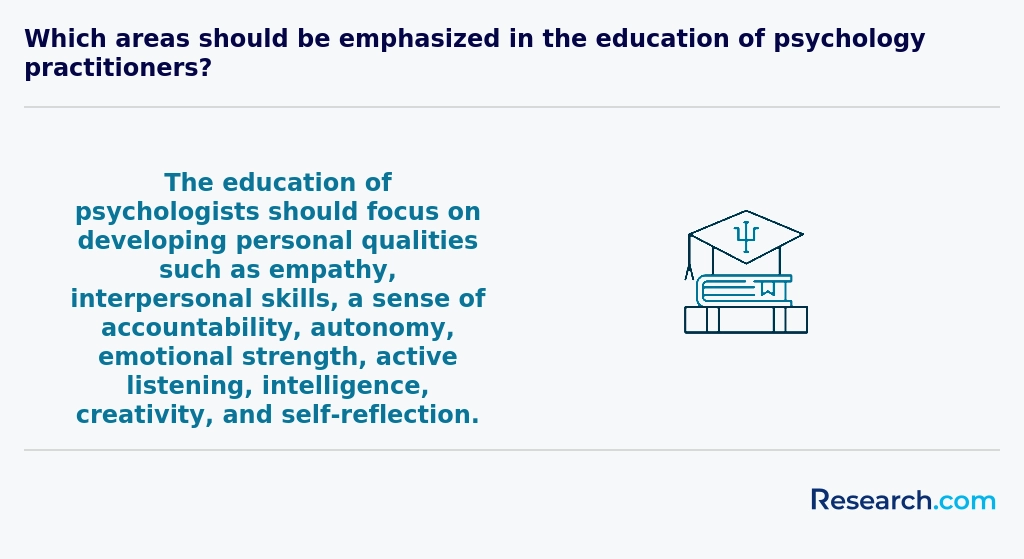
Online psychology degree programs in Boston typically include core courses such as Introduction to Psychology, covering essential theories and history that build a strong foundation. Graduates from institutions like Boston University often highlight how Research Methods and Statistics courses prepared them to confidently analyze data using real-world software tools, a skill crucial for clinical and research settings in the city.
Courses like Developmental Psychology and Abnormal Psychology are common, allowing students to understand human growth and psychological disorders in practical terms. For example, students from Northeastern University have shared that learning about social psychology helped them navigate group dynamics during internships linked to Boston's healthcare networks.
Additional courses such as Psychological Testing and Assessment or Counseling Techniques are designed to equip students with hands-on skills. Many appreciate how these classes reflect the city's clinical emphasis, often featuring guest lectures from experts affiliated with Harvard Medical School, enhancing learning with localized, actionable insights.
Electives in cognitive psychology and behavioral neuroscience let students tailor studies toward their career goals, fostering a sense of excitement and purpose as they prepare for diverse roles in Boston's vibrant psychological community.
Boston's online psychology programs typically offer a variety of specializations to suit different career paths. Graduates from local universities often highlight clinical psychology, counseling psychology, industrial-organizational psychology, developmental psychology, and forensic psychology as common options. For example, those focusing on clinical psychology benefit from training in mental health assessment and therapies, preparing for roles in hospitals or private practice.
Students pursuing counseling psychology appreciate its emphasis on emotional and social development, making it ideal for careers in schools or community agencies across Boston. The industrial-organizational track aligns well with the city's business environment, helping graduates enter human resources or management consulting fields. Many find developmental psychology appealing when they want to work with children or elderly populations, especially within Boston's healthcare or educational institutions.
Forensic psychology specialization attracts students interested in criminal justice, providing skills used in legal assessments or rehabilitation programs. As you explore online psychology degree specializations Boston offers, also consider affordability and accreditation. Some students recommend checking lists of cheapest online colleges that accept fafsa to plan effectively for costs while aiming at quality education.
When choosing the best online psychology degree in Boston, start by verifying regional accreditation, such as from the New England Commission of Higher Education (NECHE), to ensure your degree is respected. Graduates from Boston's top institutions often praise programs that blend strong research components with practical clinical training, essential for licensure and real-world success. Many students appreciate that Boston schools integrate evidence-based approaches reflecting the city's rich medical and academic environment.
Affordability is key; exploring affordable psychology programs Boston MA offers can significantly ease financial burdens. Public universities in Boston typically provide competitive tuition, and students commend the availability of financial aid and flexible online options that fit busy schedules. Checking for faculty expertise is vital-students report feeling supported when learning from active researchers and clinicians connected to renowned Boston universities.
Look for programs with robust online infrastructure, including virtual libraries and accessible academic advisors, which many Boston students identify as crucial for staying motivated and engaged. Career services that guide you through Massachusetts licensure requirements or internships add real value. Compare programs carefully by consulting rankings from best colleges to find the right fit for your goals.
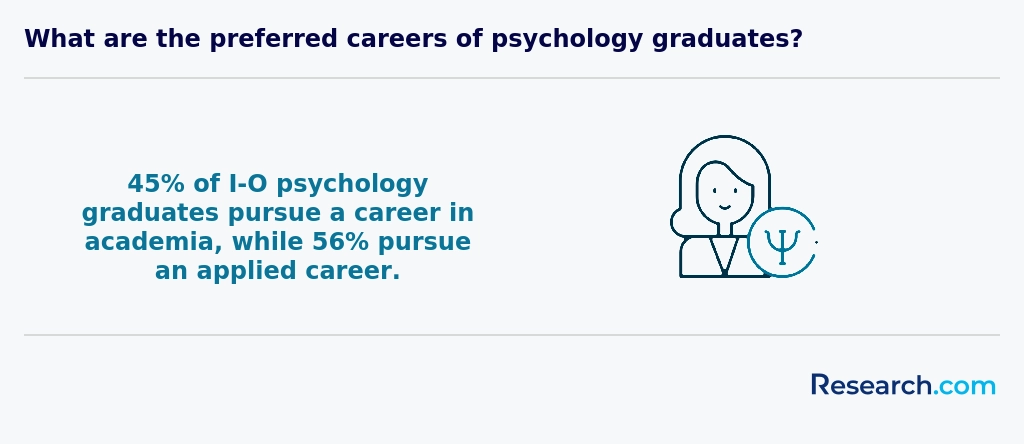
Graduates with an online psychology degree in Boston find diverse career paths tailored to the city's rich academic and healthcare environment. Many choose clinical psychology, leveraging nearby hospitals and clinics for supervised experience needed for licensure in Massachusetts. Others explore counseling psychology positions in community health organizations focused on substance abuse and trauma, benefiting from master's programs offered by Boston's universities.
Industrial-organizational psychology is popular among graduates aiming to improve workplace dynamics in Boston's thriving business and healthcare sectors. These roles often involve employee training and organizational development in well-known local institutions. Additionally, graduates often pursue academic research or teaching roles at Boston's respected colleges, engaging in fields like cognitive or social psychology with meaningful, hands-on projects.
To maximize opportunities, students should consider programs recognized among the most affordable online colleges for working adults in Boston, ensuring flexibility and practical training aligned with psychology job opportunities Boston MA. This approach helps graduates feel confident and prepared to build rewarding careers across mental health, education, or specialty areas like forensic or neuropsychology.
The job market for graduates with an online psychology degree in Boston is promising due to the city's strong focus on healthcare, education, and research institutions. Graduates from well-known universities like Boston University and Northeastern often find roles in hospitals or community mental health organizations, where demand for psychology professionals remains high. Entry-level graduates typically start in support roles such as behavioral health technicians, gaining valuable experience before advancing.
Many graduates leverage Boston's rich research environment, affiliated with institutions like Harvard and MIT, to pursue clinical or experimental psychology careers. Employers here prefer candidates with advanced degrees and relevant certifications, reflecting competitive hiring standards. Those who have completed supervised clinical hours are particularly well-positioned to secure licensed roles and enjoyed salaries above the national average.
For students exploring flexible options, completing a reputable online program that meets state licensing criteria is key. Many have found success by choosing programs ranked for affordability and quality, such as the cheapest online bachelor's degree options, making the path to a psychology career more accessible in Boston's dynamic market.
2027 Most Affordable Online Psychology Degree Programs Ranking in Boston, MA
Investing in your education is a significant decision that can shape your future, and the Research.com team understands the importance of making informed choices. To assist prospective students in Boston, MA, we have meticulously crafted the "2027 Most Affordable Online Psychology Degree Programs Ranking." Our commitment to quality, credibility, and accuracy is reflected in the extensive research and analysis conducted to compile this ranking.
We utilized the following reputable data sources to ensure a comprehensive evaluation of online psychology programs:
By exploring this ranking, readers will gain valuable insights into the most affordable online psychology degree programs available in Boston, helping them make well-informed decisions about their educational investments. For more details on our methodology, please visit our Research.com methodology page.


# 3 position
UMassOnline
Master of Family Therapy
Frequently Asked Questions About psychology
Students pursuing online psychology degrees in Boston can enhance their learning by actively engaging with course materials and instructors. Many programs offer virtual office hours and discussion forums, which provide valuable opportunities for interaction and feedback. Research suggests that students who participate regularly in these activities achieve higher grades and deeper understanding of psychological concepts.
Additionally, taking advantage of Boston's rich network of mental health organizations allows students to seek internships or volunteer experiences, complementing academic studies with practical application. The Boston Psychological Association offers resources and networking events that can support career development.
Balancing study schedules with consistent routines also improves focus. According to the National Center for Education Statistics, time management correlates strongly with success in online learning.
The psychology field is evolving to include several emerging niches, especially relevant for Boston students pursuing online degrees. One growing area is neuropsychology, which studies brain-behavior relationships, reflecting increasing demand in Boston's healthcare sector. Another expanding specialty is health psychology, focused on how mental, emotional, and social factors affect physical health. Additionally, forensic psychology, which applies psychology to legal issues, is gaining importance due to Boston's active criminal justice system.
Boston's universities and research centers emphasize these niches, offering specialized online courses. According to the American Psychological Association, demand for clinicians trained in these areas is expected to grow 14% by 2030, signaling promising career prospects for graduates.
After completing an online psychology degree in Boston, preparing for the job market involves several key steps. First, gaining relevant experience through internships or volunteer work in mental health organizations can significantly enhance your resume. Local institutions like the Massachusetts General Hospital and Boston Children's Hospital often offer such opportunities. Networking with professionals via Boston-based psychology associations, such as the Massachusetts Psychological Association, can also open doors to job leads.
Additionally, obtaining state licensure is crucial for careers in clinical psychology; Massachusetts requires supervised hours and passing the Examination for Professional Practice in Psychology (EPPP). According to the U.S. Bureau of Labor Statistics, Boston's demand for psychologists is projected to grow by 8% through 2030, indicating positive job prospects.
Employers seeking psychology graduates in Boston prioritize strong critical thinking and analytical skills. These abilities enable graduates to assess complex human behaviors and apply evidence-based methods.
Communication skills, both written and verbal, are highly valued because psychologists often work in interdisciplinary teams or interact directly with clients. According to a 2023 report from the Massachusetts Department of Higher Education, nearly 70% of job postings for psychology roles in Boston emphasize communication proficiency.
Additionally, proficiency in research methods and statistical analysis is crucial. Boston's academic and healthcare institutions often expect graduates to contribute to ongoing studies or support clinical trials.
Understanding multicultural perspectives is also important in Boston's diverse population, helping psychologists serve various communities effectively.
Finding psychology internships in Boston involves leveraging local resources and networks. Many universities, including Boston University and Northeastern, have established partnerships with hospitals, clinics, and research centers offering internship placements.
Additionally, students can explore opportunities through professional organizations like the Massachusetts Psychological Association, which provides internship listings and networking events.
Online platforms such as Handshake and the Boston Area Health Education Center's internship database also list psychology-related positions.
Given Boston's strong healthcare and research sectors, internships often focus on clinical, counseling, or research psychology, providing valuable real-world experience.
An online psychology degree can significantly enhance career mobility and advancement in Boston's competitive job market. The city hosts numerous healthcare facilities, schools, and research institutions that value flexible, accredited online degrees. According to the U.S. Bureau of Labor Statistics, the demand for psychologists in Massachusetts is expected to grow by 8% through 2031, faster than the national average.
Graduates with an online psychology degree often qualify for roles in counseling, human resources, and social services. Many Boston employers recognize reputable online programs, particularly those accredited by the American Psychological Association. This recognition supports promotions and transitions into specialized fields.
Furthermore, online degrees offer networking opportunities and internships through Boston-based organizations, which are crucial for career development. The flexibility of online studies allows working professionals to upskill without disrupting their current roles, increasing chances for advancement.
Studying for a psychology degree in Boston offers unique advantages for students aiming for interdisciplinary roles. Boston's universities emphasize collaboration across fields such as neuroscience, social work, education, and health sciences, reflecting the city's strong research culture. For example, institutions like Boston University and Northeastern University provide curricula that integrate psychology with public health and data analytics, preparing graduates for diverse careers.
According to the Boston Higher Education Research Partnership, interdisciplinary programs have increased by 15% over the past five years in the region. This trend supports careers in clinical settings, policy development, and technology sectors, where psychological knowledge must intersect with other disciplines.
Moreover, online programs in Boston often incorporate practical skills such as statistical software use and teamwork, ensuring that graduates can contribute effectively in multi-professional environments. Such preparation aligns with employer demands highlighted by the Massachusetts Department of Higher Education, which reports growing opportunities in interdisciplinary health services and technology fields.
When deciding between a thesis and a non-thesis online psychology degree program in Boston, consider your career goals carefully. Thesis programs typically require original research and a formal paper, which can prepare students for doctoral studies or research-intensive roles. Non-thesis tracks often emphasize coursework and practical experience, suitable for those aiming to enter the workforce more quickly.
The Boston area has numerous accredited institutions offering both paths, reflecting trends in U.S. psychology education reported by the American Psychological Association. According to APA data, approximately 60% of psychology master's students nationwide choose the thesis option to enhance research skills. However, non-thesis options may be more flexible for working professionals balancing study and employment.
Ultimately, your choice should reflect your interest in research versus applied practice, time availability, and long-term professional plans within Boston's competitive psychology job market.
Students based in Boston seeking to study psychology abroad through online programs have several options within the US higher education framework. Many accredited universities outside Boston offer fully online psychology degrees, allowing students to earn credits remotely while living in Boston. These programs often follow the American Psychological Association (APA) guidelines, ensuring quality education.
While in-person study abroad is limited by distance and cost, online platforms provide access to diverse curricula from global institutions that partner with US universities. According to the National Center for Education Statistics, over 35% of psychology students nationwide enroll in some form of online learning. Boston students can leverage this trend to expand their perspectives without relocating.
Though Boston itself hosts multiple top psychology schools, exploring online abroad programs can enhance cultural and theoretical knowledge, critical in psychology fields emphasizing cross-cultural competence.
Boston offers several part-time job opportunities that align well with online psychology degree studies. Positions such as behavioral health technician, research assistant in local universities, or mental health aide provide practical experience relevant to psychology careers.
Working as a research assistant at institutions like Boston University or Harvard affords exposure to psychological research methods and data analysis. According to the National Center for Education Statistics, these roles can enhance understanding of experimental design, a key skill in psychology.
Additionally, behavioral health technician roles in Boston hospitals or community centers support patients with mental health conditions, allowing students to apply theoretical knowledge practically.
Lastly, tutoring psychology or related subjects to undergraduates can improve communication skills crucial for future psychologists.
Online psychology students in Boston benefit from numerous networking opportunities despite their remote status. Local universities often allow online learners to join professional psychology groups and campus events, which helps in building connections. The Boston Psychological Association, a key resource, offers webinars, workshops, and conferences accessible to online students, facilitating engagement with regional professionals.
Students can also connect through internships and practicum placements within Boston's extensive healthcare and research institutions, such as Massachusetts General Hospital and Harvard-affiliated centers. These experiences enable valuable face-to-face networking while completing degree requirements.
Additionally, virtual platforms linked to Boston-based psychology organizations help students interact with peers and mentors, broadening their professional network within the city's vibrant psychology community.
Alumni networks play a crucial role in supporting online psychology degree students in Boston. These networks connect graduates and current students, offering opportunities for mentorship, career advice, and job referrals. According to a 2023 report by the American Psychological Association, strong professional connections can increase job placement rates by up to 20% for psychology graduates nationwide.
In Boston, a city with a growing mental health services sector, alumni networks often provide access to local internships and research positions, which are key for gaining practical experience. Additionally, these networks foster ongoing learning through workshops and events tailored to psychology professionals.
Engaging with alumni can also help online students overcome isolation by building a community of peers who understand both the demands of the field and the unique challenges of remote study.
Customizing an online psychology degree program in Boston to fit your career goals involves selecting courses and specializations aligned with your interests. Many Boston-based universities offer concentrations such as clinical psychology, counseling, behavioral analysis, or industrial-organizational psychology.
You can tailor your studies by choosing electives that support your desired career path, like addiction studies, child psychology, or neuropsychology. Some programs also provide flexible internships or practicum options through local partners, allowing hands-on experience in Boston's healthcare or education sectors.
Consult academic advisors to align coursework with professional certifications or graduate school requirements. According to the Massachusetts Department of Higher Education, this approach increases employability in the region's growing mental health field.
Online psychology students in Boston face several common challenges that can affect their progress. One key difficulty is balancing coursework with personal and professional responsibilities, as many students often work full-time or have family obligations. This issue is particularly relevant in Boston, where the average student age in online programs is slightly higher than the national average, according to the National Center for Education Statistics.
Technical issues also present obstacles. Reliable internet access and familiarity with online learning platforms are crucial, and students without these can struggle. Additionally, psychology requires practical experience; securing local internships or supervised hours can be challenging, especially during the pandemic era when opportunities have been limited. These factors often impact students' timely graduation and skill development.
An online psychology degree from Boston can open doors to various professional certifications that enhance career opportunities. Graduates often pursue credentials such as the Certified Alcohol and Drug Counselor (CADC) or Licensed Mental Health Counselor (LMHC), both recognized in Massachusetts. The Massachusetts Board of Registration of Allied Mental Health and Human Services Professionals oversees many mental health licenses, requiring specific graduate coursework and supervised experience.
Additionally, some students opt for the National Certified Counselor (NCC) credential offered nationally by the National Board for Certified Counselors. This requires a master's degree in counseling psychology and passing a standardized exam. Certifications like Applied Behavior Analysis (ABA) are also available for those focusing on behavioral psychology.
These certifications can enhance job prospects in hospitals, schools, and private practices, including in the Boston area, where demand for mental health professionals is steadily growing according to the Massachusetts Department of Public Health.
To write a winning application for an online psychology program in Boston, start by showcasing your academic achievements clearly, including your GPA and relevant coursework. Boston is home to several accredited institutions offering online psychology degrees, so highlighting your fit with the program's values and faculty expertise can be crucial.
Demonstrate your motivation by explaining why an online format suits your goals, especially if balancing work or family commitments. Strong letters of recommendation from professors or professionals familiar with your psychology-related skills boost credibility. Boston's competitive programs often expect applicants to write a compelling personal statement outlining career ambitions and research interests in line with local opportunities, such as those at the Boston Psychological Association.
Ensure you meet all specific prerequisites and submit your materials before deadlines, as online programs in Boston generally adhere to strict timelines.
The field of psychology holds diverse opportunities worldwide, but perspectives on careers vary by region. In the United States, including Boston, psychology is a growing profession with a strong focus on clinical practice, counseling, and research. According to the U.S. Bureau of Labor Statistics, employment in psychology-related careers is projected to grow by 8% from 2022 to 2032, faster than average.
Globally, the demand for mental health professionals is rising, yet licensing requirements differ significantly. In Boston, online psychology degrees must align with Massachusetts' licensing board standards to ensure graduates can practice locally.
Internationally, psychology careers may emphasize cultural competence and community psychology more than some U.S. programs. Still, Boston's diverse population offers students real-world exposure to these approaches during internships and research.
Gaining practical experience while studying for an online psychology degree in Boston is essential to complement theoretical knowledge. Many accredited programs require or encourage internships, practicums, or fieldwork, often arranged in collaboration with local healthcare facilities or research centers.
Students can also seek volunteer opportunities at Boston's numerous mental health organizations, such as the Massachusetts General Hospital Psychiatry Department or local counseling centers. According to the American Psychological Association, engaging in supervised clinical experiences boosts job readiness.
Additionally, some Boston universities provide virtual labs and simulation tools to help online students develop applied skills remotely. Networking with Boston professionals through virtual events or local psychology associations offers further hands-on learning and career connections.
Choosing the right concentration within an online psychology degree program in Boston depends on your career goals and interests. Common concentrations include clinical, counseling, developmental, and industrial-organizational psychology. Clinical psychology focuses on diagnosing and treating mental illness, while counseling emphasizes therapeutic techniques and support. Developmental psychology explores human growth across the lifespan, and industrial-organizational applies psychological principles to workplace environments.
Research from the Massachusetts Department of Higher Education shows that Boston-area employers value concentrations aligned with practical experience and licensure preparation. Review program curricula to ensure they meet Massachusetts licensure requirements if you aim to become a licensed psychologist.
Consider Boston's strong healthcare and research sectors. Concentrations connected to behavioral health or neuropsychology may offer robust local internship options. Look for programs that provide access to Boston-area practicum placements or networking with local professionals.
- 2027 Most Affordable Online Psychology Degree Programs Ranking in Dobbs Ferry, NY
- 2027 Most Affordable Online Bachelor's in Psychology Degree Programs Ranking in Virginia Beach, VA
- 2027 Most Affordable Online Psychology Degree Programs Ranking in California, PA
- 2027 Most Affordable Psychology Degree Programs Ranking in Cambridge
- 2027 Most Affordable Psychology Degree Programs Ranking in Chestnut Hill
- 2027 Most Affordable Psychology Degree Programs Ranking in Newton
- 2027 Most Affordable Psychology Degree Programs Ranking in Worcester
- 2027 Most Affordable Psychology Degree Programs Ranking in Providence
- 2027 Most Affordable Psychology Degree Programs Ranking in Manchester
- 2027 Most Affordable Psychology Degree Programs Ranking in Kingston
See What Experts Have To Say About Studying Psychology
Read our interview with Psychology experts

Joann Farrell Quinn, Ph.D., MBA
Psychology Expert
Director at the College of Medicine Department of Medical Education
Morsani College of Medicine

Robin M. Kowalski. Ph.D.
Psychology Expert
Professor of Psychology
Clemson University

Elizabeth L. Jeglic Ph.D.
Psychology Expert
Professor of Psychology
City University of New York

- Know more about thesis vs non- thesis: what is the difference? https://studyfans.com/en/blogs/816
- Psychology Online Degree Pathway https://www.learndirect.com/course/psychology-online-degree
- Call for papers https://www.hogrefe.com/us/journal/international-perspectives-in-psychology-research-practice-consultation
- BA in Psychology (General Psychology) https://www.umassglobal.edu/academic-programs/ba-in-psychology
- A Guide to Psychology Internships | Psychology Degree Guide https://psychologydegreeguide.org/resources/internships/
- What Certifications Can I Get With A Bachelor's In Psychology? https://www.psychology.org/resources/certification-skills-for-psychology-major-resumes/
- Top Online Psychology Degrees in Massachusetts https://www.degreesforgood.org/online-degrees/psychology-programs/massachusetts-ma/
- 2025 Most Popular Online Psychology Degrees in Massachusetts https://www.onlineu.com/degrees/psychology/massachusetts
- How to help students cope with mental health challenges https://www.eaie.org/resource/help-students-cope-mental-health-challenges.html
- Study Psychology Abroad | Go Overseas https://www.gooverseas.com/study-abroad/psychology


