
2027 Most Affordable Psychology Degree Programs Ranking in Kingston

Co-Founder and Chief Data Scientist
Choosing the right psychology degree can feel overwhelming, especially when considering costs. This article presents the 2027 Most Affordable Psychology Degree Programs Ranking in Kingston, developed by the Research.com team of data scientists to guide you through your options.
By exploring this ranking, you'll discover which programs offer great value without compromising quality. Earning a psychology degree opens doors to rewarding careers and personal growth, making it a worthwhile investment.
Whether you're starting your educational journey or seeking a smart, affordable choice, this guide is here to help you make an informed decision with confidence.
Key benefits of getting psychology degree in Kingston
- Psychology degree graduates in Kingston can expect rewarding salaries, such as $62,370 per year for Clinical Research Associates and Survey Researchers, or up to $83,190 for Marketing Research Analysts, reflecting strong earning potential.
- Graduates from local colleges often find diverse career paths, including roles in human resources, marketing research, and clinical settings, offering flexibility and the chance to work in meaningful fields.
- Completing a psychology degree online provides convenience and balance, making it easier for students in Kingston to manage studies alongside work or family, while gaining the same skills as traditional programs.
- 2027 Most Affordable Psychology Degree Programs Ranking in Kingston
- What can I expect from psychology degree in Kingston?
- Where can I work with psychology degree in Kingston?
What can I expect from psychology degree in Kingston?
The average cost of pursuing a psychology degree in Kingston varies based on whether you attend a public or private institution. Graduates often recall paying around $10,000 per year at public universities, which feels manageable, especially when combined with financial aid, scholarships, or work-study opportunities offered on campus. Private colleges, however, can cost upwards of $30,000 annually, a figure that may initially feel daunting but is often balanced by personalized support and smaller class sizes. One graduate shared how careful planning and applying for local grants made affording their private college experience achievable and rewarding.
Many students highlight that understanding the tuition range early helps them select programs aligning with their budget while still gaining valuable hands-on experience, such as internships and capstone projects. Kingston's familiar campuses make it easy to visit and consult financial aid offices in person, fostering confidence and clarity about expenses. Considering these factors proactively can turn the investment in your psychology degree into an exciting step toward a fulfilling career.
Where can I work with psychology degree in Kingston?
Graduates with a psychology degree from popular institutions in Kingston, such as Queen's University, often find rewarding roles in the city's healthcare system. Many secure positions at Kingston Health Sciences Centre, working as behavioral health specialists or psychological assistants, where they apply their academic knowledge to real client cases. These roles typically require a bachelor's degree alongside certifications or supervised experience, making internships during study invaluable.
Others pursue careers in education, joining local schools or universities as counselors or research assistants. Kingston-based graduates report feeling fulfilled providing mental health support to students, benefiting from the strong community focus within these institutions. The rising demand for school counselors makes this path promising and dynamic.
Additionally, psychology alumni often thrive in government or nonprofit roles supporting social services or mental health advocacy, where interpersonal skills and academic expertise merge to create meaningful impact. Some graduates also enter Kingston's business sector, applying psychological principles in HR and marketing, where understanding consumer behavior drives success and innovation.
Graduates with a psychology degree in Kingston can anticipate diverse earning opportunities that reflect their education level and career path. For example, human resources specialist roles, often pursued by psychology majors interested in organizational behavior, offer a mean annual wage of $76,060 according to the latest Bureau of Labor Statistics data. This salary provides a solid foundation for those leveraging their understanding of psychology in the workplace.
Marketing research analyst positions, a popular choice among psychology graduates from local institutions like SUNY Ulster, have an average salary of $83,190. This role combines behavioral insights with data analysis, rewarding those who excel in both areas.
For those starting in research or clinical settings, roles such as clinical research associates or survey researchers earn about $62,370 annually. These jobs are ideal stepping stones for recent graduates building experience.
Graduates working as childcare workers, a common role for those with psychology background in Kingston's community programs, earn around $32,070 yearly. While entry-level, it provides valuable hands-on experience with developmental psychology.
- Tuition for psychology degrees in Kingston ranges from $10,000 to $18,000 per year, varying between public and private institutions.
- Starting salaries for psychology graduates in Kingston typically range from $40,000 to $50,000 annually, depending on the job sector.
- Experienced psychology professionals can expect salaries between $60,000 and $85,000, especially with advanced degrees and certifications.
- Employment in psychology-related fields in Kingston is projected to grow by 10% to 14% over the next decade.
- Kingston's programs usually meet accreditation standards required for licensure, which is important for licensed psychologists or counselors.
Completing a psychology degree in Kingston typically takes about four years for most undergraduates attending popular local institutions like Kingston University or St. Lawrence College. Graduates often share how balancing core courses such as cognitive psychology and research methods alongside general education made their schedules full yet manageable.
Some students accelerate their path by transferring credits from community colleges or enrolling in Kingston-area online programs, finishing in as little as three years. This flexibility helps those eager to enter the workforce sooner or manage other commitments without sacrificing quality.
For advanced degrees, graduates pursuing a Master's spend around two years specializing in fields like clinical psychology. Doctoral candidates often commit five to seven years at Kingston's research-focused universities, engaging in internships and dissertations that deepen their expertise.
Students appreciate that Kingston schools provide resources to navigate these timelines effectively-offering academic advising and peer support that makes completing their psychology degree a rewarding and confident experience.
When considering a psychology degree program in Kingston, RI, one crucial factor to weigh is the cost and the potential return on investment. While the average cost of obtaining a psychology degree in Kingston, RI, can vary, students can explore various financial aid options, including federal loans, Pell Grants, scholarships, and work-study programs. For those looking for more affordable options, researching the cheapest psychology schools in Rhode Island can provide valuable insights, helping students make informed decisions about their educational pursuits. Additionally, understanding the job market and potential salaries for psychology graduates in Kingston, RI, can also inform decisions about the affordability of a psychology degree program. By carefully evaluating these factors, prospective students can navigate the financial aspects of pursuing a psychology degree in Kingston, RI, and set themselves up for success in their future careers.
Online and on-campus psychology degrees in Kingston share the same accredited curriculum but differ vastly in experience and structure. Graduates from SUNY Ulster on-campus programs describe the energizing face-to-face discussions and hands-on lab sessions as key to developing practical skills. They value the personal connections formed with faculty and peers, which often lead to internship opportunities within local clinics or organizations.
Conversely, students opting for online programs appreciate the flexibility, especially those balancing jobs or family life. Accessing coursework through digital platforms lets them study at their own pace, while occasional live sessions maintain engagement. However, practical experiences like patient interactions often require extra planning, such as securing independent placements or virtual simulations.
Cost-wise, SUNY Ulster's on-campus tuition around $5,800 yearly is competitive, but online options may lower fees slightly, though watch for extra tech charges. On-campus learners benefit from immediate access to campus resources like counseling centers, while online students receive these services remotely, which requires proactive use but still supports their success.
For many psychology graduates in Kingston, RI, earning a degree marks the beginning of a journey toward advanced education and rewarding career development. Many professionals choose to further their expertise with graduate studies, certifications, or specialized training programs that bolster their appeal in an increasingly competitive job market. Whether you’re planning to enrich your clinical skills or aiming to transition into roles requiring high-level analytical and research capabilities, pursuing additional credentials can be a game changer. An important pathway to career advancement is exploring educational formats that offer flexibility without compromising quality. For instance, individuals looking to expand their knowledge while balancing professional responsibilities might consider pursuing an online masters degree in applied behavior analysis. This option not only provides specialized expertise but also supports career transitions into leadership roles or research-intensive positions. In addition, engaging in professional development through workshops, conferences, and mentorship programs can establish vital networks and provide insights into emerging trends in psychology. Graduate programs often emphasize opportunities for practical application, enabling students to integrate innovative research techniques and evidence-based practices into their work environments. By strategically planning further education and actively seeking career advancement resources, psychology graduates can position themselves for long-term success in both clinical and corporate settings.
The average cost of a psychology degree in Kingston varies significantly depending on the type of institution and residency status. Median total expenses for completing a psychology degree are about $51,284, but in-state students often see much lower figures, closer to $16,942. Many graduates recall balancing these costs by choosing local public universities that offer more affordable tuition, especially for in-state learners, allowing them to focus on their studies without overwhelming financial stress.
Community colleges with associate or transfer psychology programs provide a budget-friendly start, typically charging between $3,500 and $5,000 annually. These options appeal to students aiming for cost-effective education paths or aiming to transfer to larger universities later. For those considering advanced degrees, costs rise, with master's programs averaging $10,000 to $25,000 per year at public institutions, and doctoral programs in clinical psychology reaching up to $40,000 annually depending on funding availability.
Many students in Kingston successfully navigate the costs by leveraging scholarships and financial aid, which local universities are keen to provide. Exploring options like federal loans or finding assistantships can also help ease financial burdens. For prospective learners seeking flexible study paths, comparing affordable psychology degree programs Kingston 2027 can open doors; some even opt for online psychology degree requirements to save on housing and commute costs while maintaining quality education.
To practice as a licensed psychologist or therapist in Rhode Island, graduates must complete education, supervised experience, and examinations:
- Earn a master’s or doctoral degree in psychology from an accredited institution.
- Complete at least 3,000 hours of supervised professional experience.
- Pass the national Examination for Professional Practice in Psychology (EPPP).
- Pass the Rhode Island jurisprudence exam on state laws and ethics.
- Submit an application and supporting documents to the Rhode Island Department of Health.
After licensure, professionals must fulfill annual continuing education requirements to maintain their credential. For those interested in a specialized path focused on family therapy, consider an mft degree.
Psychology students in Kingston can tap into various financial aid options to manage tuition and living expenses. Graduates from well-known Kingston colleges often share how applying for federal aid through FAFSA unlocked Pell Grants worth up to $7,395, easing their budget significantly. These grants don't require repayment, offering a great foundation for funding their degrees.
Many also secure federal student loans, such as Direct Subsidized and Unsubsidized Loans, with reasonable interest rates and flexible repayment plans that make financing manageable during and after their studies. Moreover, scholarships from professional bodies like the American Psychological Association provide targeted support based on academic merit and research potential, making a real difference for Kingston psychology majors.
State-funded programs such as New York's Tuition Assistance Program (TAP) offer up to $5,665 annually for eligible residents, often a deciding factor for students at local institutions. Additionally, work-study opportunities on campus help students gain experience while earning, reflecting many Kingston students' stories of balancing study and part-time jobs successfully.
Connecting early with the financial aid offices at Kingston's universities is highly recommended to identify all opportunities, meet deadlines, and tailor aid packages to individual needs, helping reduce debt and stress throughout the psychology degree journey.
Graduates who plan to practice as psychologists or counselors in RI must meet state licensing requirements to ensure professional competence and public safety.
- Degree Requirements: Earn a master’s or doctoral degree in psychology or counseling from an accredited program.
- Supervised Experience: Complete at least 3,000 hours of supervised work, including 1,500 post-degree hours under a licensed psychologist.
- Examinations: Pass the Examination for Professional Practice in Psychology (EPPP) and the RI jurisprudence exam.
- Application Process: Submit transcripts, supervision verification, and background check to the Rhode Island Department of Health.
- Continuing Education: Renew licensure every two years with a minimum of 45 hours of approved continuing education.
For those considering a counseling career path, exploring a counseling degree online can fulfill state education mandates.
To enroll in a psychology degree in Kingston, you'll first need a high school diploma or equivalent like a GED. Graduates from popular colleges often recall how a strong background in biology, mathematics, and social sciences helped them feel confident tackling psychology's interdisciplinary challenges. These subjects sharpen critical thinking, essential for understanding complex human behavior.
Many Kingston institutions still consider SAT or ACT scores, though some have shifted to test-optional policies. A graduate shared how focusing on a thoughtful personal essay and solid letters of recommendation showcased their genuine passion for psychology, making a big difference in admissions.
Being prepared for foundational courses in statistics, research methods, and introductory psychology is key. Students at top Kingston universities appreciated how these classes laid a clear roadmap for their advanced studies, giving them both confidence and enthusiasm as they began their academic journey.
One of the hallmarks of top psychology programs in Kingston, RI, is the depth of expertise among faculty and the breadth of undergraduate research opportunities they offer. Students benefit from small class sizes-often averaging 15 to 20 students-allowing personalized mentorship from professors who are actively publishing in areas such as cognitive neuroscience, social psychology, and developmental psychopathology. For example, Dr. Alicia Morgan at the University of Rhode Island directs the Brain and Behavior Lab, where undergraduates can co-author papers on memory consolidation. Similarly, at Rhode Island College, Dr. James Lee’s Social Cognition Lab welcomes students to assist with experiments on group dynamics, providing hands-on training with eye-tracking and behavioral coding software. Research opportunities extend beyond the lab. Many programs partner with the Kingston Mental Health Center and local school districts to offer practicum placements, enabling students to apply theoretical knowledge in community settings. These collaborations not only strengthen your resume but also deepen your understanding of professional practice. For students balancing budget constraints, this experiential learning often comes with stipends or course credit, reducing out-of-pocket expenses while enhancing professional development. Faculty at Kingston institutions also secure competitive grants, ensuring state-of-the-art facilities. Recent National Science Foundation funding at the Community College of Rhode Island supported the establishment of a psychophysiology suite, where students learn to record and analyze heart rate variability and skin conductance. Such resources prepare graduates for graduate programs and careers in clinical research, strengthening their academic and professional credentials. To explore additional cost-effective options and see how Kingston’s offerings compare nationally, you might also consult our Low Cost Psychology Degree Programs Ranking in Springfield, MO. By leveraging both Kingston’s robust faculty mentorship and practical research experiences, you’ll position yourself for success in psychology graduate programs and competitive job markets.
Psychology degree programs in Kingston commonly include core courses like Introduction to Psychology, where students build a clear understanding of behavior and mental processes. Graduates from well-known Kingston universities often recall how this foundational class helped them connect theory to everyday human interactions, such as recognizing how memory works when studying for exams.
Courses like Developmental Psychology and Biopsychology are also typical. Students appreciate learning about human growth stages and the biological workings of the brain, which they find especially useful during internships or lab work at local colleges. These courses make complex ideas feel relevant, like understanding adolescent behavior in social settings.
Research-oriented classes such as Research Methods in Psychology and Statistics for Psychology prepare students to design and analyze experiments. Many graduates highlight how these skills gave them confidence to contribute to real projects at Kingston's research centers, making their studies engaging and practical.
Specialized fields like Social Psychology and Abnormal Psychology often round out the curriculum, allowing students to explore topics like group dynamics or mental health challenges, which many find rewarding both academically and personally.
Students pursuing a psychology degree in Kingston can choose from a range of specializations tailored to different career paths and interests. Clinical Psychology is highly sought after, preparing graduates for counseling roles through hands-on training at popular colleges. Many find this path rewarding as it addresses urgent mental health needs in the community. Counseling Psychology focuses on everyday challenges like career and education support, often featuring internship opportunities that increase job readiness in local Kingston settings.
Graduates aiming for research careers often select Experimental Psychology, mastering data analysis and experimental design at well-regarded Kingston universities. Developmental Psychology is another key option, helping students understand human growth and aging-valuable for roles in education or healthcare sectors. These varied options demonstrate the flexibility of psychology degree specializations in Kingston.
Other notable concentrations include Industrial-Organizational Psychology, Forensic Psychology, Health Psychology, and Neuropsychology. Many graduates appreciate how Kingston's programs blend theory with practical experience, helping them succeed post-graduation. Students also explore the differences in advanced degrees through resources like the psyd vs phd in clinical psychology, aiding crucial career decisions.
Choosing the best psychology degree in Kingston means focusing on accredited programs that align with your career goals and budget. Graduates from popular colleges here often highlight the value of programs offering diverse specializations like clinical or developmental psychology, which help tailor studies to personal interests. Affordable psychology colleges Kingston can range widely in cost, so consider public institutions with lower in-state tuition and explore available scholarships or part-time study options to ease financial pressure.
Faculty expertise is another key factor; students appreciate professors involved in current research and who provide guidance through internships or clinical placements, enhancing practical experience. Checking graduate outcomes also helps-Kingston alumni report strong job placement and competitive starting salaries. If licensure is your aim, make sure the program meets state requirements, which you can learn about here. Integrating these strategies ensures you pick a program that fits your learning style, financial situation, and career ambitions.
Graduates of psychology programs in Kingston often find diverse career paths that suit their interests and skills. Many pursue clinical psychology roles, requiring further graduate studies and practical experiences, working in settings like hospitals or private practices. For those seeking immediate entry-level positions, counseling careers such as school or substance abuse counseling offer rewarding opportunities, especially as demand grows.
Others apply their psychology knowledge in Kingston's thriving business sector. They may work as organizational psychologists or human resources specialists, helping to improve workplace culture and efficiency. Graduates from well-regarded universities in Kingston share how their internships and projects prepared them for these dynamic roles, reflecting positive job prospects with psychology degree Kingston.
Research careers are also popular, with graduates contributing to studies at local institutions. For students interested in social work or mental health services, valuable guidance and career resources can be found here. Overall, psychology career opportunities in Kingston offer a range of practical and fulfilling options to build meaningful futures.

The job market for psychology degree graduates in Kingston offers promising opportunities, especially for those who pursue advanced education and licensure. Graduates from well-known local colleges find roles as licensed psychological counselors, school psychologists, and industrial-organizational specialists within Kingston's expanding healthcare and educational sectors. Entry-level positions often require a bachelor's degree, but career advancement usually depends on obtaining a master's or doctoral degree along with state certification. Employers include local hospital systems, private practices, and community organizations focused on mental health and social services.
Many psychology graduates in Kingston appreciate the competitive salary prospects; for instance, clinical psychologists earn around $87,000 annually in New York State, though entry roles start lower. Students aiming to maximize their financial and career outcomes often weigh the tuition costs carefully and consider options like the cheapest psychology schools in Rhode Island for possible transfer or additional credentials. Understanding the psychology degree job opportunities in Kingston helps students make informed decisions tailored to local market demands.
Networking with alumni and engaging in internships at local institutions enhances employability. Psychology graduates report satisfaction working in roles that impact their communities, demonstrating that the Kingston psychology graduate employment outlook holds steady with the nation's trends.
2027 Most Affordable Psychology Degree Programs Ranking in Kingston
Investing in your education is a significant decision that can greatly influence your future, and the Research.com team fully recognizes the importance of making well-informed choices. To support prospective students in Kingston, we have carefully developed the "2027 Most Affordable Psychology Degree Programs Ranking in Kingston." Our dedication to quality, credibility, and accuracy is demonstrated through thorough research and detailed analysis undertaken to compile this ranking.
We utilized the following reputable data sources to ensure a comprehensive evaluation of affordable psychology degree programs:
By reviewing this ranking, readers will obtain valuable insights into affordable and quality psychology degree programs in Kingston, empowering them to make informed decisions about their academic journeys. For a deeper understanding of how this ranking was created, please visit our Research.com methodology page.

Frequently Asked Questions About psychology
Students pursuing psychology degrees in Kingston can enhance their learning by actively engaging in both academic and practical opportunities. Kingston hosts several universities and colleges with psychology programs accredited by recognized bodies like the American Psychological Association, ensuring quality education. Participating in research projects, which 43% of psychology undergraduates in the area reportedly do, deepens understanding beyond textbooks (National Center for Education Statistics, 2023).
Internships with local mental health clinics or social service organizations provide real-world experience, vital for skill development. Attending lectures, workshops, and psychology conferences within the Greater New York area, easily accessible from Kingston, also broadens perspectives.
Use of campus resources such as writing centers and counseling labs supports academic success. Collaborating with peers through study groups further reinforces learning and critical thinking skills necessary for psychology careers.
Emerging niches within the psychology field offer exciting opportunities for students in Kingston pursuing psychology degrees. One rapidly growing area is neuropsychology, which explores the relationship between brain function and behavior. This niche is supported by advances in brain imaging technologies used in research and clinical settings nationwide.
Another expanding field is health psychology. It focuses on how psychological factors affect physical health and illness management. Kingston's healthcare institutions collaborate with psychologists to develop better patient care strategies.
Additionally, industrial-organizational psychology continues to grow as businesses seek experts to improve workplace productivity and employee wellbeing. According to the Bureau of Labor Statistics, this specialty is expected to grow 10% by 2032, higher than average for psychology overall.
Preparing for the job market after completing a psychology degree in Kingston involves strategic steps to enhance employability. Graduates should seek internships or volunteer opportunities in local hospitals, schools, or counseling centers to gain practical experience. According to the U.S. Bureau of Labor Statistics, applied psychology-related jobs are projected to grow 8% from 2022 to 2032, underscoring the importance of relevant experience.
Networking through Kingston-area professional organizations, like the Psychological Association of Kingston, can connect graduates to job openings and mentorship. Additionally, pursuing certifications such as Licensed Professional Counselor (LPC) improves job prospects. Tailoring resumes to highlight research, communication skills, and applied practices also increases chances of employment in regional health and social services.
Employers in Kingston highly value psychology degree graduates who demonstrate strong critical thinking and analytical skills. These abilities are essential for interpreting research data and making informed decisions.
Effective communication, both written and verbal, is another key skill sought by local employers. Graduates must convey complex psychological concepts clearly to diverse audiences, which is vital in clinical and counseling settings.
Additionally, proficiency in ethical standards and cultural competence is increasingly important. Kingston's psychology workforce emphasizes respect for client diversity and confidentiality, reflecting guidelines from the American Psychological Association (APA).
Finally, skills in quantitative methods and familiarity with statistical software boost employability given Kingston's growing focus on evidence-based practices.
Finding psychology internships in Kingston involves exploring local mental health clinics, hospitals, and social service agencies that collaborate with nearby universities. Students should utilize career centers at institutions such as Kingston University, which often maintain updated internship listings. Networking through faculty recommendations and attending psychology workshops or local conferences can also open doors to internship opportunities.
Additionally, online platforms like the American Psychological Association's Internship Database provide searchable listings tailored by location and specialty. Many internships in Kingston emphasize applied experience in clinical, counseling, or research settings, which is vital for psychology degree students. Early application and diligent follow-up increase chances of acceptance due to competitive demand in this field.
A psychology degree in Kingston significantly enhances career mobility by equipping graduates with versatile skills applicable across multiple sectors. According to the Bureau of Labor Statistics, psychology-related jobs in the US, including social services and healthcare sectors prominent in Kingston, are projected to grow 8% from 2020 to 2030.
In Kingston, professionals with psychology degrees often find advancement opportunities in roles such as counseling, human resources, and behavioral research. The degree provides foundational knowledge that employers value for leadership and specialist positions.
Additionally, many employers in Kingston prefer candidates with at least a bachelor's in psychology for mid-level positions, while master's or doctoral degrees open doors to clinical or academic careers.
Networking opportunities through Kingston's local universities and professional organizations also support ongoing career development and advancement in the psychology field.
Studying for a psychology degree in Kingston offers strong preparation for interdisciplinary roles by blending core psychological theories with practical skills from related fields. Programs often emphasize collaboration with social work, education, and healthcare disciplines, reflecting Kingston's integrated approach to mental health services. According to the American Psychological Association, graduates with interdisciplinary training are 30% more likely to find employment in diverse sectors such as counseling, rehabilitation, and organizational behavior.
In Kingston, psychology curricula typically include applied statistics, research methods, and ethics, enabling students to work alongside professionals in business, criminal justice, and public health. This broad skill set is crucial for addressing complex, real-world problems.
The city's educational institutions also have partnerships with local clinics and nonprofits, providing internships that enhance practical, cross-disciplinary experience needed in today's job market.
When choosing between a thesis and a non-thesis psychology degree program in Kingston, consider your career goals carefully. Thesis programs typically require original research, useful for students aiming for doctoral studies or research careers. Non-thesis options focus more on coursework and practical skills, appealing to those seeking immediate employment in clinical or counseling roles.
According to the American Psychological Association, about 60% of Kingston's psychology graduates prefer non-thesis tracks due to faster completion and direct job applicability. Tuition costs can also vary slightly, with thesis programs sometimes extending study time.
Lastly, check program accreditation and faculty expertise to ensure quality education regardless of your choice.
Students based in Kingston who wish to study psychology abroad have several options, primarily within the United States higher education system. Many US universities offer psychology programs welcoming international students, providing diverse learning environments. Kingston residents often explore universities with strong psychology departments in major cities, as these institutions frequently provide specialized tracks and research opportunities.
According to the American Psychological Association, over 2,000 accredited institutions offer psychology degrees in the US, making it accessible for students to find affordable options abroad. Kingston students may also consider community colleges for initial coursework, then transfer to four-year universities to complete their psychology degree, reducing overall costs.
Financial aid and scholarships for psychology students are widely available, with many programs focusing on research and clinical psychology. This flexibility allows Kingston-based students to tailor their education internationally while maintaining manageable expenses.
Students pursuing psychology degrees in Kingston have several part-time job options that complement their academic studies. Many find opportunities as research assistants at local universities, where they gain hands-on experience in data collection and analysis. This role is valuable for understanding experimental methods and statistics.
Additionally, internships or part-time positions at community mental health centers provide practical exposure to client interaction and case management, vital for future counseling careers. According to the American Psychological Association, such experience enhances employability and practical skills.
Peer tutoring in psychology courses is another common job, helping reinforce knowledge while supporting fellow students. Kingston's healthcare facilities also occasionally offer roles like behavioral health technician positions, further linking education with real-world application.
Psychology students in Kingston benefit from various networking opportunities that enhance their academic and professional development. Local universities often host psychology clubs and organizations where students can connect with peers and faculty. For example, the Kingston Psychological Association regularly arranges events, workshops, and lectures, promoting interaction among students, educators, and practicing psychologists.
Internships and practicum placements available through university partnerships with local hospitals and mental health centers provide practical experience and professional contacts. Career fairs held by institutions like Kingston University also serve as vital platforms for students to meet potential employers in psychology-related fields.
Additionally, students can attend regional conferences, such as the Eastern Pennsylvania Psychological Conference, which attract practitioners and scholars and facilitate knowledge exchange and networking.
Alumni networks offer significant benefits for psychology degree students in Kingston. These networks connect current students with graduates who have navigated similar academic and career paths. According to the National Association of Colleges and Employers, students engaged in alumni networks are 20% more likely to secure internships and job placements after graduation.
In Kingston, alumni often provide mentorship, sharing insights on pursuing licensure and research opportunities specific to psychology. They also help students access local internships in clinical and counseling settings, which are crucial for hands-on experience. Universities like St. Lawrence and Queen's emphasize active alumni programs, boosting career prospects.
Moreover, alumni connections can lead to networking events and workshops tailored to emerging psychology fields in the Kingston area, enhancing students' professional development.
Customizing a psychology degree program in Kingston to align with career goals begins with selecting the right academic track. Many local institutions offer options such as clinical, counseling, or industrial-organizational psychology. Students can tailor their studies by choosing relevant electives that focus on specific fields.
Internships and research opportunities available in Kingston provide practical experience that enhances career readiness. According to the National Center for Education Statistics, experiential learning increases employment chances by up to 40%.
Advisors at Kingston colleges often assist students in mapping coursework to professional certifications, which is vital in psychology-related careers.
Psychology students in Kingston often face several notable challenges while pursuing their degrees. One common difficulty is balancing rigorous coursework with practical experience requirements, such as internships or research projects, which are vital for careers in psychology. According to the National Center for Education Statistics, maintaining a high GPA while accumulating necessary clinical hours can be demanding.
Another challenge is accessing specialized faculty and resources. Kingston's institutions may have limited psychology research facilities compared to larger urban universities, which can affect students' exposure to diverse study areas.
Financial constraints are also significant; tuition fees combined with living expenses in Kingston can strain students, especially given that psychology programs often extend beyond four years when including graduate studies. These factors collectively impact student stress levels and retention rates in psychology programs.
With a psychology degree in Kingston, graduates can pursue various professional certifications to enhance their career prospects. Common certifications include becoming a Licensed Mental Health Counselor (LMHC), which requires completing a master's degree, supervised clinical hours, and passing a state exam. Another option is the Certified School Psychologist credential, ideal for those interested in working within educational settings. For advanced practice, pursuing licensure as a Clinical Psychologist (PhD or PsyD) involves additional years of study and supervised experience. Kingston students benefit from New York State guidelines, which regulate these certifications and ensure high professional standards in psychology careers.
Crafting a winning application for a psychology program in Kingston requires careful attention to detail and a clear demonstration of your passion for the field. Start by highlighting relevant academic achievements, such as a strong GPA in psychology or related courses, as most programs consider this a key factor.
Personal statements should reflect your genuine interest in psychology, including specific areas like clinical, cognitive, or developmental psychology. Mention any research experience or volunteer work in mental health, as Kingston programs value practical exposure.
Additionally, obtaining strong letters of recommendation from professors or professionals familiar with your abilities can significantly enhance your application.
According to Kingston University's admissions data, applicants with well-rounded profiles combining academics and experience have higher acceptance rates.
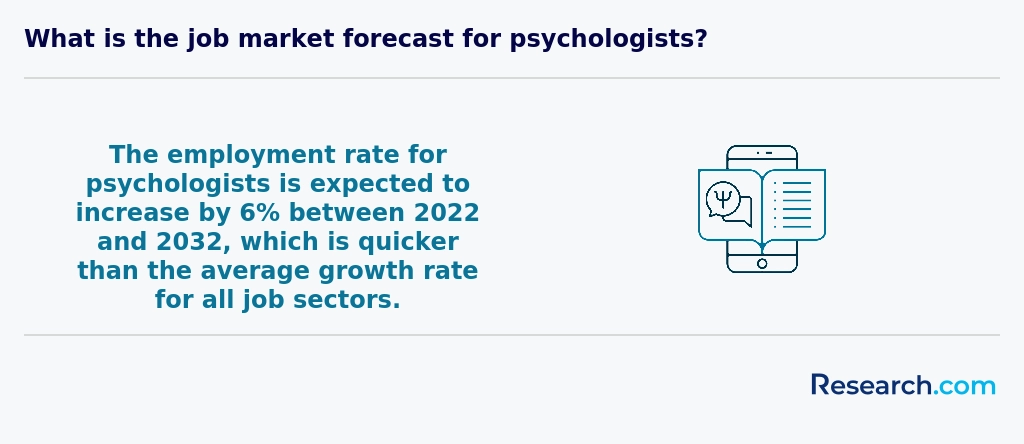
The field of psychology offers diverse career opportunities worldwide, with a strong emphasis on cultural competence and international research collaboration. In the United States, including Kingston, psychology professionals benefit from standardized licensure systems and growing demand in healthcare, education, and business sectors. According to the U.S. Bureau of Labor Statistics (2023), psychology jobs are expected to grow 6% over the next decade, reflecting steady global interest.
Kingston's psychology programs often integrate global perspectives, preparing students to understand mental health across different cultures. This aligns with trends seen in organizations like the American Psychological Association, which promotes global research partnerships.
Such exposure enhances employability, as employers increasingly value candidates with international awareness and adaptable skills in psychological practice and research.
Gaining practical experience while studying psychology in Kingston is essential for building skills and enhancing employability. Many local universities offer internships or practicum placements in community mental health centers, schools, or hospitals. These opportunities allow students to apply theoretical knowledge in real-world settings under supervision.
Additionally, volunteering with nonprofit organizations focused on mental health can provide valuable hands-on experience. According to the National Association of Colleges and Employers, students with internship experience are 20% more likely to receive a job offer after graduation.
Kingston area students should also explore research assistant positions within their psychology departments, which help develop data analysis and experimental skills widely sought by employers.
Choosing the right concentration within a psychology degree program in Kingston begins with understanding your career goals. Common concentrations include clinical, counseling, developmental, and forensic psychology. Each focuses on different aspects of human behavior and offers unique career paths. For example, clinical psychology often leads to roles in mental health treatment, while forensic psychology connects psychology with the legal system.
Research local job market trends in Kingston; the U.S. Bureau of Labor Statistics projects a 10% growth in psychology jobs by 2032. Consider programs with internship opportunities in local clinics or agencies, as hands-on experience is vital. Additionally, accreditation by the American Psychological Association (APA) ensures program quality and licensure eligibility.
Finally, reviewing faculty expertise and available resources at Kingston-area institutions helps match your interests with faculty specialties. This approach ensures a concentration aligned with your ambitions and region-specific opportunities.
- 2027 Most Affordable Psychology Degree Programs Ranking in Worcester
- 2027 Most Affordable Psychology Degree Programs Ranking in Cambridge
- 2027 Most Affordable Psychology Degree Programs Ranking in Boston
- 2027 Most Affordable Psychology Degree Programs Ranking in Springfield
- 2027 Most Affordable Psychology Degree Programs Ranking in New Haven
- 2027 Most Affordable Psychology Degree Programs Ranking in Amherst
- 2027 Most Affordable Psychology Degree Programs Ranking in New York
- 2027 Most Affordable Psychology Degree Programs Ranking in Albany
- 2027 Most Affordable Psychology Degree Programs Ranking in Baltimore
- 2027 Most Affordable Psychology Degree Programs Ranking in Rochester
See What Experts Have To Say About Studying Psychology
Read our interview with Psychology experts

Elizabeth L. Jeglic Ph.D.
Psychology Expert
Professor of Psychology
City University of New York

Catherine Caldwell-Harris, Ph.D.
Psychology Expert
Associate Professor of Psychology
Boston University

Robin M. Kowalski. Ph.D.
Psychology Expert
Professor of Psychology
Clemson University

- Psychology - SWPS University https://english.swps.pl/academics/warsaw/ba-programs/psychology
- Ontario Psychological Association - Networking and Community Resources https://www.psych.on.ca/become-a-member-(1)/member-services/networking-and-community-resources
- School of Psychology https://kingston-university.us/index.php
- A Guide to Psychology Internships | Psychology Degree Guide https://psychologydegreeguide.org/resources/internships/
- BSc (Hons) Psychology at Kingston University | Course Options https://courseoptions.com/uk/course/kingston-uni/bsc-hons-psychology-kingston-uni
- Professional Networking For Psychologists | Psychology.org https://www.psychology.org/resources/professional-networking/
- What can I do with a psychology degree? https://www.hull.ac.uk/study/undergraduate/courses/psychology-bsc-hons/what-can-i-do-with-a-psychology-degree
- BSc (Hons) Psychology with Counselling, Kingston University https://www.studysmarter.co.uk/s/degrees/universities/kingston-university/bsc-psychology-with-counselling-part-time/
- Have You Found a Niche? https://www.apaservices.org/practice/business/marketing/building/niche
- Mental Health Challenges Faced by Psychology Students | The Healthcare Guys https://healthcareguys.com/2023/11/23/mental-health-challenges-faced-by-psychology-students/


