
2027 Most Valuable Psychology Degree Programs Ranking in Alfred

Co-Founder and Chief Data Scientist
Choosing the right psychology degree program can shape your future in meaningful ways. This article introduces the 2027 Most Valuable Psychology Degree Programs Ranking in Alfred, carefully developed by the Research.com team of data scientists. Their detailed analysis helps you identify programs that offer the best combination of quality and value.
Exploring this ranking will guide you in making an informed decision, ensuring your educational journey aligns with your goals. Pursuing a psychology degree opens doors to rewarding careers and personal growth, making this a valuable resource for your next steps.
Key benefits of getting psychology degree in Alfred
- Graduates with a psychology degree in Alfred can expect strong earning potential, with roles like Marketing Research Analysts earning around $83,190 annually and Human Resources Specialists making about $76,060 per year.
- Career paths for psychology graduates from Alfred's colleges include clinical research, HR, and survey research, offering diverse and rewarding opportunities to work in fields that impact people's lives positively.
- Online psychology degrees provide flexible schedules and accessibility, allowing students in Alfred to balance work and study while gaining skills valued in the job market.
- 2027 Most Valuable Psychology Degree Programs Ranking in Alfred
- What can I expect from psychology degree in Alfred?
- Where can I work with psychology degree in Alfred?
What can I expect from psychology degree in Alfred?
The average cost of pursuing a psychology degree at Alfred University reflects the dual realities facing many students: affordability balanced with a commitment to quality education. In-state students can expect to pay around $9,700 annually, a figure that makes the dream of studying human behavior more accessible without sacrificing academic rigor. Out-of-state students encounter higher tuition near $20,300, a worthwhile investment given the university's emphasis on experiential learning and faculty-led research that graduates frequently praise for deepening their understanding beyond textbooks.
Graduates often recall late nights in labs, analyzing data firsthand, and the satisfaction of seeing theoretical concepts come alive through research projects. These experiences, rooted in Alfred's psychology programs, underscore the value behind the costs-turning tuition payments into lifelong skills. When weighed against the practical advantage gained, such as enhanced critical thinking or networking opportunities within the SUNY system, the expense becomes more a gateway than a barrier for passionate students.
Where can I work with psychology degree in Alfred?
Graduates from psychology programs at Alfred University often find themselves stepping into a variety of meaningful roles right after earning their degree. Many begin in human services or healthcare support, gaining firsthand experience that fuels their passion for helping others. Imagine working at a local hospital, connecting with patients, or supporting mental health initiatives-a real chance to make a tangible difference in Alfred's community.
With advanced degrees, the landscape broadens dramatically. Licensed psychologists from Alfred University frequently secure positions in counseling centers, private practices, or mental health clinics throughout the region, thriving as key contributors amid growing demand. The prospect of influencing lives through clinical work resonates deeply with these graduates, who often reflect on their meaningful internships and research projects based in Alfred and Rochester.
Beyond traditional paths, many alumni pursue school psychology roles in Alfred's public and private schools, helping students navigate emotional and behavioral challenges. Others translate their skills into business, market research, or organizational development, highlighting the versatility of a psychology degree when paired with local internships and university resources.
Graduates from psychology programs at Alfred University often find themselves pleasantly surprised by the earning possibilities tied to their degrees, especially when applied to roles like human resources specialist or marketing research analyst. For example, a psychology graduate working locally in human resources might expect a mean annual wage of around $76,060, making use of their understanding of human behavior in recruitment and organizational development.
Similarly, those who lean toward research may find roles as marketing research analysts offering an average salary near $83,190, applying psychological insights to consumer data. Clinical research associates and survey researchers, common pathways for psychology students looking to bridge science and real-world applications, see mean salaries around $62,370 annually, reflecting a balance between specialized knowledge and experience.
Imagine a recent graduate from Alfred University navigating the job market; initial roles might offer modest earnings, but gaining licensure and experience in these fields can open doors to rewarding, well-compensated careers. This trajectory shows how Alfred's psychology degree holders can translate academic theory into meaningful, stable income within familiar community settings.
- Annual tuition for a psychology bachelor's degree at Alfred University is approximately $29,000 to $31,000 for in-state full-time students.
- Total yearly expenses, including room and board, can reach about $48,000.
- Entry-level jobs available for graduates include behavioral health technicians, case managers, and research assistants with salaries ranging from $35,000 to $45,000.
- Experienced psychologists and counseling professionals in the area can earn median salaries around $75,000 or more.
- Job opportunities directly in Alfred may be limited, so many graduates work in nearby cities or statewide.
- Main employers for psychology graduates include healthcare, education, social services, and private practices.
Completing a psychology degree in Alfred generally follows a timeline many students have found both challenging and rewarding. At Alfred University, undergraduates pursuing a Bachelor of Arts or Science in Psychology typically spend around four years immersed in foundational courses, specialized classes, and hands-on research or internships. Graduates often reflect on how this timeframe felt intense yet fulfilling as they applied classroom knowledge in real-world settings.
For those venturing into graduate studies, the journey extends. A full-time master's degree usually requires about two years, though part-time options stretch this duration, allowing students to balance life alongside studies. Many alumni recall the flexibility of this pace as vital for maintaining motivation.
Doctoral candidates commit even more time-typically 5 to 7 years-to navigate rigorous coursework, research, and clinical practice. The extended duration can ignite a sense of achievement as these students contribute original insights to psychology, especially within Alfred's academic community.
Factors like mandatory internships or theses often influence completion times, reminding students that the depth of experience often outweighs mere speed.
After completing your psychology degree, New York State licensure ensures you can practice professionally. Key requirements include:
- Educational credential: A master’s degree in psychology (for Licensed Mental Health Counselors) or a doctoral degree (PhD/PsyD) for Licensed Psychologists.
- Supervised experience: 3,000–4,000 hours of supervised clinical practice under an approved supervisor.
- Examinations: Passing scores on the National EPPP (Examination for Professional Practice in Psychology) and New York State jurisprudence exam.
- Renewal and Continuing Education: 36 hours of approved CE every three years to maintain active status.
To manage costs while meeting state accreditation standards, consider the cheapest online degree in psychology that aligns with licensure prerequisites.
Choosing between online and on-campus psychology degrees in Alfred means confronting distinct realities beyond curriculum content. On-campus students at Alfred University often recount the invaluable energy of in-person discussions and spontaneous exchanges in psychology labs-moments that deeply enhance their grasp of human behavior. Imagine sharing insights instantly after a lecture, surrounded by peers equally passionate about psychology, or accessing campus counseling centers for hands-on training that feels irreplaceable.
In contrast, graduates from online programs in Alfred College appreciate the flexibility to juggle jobs and family, studying psychology whenever life permits. They cherish the freedom but frequently note the challenge of arranging local internships to fulfill practicum requirements critical for licensure, a nuance sometimes overlooked before enrollment.
Cost and resources also define different journeys. While online degrees may reduce expenses like commuting and housing, the richness of on-campus environments-libraries filled with psychology texts and face-to-face mentorship-often proves motivating and satisfying for those thriving on direct engagement. Each pathway distinctly shapes the psychology student's experience in Alfred, making the decision deeply personal.
Many students in Alfred, NY, are increasingly drawn to the efficiency and expanded career pathways offered by dual degree psychology programs. By combining two complementary disciplines-such as a master’s in clinical psychology with a PsyD or public health-students gain interdisciplinary expertise without extending their time in school. These accelerated tracks often reduce overall tuition costs and streamline admission requirements, making them an attractive option for those committed to both research and practice. Key advantages of pursuing dual degrees include:
- Integrated Curriculum: Coursework is carefully sequenced to eliminate redundancy, allowing students to complete both degrees in less time than if pursued separately. Practical training and internships often satisfy requirements for both programs simultaneously.
- Broader Career Options: Graduates emerge with credentials suited to diverse settings-from hospital administration and policy advocacy to clinical practice and academic research. Such versatility can enhance employability in competitive job markets.
- Strengthened Research and Clinical Skills: Dual programs blend rigorous research methodology with hands-on clinical practicum, ensuring a deep understanding of evidence-based interventions and the latest advancements in mental health. Prospective applicants should evaluate accreditation status, faculty expertise, practicum placements, and the availability of funding or assistantships. For a curated list of top combined master’s and PsyD options, consider exploring our detailed review of dual degree psychology programs, which highlights programs renowned for their academic rigor and graduate outcomes. This insight can help you select a dual degree path that aligns with both your professional goals and financial considerations.
When considering the average cost of a psychology degree in Alfred, students often face a median total cost around $54,750, with in-state students benefiting from a noticeably lower median cost near $41,500. Graduates from institutions like Alfred University recall the rewarding challenge of balancing this financial commitment with their passion for psychology. These experiences often highlight how the value extends beyond tuition-involving practical training, personalized mentorship, and vibrant campus life that shapes their professional outlook.
Psychology degree tuition fees in Alfred reflect a range influenced by residency status and program level. For many, the cost is offset by scholarships, assistantships, and financial aid, turning what might feel like a steep price into a worthwhile investment. Students pursuing graduate studies often find that their expenses, while higher, correspond to the specialized training and research opportunities that define their career readiness.
Living in Alfred adds measurable but moderate costs that differ substantially from large city campuses, allowing students to focus more on their studies and less on overwhelming expenses. Those weighing a psychology degree here often compare their choices with broader options, such as exploring florida psychology degree requirements, balancing cost efficiencies against their educational goals.
Ultimately, the average cost psychology degree Alfred prospective students encounter demands nuanced consideration-one that acknowledges financial realities alongside academic aspirations and the profound personal growth that comes with studying psychology in this unique community.

Students pursuing a psychology degree in Alfred, NY not only receive a robust academic foundation but also thrive in a vibrant campus culture that promotes personal growth and community engagement. The close-knit atmosphere at local institutions allows students to immerse themselves in various clubs, mentorship programs, and networking events that enhance both academic and professional experiences. Many have commented on how supportive environments foster collaboration, creative problem-solving, and a sense of belonging that extends beyond the classroom. Moreover, with the rise of flexible learning options, institutions are integrating digital coursework with traditional campus life-providing opportunities such as the most affordable online psychology degree pathway that enables students to balance rigorous academic schedules with work or personal commitments. This blend of on-campus activities and accessible online modules not only augments learning but also prepares graduates for dynamic career paths in psychology, ensuring they are well-equipped to navigate the challenges of both academic and real-world environments.
Pursuing a psychology degree in Alfred doesn't mean drowning in debt; many graduates from Alfred University vividly recall the relief of Pell Grants covering nearly $7,500 annually, easing the pressure of tuition fees that range from $7,000 to over $30,000 depending on the institution. Filling out FAFSA unlocks these federal need-based funds, which feel like a lifeline amidst rising costs.
New York State's TAP grant is another cornerstone, offering Alfred residents a tangible way to reduce out-of-pocket expenses, especially those attending private colleges nearby. Graduates often share how TAP combined with merit scholarships from Alfred University turned daunting bills into manageable steps.
Work-study programs frequently transform classrooms into collaborative hubs where students earn while gaining invaluable experience-a busy psychology student juggling research and a campus job knows this balance feels empowering rather than exhausting.
Though loans remain an option, Alfred's grads emphasize caution: federal loans come with safety nets like income-driven repayment and potential forgiveness for those entering public mental health careers, reminding students that financing education is not just about money, but strategic planning for the future.
Ensuring that your psychology degree carries recognized accreditation is vital for both educational rigor and career mobility. Alfred University and Alfred State College are institutionally accredited by the Middle States Commission on Higher Education, which guarantees that core academic standards are met across all programs. While undergraduate psychology tracks do not typically require specialized accreditation, graduate programs-especially those leading to licensure-often seek recognition from bodies like the Council for Accreditation of Counseling and Related Educational Programs (CACREP) or the American Psychological Association (APA). Prospective students should verify that any master’s or doctoral program they consider has the appropriate programmatic endorsements to satisfy state licensure requirements and to facilitate seamless credit transfers. Regional accreditation also affects federal financial aid eligibility, which can reduce out-of-pocket expenses for qualified students. For those weighing the benefits of on-campus versus online pathways, it’s crucial to confirm that online offerings maintain the same accreditation status as their traditional counterparts. To compare quality indicators alongside cost, refer to our Inexpensive Online Master's in Psychology Degree Programs Ranking in the Northeast, which highlights regionally accredited programs that deliver strong outcomes at lower tuition rates. By prioritizing accredited programs, you safeguard the value of your degree and ensure it meets both academic and professional benchmarks.
Enrolling in a psychology degree program in Alfred is more than a checklist of grades and test scores; it's about demonstrating readiness for a journey into human behavior and thought. Graduates from Alfred's well-regarded universities often recall that the basics-a high school diploma or GED, with solid grades in English, math, and sciences-laid their foundation not only academically but also mentally for the curious rigor psychology demands.
Many students found that meeting the minimum GPA of around 2.5 to 3.0 was just entry-level validation; schools wanted to see motivation and passion beyond numbers. Letters of recommendation and personal statements became their moments to be heard, revealing authentic interest rather than mere compliance. One often hears about how these narratives opened doors at Alfred colleges where the holistic view matters most.
Though psychology-specific prerequisites aren't always mandatory before admission, graduates emphasize the advantage of strong skills in biology and statistics, which soon prove invaluable. Navigating courses with this background often turns initial challenges into exciting discoveries, fueling a rewarding academic experience in Alfred's competitive but supportive learning environment.
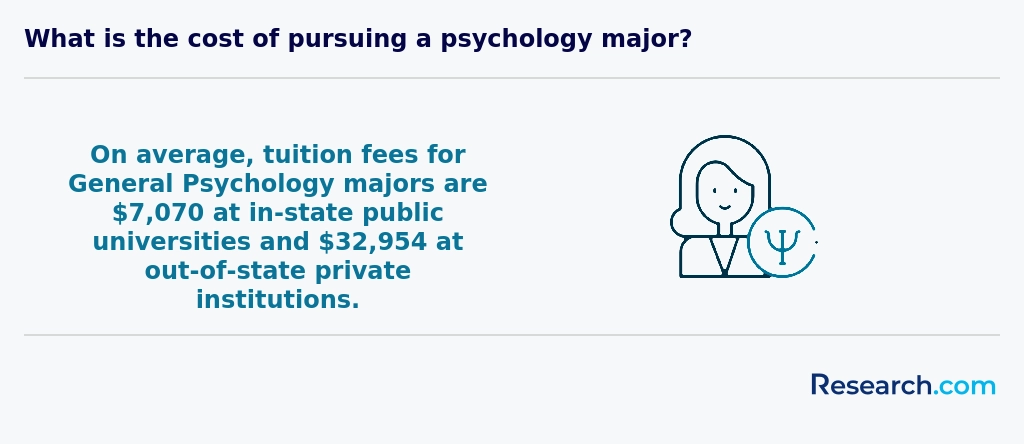
When considering a psychology degree, students often look beyond their local area for programs that offer the best combination of academic rigor, career opportunities, and personal growth. For those interested in psychology, exploring options in nearby states or metropolitan areas can be beneficial. For instance, researching valuable psychology programs in New York can provide insights into the diverse range of specializations and career paths available. This approach allows students to make informed decisions about their education, considering factors such as accreditation, curriculum, career opportunities, and job market data to find the program that best aligns with their goals and aspirations. By broaden their search, students can identify programs that not only enhance their understanding of human behavior but also prepare them for fulfilling careers in psychology, whether in clinical settings, research, education, or other fields where psychological principles are applied.
Psychology degrees in Alfred dive deep into courses that challenge your understanding of human behavior and mind. Graduates from Alfred University often describe their first encounter with General Psychology as an awakening-a chance to connect textbook theories to their daily interactions. Here, foundational courses like Statistics and Research Methods aren't just dry requirements; they become essential tools for critically analyzing data from real research projects or internships offered by local institutions.
Specialized courses such as Developmental Psychology or Cognitive Psychology push you to see the world through others' experiences. Imagine observing memory processes in a lab setting or tracing emotional growth patterns among different age groups-these are everyday experiences for students at popular Alfred colleges. Abnormal Psychology courses bring a profound empathy, revealing stories behind disorders that classmates eagerly discuss, preparing students for compassionate careers.
Biological and Social Psychology add layers, showing how brain functions affect decisions, or how group dynamics shape behavior. Those who have walked Alfred's campus recall lively debates on these topics, feeling a genuine connection to their studies. This curriculum isn't just academic; it's a personal journey that fosters curiosity, resilience, and meaningful professional skills.
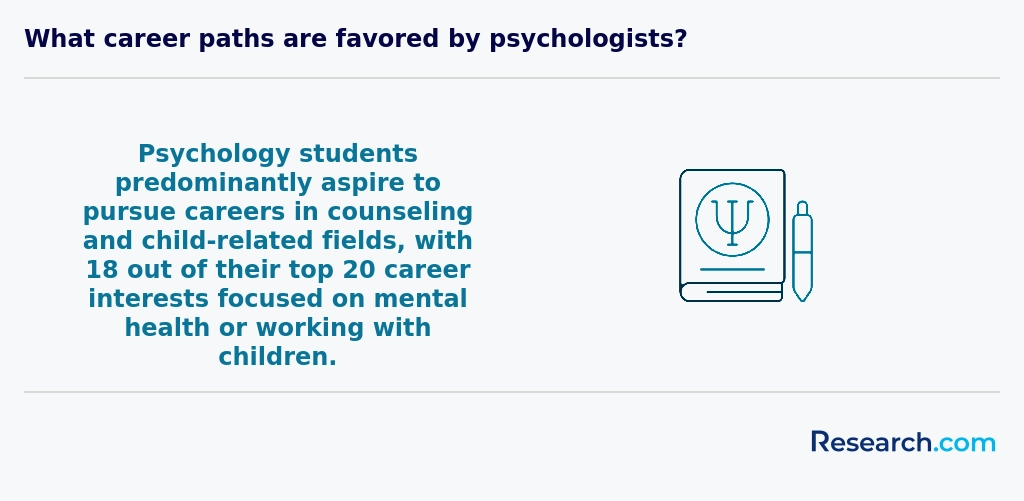
In Alfred, psychology degree specializations span diverse areas that challenge students to apply theory deeply and personally. Graduates from Alfred University often reflect on how focusing on Clinical Psychology transformed their understanding of mental health, witnessing real therapeutic breakthroughs during internships. Others pursuing Counseling Psychology share how guiding individuals through life's stressors felt profoundly rewarding, emphasizing empathy as a core skill. The richness of Alfred psychology career focus options extends to Developmental Psychology, where students explore the complexity of human growth from infancy to old age, resonating with those fascinated by life's continuous evolution.
Industrial-Organizational Psychology offers a unique lens on workplace dynamics, appreciated by graduates who helped improve employee morale and productivity in real-world settings. Forensic Psychology attracts those intrigued by the legal system, merging psychology with criminal justice challenges, while Health Psychology students often find purpose investigating how mind and body interplay in health outcomes. Prospective students curious about counseling routes should also explore lpc continuing education wisconsin for additional pathways and development options.
Choosing the best psychology degree programs in Alfred means more than just scanning tuition costs or campus aesthetics. Graduates from Alfred University often reflect on how accreditation and program focus shaped their career confidence, especially when applying for licensure or specialized roles. Imagine diving into clinical psychology coursework taught by faculty who balance research and community practice-this blend defines many psychology programs in Alfred and enriches the student experience beyond textbooks.
Affordability is another aspect that calls for deeper reflection. While Alfred University tends toward the private tuition spectrum, many students find reassurance by exploring affordable psychology degrees Alfred through scholarships or part-time study options that fit diverse lifestyles. One graduate recalls that this flexibility made pursuing an advanced degree less daunting, fostering persistent motivation through real-world challenges.
Finally, peer experiences often emphasize how vital it is to weigh program features like internship availability and career counseling. Local connections enhance practical skills, making the difference between theory and applied success. For those uncertain where to start, exploring valuable psychology programs in New York offers a thoughtful gateway to informed decisions.

Graduates pursuing psychology career opportunities in Alfred often find themselves navigating diverse and rewarding paths. For instance, many choose clinical and counseling psychology, a route requiring advanced degrees and licensure, where they bring empathy and deep understanding to hospitals or community health centers around Alfred. Others gravitate toward industrial-organizational psychology, applying insights learned at Alfred State College or nearby institutions to boost productivity in local businesses. Here, psychology becomes a tool for real-world impact, shaping employee satisfaction and organizational culture.
Jobs with psychology degree in Alfred also extend into academia and research, where graduates contribute to expanding psychological knowledge at colleges near Alfred. One former student described the excitement of blending theory with practice during their research assistantship, fostering a passion that few anticipated upon enrolling. Social services roles, like youth counseling, offer meaningful community engagement, proving a bachelor's degree from Alfred-area schools can open doors to impactful work early in one's career.
Those researching paths should also consider cost-effective options such as the most affordable online psychology degree, balancing ambition with practicality in this vibrant region.

The psychology degree job opportunities in Alfred present a nuanced landscape influenced by the region's educational and healthcare framework. Graduates from Alfred University often share stories of starting as psychological assistants or counselors, finding fulfillment in roles that deeply impact community mental health. These opportunities reflect a stable demand for licensed clinical psychologists, particularly in child psychology and family therapy, within local hospitals and outpatient centers.
Employment outlook for psychology graduates Alfred suggests that while salaries align with state averages around $84,000 annually, the rural setting means many explore telehealth or work in nearby cities for broader experience. This dynamic encourages graduates to be adaptable, blending community-focused practice with innovative delivery models, enriching both professional growth and patient care.
Those considering further specialization often pursue dual degree psychology programs to enhance credentials and employability. Navigating educational costs against this job market requires reflection on long-term rewards that come from serving diverse populations in Alfred's unique environment.
2027 Most Valuable Psychology Degree Programs Ranking in Alfred
Investing in your education is a significant decision that can shape your future, and the Research.com team understands the importance of making informed choices. To assist prospective students, we have meticulously crafted the "2027 Most Valuable Psychology Degree Programs Ranking in Alfred." Our commitment to quality, credibility, and accuracy is reflected in the extensive research and analysis conducted to compile this ranking. We utilized the following reputable data sources to ensure a comprehensive evaluation of psychology programs:
By exploring this ranking, readers will gain valuable insights into the most valuable psychology degree programs available in Alfred, helping them make informed decisions about their educational paths. For more details on our methodology, please visit our Research.com methodology page.

Frequently Asked Questions About psychology
Psychology degree students in Alfred can maximize their learning by actively engaging in both classroom and practical experiences. Participating in internships or research projects offered by local institutions enhances understanding beyond textbooks. Alfred University and nearby colleges provide access to labs and community programs, crucial for hands-on learning.
Networking with faculty and peers also plays a key role. According to the American Psychological Association, students involved in mentoring relationships show higher academic success. Additionally, attending psychology conferences in New York State can expose students to the latest research and professional opportunities.
Maintaining a balanced study schedule and using campus resources like counseling centers further supports academic performance and mental health.
The field of psychology in Alfred and across the US is evolving rapidly, with new specialty areas gaining attention. Emerging niches include health psychology, focusing on how behavior affects physical health, and neuropsychology, which studies brain-behavior relationships. Industrial-organizational psychology also shows strong growth, applying psychological principles to workplace productivity and employee well-being.
According to the American Psychological Association, these specialties are projected to grow faster than average employment rates through 2030. Additionally, forensic psychology, combining law and mental health, is expanding, partly due to increasing demand for mental health assessments in legal contexts. Students interested in Alfred's psychology programs should consider these promising fields.
After earning a psychology degree in Alfred, preparing for the job market involves several key steps. First, gaining practical experience through internships or volunteer work within Alfred's community mental health centers or local schools is valuable. This hands-on experience enhances resumes and develops critical skills favored by employers.
Networking is equally important; connecting with local professionals through Alfred State College's career services or psychology clubs can provide job leads and mentorship opportunities. According to the U.S. Bureau of Labor Statistics, psychology roles in New York State are projected to grow 6% through 2030, indicating stable demand for graduates.
Finally, many jobs in psychology require graduate study or licensure, so planning for continued education or certifications can strengthen your employability in Alfred's competitive job market.
Employers in Alfred seek psychology graduates who demonstrate strong analytical and communication skills. These graduates must effectively interpret data from psychological assessments and research to support decision-making. According to the Bureau of Labor Statistics, critical thinking and problem-solving abilities remain vital for roles in clinical, counseling, and industrial-organizational psychology.
Interpersonal skills are equally important. Graduates should show empathy and active listening, essential for working with diverse populations. The New York State Education Department highlights the increasing demand for cultural competence among psychology professionals in the Alfred region.
Technical proficiency, including familiarity with statistical software like SPSS or R, is often preferred. The ability to design research studies and apply ethical guidelines also distinguishes candidates in Alfred's competitive job market.
Finding internships in Alfred related to a psychology degree involves several effective strategies. Students should start by consulting the career services office at Alfred State College and Alfred University, both of which often have partnerships with local healthcare providers and counseling centers. These institutions offer listings and guidance specifically for psychology students. Networking with professors and attending local psychology association meetings, such as branches of the American Psychological Association, can also reveal internship opportunities.
Online platforms like Handshake or the National Association of Colleges and Employers provide listings tailored to Alfred-area students. According to the National Center for Education Statistics, internships increase job placement rates significantly, making active pursuit essential.
Additionally, reaching out directly to mental health clinics, schools, and social service agencies in Alfred can help secure internships that build practical experience in psychology.
A psychology degree in Alfred offers significant advantages for career mobility and advancement within the local job market. According to the U.S. Bureau of Labor Statistics, psychology-related occupations in New York State, including Alfred, are projected to grow around 8% from 2022 to 2032. Graduates with a bachelor's degree may enter support roles, while a master's or doctoral degree substantially increases access to specialized positions and leadership roles.
Employers in Alfred value the critical thinking and research skills developed through psychology programs, which are applicable in education, healthcare, and human services. Additionally, licensure opportunities in psychology or counseling further enhance career prospects.
Studying for a psychology degree in Alfred provides students with a strong interdisciplinary foundation essential for diverse career paths. Many programs emphasize collaboration across fields such as social work, education, and healthcare, reflecting trends in US higher education where about 70% of psychology graduates engage in interdisciplinary work, according to the American Psychological Association. Students gain skills in research methods, data analysis, and human behavior understanding, enabling them to contribute in areas like mental health, business, and policy-making.
Local institutions also incorporate practical experiences, including internships and community projects, reinforcing real-world interdisciplinary applications. This approach helps graduates adapt effectively to various professional environments.
When choosing between a thesis and a non-thesis psychology degree program in Alfred, students should consider their career goals. A thesis-based program typically requires original research and is ideal for those aiming for doctoral studies or research positions. Non-thesis options focus more on coursework and practical application, suitable for students targeting professional roles or immediate employment.
In the US, about 40% of psychology graduates pursue thesis programs, reflecting the importance of research skills in academia. Alfred's education institutions align with this trend, offering both options to accommodate different needs.
Students should also evaluate their readiness to commit time and effort to research projects, which can be demanding.
Advising sessions and faculty consultations at local Alfred colleges can provide valuable guidance tailored to individual aspirations and strengths.
Students based in Alfred who wish to study psychology abroad have several options under the US higher education system. Many institutions encourage participation in exchange programs or study-abroad semesters, allowing students to gain international experience while earning credits toward their psychology degree. Popular destinations include Europe, Canada, and Australia, where psychology coursework aligns closely with US standards.
Participation often requires coordination between Alfred State College or nearby universities and foreign partner institutions. Students should consult the International Programs Office for application deadlines and scholarship opportunities.
According to the Institute of International Education, approximately 15% of US psychology students study abroad, gaining valuable cultural insights that enhance their academic training.
Students pursuing psychology degrees in Alfred have several part-time job opportunities that complement their academic experience. Local mental health clinics and counseling centers often hire assistants or interns, allowing students to gain practical exposure to client interactions and therapeutic settings. According to the New York State Education Department, such roles can enhance understanding of clinical processes.
Additionally, school districts in Alfred may offer positions as teacher aides or behavioral assistants, valuable for students interested in educational psychology. These jobs provide hands-on experience working with children and understanding developmental needs.
Research assistant positions at Alfred University's psychology department also present opportunities to engage with data collection and analysis, a key skill for graduate studies. These part-time roles, while varying in pay, typically accommodate student schedules and contribute meaningfully to professional growth.
Psychology students in Alfred have access to various networking opportunities designed to connect them with professionals and peers in the field. Alfred University, located in New York State, offers psychology clubs and honor societies where students can engage in academic discussions and community events. These organizations often invite local psychologists and alumni for guest lectures, providing valuable industry insight.
Additionally, students can participate in internships at nearby mental health facilities and research centers, which foster professional relationships and practical experience. Regional conferences and workshops in New York State also serve as forums for networking and skill development within psychology.
Alumni networks play a significant role in supporting psychology degree students in Alfred. These networks provide students with valuable connections to professionals who have completed similar academic paths, facilitating mentorship and career guidance. According to the National Association of Colleges and Employers, 85% of jobs are filled through networking, highlighting the importance for psychology students to leverage alumni contacts.
In Alfred, many institutions foster strong alumni engagement by organizing events, workshops, and panels specific to psychology career paths. This creates opportunities for students to learn about various fields such as clinical, counseling, and industrial-organizational psychology directly from experienced graduates.
Additionally, alumni can assist with internships and research placements, which are critical for gaining practical experience and increasing employability within the US job market.
Customizing a psychology degree program in Alfred allows students to align their studies with specific career goals. Many institutions in Alfred offer flexible curricula where students can select electives related to clinical, cognitive, or industrial-organizational psychology. This approach helps build expertise tailored to professions such as therapy, research, or human resources.
Students often combine psychology courses with minors or certificates in areas like counseling or neuroscience to broaden their skill set. According to the National Center for Education Statistics, over 60% of psychology undergraduates in New York state personalize their studies through electives and research opportunities. Additionally, internships and practicum experiences in Alfred provide real-world skills directly connected to career aspirations.
Advising services play a key role by guiding students on course selection and career pathways. This ensures the degree not only meets academic standards but also prepares graduates for competitive job markets.
Psychology students in Alfred often face several common challenges typical to the field of study in the US. One significant difficulty is managing the demanding curriculum, which includes understanding complex theories and engaging in both qualitative and quantitative research methods. Alfred's limited local internship opportunities can further complicate gaining practical experience, a crucial aspect emphasized by the American Psychological Association.
Additionally, students often report stress related to balancing academic work, research projects, and part-time jobs. According to the National College Health Assessment, nearly 60% of psychology students nationwide experience high stress levels, a trend that seems consistent in smaller communities like Alfred.
Finally, securing funding and scholarships remains a concern, with fewer resources available in rural areas, impacting students' ability to focus fully on their studies.
With a psychology degree in Alfred, graduates can pursue several professional certifications to enhance their careers. One common path is becoming a Licensed Professional Counselor (LPC), which requires completing supervised clinical hours and passing a state exam. Another option is certification as a Certified Alcohol and Drug Counselor (CADC), relevant in many New York State settings near Alfred. For those interested in school settings, obtaining a School Psychology Certification allows individuals to work directly with children and educational institutions. According to the New York State Education Department, these certifications improve job prospects and salary potential for psychology graduates in the region.
Applying to a psychology program in Alfred requires a clear, focused approach. Start by researching programs offered locally to understand their specific requirements. Emphasize your academic background and experiences related to psychology, such as relevant coursework or volunteer work. Alfred University, known for its psychology offerings, values applicants with strong analytical skills and a genuine interest in human behavior.
Your personal statement should highlight your motivations and career goals while reflecting knowledge of the field. Many programs in New York, including Alfred, recommend submitting GRE scores, so prepare accordingly to strengthen your application. According to the National Center for Education Statistics, psychology remains a competitive major, making a well-crafted application crucial.
Letters of recommendation from professors or supervisors who can attest to your skills and dedication add significant value. Finally, ensure all materials are submitted by deadlines to avoid disqualification, as timely applications are essential in US higher education admissions.
Psychology careers in the United States, including in Alfred, are influenced by global trends emphasizing cultural competence and diverse research methods. The American Psychological Association highlights the importance of understanding international mental health issues, as psychologists increasingly work with multicultural populations. In Alfred, students benefit from programs that integrate global perspectives, reflecting broader US academic standards.
The U.S. Bureau of Labor Statistics projects a 6% growth in psychology jobs through 2032, partly driven by global awareness of mental health. Alfred's graduates can expect opportunities in clinical, counseling, and research fields that require knowledge of global psychological practices and ethics.
Gaining practical experience while studying for a psychology degree in Alfred is essential for applying theoretical knowledge and improving job prospects. Many colleges in the area offer internship programs where students can work with local health clinics, schools, or social service agencies. These internships provide hands-on opportunities in patient observation, counseling, and data collection.
Additionally, Alfred State College and surrounding institutions often collaborate with regional mental health organizations, allowing students access to supervised practicum placements. Coursework may also include research assistant roles, enabling participation in faculty-led studies.
Students are encouraged to engage with the New York State Psychology Association for networking and local workshops. According to the Bureau of Labor Statistics, practical experience can increase employment chances by up to 30% in psychology-related fields.
Choosing the right concentration within a psychology degree program in Alfred depends on your career goals and interests. Popular concentrations include clinical, counseling, developmental, and industrial-organizational psychology. Each path offers distinct opportunities, for example, clinical psychology focuses on diagnosing and treating mental health disorders, while industrial-organizational emphasizes workplace behavior.
Consider local demand in Alfred's job market; according to the Bureau of Labor Statistics, counselors and psychologists in New York State are expected to grow by 10% from 2022 to 2032. Research programs offered by Alfred-based institutions to see which concentrations align with faculty expertise and internship availability. This ensures practical experience alongside theory.
Lastly, assess licensure requirements. Some concentrations, such as clinical psychology, often require further education and supervised hours. Checking these details early aids informed decisions for your professional path.
- 2027 Most Valuable Psychology Degree Programs Ranking in Rochester
- 2027 Most Valuable Psychology Degree Programs Ranking in Buffalo
- 2027 Most Valuable Psychology Degree Programs Ranking in Pittsburgh
- 2027 Most Valuable Psychology Degree Programs Ranking in Cleveland
- 2027 Most Valuable Psychology Degree Programs Ranking in Albany
- 2027 Most Valuable Psychology Degree Programs Ranking in Philadelphia
- 2027 Most Valuable Psychology Degree Programs Ranking in New York
- 2027 Most Valuable Psychology Degree Programs Ranking in Bronx
- 2027 Most Valuable Psychology Degree Programs Ranking in Queens
- 2027 Most Valuable Psychology Degree Programs Ranking in New Haven
See What Experts Have To Say About Studying Psychology
Read our interview with Psychology experts

Catherine Caldwell-Harris, Ph.D.
Psychology Expert
Associate Professor of Psychology
Boston University

Robin M. Kowalski. Ph.D.
Psychology Expert
Professor of Psychology
Clemson University

Elizabeth L. Jeglic Ph.D.
Psychology Expert
Professor of Psychology
City University of New York

- Professional Networking For Psychologists | Psychology.org https://www.psychology.org/resources/professional-networking/
- Why Get a Psychology Degree Online? https://www.bridgeport.edu/news/reasons-to-get-your-psychology-degree-online/
- Sample letters in psychology https://www.mystudies.com/en-in/human-and-social-sciences/psychology/letter-model/
- Alumni Perspectives - Meet Our FPN Alumni https://www.aanmelder.nl/alumni-perspectives-june-2023
- Have You Found a Niche? https://www.apaservices.org/practice/business/marketing/building/niche
- Psychology Online Degree Pathway https://www.learndirect.com/course/psychology-online-degree
- Society for the Teaching of Psychology https://teachpsych.org/page-1784686/8675326
- Psychology | Alfred University https://www.alfred.edu/academics/undergrad-majors-minors/psychology.cfm
- The Role of Psychology in Career Development and Planning https://psyvanta.com/the-role-of-psychology-in-career-development-and-planning/
- Psychology - SWPS University https://english.swps.pl/academics/warsaw/ba-programs/psychology


