
2027 Best Psychology Degree Programs Ranking in Madison

Co-Founder and Chief Data Scientist
Choosing the right psychology degree program in Madison can feel overwhelming. To make this easier, the Research.com team of data scientists created the 2027 Best Psychology Degree Programs Ranking in Madison. This article will guide you through the top programs based on thorough data analysis, helping you find options that truly fit your goals.
Whether you're starting your academic journey or seeking to advance your career, earning a psychology degree can open many doors. Explore our ranking to discover programs that inspire growth and support your future success.
Key benefits of getting psychology degree in Madison
- Salary: Psychology graduates in Madison can expect rewarding jobs like Human Resources Specialist with a mean annual wage of $76,060 or Marketing Research Analyst earning about $83,190 yearly, offering great financial stability.
- Career Paths: Graduates from popular Madison universities often find diverse roles in research, clinical work, or child care, allowing for personal growth and meaningful community impact.
- Online Degree Benefits: Earning a psychology degree online from a reputable Madison institution provides flexibility and accessibility, helping students balance work and studies while preparing for dynamic careers.
- 2027 Best Psychology Degree Programs Ranking in Madison
- What can I expect from psychology degree in Madison?
- Where can I work with psychology degree in Madison?
What can I expect from psychology degree in Madison?
The average cost of earning a psychology degree in Madison varies widely, but students often find the investment rewarding despite the expense. At the University of Wisconsin-Madison, the flagship institution known for its robust psychology program, in-state tuition for undergraduates hovers around $10,000 per year, while out-of-state students may pay closer to $37,000 annually. Graduates recall balancing this financial commitment with valuable opportunities-such as engaging directly in cutting-edge research labs or securing paid internships at local mental health clinics-that transformed theoretical knowledge into real-world skills.
For many, the financial challenge sharpens their resolve and heightens appreciation for experiential learning in Madison's vibrant academic community. Alumni describe the practical benefits of collaborating on research projects in clinical or behavioral science, experiences that often lead to scholarships or stipends helping offset costs. This blend of rigorous academics and immersive practice prepares students not just to earn a degree, but to build a meaningful career in psychology without losing sight of the person behind the cost.
Where can I work with psychology degree in Madison?
Graduates from psychology programs at the University of Wisconsin-Madison often find themselves immersed in diverse career paths that defy simple expectations. Instead of limiting themselves to traditional therapy rooms, many step into dynamic roles within Madison's hospitals and clinics, like the University of Wisconsin Hospital and Clinics, where they collaborate with multidisciplinary teams to craft tailored mental health interventions that truly change lives.
Others, energized by their experiences working alongside educators in the Madison Metropolitan School District, embrace opportunities as school counselors or educational psychologists, navigating the daily challenges that shape student success. These roles become deeply rewarding when graduates witness firsthand the breakthroughs students make under their guidance.
Beyond these settings, psychology alumni frequently engage with nonprofits such as NAMI Dane County, channeling empathy into vital community outreach and advocacy programs. Meanwhile, some graduates fuel innovation in Madison's tech and biomedical sectors, applying human factors psychology to enhance user experience and workplace productivity-demonstrating how psychology can intersect with cutting-edge science and business.
Such varied career avenues reflect not only the city's rich professional landscape but also the profound impact a psychology degree from Madison schools has on creating meaningful, fulfilling work that resonates with personal passions.
Graduates holding psychology degrees from Madison's prominent universities often discover a diverse salary landscape shaped by their chosen career path. For example, those stepping into roles as Human Resources Specialists can anticipate a mean annual wage of about $76,060 locally, offering a grounded entry into people-centered professions.
Marketing Research Analysts, another common career track for psych grads, earn around $83,190 annually, reflecting how analytical skills translate into lucrative research opportunities. Clinical Research Associates and Survey Researchers share similar pay, both with mean annual wages near $62,370, showing options in research-driven roles that blend psychology with practical data analysis.
Imagine a graduate passionate about child development; working as a Childcare Worker may bring in around $32,070, which while modest, can serve as a fulfilling launchpad with a clear pathway to higher-paying clinical roles with advanced degrees. These salary figures illustrate that in Madison, a psychology degree opens doors across various sectors, each offering unique challenges and rewards shaped by personal ambition and local employment trends.
- The University of Wisconsin-Madison charges about $10,700 per year for in-state undergraduate tuition and around $38,600 for out-of-state students.
- Entry-level psychology graduates in Madison earn between $45,000 and $50,000 annually.
- Advanced degree holders in psychology can expect salaries ranging from $65,000 to over $100,000, especially in clinical, counseling, or research roles.
- Psychology job opportunities in Madison are growing at around 10% from 2022 to 2032, exceeding the national average.
- Madison offers valuable internships and research assistantships through universities and medical centers to enhance practical skills and job prospects.
Completing a psychology degree in Madison often takes more than just following a rigid timeline. For many undergraduates at the University of Wisconsin-Madison, the journey to a bachelor's degree stretches over about four years when attending full-time, balancing intensive coursework with extracurricular passions and part-time jobs. Graduates often recall how the campus environment encouraged them to dive deep into topics while building lasting connections.
Those moving on to a master's program typically add two years, navigating between research, internships, and personal growth. Madison's vibrant academic community supports students as they juggle responsibilities, making these programs both challenging and rewarding. Master's candidates often emphasize how the structure pushes them toward specialization without sacrificing flexibility.
Doctoral candidates, on the other hand, describe a more unpredictable timeline of 5 to 7 years. The clinical psychology PhD at UW-Madison often requires juggling extensive research, practicum hours, and dissertation work, shaping not just their careers but their identities. Many find fulfillment in the intensity and the chance to contribute original knowledge to the field.
Ultimately, students often find that the true length of their study depends on their personal pace and life circumstances, reinforcing that education in Madison is a highly individual journey.
When budgeting for a psychology degree, it’s important to weigh Madison’s tuition against other regions known for lower costs. While in-state public universities in Madison average around $7,070 per year in tuition, some states offer even more budget-friendly options. For example, West Virginia institutions routinely rank among the most affordable, with annual in-state tuition fees often falling below $6,000. Beyond tuition, lower living expenses and reduced fees in states like West Virginia can translate into thousands of dollars in savings over four years. If cost is a primary concern, exploring programs in different states can reveal unexpected value without sacrificing quality. To discover a comprehensive list of cost-effective psychology degrees and detailed tuition breakdowns, check out Affordable Psychology Degree Programs Ranking in West Virginia. By comparing total program costs-including books, lab fees, and housing-you can make an informed choice that balances quality education with financial sustainability.
Choosing between online and on-campus psychology degrees in Madison reveals more than just different learning environments; it challenges how students engage with their education and career preparation. Graduates from the University of Wisconsin-Madison often recall the palpable energy of in-person classes, where spontaneous hallway conversations with professors and peers sparked deeper insights. The access to campus facilities like research labs and counseling centers embedded their learning in real-world practice.
Conversely, online learners at Madison's reputable institutions appreciate the autonomy to balance studies with jobs or family, tuning into lectures from home at their own pace. One graduate highlighted how virtual discussion boards fostered diverse perspectives, though they occasionally missed the immediacy of face-to-face debate. Yet, online programs arrange local practicum placements, anchoring theoretical knowledge in Madison's community settings.
- Flexibility: On-campus immersion versus online adaptability shapes distinct daily rhythms and social dynamics.
- Networking: In-person programs provide richer spontaneous connections, while online students must be deliberate to build networks.
- Hands-on Access: Physical labs and internships at UW-Madison contrast with online learners' need for strategic local placements.
These differences encourage prospective students in Madison to reflect beyond convenience or cost and consider how each path cultivates their unique psychological insight and professional identity.
For many psychology graduates, the journey does not end with earning a degree-it evolves toward specialized careers, such as becoming a child psychologist. This path requires not only academic rigor but also targeted certifications and practical experiences. Graduates are encouraged to explore internships and volunteer opportunities in child-focused mental health centers while building their networks with professionals in pediatrics and educational settings. In addition to mastering coursework, obtaining state licensure and pursuing post-graduate training are essential steps to ensure credibility and career mobility. For those at the beginning of this specialized career path, our guide on how to become child psychologist offers actionable insights, detailed requirements, and real-world tips that align with the latest industry standards and trends. Embracing these opportunities not only deepens your expertise but also builds the foundation for a meaningful and impactful career in mental health and child development.
The average cost of a psychology degree in Madison often surprises many prospective students. For those attending the University of Wisconsin-Madison, a well-known local institution for psychology studies, in-state students typically face a median total cost around $11,603. This figure includes tuition and additional fees, which is a considerable difference compared to the $55,617 median total cost out-of-state students might encounter. Such disparities highlight the financial advantage for residents yet challenge many to carefully weigh their educational investments.
Graduates from UW-Madison often reflect fondly on their experiences, noting that the quality of education and research opportunities justify these expenses. One graduate described the balancing act of managing tuition with the pursuit of scholarships and assistantships, emphasizing that financial aid plays a crucial role in making these costs manageable. Understanding the psychology degree tuition and fees Madison presents is essential for students planning their futures, especially since living costs and materials add layers beyond just tuition.
For those seeking more budget-friendly options or alternative routes, exploring affordable psychology programs in Wisconsin can provide valuable perspectives. Madison students often find these programs as a practical path to earning a respected degree without the financial strain larger universities might impose, proving that the average cost is not simply a static number but a challenge inviting strategic planning and resourcefulness.
Upon earning your psychology degree in Madison, WI, the next critical step is securing state licensure to practice professionally. In Wisconsin, aspiring psychologists must: 1. Complete an APA-accredited doctoral program (PhD, PsyD) or an approved master’s program for psychological associates. 2. Accumulate at least 3,000 hours of supervised professional experience-commonly split between pre-doctoral and post-doctoral internships overseen by a licensed psychologist. 3. Pass the Examination for Professional Practice in Psychology (EPPP) administered by the Association of State and Provincial Psychology Boards. 4. Satisfy Wisconsin’s jurisprudence requirement by passing the state law and ethics examination. 5. Submit a formal application to the Wisconsin Department of Safety and Professional Services, including official transcripts, verification of supervised hours, and background clearance. For graduates focusing on developmental or child psychology, specialized certifications-such as the Children’s Mental Health Certificate or the Board Certified Behavior Analyst credential-can enhance employability. Many professionals also pursue continuing education credits through workshops and seminars offered by the Wisconsin Psychological Association to maintain licensure and stay current with best practices. Those interested in careers working directly with young populations can explore local psychology child and adolescent development jobs, which often require additional training in assessment tools like the Child Behavior Checklist (CBCL) and trauma-informed interventions. Early engagement in supervised practica at schools, clinics, or juvenile justice centers not only fulfills licensure prerequisites but also deepens practical expertise, positioning you for a successful and compliant career in Wisconsin’s dynamic mental health landscape.
Many psychology students at the University of Wisconsin-Madison find unexpected relief through the maze of financial aid options available specifically to them. Imagine juggling the $10,700 annual in-state tuition or the daunting $37,800 for out-of-state students; securing aid is not just a hope but a necessity. Graduates often share how applying early for the Free Application for Federal Student Aid (FAFSA) unlocked Pell Grants covering up to $7,395, a game-changer for managing costs without heavy debt.
Beyond federal aid, Wisconsin's own state grants step in. The Wisconsin Grant, known to supplement federal help, eases the financial weight for many local students pursuing psychology degrees at UW-Madison. Consider the reassurance felt by those awarded this need-based grant, which can transform the overwhelming tuition bill into a manageable expense.
Psychology majors also tap into scholarships from the American Psychological Association and local Madison chapters, sometimes receiving up to $5,000 annually. Graduate students report that research and teaching assistantships not only reduce costs through tuition waivers and stipends but also enrich their academic experience, creating a rewarding balance of financial support and practical training.
Private scholarships and employer programs add unexpected layers of aid, often discovered through conversations with advisors or peers who've walked the same path. These forms of assistance turn financial stress into achievable opportunity for many pursuing psychology in Madison.
When considering a psychology degree in Madison, WI, one of the most crucial factors is the cost of the program. Prospective students should research the total cost of attendance, including tuition, fees, and living expenses, to ensure they can afford the investment in their education. It's also essential to explore financial aid options, such as scholarships, grants, and loans, to help offset the costs. For instance, students can look into affordable psychology programs in Wisconsin to find options that fit their budget. Additionally, students should consider the potential return on investment, including the career opportunities and salary potential available to graduates in the field of psychology. By carefully planning and considering these financial factors, students can make informed decisions about their educational journey and set themselves up for success in their future careers.
Securing a spot in a psychology program in Madison often means more than checking off academic boxes; it demands a sincere demonstration of passion and readiness. Imagine a graduate from the University of Wisconsin-Madison reflecting on the early days when a strong foundation in biology and mathematics wasn't just recommended-it was essential. Their transcripts, alongside compelling letters of recommendation, painted a story of genuine curiosity and dedication that helped them stand out.
For graduate hopefuls, the journey deepens. Picture a recent master's graduate recalling how their completed bachelor's degree, competitive GPA, and meaningful research or work experience revealed their true commitment to psychology's challenges and rewards. GRE scores sometimes felt like hurdles, but many Madison programs have shifted focus toward holistic assessments, emphasizing the power of an impactful statement of purpose.
Ultimately, these prerequisites invite you to reflect on your own readiness and resilience, making the pursuit of a psychology degree in Madison not just an academic task but a personal transformation.

A psychology degree in Madison should be accredited and aligned with Wisconsin’s licensing standards to support career and licensure goals.
- Regional accreditation (e.g., HLC) verifies institutional quality and credit transferability.
- APA accreditation (doctoral programs) meets national standards for clinical psychology practice.
- CACREP accreditation ensures counseling tracks satisfy professional criteria and state requirements.
- Wisconsin Department of Safety and Professional Services outlines supervised hours, jurisdiction-specific exams, and application steps.
To practice as a licensed psychologist in Madison, complete the required supervised experience and pass the EPPP exam. Students pursuing marriage and family therapy licensure can explore online mft programs that meet Wisconsin requirements.
Students pursuing psychology degrees in Madison often find themselves immersed in a curriculum that breaks down complex human behavior into understandable segments. Early on, graduates recall the challenge and excitement of courses like Introduction to Psychology and Research Methods at the University of Wisconsin-Madison, where they developed the skills to critically analyze studies and data. This foundational knowledge felt empowering, turning abstract theories into tools for real-world understanding.
As their studies progressed, former students describe the eye-opening nature of upper-level classes like Developmental Psychology and Abnormal Psychology. Exploring human growth stages or mental health disorders in vivid detail sparked both empathy and curiosity, especially when paired with Madison's strong hands-on learning opportunities. The chance to engage in Psychological Assessment or Behavioral Neuroscience courses, often supported by local internships, created experiences that felt both challenging and deeply rewarding.
Many graduates emphasize how studying in Madison, with its vibrant academic community, transforms dry coursework into lively, relevant explorations of social and cognitive psychology - making it easier to see the profound impact of understanding minds in everyday life.
Specializations within psychology degree specializations in Madison challenge students to rethink the landscape of human behavior. For example, graduates from the University of Wisconsin-Madison often describe how Clinical Psychology deeply transformed their understanding of mental health, equipping them to work directly with clients in real-world hospital settings or community clinics. Meanwhile, those who pursued Cognitive Psychology found themselves fascinated by the mind's intricacies, especially with UW-Madison's cutting-edge research in neuroscience enhancing their study of memory and decision-making processes.
Madison psychology programs with concentrations also include Social Psychology, which reveals the subtle ways individuals influence each other in group contexts-a skill that graduates apply in fields from marketing to counseling with impressive empathy and insight. Developmental Psychology takes students on a journey through human growth stages, enriching career paths like education and child psychology. Many have explored how to merge theory with practice, even diving into resources on how to become child psychologist.
Industrial-Organizational Psychology is another eye-opener for students aiming to solve real workplace challenges, reflecting Madison's vibrant business community and inspiring graduates to innovate in employee motivation and leadership development.
Choosing the best psychology degree programs in Madison requires more than scanning rankings-it demands introspection about what you truly want from the experience. Graduates from the University of Wisconsin-Madison often reflect on how engaging directly with faculty research transformed abstract theories into real-world understanding, a factor that made their education vibrant and applicable. Affordability is another pivot: many students discover that affordable psychology colleges Madison support not only lower tuition burdens but also allow more focus on internships and practical experience, which are essential in fields like counseling or research assistance. Picture a student balancing coursework with a coveted placement in a local clinic, gaining insights you simply can't get from textbooks. Consider too the pathways your education opens-some programs shine in preparing students for licensure or doctoral placements, essential steps if you pursue clinical practice. Exploring specific areas like psychology child and adolescent development jobs illustrates how certain degrees meet niche career goals, inviting you to reflect deeply on what future you want to create.
Graduates from the University of Wisconsin-Madison and other local institutions often discover that psychology career opportunities in Madison extend well beyond traditional clinical roles. For instance, many find rewarding positions as school psychologists within the Madison Metropolitan School District, where they directly impact student well-being and learning outcomes. This hands-on experience in education transforms theoretical knowledge into tangible community benefits.
Meanwhile, other jobs with a psychology degree in Madison involve engaging research careers that challenge graduates to explore behavioral insights at university labs or government agencies. These roles demand critical thinking and often produce meaningful advancements in social psychology, connecting students' academic passions with real-world applications.
Alternatively, some graduates channel their expertise into applied psychology fields like human resources or marketing, improving workplace dynamics through psychological principles. The affordability of studying psychology locally, highlighted in the Affordable Psychology Degree Programs Ranking in West Virginia, further empowers Madison students to pursue diverse career paths with less financial strain, allowing them to focus on making a genuine impact.
Graduates with a psychology degree in Madison step into a dynamic job market shaped by the city's robust healthcare and educational sectors. Many find themselves welcomed in roles that address mental health challenges through counseling or research, especially at institutions like the University of Wisconsin-Madison. The demand for psychology expertise is tangible, reflected in growing community programs and human resources departments eager for skilled professionals. This evolving landscape challenges the notion that psychology careers are saturated or uncertain.
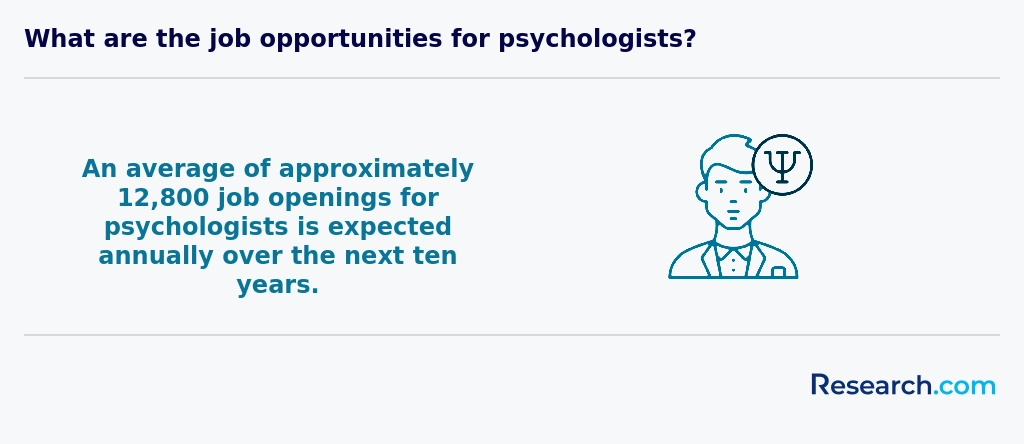
Considering the local employment scene, Madison psychology career outlook 2027 appears promising, with steady growth aligned to national trends signaling an 8% increase in related jobs over the decade. Graduates describe rewarding experiences engaging with community health initiatives or teaching roles, appreciating the balance between meaningful work and competitive wages close to $80,000 on average. Such realities deepen the appeal for students contemplating how to translate their academic achievements into impactful careers.
In terms of investment, pursuing a psychology degree here often proves cost-effective. With in-state tuition around $10,700 at UW-Madison, the path to a fulfilling profession is accessible. Some students accelerate their journey by exploring an accelerated college degree, shortening the time spent before entering the workforce. This practical approach combined with Madison's unique blend of opportunity results in a compelling case for students focused on psychology degree job opportunities in Madison.
2027 Best Psychology Degree Programs Ranking in Madison
Investing in your education is a significant decision that can shape your future, and the Research.com team understands the importance of making informed choices. To assist prospective students in Madison, we have meticulously crafted the "2027 Best Psychology Degree Programs Ranking in Madison." Our commitment to quality, credibility, and accuracy is reflected in the extensive research and analysis conducted to compile this ranking.
We utilized the following reputable data sources to ensure a comprehensive evaluation of psychology degree programs:
By exploring this ranking, readers will gain valuable insights into the top psychology programs available in Madison, enabling informed decisions about their educational journey. For more details on our methodology, please visit our Research.com methodology page.


Frequently Asked Questions About psychology
Psychology degree students in Madison can maximize their learning experience by engaging in hands-on research opportunities offered by local universities such as the University of Wisconsin-Madison. Participating in research labs not only deepens theoretical knowledge but also develops critical skills in data analysis and experimental design. According to the UW-Madison Department of Psychology, over 70% of undergraduates get involved in faculty-led research.
Students should also take advantage of internships available through Madison's diverse mental health clinics and community organizations. Internships provide practical experience and networking opportunities, increasing employability after graduation. Additionally, joining psychology clubs and attending workshops can enhance both academic and professional growth.
The psychology field in Madison is expanding into several emerging niches driven by local research institutions and healthcare needs. One growing area is neuropsychology, which studies how brain injuries and diseases affect behavior. The University of Wisconsin-Madison is a significant contributor to this research, offering specialized programs and internships.
Another expanding niche is industrial-organizational psychology, focusing on workplace behavior and employee well-being. Madison's diverse industries provide practical opportunities for students interested in this specialty.
Additionally, health psychology is gaining attention, emphasizing the impact of mental and emotional health on chronic illnesses. According to recent UW publications, demand for health psychologists in Wisconsin is expected to grow 12% over the next decade.
The integration of technology with psychology, including digital mental health apps, is yet another promising niche in Madison's academic and professional landscape.
Graduates with a psychology degree in Madison should focus on gaining practical experience to enhance employability. Internships and volunteer opportunities at local clinics, schools, or research centers are valuable. Institutions like the University of Wisconsin-Madison often provide connections to such placements, benefiting students. Networking with professionals through organizations like the Wisconsin Psychological Association can open doors in the regional job market.
Obtaining relevant certifications, such as becoming a Licensed Professional Counselor, improves job prospects in social services or mental health fields. According to the U.S. Bureau of Labor Statistics, psychology-related roles in Wisconsin are projected to grow by 8% through 2032, higher than the national average.
Continuing education and specialized training also distinguish candidates in Madison's competitive employment landscape.
Employers in Madison seek psychology graduates with strong analytical and research skills. According to the Bureau of Labor Statistics, the ability to interpret data and apply scientific methods is vital for success in various psychology-related roles. Communication skills, both written and verbal, are equally important as professionals often work in clinical or organizational settings requiring collaboration.
Problem-solving abilities and critical thinking stand out as key competencies, enabling graduates to develop effective treatment plans or workplace interventions. Additionally, cultural competence is increasingly valued in Madison's diverse community to ensure inclusive psychological services, as noted in a 2023 survey by the Wisconsin Psychological Association.
Finding psychology internships in Madison involves leveraging local resources and university connections. The University of Wisconsin-Madison offers numerous internship opportunities through its Psychology Department, where students can gain hands-on experience in clinical, counseling, and research settings.
Additionally, local hospitals, mental health clinics, and nonprofit organizations often seek psychology interns. Contacting places like the Madison VA Hospital or the Dane County Human Services department can provide practical opportunities.
Students should also utilize online job portals such as Handshake or the UW's Career Exploration Center, which lists relevant internships updated regularly. According to the National Association of Colleges and Employers, nearly 60% of psychology graduates in Wisconsin secure internships before graduation.
A psychology degree in Madison offers significant potential for career mobility due to the city's diverse employment sectors, including healthcare, education, and social services. According to the U.S. Bureau of Labor Statistics and local job market analysis, graduates with psychology backgrounds find opportunities in clinical roles, counseling, human resources, and research positions.
Madison's robust healthcare industry, anchored by institutions like UW Health, provides advancement pathways for psychology professionals through specialized certifications and graduate education. The Wisconsin Department of Workforce Development notes a projected 10% growth in local psychology-related jobs by 2030, supporting upward mobility.
Moreover, a psychology degree can enhance key skills-such as communication and critical thinking-valued across various fields, improving chances for promotions and leadership roles. Continuing education and internships in Madison's research centers further foster career development.
Studying for a psychology degree in Madison offers a strong foundation for interdisciplinary roles by emphasizing collaboration across diverse fields such as healthcare, education, and social services. Madison's universities integrate psychology with public health, neuroscience, and social work, preparing students to tackle complex behavioral and societal challenges.
The University of Wisconsin-Madison, a key institution, provides research opportunities that connect psychology with data science and cognitive science, reflecting the growing demand for cross-disciplinary expertise. According to UW-Madison's Center for Demography and Ecology, approximately 30% of psychology undergraduates engage in interdisciplinary research teams.
This exposure enhances skills in communication, data analysis, and problem-solving, equipping graduates for varied careers in clinical settings, policy making, or tech industries. Additionally, the regional job market in Madison values psychology graduates who understand multiple perspectives to drive innovation and community wellbeing.
Choosing between a thesis and a non-thesis psychology degree program in Madison depends largely on your career goals and interests. Thesis programs emphasize original research, ideal for students planning to pursue doctoral studies or research-related careers. These require completing a substantial research project under faculty supervision.
Non-thesis programs focus more on coursework and practical skills, suitable for students aiming to enter counseling, human services, or business roles immediately after graduation. According to data from the University of Wisconsin-Madison, about 60% of psychology master's students opt for thesis tracks, as it often strengthens applications for PhD programs.
Consider your time commitment and whether you prefer research or applied learning when deciding between these paths.
Students in Madison seeking to study psychology abroad have several options to consider through their home institutions. The University of Wisconsin-Madison, a leading university with a strong psychology department, offers exchange programs and faculty-led study abroad experiences in countries such as the United Kingdom, Australia, and Germany. These programs often focus on cross-cultural psychology and neuropsychology, providing valuable international perspectives.
Additionally, many Madison students use resources like EduAbroad to find affiliated programs that allow them to earn credits abroad while continuing their psychology studies. According to UW-Madison's Study Abroad office, nearly 40% of participants in psychology-related programs report enhanced understanding of diverse psychological practices worldwide.
Students should also explore summer research internships abroad facilitated by UW connections, which enrich practical knowledge alongside academic study. Overall, institutional partnerships and dedicated counseling help ensure Madison psychology students can access reputable international study opportunities.
Madison offers various part-time job opportunities that align well with psychology degree studies. Students often find roles as research assistants at institutions like the University of Wisconsin-Madison, where psychology research is prominent. These positions provide hands-on experience with data collection and analysis, reinforcing academic knowledge.
Other common jobs include behavioral health aides and mental health technician roles at local clinics or hospitals, which help students gain practical exposure to patient care. Additionally, tutoring psychology or related social sciences is popular among those looking to deepen their understanding while earning.
According to the Wisconsin Department of Workforce Development, Madison's healthcare and social assistance sector is growing, indicating increasing availability of relevant part-time positions.
Psychology students in Madison benefit from numerous networking opportunities thanks to the city's strong academic and professional community. The University of Wisconsin-Madison, a leading institution, hosts regular events, workshops, and guest lectures that encourage student interaction with faculty and professionals in psychology fields.
Local organizations, such as the Wisconsin Psychological Association, offer memberships to students, providing access to conferences and seminars where students can connect with practicing psychologists and researchers. Additionally, Madison's proximity to various healthcare and research facilities allows students to engage in internships, fostering valuable professional relationships.
Networking through student clubs, including Psi Chi-the International Honor Society in Psychology-is also prominent, promoting peer connections and career development. According to UW-Madison's Career Services, over 60% of psychology students reported gaining internships through networking events in 2023, indicating strong support for career advancement in the area.
Alumni networks play a significant role in supporting psychology degree students in Madison. These networks connect current students with graduates who have established careers, creating opportunities for mentorship and practical insights into the psychology field. According to the University of Wisconsin-Madison's Career Services, students who engage with alumni receive guidance on internships and job placements, which is crucial given the competitive job market in psychology.
Networking events and online platforms sponsored by local colleges help students build professional relationships. This can lead to research collaborations and referrals, enhancing career prospects.
Furthermore, data from the Wisconsin Psychological Association highlights that alumni networks in Madison contribute to increased employment rates within six months of graduation.
Customizing a psychology degree program in Madison involves selecting courses and experiences that align with your career goals. Many local universities, including the University of Wisconsin-Madison, offer specialized tracks or electives such as clinical, cognitive, or industrial-organizational psychology. Students can also engage in research projects, internships, or assistantships to gain practical skills.
Advisors play a key role by helping students tailor their curriculum based on interests and job market demands. According to the UW-Madison Department of Psychology, participating in hands-on opportunities increases employment prospects by up to 30% in local health and service sectors.
Graduate programs often allow further customization through thesis topics and practica, enabling students to deepen expertise in targeted fields like neuropsychology or counseling psychology.
Psychology students in Madison face several common challenges throughout their academic journey. One significant hurdle is managing the rigorous coursework alongside practical experience requirements, such as internships or research assistantships. The University of Wisconsin-Madison, a prominent institution in the city, emphasizes hands-on learning, which can be time-consuming and demanding.
Additionally, students often struggle with competitive admission to advanced psychology programs, with acceptance rates as low as 30% for specialized graduate tracks, according to recent data from UW-Madison.
Financial pressure also impacts students, as in-state tuition for psychology majors averages around $10,700 annually, excluding living expenses. Balancing work and study becomes a necessity for many.
Finally, coping with emotional stress is common, given the subject matter often explores complex mental health issues, requiring strong personal resilience and support networks.
With a psychology degree in Madison, graduates can pursue several professional certifications to enhance their career prospects. Common certifications include becoming a Licensed Professional Counselor (LPC) or Licensed Clinical Social Worker (LCSW), both requiring graduate education and supervised clinical experience. Madison, home to renowned institutions like the University of Wisconsin-Madison, offers strong preparation for these paths. Additionally, certifications such as Certified Alcohol and Drug Counselor (CADC) are available for those interested in substance abuse counseling.
Other options include Board Certified Behavior Analyst (BCBA), which is in demand locally due to increasing support for behavioral health services. National data from the Bureau of Labor Statistics (BLS) notes that demand for licensed psychologists and counselors is projected to grow by 8% from 2022 to 2032, reflecting local trends in Wisconsin. These certifications typically require passing state-specific exams and meeting ongoing education requirements.
Writing a winning application for a psychology program in Madison starts with understanding the local academic landscape. Madison is home to well-regarded institutions like the University of Wisconsin-Madison, which offers highly competitive psychology degrees. Applicants should highlight strong academic performance, particularly in relevant coursework such as biology, statistics, and social sciences.
Personal statements must clearly articulate your motivation for studying psychology, your career goals, and any relevant experience, including research or volunteer work. The UW-Madison psychology department values applicants with demonstrated research interests and hands-on experience in psychology settings, according to their admissions guidelines.
Letters of recommendation, preferably from professors or professionals familiar with your academic and practical skills, are vital. Also, meeting or exceeding the average GPA of admitted students-generally above 3.5-can strengthen an application. Finally, adhering to deadlines and submitting all materials through official channels improves your chances of acceptance.
A psychology career offers diverse opportunities globally, with increasing demand for mental health professionals. In the US, the Bureau of Labor Statistics projects a 8% growth in psychologist jobs from 2022 to 2032, faster than average. Madison, Wisconsin, benefits from this trend due to its strong university programs and healthcare facilities. Graduates with psychology degrees can work in clinical, counseling, research, or organizational roles both locally and internationally.
Global perspectives emphasize cultural competence and interdisciplinary skills. For instance, psychologists in the US often collaborate with education and healthcare sectors, reflecting a holistic approach.
International recognition of US psychology degrees, including those from Madison institutions, supports mobility and career flexibility.
Students pursuing a psychology degree in Madison can gain practical experience through internships offered by local hospitals, mental health clinics, and nonprofit organizations. The University of Wisconsin-Madison, for example, facilitates placements in community agencies where students apply research and clinical concepts in real-world settings. Volunteering opportunities are also common, allowing students to support ongoing studies or assist with counseling services.
Many programs encourage participation in faculty-led research projects, which strengthens hands-on skills. According to the National Association of Schools of Psychology, around 70% of psychology undergraduates in the area engage in such experiential learning before graduation. This practical exposure is essential for career readiness and graduate education applications.
Choosing the right concentration within a psychology degree program in Madison depends on your career goals and interests. Psychology offers varied paths such as clinical, counseling, cognitive, or industrial-organizational psychology. Local programs often include research opportunities in human development and behavior, supported by institutions like the University of Wisconsin-Madison, which is nationally ranked for psychology research.
Consider asking about faculty expertise and internship connections, especially since Madison's strong healthcare and tech sectors influence practical training options. According to the U.S. Bureau of Labor Statistics, industrial-organizational psychology jobs are growing faster than average, which might be relevant if you seek employment locally.
Review course descriptions for concentrations, and if possible, attend informational sessions to determine which concentration aligns with your skills and long-term ambitions.
- 2027 Best Psychology Degree Programs Ranking in Chicago
- 2027 Best Psychology Degree Programs Ranking in Notre Dame
- 2027 Best Psychology Degree Programs Ranking in Saint Paul
- 2027 Best Psychology Degree Programs Ranking in Minneapolis
- 2027 Best Psychology Degree Programs Ranking in Fort Wayne
- 2027 Best Psychology Degree Programs Ranking in Indianapolis
- 2027 Best Psychology Degree Programs Ranking in Saint Louis
- 2027 Best Psychology Degree Programs Ranking in Detroit
- 2027 Best Psychology Degree Programs Ranking in Louisville
- 2027 Best Psychology Degree Programs Ranking in Kansas City
See What Experts Have To Say About Studying Psychology
Read our interview with Psychology experts

Joann Farrell Quinn, Ph.D., MBA
Psychology Expert
Director at the College of Medicine Department of Medical Education
Morsani College of Medicine

Elizabeth L. Jeglic Ph.D.
Psychology Expert
Professor of Psychology
City University of New York

Robin M. Kowalski. Ph.D.
Psychology Expert
Professor of Psychology
Clemson University

- Psychology Undergraduate Community Impact Award https://wisc.academicworks.com/opportunities/91134
- Mental Health Challenges Faced by Psychology Students | The Healthcare Guys https://healthcareguys.com/2023/11/23/mental-health-challenges-faced-by-psychology-students/
- Psychology Programs and Careers in Wisconsin https://www.onlinepsychologydegrees.com/states/wisconsin/
- How to help students cope with mental health challenges https://www.eaie.org/resource/help-students-cope-mental-health-challenges.html
- Ontario Psychological Association - Networking and Community Resources https://www.psych.on.ca/become-a-member-(1)/member-services/networking-and-community-resources
- Why Get a Psychology Degree Online? https://www.bridgeport.edu/news/reasons-to-get-your-psychology-degree-online/
- Best Types Of Online Psychology Degrees 2025 https://www.psychology.org/degrees/
- MAPP Alum https://mappalum.org/
- Have You Found a Niche? https://www.apaservices.org/practice/business/marketing/building/niche
- Psychology at University of Wisconsin-Madison https://www.vaia.com/en-us/degrees/universities/university-of-wisconsin-madison/psychology-at-university-of-wisconsin-madison/


