
2027 Most Affordable Online Master's in Psychology Degree Programs Ranking in the Northeast

Co-Founder and Chief Data Scientist
If you're considering advancing your career with a master's in psychology, finding an affordable and reputable program is essential. This article presents the 2027 Most Affordable Online Master's in Psychology Degree Programs Ranking in the Northeast, developed by the Research.com team of data scientists to guide you toward smart choices.
Discover programs that combine quality education with accessibility, helping you achieve your goals without unnecessary financial stress. Pursuing a psychology degree can open doors to meaningful work and personal growth, and this ranking makes it easier to find the right fit for you.
Key benefits of getting online psychology degree in the Northeast
- Psychology graduates in the Northeast can pursue rewarding careers such as School Psychologists earning around $91,990 annually or Industrial-Organizational Psychologists making up to $154,380, reflecting strong salary potential.
- Graduates often find diverse career paths including Mental Health Counseling, Rehabilitation Counseling, and Marriage/Family Therapy, offering meaningful work that positively impacts communities.
- Online psychology degrees provide flexible schedules and the convenience to study from home, as experienced by many Northeastern students, making education accessible without sacrificing quality or career opportunities.
- 2027 Most Affordable Online Master's in Psychology Degree Programs Ranking in the Northeast
- What can I expect from online psychology degree in the Northeast?
- Where can I work with online psychology degree in the Northeast?
What can I expect from online psychology degree in the Northeast?
The average annual tuition cost for an online psychology degree in the Northeast generally falls between $12,000 and $30,000, varying based on the institution and residency status. Graduates from popular universities in New York and Massachusetts often report initial concerns about affordability, yet many find significant relief through financial aid and employer tuition reimbursement programs. One graduate shared how access to these supports made pursuing their master's degree in clinical psychology manageable while balancing work commitments.
Public universities tend to offer lower in-state rates, but many online programs apply uniform tuition regardless of residency, ensuring consistent pricing for all students. This structure helps working professionals plan their finances more predictably as they enroll part-time or full-time. Students at Pennsylvanian institutions frequently emphasize flexible payment options that accommodate their schedules.
These financial frameworks, combined with accreditation from recognized bodies such as the APA and regionally accredited institutions, give students confidence in their investment. The affordability paired with high-quality education enables graduates to focus on their coursework and career goals without overwhelming financial stress.
Where can I work with online psychology degree in the Northeast?
Graduates with an online psychology degree in the Northeast often find employment in diverse settings such as mental health clinics, hospitals, school systems, and private practices. For example, graduates from well-known programs like those at Boston University or University of Pennsylvania frequently secure roles as behavioral health technicians, case managers, or research assistants. Many appreciate the opportunity to work in hospitals or nonprofit agencies, where their skills directly impact patient care and community support.
With over 25,000 mental health counselors and social workers employed in the New York metro area alone, demand remains high for licensed professionals. Online degree holders also benefit from telehealth positions, especially in rural states like Maine and Vermont, providing remote counseling that breaks barriers to mental health access. Graduates often express satisfaction working in these roles, noting the flexibility and meaningful impact.
Licensure requirements vary, with clinical psychologists needing doctoral degrees and LPCs requiring supervised clinical hours. Understanding these local credentialing rules is crucial, especially for students from institutions like Rutgers or Northeastern University aiming to maximize career prospects in the region.
Graduates holding an online psychology degree in the Northeast can anticipate a broad salary range depending on their specialization and work setting. For instance, school psychologists typically earn a mean annual wage of about $91,990, reflecting strong demand in urban districts such as those around Boston and New York City. Mental health counselors report mean salaries around $60,080, aligning with roles filled by graduates from well-regarded programs at universities like Penn State Great Valley or Northeastern University.
Those pursuing careers as marriage and family therapists might see average earnings near $68,730, often working in private practice or healthcare settings common in metropolitan areas such as Philadelphia. Rehabilitation counselors earn comparatively less, with mean annual wages at approximately $48,430, though this varies depending on experience and licensure status.
Graduates from online programs at institutions recognized in the Northeast often highlight satisfaction with these mid-tier salaries, appreciating the balance of solid income and career flexibility. Higher salaries often correlate with additional certifications or doctoral degrees, but an online master's degree remains a practical pathway to rewarding psychology careers in this competitive labor market.
- The Northeast offers many accredited online and hybrid psychology programs, important for licensure and advanced clinical roles.
- Tuition for a master's degree in psychology online ranges from $25,000 to $40,000, with extra costs for textbooks and practicum fees.
- Starting salaries for psychology graduates with a master's degree are between $50,000 and $60,000, rising over time to more than $85,000 with experience.
- Jobs in psychology-related fields in the Northeast are expected to grow by about 10% over the next decade, faster than average for all jobs.
- Programs focus on research and clinical skills, with access to mental health organizations nearby for internships and job opportunities.
Online psychology degrees in the Northeast typically span four years for full-time bachelor's students, which aligns with national norms. Graduates from notable institutions report successfully balancing work and study, appreciating the clear timeline for finishing their degrees. Part-time students enjoy flexibility but may take five to six years depending on course loads and personal commitments.
Master's programs generally require two to three years, with some accelerated tracks at well-regarded colleges allowing completion in as little as 18 months when attending full-time. Graduates highlight how these options enabled them to swiftly advance their careers while managing busy schedules. Programs in states like New York and Massachusetts often demand between 36 and 48 credits, ensuring consistent academic standards while accommodating diverse pacing.
Transfer credits and experiential learning can also reduce time to degree, a factor many students leverage to accelerate their progress. Overall, the Northeast offers diverse, flexible pathways designed to meet the needs of both traditional and non-traditional students pursuing online psychology degrees.
Graduates of online master’s in psychology programs in the Northeast must navigate a complex licensure landscape to practice legally. Each state board sets its own criteria for supervised clinical hours, exams, and ethical training. For example, Massachusetts requires 3,360 supervised hours plus the EPPP and a jurisprudence exam, New York mandates 1,500 internship hours and the EPPP through NYSED, and Pennsylvania students must complete 1,750 supervised hours along with both the EPPP and a state ethics assessment. Selecting an APA-accredited program that embeds practicum placements and exam-prep modules can simplify this process, ensuring that your coursework aligns with state board expectations and accelerates your path to licensure. Top online programs now include live workshops on professional ethics, mock EPPP simulations, and partnerships with local clinics for practicum credit. These features not only boost exam readiness but also fulfill mandatory supervised experience, reducing administrative hurdles post-graduation. Prioritizing accreditation from the American Psychological Association (APA) or the relevant regional body guarantees that your degree meets the educational standards required by licensure boards across the Northeast. For those considering alternatives or broader comparisons, explore our Low Cost Psychology Degree Programs Ranking in Chicago, IL to find accredited, affordable pathways in other regions. Understanding state-specific licensure requirements is crucial for turning your online degree into a rewarding, legally compliant career in psychology.
Online psychology programs in the Northeast, such as those offered by popular institutions like Northeastern University and Penn State, provide substantial flexibility that suits working professionals and parents. Graduates often share how attending lectures remotely allowed them to balance career demands with coursework, accessing materials anytime via digital platforms.
Conversely, on-campus programs at schools like Boston University and University of Pennsylvania emphasize face-to-face engagement, with immediate feedback and rich group interactions. Students frequently highlight the energizing effect of in-person discussions and hands-on labs, enhancing their experiential learning.
Cost differences also influence student choices. Graduate tuition in the region spans from $18,000 to $35,000 annually. Online learners benefit from reduced housing and commuting expenses, with some public universities offering in-state tuition discounts for online enrollment, making education more affordable.
Both formats demand in-person practicum hours, often arranged locally for online students, requiring proactive planning. Accredited by bodies like the APA, Northeastern psychology degrees maintain consistent professional standards regardless of delivery mode, ensuring graduates are well-prepared and recognized in their field.
After earning an online master’s in psychology, graduates must navigate state-specific licensure and certification requirements to practice. In the Northeast, licensing boards typically mandate: • Graduate Degree – Completion of an APA-accredited or regionally accredited program. • Supervised Experience – 1,500–4,000 post-degree supervised clinical hours, depending on the state. • Examination – Passing the Examination for Professional Practice in Psychology (EPPP) and any state jurisprudence exams. • Continuing Education – Annual CE credits (usually 20–30 hours) to maintain active status. State Highlights: – Massachusetts: 3,200 supervised hours plus the EPPP and a state law exam. – New York: 3,500 hours, EPPP, plus a separate oral exam on ethics. – Pennsylvania: 1,500 hours under a licensed psychologist, EPPP only. – Connecticut: 2,000 hours, EPPP, plus 24 hours of CE every two years. Graduates pursuing specialized roles-such as school psychology or industrial-organizational consulting-should verify endorsement requirements with their state board. Those interested in applied behavior analysis may also explore a bcba program to meet Board Certified Behavior Analyst certification standards. Understanding these pathways early ensures a seamless transition from student to licensed professional, maximizing both career readiness and compliance with regional regulations.
The average cost of an online psychology degree in the Northeast typically centers around $28,458, based on recent median data. For many students, particularly those attending public universities, fees can be considerably lower if they qualify for in-state tuition, which averages about $19,404. Out-of-state students generally face higher costs, averaging near $22,119. Graduates from popular institutions such as the University of Massachusetts and the SUNY system often share positive reflections on managing tuition costs by leveraging in-state rates and institutional financial support.
Online psychology students in this region often appreciate the flexibility of credit-hour pricing models, which range from $600 to $1,200 per credit. Given that master's programs typically require between 30 and 45 credits, understanding these per-credit costs helps prospective students estimate expenses with greater accuracy. Many find it reassuring to balance accelerated course options with overall affordability, making the pursuit of an affordable online master's in psychology Northeast both achievable and rewarding.
Additional fees for technology, registration, and course materials generally add modest amounts to total costs, but many students note that scholarships, employer tuition reimbursement, and financial aid programs significantly ease the financial burden. For prospective students seeking more tailored options, reviewing a comprehensive list of most affordable masters online degrees in psychology can reveal pathways that fit diverse budgets and educational goals.
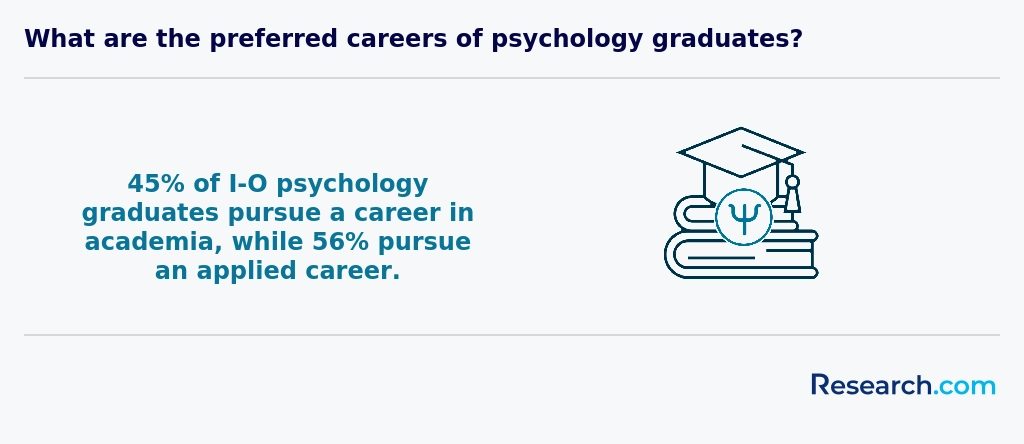
Accreditation is the cornerstone of any credible online psychology master’s program, ensuring your degree meets rigorous academic and professional standards. In the Northeast, students should prioritize programs with regional accreditation (e.g., NECHE) and American Psychological Association (APA) approval, which is often required for licensure. APA-accredited curricula align with state licensing board requirements by integrating essential coursework-such as ethics, assessment, and intervention techniques-and guaranteeing supervised practicum and internship experiences. State licensure typically involves:
- Completion of a master’s or doctoral degree from an accredited institution
- Accumulation of supervised clinical hours (often 1,500–3,000 hours, depending on state)
- Passing the Examination for Professional Practice in Psychology (EPPP)
- Meeting additional state-specific requirements, such as jurisprudence exams or background checks Prospective students should review each state’s psychology licensing board website to confirm exact hour requirements and application procedures. Graduates planning to practice outside the Northeast can still benefit from programs designed with national accreditation standards in mind-many even offer guidance on out-of-state licensure reciprocity. For those balancing budget and quality, exploring alternative affordability indices can be invaluable. You might also consider consulting the Low Cost Psychology Degree Programs Ranking in Chicago, IL to compare tuition rates and accreditation status in a different region. By selecting an accredited program that meets both educational and licensure benchmarks, you’ll be well-positioned to embark on a successful career as a licensed psychologist.
Students pursuing an online psychology degree in the Northeast often rely on federal financial aid obtained through the FAFSA, which provides access to Pell Grants for undergraduates and loans such as Direct Subsidized, Unsubsidized, and Grad PLUS for graduate students. Graduates from popular programs in institutions like Pennsylvania State University and Boston University report that these federal loans offer manageable interest rates and flexible repayment options that ease financial pressure.
State-specific aid plays a crucial role, with programs like New York's Tuition Assistance Program (TAP) helping residents attending schools such as Columbia University. Similarly, Massachusetts students at institutions like Northeastern University benefit from state scholarships targeting graduate-level mental health education, which many graduates note as a decisive factor in their ability to continue studies without overwhelming debt.
Institutional scholarships and assistantships are also significant. Students enrolled at Rutgers University have expressed gratitude for research fellowships that not only cover tuition remission but also provide valuable hands-on experience. Professional organizations, including the American Psychological Association (APA), supplement funding through competitive scholarships, offering additional support that graduates emphasize as empowering during their academic journeys.
Succeeding in an online psychology program requires strategic planning, strong self-discipline, and effective time management. To excel, start by creating a dedicated study space free from distractions and set a consistent daily schedule that aligns with both coursework deadlines and personal commitments. Engage actively with your professors and peers through discussion boards and virtual study groups, as networking not only enriches your academic experience but also builds relationships that can later open doors in your professional career. Additionally, supplement your coursework by exploring specialized resources, such as our list of most affordable masters online degrees in psychology, to gain broader insights and compare program benefits. Regularly reviewing course material, utilizing digital libraries, and seeking timely feedback on your progress can further enhance your learning journey, ensuring that you remain prepared for both academic challenges and your future career in psychology.
To enroll in an online psychology degree in the Northeast, students usually start with a high school diploma or GED, meeting baseline requirements familiar to those applying to colleges such as those in New York or Massachusetts. Graduates from these institutions often recall the importance of completing core courses in English, math, science, and social studies, which form the foundation for their undergraduate journey.
For online master's programs, popular in states like Pennsylvania and Massachusetts, applicants typically hold a bachelor's degree, often with a psychology-related major or minor. A minimum GPA around 3.0 is common, reflecting solid academic performance. Many students remember completing vital courses in statistics and research methods, critical for success in these programs.
Personal accounts from graduates highlight the value of submitting strong letters of recommendation and clear statements of purpose, which universities such as those in Boston and Philadelphia emphasize. Some also experience submitting GRE scores or proof of English proficiency when required. These steps help ensure their confidence and readiness to thrive in rigorous online psychology programs across the Northeast.

When evaluating online master's in psychology degree programs in the Northeast, it's crucial to understand the methodology and accreditation standards used to assess these programs. The Research.com team utilized a comprehensive approach, leveraging data from reputable sources such as the IPEDS database, Peterson’s database, College Scorecard database, and the National Center for Education Statistics. These sources provided insights into factors like tuition costs, graduation rates, faculty expertise, and program offerings. Accreditation from recognized bodies like the American Psychological Association (APA) was also a key consideration, as it ensures that programs meet rigorous academic standards. The APA accreditation process involves a thorough review of a program's curriculum, faculty qualifications, research opportunities, and clinical training, among other factors. By focusing on accredited programs, students can ensure they receive a high-quality education that prepares them for careers in psychology or further academic pursuits. Additionally, understanding the accreditation standards and methodology used in program evaluations can help students make informed decisions about their educational investments.
Online psychology degree programs in the Northeast commonly include foundational courses such as Introduction to Psychology, which covers core concepts and historical perspectives, and Research Methods in Psychology, emphasizing experimental design and statistical analysis. For example, graduates from well-known universities like Boston University or Fordham describe how mastering Research Methods using software like SPSS deepened their analytical skills, directly applicable to their current roles.
Other typical courses are Biopsychology, exploring brain-behavior relationships, Cognitive Psychology focusing on mental processes, and Developmental Psychology, tracing human growth stages. Students often report strong engagement in Abnormal Psychology classes, where they study psychological disorders and treatments, connecting theory directly to clinical observations and case studies.
Additionally, many Northeastern programs offer electives related to local job markets, such as industrial-organizational or forensic psychology. These specializations allow learners to tailor their education toward specific career paths, increasing their confidence and career readiness in diverse workplaces.
Ethics and professional standards courses prepare students for licensing exams, while interactive online tools enhance real-world understanding, making the learning experience both rigorous and gratifying.
Online psychology degree specializations Northeast often include clinical, counseling, industrial-organizational, forensic, and developmental psychology. Graduates from popular institutions appreciate the clinical track's focus on diagnosing and treating mental health disorders, which prepares them for licensure as therapists. Counseling psychology attracts those aiming to support clients through life challenges and promotes well-being, reflecting a more holistic approach favored by many students at leading Northeast colleges.
Industrial-organizational psychology is highly valued due to the region's dense corporate presence, with students frequently reporting rewarding roles in human resources and consulting after graduation. Forensic psychology combines legal and psychological knowledge, providing graduates with a competitive edge in criminal justice roles, a specialization reported as both challenging and fulfilling by online students. Developmental psychology remains a staple for those focused on lifespan research or education.
Many students pursuing a psychology master's program concentrations Northeast benefit from curricula balancing theory and practice. Those looking for flexible options often explore a bcba program to complement clinical studies or enhance their credentials for consulting careers.
Choosing the best online psychology degree in the Northeast requires careful evaluation of accreditation, cost, and program flexibility. Graduates from reputable schools note that accredited programs-especially those recognized by the American Psychological Association or the Middle States Commission on Higher Education-are critical for licensure and career advancement. Tuition for psychology master's degrees in the region varies widely, typically from $15,000 to over $40,000, with public institutions offering more affordable options. A graduate balancing work and family found that asynchronous courses provided the necessary flexibility to succeed in a rigorous curriculum.
Understanding the curriculum focus is also essential. Some programs emphasize research and theory, while others prepare students specifically for clinical practice with necessary practicum hours. Graduates from popular Northeast colleges often highlight the importance of programs that align with state licensure requirements. For budget-conscious students seeking the best affordable online psychology degrees Northeast options, comparing tuition and financial aid plays a pivotal role. More detailed cost comparisons are available in the Low Cost Psychology Degree Programs Ranking in Chicago, IL.
Finally, exploring graduation rates and student support services ensures the program's overall quality, helping students make a data-driven choice among the top accredited psychology programs Northeast online.
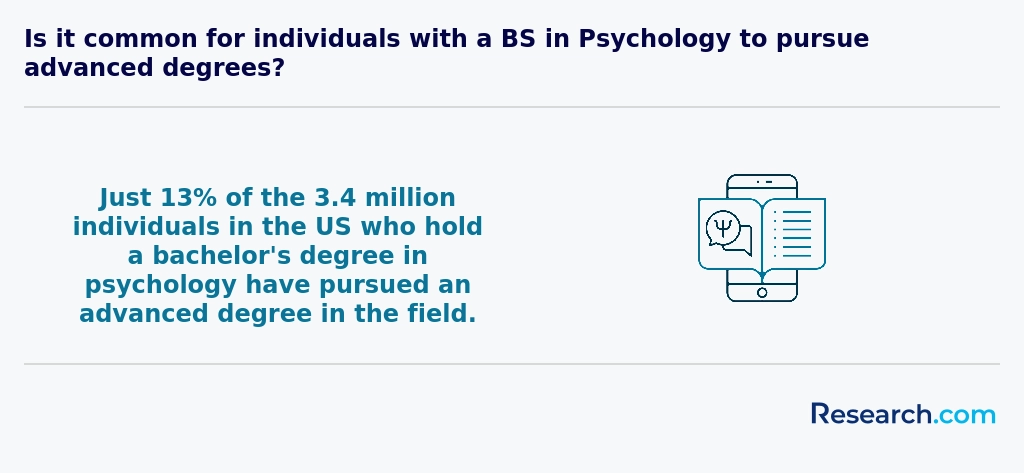
Graduates pursuing online psychology careers in the Northeast have varied paths based on state licensure requirements and regional demand. Many become licensed mental health counselors or therapists, providing essential support in places like New York and Massachusetts-states where licensure requires thousands of supervised hours post-degree. Those from renowned institutions such as Boston University often share how their online programs equipped them to meet these rigorous state-specific mandates while balancing work commitments.
Psychology degree job opportunities Northeast include roles in clinical settings as psychological assistants or behavioral health specialists, common in hospitals and outpatient facilities. Graduates from colleges in Philadelphia highlight how practical training during their online studies prepared them for these positions. The education sector also remains a strong employer for school counselors and educational psychologists, particularly in Pennsylvania and Connecticut, where student wellbeing initiatives are expanding.
Other career options encompass industrial-organizational psychology in corporate environments, research assistant roles at universities, and social services collaboration. Considering tuition is often manageable, many students find these degrees offer a practical route to fulfilling careers. For those prioritizing efficiency, exploring quickest schooling highest pay options can help maximize return on investment.
The job market for graduates with an online psychology degree in the Northeast shows consistent growth, supported by diverse opportunities across clinical, educational, and corporate sectors. Northeast states, including New York and Massachusetts, emphasize licensure requirements, which many online programs from regionally accredited universities fulfill, making graduates well-positioned for roles in hospitals, schools, and human resources departments. Psychology careers growth Northeast region is fueled by increased mental health awareness and funding, leading to an employment growth rate of about 8% from 2022 to 2032, slightly above the national average.
Graduates from respected Northeastern institutions often report smooth transitions into roles such as school psychologists in Boston-area public schools or counseling psychologists in New York City clinics. Salaries typically range from $80,000 to $110,000 annually, with metropolitan hubs offering competitive wages but balancing higher living costs. Students benefit from flexible learning options, particularly through fast degree college options for working adults, allowing them to maintain employment while advancing their qualifications.
2027 Most Affordable Online Master's in Psychology Degree Programs Ranking in the Northeast
Investing in your education is a significant decision that can shape your future, and the Research.com team understands the importance of making informed choices. To assist prospective students in the Northeast, we have meticulously crafted the "2027 Most Affordable Online Master's in Psychology Degree Programs Ranking in the Northeast." Our commitment to quality, credibility, and accuracy is reflected in the extensive research and analysis conducted to compile this ranking.
We utilized the following reputable data sources to ensure a comprehensive evaluation of psychology programs:
By exploring this ranking, readers will gain valuable insights into the most affordable and credible online master's programs in psychology in the Northeast, helping them make well-informed decisions about their educational paths. For more details on our methodology, please visit our Research.com methodology page.
# 1 position
Penn State University Park
Master of Psychology of Leadership




# 5 position
Antioch University New England
Master of Clinical Mental Health Counseling

Frequently Asked Questions About psychology
Online psychology degree students in the Northeast can enhance their learning by actively engaging with university resources, including virtual libraries and research databases. Many Northeastern institutions offer access to journals like the Journal of Psychology, which can deepen subject understanding. Participating regularly in live discussions or group projects helps develop critical thinking and communication skills, essential for psychology careers.
Internships and practicum placements are vital. The region's proximity to numerous hospitals and mental health organizations provides valuable hands-on experience. According to the APA, practical exposure improves employment prospects post-graduation.
Students should also join regional psychology associations and attend webinars hosted by Northeast universities to network and stay updated on research trends.
The psychology field is evolving with several emerging niches gaining prominence, especially relevant for students pursuing online degrees in the Northeast. One growing area is neuropsychology, focusing on brain-behavior relationships, which is increasingly important as neurological disorders rise.
Another niche is health psychology, addressing how psychological factors affect physical health. The Northeast shows strong demand due to aging populations and healthcare innovation hubs.
Additionally, industrial-organizational psychology is expanding rapidly, with many Northeast companies seeking experts to improve workplace wellbeing and productivity. According to the Bureau of Labor Statistics, I-O psychology roles in the Northeast are expected to grow faster than average through 2030.
Finally, forensic psychology is gaining interest, linking psychology with legal matters, supported by growing regional courts and law enforcement training centers.
After completing an online psychology degree in the Northeast, graduates should focus on gaining practical experience. Many employers value internships and volunteer work, which provide hands-on skills and networking opportunities. Licensure requirements in states like New York, Massachusetts, and Pennsylvania often include supervised hours, so planning early for these is crucial.
Connecting with regional professional organizations such as the Massachusetts Psychological Association or the New York State Psychological Association can open doors to job listings and continuing education.
Additionally, leveraging university career services and attending local psychology job fairs can increase employment chances in a competitive market.
Employers in the Northeast region highly value psychology graduates who demonstrate strong analytical and communication skills. According to the Bureau of Labor Statistics, critical thinking and the ability to interpret research data are essential in applied psychology roles. Many employers also seek candidates skilled in cultural competence and ethical decision-making, reflecting the region's diverse population.
Data from the American Psychological Association highlights that proficiency in evidence-based practices and familiarity with digital assessment tools are increasingly important. Emotional intelligence and teamwork abilities are equally in demand, especially in healthcare and social service sectors prevalent across Northeastern states.
Finding internships in the Northeast for psychology students involves leveraging both university resources and external organizations. Most online programs affiliated with Northeast institutions offer career services that connect students with local placements. According to the National Association of Colleges and Employers, psychology internships often focus on clinical, counseling, or research roles.
Students should explore hospitals, community mental health centers, and nonprofit agencies where psychology services are in demand. States like New York and Massachusetts host numerous accredited hospitals and research institutions offering internship opportunities. Networking through professional bodies, such as the New England Psychological Association, can also provide leads.
Additionally, using platforms like Handshake or the Chronicle of Higher Education's internship listings helps identify virtual and local internships specifically in psychology. Early application preparations, including updated resumes and tailored cover letters, increase placement chances in this competitive field.
Obtaining an online psychology degree in the Northeast can significantly enhance career mobility and advancement. According to the U.S. Bureau of Labor Statistics, the Northeast hosts some of the highest concentrations of psychology-related jobs, with states like New York and Massachusetts offering 12% and 10% higher employment rates than the national average.
Online degrees offer flexibility, allowing professionals to continue working while earning credentials that meet regional licensure requirements, common in Northeastern states. This dual advantage helps students qualify for roles in counseling, clinical psychology, or human resources.
Graduates with an online master's often see increased job opportunities and salary potential, with estimated median earnings up to 15% above those without advanced degrees, per the National Center for Education Statistics. Employers increasingly accept accredited online credentials, making degree holders competitive candidates in this dense job market.
Studying for a psychology degree in the Northeast offers unique preparation for interdisciplinary roles due to the region's diverse academic and professional environment. Many institutions collaborate with fields like healthcare, social work, and education, integrating psychology with other disciplines. This approach aligns with the rising demand for professionals capable of working across sectors, such as mental health counseling within medical settings.
The Northeast houses leading research universities that emphasize evidence-based practice and applied learning, which are critical for interdisciplinary competence. According to the National Center for Education Statistics, over 30% of psychology graduates from Northeastern states pursue careers blending psychology with other professions.
Online programs reflect these trends by incorporating curricula covering data analysis, behavioral health, and counseling techniques applicable in multiple fields. Graduates thus gain versatile skills, enhancing employability in roles requiring cross-disciplinary knowledge.
Choosing between a thesis and a non-thesis psychology master's program in the Northeast depends largely on your career goals and learning preferences. Thesis programs typically require original research and are ideal for students interested in doctoral studies or research-heavy careers. According to the Council of Graduate Schools, about 60% of US psychology master's students opt for thesis tracks when planning academic careers.
Non-thesis options focus more on coursework and practical applications, suiting professionals aiming for clinical practice or counseling roles. Many Northeastern universities, like Rutgers and University of Massachusetts, offer both options online, allowing flexibility. Understanding program requirements and your post-graduation plans can guide your decision effectively.
Students based in the Northeast seeking psychology degrees with an international focus or aim to study abroad have several pathways. While most reputable online psychology programs in the region emphasize domestic accreditation, many schools offer study-abroad opportunities or international practicum options. For example, some Northeastern universities partner with European or Asian institutions, allowing students to complete portions of their coursework overseas.
According to the National Center for Education Statistics, around 15% of psychology programs in the Northeast incorporate global perspectives, enhancing students' cultural competence. Graduate students can also consider exchange programs or summer abroad experiences to gain international exposure while fulfilling degree requirements.
Such experiences help students broaden their understanding of cross-cultural psychology and expand career opportunities internationally. It's essential to verify that credits earned abroad will transfer toward degree completion.
Part-time job opportunities in the Northeast that complement psychology degree education include roles such as research assistants, behavioral health technicians, and peer support specialists. Research assistant positions at universities like Boston University or New York University provide hands-on experience with psychological studies, often paying between $15 and $20 per hour according to data from the Bureau of Labor Statistics. Behavioral health technician jobs in community mental health centers allow students to work directly with clients, improving clinical skills.
Many students also find relevant work through counseling centers and nonprofit organizations, where peer support roles are increasingly common. These jobs enhance interpersonal skills important for psychology careers, helping build a strong professional foundation while studying.
Online psychology students in the Northeast have several networking opportunities despite the virtual format. Many accredited programs encourage participation in regional psychology associations, such as the Massachusetts Psychological Association or the New York State Psychological Association. These organizations often host virtual conferences, workshops, and networking events that help students connect with professionals and peers.
Additionally, schools frequently offer access to internship placements through partnerships with local hospitals and clinics, which provide practical experience and professional contacts. According to the American Psychological Association, nearly 60% of psychology internships in the Northeast are available to online students.
Furthermore, students can join online forums and discussion groups specific to Northeast psychology professionals, enhancing collaboration and mentorship possibilities.
Alumni networks play an important role for online psychology degree students in the Northeast by providing valuable professional connections. Graduates gain access to regional job opportunities through these networks, which often feature psychologists and counselors working in local healthcare, education, and social services.
Institutions in the Northeast typically report high alumni engagement rates, offering mentorship programs that support career advancement. For example, universities like Rutgers and Northeastern maintain active alumni platforms that connect students with industry experts. According to the National Association of Colleges and Employers, 70% of jobs are found through networking, highlighting how these connections benefit recent graduates.
Online students also benefit from virtual events hosted by alumni groups, fostering a sense of community despite geographic distance. This support can be crucial in competitive fields such as clinical and counseling psychology in states like New York and Massachusetts.
Customizing an online psychology degree program in the Northeast allows students to align their studies with specific career goals. Many universities offer concentrations such as clinical psychology, counseling, or industrial-organizational psychology. This flexibility helps tailor coursework and research opportunities to match interests.
Electives, internships, and thesis projects also provide customization options, fostering relevant skills for the chosen field. For example, schools like Northeastern University and Penn State offer varied tracks and practicum placements across states in the Northeast.
Students should consult the program's curriculum and advisor to create a personalized plan that meets licensure requirements and job market demands in the region.
Online psychology students in the Northeast commonly face challenges related to balancing coursework with personal and professional responsibilities. Many juggle jobs or family commitments while attending programs that require consistent engagement and time management.
Another issue is access to high-quality practicum or internship placements, which are essential for licensure but can be competitive and limited by geographic location. The New England Board of Higher Education notes that internship availability varies widely across states like New York, Massachusetts, and Connecticut.
Additionally, students sometimes experience feelings of isolation, since online learning lacks in-person interaction common in traditional programs. Reliable internet access, though generally good in the region, remains a barrier for some.
With an online psychology degree obtained from a university in the Northeast, you can pursue several professional certifications that advance your career. Common certifications include becoming a Licensed Professional Counselor (LPC), which requires passing a state exam and supervised clinical experience, varying by state. For those interested in school settings, certification as a School Psychologist through the National Association of School Psychologists (NASP) is also possible.
The Northeast has a strong demand for certified behavior analysts, so obtaining the Board Certified Behavior Analyst (BCBA) credential may be beneficial. According to the Bureau of Labor Statistics, Massachusetts and New York have above-average employment levels for psychologists, indicating robust certification opportunities.
When applying to an online psychology program in the Northeast, a strong application highlights your academic background and relevant experience. Most Northeastern schools require a minimum GPA of 3.0. Be sure to clearly articulate your motivation for studying psychology and how it aligns with your career goals.
Pay close attention to letters of recommendation; ideally, they should come from professors or supervisors familiar with your analytical and interpersonal skills. Including any volunteer or work experiences in mental health settings can strengthen your case.
Standardized test scores are less emphasized but check individual school requirements. Finally, proofreading your personal statement for clarity and professionalism is essential.
Psychology careers are increasingly influenced by global trends, emphasizing multicultural competence and cross-cultural research. For students in the Northeast pursuing online psychology degrees, understanding these perspectives is vital. The American Psychological Association highlights that psychologists must consider diverse populations, as mental health needs vary worldwide.
In the US, especially in the Northeast, demand for psychologists grows due to population diversity and expanding healthcare access. According to the Bureau of Labor Statistics, employment in psychology-related fields in states like New York and Massachusetts is expected to increase by over 10% through 2030.
Global collaboration in psychology research also expands opportunities. Graduates trained in the Northeast gain skills applicable in international settings, reflecting the globalized nature of mental health careers.
Gaining practical experience while pursuing an online psychology degree in the Northeast is essential for applying theoretical knowledge. Many accredited programs incorporate supervised internships or practicum opportunities in local mental health agencies or hospitals. These placements allow students to work directly with clients and professionals, building valuable skills.
Additionally, students can seek volunteering roles or part-time positions in community service organizations focused on mental health. According to the New England Psychological Association, approximately 60% of online psychology programs in this region provide structured experiential learning.
Networking through virtual seminars and regional conferences also helps connect students with professionals offering mentorship and fieldwork opportunities.
Choosing the right concentration within an online psychology degree program in the Northeast involves considering your career goals and local industry demand. Popular concentrations include clinical psychology, counseling, industrial-organizational psychology, and forensic psychology. According to the Bureau of Labor Statistics, the Northeast states report a steady growth in demand for clinical and counseling psychologists, especially in urban areas like New York and Boston.
Evaluating how each concentration prepares you for state licensure or certification is vital since requirements can vary across Northeastern states. Research programs accredited by the American Psychological Association (APA) or the National Association of School Psychologists (NASP) to ensure quality.
Additionally, consider program flexibility and faculty expertise in your chosen concentration to match your learning style and professional interests.
See What Experts Have To Say About Studying Psychology
Read our interview with Psychology experts

Robin M. Kowalski. Ph.D.
Psychology Expert
Professor of Psychology
Clemson University

Joann Farrell Quinn, Ph.D., MBA
Psychology Expert
Director at the College of Medicine Department of Medical Education
Morsani College of Medicine

Catherine Caldwell-Harris, Ph.D.
Psychology Expert
Associate Professor of Psychology
Boston University

- Psychology Online Degree Pathway https://www.learndirect.com/course/psychology-online-degree
- Financial Aid for Psychology Students https://www.onlinepsychologydegrees.com/financial-aid/
- Online Psychology Degrees | University of Phoenix https://www.phoenix.edu/online-psychology-degrees.html
- Why Get a Psychology Degree Online? | University of Bridgeport https://www.bridgeport.edu/news/reasons-to-get-your-psychology-degree-online/
- 2025's Most Affordable Online Master’s Degrees in Psychology https://www.onlinemastersdegrees.org/most-affordable/psychology-programs/
- Have You Found a Niche? https://www.apaservices.org/practice/business/marketing/building/niche
- Study Psychology Abroad | Go Overseas https://www.gooverseas.com/study-abroad/psychology
- Best Online Bachelor's Degrees In Psychology Of 2025 https://www.psychology.org/rankings/best-online-bachelor-degree-programs/
- Mental Health Challenges Faced by Psychology Students | The Healthcare Guys https://healthcareguys.com/2023/11/23/mental-health-challenges-faced-by-psychology-students/
- A Guide to Psychology Internships | Psychology Degree Guide https://psychologydegreeguide.org/resources/internships/





