
2027 Most Affordable Psychology Degree Programs Ranking in Houston

Co-Founder and Chief Data Scientist
Choosing the right psychology degree program can feel overwhelming, especially with so many options in Houston. That's why we've created the 2027 Most Affordable Psychology Degree Programs Ranking in Houston with the help of the Research.com team of data scientists. This ranking makes it easier for you to find high-quality, budget-friendly programs that truly fit your needs.
Exploring this article will give you clear insight into the programs worth considering, so you can make a confident and informed decision. A psychology degree opens doors to fulfilling careers that impact lives positively, and we're here to support you on that exciting journey.
Key benefits of getting psychology degree in Houston
- Salary for psychology degree graduates: Graduates can expect competitive wages, such as $62,370 annually for Clinical Research Associates and Survey Researchers, or up to $83,190 for Marketing Research Analysts, reflecting rewarding financial prospects.
- Career paths: A psychology graduate from the University of Houston may explore diverse roles including human resources, clinical research, or marketing analysis, offering flexibility and exciting opportunities to grow professionally.
- Online degree benefits: Earning a psychology degree online from a local university provides convenient scheduling and the ability to balance work and study, making education more accessible without sacrificing quality.
- 2027 Most Affordable Psychology Degree Programs Ranking in Houston
- What can I expect from psychology degree in Houston?
- Where can I work with psychology degree in Houston?
What can I expect from psychology degree in Houston?
The average cost of obtaining a psychology degree in Houston varies depending on the institution and level of study. For example, undergraduate tuition at the University of Houston typically ranges from $9,000 to $12,000 per year for in-state students, while Texas Southern University offers slightly lower tuition costs, around $7,000 to $10,000 annually. Graduates often report that the investment is worthwhile given the hands-on experience integrated into these programs, such as internships at local mental health clinics and community centers, which significantly enhance practical skills alongside academic learning.
For graduate studies, including master's and doctoral programs, costs increase to approximately $15,000 to $25,000 per year depending on the specific program and accreditation status. Many students emphasize the value of APA-accredited programs found at Houston-area universities, which improve licensure prospects and career opportunities. These graduates describe a rewarding balance: the cost is supported by strong career outcomes, with Houston's growing job market for psychologists and the city's multicultural research settings enriching their professional development.
Where can I work with psychology degree in Houston?
Psychology graduates in Houston benefit from a robust job market driven by the city's extensive healthcare system and academic institutions. Many find clinical and counseling roles within the Texas Medical Center, the world's largest medical complex, leveraging opportunities in hospitals and rehabilitation centers. Graduates from the University of Houston or Rice University often speak positively about securing positions supporting patient mental health or assisting research projects focused on neuropsychology and developmental studies.
Educational settings in Houston also employ psychology degree holders extensively. Working within the Houston Independent School District, graduates apply their training in student counseling and learning assessments, positively impacting youth development. This environment provides fulfilling, community-oriented careers.
Corporate sectors offer alternative pathways, with graduates contributing to human resources, organizational behavior, and employee wellness programs. The growing demand forecasted by the BLS, a 12% increase in psychologist and counselor employment statewide through 2030, reflects Houston's expanding opportunities.
Nonprofits and government agencies frequently recruit psychology professionals for case management and social programs, amplifying graduates' impact on public health initiatives in areas like homelessness and substance abuse.
Overall, Houston's diverse institutions create a dynamic ecosystem where psychology graduates can meaningfully apply their expertise, backed by local universities that equip them to thrive in research or practice-based careers.
Graduates with psychology degrees from Houston institutions often find diverse earning opportunities reflecting their specialization and education level. For entry-level roles common among bachelor's holders-such as clinical research associates or survey researchers-the mean annual wage typically falls near $62,370 according to U.S. Bureau of Labor Statistics data. This provides a tangible starting point for recent psychology graduates beginning their careers.
Some Houston graduates leverage their degrees to work as human resources specialists, earning an average annual salary of $76,060. This demonstrates how psychology expertise can translate into related fields with competitive compensation. Similarly, marketing research analyst positions attract psychology graduates interested in behavioral insights, offering mean wages around $83,190 annually.
Psychology students from the University of Houston or Rice University often report that internships and research assistantships enhance job prospects, enabling them to secure roles with salaries that align well with these figures. In Houston's expanding job market, graduates feel optimistic about progressing to higher-paying roles as licensed clinicians or specialists, combining their academic background with hands-on experience for increased rewards.
- Public universities in Houston charge $8,000 to $12,000 per year for a bachelor's degree in psychology for in-state students, while private universities range from $25,000 to $40,000 annually.
- Master's programs typically cost between $10,000 and $15,000 per year at public schools, with higher fees at private institutions; doctoral programs may exceed $20,000 per year.
- Starting salaries average around $40,000 for bachelor's degree holders and about $55,000 for those with a master's, especially in counseling or industrial-organizational psychology.
- Psychologists in Houston earn a median annual salary of approximately $90,000, with clinical and counseling psychologists making between $80,000 and $100,000.
- The employment outlook for psychologists in Texas is strong, with projected growth of about 10% over the next decade.
Completing a psychology degree in Houston typically requires about four years for undergraduate students pursuing a BA or BS, as seen at institutions like the University of Houston and Texas Southern University. Graduates often recall balancing 120 to 130 credit hours, combining core psychology courses with general education requirements. Many find internships and research projects valuable, which can enrich learning but sometimes extend study time if done part-time.
For graduate psychology degrees in Houston, timelines vary more widely. Master's programs, such as MA or MS psychology degrees, generally span two full-time years, though some students opt for part-time study lasting three years or longer. Doctoral studies (PhD or PsyD) take considerably more time, ranging from four to seven years, reflecting the intensive clinical practice, dissertation research, and specialized training involved.
Many Houston graduates express satisfaction at graduating within these time frames, especially when accelerated options or transferred credits help speed progress, underscoring the city's supportive academic environment.
To find the most affordable psychology degree programs in Houston, TX, it's essential to conduct thorough research, considering factors such as tuition costs, program structure, and available financial aid. Prospective students can benefit from exploring resources that provide comprehensive rankings, such as the one compiled by the Research.com team, which meticulously evaluates institutions based on credible data sources like the IPEDS database, Peterson's database, and the National Center for Education Statistics. For those seeking affordable options, considering affordable psychology schools in Texas can be a strategic starting point, as it offers insights into institutions that balance quality education with financial accessibility, ultimately helping students make informed decisions about their educational investments.
Online and on-campus psychology degree programs in Houston differ primarily in delivery and learning environment. Graduates from the University of Houston's online psychology programs often praise the flexibility to study around work or family commitments, accessing accredited courses remotely while maintaining similar academic rigor as their on-campus peers.
In contrast, students attending traditional on-campus programs enjoy face-to-face interaction with professors and classmates, as well as immediate access to campus resources like counseling centers and research labs. These settings foster a structured atmosphere that some find essential for motivation and deeper engagement.
Tuition costs for both formats at Houston institutions generally range between $8,000 and $12,000 annually for in-state students, aligning with Texas public university averages. Online learners frequently save on housing and transportation, making the overall expense potentially lower.
Both formats require local internships or practicum experiences to develop hands-on skills vital for licensure. Hybrid models emerging in Houston combine online study with limited on-campus sessions, blending convenience with personal interaction.
Navigating psychology licensure in Texas requires a clear understanding of state requirements and strategic planning to ensure a seamless transition from graduation to professional practice. After earning a bachelor’s or master’s degree, aspiring psychologists must pursue the following steps: 1. Supervised Experience • Graduate-Level Supervision: Texas mandates 3,000 hours of supervised experience, typically completed through internships, practicums, or post-graduate residencies. • Approved Supervisors: Hours must be overseen by a licensed psychologist or a qualified professional recognized by the Texas State Board of Examiners of Psychologists. 2. Examination Requirements • EPPP Exam: Candidates must pass the Examination for Professional Practice in Psychology (EPPP), which evaluates core competencies across areas such as assessment, ethics, and intervention. • Jurisprudence Exam: Texas also requires a jurisprudence exam that tests knowledge of state-specific laws and ethical standards. 3. Application and Fees • License Application: Submit an online application through the Texas Education Agency portal, including official transcripts, supervision verification forms, and fee payment. • Background Check: Applicants undergo fingerprinting and a criminal history review to ensure compliance with professional standards. 4. Continuing Education • Renewal Cycle: Licensed psychologists must complete 40 hours of continuing education every two years, covering topics like cultural competency and evidence-based practices. • Approved Providers: Courses must be offered by organizations accredited by the APA or recognized by the Texas State Board. For those considering advanced doctoral study, exploring psyd programs without dissertation can streamline your path to licensure by focusing on applied skills and supervised practice. Understanding these certification milestones empowers graduates to plan their careers effectively and uphold the highest standards of psychological care.
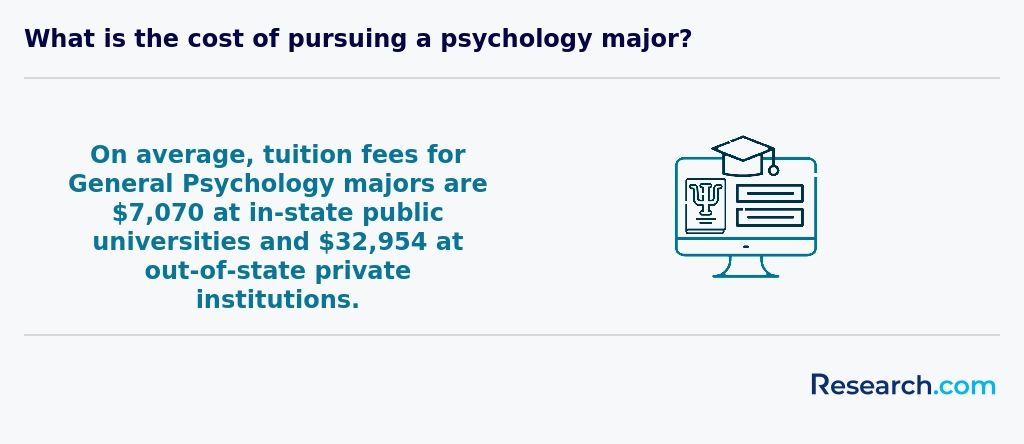
The average cost of a psychology degree in Houston varies based on residency status and the type of institution. According to median estimates, in-state students can expect to spend approximately $9,717 total for their degree, while out-of-state students face significantly higher expenses, with median totals reaching about $41,797. These figures reflect the combined tuition and fees over the full course of study, creating distinct financial considerations for each group.
Public universities in Houston, such as the University of Houston, provide more affordable options for Texas residents, aligning closely with the median in-state total cost. Graduates often share positive reflections on balancing quality education with manageable expenses. Conversely, private institutions, with costs frequently exceeding $50,000 annually, can quickly increase the out-of-state total cost. Despite this, many students appreciate the smaller class sizes and specialized faculty support found at private colleges.
Community colleges, like Houston Community College, often serve as a cost-effective starting point, offering associate degrees or transfer credits at a fraction of the price. Students report valuing this pathway for its affordability and flexibility. When considering the total tuition and fees for psychology programs Houston students should also factor in additional costs such as books, housing, and fees.
Prospective students looking for more budget-friendly options may find it helpful to explore affordable psychology schools in Texas, which can provide valuable financial support and scholarship opportunities.
Accreditation ensures your psychology degree from Houston, TX, meets rigorous academic standards and qualifies you for professional licensure. Prospective students should verify that their chosen program holds regional accreditation from agencies like the Southern Association of Colleges and Schools Commission on Colleges (SACSCOC) and, for clinical tracks, American Psychological Association (APA) approval. Completing an APA-accredited bachelor’s and graduate program is often a prerequisite for licensure through the Texas State Board of Examiners of Psychologists, which mandates supervised practicum hours and a successful Examination for Professional Practice in Psychology (EPPP). Before applying, review each institution’s licensure pass rates and post-graduation employment statistics to assess program effectiveness. For those balancing budget and quality, compare regional affordability by exploring the Cheapest Online Psychology Degree Programs Ranking in the Northeast, which highlights cost-efficient pathways that still maintain accreditation standards. Ensuring both accreditation and licensure alignment from the outset protects your investment and accelerates your journey to clinical practice in Texas.
Psychology students in Houston commonly access federal financial aid through the Free Application for Federal Student Aid (FAFSA), unlocking Pell Grants and federal loans. With about 60% of Texas college students receiving federal aid, many undergraduates at institutions like the University of Houston benefit from this support to offset the average $10,000 annual tuition for in-state public universities.
State programs also play a crucial role. The Texas Grant assists psychology majors demonstrating financial need, while the Texas Educational Opportunity Grant (TEOG) supports community college students who transfer to four-year programs, a path frequently taken by graduates from Houston Community College.
Scholarships from bodies like the Texas Psychological Association or local foundations further help. Many psychology students at Texas Southern University report that receiving merit-based scholarships or institutional grants made pursuing their degrees emotionally rewarding by easing financial stress.
Additionally, several Houston universities offer tailored tuition payment plans and exclusive institutional aid, emphasizing the importance of early inquiries with psychology departments to maximize funding opportunities.
The landscape of psychology education in Houston, TX, is rapidly evolving, with emerging trends that promise to reshape how students gain foundational skills and expertise in the field. Innovations in digital learning platforms are making it easier for prospective students to access interactive coursework, virtual lab simulations, and real-time feedback from experienced faculty. These advancements are opening up new pathways for students, especially those who need the flexibility of online formats to balance work, life, and study. For those eager to elevate their academic journey, many institutions are now offering comprehensive masters programs in psychology online that combine cutting-edge research with practical, hands-on experiences. Furthermore, partnerships between academic institutions and local businesses or healthcare organizations are enhancing internship opportunities, ensuring that graduates not only master theoretical concepts but also gain valuable professional exposure. As Houston continues to grow as a hub for mental health innovation, staying informed about these trends will empower students to make choices that best align with their career aspirations and personal circumstances.
To enroll in a psychology degree program in Houston, students must first hold a high school diploma or equivalent such as a GED. Admissions committees in Houston's universities, like the University of Houston, value strong academic records, particularly in English, math, and science, reflecting the foundational skills needed for psychology studies. Many graduates recall how their success in biology and statistics classes greatly helped prepare them for advanced coursework.
While SAT or ACT scores are increasingly optional, they can strengthen applications. For instance, over 70% of accepted freshmen at the University of Houston scored between 1100 and 1300 on the SAT, showcasing the competitive nature of local programs.
Specific prerequisite courses, such as introductory psychology or statistics, may be required by some institutions, reinforcing essential knowledge before tackling upper-level research. Graduate programs demand a related bachelor's degree with at least a 3.0 GPA, letters of recommendation, and research experience, making the application process more thorough and competitive for aspiring psychologists in the city.
After earning your psychology degree, Texas requires formal licensure to practice. For students seeking to fast-track educational requirements, an accelerated psychology degree can be a strategic option.
- Earn a master’s or doctoral degree from a regionally accredited program with the coursework approved by the Texas State Board of Examiners of Psychologists.
- Complete 3,000 hours of supervised experience (pre‐ and post‐doctoral) under a board‐approved supervisor.
- Pass the Examination for Professional Practice in Psychology (EPPP) and the Texas Jurisprudence Exam on state laws and ethics.
- Submit your application, official transcripts, exam scores, and supervisor affidavits to the Texas State Board.
- Maintain licensure through 20 hours of continuing education every two years, including ethics and professional development.
Psychology degree programs in Houston commonly begin with foundational courses such as General Psychology, which introduces students to key concepts including cognition, emotion, development, and social behavior. For example, graduates from the University of Houston recall how this initial exposure helped them relate theories to everyday observations, like understanding why people react differently in social settings.
As students progress, specialized courses deepen this knowledge. Typical classes include Developmental Psychology, focusing on psychological growth from infancy to adulthood, and Abnormal Psychology, which covers mental disorders and treatments. Graduates from Texas Southern University have noted the engaging nature of these courses, often sharing how case studies in Abnormal Psychology made their learning experience impactful and relevant to real-world clinical contexts.
Other common courses are Social Psychology, Cognitive Psychology, Biopsychology, and Research Methods and Statistics. Houston-based institutions emphasize research, encouraging participation in projects that reinforce data analysis skills-essential for graduate studies or applied careers.
These courses collectively help students from institutions like Houston Baptist University build confidence and practical expertise, enhancing both academic understanding and career readiness in the Houston job market.
Psychology degree specializations in Houston typically include clinical psychology, counseling psychology, industrial-organizational psychology, and developmental psychology. Clinical psychology students at well-known universities often share experiences of enjoying hands-on practicum work diagnosing and treating mental health disorders, which prepares them for therapy and clinical roles. Counseling psychology focuses on supporting individuals through emotional and social challenges, with many graduates appreciating how coursework closely relates to community engagement opportunities on campus.
Another common focus is industrial-organizational psychology, where students explore employee motivation and organizational behavior, preparing for careers in HR and corporate consulting within Houston's large business sectors. Developmental psychology attracts those interested in human growth, often pairing research opportunities at local colleges with internships in educational or healthcare settings. These examples illustrate the types of psychology programs Houston offers, aligning academic theory with practical, career-focused experiences.
Emerging fields such as neuropsychology and forensic psychology also gain attention, reflecting national trends and offering pathways for advanced studies. Students pursuing masters programs in psychology online frequently cite Houston's accessible tuition rates, typically $10,000 to $13,000 annually for in-state public universities, as a significant advantage in continuing their specialization studies.
Selecting the best psychology degree in Houston involves analyzing multiple factors such as accreditation, cost, and program flexibility. Graduates from recognized universities in Houston often emphasize the importance of choosing programs accredited by the American Psychological Association (APA) or regional bodies, as this ensures quality and licensure eligibility. For example, students attending public institutions in Houston benefit from tuition rates near $11,800 annually, aligning with state averages, while those seeking affordable psychology degree programs in Houston might start at community colleges offering associate degrees around $4,000 per year before transferring.
Many students appreciate programs offering evening or online classes that accommodate work schedules. Positive feedback often highlights extensive local healthcare partnerships that provide internships and research opportunities-key for real-world experience and career development. Graduates share that reviewing course curricula closely to match career aspirations in clinical psychology or counseling is vital. When weighing options, some explore financial aid and scholarships, which can ease costs significantly.
Those considering doctoral paths may investigate psyd programs without dissertation available online, adding flexibility. Engaging with resources like the Texas Higher Education Coordinating Board empowers informed decisions about the best psychology schools in Houston Texas, blending academic rigor with practical outcomes.
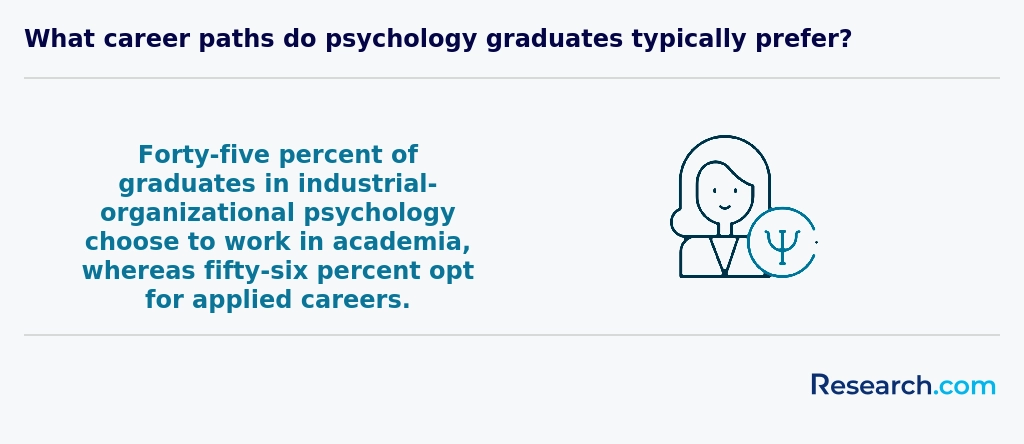
Graduates with a psychology degree in Houston can access diverse career paths reflecting the city's robust demand for mental health services and organizational expertise. Many find fulfilling roles as licensed counselors or therapists in hospitals within the Texas Medical Center or private practices, benefiting from Houston's strong healthcare infrastructure and growing population.
Jobs for psychology graduates Houston TX also include positions as school psychologists supporting children's learning in the city's extensive public school districts, and industrial-organizational psychologists who enhance workforce productivity for local businesses. Additionally, research assistants or coordinators at University of Houston and other institutions contribute to important academic and applied psychology studies, providing valuable experience for new graduates.
Forensic psychology is another notable path, with graduates serving legal and criminal justice agencies, addressing community safety needs. Many of these roles require advanced degrees or licensure, motivating students from Houston-area universities to pursue graduate education. Those considering affordability may explore options in the Cheapest Online Psychology Degree Programs Ranking in the Northeast to complement their local credentials.
The job market for psychology degree jobs in Houston is robust due to the city's large healthcare sector and educational institutions. Graduates from popular universities like the University of Houston often find opportunities in clinical settings, school districts, and private practices. The demand for mental health professionals is growing steadily, with employment in the Houston metropolitan area expected to rise by about 9% over the next decade.
Entry-level salaries typically range from $40,000 to $50,000 for bachelor's degree holders, while those with advanced degrees can earn $70,000 to $100,000 or higher. Recent graduates describe rewarding experiences working within the Texas Medical Center, a global leader in health services, where their skills are highly valued. The affordability of pursuing a psychology degree in Houston's public universities, costing between $7,000 and $15,000 annually for in-state students, makes it an appealing educational investment.
Those exploring Houston psychology career opportunities are advised to consider certifications that pay the most, which can be found in programs listed at certifications that pay the most. This strategic approach strengthens their employability in a competitive, yet expanding market.
2027 Most Affordable Psychology Degree Programs Ranking in Houston
Investing in your education is a significant decision that can shape your future, and the Research.com team recognizes the importance of making well-informed choices. To support prospective students in Houston, we have carefully developed the "2027 Most Affordable Psychology Degree Programs Ranking in Houston." Our dedication to quality, credibility, and accuracy is demonstrated through rigorous research and thorough analysis behind this ranking.
We utilized the following reputable data sources to ensure a comprehensive evaluation of psychology degree programs:
By exploring this ranking, readers will gain valuable insights into affordable, high-quality psychology degree options in Houston, enabling them to make confident and informed educational decisions. For more information about how this ranking was created, please visit our Research.com methodology page.


Frequently Asked Questions About psychology
Psychology degree students in Houston can maximize their learning by engaging deeply with both classroom and practical experiences. Houston hosts several accredited universities offering diverse psychology programs, which often include opportunities for internships and research participation.
Students should seek internships at local institutions like the Houston Methodist Hospital or community mental health centers. According to the Texas Higher Education Coordinating Board, practical training increases employment prospects by up to 30% in health and social services fields.
Additionally, joining student organizations, such as Psi Chi, the international honor society in psychology, can foster networking and academic growth. Attending relevant seminars and workshops offered by Houston-based research centers can also enhance understanding of current psychological practices.
Emerging niches in the psychology field reflect evolving societal needs and technological advancements. In Houston, growing attention is given to health psychology, focusing on how psychological factors affect physical health, especially important given the city's diverse population and healthcare institutions. Another expanding area is neuropsychology, which explores brain-behavior relationships, supported by Houston's medical research centers. Industrial-organizational psychology is gaining ground as local industries seek expertise to improve workplace productivity and employee well-being. Additionally, forensic psychology is developing due to increased collaboration with the Houston legal system. These niches offer promising career paths for psychology graduates in Houston's dynamic environment.
Preparing for the job market after earning a psychology degree in Houston involves a strategic mix of education, experience, and networking. Begin by gaining practical experience through internships or volunteer opportunities, which Houston offers in diverse settings like hospitals, schools, and community centers. According to the Bureau of Labor Statistics, the Houston metro area had over 5,000 psychology-related jobs in 2023, emphasizing a competitive but growing market.
Pursuing relevant certifications, such as Licensed Psychological Associate (LPA) credentials in Texas, can increase employability. Networking via Houston's professional organizations like the Texas Psychological Association helps connect graduates to local job openings and mentorships. Additionally, mastering applied research skills is critical to stand out in clinical, counseling, and industrial-organizational psychology fields.
Employers in Houston seeking psychology degree graduates prioritize strong communication skills. Being able to clearly convey complex psychological concepts to clients and colleagues is essential in healthcare and corporate settings. According to the Texas Workforce Commission, interpersonal skills rank among the top attributes for success in Houston's behavioral health sector.
Analytical thinking is another critical skill. Graduates must interpret data from psychological assessments and research accurately, supporting evidence-based decisions. The Bureau of Labor Statistics highlights that psychologists who can integrate scientific methods with client care are in growing demand nationwide, including Houston.
Knowledge of cultural competence is increasingly important. Houston's diverse population requires psychologists to understand and respect varied backgrounds and experiences, enhancing treatment effectiveness and workplace collaboration.
Finding internships related to psychology in Houston involves several practical steps. Students should begin by exploring university career centers, which often maintain updated listings of local internship opportunities in psychology and mental health fields. Houston's large medical and research community, including institutions like the Texas Medical Center, offers diverse internship options.
It is beneficial to network with faculty and attend local psychology association events such as those by the Houston Psychological Association. Approximately 30% of psychology internships in Houston are offered through nonprofit organizations, providing hands-on experience in community mental health.
Additionally, websites like Handshake and Indeed list numerous Houston-based psychology internships. Applying early is crucial, as competitive positions fill quickly.
Obtaining a psychology degree in Houston significantly improves career mobility and advancement opportunities. According to the U.S. Bureau of Labor Statistics, psychologists nationwide experience employment growth of 8% from 2022 to 2032, aligning with Houston's expanding healthcare and social services sectors. This growth creates diverse job options, from clinical roles to research and counseling positions.
In Houston, employers often prefer candidates with at least a master's degree for higher-level roles, such as licensed counselors or behavioral analysts. A psychology degree also opens pathways into related fields like human resources and education, enhancing flexibility. Additionally, Houston's large healthcare hub supports ongoing professional development and specialization, which can lead to leadership roles.
Studying for a psychology degree in Houston offers students a strong foundation to excel in interdisciplinary roles. Houston's universities emphasize collaborative learning, connecting psychology with fields like healthcare, social work, and education. This approach reflects the growing demand for professionals who understand mental health within broader social and medical contexts.
For example, the Houston metropolitan area is home to the Texas Medical Center, the world's largest medical complex, allowing students to engage in interdisciplinary research and internships. According to the U.S. Bureau of Labor Statistics, Houston employs nearly 14,000 psychologists, many working alongside other specialists.
Programs often include courses in statistics, neuroscience, and counseling, equipping graduates with diverse skills valued across multiple industries.
When choosing between a thesis and a non-thesis psychology degree program in Houston, students should consider their career goals and learning preferences. A thesis program involves original research, which is ideal for those planning to pursue doctoral studies or research-intensive roles. Houston schools like the University of Houston emphasize research, with many students engaging in faculty-led projects.
Non-thesis programs focus on practical skills and coursework, suitable for careers in counseling, human resources, or administration. According to the Texas Higher Education Coordinating Board, non-thesis psychology graduates often enter the workforce directly after graduation.
Cost, time commitment, and availability of faculty mentors are also important factors in Houston's competitive academic landscape.
Students based in Houston who wish to study psychology abroad have several pathways to consider. Many universities in Houston, such as the University of Houston and Rice University, offer study abroad programs or exchange partnerships with international institutions. These programs allow students to earn credits toward their psychology degree while gaining global experience.
Additionally, Houston students may explore summer or semester-long programs embedded in specialized psychology courses offered by universities worldwide. Programs in countries like the United Kingdom, Canada, and Australia are popular due to their recognized psychology curricula compatible with US standards.
Financial aid options, including federal grants and scholarships, often support these international studies, but eligibility varies. According to the Institute of International Education, approximately 2% of US psychology undergraduates participate in study abroad experiences, highlighting a growth area for Houston students interested in expanding their academic horizons.
Students pursuing psychology degrees in Houston have various part-time job options that enhance their academic learning. Working as an assistant in local mental health clinics or research labs offers practical experience with patient interaction and data collection. Houston's extensive healthcare sector, including institutions like the Houston Methodist Hospital, provides opportunities to engage with diverse populations.
Additionally, positions as behavioral health technicians or case management aides in social service organizations allow students to apply psychological principles. According to the Bureau of Labor Statistics, Texas is projected to grow by 17% in mental health-related jobs through 2030, reflecting increasing demand locally.
These roles build valuable skills that complement coursework and improve employability after graduation.
Houston offers psychology students numerous networking opportunities through its vibrant academic and professional communities. The city hosts several events and conferences, such as those organized by the Houston Psychological Association, which connects students with local psychologists and researchers. Membership in student chapters of national organizations like the American Psychological Association (APA) is also common among Houston universities, providing access to mentorship and internships. Additionally, Houston's proximity to major medical centers and research institutions allows students to build professional connections through volunteer work and research projects. According to the Texas Higher Education Coordinating Board, collaborative programs increase internship placements by 15% annually in the area.
Alumni networks offer significant advantages to psychology degree students in Houston by providing valuable connections for internships and job placements. Graduates often share local industry contacts, which can be crucial in a competitive job market. According to the Texas Higher Education Coordinating Board, networking through alumni groups increases employment opportunities by up to 30% for recent graduates in the region.
These networks also support mentorship opportunities, helping students navigate licensure requirements and specialized fields such as clinical or counseling psychology. Many Houston universities facilitate alumni events and online communities, enhancing career support beyond graduation.
Customizing a psychology degree program in Houston allows students to align their education with specific career goals. Many universities offer elective courses in areas such as clinical, counseling, industrial-organizational, or forensic psychology. Choosing electives that match your intended career path helps build relevant skills and knowledge. Additionally, students can participate in internships or research projects at local institutions, including the Texas Medical Center, which fosters practical experience.
Graduate programs often provide specialization tracks or certificates to deepen expertise. For example, the University of Houston offers concentrations in applied developmental psychology and health psychology. Tailoring your thesis or capstone project to industry needs can also enhance career readiness.
Psychology students in Houston often face several challenges during their studies. One major challenge is the highly competitive nature of both admission and internship placements. According to the American Psychological Association, clinical practicum sites in Texas are limited, making it difficult for students to secure essential hands-on experience. Additionally, Houston's cost of living, which is above the national average, can create financial strain for students who must balance part-time work with demanding coursework and research.
Another difficulty lies in meeting the rigorous requirements for graduate licensure in psychology, including accumulating supervised hours and passing standardized exams. Students also navigate diverse populations, requiring cultural competence and adaptability. These hurdles shape the educational experience for psychology students in Houston's universities.
With a psychology degree in Houston, graduates can pursue several professional certifications to enhance their career opportunities. One common path is becoming a Licensed Psychological Associate (LPA), allowing individuals to provide psychological services under supervision. This certification is regulated by the Texas State Board of Examiners of Psychologists.
Another option is the National Certified Counselor (NCC) credential, which broadens prospects in counseling sectors and is recognized nationwide. Additionally, certifications such as Certified Alcohol and Drug Abuse Counselor (CADC) are valuable for those focusing on substance abuse treatment.
Houston's large healthcare market often values these certifications, improving job prospects in hospitals, clinics, and community agencies, according to data from the Texas Workforce Commission.
Writing a strong application for a psychology program in Houston starts with clear preparation. Begin by researching Houston-area schools, such as the University of Houston and Texas Southern University, which offer respected psychology degrees.
Demonstrate your academic abilities by highlighting a solid GPA, ideally above 3.0, and relevant coursework in psychology, biology, or social sciences. Many programs value experience, so include internships, volunteer work, or research related to psychology.
Craft a compelling personal statement. Focus on your motivation for studying psychology, career goals, and how Houston's unique community aligns with your interests. Include specific reasons why you chose that program.
Letters of recommendation should come from professors or professionals familiar with your academic or practical skills in psychology. Follow program guidelines closely and submit all materials before deadlines, typically between December and February for fall admission.
The global perspectives on a psychology career reflect growing recognition of mental health's importance across cultures. In the United States, including Houston, the demand for trained psychologists is rising, driven by increased awareness of mental health issues. According to the U.S. Bureau of Labor Statistics, employment for clinical, counseling, and school psychologists is projected to grow 8% from 2022 to 2032, faster than the average for all occupations.
Houston, home to major medical centers and diverse populations, offers unique opportunities for psychology graduates. Professionals often work in healthcare, education, and corporate settings with a focus on culturally competent services. Globally, psychology careers align with expanding international collaboration on mental health research and practice, as highlighted by the American Psychological Association.
Gaining practical experience while studying psychology in Houston is essential for career readiness. Many universities in Houston offer internships through partnerships with local hospitals, mental health clinics, and community organizations. For example, institutions like the University of Houston often connect students with supervised clinical placements. According to the Texas Higher Education Coordinating Board, approximately 60% of psychology students in Texas engage in internships before graduation.
Volunteering at Houston-area mental health centers or research labs also builds valuable skills. Additionally, joining psychology clubs and attending local workshops can enhance real-world understanding. Students should consult academic advisors to find appropriate experiential learning opportunities.
Choosing the right concentration within a psychology degree program in Houston begins with understanding your career goals. Psychology offers diverse areas like clinical, counseling, industrial-organizational, and developmental psychology. Each focus leads to different job paths and requires specific skills.
Consider available programs at Houston institutions such as the University of Houston and Texas Southern University, which offer concentrations tailored to regional workforce needs. For example, clinical psychology is popular due to Houston's demand for mental health professionals, backed by labor data from the Texas Workforce Commission.
Research accreditation status and faculty expertise to ensure quality education. Additionally, evaluate practicum and internship opportunities, since hands-on experience is crucial in psychology education and employment.
- 2027 Most Affordable Psychology Degree Programs Ranking in Baton Rouge
- 2027 Most Affordable Psychology Degree Programs Ranking in New Orleans
- 2027 Most Affordable Psychology Degree Programs Ranking in Hattiesburg
- 2027 Most Affordable Psychology Degree Programs Ranking in Mobile
- 2027 Most Affordable Psychology Degree Programs Ranking in Springfield
- 2027 Most Affordable Psychology Degree Programs Ranking in Wichita
- 2027 Most Affordable Psychology Degree Programs Ranking in Montgomery
- 2027 Most Affordable Psychology Degree Programs Ranking in Birmingham
- 2027 Most Affordable Psychology Degree Programs Ranking in Kansas City
- 2027 Most Affordable Psychology Degree Programs Ranking in Tallahassee
See What Experts Have To Say About Studying Psychology
Read our interview with Psychology experts

Elizabeth L. Jeglic Ph.D.
Psychology Expert
Professor of Psychology
City University of New York

Joann Farrell Quinn, Ph.D., MBA
Psychology Expert
Director at the College of Medicine Department of Medical Education
Morsani College of Medicine

Robin M. Kowalski. Ph.D.
Psychology Expert
Professor of Psychology
Clemson University

- Know more about thesis vs non- thesis: what is the difference? https://studyfans.com/en/blogs/816
- Psychology Degree Requirements | University of Bridgeport https://www.bridgeport.edu/news/psychology-education-requirements/
- Psychology https://www.shsu.edu/academics/majors-programs/psychology-bachelors
- Psychology (Online) https://www.claflin.edu/DivisionofAcademicAffairs/the-center-for-professional-and-continuing-studies/degrees/psychology-(online)
- Professional Networking For Psychologists | Psychology.org https://www.psychology.org/resources/professional-networking/
- Sample letters in psychology https://www.mystudies.com/en-in/human-and-social-sciences/psychology/letter-model/
- How Psychology Students Can Get Clinical Experience Before Graduating | The Playful Psychologist https://www.theplayfulpsychologist.com/post/students-experience-how-to-get-the-experience-you-need-before-you-graduate
- Alumni Perspectives - Meet Our FPN Alumni https://www.aanmelder.nl/alumni-perspectives-june-2023
- Have You Found a Niche? https://www.apaservices.org/practice/business/marketing/building/niche
- BA in Psychology | Houston Christian University https://hc.edu/college-of-education-and-behavioral-sciences/degrees/psychology/


