
2027 Most Valuable Psychology Degree Programs Ranking in Philadelphia

Co-Founder and Chief Data Scientist
Choosing the right psychology degree program can shape your future in meaningful ways. If you're in Philadelphia and planning to study psychology, this article is designed to guide you.
Here, you'll find the 2027 Most Valuable Psychology Degree Programs Ranking in Philadelphia, created by the Research.com team of data scientists. This ranking helps you compare programs based on thorough data, making your decision easier and more informed.
Whether you aim for a rewarding career or personal growth, exploring these top programs opens doors to exciting opportunities. Your journey to a valuable degree starts here.
Key benefits of getting psychology degree in Philadelphia
- Psychology degree graduates in Philadelphia can earn competitive salaries, such as $76,060 annually for Human Resources Specialists and $83,190 for Marketing Research Analysts, offering strong financial motivation.
- Graduates from local institutions often explore diverse career paths including clinical research, marketing analysis, and child development, enabling them to find fulfilling and varied job roles.
- Completing a psychology degree online offers flexibility and convenience, allowing graduates to balance studies with personal life while still accessing quality education comparable to traditional programs.
- 2027 Most Valuable Psychology Degree Programs Ranking in Philadelphia
- What can I expect from psychology degree in Philadelphia?
- Where can I work with psychology degree in Philadelphia?
What can I expect from psychology degree in Philadelphia?
When thinking about the cost of a psychology degree in Philadelphia, most students find that tuition varies quite a bit depending on the school and program level. For example, attending a well-known institution like the University of Pennsylvania can be a bit pricier, often running upwards of $60,000 per year for undergraduate studies. On the other hand, schools like Temple University or Drexel University offer more affordable options, with annual tuition typically ranging between $20,000 and $35,000.
Many graduates share that while costs may feel steep at first, financial aid and scholarships help reduce the burden. Plus, the value of studying in a city rich with clinical internship opportunities and cutting-edge research is huge. Imagine walking into a local hospital or mental health center to start your practicum - that hands-on experience is priceless and sets you up for success after graduation.
For graduate programs, especially APA-accredited doctoral tracks, students often budget around $30,000 to $50,000 per year, but many find ways to manage expenses through assistantships or grants. Overall, the investment feels worth it because Philly's psychology programs open doors to rewarding careers right in the city.
Where can I work with psychology degree in Philadelphia?
If you've got a psychology degree in Philadelphia, you're in luck-there are tons of places to put that knowledge to work! Many grads from schools like Temple University or Drexel find themselves in hospitals or mental health clinics, helping patients as clinical psychologists or counselors. Imagine working at spots like the Hospital of the University of Pennsylvania, where you really get to make a difference in people's lives.
Others dive into community agencies, such as the Philadelphia Department of Behavioral Health, providing support for folks dealing with mental health struggles or substance abuse. Graduates often share how rewarding it feels to directly improve their neighbors' well-being in these roles.
If you like working with kids, you could become a school psychologist in local districts or private schools, helping students navigate challenges and thrive. With steady demand in Pennsylvania, this path is both stable and fulfilling.
Research gigs at Philly universities also draw graduates who want to explore the science behind behavior, often teaming up on projects in cognitive or social psychology. And don't forget corporate jobs where you can use your psychology smarts to boost workplace happiness and productivity - lots of local companies value that perspective!
If you're graduating with a psychology degree from schools like Temple University or the University of Pennsylvania, you can expect a decent range when it comes to salary right here in Philadelphia. Many grads start out in roles like research assistants or clinical research associates, where the mean annual wage is about $62,370. That's solid for getting your foot in the door and gaining real-world experience.
Others who lean toward human resources or organizational psychology might find themselves pulling in around $76,060 a year, according to recent stats. It's a nice boost if you enjoy working directly with people and companies, helping with recruitment or employee well-being. Marketing research analyst jobs tied to psychology grads are even better, averaging near $83,190 annually, which is great news if you love digging into data and consumer behavior.
Several grads from Philly colleges have shared how landing positions like survey researchers also gives them close to $62,370 a year, which keeps them comfortable while building up to licensed counselor roles. So basically, your psychology degree can open doors to a variety of decent-paying gigs around Philly, especially if you're willing to start at entry roles and climb up with experience.
- The average annual tuition for psychology undergraduate programs in Philadelphia ranges from $20,000 to $45,000, depending on the type of institution.
- Graduate psychology programs typically cost between $25,000 and $50,000 per year for master's and doctoral degrees.
- Entry-level psychology graduates in Philadelphia with a bachelor's degree can expect to earn about $40,000 annually.
- Mid-career psychologists earn between $70,000 and $95,000, while experienced specialists-especially in healthcare or research-can make over $100,000 yearly.
- State licensure requires completing supervised hours and passing the Examination for Professional Practice in Psychology (EPPP).
If you're wondering how long it takes to finish a psychology degree in Philadelphia, the usual path for a bachelor's is about four years of full-time study. Many grads from schools like Temple University or La Salle University mention how they balanced general classes with focused psychology courses, usually hitting around 120 credit hours. It's pretty much the same timeframe you'd expect anywhere else in the US.
For those aiming higher, a master's degree typically adds another two years. A lot of folks who picked programs at Drexel University or Arcadia University appreciated the flexible schedules-some even worked part-time while studying, which stretched things out but helped with experience and cash flow.
And of course, if you want to become a licensed psychologist or dive deep into research, the doctoral route can take anywhere from 4 to 7 years. It's a big commitment with exams, clinical hours, and a dissertation, but many find the journey rewarding as they grow into their careers right here in Philly.
After earning a psychology degree in Philadelphia, graduates who wish to practice clinically must obtain state licensure. In Pennsylvania, the process for becoming a Licensed Psychologist (LP) or Licensed Professional Counselor (LPC) involves: • Doctoral or Master’s Degree Accreditation: Ensure your program is accredited by the American Psychological Association (APA) for doctoral tracks or regionally accredited for master’s tracks. For those weighing graduate options, exploring affordable programs like Low Cost Online Master’s in Psychology Degree Programs Ranking in the South can help you meet credit requirements with minimal debt. • Supervised Clinical Experience: – LP candidates must complete at least 1,750 hours of supervised pre-doctoral internship and 1,750 post-doctoral hours. – LPC candidates typically require 3,000 hours of supervised practice, including direct client contact and clinical supervision. • Examination Requirements: – Pass the Examination for Professional Practice in Psychology (EPPP) for LP licensure. – LPC candidates often take the National Counselor Examination (NCE) or a state-specific counseling exam. • Application and Fees: Submit all transcripts, verification of supervised hours, exam scores, and application fees to the Pennsylvania State Board of Psychology or State Board of Social Workers, Marriage and Family Therapists, and Professional Counselors. • Continuing Education: Once licensed, maintain your credential by completing 30 hours of approved continuing education every two years. By understanding and preparing for these requirements early, Philadelphia psychology graduates can streamline their path to licensure and embark on a successful clinical career.
If you're looking at psychology degrees in Philly, the big question is usually: online or on-campus? Online classes are perfect if you've got a busy schedule or family stuff to juggle. You can log in whenever, so it's super flexible. Graduates from places like Drexel love how they could study while working full-time, fitting lectures around their day without a hassle.
On-campus programs, like those at Temple University, give you the classic college vibe-face-to-face chats with professors, hands-on lab work, and easier access to local hospitals or clinics for internships. Many grads say that being on campus felt way more immersive and helped them build real connections in Philly's mental health community.
Online might save you on commuting and housing, but some Philly private schools charge a bit more for virtual programs. Either way, whether you want that campus buzz or the freedom to learn from your couch, Philly's got solid options that fit your life and learning style.
Before beginning your professional journey, it’s essential to understand Pennsylvania’s licensure and certification process for psychologists and related roles. Graduates must typically hold a doctoral degree in psychology from an accredited institution-many opt for psyd programs online apa accredited to fulfill this requirement-though licensed counselors and school psychologists may qualify with a master’s degree plus additional credentials. Degree Completion • Doctoral Degree: To become a licensed psychologist, applicants must earn a PhD or PsyD in psychology from a regionally accredited university. • Master’s-Level Licenses: For roles such as Licensed Professional Counselor (LPC) or School Psychologist, a master’s in psychology or counseling is acceptable, but specific coursework in ethics, assessment, and intervention is mandatory. Supervised Clinical Experience • Predoctoral Internship: A minimum of 1,500 hours under APA-approved supervision. • Postdoctoral Residency: At least 1,750 hours of supervised practice following the doctoral degree. • Documentation: Supervisors must submit official verification forms to the Pennsylvania Board of Psychology. Examination Requirements • EPPP (Examination for Professional Practice in Psychology): A national exam administered by the Association of State and Provincial Psychology Boards (ASPPB). • Pennsylvania Jurisprudence Exam: A state-specific test covering regulations, ethics, and legal standards. Continuing Education and Renewal • Biennial Renewal: Licensed psychologists must complete 30 hours of continuing education every two years, including 3 hours in ethics. • Approved Providers: Courses must be offered by APA, NASW, or other board-approved sponsors. By meeting these licensure milestones-selecting accredited programs, accruing supervised hours, and passing required exams-you’ll be poised to practice psychology in Philadelphia and beyond with confidence and compliance.
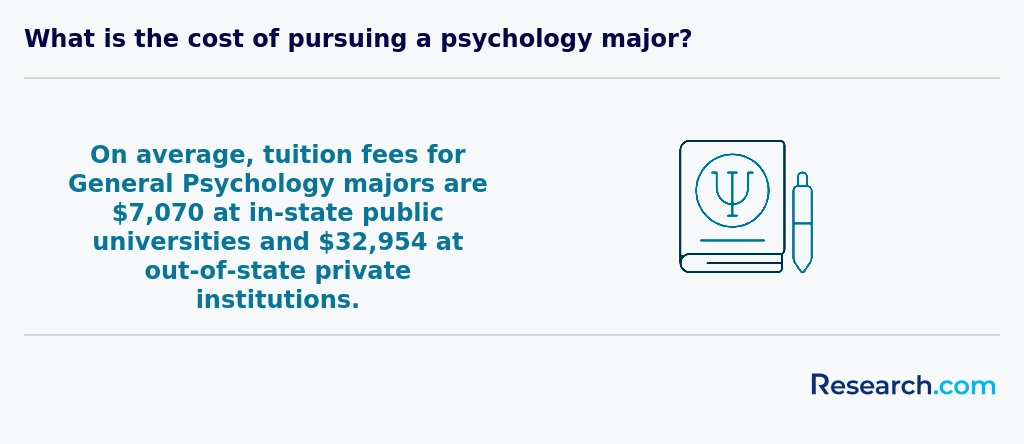
When it comes to the average cost of a psychology degree in Philadelphia, most students find that it can range quite a bit depending on the school and program level. Graduates from popular spots like Temple University or the Community College of Philadelphia often appreciate the more affordable in-state tuition, which typically lands around $47,505 total for the entire degree experience. This makes studying psychology here a realistic option without breaking the bank.
On the flip side, those aiming for private universities such as the University of Pennsylvania or Drexel University experience a different financial picture. Their total costs hover closer to $67,543, reflecting the prestige and resources these schools offer. Many grads from these programs share that the investment feels worthwhile because of the strong community and hands-on research opportunities they encountered.
If you're exploring Philadelphia psychology degree tuition and fees, it's helpful to think about what fits your budget and goals. Some students find joy in smaller class sizes and direct mentorship at private universities, while others enjoy the vibrant campus life and affordability at public schools. Living expenses in the city add to the cost, but the dynamic Philly environment often makes it easier to find part-time jobs or internships related to your field.
For those curious about which schools offer the best return on investment, you might want to check out the valuable psychology schools in Pennsylvania that consistently rank well in both cost and career outcomes.
When looking to pursue a psychology degree, considering schools in Pennsylvania can be a strategic move, especially with the wealth of resources and opportunities available in the state. For those interested in the field, exploring options such as valuable psychology schools in Pennsylvania can provide insights into the best programs that align with your career goals and personal interests. Pennsylvania offers a range of institutions, from public universities to private colleges, each with its unique strengths and specializations in psychology. This diversity allows prospective students to find a program that fits their needs, whether they're interested in clinical psychology, counseling, industrial-organizational psychology, or another area of specialization. Furthermore, many of these schools have strong connections with local mental health organizations, research institutions, and community programs, offering students valuable opportunities for internships, research collaborations, and job placements upon graduation. By choosing a psychology school in Pennsylvania, students can benefit from a comprehensive education, practical experience, and a network of professionals in the field, setting them up for success in their future careers.
If you're eyeing a psychology degree in Philadelphia, you'll be happy to know there's plenty of financial help to ease the load. Most students start by filling out the FAFSA, which opens doors to federal grants, loans, and work-study gigs. For example, lots of undergrads snag Pell Grants that can cover up to $7,395 a year without needing to pay it back-that's a big relief when tuition gets pricey.
Local perks come through too. If you're a Pennsylvania resident, the State Grant Program is worth applying for-it helps cut down those tuition bills for students in psychology programs at Philly schools.
Universities like Temple and UPenn are also known for hooking psychology students up with scholarships. Some grads share how community service or research efforts helped them land merit aid, making school way more affordable.
Plus, professional groups linked to psychology sometimes toss out extra scholarships that feel like a bonus, especially if you're passionate about mental health. And if you're juggling classes with a work-study job or internship, you're not just easing finances-you're gaining real-world experience too.
Philadelphia is not only a hub for academic excellence, but it also offers an enriching student life that blends historical charm with modern vibrancy, providing a supportive and dynamic environment for psychology students. Beyond the classroom, you'll have the opportunity to explore cultural festivals, art exhibits, and community service projects that deeply complement your academic journey. Campus clubs, study groups, and networking events often serve as bridges between theory and practice, enabling students to connect with professionals and alumni who can mentor them along their career paths. For instance, students frequently participate in workshops and seminars that spotlight the latest research trends and practical applications of psychology. Moreover, if you're looking to expand your horizons further, consider exploring additional educational opportunities, such as pursuing a master's in psychology online texas, which can offer the flexibility to balance work, life, and continuous learning while leveraging Philadelphia’s rich academic heritage. Embracing the campus culture not only enhances your educational experience but also equips you with a network and skill set that is invaluable in today’s competitive job market.
If you're thinking about diving into a psychology degree in Philadelphia, you'll want to have your high school diploma or GED ready first. Most programs, especially at well-known Philly schools, look for solid grades-think at least a 3.0 GPA-and good scores in subjects like biology or statistics. One graduate from a popular Philadelphia college shared how focusing on these areas really helped him feel confident stepping into his classes.
Many universities still ask for SAT or ACT scores, but a bunch are going test-optional now, which takes some stress off. Plus, handy volunteer work or internships related to psychology can make your application pop, showing you're genuinely interested and not just ticking a box.
For those aiming at a master's or doctorate around here, you'll need a bachelor's degree first. Strong transcripts, recommendation letters, and a clear personal statement can open doors, just like a former grad mentioned about their journey at a Philly university. Some places might still ask for GRE scores, but that's less common nowadays.
Becoming a licensed psychology professional in Philadelphia involves meeting state standards set by the Pennsylvania State Board of Psychology. Key steps include:
- Earn the required degree
- Doctoral (PhD/PsyD) for licensed psychologists
- Master’s for licensed professional counselors or school psychologists
- Complete supervised experience
- Predoctoral internship (1,500+ hours)
- Postdoctoral supervised practice (1,500+ hours)
- Pass required exams
- Examination for Professional Practice in Psychology (EPPP)
- Pennsylvania jurisprudence or Praxis exam (for school psychologists)
- Submit application to the PA State Board
- Provide official transcripts, verification of supervised hours and exam scores
- Pay application and licensing fees
- Maintain and renew your license
- Fulfill continuing education (CE) requirements every two years
- Keep records of CE credits and professional development
For candidates seeking cost-effective program options aligned with licensure requirements, explore most affordable accredited online psychology degrees.
If you're diving into a psychology degree in Philadelphia, you'll find courses that hit all the core areas you'd expect, plus some cool hands-on stuff. Graduates often talk about starting with classics like Introduction to Psychological Science and Research Methods and Statistics-these classes really set you up to understand how people think and behave. At popular Philly schools, students say these courses feel like unlocking the basics of the mind, like figuring out why we react to stress or what shapes our personalities.
You'll also get into areas like Cognitive Psychology, Developmental Psychology, and Social Psychology, which explain everything from how memory works to why group dynamics matter. Some grads share that the Biological Bases of Behavior course was a game-changer, showing them how brain chemistry influences emotions.
- Introduction to Psychological Science
- Research Methods and Statistics
- Developmental Psychology
- Cognitive Psychology
- Biological Bases of Behavior
- Social Psychology
- Abnormal Psychology
- Personality Theories
And if you're dreaming beyond the basics, Philly's programs usually include electives like Psychopathology or Child and Adolescent Psychology, great for tailoring your learning to what excites you most. Students also highlight how lab work and practicum experiences bring theory to life, making research something you don't just read about but actually do. It's practical, engaging, and perfectly tied into local hospitals and clinics, which is a huge bonus here.
If you're looking into a psychology degree specializations in Philadelphia, you'll find plenty of interesting options. Many grads from popular schools like the University of Pennsylvania and Temple University mention how clinical psychology stands out-it's all about learning to diagnose and treat mental health issues, bringing real impact in hospitals or clinics right here in Philly.
Counseling psychology is another favorite, focusing more on helping people cope with everyday stresses and life adjustments. Students often get hands-on experience working in community programs that serve Philly's diverse neighborhoods, which really makes the learning feel meaningful.
Another specialization catching attention is industrial-organizational psychology, perfect if you're interested in how psychology works in workplaces. With Philly's booming businesses and corporate hubs, grads often land roles improving employee wellness or productivity.
Many students also explore developmental psychology to understand how people grow and change over time, benefiting from the city's healthcare and research centers. For those wanting online flexibility, you might check out a master's in psychology online texas, which offers alternative paths.
These Philadelphia psychology degree program options make it clear that no matter your passion, you'll find a specialization that feels right and practical for your future.
When choosing the best psychology degree in Philadelphia, think about what fits your goals and current level. Many local schools offer solid programs, from bachelor's to doctoral levels, so whether you want to start working in human services after undergrad or aim for clinical psychology with a PhD, there's something for you. Graduates from popular Philadelphia colleges often say hands-on experience with internships at nearby hospitals really boosted their confidence and helped with job hunting.
Cost is a big deal too. If you want to keep things affordable, look for schools recognized for being some of the affordable psychology colleges in Philadelphia. Remember to check accreditation - it's super important for licensure and making sure your degree holds weight in the real world.
Also, many folks have found that programs emphasizing research or neuropsychology open doors, especially when you're close to Philadelphia's thriving mental health scene. If you're curious about flexible paths, you might want to explore psyd programs online apa accredited that Philly-area students recommend for balancing life and study.
If you're studying psychology in Philadelphia, you'll find plenty of career paths open to you right after graduation. Many grads from local schools like Temple or Drexel jump into roles as clinical psychologists, working in hospitals such as Penn Medicine, helping patients navigate mental health challenges. Others find their calling as counseling or school psychologists, supporting kids in Philly's public and private schools through tough emotional and academic moments.
Research gigs are also big here, especially around universities, where grads pursue teaching or dive into studies that push psychological science forward. Plus, with Philly's growing business scene, industrial-organizational psychologists are in demand to boost employee happiness and productivity.
Lots of graduates also get involved with social services or human resources, applying what they learned to improve community welfare or workplace culture. For those weighing costs, checking out the Low Cost Online Master's in Psychology Degree Programs Ranking in the South can help you plan smart. Exploring these job opportunities with psychology degree Philadelphia grads appreciate shows it's a city full of real career potential.
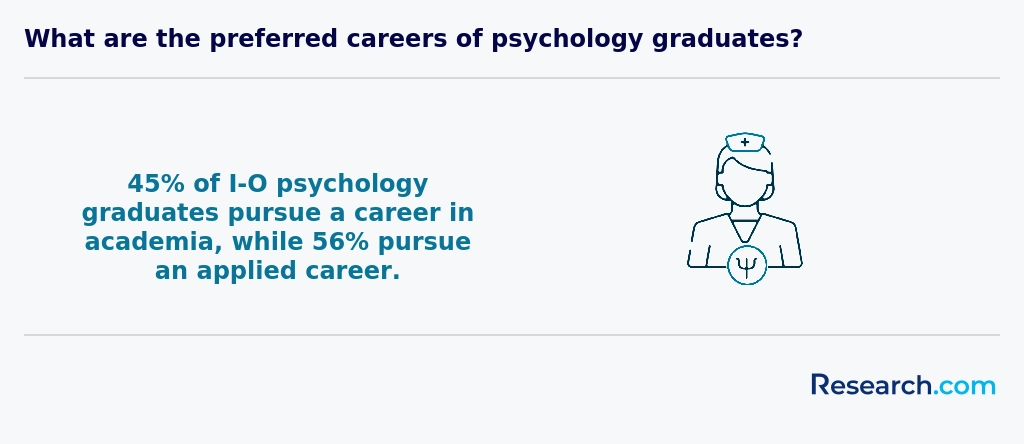
The job market for psychology degree holders in Philadelphia is pretty encouraging, especially if you're studying at well-known local schools like Temple University or Drexel University. Graduates often find themselves working in diverse roles across hospitals, schools, and community programs. This is because Philadelphia's strong healthcare system and public institutions create steady demand, making it a solid place for psychology career growth.
Many grads enjoy helping people through clinical or educational psychology roles, and they often mention how rewarding it feels to be part of supportive settings like Penn Medicine or local public schools. The Philadelphia psychology career growth outlook remains positive, with entry-level salaries usually between $55,000 and $70,000, which isn't bad when starting out.
Also, if you're considering a shorter path to boost your income or skills quickly, checking out some of the top paying 6 month certifications might be a smart move to complement your degree and stand out in this competitive landscape.
2027 Most Valuable Psychology Degree Programs Ranking in Philadelphia
Investing in your education is a significant decision that can shape your future, and the Research.com team understands the importance of making informed choices. To assist prospective students in Philadelphia, we have meticulously crafted the "2027 Most Valuable Psychology Degree Programs Ranking in Philadelphia." Our commitment to quality, credibility, and accuracy is reflected in the extensive research and analysis conducted to compile this ranking.
We utilized the following reputable data sources to ensure a comprehensive evaluation of psychology programs:
By exploring this ranking, readers will gain valuable insights into the most valuable psychology degree programs available in Philadelphia, empowering them to make well-informed decisions about their educational and career goals. For more details on our methodology, please visit our Research.com methodology page.


# 5 position
Philadelphia College of Osteopathic Medicine
Master of Science in Psychology



Frequently Asked Questions About psychology
Psychology degree students in Philadelphia can enhance their learning by engaging deeply with experiential opportunities. Many local universities, such as the University of Pennsylvania and Temple University, offer internships and research assistant positions that connect theory to practice. According to the American Psychological Association, students involved in research during their studies are 40% more likely to pursue advanced degrees or careers in the field.
Networking with professionals via Philadelphia's numerous psychology associations and attending local conferences can also broaden understanding and open career pathways. Taking advantage of Philadelphia's diverse population allows students to study psychological principles in varied real-world contexts, enriching cultural competence and practical skills.
Emerging niches within the psychology field reflect growing societal needs and technological advances. In Philadelphia, areas like neuropsychology and health psychology are expanding rapidly due to increased focus on brain health and chronic disease management. According to the American Psychological Association, neuropsychology is expected to grow by 19% nationally through 2030, driven by demand in healthcare settings common in Philadelphia's medical institutions.
Additionally, forensic psychology is gaining attention locally, as Philadelphia's legal system increasingly integrates psychological expertise. Industrial-organizational psychology also shows promise, responding to business needs for employee well-being and productivity improvements.
These niches offer dynamic career paths with strong local opportunities for students pursuing psychology degrees in the Philadelphia area.
Preparing for the job market after completing a psychology degree in Philadelphia involves several key steps. Given the city's diverse healthcare and educational sectors, gaining relevant experience through internships or volunteer positions is essential. Philadelphia offers numerous opportunities at hospitals, schools, and community organizations where students can develop practical skills. According to the U.S. Bureau of Labor Statistics, the demand for psychologists in Pennsylvania is projected to grow by 7% from 2022 to 2032, aligning with national trends.
Networking through local professional groups like the Pennsylvania Psychological Association can provide valuable connections. Additionally, pursuing licensure requirements-such as supervised clinical hours for counselors or psychologists-is critical for many roles. Building a strong resume, attending career fairs in Philadelphia universities, and enhancing skills in research or data analysis can further improve job prospects.
Employers seeking psychology degree graduates in Philadelphia emphasize strong analytical and research skills. Graduates must be proficient in interpreting behavioral data and applying psychological theories in practical settings, which aligns with Philadelphia's extensive research facilities and mental health organizations.
Communication abilities, both written and verbal, are highly valued. Effective communication is crucial for collaborating with interdisciplinary teams and engaging with diverse client populations in the city's varied urban communities.
Cultural competence is another vital skill, reflecting Philadelphia's demographic diversity. Employers expect graduates to demonstrate sensitivity and adaptability to different cultural backgrounds, as noted by the Pennsylvania Psychological Association.
Additionally, problem-solving skills and ethical judgment are essential. These capabilities ensure graduates can handle complex cases responsibly and comply with state regulations regarding mental health.
Finding internships in Philadelphia relevant to a psychology degree involves several strategic steps. Many local universities with psychology programs, like Temple University and Drexel University, offer internship placement services that connect students with clinical and research opportunities.
Additionally, Philadelphia hosts numerous hospitals and mental health centers such as the Philadelphia Department of Behavioral Health, where psychology interns gain practical experience.
Students should also explore nonprofit organizations and community agencies, which often provide internships focused on behavioral health and counseling.
Using platforms like Handshake or the American Psychological Association's internship directory can help identify openings specific to the Philadelphia area.
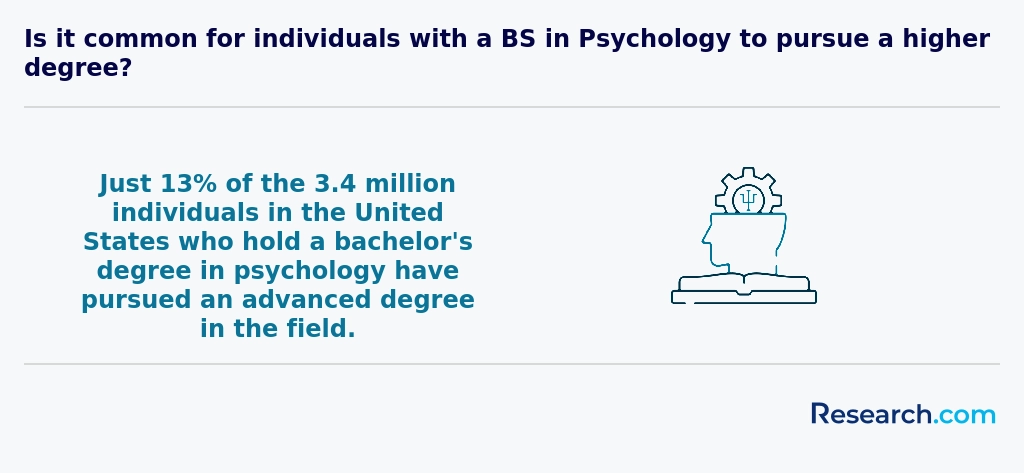
A psychology degree in Philadelphia opens numerous pathways for career mobility and advancement. Graduates can enter diverse fields such as clinical psychology, counseling, human resources, and organizational development. According to the U.S. Bureau of Labor Statistics, the Philadelphia metropolitan area expects a 10% growth in psychologist employment from 2022 to 2032, reflecting steady demand.
Higher education credentials, like a master's or doctoral degree in psychology, often lead to increased earning potential and leadership roles. Local hospitals, schools, and corporate sectors actively seek candidates with psychological expertise to improve mental health services and workplace effectiveness.
Additionally, Philadelphia's rich network of universities and research centers offers opportunities for networking and professional development. This supports ongoing career progression for psychology graduates.
Studying for a psychology degree in Philadelphia equips students with skills vital for interdisciplinary roles by emphasizing collaboration across varied fields such as healthcare, education, and social services. Programs often integrate coursework in neuroscience, statistics, and sociology to foster a broad understanding of human behavior within complex systems. According to the American Psychological Association, Philadelphia's institutions frequently partner with local hospitals and community organizations, offering hands-on experience that enhances practical skills.
Additionally, Philadelphia's diverse population creates opportunities for research and application in multicultural contexts. This exposure prepares graduates to work effectively in teams comprising professionals from medicine, counseling, and public policy.
Choosing between a thesis and a non-thesis psychology degree program in Philadelphia depends largely on your career goals and time commitment. Thesis programs involve conducting original research, typically suited for students aiming for academic or research careers. They usually require 30-36 credit hours and can extend your study time by 6-12 months. Non-thesis programs focus more on coursework and practical skills, allowing faster completion and are ideal for those seeking licensure or clinical practice.
Philadelphia hosts several accredited institutions offering both options, such as Temple University and Drexel University. According to the American Psychological Association, thesis graduates show higher acceptance rates into doctoral programs, while non-thesis pathways tend to offer more applied experience.
Students in Philadelphia interested in studying psychology abroad have several pathways through their local universities' exchange and study abroad programs. Institutions such as the University of Pennsylvania and Temple University offer partnerships with European and Asian schools, enabling psychology majors to complete part of their degree overseas. According to NAFSA, about 10% of U.S. psychology students participate in study abroad annually, with popular destinations including the United Kingdom and Ireland. These programs allow students to gain global perspectives on psychological theories and practices while earning credit toward their degree. Financial aid and scholarships are often available to Philadelphia-based students pursuing these experiences.
Students pursuing psychology degrees in Philadelphia have access to various part-time job opportunities that complement their academic learning. Working as a research assistant at local universities, such as the University of Pennsylvania or Temple University, provides hands-on experience with psychological studies and data analysis. These roles often pay between $12 and $20 per hour according to recent local job listings.
Other popular options include behavioral health technician positions in hospitals or clinics. Philadelphia's growing healthcare sector, highlighted by the Greater Philadelphia Healthcare Workforce Development Board, offers part-time roles supporting patients with mental health needs. These jobs help develop practical skills in patient interaction and therapeutic techniques.
Additionally, tutoring roles in psychology courses or test preparation are available due to Philadelphia's numerous colleges, enabling students to reinforce their knowledge and earn flexible income. According to the U.S. Bureau of Labor Statistics, these experiences can improve employability after graduation.
Psychology students in Philadelphia have numerous networking opportunities due to the city's rich academic and professional environment. Local universities like Temple University and the University of Pennsylvania often host psychology conferences, workshops, and speaker events that enable students to connect with experienced professionals and researchers. According to the Philadelphia Psychological Association, these gatherings are well attended by practitioners, offering valuable mentorship prospects.
Students can also join organizations such as the American Psychological Association's local chapter, which promotes networking through events and seminars. Additionally, internships at prominent hospitals and research centers in Philadelphia provide practical experiences and professional connections crucial for future career growth.
Philadelphia's diverse healthcare and academic institutions create a vibrant ecosystem where psychology students can expand their professional networks effectively.
Alumni networks offer significant benefits to psychology degree students in Philadelphia by providing connections to a broad community of professionals. These networks facilitate mentorship opportunities, which can guide current students through internships and job placements in local hospitals, clinics, and research centers. According to the Pennsylvania Psychological Association, nearly 70% of graduates find employment through alumni referrals.
Moreover, alumni often host events and workshops that help students stay updated on industry trends and licensure requirements specific to Pennsylvania. Participation in these networks can enhance career development and provide valuable insights into Philadelphia's diverse psychological practice landscape.
Customizing a psychology degree program in Philadelphia involves selecting courses and specializations that align with your career goals. Many local universities offer flexible curricula that include areas such as clinical psychology, counseling, or industrial-organizational psychology. According to the Philadelphia Higher Education Network for Neighborhood Development, students can often choose electives, internships, and research projects to gain practical experience in specific fields.
In addition, students can benefit from Philadelphia's diverse mental health organizations for hands-on training. Schools may also offer dual-degree options or certificate programs to broaden expertise. Understanding licensure requirements in Pennsylvania is essential when tailoring your education for clinical or school psychology careers.
Psychology students in Philadelphia often face several challenges related to academic rigor and practical experience requirements. The competitive nature of programs in this region, including institutions like Temple University and the University of Pennsylvania, means students must manage demanding coursework alongside research commitments. According to the American Psychological Association, balancing internships and clinical hours while maintaining strong grades is a common stressor.
Financial concerns also impact many students. The average graduate tuition for psychology degrees in Philadelphia can exceed $30,000 per year, making funding a critical issue for some learners. Additionally, securing quality internships in busy urban health settings may be difficult due to high demand and limited placements available locally.
With a psychology degree in Philadelphia, graduates can pursue various professional certifications that enhance career opportunities. Common certifications include the Licensed Professional Counselor (LPC), Board Certified Behavior Analyst (BCBA), and Certified Addiction Counselor (CAC). These certifications require additional supervised experience and passing relevant exams.
The LPC credential, overseen by the Pennsylvania State Board of Social Workers, Marriage and Family Therapists, and Professional Counselors, is popular among those aiming for clinical roles. Philadelphia's Department of Behavioral Health often seeks professionals with LPC certification.
For those interested in applied behavior analysis, the BCBA certification is nationally recognized and growing in demand, particularly for work in developmental disorders.
Some graduates also pursue certifications in school psychology or substance abuse counseling, reflecting regional workforce needs reported by the Pennsylvania Department of Labor & Industry. These credentials can significantly increase employability in Philadelphia's mental health sector.
Applying for a psychology program in Philadelphia requires a clear and well-structured application. Start by researching programs carefully to tailor your personal statement to their unique strengths and mission. Highlight any relevant experience, such as internships or volunteer work, especially within local mental health facilities or research labs.
The University of Pennsylvania and Temple University, both located in Philadelphia, emphasize strong academic performance and research potential. Make sure your GPA and GRE scores meet or exceed their average benchmarks-often around a 3.5 GPA and 310 GRE combined score.
Letters of recommendation should come from professors or supervisors familiar with your psychology abilities. Demonstrating knowledge of contemporary issues in psychology, such as community mental health trends documented by the Pennsylvania Psychological Association, strengthens your case.
Finally, proofread carefully and adhere to all deadlines, as Philadelphia's competitive programs receive hundreds of applications annually.
Psychology careers are increasingly valued worldwide for their broad applications in healthcare, education, and business. In the United States, including Philadelphia, psychology professionals often pursue licensure to practice clinically or work in research and counseling roles. According to the Bureau of Labor Statistics, employment for psychologists is projected to grow 8% from 2022 to 2032, faster than average.
Philadelphia offers diverse opportunities through research institutions and hospitals, reflecting global trends in integrating psychology with technology and multicultural issues. Students trained in Philadelphia often join global networks, contributing to mental health advances worldwide.
The field demands strong cultural competence due to expanding international cooperation and rising awareness of mental health challenges across populations.
Gaining practical experience while studying for a psychology degree in Philadelphia is crucial for career readiness. Many Philadelphia universities offer internships and fieldwork opportunities through partnerships with local hospitals, mental health clinics, and social service agencies. These placements allow students to apply classroom knowledge to real-world settings.
According to the American Psychological Association, accredited programs often require supervised clinical hours, which Philadelphia schools integrate into their curricula. Additionally, Philadelphia's diverse population provides students with exposure to various psychological conditions and cultural backgrounds, enhancing practical learning.
Students should also consider participating in research projects under faculty supervision, which is common at institutions like the University of Pennsylvania and Temple University.
Choosing the right concentration within a psychology degree program in Philadelphia requires careful consideration of your career goals and interests. Psychology is a broad field offering options such as clinical, counseling, industrial-organizational, and developmental psychology. According to the American Psychological Association (APA), clinical psychology remains the most pursued concentration, especially in metropolitan areas like Philadelphia.
Students should review curriculum details from local institutions like Temple University and the University of Pennsylvania, which are known for diverse psychology programs. Evaluating faculty expertise, internship opportunities, and research facilities is essential since hands-on experience significantly impacts licensure and employment prospects in Pennsylvania.
Additionally, exploring Philadelphia's healthcare and corporate sectors can guide choices. For example, industrial-organizational psychology aligns well with Philly's business environment, which employs over 10,000 professionals in psychology-related roles per the U.S. Bureau of Labor Statistics. Understanding such regional trends helps select a concentration with strong job demand.
- 2027 Most Valuable Psychology Degree Programs Ranking in New York
- 2027 Most Valuable Psychology Degree Programs Ranking in Queens
- 2027 Most Valuable Psychology Degree Programs Ranking in Bronx
- 2027 Most Valuable Psychology Degree Programs Ranking in New Haven
- 2027 Most Valuable Psychology Degree Programs Ranking in Albany
- 2027 Most Valuable Psychology Degree Programs Ranking in Amherst
- 2027 Most Valuable Psychology Degree Programs Ranking in Providence
- 2027 Most Valuable Psychology Degree Programs Ranking in Worcester
- 2027 Most Valuable Psychology Degree Programs Ranking in Rochester
- 2027 Most Valuable Psychology Degree Programs Ranking in Pittsburgh
See What Experts Have To Say About Studying Psychology
Read our interview with Psychology experts

Robin M. Kowalski. Ph.D.
Psychology Expert
Professor of Psychology
Clemson University

Elizabeth L. Jeglic Ph.D.
Psychology Expert
Professor of Psychology
City University of New York

Joann Farrell Quinn, Ph.D., MBA
Psychology Expert
Director at the College of Medicine Department of Medical Education
Morsani College of Medicine

- Professional Networking For Psychologists | Psychology.org https://www.psychology.org/resources/professional-networking/
- Why Get a Psychology Degree Online? | University of Bridgeport https://www.bridgeport.edu/news/reasons-to-get-your-psychology-degree-online/
- Study Psychology Abroad https://astarfuture.co.uk/study_psychology_abroad.html
- Psychology https://www.ccp.edu/degree-programs/psychology
- The Role of Psychology in Career Development and Planning https://psyvanta.com/the-role-of-psychology-in-career-development-and-planning/
- Have You Found a Niche? https://www.apaservices.org/practice/business/marketing/building/niche
- Psychology Online Degree Pathway https://www.learndirect.com/course/psychology-online-degree
- Know more about thesis vs non- thesis: what is the difference? https://studyfans.com/en/blogs/816
- Society for the Teaching of Psychology https://teachpsych.org/page-1784686/8675326
- Psychology - SWPS University https://english.swps.pl/academics/warsaw/ba-programs/psychology


