
2027 Most Valuable Psychology Degree Programs Ranking in Pennsylvania

Co-Founder and Chief Data Scientist
Choosing the right psychology degree program in Pennsylvania can shape your future career and personal growth. This article features the 2027 Most Valuable Psychology Degree Programs Ranking in Pennsylvania, created by the Research.com team of data scientists to guide you in making an informed decision.
By exploring this ranking, you'll discover programs that offer strong academic value and promising career opportunities. Whether you're passionate about helping others or pursuing advanced research, a psychology degree can open many doors.
Let this guide inspire your educational journey with confidence and clarity.
Key benefits of getting psychology degree in Pennsylvania
- Psychology graduates in Pennsylvania can pursue rewarding jobs such as Human Resources Specialist with a mean annual wage of $76,060 or Marketing Research Analyst earning about $83,190, reflecting strong salary potential.
- Career paths include clinical roles, research, or corporate jobs, as demonstrated by graduates from Penn State who often find diverse opportunities in healthcare, business, and education sectors.
- Choosing an online psychology degree from a university like Drexel offers flexibility and convenience, making it easier to balance studies with work or personal commitments while gaining valuable skills.
- 2027 Most Valuable Psychology Degree Programs Ranking in Pennsylvania
- What can I expect from psychology degree in Pennsylvania?
- Where can I work with psychology degree in Pennsylvania?
What can I expect from psychology degree in Pennsylvania?
The average cost of pursuing a psychology degree in Pennsylvania varies significantly depending on the type of institution and residency status. Public universities such as Penn State or Temple University offer more affordable tuition for in-state students, with the average annual cost around $14,000. Graduates often recall balancing this expense with financial aid and scholarships, which can ease the burden and make the investment feel worthwhile.
Private or out-of-state options, including institutions like the University of Pennsylvania, generally cost more, reflecting the prestige and research opportunities available. Some graduates note that while the sticker price is high, the networking and access to specialized tracks-like industrial-organizational or forensic psychology-can enhance career prospects.
For students weighing cost against quality, the decision is nuanced. Many share that internships and practicum placements included in Pennsylvania programs added invaluable hands-on experience, helping justify tuition expenses by directly impacting readiness for licensure and employment.
Where can I work with psychology degree in Pennsylvania?
Graduates with a psychology degree in Pennsylvania often find themselves working in diverse settings reflecting the state's strong healthcare infrastructure. For instance, those from institutions like the University of Pennsylvania or Penn State frequently land roles in hospitals, mental health clinics, or counseling centers where they provide therapy, assessments, and support treatment planning. These roles offer the rewarding experience of directly impacting patient well-being, which many graduates describe as deeply fulfilling.
Others focus on educational environments such as public schools or universities, helping students manage behavioral challenges and mental health issues. Graduates share how working within school systems-common in districts around Philadelphia or Pittsburgh-allows them to witness firsthand the positive changes in children's lives, enhancing their job satisfaction.
Beyond clinical and school settings, some alumni explore opportunities in Pennsylvania's corporate and nonprofit sectors. Industrial-organizational psychology roles or community health programs often provide dynamic careers involving employee wellness or public outreach, proving appealing for those who enjoy varied work tasks and social impact.
Finally, graduates pursuing advanced degrees frequently join research teams at Pennsylvania universities or private firms, engaging in cutting-edge studies on cognition and behavior, which many find intellectually exhilarating and purpose-driven.
Graduates with a psychology degree in Pennsylvania often find varied earning outcomes depending on their specific roles and education levels. For example, human resources specialists, a common pathway for those with a bachelor's degree, earn a mean annual wage of around $76,060. This salary allows many recent graduates from universities such as Penn State or Temple University to comfortably support themselves while gaining valuable experience in the workplace.
Those interested in research roles can consider jobs like marketing research analysts or clinical research associates. Marketing research analysts typically earn a mean annual wage near $83,190, while clinical research associates earn about $62,370 per year. Survey researchers have similar salary expectations, at approximately $62,370 annually. These positions often appeal to graduates of programs like the University of Pittsburgh because they provide opportunities to apply psychological principles in dynamic, real-world projects.
While these figures are encouraging, keep in mind salaries vary by employer type, geographic location, and individual skillset. Many graduates from Pennsylvania colleges find that entry-level salaries reflect a starting point, with significant growth potential after gaining experience or earning additional certifications, such as state licensure.
- Psychology degree costs in Pennsylvania range from $8,000 to $15,000 per year at public universities and can exceed $30,000 annually at private institutions, including tuition and living expenses.
- Entry-level psychologists with a bachelor's degree earn between $45,000 and $55,000 annually, while licensed psychologists average around $90,000, with some making over $120,000.
- Psychology-related jobs in Pennsylvania are expected to grow by about 7% over the next decade, especially in mental health, counseling, and research sectors.
- Licensure requires completing supervised clinical hours and passing the Examination for Professional Practice in Psychology to ensure competence and ethics.
- Internships and practicum placements are widely available at Pennsylvania universities and are important for gaining practical experience and meeting licensure requirements.
Completing a psychology degree in Pennsylvania generally takes about four years for a bachelor's program, consistent with many schools such as Penn State or Temple University. Graduates often mention the rewarding challenge of balancing a full course load of around 120 to 130 credits while engaging in campus activities that deepen their interest in psychology. However, this timeline can stretch for students who opt for part-time study or online classes, commonly offered by institutions like Drexel University, accommodating those with work or family commitments.
For those pursuing a master's degree, the journey typically extends by two years, involving 30 to 60 additional credits. Graduates from programs at universities such as the University of Pennsylvania highlight the intense but fulfilling research and thesis requirements that prepare them for clinical practice or research roles.
Doctoral programs, including PhDs and PsyDs, take significantly longer-five to seven years-reflecting the extensive clinical training and dissertation work required. Many find this period demanding yet profoundly meaningful, especially when they complete internships within Pennsylvania's healthcare system, gaining real-life experience.
Embarking on your psychology career requires not only rigorous study but also strategic planning and proactive engagement with your field. To maximize your educational investment, consider setting clear career goals early and aligning them with experiential learning opportunities such as internships, research projects, and industry networking events. Cultivate relationships with faculty and mentors who can offer insights and support your professional growth. Additionally, balancing academic coursework with practical experience will empower you to transition smoothly into your chosen career path. For those interested in enriching their expertise through advanced education, exploring the best online clinical psychology masters programs can provide a flexible and comprehensive approach to further your career. Finally, stay updated on the latest industry trends and technological advancements in psychology as they continue to reshape the landscape of mental health services and research opportunities.
Choosing between online and on-campus psychology degrees in Pennsylvania often hinges on how students value interaction and flexibility. Graduates from Penn State University's on-campus program frequently describe the energizing atmosphere of discussing theories face-to-face with professors and classmates, feeling immediately supported in their learning journey. In contrast, students enrolled in online psychology courses at the University of Pennsylvania appreciate the ability to balance work or family responsibilities while pursuing the same accredited degree, enjoying video lectures and virtual discussions that fit their schedules.
The practical side also differs: on-campus students benefit from direct access to campus libraries and research labs, which enhances hands-on learning. Online learners, meanwhile, often navigate arranging local internships or lab experiences independently, fostering a sense of self-direction. Both paths require clinical components, but the on-campus route may offer smoother integration. Tuition in Pennsylvania varies, with on-campus rates around $18,000-$20,000 yearly, while online programs sometimes present cost savings, factoring in avoided commuting and housing.
To practice as a licensed psychologist in Pennsylvania, graduates must meet Board-mandated steps that ensure competency and public safety:
- Earn a doctoral degree (PhD or PsyD) in psychology from an APA-accredited program.
- Complete at least 1,500 hours of supervised pre-doctoral and post-doctoral experience.
- Pass the national Examination for Professional Practice in Psychology (EPPP).
- Pass the Pennsylvania jurisprudence exam covering state laws and ethics.
- Submit official transcripts, supervised experience verification, and application fees to the PA State Board of Psychology.
Meeting these requirements verifies your qualifications and prepares you for a successful professional career. Consider an accelerated psychology degree online program to fulfill educational prerequisites efficiently.
The average cost of a psychology degree in Pennsylvania varies widely depending on the type of institution and residency status. Data suggest that the median total cost for students pursuing psychology degrees is approximately $54,116, with in-state students typically paying less, around $36,885. These figures include tuition, fees, and other expenses, reflecting a more comprehensive picture than tuition alone. For many students at well-known public schools like Penn State, the in-state tuition offers a more affordable pathway compared to the sizable expenses seen at private institutions.
Graduates from public universities often describe their investment as worthwhile, especially when augmented by financial aid and campus resources. Those who have attended private colleges in Pennsylvania note higher annual costs but value the smaller class sizes and personalized support. These contrasting experiences highlight that the total expenses for psychology degree Pennsylvania must be understood not just in dollar amounts, but also in terms of educational quality and outcomes.
For students weighing their options, it's useful to consider programs like those at the University of Pennsylvania, where tuition rates are at the higher end but often come with enhanced networking and career services. Aspirants seeking more economical routes might explore the cheapest psychology schools in pennsylvania, balancing financial constraints without sacrificing educational goals.

Understanding your ROI clarifies how quickly a psychology degree pays off.
- Compare average program cost ($8,000–$50,000) with entry-level wages ($32,070–$83,190).
- Estimate payback period: most graduates recoup costs in 3–5 years.
- Monitor loan-to-income ratio: aim for total debt below 1.5× expected starting salary.
- Explore accelerated options like the fastest online psychology degree to shorten time-to-degree and reduce overall costs.
Psychology students in Pennsylvania benefit from diverse financial aid options that help reduce the often steep costs of their education. Graduates from universities like the University of Pennsylvania or Penn State commonly rely on federal Pell Grants, which can provide up to $7,500 a year without the burden of repayment. This form of aid makes a noticeable difference, especially for students balancing part-time work and demanding coursework.
State aid through the Pennsylvania Higher Education Assistance Agency (PHEAA) also supports many psychology majors, with state grants offering several thousand dollars to qualifying students. This help is vital for those attending institutions such as Temple University, where tuition can be challenging without assistance.
Institutional scholarships-both merit- and need-based-are another key source. Many psychology students share positive experiences receiving targeted awards that recognize academic dedication or financial need.
Work-study programs at these schools often place psychology students in research labs or counseling centers, providing both income and resume-building experience. For some, this hands-on opportunity fosters confidence and a deeper connection to their field.
Federal loans remain an option but require careful consideration due to future debt. Private scholarships from organizations like the American Psychological Association add another layer of support, yet competition means not all receive them.
After earning your psychology degree, obtaining state licensure is crucial for practicing as a psychologist in Pennsylvania. The Pennsylvania State Board of Psychology oversees credentialing and ensures practitioners meet professional standards. Here’s what you need to know: Education and Supervised Experience - Earn an APA-accredited doctoral degree (Ph.D. or Psy.D.) in psychology. - Complete at least 1,750 hours of supervised experience post-degree, including a minimum of 750 hours of face-to-face client contact under a licensed psychologist. Examination Requirements - Pass the Examination for Professional Practice in Psychology (EPPP) administered by the Association of State and Provincial Psychology Boards. - Succeed on the Pennsylvania laws and regulations exam, which tests knowledge of state-specific practice rules. Application Process 1. Submit an application online through the Pennsylvania Licensing System (PALS). 2. Provide official transcripts, verification of supervised hours, and exam scores. 3. Pay required fees and await board approval, typically within 60–90 days. Post-Licensure Obligations - Complete 30 hours of continuing education (CE) every two years, including two hours in ethics. - Report any disciplinary actions or license changes promptly to the Board. International Applicants If you earned your degree outside the U.S., you must have your credentials evaluated by a Board-approved agency and demonstrate English proficiency. Financial Considerations Licensure costs include application fees (~$150), exam fees (~$600), and CE course expenses. For students comparing affordability across states, you might also explore our Low Cost Psychology Degree Programs Ranking in Washington to gauge cost-effective program models. By understanding Pennsylvania’s licensure pathway, you can plan your post-graduate steps effectively-ensuring you meet all educational, experiential, and legal requirements to launch a successful psychology career in the Keystone State.
Enrolling in a psychology degree program in Pennsylvania typically means meeting clear academic prerequisites, yet experiences from graduates at places like Penn State or Temple University reveal the nuances behind these requirements. Most undergraduates recall the importance of completing core high school courses in English, math, and science, which form the foundation they believe helped them engage deeply with psychology's scientific aspects. Some even emphasize how introductory biology or psychology classes in high school made the transition to college-level concepts smoother and more exciting.
Standardized tests such as the SAT or ACT were part of their application, though many note that test-optional policies in recent years gave them more confidence, allowing their essays and critical thinking skills to shine. It's clear from these students that beyond grades, psychology programs in Pennsylvania value communication and analytical abilities, essential for understanding human behavior.
For those aiming at graduate degrees, stories from alumni at universities like Drexel suggest that holding a psychology major or minor-and completing courses in statistics and research methods-was crucial. They also highlight how recommendation letters and a strong statement of purpose conveyed their passion effectively, often balancing out GRE scores when required.

When considering a psychology degree in Pennsylvania, when looking at the financial aspects, it is crucial to think about not just the tuition costs, but also the potential return on investment and the availability of financial aid. For those looking for affordable options, they can check out the cheapest psychology schools in pennsylvania, which can offer a high-quality education without the hefty price tag. Understanding the cost and financial aid landscape can help students make informed decisions about their educational paths. The cost of attending a psychology program in Pennsylvania can vary significantly depending on the institution and the level of degree pursued. On average, in-state tuition for a public university can range from $10,000 to $20,000 per year, while out-of-state tuition can exceed $30,000 annually. For graduate programs, the costs can be even higher, with some doctoral programs costing around $1,737 per credit hour. Despite these costs, many students find that pursuing a psychology degree in Pennsylvania is a worthwhile investment due to the potential for high salaries and the personal fulfillment that comes with working in a field dedicated to helping others. Financial aid, including federal and state grants, loans, work-study programs, scholarships, and graduate assistantships, is available to help offset these costs. In fact, a significant portion of psychology students in Pennsylvania receive some form of financial assistance, making it possible for individuals from various financial backgrounds to pursue their educational and career goals in psychology.
Psychology degrees in Pennsylvania typically include a blend of foundational and specialized courses designed to build a thorough understanding of human behavior. Graduates from institutions like Penn State or Temple University often recall starting with Introduction to Psychology, which lays the groundwork by covering essential theories and concepts that shape the field.
Students frequently describe courses in Developmental Psychology as eye-opening, revealing how human growth unfolds across different life stages. In programs at universities such as the University of Pittsburgh, Biopsychology challenges students to connect neural functions with behavior, often through hands-on lab work that makes abstract concepts tangible.
Other core classes commonly include Cognitive Psychology and Social Psychology. Learners in these courses often find themselves pondering real-world decisions or social dynamics, reflecting on how the brain processes information or how group behavior shapes personal identity.
More advanced courses like Abnormal Psychology offer exploration into mental health disorders and treatment techniques, which many students find meaningful as they consider careers in clinical or counseling settings. Additionally, Research Methods and Psychological Testing equip students with critical skills for data analysis and assessment, essential for both academic and applied psychology paths in Pennsylvania's diverse workforce.
Psychology degree specializations in Pennsylvania commonly include clinical, counseling, industrial-organizational, developmental, and forensic psychology. Graduates from universities like Penn State and Temple University often highlight clinical psychology as particularly fulfilling due to hands-on internships in hospitals and community settings. These real-world experiences allow students to apply theory practically, enhancing their empathy and clinical skills.
Other specializations, such as industrial-organizational psychology, attract those interested in improving workplace dynamics, often leading graduates to HR or consulting roles where they influence employee well-being directly. Developmental psychology students, meanwhile, find rewarding opportunities working with diverse populations across the lifespan, from children to the elderly, and appreciate the blend of research and applied work that Pennsylvania programs emphasize.
Some graduates note the challenge of balancing academic rigor with practical training but express satisfaction in aligning their education with personal career goals. For prospective students seeking flexibility, exploring the best online clinical psychology masters programs may also provide valuable options. Considering these perspectives can help clarify the best psychology concentrations Pennsylvania universities offer for varied professional paths.
Choosing the best psychology degree in Pennsylvania requires a clear understanding of your career ambitions and the specific offerings of local programs. Graduates from institutions like Penn State often highlight how their access to research facilities and internships prepared them well for clinical roles, while those from Temple University appreciate the blend of applied psychology training and urban health placements. The variety of degrees-from bachelor's to doctoral-means that if you're aiming for licensure or clinical practice, an APA-accredited graduate program is crucial, as many Pennsylvania programs emphasize.
Affordability also shapes the decision. Public universities typically offer lower tuition for residents-around $15,000 annually-compared to private colleges exceeding $35,000. Some students find scholarships or assistantships make a significant difference, especially in graduate studies. For those concerned about costs, reviewing Low Cost Psychology Degree Programs Ranking in Washington can spark ideas for budgeting or alternative options despite the geographic difference.
Comfort with the campus environment matters as well. Psychology students seeking lively, urban clinical experiences may lean toward the University of Pennsylvania, while others prefer smaller, quieter campuses that facilitate focused study and reflection. Balancing these factors with your personal strengths and goals helps identify the most suitable and fulfilling path toward earning one of the best psychology degree programs in Pennsylvania.
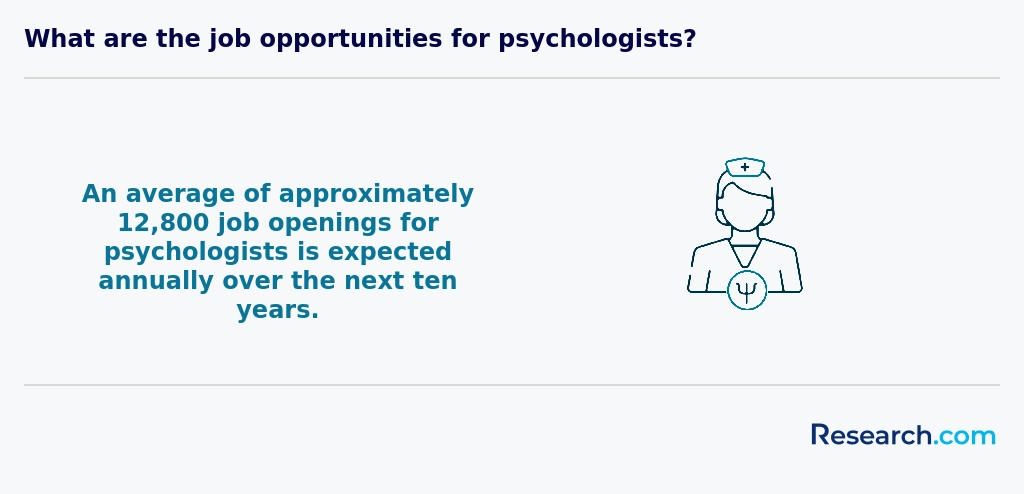
Graduates holding psychology degrees in Pennsylvania encounter diverse career paths, yet success often depends on the level of education and licensure. For example, many graduates from institutions like Penn State or Temple University pursue licensure as clinical or school psychologists, requiring doctoral degrees and state approval. These roles offer fulfilling work in mental health, addressing real-world challenges like anxiety or trauma in local communities, demonstrating the practical impact of psychology careers in Pennsylvania.
Other graduates with bachelor's or master's degrees find meaningful employment in social services, rehabilitation counseling, or as behavioral health associates. These positions frequently involve hands-on support in hospitals or nonprofits, offering immediate engagement and positive change. Some graduates navigate workplace environments by entering business sectors such as human resources, leveraging psychological insights to boost employee productivity or consumer engagement.
Meanwhile, research-oriented graduates, often from universities with strong programs like the University of Pennsylvania, contribute to advancing cognitive science or educational psychology. Their work, though less visible, shapes policy and practice statewide. Amid these options, looking into the best 6-month online associate degree programs can help prospective students identify the educational paths that best align with their goals within job opportunities for psychology graduates Pennsylvania.
The job market for psychology degree holders in Pennsylvania remains diverse and promising, yet it requires strategic planning. Graduates from universities such as Pennsylvania State University and Temple University report varied experiences depending on their level of education and licensure status. While entry-level roles like case managers or psychiatric technicians are accessible with a bachelor's degree, many graduates find they need advanced qualifications to compete for the more specialized and higher-paying positions. This dynamic reflects the broader psychology degree job outlook Pennsylvania faces, shaped by a growing need for mental health professionals across healthcare, education, and private sectors.
Employment opportunities for psychology graduates Pennsylvania also benefit from the state's commitment to mental health and diverse economy, which includes hospitals, schools, and government agencies. Graduates often highlight the challenge of balancing affordable education costs-especially when attending public universities-with the necessity of pursuing licensure to increase job competitiveness. Some students explore options like easy bachelors degree paths to reduce financial strain while preparing for future credentials.
2027 Most Valuable Psychology Degree Programs Ranking in Pennsylvania
Investing in your education is a significant decision that can shape your future, and the Research.com team understands the importance of making informed choices. To assist prospective students in Pennsylvania, we have meticulously crafted the "2027 Most Valuable Psychology Degree Programs Ranking in Pennsylvania." Our commitment to quality, credibility, and accuracy is reflected in the extensive research and analysis conducted to compile this ranking. We utilized the following reputable data sources to ensure a comprehensive evaluation of psychology degree programs:
By exploring this ranking, readers will gain valuable insights into the most valuable psychology degree programs in Pennsylvania, helping them make well-informed decisions about their educational investment. For more details on our methodology, please visit our
Research.com methodology page
.

# 2 position
Pennsylvania State University-Main Campus
Bachelor of Science in Psychology


# 5 position
Pennsylvania State University-World Campus
Bachelor of Arts in Psychology


# 16 position
Philadelphia College of Osteopathic Medicine
Master of Science in Psychology


Frequently Asked Questions About psychology
Psychology degree students in Pennsylvania can maximize their learning experience by actively engaging in both theoretical and practical opportunities. Pennsylvania is home to several accredited universities offering psychology programs that emphasize research and applied learning. Students should seek internships, research assistant positions, or community service roles, which provide hands-on experience critical for skill development.
Additionally, forming study groups and attending psychology-related seminars or conferences can deepen understanding and foster networking. The Pennsylvania Psychological Association offers various resources and events that students can leverage for professional growth. According to the Bureau of Labor Statistics, internships increase employment chances by nearly 40% in relevant fields, highlighting their importance.
Finally, utilizing campus resources such as counseling centers and career services tailored to psychology students supports academic and career planning in this competitive field.
Emerging niches within the psychology field in Pennsylvania reflect national trends towards specialization and applied research. One growing area is neuropsychology, where professionals assess and treat brain disorders; this niche is expanding due to increased awareness of traumatic brain injuries and neurological illnesses, supported by data from the Pennsylvania Psychological Association.
Another fast-growing field is health psychology, focusing on how behavior impacts physical health. With Pennsylvania's aging population, psychologists in this area often collaborate with medical teams to improve patient outcomes.
Industrial-organizational psychology is also rising in demand, especially in Pennsylvania's diverse economy, where organizations seek experts to enhance workplace productivity and employee well-being. According to the U.S. Bureau of Labor Statistics, employment for this specialty is projected to grow 10% by 2030.
Lastly, forensic psychology is gaining traction with increasing legal and correctional system needs, making it a compelling option for students interested in law and mental health intersections.
Preparing for the job market after earning a psychology degree in Pennsylvania involves strategic planning and skill development. Graduates should consider gaining practical experience through internships or volunteer work, which Pennsylvania universities often facilitate through partnerships with local clinics and organizations. According to the Pennsylvania Department of Labor & Industry, the state expects a 14% growth in psychology-related jobs by 2030, emphasizing the importance of relevant hands-on experience.
Licensure is also crucial for many psychology careers in Pennsylvania. The state requires passing the Examination for Professional Practice in Psychology (EPPP) and completing supervised experience, especially for clinical roles. Networking with professionals through local chapters of the American Psychological Association can help graduates access job openings and mentorship.
Finally, supplementing education with skills in data analysis, counseling techniques, or specialty certifications can enhance employability in fields ranging from mental health to human resources. Staying informed about Pennsylvania's mental health initiatives and workforce demands, such as those published by the Pennsylvania Psychological Association, supports targeted career preparation.
Employers in Pennsylvania value psychology degree graduates who demonstrate strong critical thinking and effective communication skills. These abilities are essential for analyzing behavioral data and conveying insights clearly to clients or colleagues. According to the Pennsylvania Department of Labor & Industry, interpersonal skills rank highly due to the collaborative nature of psychology-related roles in clinical and organizational settings.
Research skills and proficiency in statistical software are increasingly important, especially as data-driven decision-making grows. Knowledge of ethical standards and cultural competence is also crucial, reflecting the diverse populations served across the state. These competencies help graduates adapt to various professional environments and regulations within Pennsylvania.
Finding internships in Pennsylvania relevant to a psychology degree involves leveraging multiple local resources. Students should start by consulting their university's career services, which often coordinate with nearby hospitals, clinics, and research centers to offer placements. Pennsylvania hosts more than 20 accredited psychology graduate programs, many providing direct internship connections.
Additionally, organizations like the Pennsylvania Psychological Association maintain internship listings and networking events. The state's large healthcare systems, such as UPMC and Penn Medicine, frequently offer internships in clinical and research psychology fields.
Online platforms like Handshake also list internship opportunities specifically oriented toward psychology students in Pennsylvania. Early planning and active networking can increase chances of securing valuable internships tied to academic and career goals.
A psychology degree in Pennsylvania can significantly enhance career mobility and advancement opportunities. According to the U.S. Bureau of Labor Statistics (BLS), the state hosts over 4,000 practicing psychologists, with a steady 10% growth projected through 2031. This growth creates more openings in clinical, counseling, and school psychology positions.
Graduates with a bachelor's degree often start in support roles or human services, while advanced degrees open doors to licensure-required positions, such as licensed psychologists or therapists. Employers value Pennsylvania-educated candidates due to familiarity with state licensing requirements and regional mental health policies.
Professional networks and alumni connections within Pennsylvania's universities also support job placement, promoting upward mobility. Additionally, psychology graduates in Pennsylvania earn a median annual wage near $80,000, higher than many social service roles, indicating strong incentives for career advancement in this field.
Studying for a psychology degree in Pennsylvania equips students for interdisciplinary roles by integrating knowledge from various fields such as healthcare, education, and social services. Pennsylvania's universities emphasize hands-on experience through internships and collaborations with hospitals and community organizations. According to the Pennsylvania Department of Education, about 65% of psychology graduates pursue careers requiring skills in teamwork across multiple disciplines. The curriculum often includes courses in neuroscience, sociology, and counseling, preparing students to work effectively with professionals in medicine, social work, and business. This broad approach reflects the growing demand for versatile psychology experts in complex, real-world settings.
Choosing between a thesis and a non-thesis psychology degree program in Pennsylvania involves assessing your academic and career goals. A thesis program requires conducting original research and writing a substantial document, beneficial for those aiming to enter doctoral studies or research careers. In Pennsylvania, universities like Penn State and Temple offer well-established thesis tracks, often favored by students targeting academia or clinical research.
Non-thesis programs focus more on coursework and applied skills, suitable for students pursuing professional practice or immediate employment. According to the Pennsylvania Department of Education, graduates from thesis programs have a higher likelihood of qualifying for research assistant roles.
Consider your interest in research, time commitment, and future plans when choosing the right program.
Students in Pennsylvania interested in studying psychology abroad have several options through their home institutions. Many Pennsylvania universities with psychology programs, such as Penn State and the University of Pennsylvania, offer study abroad partnerships with universities in Europe and Asia. These programs typically allow students to transfer credits back to their degree in Pennsylvania. According to the Institute of International Education, about 10% of US psychology students engage in some form of international study experience.
Exchange programs often focus on cultural psychology and global mental health, providing unique perspectives beyond the US curriculum. Pennsylvania students should consult their university's study abroad office for program details and eligibility.
Part-time job opportunities in Pennsylvania that complement psychology degree education often focus on roles involving direct client interaction and research support. Common positions include behavioral health technician, case manager assistant, or research assistant at universities and healthcare facilities. These jobs provide hands-on experience in mental health settings or academic research, which is crucial for psychology students.
According to the Pennsylvania Department of Labor & Industry, psychology-related fields are expected to grow by 14% through 2030, highlighting expanding opportunities. Internships and assistant roles at institutions like the University of Pennsylvania and Temple University offer valuable exposure to clinical and experimental psychology projects.
Positions in school counseling offices or community service organizations also allow students to develop skills in communication and assessment. Such roles not only support academic learning but strengthen resumes for graduate programs or licensure requirements in Pennsylvania.
Psychology students in Pennsylvania benefit from a variety of networking opportunities that enhance their academic and professional growth. Many universities in the state, such as Penn State and Temple University, host psychology clubs and honor societies like Psi Chi, which connect students with peers and faculty. These groups often organize events, guest lectures, and conferences that foster connections within the psychology community.
Additionally, regional organizations like the Pennsylvania Psychological Association offer student memberships, providing access to workshops and networking events with practicing psychologists. Internships and research assistant positions at local hospitals and research centers further allow students to build professional contacts.
Such involvement increases opportunities for mentorship, collaboration, and future employment in psychology fields across Pennsylvania.
Alumni networks play a significant role in supporting psychology degree students in Pennsylvania. These networks provide opportunities for mentorship, connecting current students with graduates who have experience in diverse psychology fields. Networking through alumni can lead to internships, research collaborations, and job placements, which are crucial in Pennsylvania's competitive job market.
According to the Pennsylvania Psychological Association, many local universities actively maintain alumni groups that facilitate career development and professional growth. Access to these connections can increase employment prospects, as 70% of jobs in psychology-related fields are obtained through networking.
Additionally, alumni often share insights on licensure requirements unique to Pennsylvania, helping students navigate the path to becoming licensed psychologists more effectively.
Customizing a psychology degree program in Pennsylvania involves selecting courses and experiences that align with your career goals. Many Pennsylvania universities offer specialized tracks, such as clinical, counseling, or industrial-organizational psychology. According to the Pennsylvania Department of Education, tailoring your curriculum by choosing electives in areas like neuropsychology or child development can enhance your expertise.
Internships and research opportunities available through Pennsylvania institutions provide practical experience crucial for careers in therapy or research. Additionally, some programs allow part-time enrollment or online courses to accommodate working professionals. Understanding licensure requirements in Pennsylvania early on also helps shape your educational path effectively.
Psychology students in Pennsylvania often encounter several challenges during their academic journey. One common difficulty is balancing rigorous coursework with field practicum requirements, which are essential for licensure. According to the Pennsylvania Psychological Association, students must complete numerous supervised clinical hours, adding pressure to already demanding schedules.
Another challenge is the competitive nature of internships and research opportunities, especially at top schools like the University of Pennsylvania and Penn State, where demand exceeds availability.
Additionally, financial strain affects many students, with average graduate tuition in Pennsylvania reaching over $30,000 annually, as reported by the National Center for Education Statistics.
Lastly, adapting to evolving licensure requirements and state regulations can also be complex for aspiring psychologists in Pennsylvania.
With a psychology degree in Pennsylvania, graduates can pursue various professional certifications that enhance career opportunities. One widely recognized certification is the Licensed Psychologist credential, regulated by the Pennsylvania State Board of Psychology. To qualify, candidates must complete a doctoral degree, supervised experience, and pass the Examination for Professional Practice in Psychology (EPPP).
Other certifications include becoming a Certified Alcohol and Drug Counselor (CADC), popular in Pennsylvania's behavioral health field. The Pennsylvania Certification Board oversees this credential, which requires specific coursework and supervised hours.
Additionally, graduates may seek certification as a Board Certified Behavior Analyst (BCBA), especially relevant for those interested in applied behavior analysis, which is increasingly in demand. According to the Bureau of Labor Statistics, Pennsylvania employed over 9,000 psychologists as of 2022.
Writing a winning application for a psychology program in Pennsylvania requires clear attention to academic achievement and relevant experience. Most top programs, including those at Penn State and University of Pennsylvania, expect a strong GPA-typically above 3.5-and competitive GRE scores, although some are moving away from GRE requirements. Highlight your research experience or internships related to psychology, emphasizing any work within clinical, counseling, or developmental fields common in Pennsylvania's diverse communities.
Personal statements should reflect your passion for psychology and your understanding of the field's challenges in Pennsylvania, like mental health disparities highlighted by the Pennsylvania Department of Human Services. Strong letters of recommendation from professors or supervisors familiar with your work in psychology can significantly boost your application.
Psychology careers in Pennsylvania reflect broader global trends emphasizing versatility and interdisciplinary approaches. The U.S. Bureau of Labor Statistics projects a 8% growth in psychologist employment nationally from 2021 to 2031, aligning with global demand for mental health professionals, especially after increased awareness during the pandemic. Pennsylvania's diverse population and strong healthcare sector provide ample opportunities for applied psychology fields such as clinical, counseling, and industrial-organizational psychology.
Internationally, psychology adapts to cultural contexts, and U.S.-trained professionals often engage in research collaborations. Pennsylvania's universities emphasize both foundational theory and practical skills, preparing graduates for roles worldwide. The state also supports licensure portability, facilitating global mobility for psychologists. According to the Pennsylvania State Board of Psychology, over 8,000 licensed psychologists work in various settings, underscoring a healthy local market within global frameworks.
Gaining practical experience while studying for a psychology degree in Pennsylvania is essential for career readiness. Many universities in the state, such as Penn State and Temple University, offer internships and practicum opportunities as part of their psychology programs. These placements allow students to work directly with clients or research projects under supervision, providing hands-on experience.
The Pennsylvania Psychological Association highlights that students who engage in internships improve their job prospects significantly, as 70% report employment in their field within six months after graduation. Additionally, students can seek research assistant positions, volunteer in mental health clinics, or participate in community outreach programs to enhance their skills.
Choosing the right concentration within a psychology degree program in Pennsylvania depends on your career goals, interests, and the local job market. Psychology programs in the state typically offer concentrations such as clinical, counseling, educational, forensic, and industrial-organizational psychology. According to the Pennsylvania Department of Labor & Industry, clinical and counseling psychology roles are among the fastest growing fields in the state, with employment expected to increase by over 12% from 2021 to 2031.
When selecting a concentration, consider the practicum and internship opportunities provided by Pennsylvania universities. Hands-on experience is critical for licensure and future employment. Schools like Penn State and Temple University offer strong networks in healthcare and education sectors. Additionally, align your choice with licensure requirements in Pennsylvania, which often require specific coursework and supervised hours depending on the concentration.
- 2027 Most Valuable Psychology Degree Programs Ranking in New Jersey
- 2027 Most Valuable Psychology Degree Programs Ranking in Maryland
- 2027 Most Valuable Psychology Degree Programs Ranking in New York
- 2027 Most Valuable Psychology Degree Programs Ranking in Ohio
- 2027 Most Valuable Psychology Degree Programs Ranking in Massachusetts
- 2027 Most Valuable Psychology Degree Programs Ranking in Kentucky
- 2027 Most Valuable Psychology Degree Programs Ranking in New Hampshire
- 2027 Most Valuable Psychology Degree Programs Ranking in Michigan
- 2027 Most Valuable Psychology Degree Programs Ranking in Illinois
- 2027 Most Valuable Psychology Degree Programs Ranking in Missouri
See What Experts Have To Say About Studying Psychology
Read our interview with Psychology experts

Elizabeth L. Jeglic Ph.D.
Psychology Expert
Professor of Psychology
City University of New York

Robin M. Kowalski. Ph.D.
Psychology Expert
Professor of Psychology
Clemson University

Catherine Caldwell-Harris, Ph.D.
Psychology Expert
Associate Professor of Psychology
Boston University

- How to help students cope with mental health challenges https://www.eaie.org/resource/help-students-cope-mental-health-challenges.html
- What Can You Do with a Psychology Degree? Explore Career Paths | USAHS https://www.usa.edu/blog/what-can-you-do-with-a-psychology-major/
- Best Types Of Online Psychology Degrees 2025 https://www.psychology.org/degrees/
- Psychology - SWPS University https://english.swps.pl/academics/warsaw/ba-programs/psychology
- Why Get a Psychology Degree Online? | University of Bridgeport https://www.bridgeport.edu/news/reasons-to-get-your-psychology-degree-online/
- Know more about thesis vs non- thesis: what is the difference? https://studyfans.com/en/blogs/816
- Best 100+ Pennsylvania Psychology Degrees Updated for 2026, Online Included https://www.psychologydegrees.org/state/pennsylvania
- Psychology Programs and Careers in Pennsylvania | Online Degrees https://www.onlinepsychologydegrees.com/states/pennsylvania/
- Psychology Online Degree Pathway https://www.learndirect.com/course/psychology-online-degree
- Ontario Psychological Association - Networking and Community Resources https://www.psych.on.ca/become-a-member-(1)/member-services/networking-and-community-resources




