
2027 Most Valuable Psychology Degree Programs Ranking in Michigan

Co-Founder and Chief Data Scientist
If you're exploring psychology degrees in Michigan, this article is here to guide you. The 2027 Most Valuable Psychology Degree Programs Ranking in Michigan, created by the Research.com team of data scientists, offers valuable insights to help you make an informed decision.
Choosing the right program can shape your future career and personal growth. Reading this ranking helps you discover quality programs that align with your goals and interests.
Embracing a psychology degree opens doors to meaningful work and rewarding experiences. Let this article be your starting point.
Key benefits of getting psychology degree in Michigan
- Salary for psychology degree graduates: Careers like Human Resources Specialists earn a mean annual wage of $76,060, while Marketing Research Analysts make around $83,190, showing strong earning potential in Michigan.
- Career paths: Graduates from Michigan State University often find rewarding roles in research, counseling, or organizational psychology, reflecting diverse opportunities within the state's vibrant job market.
- Benefits of online degrees: Online psychology graduates from the University of Michigan-Flint enjoy flexible study schedules and can balance work and life while accessing quality education tailored to their goals.
- 2027 Most Valuable Psychology Degree Programs Ranking in Michigan
- What can I expect from psychology degree in Michigan?
- Where can I work with psychology degree in Michigan?
What can I expect from psychology degree in Michigan?
The average cost of pursuing a psychology degree in Michigan varies significantly depending on the type of institution and degree level. Graduates from public universities like the University of Michigan or Michigan State University often report tuition costs ranging from $15,000 to $30,000 per year for in-state students, which tends to be more affordable compared to private colleges. However, when fees, textbooks, and living expenses are included, the total annual cost rises noticeably.
Some psychology graduates recall budgeting carefully for research materials and travel related to internships, common components in Michigan's hands-on programs. Private institutions can double tuition costs but may offer smaller class sizes and specialized opportunities, which some students value highly. Financial aid and scholarships are critical for many, though not guaranteed, and experiences vary widely even within the same university.
Overall, while Michigan offers accessible options especially in public institutions, prospective students should realistically assess both direct and indirect costs, balancing affordability with the quality of clinical training and research opportunities available in their chosen program.
Where can I work with psychology degree in Michigan?
With a psychology degree in Michigan, graduates often find themselves stepping into diverse roles that truly reflect the breadth of the discipline. For example, graduates from the University of Michigan and Michigan State University frequently share stories of entering healthcare settings, such as hospitals and mental health clinics, where their skills in assessment and counseling are vital. These roles can evoke a strong sense of purpose as they help individuals navigate mental health challenges.
Many also pursue careers in education, working as school counselors or academic advisors in Michigan's public schools. Graduates recount rewarding experiences guiding students through academic and emotional struggles, contributing directly to community well-being.
Others find fulfilling paths in business sectors around Detroit or Grand Rapids, applying psychological insights to improve workplace dynamics and support employee satisfaction. These professionals often express enthusiasm about the impact they make on organizational culture.
Social services further expand opportunities, with graduates aiding vulnerable populations through nonprofits or state programs. While the landscape in Michigan is promising, it's important to recognize that salary and job availability may vary by location and level of degree, influencing career choices for many.
Graduates with a psychology degree in Michigan can anticipate a range of earning possibilities influenced by their career choice and level of experience. For instance, Human Resources Specialists, a common path for psychology alumni, earn a mean annual wage of about $76,060. Marketing Research Analysts, often employing psychological principles to understand consumer behavior, earn even more, with an average salary near $83,190.
Clinical Research Associates and Survey Researchers, fields that attract many psychology graduates from universities like the University of Michigan or Michigan State, typically earn around $62,370 per year. These figures demonstrate that salaries can vary significantly, even within careers linked to psychology, reflecting different demand levels and industry sectors.
Graduates report that working in metropolitan areas such as Detroit or Ann Arbor boosts earning potential due to higher local wages and cost of living. Many find the ability to apply psychological knowledge in diverse roles rewarding, emphasizing that advanced degrees and licensure often open doors to higher-paying positions beyond these averages.
- Psychology programs are available at many public and private universities in Michigan, including the University of Michigan and Michigan State University.
- In-state tuition for a bachelor's degree at public universities ranges from $13,000 to $17,000 per year, while private college tuition often exceeds $35,000 annually.
- Graduate programs for clinical psychologists typically cost between $20,000 and $40,000 per year, depending on the university and program.
- Entry-level salaries for psychology graduates average around $45,000 per year, with experienced professionals earning upwards of $80,000 annually.
- Job growth in psychology fields like clinical and school psychology is projected to increase by 10% or more over the next decade.
- Licensing in Michigan requires completing supervised practice hours and passing the Examination for Professional Practice in Psychology (EPPP).
Completing a psychology degree in Michigan typically takes about four years for undergraduates, as many graduates from the University of Michigan and Michigan State University have experienced. This timeframe covers roughly 120 credit hours, blending general education with focused psychology courses. Students often find this period rewarding but acknowledge the need for good time management amid coursework and campus life.
For those pursuing a master's degree, the path generally extends two to three years. Graduates from institutions like Wayne State University appreciate the flexibility in pacing, especially when balancing jobs or family commitments. However, some report that thesis requirements can add unexpected months, showing that timelines are not fixed but adaptable to personal circumstances.
Doctoral candidates at Michigan universities face a longer journey, usually five to seven years. Clinical psychology students at the University of Michigan often mention the challenge yet satisfaction of integrating coursework, internships, and research. These experiences deepen their expertise while sometimes prolonging completion due to hands-on practicum demands.
After earning a psychology degree in Michigan, graduates must navigate state licensure and national certification processes to practice professionally. Most entry-level positions-such as Licensed Psychological Assistant or School Psychologist-require successful completion of the Examination for Professional Practice in Psychology (EPPP) administered by the Association of State and Provincial Psychology Boards (ASPPB). In Michigan, licensure candidates must also complete 3,200 hours of supervised experience, with at least 1,600 hours accrued post-doctorally under a licensed psychologist’s oversight. To maintain licensure, psychologists in Michigan must engage in continuing education, typically 40 hours every two years, including ethics, cultural competency, and evidence-based practices. Many universities offer specialized workshops and certificate programs to help professionals fulfill these requirements seamlessly. For those concerned about program affordability and licensure preparation, consider reviewing our Inexpensive Psychology Degree Programs Ranking in Baltimore, MD for additional examples of cost-effective pathways. Key steps to achieve full licensure in Michigan:
- Graduate from a regionally accredited psychology program with supervised practicum hours.
- Pass the EPPP with a minimum passing score as defined by the Michigan Board of Psychology.
- Complete 3,200 supervised experience hours, including direct client contact and professional consultation.
- Submit verification of education, exam scores, and practicum records to the Michigan Department of Licensing and Regulatory Affairs.
- Renew licensure biennially by documenting 40 hours of approved continuing education. Understanding these requirements early can enhance your educational planning, ensure compliance with state regulations, and streamline the transition from student to licensed professional.
In Michigan, the choice between online and on-campus psychology degrees often centers on how students experience learning and practical training. Graduates from the University of Michigan's on-campus program frequently remark on the value of face-to-face interactions with professors and peers, which enrich discussions and support hands-on lab work and research projects. This direct engagement is especially prized by students pursuing clinical or counseling psychology, where supervised practice is key.
Conversely, students who chose online psychology degrees appreciate the flexibility to manage coursework alongside jobs or family life. For example, graduates from Michigan State's online program highlight how self-paced lectures and virtual resources allowed them to study without relocating. Yet, some online learners miss the spontaneous conversations and networking opportunities available on campus, which can feel isolating despite digital tools.
Both routes maintain accreditation allowing graduates to meet licensure requirements, though those aiming for clinical roles must carefully consider how supervised hours are fulfilled, often favoring on-campus settings for these experiences.
Understanding the steps to become a licensed psychologist in Michigan is crucial for any aspiring professional. Graduates must navigate a structured pathway that includes advanced education, supervised practice, and standardized examinations to secure the credentials needed for independent practice. Key steps to licensure:
- Educational Prerequisites: Complete an accredited doctoral program in psychology (PhD or PsyD) approved by the American Psychological Association (APA) or equivalent. Many students now explore accelerated options, such as 3 year psyd programs online, to shorten the path to licensure without compromising on academic rigor.
- Supervised Experience: Accumulate at least 3,000 hours of supervised practice under a licensed psychologist. This typically involves two years of full-time work or the equivalent part-time hours, combining clinical, assessment, and research activities.
- Examination for Professional Practice in Psychology (EPPP): Register for and pass the EPPP, a national exam covering foundational knowledge and applied skills. High performance on this exam demonstrates readiness to provide ethical, evidence-based care.
- Michigan Jurisprudence Exam: Complete the state-specific jurisprudence assessment, which evaluates understanding of Michigan’s laws, rules, and ethical codes governing psychological practice.
- Continuing Education: After licensure, psychologists must earn 40 continuing education credits every two years, including at least two credits in ethics. Regular engagement with professional workshops and conferences ensures up-to-date knowledge and maintains licensure in good standing. By following these requirements, graduates can build a solid foundation for a rewarding career, ensuring they meet Michigan’s standards for professional excellence and public safety.
In Michigan, the average cost of a psychology degree varies considerably based on residency and type of institution, but the median total cost sits around $45,520, with in-state students typically paying closer to $16,458. Graduates from public universities like the University of Michigan or Michigan State University often reflect on their investment as worthwhile, noting how in-state tuition rates make higher education more accessible without compromising program quality. However, out-of-state students face significantly higher costs, sometimes nearly triple, which can impact decisions about attending flagship programs in the state.
For students attending private colleges such as Oakland University or Hope College, the cost tends to be uniformly higher regardless of residency, frequently exceeding $30,000 annually. These students often mention the strong sense of community and access to specialized psychology research opportunities as positive factors that justify the expense despite the steeper price.
Comparing the psychology degree tuition and fees Michigan data with nationwide averages reveals that Michigan's fees are somewhat elevated, reflecting local funding structures and program demands. Many psychology students describe balancing these costs with potential scholarships or part-time work, emphasizing the importance of practical training offered by clinical placements or internships, which are integral parts of their education experience. Those seeking more budget-friendly options sometimes explore affordable psychology schools in Michigan to find balanced pathways that maintain educational quality while easing financial burden.
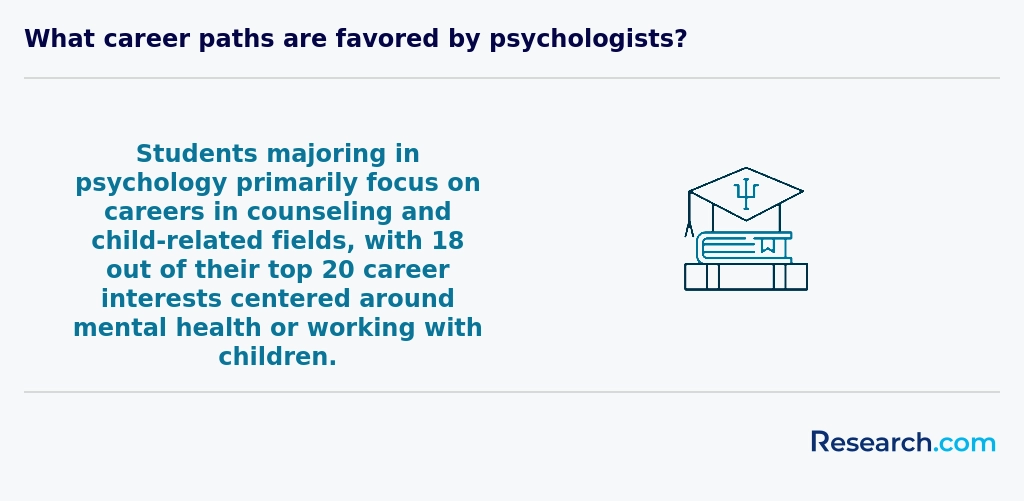
When selecting a psychology degree program in Michigan, it's essential to consider several key factors that can significantly influence your educational and professional trajectories. One crucial aspect is the affordability of the program, and exploring options such as affordable psychology schools in Michigan can provide valuable insights into potential cost-effective choices. Understanding the degree level that aligns with your career goals is also vital, as many graduates noted that while an associate degree can provide foundational knowledge, advanced roles in psychology often require a master’s or doctoral degree. A well-rounded curriculum that includes specializations can enhance your learning experience, and programs that offer research opportunities and internships are invaluable in providing real-world insights and making you more competitive in the job market.
Students pursuing psychology degrees in Michigan often rely on a mix of federal, state, and institutional financial aid to manage costs that can reach $30,000 annually. Federal Pell Grants, which don't require repayment, provide essential support-up to $7,395 for eligible Michigan students-helping reduce debt burdens notably. Many graduates from the University of Michigan recall how completing the FAFSA unlocked access to work-study programs, allowing them to earn income through relevant campus jobs, blending financial relief with practical experience.
State aid, such as the Michigan Competitive Scholarship, offers up to $1,000 annually, which, while modest, can ease expenses for disciplined students at institutions like Michigan State University. Some find additional relief through the Tuition Incentive Program aimed at community college attendees, often a practical choice for starting psychology studies affordably. Merit-based scholarships specific to psychology majors also play a critical role, with students at these universities valuing the recognition and financial help.
Professional associations contribute another layer of support. Recipients of Michigan Psychological Association awards describe feeling motivated and validated, as these scholarships reflect their commitment to the field. The layered aid system, while sometimes complex, ultimately enables many to pursue their psychology education in Michigan with greater financial confidence.
Accreditation ensures program quality and meets Michigan Board of Psychology standards. Before enrolling, verify:
- APA accreditation: Recognized by employers and licensure boards.
- State licensure steps:
- Graduate from an APA-accredited program
- Complete required supervised clinical hours (1,500+ total)
- Pass the Examination for Professional Practice in Psychology (EPPP)
- Submit application, official transcripts and exam results to the Michigan Board
If you prefer flexible formats, consider APA-accredited online masters in psychology programs to meet these criteria and streamline your path to licensure.
Enrolling in a psychology degree program in Michigan typically requires a high school diploma or equivalent, with institutions like the University of Michigan-Ann Arbor emphasizing strong academic records in core subjects such as English, math, and science. Graduates recall how mastering biology and algebra before college helped them understand neuropsychology and statistical analyses during their studies, enhancing their confidence and engagement.
Many students share that developing critical thinking and reading comprehension skills early made navigating complex psychological theories more manageable. For example, those attending Wayne State University found that having a solid foundation in these areas allowed them to participate actively in research projects, which is often encouraged in Michigan's psychology programs.
Graduate applicants face more rigorous prerequisites, including a bachelor's degree-usually in psychology-a competitive GPA, relevant experience, and recommendation letters. While GRE scores are sometimes required, the growing trend towards test-optional policies reflects diverse perspectives on measuring student potential beyond standardized tests.

Prospective psychology students often face challenges ranging from financial constraints to balancing rigorous coursework with personal commitments. In this section, we provide actionable insights to help you navigate these obstacles while maximizing your educational journey. Start by developing a clear academic plan that outlines your goals and timelines, ensuring you leave room for unexpected hurdles along the way. Establishing a strong support network-whether through academic advising, peer study groups, or mentorship-can turn challenges into growth opportunities. Additionally, actively seek out internships and volunteer experiences that not only build your resume but also offer real-world perspectives on the field of psychology. For those who may prefer flexibility while advancing their education, exploring options such as an online master of psychology can provide a balanced approach to learning and career development. Understanding that setbacks are part of the process allows you to build resilience, an essential trait for success in both academia and professional practice. Remember, every challenge encountered is a stepping stone toward a more informed and enriched career in psychology.
Psychology degree programs in Michigan typically include a mix of foundational and specialized courses that provide a broad yet practical understanding of the field. Graduates from universities like the University of Michigan and Michigan State University often recall starting with introductory classes such as Introduction to Psychology and Research Methods in Psychology, which lay the groundwork by explaining basic principles and scientific inquiry methods.
Core courses frequently cover areas like biological psychology, cognitive psychology, developmental psychology, abnormal psychology, and social psychology. For example, a student might find themselves examining how brain functions influence behavior in biological psychology, then later engaging in lively discussions about social influences in their social psychology class. These courses are designed not only to impart knowledge but to spark genuine enthusiasm and curiosity about human behavior.
Beyond theory, many Michigan programs emphasize applied skills through classes such as Statistics for Behavioral Sciences. Graduates often mention how these courses helped them feel confident analyzing real data, a crucial skill for research or professional work.
Electives also allow personalization, enabling students to dive into areas like forensic or health psychology, reflecting individual interests and career goals. These choices are seen as empowering by graduates, who appreciate tailoring their studies while attending in-state schools with strong reputations and accessible tuition options.
The range of psychology degree specializations in Michigan reflects both traditional and emerging professional interests. Clinical psychology remains a central focus, especially at renowned institutions like the University of Michigan and Wayne State University, where graduates often describe a rewarding mix of research and community involvement that prepares them for demanding mental health roles. However, counseling psychology is equally prominent, attracting students who appreciate its emphasis on therapeutic support in schools and healthcare settings. Many graduates find this path emotionally fulfilling as they help individuals navigate personal challenges.
Industrial-organizational psychology, growing in demand due to Michigan's industrial landscape, offers students practical applications in workplace behavior and human resources, as seen in programs at Michigan State University. Students often mention the satisfaction of linking theory with real-world organizational improvement. Additional specializations include developmental, neuropsychology, health, and forensic psychology, each offering unique perspectives. These varied options enable students to align their studies with specific career goals. For a flexible alternative, some pursue an online master of psychology to balance study with professional commitments, highlighting Michigan's diverse academic landscape for best psychology majors Michigan universities.
Choosing the best psychology degree program in Michigan requires careful consideration of factors beyond just reputation or location. Graduates from the University of Michigan often mention how the strong emphasis on research opportunities and faculty mentorship enriched their understanding and prepared them for clinical roles. Others attending Michigan State University highlight the value of accessible internships that connect classroom theory with real-world practice. However, not every program fits every student's goals; some prefer smaller class sizes and specialized tracks such as industrial-organizational psychology, which can be found at certain institutions. This variety means thinking critically about which program aligns best with your intended career path and personal learning style.
Cost is also a significant concern. Graduates from private universities in Michigan sometimes express pride in their program's prestige but acknowledge the financial strain it imposed compared to more affordable psychology schools in Michigan. Balancing budget with quality involves evaluating tuition and additional expenses realistically. For those seeking licensure, ensuring the program is recognized by the Michigan Board of Psychology is essential to avoid unnecessary hurdles later.
A number of students explore flexible options like 3 year psyd programs online to accommodate work or family commitments, blending rigorous study with personal responsibilities. The best psychology degree programs Michigan offers are ultimately those that meet your specific professional ambitions and provide the support you need to thrive.
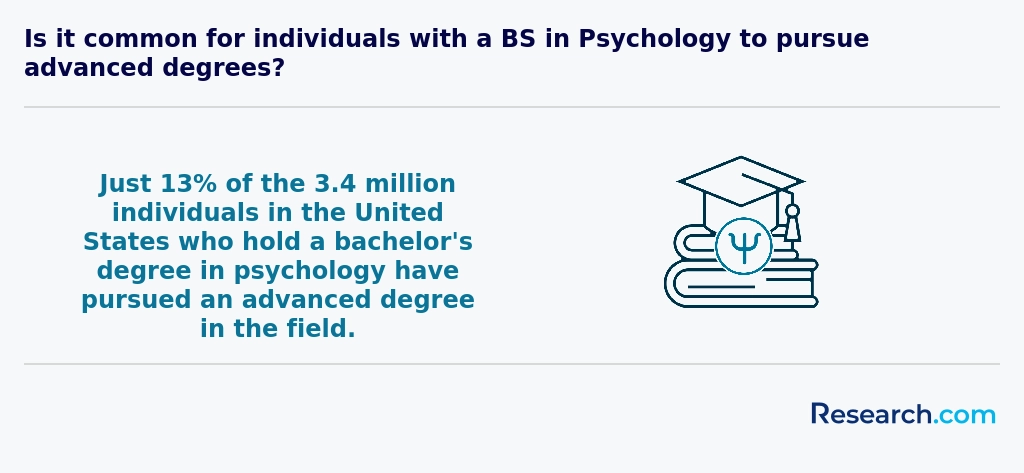
Psychology graduates in Michigan find a variety of career paths, reflecting the state's diverse economic landscape. Clinical psychology remains prominent, especially for those who pursue doctoral degrees and supervised clinical hours, with licensed psychologists earning well above average wages. Graduates from universities like the University of Michigan often share how rewarding it feels to support mental health in clinical or school settings, though licensure requirements can present a challenging but worthwhile hurdle.
Jobs for psychology graduates Michigan also include counseling roles in schools and rehabilitation centers. Many who earned their degrees at institutions such as Michigan State University appreciate the practical experience gained through internships, which helps them meet state certification standards. Industrial-organizational psychology is another strong option, particularly in Detroit's corporate sectors, where improving workplace dynamics is vital.
Others leverage their degree in social work, human services, or research, often working at Michigan's research universities or community organizations. For those mindful of education costs, resources like the Inexpensive Psychology Degree Programs Ranking in Baltimore, MD can be helpful to explore financial aid options and tuition alternatives.
The psychology job opportunities in Michigan offer a diverse landscape for graduates, shaped by growing urban centers like Detroit and Grand Rapids alongside rural areas where licensed professionals remain scarce. Graduates from well-regarded institutions such as the University of Michigan and Michigan State University often find that earning an advanced degree is crucial to accessing the most competitive roles. For example, many who complete their master's or doctoral studies secure positions as licensed professional counselors or clinical psychologists, roles in which they experience both professional fulfillment and steady demand.
While Michigan's median psychologist salary is slightly below the national average, graduates report that the more affordable cost of education locally-often around $14,000 per year for undergraduate tuition-helps balance financial concerns. In addition, those interested in expanding their credentials might explore options highlighted in what certificate makes the most money, which can enhance employability. The Michigan psychology degree employment outlook remains positive, especially as healthcare, education, and social services sectors continue to seek evidence-based practitioners.
2027 Most Valuable Psychology Degree Programs Ranking in Michigan
Investing in your education is a significant decision that can profoundly impact your future, and the Research.com team is committed to supporting informed choices. To assist prospective students in Michigan, we have carefully developed the "2027 Most Valuable Psychology Degree Programs Ranking in Michigan." Our dedication to quality, credibility, and accuracy is demonstrated through rigorous research and thorough analysis aimed at delivering trustworthy information.
We utilized the following reputable data sources to create this ranking:
By exploring this ranking, readers will receive valuable insights into the most valuable psychology degree programs in Michigan, empowering them to make well-informed educational decisions. For further information on how this ranking was created, please visit our Research.com methodology page.


# 15 position
Michigan School of Psychology
Master of Science in Psychology


Frequently Asked Questions About psychology
Psychology degree students in Michigan can maximize their learning by engaging in internships and research opportunities offered through many state universities. For example, the University of Michigan provides access to research labs focusing on mental health and behavior, valuable for hands-on experience. Joining professional organizations such as the Michigan Psychological Association can also expand networking and career prospects.
Students should prioritize courses combining theoretical knowledge and applied psychology, as Michigan's workforce increasingly demands practical skills. Utilizing campus resources like tutoring and counseling enhances academic success. According to the Bureau of Labor Statistics, Michigan's psychologist employment grew by 8% from 2020 to 2030, highlighting strong career potential within the state.
The field of psychology is expanding rapidly, with emerging niches offering new opportunities for students in Michigan. One growing area is neuropsychology, focusing on brain-behavior relationships, important due to Michigan's aging population and increasing demand for cognitive health experts. Another niche is forensic psychology, where professionals work with legal systems; Michigan's correctional facilities and law enforcement agencies show a rising need for these specialists.
Health psychology is also expanding, emphasizing the connection between mental and physical health, especially in Michigan's growing telehealth sector. Additionally, industrial-organizational psychology is gaining traction as businesses seek experts to enhance workplace productivity and employee well-being.
After completing a psychology degree in Michigan, preparing for the job market involves gaining practical experience and building relevant skills. Internships and practicum placements are critical, as many Michigan employers prefer candidates with applied experience. The state's psychology job market is diverse, including opportunities in healthcare, education, and social services.
Networking with Michigan-based professionals through organizations like the Michigan Psychological Association can provide valuable connections and job leads. Additionally, obtaining state licensure or certifications, especially for clinical psychologists, requires meeting education and supervised experience standards outlined by the Michigan Board of Psychology.
Continuing education is important; many employers in Michigan value candidates committed to lifelong learning. According to the U.S. Bureau of Labor Statistics, psychology-related positions in Michigan are projected to grow steadily, emphasizing the need for preparedness.
Employers in Michigan seeking psychology degree graduates prioritize a blend of technical and interpersonal skills. According to the Bureau of Labor Statistics, critical thinking and strong analytical abilities are essential for interpreting complex behavioral data. Graduates must also demonstrate effective communication skills, both written and verbal, to work successfully with diverse populations and multidisciplinary teams.
Practical experience through internships or research is highly valued, as it indicates readiness for real-world challenges. Familiarity with statistical software like SPSS or R is often requested, reflecting the region's emphasis on evidence-based practice. Additionally, adaptability and ethical decision-making remain vital skills in Michigan's evolving psychological services landscape.
Finding internships in Michigan relevant to a psychology degree requires a strategic approach. Start by exploring local universities such as the University of Michigan and Michigan State University, which often collaborate with hospitals, clinics, and community agencies. These institutions typically maintain internship listings specifically for psychology students.
State agencies like the Michigan Department of Health and Human Services offer internship programs that provide valuable experience in clinical and social psychology settings. Additionally, websites like Handshake and Indeed aggregate internship vacancies for psychology undergraduates across Michigan.
Networking is also crucial; joining the Michigan Psychological Association can connect you with professionals offering internship opportunities. According to the Bureau of Labor Statistics, internships significantly improve job placement chances in psychology fields within Michigan's competitive job market.
A psychology degree in Michigan significantly enhances career mobility and advancement opportunities. According to the U.S. Bureau of Labor Statistics, Michigan employs over 11,000 psychologists, with a strong demand projected to grow by 6% through 2030. This growth supports advancement into specialized roles, such as clinical, counseling, or industrial-organizational psychology.
Graduates with a bachelor's degree often start in assistant or support roles but can progress quickly by pursuing graduate degrees or licensure. Michigan's licensing board requires a doctoral degree and supervised hours for clinical psychologists, ensuring higher career potential for advanced degree holders.
Employers in healthcare, education, and corporate sectors value the skills gained through psychology studies, which supports transitions into leadership, research, or human resources positions.
Studying for a psychology degree in Michigan offers strong preparation for interdisciplinary roles by emphasizing collaboration across various fields such as healthcare, education, and social services. Michigan's universities often incorporate coursework in research methods, biology, and social sciences, enabling students to understand psychological concepts within broader contexts. According to the Michigan Department of Education, programs frequently include internships and projects that bridge psychology with public health and counseling.
Additionally, psychology programs in Michigan align with national standards, promoting skills in data analysis and critical thinking useful in allied disciplines. This training equips graduates for careers in fields like human resources, behavioral health, and community advocacy, reflecting the diverse job market in Michigan's growing economy.
Choosing between a thesis and a non-thesis psychology degree program in Michigan depends largely on your career goals and learning preferences. Thesis programs often appeal to students aiming for research-oriented careers or doctoral studies, as they require completing an original research project. In Michigan, universities like the University of Michigan offer thesis options emphasizing research skills, which can be crucial for graduate fellowship opportunities.
Non-thesis programs focus more on practical application and coursework, ideal for students targeting professional practice or immediate employment. According to Michigan's Department of Labor, psychology jobs requiring master's degrees often prioritize practical experience.
Consider also time commitment; thesis programs usually take longer due to research demands. Visiting campus advisors can provide program-specific insights based on your objectives.
Students based in Michigan interested in studying psychology abroad have several options through exchange programs and partnerships offered by Michigan universities. Institutions like the University of Michigan and Michigan State University participate in study abroad initiatives that allow psychology majors to take courses in countries such as the United Kingdom, Australia, and Germany.
These programs often include courses that count toward degree requirements and exposure to diverse psychological perspectives. According to the Institute of International Education, about 12% of Michigan students engaged in study abroad choose social sciences, including psychology.
Financial aid and scholarships are often available to help offset costs. Additionally, some students pursue internships abroad related to clinical or research psychology, further enriching their international experience.
Students pursuing psychology degrees in Michigan can enhance their education by seeking part-time jobs that provide relevant experience. Common opportunities include working as a research assistant at universities like the University of Michigan or Michigan State University, where students can apply research methods and data analysis skills. Another valuable role is mental health technician or aide positions in local hospitals or community health centers, offering direct exposure to clinical settings. Additionally, tutoring psychology courses or volunteering for counseling centers can strengthen communication and interpersonal skills. According to the Bureau of Labor Statistics, these roles align with growing psychology-related employment trends in Michigan.
Psychology students in Michigan benefit from a variety of networking opportunities that connect them with professionals, faculty, and peers. Many universities, such as the University of Michigan and Michigan State University, support active psychology clubs and honor societies like Psi Chi. These groups offer regular events, workshops, and conferences where students can meet experts in the field.
Students also have access to local chapters of national organizations, such as the Michigan Psychological Association, which hosts networking events and continuing education workshops tailored to students.
Moreover, internships and research positions at Michigan's numerous healthcare and research institutions provide valuable real-world connections, enhancing career prospects.
Alumni networks play a crucial role for psychology degree students in Michigan by offering valuable professional connections. Graduates can access mentoring opportunities, career advice, and internship openings through established alumni groups. According to the Michigan Psychological Association, such networks help bridge the gap between academic theory and practical work experience.
These connections are especially important in Michigan, where job markets in cities like Detroit and Ann Arbor are competitive. Alumni networks often provide exclusive access to job listings in local hospitals, clinics, and research institutions that focus on mental health.
Engaging with alumni can also support students in navigating state licensing requirements. This guidance improves employment outcomes for psychology graduates throughout Michigan.
Customizing a psychology degree program in Michigan offers flexibility to align education with specific career goals. Many universities across the state provide various tracks or concentrations such as clinical, counseling, industrial-organizational, or developmental psychology. For example, programs at the University of Michigan emphasize research opportunities, while Wayne State University offers applied psychology options suited to healthcare careers.
Students can also select electives, internships, and independent study projects to gain hands-on experience relevant to their interests. According to the American Psychological Association, accredited programs in Michigan support specialized training to prepare graduates for licensure or advanced study.
Utilizing academic advisors in Michigan institutions helps tailor course loads effectively to meet licensing requirements or career objectives.
Psychology students in Michigan often face several challenges unique to the state's academic and professional environment. One common difficulty is balancing rigorous coursework with practical experience. Many psychology programs require extensive internships or practicum hours, which can be hard to arrange due to limited local placement options, especially in rural areas.
Financial stress is another significant concern. According to the National Center for Education Statistics, the average annual tuition for public universities in Michigan was approximately $13,000 in 2023, which can strain students who also need to cover living expenses. Additionally, psychology students often confront high competition for graduate school placements both within and outside Michigan.
Mental health stigma can also impact students, creating challenges in accessing campus counseling and support services. Limited state funding for mental health initiatives sometimes reduces these resources. Awareness of these challenges helps prospective students make informed decisions about their education paths in Michigan.
With a psychology degree in Michigan, graduates can pursue several professional certifications to enhance their careers. One of the most recognized is the Licensed Professional Counselor (LPC) credential, required for many counseling roles. To become an LPC in Michigan, individuals must complete a master's degree, accumulate supervised clinical hours, and pass a state exam as per the Michigan Board of Counseling.
Another sought-after certification is the National Certified Counselor (NCC), which demonstrates national-level proficiency and requires passing the National Counselor Examination. Psychologists often seek Licensure as a Psychologist (LP) through the Michigan Board of Psychology, requiring a doctoral degree, supervised experience, and successful examination.
Additionally, certification in applied behavior analysis (BCBA) is growing, especially for those interested in behavioral therapy, with Michigan seeing a rise in BCBA-certified professionals according to the Behavior Analyst Certification Board's 2023 report.
Applying for a psychology program in Michigan requires careful preparation to stand out. Start by researching programs that align with your career goals, as Michigan offers diverse options from the University of Michigan to smaller state colleges. A strong application includes a well-written personal statement that highlights your passion for psychology and relevant experiences.
Admissions committees often seek evidence of academic excellence; maintaining a GPA above 3.0 can improve your chances in competitive programs. Include any research, internships, or volunteer work related to psychology to demonstrate commitment.
Standardized tests like the GRE may still be required by some programs, so prepare accordingly. According to the Michigan Psychological Association, showcasing clear career objectives and understanding local mental health needs can also strengthen your application.
Psychology careers in Michigan reflect broader global trends, emphasizing diversity in practice areas and advanced research opportunities. Globally, psychology is valued for addressing mental health, organizational efficiency, and education, which aligns well with Michigan's strong university programs and healthcare systems. According to the Bureau of Labor Statistics, Michigan employs roughly 4,500 psychologists, with a projected growth rate of 5% through 2031, similar to national trends. The state's programs often prepare students for international certification exams, enhancing career mobility. Understanding cultural and societal differences is vital, as global perspectives influence treatment approaches and research priorities in psychology.
Gaining practical experience while studying psychology in Michigan is essential for career readiness. Many universities encourage internships at local hospitals, counseling centers, or community agencies. These placements allow students to apply classroom knowledge in real-world settings. According to the American Psychological Association, supervised internships can enhance skills and improve employment prospects.
Additionally, Michigan offers several research assistant opportunities through its universities. Engaging in faculty-led research projects helps students develop critical analytical skills. The Michigan Campus Compact reports that nearly 70% of students participate in community-based learning experiences, which is significant for psychology majors.
Volunteering for mental health organizations in Michigan also provides valuable exposure and networking options.
Choosing the right concentration within a psychology degree program in Michigan involves assessing your career goals and interests. Popular options include clinical, counseling, industrial-organizational, and developmental psychology. According to the Michigan Psychological Association, clinical psychology remains in high demand due to a statewide shortage of licensed practitioners.
Consider your preferred work environment: hospitals, schools, businesses, or research settings. Michigan State University and the University of Michigan offer varied tracks aligning with these interests. Reviewing course requirements and faculty expertise at each school can clarify your fit.
Additionally, consult labor market data from the U.S. Bureau of Labor Statistics, which projects a 10% growth for psychologists across Michigan through 2030, especially in mental health fields.
- 2027 Most Valuable Psychology Degree Programs Ranking in Ohio
- 2027 Most Valuable Psychology Degree Programs Ranking in Illinois
- 2027 Most Valuable Psychology Degree Programs Ranking in Pennsylvania
- 2027 Most Valuable Psychology Degree Programs Ranking in Kentucky
- 2027 Most Valuable Psychology Degree Programs Ranking in Missouri
- 2027 Most Valuable Psychology Degree Programs Ranking in New York
- 2027 Most Valuable Psychology Degree Programs Ranking in Maryland
- 2027 Most Valuable Psychology Degree Programs Ranking in New Jersey
- 2027 Most Valuable Psychology Degree Programs Ranking in Massachusetts
- 2027 Most Valuable Psychology Degree Programs Ranking in Mississippi
See What Experts Have To Say About Studying Psychology
Read our interview with Psychology experts

Joann Farrell Quinn, Ph.D., MBA
Psychology Expert
Director at the College of Medicine Department of Medical Education
Morsani College of Medicine

Robin M. Kowalski. Ph.D.
Psychology Expert
Professor of Psychology
Clemson University

Elizabeth L. Jeglic Ph.D.
Psychology Expert
Professor of Psychology
City University of New York

- Community Psychology in Global Perspective http://siba-ese.unisalento.it/index.php/cpgp
- Study Psychology Abroad | Go Overseas https://www.gooverseas.com/study-abroad/psychology
- CLINICAL PSYCHOLOGY (THESIS / NON-THESIS) - Lisansüstü Eğitim Enstitüsü https://lee.nisantasi.edu.tr/en/clinical-psychology-thesis-non-thesis/
- Why Get a Psychology Degree Online? | University of Bridgeport https://www.bridgeport.edu/news/reasons-to-get-your-psychology-degree-online/
- Master of Arts in Psychology [non-thesis] https://su.edu.ph/academic-offering/master-of-arts-in-psychology-non-thesis/
- Financial Aid - The Michigan School of Psychology (MSP) https://msp.edu/student-services/financial-aid/
- Financial Aid for Psychology Students https://www.onlinepsychologydegrees.com/financial-aid/
- Sample letters in psychology https://www.mystudies.com/en-in/human-and-social-sciences/psychology/letter-model/
- What Do Psychologists Earn? Highest Paying Psychology Jobs | Walbrook https://www.walbrook.ac.uk/subjects/psychology/psychologist-salaries-highest-paying-jobs/
- Best Types Of Online Psychology Degrees 2025 https://www.psychology.org/degrees/


