
2027 Most Affordable Psychology Degree Programs Ranking in Columbia

Co-Founder and Chief Data Scientist
Choosing the right psychology degree program in Columbia can feel overwhelming. To help you navigate this important decision, the Research.com team of data scientists has created the 2027 Most Affordable Psychology Degree Programs Ranking in Columbia. This ranking highlights programs that combine quality education with affordability, making your investment worthwhile.
By exploring this article, you'll gain valuable insights that can guide you toward a fulfilling career in psychology. Earning a degree opens doors to meaningful opportunities and personal growth, setting a strong foundation for your future.
Key benefits of getting psychology degree in Columbia
- Psychology degree graduates in Columbia can earn competitive salaries, with roles like Human Resources Specialist averaging $76,060 annually and Marketing Research Analysts making around $83,190 per year, highlighting strong financial benefits.
- Graduates often explore diverse career paths such as clinical research, marketing analysis, or childcare, offering rewarding opportunities to make a positive impact on people's lives.
- Completing a psychology degree online provides flexible learning schedules and access to quality education from top universities in Columbia, making it easier to balance studies with personal and work commitments.
- 2027 Most Affordable Psychology Degree Programs Ranking in Columbia
- What can I expect from psychology degree in Columbia?
- Where can I work with psychology degree in Columbia?
What can I expect from psychology degree in Columbia?
Paying for a psychology degree in Columbia, South Carolina, typically means budgeting between $10,000 and $30,000 annually for in-state tuition and fees. This range reflects the diversity of options from public institutions like the University of South Carolina to smaller colleges where costs can vary. Graduates often recall balancing these expenses with part-time roles or campus internships that provide both financial relief and invaluable hands-on experience.
Many who have navigated these programs emphasize that beyond the price tag, the investment includes access to rigorous coursework and meaningful research opportunities. Imagine attending lectures where professors actively involve students in projects on clinical psychology or neuroscience, as happens at Columbia's flagship universities, making every dollar feel worth it.
These degrees not only confer academic knowledge but act as gateways to careers in healthcare or education, making the cost a stepping stone toward fulfilling and impactful work. The blend of practical training with research mentorship often leaves graduates feeling empowered, reaffirming that the financial commitment was meaningful and purposeful.
Where can I work with psychology degree in Columbia?
Graduates with a psychology degree in Columbia often discover a mosaic of careers waiting beyond the academic walls of the University of Missouri or Stephens College. Imagine working alongside dedicated mental health professionals at Boone Hospital Center, where your clinical insights directly support patients striving for emotional wellness. These roles aren't confined to therapy rooms; many graduates find themselves shaping local schools as counselors or behavioral specialists, guiding students through challenges that mirror their own collegiate growth.
Others embrace the dynamic pulse of research funded in the city's academic hubs, contributing to studies that influence public health policies and community programs. Working for the Missouri Department of Mental Health, graduates report a profound sense of purpose, developing prevention initiatives that impact families across the state. The variety of settings-from hospitals and schools to government agencies-reflects Columbia's commitment to mental health, encouraging graduates to envision careers rich in impact and continuous learning.
Graduates from psychology programs at institutions like the University of South Carolina in Columbia often find themselves navigating a diverse salary landscape that defies simple expectations. Entry-level roles such as childcare workers may begin around $32,070 annually, reflecting early-career practical experience rather than advanced credentialing. Yet many psychology grads quickly move into roles like clinical research associates or survey researchers, where salaries average about $62,370 per year, offering a tangible boost as skills deepen.
More specialized positions such as marketing research analysts and human resources specialists show even stronger earning potential, with mean annual wages near $83,190 and $76,060 respectively. These figures suggest psychology graduates who leverage their understanding of human behavior in dynamic industries can enjoy rewarding financial returns. Consider a graduate from a Columbia college who interned in both market analysis and HR departments-this dual exposure often translates into a competitive edge and higher starting salary.
In Columbia, the lower cost of living only amplifies these earnings, turning what might feel like modest salaries elsewhere into genuine opportunities for financial independence. This reality challenges the notion that psychology degrees are limited to traditional clinical roles and highlights the wide-ranging career pathways open to motivated graduates.
- Annual tuition for a psychology bachelor's degree in Columbia ranges from $7,000 to $12,000 at public universities and can exceed $25,000 at private institutions.
- Financial aid options include scholarships, grants, federal aid like FAFSA, and university awards for psychology majors.
- Starting salaries for entry-level psychology jobs range between $35,000 and $45,000 per year, varying by sector.
- Mid-career psychology professionals typically earn between $60,000 and $75,000 annually, with higher degrees boosting salary potential.
- Psychology job growth in Columbia is projected at around 8% over the next decade, aligned with national employment trends.
Completing a psychology degree in Columbia typically means committing about four years for a bachelor's, a timeline that many students find manageable when enrolled full-time at popular institutions like the University of Missouri or Columbia College. Graduates often share how this structure allowed them to balance coursework with part-time work, creating a rewarding yet steady pace toward their goals.
But the journey doesn't end there. Pursuing a master's degree usually adds around two years, with many students embracing specialized fields such as clinical or counseling psychology at local universities. These programs often include internships, giving a real-world dimension that makes the extended time worthwhile and emotionally fulfilling.
For those aiming higher, doctoral degrees require a deeper dedication - often five to seven years beyond undergraduate study. Graduates recollect the intense but enriching process of research and clinical hours, which shapes them into professionals ready to meet Columbia's licensing demands. This extended commitment, while challenging, often brings strong personal growth and pride.
Ultimately, the length depends on study intensity, program choice, and personal circumstances, with accelerated options offering an alternative yet demanding path. The key is aligning time investment with your unique aspirations in Columbia's psychology field.
Choosing an affordable psychology degree is only half the battle; accreditation ensures your investment leads to licensure and respected credentials. To confirm program quality:
- Verify regional accreditation (e.g., Higher Learning Commission)
- Check APA accreditation for clinical or counseling tracks when relevant
- Review published licensure exam pass rates and employment outcomes
- Assess faculty qualifications, research opportunities, and student-to-faculty ratios
- Explore flexible, accredited pathways like online counseling degrees if you need remote options
Choosing between online and on-campus psychology degrees in Columbia reveals striking contrasts beyond just location. Graduates from the University of Missouri recall the energizing buzz of campus life-late-night study sessions, impromptu group discussions, and hands-on labs that deepen understanding in ways a screen rarely can replicate. This direct interaction nurtures connections essential for clinical psychology careers, where mentorship and real-time feedback become lifelines.
Meanwhile, alumni of online programs appreciate the freedom to study on their own terms, juggling jobs or family responsibilities without sacrificing progress. They describe logging in after work or on weekends, feeling empowered by the autonomy and the ability to immediately apply psychological concepts to daily challenges.
Cost-wise, whether online or on-campus in Columbia, tuition remains steady around $11,720 annually for public universities, dispelling myths that online automatically means cheaper. What truly differs is the lifestyle each format supports-one invites immersive, social engagement; the other offers adaptability that life's unpredictability demands.
When evaluating the value of a psychology degree in Columbia, MO, it’s essential to compare the average tuition investment against potential career earnings to determine your return on investment (ROI). On average, in-state students pay roughly $7,070 per year, while out-of-state attendees face tuition around $32,954 annually. Considering graduates often start with roles like Human Resources Specialists at $73,080 per year or Clinical Research Associates at $57,760, most in-state students recoup their tuition within two to three years of full-time employment. Even out-of-state students can achieve a break-even point in under five years, especially if they leverage institutional scholarships or work-study opportunities to lower upfront costs. To maximize ROI, prospective students should also explore flexible and cost-effective online options. For instance, programs featured in the Affordable Online Psychology Degree Programs Ranking in Pennsylvania often provide comparable rigor at reduced rates, helping learners balance work, life, and study without sacrificing accreditation or career support. By selecting a program with strong post-graduation placement services and affordable tuition, you can accelerate your path to stability and long-term financial growth. Beyond tuition and salary figures, factor in indirect benefits like networking opportunities, mentorship, and in-house career counseling-elements that contribute to early promotions and salary increases. When these qualitative assets are combined with competitive starting wages, a psychology degree in Columbia, MO, represents not just an educational expense but a strategic investment toward a rewarding professional future.
The average cost of a psychology degree in Columbia surprises many who expect straightforward figures. Based on recent data, the median total cost hovers around $50,706 for out-of-state students, while in-state students experience a significantly lower median at about $14,837. This vast difference highlights the importance of residency status in the total expenses for psychology degree programs Columbia, especially for those weighing options between public and private universities.
Graduates from well-known Columbia institutions often recall balancing their tuition fees with living costs and additional expenses, such as books and internship-related travel. For example, a graduate from a public university often expresses relief over in-state tuition rates that made pursuing their degree feasible without excessive debt. Meanwhile, others who attended private colleges faced higher fees but benefited from targeted scholarships and assistantships that made the investment feel worthwhile.
Understanding these figures is vital when deciding where and how to pursue psychology studies. Some students searching for the cheapest psychology school in missouri find that early planning and financial aid exploration dramatically ease the burden, turning a potentially daunting cost into an accessible opportunity for growth and success.

Consider accredited online master’s programs that provide advanced training and flexibility:
- CACREP accreditation ensures industry-recognized standards for licensure.
- Online format allows Columbia students to study alongside work or family commitments.
- Curricula cover core counseling skills, ethics, and practicum experiences.
- Many programs offer competitive tuition rates and financial aid opportunities.
To explore specific affordable options, check out cacrep accredited online masters counseling programs.
Many psychology students in Columbia quickly realize that federal financial aid forms the backbone of funding their education. Completing the FAFSA is an essential step, unlocking access to federal Pell Grants that can award up to $7,395 annually. Graduates from institutions like the University of Missouri or Stephens College often recall how these grants significantly reduced their tuition burden, making their academic dreams feel attainable rather than distant.
Beyond federal support, universities in Columbia actively offer institutional scholarships tailored to psychology majors. These scholarships, often merit- or need-based, reward dedication and even promote diversity, reflecting the inclusive mission encountered by many at places such as Columbia College.
For students passionate about mental health service, state grants and loan forgiveness programs provide a powerful incentive. Those who commit to working in underserved communities after graduation find meaningful financial relief and a sense of purpose, enhancing their motivation throughout challenging coursework.
Furthermore, graduate students frequently benefit from research and teaching assistantships, which not only alleviate financial pressures but also build invaluable professional skills. Many remember the pride in supporting professors while earning stipends and tuition remission.
Private scholarships from organizations like the American Psychological Association add yet another layer of financial possibility, encouraging students to aim higher. Paired with employer tuition reimbursement programs, these resources create a mosaic of support that empowers psychology students across Columbia to pursue their goals with confidence and optimism.
Embarking on a psychology degree in Columbia, MO is not just about selecting an affordable program-it’s also about shaping your success both in the classroom and beyond. Students can benefit from a series of strategies that bolster academic performance, professional development, and personal growth. To excel in your program, it’s crucial to establish strong study habits, take advantage of tutoring and mentorship opportunities, and actively participate in campus organizations and research projects. Engaging with faculty during office hours, joining psychology clubs, and attending career workshops are excellent ways to build a professional network early on. Additionally, many institutions offer guidance on securing internships and co-op placements that provide real-world experience, strengthening both your resume and career prospects. It’s also beneficial to explore further educational opportunities, such as specialized online programs like the fastest online masters in applied behavior analysis, which can help you diversify your skills and advance your expertise in the field. By implementing these expert strategies, students can navigate the challenges of their academic journey while positioning themselves for long-term success in the diverse realm of psychology.
To embark on a psychology degree in Columbia, students must first meet foundational requirements that surprisingly go beyond mere transcripts. Graduates from popular universities often recall how a strong high school record in biology and statistics opened doors, enabling them to grasp complex psychological concepts more naturally. In Columbia, this solid academic groundwork is expected to ensure readiness for the analytical and research-heavy nature of the coursework.
Admissions also hinge on standardized test scores like the SAT or ACT, though many Columbia colleges now favor test-optional policies, recognizing varied student strengths. Personal essays become a critical moment for candidates to reveal genuine passion for psychology, a catalyst that former students say helped them stand out and connect their ambitions to real-world impact.
For those aiming at graduate programs, a bachelor's degree with relevant psychology coursework and often internships or research experience is key. Graduates frequently emphasize how these experiences at Columbia universities fostered their confidence and sharpened essential skills like empathy and critical thinking, qualities vital for success in psychology's demanding landscape.
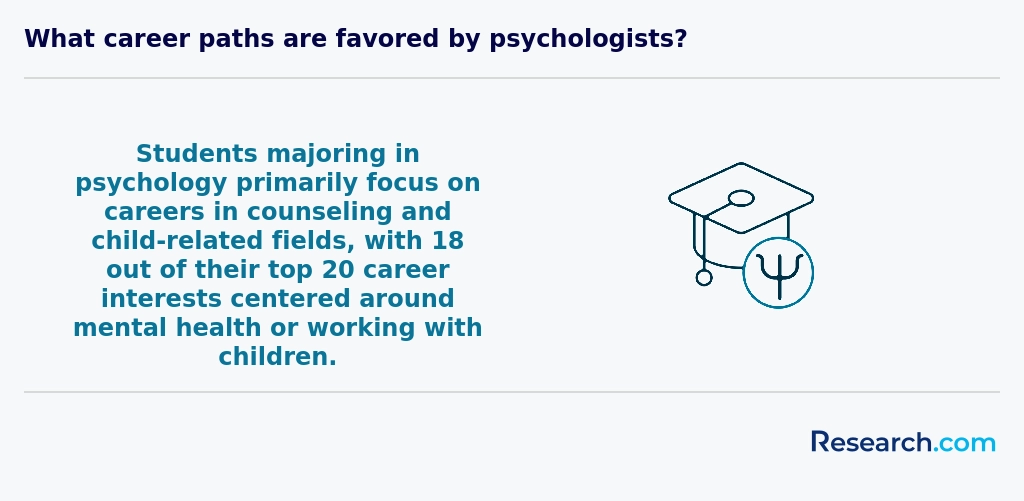
To make the most of your educational investment, it's essential to consider several factors when choosing a psychology program in Columbia, MO. One crucial aspect is the cost of the program, and for those looking for affordable options, exploring the cheapest psychology school in missouri can be a great starting point. Beyond cost, accreditation, curriculum, and faculty expertise are also vital considerations. Prospective students should review the program's accreditation status, ensuring it meets the standards of reputable accrediting agencies. The curriculum should provide a comprehensive foundation in psychology, including core courses such as introductory psychology, research methods, and statistics. Additionally, the expertise and research interests of the faculty can significantly enhance the learning experience, offering students the opportunity to engage in meaningful research projects and mentorship. By carefully evaluating these factors, students can make an informed decision that aligns with their academic, career, and financial goals, ultimately leading to a fulfilling and successful educational journey in the field of psychology.
Psychology degrees in Columbia typically immerse students in a core set of courses that extend far beyond textbook theory, fostering deep insight into human behavior. At institutions like the University of Missouri, undergraduates recall that foundational classes such as Introduction to Psychology don't just introduce terms-they spark curiosity by relating concepts to everyday life, such as understanding decision-making in social settings or recognizing stress responses.
Research Methods and Statistics courses challenge students to think critically, often transforming their perspective on data through hands-on lab work and community research projects right in Columbia. Graduates describe these experiences as empowering, turning abstract numbers into stories about real people's mental health.
Specialized subjects like Biological Psychology and Social Psychology invite learners to explore complex brain-behavior links or the subtle power of social influence, making classroom discussions feel immediately relevant to local community dynamics. Cognitive and Developmental Psychology further enrich understanding by framing mental processes and growth as continuous journeys everyone experiences.
Psychology degree specializations in Columbia offer an intriguing spectrum that extends far beyond the classroom, inviting students to immerse themselves in real-world challenges. Graduates from well-regarded universities in Columbia often reflect on how clinical psychology enabled them to handle complex mental health cases, while others found developmental psychology profoundly connected to their volunteer experiences with diverse age groups across the city. These specializations aren't just academic tracks; they are personal journeys shaping empathy, critical thinking, and practical skills.
Columbia psychology program concentration options frequently include cognitive and social psychology, where students explore how memory functions or how social dynamics influence behavior, often applying this knowledge in campus research labs or community projects. Industrial-organizational psychology also appeals strongly to those intrigued by workplace dynamics, with students reporting rewarding internships that impact employee wellbeing directly.
Some students, inspired by justice, delve into forensic psychology, engaging with mock trials and legal clinics offered on campus. Others are drawn to health psychology, connecting mind and body through community health initiatives. For those aiming to expedite their careers, pursuing the fastest online masters in applied behavior analysis is a strategic option many Columbia students consider to specialize efficiently in behavior-focused roles.
Choosing the best psychology degree in Columbia means looking beyond headlines and rankings. Graduates from popular universities often recall how the depth of the curriculum-covering cognitive, clinical, and social psychology-shaped their confidence and practical skills in real-world settings. They stress that understanding faculty expertise and research opportunities is just as crucial as tuition costs. For instance, some found the APA-accredited graduate programs invaluable for advancing clinical licensure, which adds credibility and opens doors.
Many students in Columbia wrestle with balancing education and personal commitments, so flexibility in program delivery-such as part-time or online options-is a lifeline. Reflect on whether you need full immersion or sustainable pacing. And when costs loom large, exploring affordable psychology degree programs in Columbia is essential; several local institutions offer competitive tuition with scholarship possibilities that graduates have praised for easing financial pressure.
Finally, consider those subtle yet vital experiences like career counseling and internship placements, which past students say made the difference between feeling lost and feeling ready. To explore practical options, review the Affordable Online Psychology Degree Programs Ranking in Pennsylvania as a resource for cost-effective choices.

Graduates with a psychology degree in Columbia often discover career paths that stretch well beyond traditional roles, challenging the notion that such degrees lead to limited options. Many find themselves working hands-on as licensed counselors or therapists, drawing deep satisfaction from directly improving lives. Others pursue opportunities in education, especially in school psychology and consulting, where their work fosters resilience in students facing mental health or learning challenges-highlighting growing demand in Columbia's academic institutions.
Moreover, jobs with psychology degree Columbia extend into dynamic business environments. Graduates apply their understanding of human behavior in human resources or organizational development, making workplaces more inclusive and efficient. Graduates from popular universities in Columbia often share stories of successfully transforming corporate cultures through research-driven strategies. For those drawn to inquiry, research roles at local universities and agencies provide chances to shape policies and innovate mental health interventions.
Students aiming to accelerate their journey can explore best accelerated degree programs in Columbia, balancing cost-effectiveness with career readiness. These paths underscore the versatility of psychology careers in Columbia, inviting deeper reflection on how this degree can open doors to diverse, impactful futures.
The psychology job opportunities in Columbia reveal a landscape shaped by steady growth in healthcare and education sectors. Graduates from popular universities in Columbia often share stories of starting as behavioral health technicians before advancing to roles like clinical psychologists or school counselors, illustrating how local demand fosters career development. Despite tuition costs ranging from $8,000 to $12,000 annually at public institutions, many find the investment worthwhile when considering Missouri's median psychologist salary near $79,000.
Yet, navigating Columbia psychology career outlook means acknowledging the competitive edge gained through certifications or graduate degrees. Many recent graduates from area colleges emphasize how early experience in social services or research coordination builds essential skills while waiting for advanced qualifications. For those considering further education, exploring the easiest masters degree options can lighten the financial and time burden.
In Columbia, the job market challenges the perception that a psychology degree guarantees instant high pay, yet opens doors to meaningful roles where impact feels tangible. The growing need for mental health services here translates into real opportunity for persistent and flexible graduates.
2027 Most Affordable Psychology Degree Programs Ranking in Columbia
Investing in your education is a significant decision that can shape your future, and the Research.com team understands the importance of making informed choices. To assist prospective students in Columbia, we have meticulously crafted the "2027 Most Affordable Psychology Degree Programs Ranking in Columbia." Our commitment to quality, credibility, and accuracy is reflected in the extensive research and analysis conducted to compile this ranking.
We utilized the following reputable data sources to ensure a comprehensive evaluation of psychology programs:
By exploring this ranking, readers will gain valuable insights into the most affordable psychology degree programs available in Columbia, enabling them to make informed decisions about their educational paths. For more details on our methodology, please visit our Research.com methodology page.

Frequently Asked Questions About psychology
Psychology degree students in Columbia can maximize their learning experience by actively engaging in diverse educational opportunities available within the US higher education system. Participating in internships or research projects helps students apply theoretical knowledge practically and improves employment prospects. According to the American Psychological Association, students involved in hands-on research are 40% more likely to secure relevant jobs after graduation.
Using campus resources like counseling centers, study groups, and faculty office hours enhances understanding of core concepts. Additionally, joining psychology clubs or organizations connects students with peers and professionals, fostering networking and mentorship. Pursuing certifications in specialized fields such as clinical or industrial-organizational psychology further strengthens expertise and marketability.
Emerging niches in psychology reflect evolving societal needs and scientific advances. In Columbia and across the US, clinical neuropsychology is growing rapidly, focusing on brain-behavior relationships. According to the American Psychological Association, demand for neuropsychologists is expected to increase by 19% through 2030. Another fast-developing area is health psychology, where professionals study how behavior impacts physical health and illness management.
Additionally, forensic psychology is gaining prominence due to increasing use of psychological expertise in legal settings. Industrial-organizational psychology also continues to expand, with a focus on workplace behavior and employee well-being. These specialized fields offer diverse career paths for psychology graduates in Columbia.
Preparing for the job market after earning a psychology degree in Columbia involves strategic steps. Graduates should pursue internships and volunteer positions in mental health clinics, schools, or social service agencies, which provide practical experience and networking opportunities. According to the American Psychological Association, hands-on experience boosts employability by 30% or more.
Additionally, obtaining certifications such as Certified Alcohol and Drug Counselor (CADC) can enhance credentials. Many employers in Columbia seek candidates with strong research, communication, and data analysis skills.
Building a professional network through local psychology associations like the South Carolina Psychological Association is also valuable for job leads and mentorship.
Employers in Columbia seeking psychology degree graduates prioritize strong communication skills. The ability to clearly convey complex psychological concepts to diverse audiences-from clients to team members-is essential. Critical thinking and analytical skills also rank highly, enabling graduates to interpret data and apply research findings effectively in real-world settings.
Moreover, proficiency in ethical decision-making is crucial due to the sensitive nature of psychological work. According to the American Psychological Association, employers value graduates who demonstrate cultural competence and adaptability, given Columbia's diverse population. Finally, practical experience in conducting assessments and interventions improves employability significantly.
Finding internships in Columbia related to a psychology degree involves several effective strategies. Start by exploring resources available at your college's career center, which often partner with local mental health clinics, hospitals, and nonprofits. These organizations commonly offer internships that provide hands-on experience.
The American Psychological Association highlights that practical training is essential for psychology students, and many universities in Columbia require internships for degree completion. Additionally, using online platforms such as Handshake, which connect students to internships in the region, can be valuable.
Networking with faculty members and attending psychology-related events in Columbia can also open doors to internship opportunities. Local hospitals like Prisma Health offer internships and practicum placements for psychology students. Overall, engaging with academic and professional communities in Columbia increases chances of finding relevant internships.
Obtaining a psychology degree in Columbia can significantly enhance career mobility and advancement opportunities. According to the U.S. Bureau of Labor Statistics (2023), professionals with a psychology background experience a faster job growth rate-about 8% nationally-compared to the average for all occupations.
Many psychology graduates in Columbia find employment in counseling, social services, education, and healthcare, where advanced degrees often lead to higher salaries and leadership roles. For example, a master's or doctoral degree broadens eligibility for specialized roles such as clinical psychologist or school psychologist.
Employers in Columbia value the analytical and interpersonal skills developed through psychology studies, which can facilitate transitions into management or human resources positions. Additionally, the state's expanding healthcare and social assistance sectors increase demand for qualified psychology professionals.
Studying for a psychology degree in Columbia equips students with skills applicable across various fields, emphasizing an interdisciplinary approach. Columbia's programs integrate coursework in biology, sociology, and neuroscience, preparing students to understand complex human behavior from multiple perspectives. This broad foundation enables graduates to collaborate effectively in healthcare, education, marketing, and social services.
According to the American Psychological Association, nearly 30% of psychology graduates pursue careers requiring interdisciplinary knowledge. Columbia's universities emphasize research methods and data analysis, making graduates valuable in roles that demand both psychological insight and technical expertise.
When choosing between a thesis and a non-thesis psychology degree program in Columbia, consider your career goals and time commitment. Thesis programs typically require original research and a written dissertation, preparing students for doctoral studies or research positions. Non-thesis options often focus on coursework and practical skills, appealing to those seeking employment in clinical, counseling, or applied psychology fields.
According to the American Psychological Association, about 40% of psychology graduate students pursue thesis tracks, which can extend program length by 6 to 12 months. Non-thesis programs usually allow faster completion. Financial aid opportunities may also differ, often favoring thesis students involved in funded research projects.
Students based in Columbia interested in studying psychology abroad have several options primarily within the United States. Many universities offer psychology programs with a variety of specializations, including clinical, cognitive, and developmental psychology. Columbia residents often consider public institutions such as the University of South Carolina or Clemson University, known for affordable tuition and strong psychology departments.
Additionally, students can explore exchange programs and partnerships between Columbia colleges and international institutions, which can provide valuable global perspectives without full relocation. The American Psychological Association reports that psychology is among the top majors in demand, with an expected 8% job growth through 2030, emphasizing the value of accredited programs.
Financial aid and scholarship opportunities are also available for Columbia students pursuing psychology degrees in the US, helping to manage costs effectively.
In Columbia, part-time job opportunities that complement psychology degree studies are diverse and practical. Many students find roles as behavioral health technicians or psychiatric aides in local hospitals and mental health clinics. These positions provide hands-on experience with patient care, crucial for building clinical skills.
Campus counseling centers and nonprofit organizations also offer internships or part-time roles where students assist with outreach programs, data collection, and case management. These experiences sharpen research and communication skills important for the field.
According to the U.S. Bureau of Labor Statistics, psychology-related support roles in the Columbia region are projected to grow by 8% over the next decade, indicating rising demand for these jobs.
Psychology students in Columbia benefit from various networking opportunities that can enhance their academic and professional growth. Universities in the region often host psychology clubs and student organizations, which allow members to connect with peers and faculty through events and workshops. The Columbia Psychological Association is a valuable resource, offering conferences and seminars that bring together students, professionals, and researchers.
Internships and practicum placements at local hospitals, schools, and counseling centers also provide real-world experience and networking chances. According to the American Psychological Association, involvement in such activities increases job placement rates by up to 30% for psychology graduates nationwide, including Columbia.
Alumni networks play a significant role for psychology degree students in Columbia by offering valuable support and connections. These networks provide access to job opportunities, internships, and mentorship from experienced graduates in the field. According to data from the National Association of Colleges and Employers, students with active alumni contacts are 30% more likely to secure relevant employment after graduation.
In Columbia, where the psychology job market is competitive, alumni may also assist students through guidance on licensure requirements and continuing education. Universities often organize alumni events, encouraging professional networking and knowledge sharing, which strengthens career prospects.
Overall, active engagement with alumni networks enhances students' educational experience and future career success in psychology.
In Columbia, customizing a psychology degree program involves selecting courses and experiences aligned with your career goals. Many accredited universities offer concentrations such as clinical, counseling, industrial-organizational, or developmental psychology. Choosing these specializations tailors your education to specific fields within psychology.
You can also pursue internships and research opportunities within local mental health facilities or businesses to gain practical experience. According to the American Psychological Association, internships significantly improve employment prospects after graduation.
Some programs allow elective courses in related disciplines like sociology or neuroscience, broadening your expertise. Consult academic advisors to create a personalized plan that meets licensure or certification requirements in Columbia or beyond.
Psychology students in Columbia often face the challenge of balancing rigorous coursework with practical experience requirements. Programs typically demand both theoretical knowledge and hands-on internships, which can strain time and financial resources. According to the American Psychological Association, students may also struggle with the high costs of textbooks and lab materials needed for specialized courses.
Additionally, many students report difficulty in managing the extensive research projects required for graduation. These projects require strong analytical and writing skills, which can be challenging for new learners. Mental health concerns are also prevalent, as the intense study environment and sensitive nature of psychology topics can increase stress levels among students.
Limited access to affordable practicum placements in Columbia's competitive job market further complicates completion timelines. Financial aid options exist but often do not fully cover living expenses, presenting another barrier. Awareness of these challenges can help prospective students prepare better for their educational journey.
With a psychology degree in Columbia, students can pursue various professional certifications to enhance career prospects. Common certifications include becoming a Licensed Professional Counselor (LPC) or Licensed Clinical Social Worker (LCSW), both highly regarded in mental health fields. These certifications require graduate degrees in psychology or related fields, supervised clinical hours, and passing state exams.
Additionally, certifications such as Certified Alcohol and Drug Counselor (CADC) and Certified School Psychologist are available and recognized nationally. According to the Columbia Board of Psychology, demand for licensed psychologists is expected to grow by 14% through 2030. Pursuing certification increases employability in schools, private practice, or healthcare settings.
Professional credentials often require continuing education to maintain licensure and keep skills current. This is essential in a field as dynamic as psychology.
Applying for a psychology program in Columbia requires a clear and focused application. Start by researching accredited institutions recognized by the Council for Higher Education Accreditation (CHEA) to ensure quality education. Your personal statement should highlight your passion for psychology and specific career goals, connecting them to Columbia's community needs and mental health priorities.
Strong letters of recommendation are essential; choose referees familiar with your academic abilities and commitment to psychology. Additionally, maintain a competitive GPA-most psychology programs in Columbia seek applicants with at least a 3.0 on a 4.0 scale.
Include any relevant volunteer or internship experience in mental health settings within Columbia to strengthen your profile, demonstrating practical engagement aligned with local psychological services.
Psychology careers offer diverse opportunities worldwide, reflecting growing interest in mental health across cultures. In the United States, including Columbia, employment for psychologists is projected to grow 8% from 2021 to 2031, according to the U.S. Bureau of Labor Statistics. This growth is driven by increased awareness of mental health issues and expanded healthcare services.
Globally, psychology professionals work in clinical settings, research, education, and organizational roles. The American Psychological Association highlights that international collaboration and comparative studies enrich the field, allowing practitioners in Columbia to access a broad spectrum of methodologies and perspectives. This global exchange enhances training and career prospects.
Students in Columbia pursuing psychology degrees benefit from programs aligned with international standards, facilitating potential work abroad or in multinational organizations. Understanding these global trends prepares graduates for versatile careers in mental health and behavioral sciences.
Gaining practical experience while studying psychology in Columbia is essential for career readiness. Many institutions encourage students to participate in internships or practicum placements, often integrated into the curriculum. These opportunities provide hands-on experience in clinical, counseling, or research settings.
The American Psychological Association (APA) reports that over 70% of psychology programs incorporate supervised internships, helping students develop essential skills. Additionally, volunteer positions at local mental health clinics or community centers offer valuable exposure to diverse populations.
Students can also engage in faculty-led research projects, which enhance understanding of experimental methods and data analysis relevant to psychology careers.
Choosing the right concentration within a psychology degree program in Columbia begins with identifying your career goals. Psychology offers various fields such as clinical, counseling, industrial-organizational, and developmental psychology. Each concentration prepares students for different roles, from therapy and research to human resources or education.
Consider programs accredited by the American Psychological Association (APA), as this can impact licensure and employment opportunities. In Columbia, approximately 45% of psychology graduates enter clinical or counseling roles, according to the U.S. Bureau of Labor Statistics (2023).
Research faculty expertise and available internships when selecting your concentration. Practical experience is key to your success in the local job market, which values hands-on skills along with academic knowledge.
- 2027 Most Affordable Psychology Degree Programs Ranking in Saint Louis
- 2027 Most Affordable Psychology Degree Programs Ranking in Kansas City
- 2027 Most Affordable Psychology Degree Programs Ranking in Springfield
- 2027 Most Affordable Psychology Degree Programs Ranking in Lincoln
- 2027 Most Affordable Psychology Degree Programs Ranking in Wichita
- 2027 Most Affordable Psychology Degree Programs Ranking in Chicago
- 2027 Most Affordable Psychology Degree Programs Ranking in Indianapolis
- 2027 Most Affordable Psychology Degree Programs Ranking in Louisville
- 2027 Most Affordable Psychology Degree Programs Ranking in Notre Dame
- 2027 Most Affordable Psychology Degree Programs Ranking in Fort Wayne
See What Experts Have To Say About Studying Psychology
Read our interview with Psychology experts

Elizabeth L. Jeglic Ph.D.
Psychology Expert
Professor of Psychology
City University of New York

Robin M. Kowalski. Ph.D.
Psychology Expert
Professor of Psychology
Clemson University

Catherine Caldwell-Harris, Ph.D.
Psychology Expert
Associate Professor of Psychology
Boston University

- Know more about thesis vs non- thesis: what is the difference? https://studyfans.com/en/blogs/816
- Have You Found a Niche? https://www.apaservices.org/practice/business/marketing/building/niche
- Study Psychology Abroad https://astarfuture.co.uk/study_psychology_abroad.html
- Best Types Of Online Psychology Degrees 2025 https://www.psychology.org/degrees/
- Ontario Psychological Association - Networking and Community Resources https://www.psych.on.ca/become-a-member-(1)/member-services/networking-and-community-resources
- Mental Health Challenges Faced by Psychology Students | The Healthcare Guys https://healthcareguys.com/2023/11/23/mental-health-challenges-faced-by-psychology-students/
- A Guide to Psychology Internships | Psychology Degree Guide https://psychologydegreeguide.org/resources/internships/
- How to help students cope with mental health challenges https://www.eaie.org/resource/help-students-cope-mental-health-challenges.html
- Psychology | Columbia-Greene Community College https://www.columbiagreene.edu/academics/programs/psychology/
- Psychology at Columbia University https://www.vaia.com/en-us/degrees/universities/columbia-university/psychology-at-columbia-university/


