2027 Most Valuable Online Bachelor's in Psychology Degree Programs Ranking in Washington

Co-Founder and Chief Data Scientist
Choosing the right online psychology degree can be a big step toward a rewarding career in Washington. This article introduces the 2027 Most Valuable Online Bachelor's in Psychology Degree Programs Ranking in Washington created by the Research.com team of data scientists. It offers clear insights to help you decide which programs stand out for quality and value.
Reading this guide will empower you to make an informed choice, ensuring your education is a meaningful investment. A psychology degree opens doors to understanding human behavior and making a positive impact.
Key benefits of getting online psychology degree in Washington
- Salary for psychology degree graduates: Graduates in Washington with a psychology degree can expect competitive salaries, such as $76,060 annually for a Human Resources Specialist or $62,370 for Clinical Research Associates, reflecting strong earning potential in relevant fields.
- Potential career paths: A psychology graduate from the University of Washington may pursue roles in research, healthcare, or counseling, highlighting diverse opportunities to make a positive impact on communities.
- Benefits of online degrees: Earning a psychology degree online, like from Seattle University's program, offers flexibility and accessibility while maintaining quality education, ideal for balancing work and life commitments.
- 2027 Most Valuable Online Bachelor's in Psychology Degree Programs Ranking in Washington
- What can I expect from online psychology degree in Washington?
- Where can I work with online psychology degree in Washington?
What can I expect from online psychology degree in Washington?
The average cost of an online psychology degree in Washington usually lands between $30,000 and $50,000 for the whole program, depending on the school you pick. Popular places like Western Washington University and Central Washington University offer quality programs with prices in this range, making it manageable for many students.
Graduates often share how the investment felt totally worth it because the programs balance solid theory with hands-on experiences, even when you're mostly studying online. For example, some students appreciated that local internships arranged by their university helped them gain real-world skills while juggling work or family. Those practical parts are huge-it's not just about lectures but actually applying what you learn.
Since Washington requires regional accreditation, you can trust these schools meet quality standards, which is a relief for students worried about licensure and future job prospects. Plus, flexible schedules with asynchronous classes let many students study on their own time without stress.
Where can I work with online psychology degree in Washington?
If you're studying psychology online in Washington, you'll find plenty of cool job options once you graduate. Lots of grads from schools like the University of Washington or Seattle University land roles in mental health agencies as case managers or behavioral techs, helping people in real, meaningful ways. It's not just about clinical licenses either-these jobs let you use what you've learned right away and make a difference.
Others dive into education, working in K-12 schools as behavioral assistants or student support staff. These positions really let you connect with kids and teachers, shaping how school mental health programs run. Washington's big focus on school services means more chances to step into these roles.
Business-minded grads have scored roles in HR or marketing at companies around Seattle and Bellevue, where understanding people helps improve work culture and teamwork. Plus, research gigs at local universities or healthcare centers let you be part of exciting studies, even if you're just starting out.
If you're diving into an online psychology degree in Washington, you might be wondering how much you can actually make after graduation. Well, graduates from well-known places like the University of Washington or Seattle University often start out in roles like human resources specialists, where the mean annual wage is around $76,060. That's pretty solid for jumping into the workforce!
Some grads find themselves getting into research-heavy roles like marketing research analysts, pulling in about $83,190 a year. Imagine working on cool projects studying consumer behavior or mental health trends-that kind of job really fits the psychology mindset.
Others take paths like clinical research associates or survey researchers, with average earnings roughly $62,370 yearly. These roles offer hands-on experience in research settings, perfect for grads eager to make a difference while using their psychology know-how.
Even childcare positions linked to psychology grads tend to pay about $32,070 a year, great for those passionate about early development and community impact. Many Washington grads feel pumped knowing their degree leads to real salary opportunities that match their passion and lifestyle.
- Tuition for public in-state online bachelor's degrees in psychology in Washington ranges from $25,000 to $45,000, while private schools can charge $60,000 or more.
- Employment of psychologists in Washington is expected to grow about 6% over the next decade, matching the national average.
- Early career salaries for bachelor's degree holders start around $40,000 to $50,000 annually, with experienced psychologists earning a median wage of about $85,000.
- Washington requires programs to have regional accreditation like NWCCU, and clinical licensure demands graduate study plus passing the EPPP exam.
- Many online programs offer asynchronous courses for flexibility, but some require local in-person practicums or internships.
If you're thinking about getting your online psychology degree in Washington, most grads find they can wrap up their bachelor's in about four years if they go full-time. That's pretty much what you'd expect from schools like the University of Washington or Seattle Pacific University, where the programs line up with the usual pace and include all the general ed classes alongside the major stuff.
Some students juggle work or family and take it part-time, stretching their studies out to five or six years. Imagine balancing a job and your courses at Western Washington University, gradually ticking off classes over several years-it's slower but way more flexible, and many appreciate that freedom.
On the flip side, a handful of schools offer accelerated tracks where you can finish in as little as three years by taking heavier course loads or summer classes. It's intense but rewarding for those ready to dive in and get their degree fast.
Transfer credits can also speed things up if you've already knocked out some classes elsewhere. Plus, some programs focus more on skills than hours, making the whole experience feel tailor-made and less like a race against the clock.
Ensuring your online bachelor’s in psychology is properly accredited and aligns with Washington’s licensure pathways is critical for future graduate study and professional practice.
- Regional accreditation (e.g., NWCCU) guarantees credit transferability, federal aid eligibility and institutional quality.
- APA accreditation or programmatic approval demonstrates adherence to established psychology education standards.
- Washington State authorization confirms online delivery meets regional regulatory requirements.
A regionally and APA-accredited bachelor’s degree lays the foundation for supervised practice and examination. Many students pursue an online psychology masters to fulfill graduate credit and licensing prerequisites.
Choosing between online and on-campus psychology degrees in Washington really comes down to how you want to experience college life. On-campus students at places like Central Washington University enjoy hands-on labs, face-to-face chats with professors, and those spontaneous hallway conversations that can spark ideas. It's more structured, with set class times and easy access to campus resources like mental health centers and career services. Many grads say that vibe helped them stay motivated and connected.
On the flip side, online programs-like those at Washington State University Global Campus-offer awesome flexibility. You can watch lectures late at night, fit studies around work or family, and save money on commuting. But it does take some serious self-discipline since you're mostly learning on your own. Graduates often mention how empowering it feels to manage their own schedules while still earning a degree that carries the same accreditation as on-campus ones. In Washington, both routes are solid; it's just about what fits your lifestyle best.
If you're eyeing an online psychology degree in Washington, expect the total price for online bachelor psychology Washington programs to hover around $64,980 for in-state students. Many graduates from schools like Central Washington University report that the experience feels well worth the investment since the cost stays lower than private options, and they can attend classes flexibly around their busy lives.
Out-of-state students might see tuition rise just a bit higher, around $72,432 total, but still, this offers a solid value compared to some pricier private colleges. Those private schools often charge between $15,000 and $25,000 annually, but many grads mention finding financial aid that really helps ease the sting of those higher rates.
It's also good to factor in smaller expenses like tech fees or textbooks, although many programs now offer digital materials that cut down on extra costs. Students from Eastern Washington University have shared how these savings, plus online flexibility, let them focus more on learning than worrying about finances.
Washington's online psychology programs strike a nice balance between quality and cost, especially when paired with financial aid options like scholarships or employer tuition reimbursement. If you want a sneak peek at the more challenging courses you might face, check out those hardest college majors that students often mention.
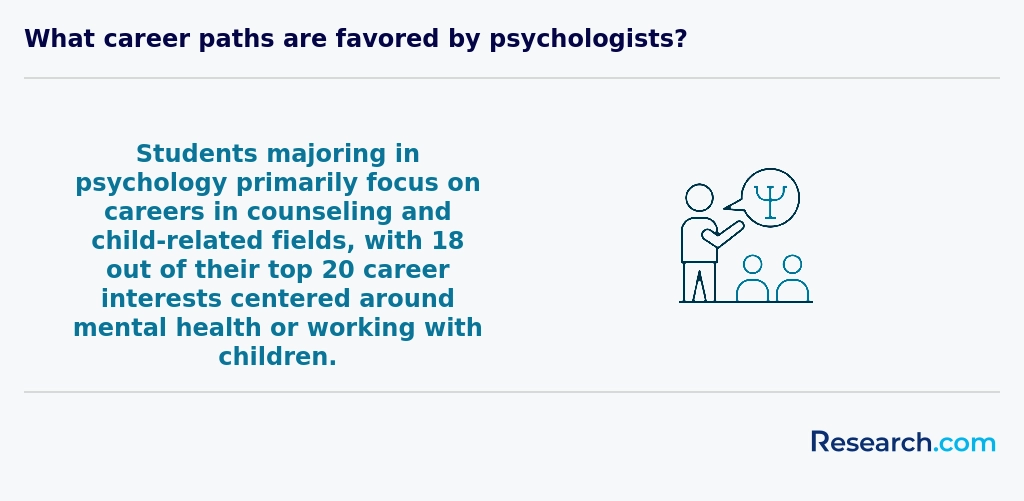
Graduates of online psychology bachelor’s programs often seek specialized graduate pathways to deepen expertise and expand career opportunities. Popular next steps include master’s degrees in clinical, counseling, or industrial-organizational psychology, as well as research-focused programs leading to a Ph.D. or Psy.D. For those drawn to brain–behavior relationships, online neuropsychology programs offer rigorous training in neurological assessment, cognitive rehabilitation, and advanced research methods. Admission requirements typically consist of a minimum 3.0 GPA, letters of recommendation, and relevant field experience or research involvement. Many programs also require a personal statement highlighting research interests or clinical goals. Prospective students should verify program accreditation by the American Psychological Association (APA) or regional agencies and explore state licensure prerequisites if they plan to pursue clinical practice. Financial considerations for graduate study vary widely: some doctoral programs provide tuition remission plus stipends for research or teaching assistantships, while master’s applicants may leverage scholarships, federal loans, or employer tuition reimbursement. Additionally, professional organizations-such as the Society for Clinical Neuropsychology-offer mentorship, networking opportunities, and continuing education resources to support academic success and career advancement. By strategically selecting a graduate pathway aligned with personal interests and market demand, psychology graduates can enhance their qualifications, specialize in high-impact fields, and position themselves for leadership roles in healthcare, academia, or industry.
If you're pursuing an online psychology degree in Washington, there's good news: plenty of financial aid options can help ease the cost. Graduates from schools like the University of Washington or Seattle Pacific University often mention how federal aid made their studies much more manageable. Filling out the FAFSA is the first step to unlock grants, loans, and work-study opportunities.
Many students get excited about Pell Grants since these don't need to be paid back and can cover a big chunk of tuition. Federal Direct Loans are also available but best used carefully to avoid heavy debt later on. Work-study jobs can be a perfect fit for those wanting to earn while they learn, often with flexible hours around classes.
Washington's own financial aid, like the Washington College Grant, is another popular help for in-state students, often covering much of the cost. Plus, scholarships tailored for psychology students pop up at colleges like Eastern Washington University. These can lift a heavy financial weight off your shoulders and make earning your degree online feel totally doable.
- Private scholarships through groups like the American Psychological Association and employer tuition assistance programs add extra support for working students.
For students who are interested in pursuing a degree in psychology but are concerned about the cost, there are several affordable options available in Washington. Many online psychology degree programs offer flexible and affordable tuition rates, making it possible for students to earn a high-quality education without breaking the bank. For example, students can explore most affordable psychology programs in Washington, which can provide a range of benefits, including lower tuition rates and financial aid opportunities. By choosing an affordable online psychology degree program, students can set themselves up for success and achieve their career goals without sacrificing their financial stability.
If you're thinking about enrolling in an online psychology degree in Washington, the basics usually start with having a high school diploma or GED. It's pretty straightforward-most programs, like the ones at popular schools such as the University of Washington or Western Washington University, ask for official transcripts to make sure you're ready for college-level work. One thing many students appreciate is that SAT or ACT scores aren't required anymore thanks to test-optional policies, which really opens doors for a lot of folks.
Graduates often share how aiming for at least a 2.5 to 3.0 GPA upfront makes the coursework easier to manage since psychology involves a lot of reading and research. You might also need to write a personal statement or get letters of recommendation-nothing too scary, just sharing your passion for understanding people's minds.
Some programs ask for prereq classes, like intro psych or stats, which can be a breeze to tackle online before diving into the core courses. It's all designed to help you feel confident and prepared as you jump into your psychology journey right here in Washington.
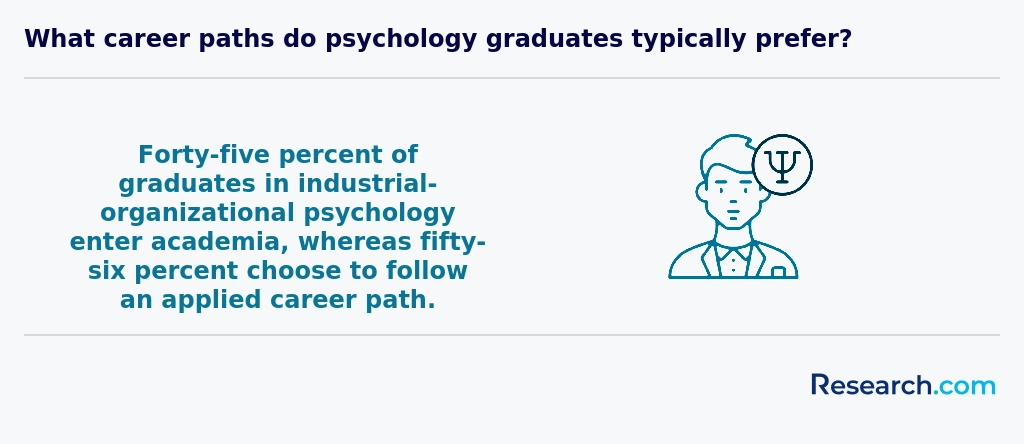
Accreditation is the cornerstone of a reputable online psychology program, ensuring that credits transfer, federal financial aid is available, and graduate licensure requirements are met. In Washington, prospective students should verify that their chosen institution holds regional accreditation from bodies like the Northwest Commission on Colleges and Universities (NWCCU) and look for programmatic recognition from the American Psychological Association (APA) when available. APA-accredited coursework is particularly important for those planning to pursue clinical licensure or advanced graduate study, as many state boards require an APA-approved curriculum for eligibility. State licensure for psychology practitioners in Washington follows guidelines set by the Washington State Department of Health, which typically include completion of an accredited bachelor’s degree, supervised professional experience, and successful passage of national examinations such as the Examination for Professional Practice in Psychology (EPPP). Online programs that explicitly outline their alignment with these licensure pathways can streamline a graduate’s transition from degree completion to professional practice. When comparing tuition and outcomes, students often consult resources like the Low Cost Online Psychology Degree Programs Ranking in the West to identify affordable, accredited options that also meet licensure prerequisites. Choosing an accredited, licensure-aligned program not only safeguards educational quality but also bolsters employability in settings that require state certification-such as mental health clinics, schools, and government agencies. Confirming both regional and APA programmatic accreditation before enrolling can prevent costly delays in fulfilling internship hour requirements or state board applications, ultimately protecting a student’s investment of time and money.
If you're diving into an online psychology degree in Washington, expect a mix of courses that really get to the heart of understanding people. Graduates from popular schools like the University of Washington often mention how starting with General Psychology helped them connect everyday experiences-like why people react differently in stressful situations-to scientific ideas.
Then, you'll move on to core classes such as Developmental Psychology, which paints a fascinating picture of how we change from childhood to adulthood, and Abnormal Psychology, where you get to explore real-world mental health challenges. Many students from Washington State University appreciate how these courses make concepts feel personal, like recognizing behaviors in family or friends.
Research Methods and Statistics might sound intimidating at first, but they're key to figuring out what studies really mean. Plus, specialized topics like Social Psychology and Neuroscience bring even more exciting insights to how we interact and what's going on inside our brains. Students often say this blend makes the online experience feel meaningful and practical, totally worth the effort.

If you're looking into an online psychology degree in Washington, you'll find some solid specialization options that really fit different passions and career goals. Lots of students from popular schools here dive into clinical psychology, which is all about understanding and helping with mental health issues-perfect if you see yourself as a counselor or therapist one day. Others love counseling psychology, which leans more toward offering guidance and support, especially useful for future school or career counselors.
Developmental psychology is another interesting pick, focusing on how people grow from infants to seniors, which graduates often find super rewarding as they see the impact across lifespans. Industrial-organizational psychology is great if you're intrigued by workplace dynamics and helping businesses improve their teams. And then there's forensic psychology, blending law with psychology to deal with legal cases and offender assessments, which makes for some fascinating work.
Many students choose these paths based on how they match Washington bachelor's psychology concentration options. Also, if you want to see how similar programs work elsewhere, check out Michigan psychology programs for working professionals - it's a neat comparison for online learners.
When picking the best online psychology degree programs Washington has to offer, start by checking if the school is regionally accredited-this is key for quality and transferring credits later. Graduates from popular colleges like the University of Washington often mention how this gave them confidence their degree truly mattered. Also, think about how much you want to spend; Washington's affordable psychology bachelor's degrees in Washington typically stay around $8,000 to $12,000 a year for in-state students, which helps when budgets are tight.
Look at the curriculum too-some grads from smaller schools loved the chance to dive into clinical or counseling paths, while others preferred a broader psychology science approach. Flexibility matters as well; many working adults appreciate the asynchronous courses that fit busy schedules. Lastly, graduates often share the importance of internships or practical experience, which are priceless for job hunting or even exploring options like lpc supervised experience Indiana. These ins and outs really help make the whole learning gig enjoyable and useful.
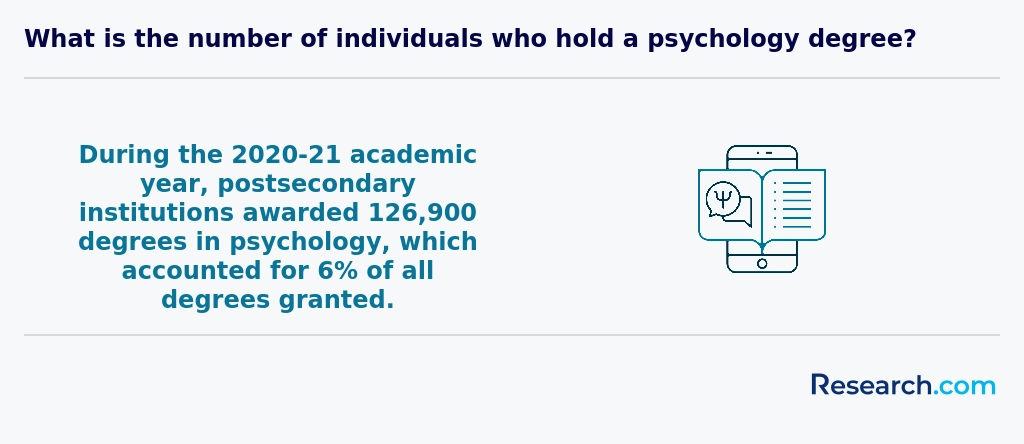
If you're studying for an online psychology degree in Washington, you'll find a bunch of cool career paths to choose from. Graduates from popular schools like the University of Washington often jump into roles like behavioral health technician, helping people manage mental health challenges in clinics or local communities. Others use their knowledge of human behavior to thrive as human resources specialists, which is perfect if you enjoy a mix of psychology and workplace dynamics.
Many grads find social and community service work rewarding-think about connecting families to support services or working as a case manager coordinating care plans. These roles really make a difference in people's lives and suit Washington's growing social services sector well. If you're aiming for clinical work, remember that you'll need further study and licensure, which many graduates plan for after finishing their bachelor's. Exploring LPC training South Carolina provides a helpful example of what that path looks like.
The flexible, affordable options at Washington's universities make studying online psychology exciting and achievable, opening doors to plenty of psychology degree job opportunities Washington offers.

The job market for online psychology degree jobs in Washington is looking pretty promising, especially if you're eyeing roles in hospitals, schools, or counseling centers. Graduates from popular schools like the University of Washington often share how their degree opened doors to positions such as licensed mental health counselor or social service manager. With the state's focus on mental health awareness, more opportunities keep popping up, making it easier to find meaningful work close to home.
A lot of grads find that getting additional credentials really helps, especially if you want to dive deeper into clinical roles. For those aiming higher, exploring clinical psychology programs online can be a great next step without having to leave Washington. What's cool is that many entry-level jobs like rehab counselor or school psychologist assistant are accessible right after finishing a bachelor's, giving you a chance to build experience and grow your career.
Washington's salary scene for psychology-related jobs stands out too, with many reporting yearly paychecks around $98,000 for licensed psychologists. That's a bit higher than the national average, and even entry-level roles tend to offer decent pay. If you want a career in this field, it's definitely worth keeping an eye on the growing local market and the positive vibes around psychology careers here.
2027 Most Valuable Online Bachelor's in Psychology Degree Programs Ranking in Washington
Investing in your education is a significant decision that can shape your future, and the Research.com team understands the importance of making informed choices. To assist prospective students in Washington, we have meticulously crafted the "2027 Most Valuable Online Bachelor's in Psychology Degree Programs Ranking in Washington." Our commitment to quality, credibility, and accuracy is reflected in the extensive research and analysis conducted to compile this ranking.
We utilized the following reputable data sources to ensure a comprehensive evaluation of psychology programs:
By exploring this ranking, readers will gain valuable insights into the most valuable online psychology bachelor's degree programs in Washington, enabling them to make well-informed decisions about their education and future career paths. For more details on our methodology, please visit our Research.com methodology page.


Frequently Asked Questions About psychology
Online psychology degree students in Washington can maximize their learning experience by actively engaging with course materials and participating in virtual discussions. Interaction with peers and instructors enhances understanding and retention of psychological concepts. Washington State offers access to numerous digital libraries and research databases, such as the University of Washington's e-resources, which provide valuable scholarly articles and journals.
Students should also seek internships or volunteer opportunities within Washington's mental health organizations to gain practical experience. According to the Washington State Department of Health, demand for psychology professionals is expected to grow 13% through 2030, making local networking important. Time management and regular study schedules further support successful online learning outcomes.
The psychology field in Washington is expanding into several emerging niches that reflect broader social and technological changes. One growing area is telepsychology, which involves providing mental health services online or via mobile platforms. This niche gained momentum especially after 2020, supported by state regulations allowing licensed practitioners to offer remote care.
Another significant niche is neuropsychology, focusing on brain-behavior relationships and often linked to Washington's robust healthcare and tech industries. The state's demand for neuropsychologists is projected to grow faster than the national average, according to the Washington State Employment Security Department.
Additionally, industrial-organizational psychology is gaining importance as more companies in Seattle and beyond seek ways to improve workplace well-being and productivity.
Preparing for the job market after completing an online psychology degree in Washington requires strategic planning and practical experience. Graduates should pursue internships or volunteer opportunities in local mental health agencies or hospitals to gain hands-on skills. Washington State's Employment Security Department reports that psychology-related jobs are expected to grow approximately 10% from 2022 to 2032, signaling promising opportunities for qualified candidates.
Building a strong professional network through organizations like the Washington Psychological Association can aid in job searches and mentorship. Additionally, obtaining relevant certifications, such as in behavioral analysis or counseling, can enhance employability. Staying informed about state licensure requirements is essential for clinical roles.
Employers in Washington value psychology graduates who demonstrate strong analytical and critical thinking skills. These abilities help professionals interpret complex behavioral data and develop effective intervention strategies. Communication skills, both written and verbal, are essential for conveying psychological concepts clearly to clients and colleagues.
In addition, research competency is highly sought after, as many roles require designing studies and analyzing results effectively. Knowledge of ethical standards in psychology is critical, given the state's strict regulations on client confidentiality and professional conduct. According to Washington's Employment Security Department, teamwork and interpersonal skills also rank among top employer priorities in mental health fields.
Proficiency with data software and understanding diverse populations further enhance employability in this competitive market.
Finding internships in Washington relevant to a psychology degree involves several key steps. Many students begin by contacting their university's career services or psychology department, as these offices often have partnerships with local clinics, hospitals, and nonprofits. Washington hosts numerous mental health organizations in need of interns, such as Community Psychiatric Clinics and Public Health - Seattle & King County.
The Washington State Psychological Association lists internship opportunities and resources that can help students network professionally. Additionally, platforms like the Washington Internship Portal provide listings tailored to local students. According to the Bureau of Labor Statistics, psychology internships in Washington support practical skill development crucial for licensure pathways in the state.
Online students should leverage virtual networking events and seek internships offering remote options to align with their coursework flexibility. Start early, prepare a strong resume, and consider volunteer roles to enhance experience.
An online psychology degree in Washington can significantly enhance career mobility and advancement opportunities within the state's growing mental health sector. According to the Washington State Employment Security Department, psychology-related jobs in the state are projected to grow by over 10% between 2022 and 2032, reflecting increasing demand for qualified professionals.
Holding an accredited online degree allows graduates to meet licensure requirements or pursue advanced studies, crucial for many clinical or counseling roles. Employers in Washington often prioritize candidates with relevant credentials from accredited programs, including those completed online.
Furthermore, flexibility with online courses helps working professionals upskill without interrupting their careers, promoting smoother transitions into supervisory or specialized positions. The Washington State Department of Health requires specific educational criteria for psychology licensure, which many online programs meet, supporting professional growth.
Studying for a psychology degree in Washington offers comprehensive training that supports interdisciplinary roles in various fields. Many Washington universities emphasize coursework that integrates psychology with disciplines like healthcare, education, and social services. This approach prepares students to collaborate effectively across professions.
Washington's workforce data highlights a growing demand for professionals who understand mental health within broader community and organizational settings, as reported by the Washington State Employment Security Department.
Online psychology programs in the state often include studies in research methods, statistics, and behavioral science, which are valuable in roles requiring data analysis and policy development. This multidisciplinary focus equips graduates to contribute in diverse environments such as schools, hospitals, and human resources.
When choosing between a thesis and a non-thesis psychology degree program in Washington, consider your career goals and learning preferences. A thesis option typically involves conducting original research and writing a detailed paper, preparing students for graduate studies or research-oriented roles.
Non-thesis programs often focus more on coursework and practical experience, making them suitable for those aiming to enter the workforce directly after graduation in applied psychology fields.
Washington's psychology programs must align with state licensure requirements, so consult the Washington State Department of Health for relevant guidelines. Additionally, data from the National Center for Education Statistics shows that research skills gained during a thesis can increase competitiveness for advanced psychology careers nationwide.
Students based in Washington seeking to study psychology abroad through online programs have limited but growing options. Most U.S. institutions offering psychology degrees online, including those accessible to Washington residents, focus on domestic accreditation. However, some programs collaborate with international universities to provide cross-cultural perspectives.
Currently, no fully online foreign-accredited psychology degrees specifically target Washington residents, as U.S. licensure requirements emphasize regionally accredited institutions. According to the American Psychological Association (APA), degrees must meet strict accreditation standards for licensure.
Many Washington students interested in international psychology insight choose programs that incorporate global curriculum components or seek online courses from universities with international partnerships. Washington's Workforce Training and Education Coordinating Board notes growing interest in flexible online options with global relevance among psychology students here.
Washington offers several part-time job opportunities that align well with online psychology degree studies. Positions such as mental health technician or behavioral health aide allow students to gain practical experience working with clients under supervision. These roles are often available in hospitals, clinics, and community health organizations throughout the state.
Additionally, research assistant roles at Washington universities or private research firms can enhance a student's understanding of psychological methods and data analysis. According to the Washington State Employment Security Department, healthcare support occupations are projected to grow by 15% from 2020 to 2030, providing promising part-time work options.
Other relevant jobs include school support staff or case management assistants in social services, both of which offer interaction with diverse populations to build essential skills for a psychology career.
Online psychology students in Washington have several networking opportunities that can enhance their academic and professional growth. Many accredited institutions encourage participation in virtual student organizations and psychology clubs, fostering connections with peers and faculty. Additionally, students can access statewide professional groups such as the Washington Psychological Association, which offers virtual events, webinars, and mentorship programs. These platforms help students build relationships with practicing psychologists and researchers.
Moreover, Washington hosts numerous psychology conferences and workshops that often provide online attendance options, supporting remote learners. According to the Bureau of Labor Statistics, Washington employs over 4,000 psychologists, indicating a strong professional community receptive to new members. Online students can also tap into LinkedIn groups targeting Washington psychology professionals for further engagement.
Alumni networks play a crucial role in supporting online psychology degree students in Washington. These networks connect graduates and current students, offering valuable opportunities for mentoring, career advice, and professional development. Access to a broad community helps students navigate job markets in Washington, where the demand for psychologists is expected to grow by 14% through 2031, according to the U.S. Bureau of Labor Statistics.
Participation in alumni events and online forums facilitates collaboration, internships, and job referrals within the state. Such connections often provide insights into local licensing requirements and continuing education, which are vital for practicing psychology in Washington.
Customizing an online psychology degree in Washington involves selecting courses and specializations aligned with your career aspirations. Many accredited programs provide elective options such as clinical psychology, counseling, or industrial-organizational psychology. This flexibility allows students to focus on areas like mental health services, human resources, or research.
Washington State's higher education system supports tailored programs through partnerships with local agencies, offering practical experiences even in online formats. Additionally, choosing programs with internship or practicum opportunities can enhance hands-on skills, which is vital since psychology careers often require supervised experience.
Data from Washington's Workforce Training & Education Coordinating Board highlights growth in psychology-related roles, underscoring the importance of focused training. Always check whether your chosen program meets Washington licensure requirements if you plan to become a licensed psychologist or counselor.
Online psychology students in Washington face several common challenges that can impact their academic success. One major difficulty is balancing coursework with personal and professional responsibilities, since many students are working adults with families. Additionally, access to reliable internet and technology is crucial for online learning; some areas in Washington, especially rural regions, still experience connectivity issues.
Another challenge involves meeting practicum requirements, as hands-on experiences may be limited or require travel to approved sites. Students also report feeling isolated due to reduced face-to-face interaction with peers and instructors, which can affect motivation and engagement.
According to the Washington Student Achievement Council, approximately 35% of online learners express concerns about time management and support services. Navigating financial aid and understanding licensing requirements post-graduation are further complexities often encountered in this field.
With an online psychology degree in Washington, graduates can pursue several professional certifications that enhance career opportunities. Common certifications include the Certified Alcohol and Drug Counselor (CADC), which is regulated by Washington State and helps professionals work in substance abuse treatment.
Another option is the Board Certified Assistant Behavior Analyst (BCaBA), which is valued in behavioral health fields. Graduates aiming for clinical licensure can work toward becoming a Licensed Mental Health Counselor (LMHC), requiring additional graduate education and supervised hours.
Washington's Department of Health provides clear licensing guidelines, emphasizing the importance of accredited programs. According to the Bureau of Labor Statistics, psychologists in Washington earn a median annual wage of about $97,000, with certifications often boosting eligibility for specialized roles.
Writing a winning application for an online psychology program in Washington begins with thorough research on accredited schools recognized by the Northwest Commission on Colleges and Universities. Admissions committees value clear career goals related to psychology, so applicants should articulate their motivation and how the program fits their aspirations.
Strong applications include a carefully crafted personal statement emphasizing relevant experiences, such as volunteering or work in mental health settings. Applicants with a GPA above 3.0 increase their chance of acceptance since competitive psychology programs in Washington often prefer this benchmark, according to recent college admission data.
Letters of recommendation from academic or professional sources familiar with the applicant's abilities can greatly enhance credibility. Finally, properly completing all application requirements, including official transcripts and standardized test scores if requested, is essential for success.
Psychology careers in Washington reflect broader global trends emphasizing mental health awareness and the demand for qualified professionals. According to the Bureau of Labor Statistics, the U.S. expects a 9% growth in psychology jobs from 2022 to 2032, which aligns with increased global recognition of psychological services.
Washington State, home to diverse populations and tech industries, offers unique opportunities for psychologists specializing in areas such as behavioral health and human factors. Online psychology degrees here prepare students to meet both local and international standards, often incorporating evidence-based practices recognized worldwide.
Globally, psychology professionals are valued for roles in healthcare, education, and research. Washington's licensing requirements, guided by the Washington State Department of Health, ensure graduates meet rigorous competencies, facilitating career mobility within the U.S. and abroad.
Gaining practical experience while pursuing an online psychology degree in Washington is essential for skill development and career readiness. Many programs encourage students to complete internships or practicum hours in local agencies, clinics, or schools. Washington's state regulations often require supervised fieldwork for licensure in many psychology-related careers.
Students can partner with local mental health organizations or hospitals to fulfill these requirements. According to the Washington State Department of Health, hands-on experience enhances understanding of diverse client needs within the state.
Additionally, virtual internships and research assistant roles offer flexible alternatives for online students. These opportunities allow students to apply psychological theories in real-world contexts and build professional networks within Washington's mental health community.
Choosing the right concentration within an online psychology degree program in Washington requires understanding your career goals and interests. Psychology concentrations range from clinical and counseling to industrial-organizational and developmental psychology. The Washington State Department of Health reports consistent demand for mental health professionals, especially in clinical roles, which may influence your choice.
Research job growth projections from the U.S. Bureau of Labor Statistics, noting that psychology-related jobs in Washington are expected to grow 10% through 2032. Consider concentrations aligned with high-demand areas such as substance abuse counseling or school psychology.
Evaluate the curriculum and practicum opportunities supported by Washington universities to ensure hands-on experience. Finally, examine licensure requirements in Washington for your intended concentration, as some fields require specific certifications after graduation.
- 2027 Most Valuable Online Bachelor's in Psychology Degree Programs Ranking in Arizona
- 2027 Most Valuable Online Bachelor's in Psychology Degree Programs Ranking in Colorado
- 2027 Most Valuable Online Bachelor's in Psychology Degree Programs Ranking in Kansas
- 2027 Most Valuable Online Bachelor's in Psychology Degree Programs Ranking in Texas
- 2027 Most Valuable Online Bachelor's in Psychology Degree Programs Ranking in Minnesota
- 2027 Most Valuable Online Bachelor's in Psychology Degree Programs Ranking in Iowa
- 2027 Most Valuable Online Bachelor's in Psychology Degree Programs Ranking in Missouri
- 2027 Most Valuable Online Bachelor's in Psychology Degree Programs Ranking in Illinois
- 2027 Most Valuable Online Bachelor's in Psychology Degree Programs Ranking in Michigan
- 2027 Most Valuable Online Bachelor's in Psychology Degree Programs Ranking in Alabama
See What Experts Have To Say About Studying Psychology
Read our interview with Psychology experts

Joann Farrell Quinn, Ph.D., MBA
Psychology Expert
Director at the College of Medicine Department of Medical Education
Morsani College of Medicine

Elizabeth L. Jeglic Ph.D.
Psychology Expert
Professor of Psychology
City University of New York

Robin M. Kowalski. Ph.D.
Psychology Expert
Professor of Psychology
Clemson University

- Find the Best Washington DC Psychology Degrees Online https://www.psychologydegrees.org/state/dc
- Alumni Network - https://efpsa.org/alumni-network/
- Online Psychology Degree Salary by Career Path https://www.collegetransitions.com/blog/online-psychology-degree-salary-by-career-path/
- Psychology Programs and Careers in Washington https://www.onlinepsychologydegrees.com/states/washington/
- Professional Networking For Psychologists https://www.psychology.org/resources/professional-networking/
- Networking and Community Resources https://www.psych.on.ca/become-a-member-(1)/member-services/networking-and-community-resources
- Alumni Perspectives - Meet Our FPN Alumni https://www.aanmelder.nl/alumni-perspectives-june-2023
- Most Popular Online Psychology Degrees in Washington https://www.onlineu.com/degrees/psychology/washington
- Washington Psychology Schools https://psychologydegreeguide.org/state/washington/
- Online Psychology Degrees https://www.phoenix.edu/online-psychology-degrees.html