
2027 Most Popular Psychology Degree Programs Ranking in Mankato

Co-Founder and Chief Data Scientist
Choosing the right psychology degree program in Mankato can feel overwhelming. To help with this important decision, the article presents the 2027 Most Popular Psychology Degree Programs Ranking in Mankato. This ranking was carefully created by the Research.com team of data scientists to guide students toward programs that truly stand out.
Reading this article will provide valuable insights into which programs offer the best opportunities for growth and success. Pursuing a psychology degree opens doors to understanding human behavior and making a meaningful impact.
Take the first step toward a rewarding future today.
Key benefits of getting psychology degree in Mankato
- Salary for psychology degree graduates: Jobs like Human Resources Specialist offer a mean annual wage of $76,060, while Marketing Research Analysts earn about $83,190, showing strong earning potential in Mankato.
- Career paths: Graduates from popular Mankato colleges often pursue roles in research, clinical studies, or childcare, gaining diverse opportunities to impact communities positively.
- Online degree benefits: Completing a psychology degree online from a Mankato institution allows flexible scheduling and saves commute time, making education more accessible and convenient without sacrificing quality.
- 2027 Most Popular Psychology Degree Programs Ranking in Mankato
- What can I expect from psychology degree in Mankato?
- Where can I work with psychology degree in Mankato?
What can I expect from psychology degree in Mankato?
Diving into a psychology degree in Mankato often means balancing dreams with dollars, and for many students at Minnesota State University, Mankato, that balance strikes around $8,000 to $10,000 per year for in-state tuition. Graduates recall stretching every dollar but feeling empowered by how affordable the path is compared to coastal giants. Imagine sitting in a psychology lab, discussing cognitive patterns, knowing you're gaining hands-on skills without the weight of crushing debt looming.
Out-of-state students might face a steeper climb, with costs nearing $16,000 annually, yet many find scholarships and assistantships that soften the blow while unlocking research opportunities. One graduate fondly remembered juggling internship hours at local clinics with late-night thesis writing, all powered by the accessible price and tight-knit campus community.
The blend of manageable costs and rich experience at Minnesota State Mankato makes studying psychology here feel like an investment in both head and heart-less about endless bills and more about meaningful breakthroughs in understanding human minds.
Where can I work with psychology degree in Mankato?
Picture yourself stepping out of Minnesota State University, Mankato, diploma in hand, ready to dive into a world where psychology meets real lives. Here, your degree isn't just a paper-it's a key that unlocks doors across Mankato's vibrant healthcare scene. Imagine working alongside experts at Mayo Clinic Health System or Fairview Health Services, helping people untangle the knots of mental health with compassionate counseling or clinical psychology roles that make every day feel meaningful.
Then there's the energy buzzing in Mankato's schools, where graduates become the pillars of support for students facing challenges. Whether weaving behavioral interventions or boosting academic confidence, your skills create ripples that reshape young lives.
Venturing into social services, you could find yourself championing community wellness-guiding individuals through addiction recovery or crisis moments with nonprofit agencies eager for your expertise. Even the corporate world in Mankato opens a welcoming door, where your psychology background sharpens employee training and workplace harmony in HR departments.
This diverse array of paths reflects the rich community you join when studying psychology locally-each step charged with opportunity and growth, fueling your passion to make a tangible impact.
Imagine graduating from Minnesota State University, Mankato, clutching your psychology degree and stepping into the world where salaries paint a promising picture. As a Human Resources Specialist, fresh out of college, you might find yourself earning around $76,060 annually. That's a solid start, especially knowing that your insights into human behavior directly shape company culture and employee well-being.
Another graduate, diving into analytics at local firms, could land a role as a Marketing Research Analyst, pocketing roughly $83,190 a year. Picture yourself decoding consumer minds and trends, skills honed through rigorous psychology training right here in Mankato's supportive campus environment.
For those drawn to research yet eager to stay clinically grounded, becoming a Clinical Research Associate is a path that brings in about $62,370 annually. Graduates remember their hands-on internships with area clinics and research projects at MSU, which open doors to these roles.
Even roles like Survey Researcher offer comparable wages near $62,370, letting you use your psychology toolkit to measure public opinion and behaviors across the region. While Childcare Worker positions typically offer lower salaries near $32,070, many graduates find joy and growth here before climbing into higher earning psychology-related careers.
In Mankato, your psychology degree isn't just a piece of paper-it's an entry ticket to diverse careers with financial rewards reflecting your passion and expertise cultivated locally.
- Minnesota State University, Mankato offers bachelor's, master's, and doctoral degrees in psychology with accredited programs.
- Tuition for in-state undergraduate students is about $8,000 per year, while out-of-state students pay around $14,000 annually.
- Entry-level psychology jobs in Mankato pay between $38,000 and $45,000 per year depending on the position and employer.
- Advanced degree holders can earn median salaries ranging from $65,000 to over $90,000 in fields like clinical and organizational psychology.
- Licensure for clinical practice requires supervised experience and passing state exams, important for those pursuing clinical roles.
If you're dreaming of diving into the human mind at Minnesota State University, Mankato, expect about four vibrant years of full-time study for your bachelor's degree. Imagine spending those years unraveling psychological mysteries alongside peers who, like you, are curious explorers of behavior and thought.
Graduates often reflect on how this timeline matched their adventurous academic rhythms-plenty of time to juggle internships, part-time jobs, and social discoveries across campus. When stepping up to a master's degree, picture adding two more years of deep focus, research projects, and collaborative learning with inspiring faculty guiding you through the nuances of psychology.
For those ready to dedicate half a decade or more, doctoral programs stretch from 5 to 7 years, blending intense coursework, hands-on internships, and the triumphant completion of dissertations that contribute original knowledge.
Whether speeding through full-time or savoring part-time study, Mankato's psychology path encourages your unique journey, balancing academic rigor with moments of growth and fulfillment.
When deciding on a psychology program in Mankato, MN, it's essential to consider several factors that can impact your educational experience and future career prospects. One crucial aspect is understanding the different types of programs available, such as those offered by popular psychology schools, which can provide valuable insights into the curriculum, faculty expertise, and alumni outcomes. By evaluating these elements, you can make an informed decision about which program best aligns with your academic and professional goals. Additionally, considering factors like program accreditation, cost, and location can help you narrow down your options and find the perfect fit for your needs.
Imagine stepping onto the vibrant campus of Minnesota State University, Mankato, where psychology students gather for lively debates, hands-on labs, and instant access to counseling centers. These on-campus learners thrive on direct human connection-sharing late-night study sessions fueled by coffee and camaraderie, forging bonds with professors face-to-face, and diving into internships arranged through the university's local partnerships. The tactile experience sharpens their skills, turning theory into practice amid the very community they wish to serve.
Contrast that with the rhythm of an online psychology student in Mankato juggling work, family, and study. Surrounded by the quiet hum of home life, they tap into digital lectures at midnight, crafting their own schedules with disciplined grace. Their network may be virtual, but it pulses with determination and adaptability, a different kind of resilience born from self-motivation and time management. Both paths prepare for licensure and clinical hours locally, yet the journey feels uniquely personal, shaped by the students' chosen environment and pace.
Pursuing a psychology degree in Mankato, MN, is only the first step toward a rewarding career; obtaining the proper licensure and certification is essential for practicing legally and effectively. In Minnesota, aspiring practitioners typically choose among several credentialing paths: 1. Licensed Psychological Practitioner (LPP) - Education: Master’s or doctoral degree in psychology from a regionally accredited institution. - Supervised Experience: 1,500 hours of post-degree supervised practice under a licensed psychologist. - Examination: Passing scores on the Examination for Professional Practice in Psychology (EPPP) and the Minnesota Jurisprudence Exam. 2. Licensed Professional Clinical Counselor (LPCC) - Education: Master’s degree in counseling, psychology, or a closely related field, including specific coursework in counseling theory, assessment, and ethics. - Supervised Experience: 2,000 hours of supervised clinical work after graduation. - Examination: National Counselor Examination (NCE) and Minnesota’s law and rules exam. 3. Licensed Marriage and Family Therapist (LMFT) - Education: Master’s degree in marriage and family therapy or equivalent, with required courses in systemic therapy and ethics. - Supervised Experience: 2,000 post-graduate supervised clinical hours, at least 1,000 of which involve couples or family therapy. - Examination: Passing the Association of Marital & Family Therapy Regulatory Boards (AMFTRB) exam plus Minnesota’s jurisprudence test. For candidates wondering about unconventional routes into clinical practice, such as those without a traditional psychology background, the article “can i become a therapist without a psychology degree” offers valuable insights into alternative certifications, bridging programs, and state-by-state variations. Maintaining your license in Minnesota requires ongoing Continuing Education (CE): 40 contact hours every two years, including mandatory courses in ethics and suicide prevention. Staying informed about changes in state regulations ensures compliance and demonstrates a commitment to professional growth-key signals of expertise and trustworthiness for both clients and employers.
Imagine sitting in a sunlit lecture hall at Minnesota State University, Mankato, diving deep into the labyrinth of human behavior while knowing your average investment in this journey-the average cost of psychology degree in Mankato-is around $9,572 for in-state students. Graduates often recall balancing their passion for understanding minds with a reality check: tuition and fees that feel manageable compared to many other states, but still a serious commitment. Out-of-state students face higher costs, blending steep tuition with living expenses that stretch the wallet a bit more.
One recent graduate reminisced about late-night study sessions fueled by coffee and the ambition to make sense of cognitive patterns-all while budgeting for textbook costs and housing. The median total cost reflects these elements, painting a picture familiar to any aspiring psychology student in Mankato seeking an affordable path without sacrificing quality. This balance between affordability and academic vigor characterizes Mankato's psychology programs, a trait celebrated among the popular psychology schools in the region.
When comparing typical Mankato psychology degree tuition and fees to national figures, the costs are often more accessible but still call for savvy financial planning. Many students tap into scholarships or take part-time jobs to soften the blow, embracing opportunities that make campus life vibrant and sustainable. The experience of pursuing psychology here blends passion and pragmatism, and the costs reflect that careful fusion.

Regional accreditation from the Higher Learning Commission (HLC) ensures psychology degrees in Mankato meet consistent academic standards. Many graduate tracks also hold American Psychological Association (APA) accreditation, a critical factor for licensure eligibility and clinical training excellence.
- HLC accreditation for both undergraduate and graduate programs
- APA-accredited clinical and counseling psychology specializations
- Faculty with doctoral credentials, active research portfolios, and professional licensure
Prospective students can confirm accreditation on university websites or via the APA directory. For budget-friendly graduate options, explore affordable online masters in psychology.
Imagine stepping onto the Minnesota State University, Mankato campus, knowing that the looming cost of a psychology degree-typically around $9,500 a year for residents-doesn't have to weigh you down. Federal Pell Grants swoop in like trusty allies, offering up to $7,395 that never need repaying, lighting the way for many local students chasing their dreams of understanding the human mind.
Graduates often tell tales of leaning on Direct Subsidized and Unsubsidized Loans, favoring their gentle interest rates and repayment flexibility, transforming financial stress into manageable monthly steps. Meanwhile, the Minnesota State Grant Program quietly cushions many wallets, rewarding resident undergraduates who demonstrate need.
Picture a psychology student balancing classes and a work-study job right on campus, perhaps at Minnesota State University, Mankato, where scholarships tied to leadership and community spirit brighten the path. Professional organizations like the American Psychological Association add extra sparkle, offering scholarships that recognize passion and promise.
And beyond campus gates, the hunt for private scholarships or employer tuition reimbursement becomes a personal adventure, turning everyday connections into keys that unlock academic possibilities.
Regional accreditation by the Higher Learning Commission (HLC) ensures your psychology degree meets rigorous quality standards. Many programs also hold APA approval for clinical training, streamlining professional recognition.
To pursue licensure in Minnesota, graduates must:
- Earn a degree from a regionally and professionally accredited institution
- Complete the required supervised clinical hours mandated by the Minnesota Board of Psychology
- Pass the Examination for Professional Practice in Psychology (EPPP) or state-specific counseling exam
For flexible, recognized options, consider most affordable accredited online psychology degrees.
Picture yourself stepping into Minnesota State University, Mankato, where eager psychology students once nervously clutched their acceptance letters, having conquered the gateways of high school diplomas or GEDs. Here, the adventure begins with a foundation built on strong biology and social science knowledge, like unlocking the secrets behind human behavior layer by layer.
Many students recount that submitting SAT or ACT scores felt like a rite of passage-though lately, test-optional policies have welcomed diverse talents with open arms. Those who transferred often share how completing introductory psychology, statistics, and research methods courses beforehand transformed their campus experience from bewildering to empowering, as if they were finally handed the key to decode complex minds.
The graduate journey up the academic mountain demands an undergraduate psychology degree or a related field plus a shiny 3.0 GPA or higher, accompanied by heartfelt letters of recommendation. Such prerequisites are not mere hurdles but stepping stones that prepare students to boldly contribute to Mankato's thriving psychology community, where discovery and passion dance in dynamic harmony.
Diving into a psychology degree in Mankato feels like stepping into a thrilling laboratory of the human mind. Graduates from Minnesota State University, Mankato often recall how "Introduction to Psychology" flipped their perspective on everyday behavior, making even a simple conversation suddenly rich with meaning. Courses like Research Methods and Statistics become more than numbers-they turn into storytelling tools that unlock hidden patterns behind human decisions.
Imagine exploring Biological Bases of Behavior and feeling the electric spark of understanding how your own brain waves pulse during stress or joy. Developmental Psychology classes immerse students in the unfolding narrative of human life, from a toddler's first words to the wisdom of adulthood.
Popular programs in Mankato also bring theory to life: Cognitive Psychology reveals the mysteries of memory in real time, while Social Psychology invites students to analyze their own group dynamics on campus. Abnormal Psychology and Psychological Testing challenge students to empathize deeply, equipping them with skills highly valued in internships and future careers.
Psychology degree specializations in Mankato weave a tapestry of possibilities for curious minds eager to explore the human psyche. Imagine diving into clinical psychology at a local institution, where graduates often share stories of hands-on internship experiences that transformed theory into empathetic healing for real patients. Or picture yourself unraveling the mysteries of educational psychology, collaborating with schools in the vibrant Mankato community to design programs that genuinely uplift student learning outcomes.
Industrial-organizational psychology is another path, beckoning those fascinated by the pulse of workplace dynamics-graduates speak warmly of applying motivational strategies that revitalize local businesses and foster employee well-being. Developmental psychology opens doors to understanding life's changes, guiding graduates into rewarding roles in healthcare or social services across Minnesota.
These popular psychology programs and specializations Mankato offers a palette of careers grounded in authentic local needs. For those dreaming beyond, exploring the cheapest online doctorate in psychology can be the next step in this rich educational journey.
Choosing the best psychology degree in Mankato feels like assembling a personalized puzzle of your future. Imagine walking through the halls of Minnesota State University, Mankato, where graduates recall how their programs, rich with research projects and practicum options, shaped not only their skills but their confidence. It's not just about coursework; it's about immersive experiences that make the theories come alive in real-world clinics or community centers. This is crucial when searching for the best psychology degree programs in Mankato.
Tuition weighs heavily on the mind, especially when dreams meet budgets. Fortunately, affordable psychology schools Mankato MN offer tuition aligned with public university averages, often sprinkled with scholarships. A graduate once described winning financial aid as unlocking a door to deeper learning without the constant worry of loans. And beyond the dollars and cents, the local career services and connections to Mankato's healthcare network turn classrooms into launchpads for meaningful work.
For those wondering if their path must start here, exploring options like whether can i become a therapist without a psychology degree might illuminate unconventional routes worth considering along the way.
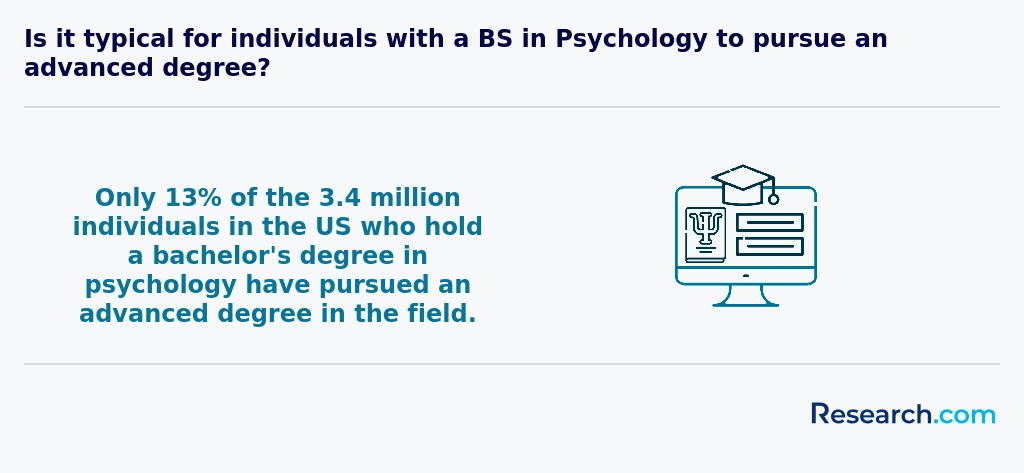
Imagine walking through the halls of Minnesota State University, Mankato, where graduates with a psychology degree ignite change across diverse fields. Some plunge into clinical or counseling psychology, becoming compassionate guides through mental health labyrinths in local hospitals or community centers. Others weave their expertise into the education system, shaping the futures of young minds as school psychologists, crafting intervention plans that unlock students' true potential. If you crave the pulse of corporate life, industrial-organizational psychology opens doors to transforming workplace culture, boosting morale, and innovating hiring strategies within Mankato's businesses. For lovers of discovery, research roles at universities here invite you to explore human behavior deeply, stirring groundbreaking studies that ripple through the psychological community. These psychology degree career options in Mankato mirror the vibrant, evolving tapestry of this dynamic city.
Affordability also fuels ambition-local schools offer excellent programs without the sky-high tuition elsewhere. Plus, curious minds might consider the best online associate's degree in 6 months, building foundational skills swiftly. Graduates often reflect on their journey with pride, energized by the real-world impact sparked by their education in Mankato.
Psychology degree job opportunities in Mankato bloom within a community fueled by genuine care and growing awareness. Graduates from Minnesota State University often share stories of landing roles in local healthcare centers or school districts, where their daily work directly uplifts lives. Picture a young counselor guiding students through emotional challenges-a role made possible by the region's expanding mental health focus.
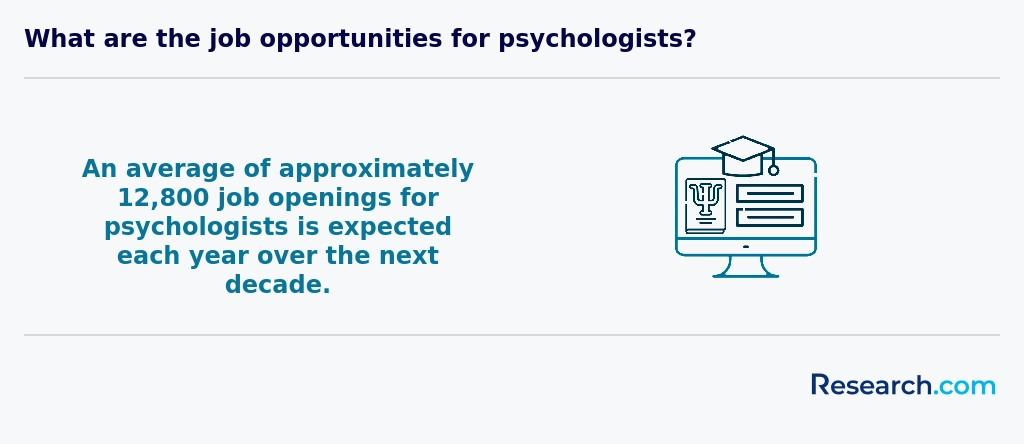
The Mankato psychology career outlook 2027 is bright, blending entry-level roles such as behavioral health technicians with advanced careers requiring graduate degrees and licensure. Salaries start around $40,000 but can climb above $70,000, reflecting the increasing responsibility and specialization. The local job market cherishes these graduates as key contributors to community wellness.
Affordability also plays a vital part; students praise the accessible tuition at local public universities, which softens the burden of investment. If you're curious about what is the easiest degree to get, psychology in Mankato combines meaningful work with manageable costs-a winning mix for many.
2027 Most Popular Psychology Degree Programs Ranking in Mankato
Investing in your education is a significant decision that can shape your future, and the Research.com team understands the importance of making informed choices. To assist prospective students in Mankato, we have carefully developed the "2027 Most Popular Psychology Degree Programs Ranking in Mankato." Our dedication to quality, credibility, and accuracy is demonstrated through the thorough research and rigorous analysis conducted for this ranking.
We utilized the following reputable data sources to ensure a comprehensive evaluation of psychology programs:
By exploring this ranking, readers will gain valuable insights into the most recognized and popular psychology degree programs in Mankato, empowering them to make well-informed decisions about their educational journey. For more details on our methodology, please visit our Research.com methodology page.


Frequently Asked Questions About psychology
Psychology degree students in Mankato can maximize their learning experience by engaging actively in both classroom and community opportunities. Minnesota State University, Mankato, a primary local institution, offers diverse research projects and internships that provide practical experience. Participation in research labs helps students apply theories and develop critical thinking skills.
Networking with faculty and local professionals enhances mentorship options, which is crucial for career development. According to the Bureau of Labor Statistics, experiential learning increases employment prospects in psychology fields by up to 20%.
Joining psychology clubs and attending relevant seminars in Mankato broaden understanding and facilitate peer learning, which is important in mastering complex psychological concepts.
The psychology field is rapidly expanding with several emerging niches gaining attention in Mankato and beyond. One notable area is neuropsychology, where specialists study the relationship between the brain and behavior. This niche is growing due to advancements in brain imaging technologies and an aging population.
Another developing field is forensic psychology, which applies psychological principles to legal issues. Demand for forensic psychologists is increasing nationwide, and Minnesota's justice system reflects this trend.
Additionally, health psychology, focusing on how psychological factors affect physical health, is gaining importance. The Bureau of Labor Statistics projects a 14% growth in psychology-related roles through 2031, highlighting opportunities for students in Mankato to specialize in these areas.
Preparing for the job market after earning a psychology degree in Mankato involves strategic steps to increase employability. Students should seek internships during their studies, as local healthcare facilities and community organizations often offer practical experience essential for many psychology roles.
Graduate employment in psychology-related fields typically favors candidates with hands-on experience or advanced degrees. According to the U.S. Bureau of Labor Statistics, the demand for psychologists is projected to grow 6% from 2021 to 2031, emphasizing the importance of specialization.
Networking with Mankato professionals and joining associations like the Minnesota Psychological Association can provide valuable connections and job leads. Additionally, acquiring certifications relevant to counseling or behavioral analysis helps meet employer expectations in this competitive market.
Employers in Mankato value psychology degree graduates who demonstrate strong research and data analysis skills. The ability to interpret psychological data and apply evidence-based practices is essential in local healthcare and educational settings. According to Minnesota Department of Employment and Economic Development, communication skills rank highly, as professionals must convey complex concepts clearly to clients and colleagues.
Critical thinking and problem-solving are also top priorities, enabling graduates to assess cases effectively and develop tailored interventions. Familiarity with psychological software and ethical standards is increasingly demanded by employers in Mankato's expanding counseling and social services sectors.
These competencies reflect the region's focus on applied psychology in community and clinical environments.
Finding internships in Mankato related to a psychology degree involves several strategic steps. Start by exploring opportunities through Minnesota State University, Mankato, which often partners with local clinics and mental health organizations for student placements.
Local healthcare providers such as Mayo Clinic Health System and community mental health centers offer internship roles focused on psychological research and clinical experience. According to the Bureau of Labor Statistics, internships increase employability by 20% among psychology graduates, making practical experience essential.
Additionally, leveraging online platforms like the Minnesota Psychology Alliance's website can help locate open internships specifically in Mankato. Networking with faculty and attending local psychology events also enhances access to hidden opportunities.
A psychology degree in Mankato can significantly enhance career mobility and advancement opportunities across various sectors. Many local employers in healthcare, social services, and education value graduates for their understanding of human behavior and analytical skills. According to the U.S. Bureau of Labor Statistics, psychology-related jobs in Minnesota are expected to grow by 8% through 2031, reflecting a steady demand.
Graduates often find roles in counseling, human resources, or rehabilitation services, fields prominent in Mankato's economy. Additionally, holding a psychology degree can be a prerequisite for pursuing specialized graduate studies or licensure, which further boosts career prospects. Networking with local organizations and completing internships in Mankato also support professional growth and salary increases.
Studying for a psychology degree in Mankato equips students with a foundation in diverse scientific methods and human behavior theories. Programs often integrate coursework from biology, sociology, and education, enabling graduates to comfortably collaborate across fields. For example, Minnesota State University, Mankato emphasizes research skills and critical thinking that apply in health care, social services, and business settings.
According to the National Center for Education Statistics, interdisciplinary skills gained through such psychology programs improve employability in varied roles including counseling, human resources, and community outreach. Additionally, local partnerships in Mankato provide opportunities for practical experience alongside professionals from multiple disciplines. This hands-on training enhances adaptability in team environments.
Choosing between a thesis and a non-thesis psychology degree in Mankato depends largely on your career goals and learning preferences. A thesis program typically involves conducting original research and writing an extensive paper, which is ideal if you plan to pursue graduate studies or research roles. The University of Minnesota Mankato offers such options, allowing students to work closely with faculty on research projects.
Alternatively, non-thesis programs focus more on coursework and practical experience, suitable for those aiming for applied psychology careers in local clinics or organizations. According to the National Center for Education Statistics, about 40% of psychology graduates in Minnesota opt for thesis tracks, reflecting strong research emphasis statewide.
Consider your time availability, research interests, and whether you prefer hands-on learning when making your decision.
Students based in Mankato who wish to study psychology abroad have several pathways to consider. Many universities in Minnesota, including Minnesota State University in Mankato, offer study abroad programs in partnership with institutions worldwide. These programs allow psychology students to complete part of their coursework overseas while earning credits applicable to their degree.
Additionally, students can seek direct admission to international universities with strong psychology faculties. However, it is crucial to verify the transferability of credits and program accreditation within the U.S. system. The Institute of International Education reports that approximately 15% of U.S. psychology students participate in study abroad experiences, reflecting growing interest.
Financial aid and scholarships may be available to support study abroad, but conditions vary by institution. Students should consult both their home university's study abroad office and psychology department advisors to explore options best suited to their academic goals.
Students pursuing psychology degrees in Mankato can find valuable part-time job opportunities that complement their studies. Common roles include positions as psychiatric aide assistants or behavioral health technicians at local mental health clinics. These jobs provide direct exposure to patient care and therapeutic environments. Additionally, working as research assistants at Minnesota State University, Mankato allows students to develop skills in data collection and analysis, which are critical for psychology careers.
Community organizations and non-profits in Mankato also offer roles in counseling support or youth mentorship, helping students apply psychological principles in real-world settings. According to the Bureau of Labor Statistics, gaining such hands-on experience improves employment prospects after graduation.
Psychology students in Mankato benefit from several strong networking opportunities that can enhance their academic and professional careers. Minnesota State University, Mankato, houses an active Psychology Club, which hosts regular events, guest lectures, and workshops designed to connect students with faculty and local professionals. According to the university's 2023 data, over 50% of psychology undergraduates participate in these activities.
Additionally, students can access internships through partnerships with local mental health clinics and counseling centers. These placements provide hands-on experience and valuable contacts within the community mental health field.
Regional conferences, such as the Minnesota Psychological Association meetings often held nearby, offer further chances for students to meet researchers and practitioners in psychology.
Alumni networks provide significant benefits to psychology degree students in Mankato by offering access to experienced professionals and potential mentors. These networks help students connect with graduates working in various psychology fields, facilitating career guidance and job opportunities. According to the National Association of Colleges and Employers (NACE), 70% of jobs are found through networking, underscoring the importance of alumni contacts.
In Mankato, where psychology programs often emphasize community and regional support, alumni events foster local connections. This can be invaluable for internships, research collaboration, and employment in organizations such as local clinics and schools. Alumni networks also offer workshops and seminars that keep current students informed about industry trends and licensure requirements.
Customizing a psychology degree program in Mankato involves selecting courses and experiences aligned with your career goals. Many local institutions offer a range of electives in areas such as clinical, developmental, or industrial-organizational psychology. You can also pursue internships in nearby health centers or community organizations to gain practical skills.
Additionally, students often have the option to participate in research projects or independent studies, enhancing expertise in specialized topics. According to the Minnesota State Colleges and Universities system, tailoring your curriculum with advisors helps you focus on certifications or graduate school preparation. This approach supports careers in counseling, human services, or psychological research.
Psychology students in Mankato often face challenges common to many U.S. higher education settings. One major difficulty is balancing rigorous coursework with practical experience requirements, such as internships or lab work. Psychology programs in this area typically stress both theory and applied skills, demanding strong time management.
Additionally, competition for internship placements in local clinics or research centers can be high, which sometimes delays timely graduation. Mental health awareness, ironically, also presents a challenge; students may find managing their own stress and workload taxing, given the subject matter.
Access to up-to-date research materials can vary depending on institutional funding, affecting students' ability to stay current with advancements. According to the National Center for Education Statistics, retention rates in psychology majors nationally hover around 60%, indicating the demanding nature of the discipline.
With a psychology degree in Mankato, graduates can pursue several professional certifications that enhance their career opportunities. Common certifications include the Licensed Professional Counselor (LPC), which allows practice in mental health counseling after passing state exams and completing supervised hours. Another option is becoming a Certified Alcohol and Drug Counselor (CADC), important for those focusing on substance abuse treatment.
For those interested in educational settings, the Certified School Psychologist credential is available, often requiring an advanced degree and passing the Praxis exam. The Minnesota Board of Psychology oversees licensing in the state, and local institutions like Minnesota State University, Mankato, provide relevant preparatory programs. According to the Bureau of Labor Statistics, certified professionals in psychology-related fields earn a median wage of approximately $80,000 annually, enhancing the value of these certifications.
Applying to a psychology program in Mankato requires careful preparation to stand out among candidates. Start by researching each institution, such as Minnesota State University, Mankato, to understand their specific prerequisites and focus areas. Pay close attention to GPA requirements, as competitive programs often expect a minimum of 3.0. Strong letters of recommendation from academic or professional supervisors who can attest to your analytical skills and commitment to psychology are essential.
Craft a clear, concise personal statement explaining your motivation for studying psychology and your career goals. Highlight relevant experience, such as internships or volunteer work in mental health settings. Data from the National Center for Education Statistics show that applicants presenting well-rounded profiles increase acceptance chances by up to 15% in psychology programs nationally. Demonstrating knowledge of local opportunities or research related to Mankato's healthcare community can further strengthen your application.
Psychology careers are valued worldwide for their contribution to understanding human behavior. In the United States, including Mankato, the field continues to grow; the U.S. Bureau of Labor Statistics projects a 8% employment increase for psychologists from 2022 to 2032. Globally, psychology integrates diverse cultural perspectives, which is crucial for professionals working in increasingly multicultural environments.
Students pursuing psychology degrees in Mankato benefit from exposure to broad theories and applications considered standard in global practice. Institutions here often align their curricula with internationally recognized standards, preparing graduates for careers that may extend beyond local or national borders. For example, Minnesota's education system emphasizes evidence-based mental health and community psychology.
Understanding these global viewpoints helps students appreciate the versatility of psychology degrees and the diverse career paths available, including clinical, organizational, and research roles. This knowledge enhances employability and professional impact, as psychological practice adapts to evolving societal needs worldwide.
Students studying psychology in Mankato can gain practical experience through internships, research assistantships, and volunteer opportunities. Minnesota State University, Mankato, offers access to local clinics and mental health organizations where students can apply classroom knowledge. According to the university's career services, about 60% of psychology majors complete internships before graduation, which enhances job readiness.
Research experience is also valuable. Students may assist faculty with studies, gaining hands-on skills in data collection and analysis. Additionally, organizations such as the Mankato Clinic and local schools often welcome student volunteers interested in behavioral health settings.
These practical experiences are vital for those considering graduate study or careers in counseling, social work, or clinical psychology.
Choosing the right concentration within a psychology degree program in Mankato depends largely on your career goals and interests. Many Minnesota universities, including those near Mankato, offer concentrations such as clinical psychology, counseling, or industrial-organizational psychology. Considering employment trends in Minnesota, clinical and counseling psychology remain in high demand, with the Bureau of Labor Statistics projecting a 14% increase in psychologist jobs through 2032. It's also helpful to review faculty expertise and research opportunities at local institutions to ensure support in your chosen area. Additionally, internships in Mankato's mental health clinics can provide practical experience to guide your decision.
- 2027 Most Popular Psychology Degree Programs Ranking in Minneapolis
- 2027 Most Popular Psychology Degree Programs Ranking in Saint Paul
- 2027 Most Popular Psychology Degree Programs Ranking in Lincoln
- 2027 Most Popular Psychology Degree Programs Ranking in Saint Louis
- 2027 Most Popular Psychology Degree Programs Ranking in Springfield
- 2027 Most Popular Psychology Degree Programs Ranking in Tulsa
- 2027 Most Popular Psychology Degree Programs Ranking in Detroit
- 2027 Most Popular Psychology Degree Programs Ranking in Cincinnati
- 2027 Most Popular Psychology Degree Programs Ranking in Columbus
- 2027 Most Popular Psychology Degree Programs Ranking in Denver
See What Experts Have To Say About Studying Psychology
Read our interview with Psychology experts

Catherine Caldwell-Harris, Ph.D.
Psychology Expert
Associate Professor of Psychology
Boston University

Elizabeth L. Jeglic Ph.D.
Psychology Expert
Professor of Psychology
City University of New York

Robin M. Kowalski. Ph.D.
Psychology Expert
Professor of Psychology
Clemson University

- Professional Networking For Psychologists | Psychology.org https://www.psychology.org/resources/professional-networking/
- Know more about thesis vs non- thesis: what is the difference? https://studyfans.com/en/blogs/816
- Psychology https://mankato.mnsu.edu/academics/academic-catalog/all-active-catalogs/2021-2022/undergraduate/psychology/
- Psychology Transfer Pathway Program | South Central College https://www.southcentral.edu/majors-and-programs/psychology-transfer-pathway.html
- Psychology BS https://www.mnsu.edu/academic-catalog/undergraduate/psychology-bs/
- Mental Health Challenges Faced by Psychology Students | The Healthcare Guys https://healthcareguys.com/2023/11/23/mental-health-challenges-faced-by-psychology-students/
- Alumni Perspectives - Meet Our FPN Alumni https://www.aanmelder.nl/alumni-perspectives-june-2023
- Study Psychology Abroad https://astarfuture.co.uk/study_psychology_abroad.html
- Psychology at Minnesota State University-Mankato https://www.vaia.com/en-us/degrees/universities/minnesota-state-university-mankato/psychology-at-minnesota-state-university-mankato/
- How to help students cope with mental health challenges https://www.eaie.org/resource/help-students-cope-mental-health-challenges.html


