2027 Easiest Online Master's in Psychology Degree Programs Ranking in Missouri

Co-Founder and Chief Data Scientist
Choosing the right online master's program in psychology can feel overwhelming, especially with so many options available in Missouri. This article presents the 2027 Easiest Online Master's in Psychology Degree Programs Ranking in Missouri, created by the Research.com team of data scientists to help students find the best fit for their goals.
By exploring this ranking, you'll gain clear insights into programs that offer a smooth and supportive path to earning your degree. Pursuing psychology can open doors to rewarding careers that make a real difference in people's lives.
Key benefits of getting online psychology degree in Missouri
- Psychology degree graduates in Missouri can earn competitive salaries, such as $91,990 annually for School Psychologists and $60,080 for Mental Health Counselors, offering a rewarding financial outlook.
- Graduates from the University of Missouri often find diverse career paths in counseling, therapy, and organizational psychology, helping people and businesses thrive in meaningful roles.
- Completing a psychology degree online provides flexibility and convenience, allowing students to balance work and life while earning a respected credential from institutions like Missouri State University.
- 2027 Easiest Online Master's in Psychology Degree Programs Ranking in Missouri
- What can I expect from online psychology degree in Missouri?
- Where can I work with online psychology degree in Missouri?
What can I expect from online psychology degree in Missouri?
Many online psychology students in Missouri find the average cost surprisingly manageable, especially when comparing public institutions like the University of Missouri or Missouri State University. Graduates often recall how in-state tuition rates significantly eased their financial burden, allowing them to focus more on engaging online coursework rather than stressing over mounting debt.
Tuition varies widely, but public universities typically charge between $7,000 and $12,000 per year for online programs, which feels accessible to many working adults balancing studies with jobs and family. This affordability combined with financial aid options and employer tuition reimbursement creates a real opportunity for students ready to invest in a meaningful career.
Students from these programs describe immersive experiences with virtual labs and local practicum placements that prepare them well without the extra cost of relocating or commuting. The value comes not just in price but in the meaningful blend of theory and real-world application, making every dollar feel worth it as they pursue careers in counseling, clinical work, or organizational psychology within Missouri's growing job market.
Where can I work with online psychology degree in Missouri?
Graduates with an online psychology degree in Missouri often find themselves working in dynamic environments that challenge typical expectations. Many secure roles in mental health facilities-hospitals, community centers, or substance abuse treatment programs-where they directly support individuals facing emotional struggles. For example, alumni from the University of Missouri share how rewarding it feels to guide patients through recovery, providing counseling that transforms lives.
Others become vital pillars in school systems, assessing students and crafting interventions that help young learners thrive academically and emotionally. Graduates recall the pride in knowing their work in both urban and rural districts positively shapes future generations across Missouri.
The corporate world also beckons, with roles in human resources or organizational development where psychology informs employee well-being and productivity. Psychology majors from Missouri State highlight the surprising joy of applying scientific insights to improve everyday workplace culture.
Research roles at universities or government agencies offer graduates a chance to contribute to cutting-edge studies, often collaborating with the state's major research institutions. Missouri's licensing pathways, such as LSCC or LPC, further open doors to varied counseling careers, emphasizing a tangible connection between education and meaningful work.
Graduates with an online psychology degree from institutions like the University of Missouri or Webster University often discover that the salary landscape in Missouri is both promising and diverse. For instance, a school psychologist can expect to earn a mean annual wage of about $91,990, reflecting strong demand in educational settings. Mental health counselors typically bring in around $60,080 per year, a figure that makes counseling a rewarding path both emotionally and financially.
Consider the case of a graduate who started as a marriage and family therapist; with an average annual salary of $68,730, this role offers a balance between meaningful work and financial stability. Those who pursue advanced specialties, like industrial-organizational psychology, can see salaries soar-averaging $154,380-showcasing the value of further education and experience in Missouri's growing business sectors.
Even rehabilitation counselors, with a mean wage of $48,430, find steady opportunities, especially in healthcare or social services. These salary ranges highlight the real-world possibilities for graduates who embrace Missouri's unique urban and rural balance while leveraging their online degree to build fulfilling careers.
- Online psychology degrees in Missouri offer flexible learning options for students balancing work and family.
- Tuition for online bachelor's degrees ranges from $7,000 to $15,000 per year at public universities for in-state students.
- Graduate psychology programs online typically cost between $10,000 and $25,000 depending on the institution and program length.
- Starting salaries for psychology graduates in Missouri average around $45,000 per year, with master's and doctoral degree holders earning between $65,000 and $85,000 annually.
- Psychology jobs in Missouri are expected to grow by 10% through 2030, supporting roles in healthcare, education, social services, and corporate sectors.
- Licensure for clinical psychologists in Missouri requires a doctoral degree, supervised experience, and passing the EPPP exam; master's degree licensure varies by discipline.
Completing an online psychology degree in Missouri often defies the simple "four-year" expectation. Graduates from institutions like the University of Missouri or Missouri State University share how flexibility was their greatest ally-balancing work, family, and studies extended their journey to five or six years, yet brought a rewarding sense of accomplishment. For bachelor's degrees, full-time students usually wrap up in about four years, but part-time enrollment offers a necessary pace for many, revealing the value of customized timelines.
Master's students tell a similar story: programs requiring 36 to 48 credit hours, such as those at Saint Louis University, can be completed in 1.5 to 3 years. Accelerated options challenge the norm, while others appreciate taking the full two years to deeply absorb theory paired with live practica. This approach fosters confidence more than speed.
Unlike a "one-size-fits-all" countdown, Missouri's online psychology degrees reflect diverse life paths-where extended time often means deeper learning, balancing personal growth with academic success.
Choosing an online master’s in psychology program that meets professional standards is critical to ensuring your degree leads to licensure and career success. In Missouri, aspiring psychologists must complete a program accredited by the American Psychological Association (APA) or regionally accredited institutions recognized by the Missouri Committee for Professional Counselors (MCPC). Graduates from non-accredited programs may face additional coursework, exam requirements, or delays in obtaining licensure. Key accreditation and licensing considerations:
- APA Accreditation: For clinical, counseling, and school psychology tracks, APA accreditation is often required for supervised internships and state licensure. Verify each program’s APA status on the APA’s official directory.
- Regional Accreditation: Universities accredited by the Higher Learning Commission (HLC) ensure your credits are widely accepted for licensure and doctoral study.
- Supervised Hours: Missouri mandates 3,000 hours of supervised practice post-master’s for Licensed Specialist Clinical Psychologists (LSCP) and Licensed Professional Counselors (LPC). Confirm that your program’s practicum and internship placements align with state requirements.
- Examination: Graduates must pass the Examination for Professional Practice in Psychology (EPPP) and, for counseling tracks, the National Counselor Examination (NCE).
- Continuing Education: Licensed professionals in Missouri must complete 40 hours of approved continuing education biannually to maintain licensure. To compare program affordability beyond Missouri, explore our Low Cost Psychology Degree Programs Ranking in Mississippi for insights on budget-friendly options in a neighboring state.
Choosing between online and on-campus psychology degrees in Missouri often boils down to how you envision your daily learning experience. Graduates from the University of Missouri describe on-campus programs as energizing, with face-to-face interactions enriching their understanding through lively discussions and immediate feedback. These moments-like hands-on lab work or practicum sessions-can create a strong sense of community and mentorship that many find motivating.
Conversely, alumni of online psychology programs appreciate the freedom to balance family life and work while studying. Imagine attending Saint Louis University's rigorous curriculum from home, engaging with professors and peers through virtual platforms. This flexibility reduces the stress of commuting and campus fees, which Missouri residents often find financially relieving.
Yet, online students must cultivate strong self-discipline, navigating course material independently without the physical presence of mentors. Both pathways demand clinical hours, sometimes requiring visits to approved local sites, emphasizing practical experience regardless of format.
Graduates of online psychology master’s programs in Missouri must navigate state-specific licensure and certification pathways to practice professionally. To become a Licensed Professional Counselor (LPC), applicants need a master’s degree in counseling or psychology from a regionally accredited institution, a minimum of 60 semester hours, and 3,000 hours of supervised clinical experience under a board-approved supervisor. After completing supervised hours, candidates must pass the National Counselor Examination (NCE) and apply to the Missouri Committee for Professional Registration. For those aiming to diagnose and treat mental health disorders more independently, the Licensed Psychologist credential requires a doctoral degree, 2,000 postdoctoral supervised hours, and a passing score on the Examination for Professional Practice in Psychology (EPPP). Many students interested in doctoral-level training explore our best psyd programs to ensure their degree meets Missouri Board of Psychology standards. In addition to initial licensure, Missouri requires psychologists and LPCs to complete 20 hours of continuing education every two years, including at least two hours in ethics and one hour in LGBTQ-related practice or diversity. Certifications such as Certified Alcohol and Drug Counselor (CADC) or Registered Play Therapist (RPT) offer further specialization; each has its own supervised hour requirements and exam. Understanding these requirements early can help prospective students choose an online master’s program with curricula aligned to Missouri licensure criteria, ensuring a smooth transition from graduation to clinical practice.
The average cost of an online psychology degree in Missouri hovers around $29,301, reflecting the total median expenses students can expect over their course of study. Graduates from popular Missouri institutions often recall balancing this investment with extensive financial aid opportunities, yet the figure underscores the importance of understanding the commitment involved in pursuing an online degree. Whether attending a public university or a private college, students frequently note how tuition costs intertwine with practical savings, such as eliminating commuting and housing fees.
For many students considering an online master's in psychology tuition Missouri figures serve as a crucial factor in decision-making. Public universities in Missouri typically offer more affordable options, where annual tuition ranges from $7,000 to $15,000, substantially lower than private schools charging upwards of $20,000. Graduates appreciate the accessibility of such programs but also emphasize the need to anticipate additional fees like technology and course materials. These expenses, while smaller than tuition, still influence overall costs and must be managed thoughtfully to maintain financial balance.
Psychology students from Missouri often share how their investment is not just financial but deeply personal; online formats at universities known in Missouri blend rigorous academics with flexibility, allowing students to adapt learning around work and family demands. For those intrigued by specialized paths, examining a list of the best forensic psychology masters programs online might reveal cost variations and unique value propositions relevant to their ambitions.
Ensuring your online psychology degree is fully accredited and meets Missouri licensure standards is crucial for professional practice.
- Regional accreditation from the Higher Learning Commission guarantees statewide recognition.
- APA accreditation (for clinical or counseling tracks) fulfills key educational criteria.
- State board approval confirms alignment with Missouri Department of Mental Health requirements.
Licensing steps in Missouri:
- Earn a master’s degree from an accredited program.
- Complete 2,000–4,000 supervised clinical hours.
- Pass the Examination for Professional Practice in Psychology (EPPP).
- Submit your application, transcripts and fees to the Missouri Board of Psychology.
If you’re interested in marriage and family therapy, explore accelerated marriage and family therapy programs that satisfy licensure prerequisites.
Many students pursuing online psychology degrees in Missouri find financial aid not just a possibility but a lifeline. Graduates from the University of Missouri often share how completing the FAFSA unlocked access to Federal Pell Grants and Supplemental Educational Opportunity Grants, funds that turned their ambitions into reality without the burden of excessive debt. The clarity of in-state tuition rates at Missouri's public universities further eases financial concerns, making quality education attainable without the sticker shock of out-of-state fees.
Beyond federal aid, the Missouri Access Program stands out as a targeted support system, offering grants and scholarships that resonate deeply with those juggling work and study. Numerous psychology students enrolled online at Saint Louis University report feeling both empowered and hopeful when merit-based scholarships from their institution reduce monthly tuition costs, enabling them to focus fully on their studies.
Private scholarships from organizations like the American Psychological Association add another hopeful dimension to funding pathways, illuminating the potential to earn while dedicating oneself to advancing mental health education. Employers in Missouri also play a pivotal role, with tuition reimbursement programs turning professional growth dreams into achievable goals without sacrificing stability.
When choosing an online master’s in psychology, verifying both regional and programmatic accreditation is crucial to ensure your degree is recognized by employers and licensure boards. Most Missouri universities hold regional accreditation from the Higher Learning Commission (HLC), while clinical and counseling psychology tracks should be accredited by the American Psychological Association (APA) or the Council for Accreditation of Counseling and Related Educational Programs (CACREP). Attending an accredited program not only guarantees rigorous curricula and qualified faculty but also fulfills eligibility for state licensure exams and supervised practice hours. In Missouri, aspiring licensed professional counselors (LPCs) or clinical psychologists must complete 3,000 supervised clinical hours post-graduation and pass the National Counselor Examination (NCE) or Examination for Professional Practice in Psychology (EPPP). Many online programs integrate practicum and internship placements in local clinics or telehealth settings, ensuring you meet Missouri Board of Psychology requirements without relocating. Always confirm that your chosen program’s practicum coordinator can facilitate state-approved supervision and provide clear guidance on documentation and reporting. For students eyeing specialized career paths-such as forensic psychology-selecting an APA- or CACREP-accredited track is especially important for credibility in legal settings. Those interested in deepening their expertise can explore our list of the best forensic psychology masters programs online, which highlights top-ranked forensic psychology master’s programs with proven licensure pathways and hands-on forensic training components. Before enrolling, contact Missouri’s Department of Professional Registration to verify up-to-date supervision hour requirements, renewal procedures, and continuing education units (CEUs) for license maintenance. By prioritizing accredited programs and understanding licensure milestones, you’ll build a seamless path from graduation to a fully licensed psychology career in Missouri.
Enrolling in an online psychology degree in Missouri demands more than just meeting minimum academic standards-it calls for genuine preparation and commitment. For many master's applicants from institutions like the University of Missouri or Webster University, holding a bachelor's degree is essential, though not necessarily in psychology. Graduates often share how their prior coursework or volunteer hours in mental health settings fueled their confidence and readiness for advanced study.
Maintaining a competitive GPA around 3.0 is commonly expected, reflecting not just academic ability but persistence through challenging courses. Some students recount the relief when programs waived GRE requirements post-2020, making admissions less intimidating but still selective. Letters of recommendation and personal statements often reveal a deeper motivation and real-world experience, giving candidates a chance to stand out beyond test scores.
For bachelor's level entrants from Missouri State University or Saint Louis University, proof of a high school diploma and solid preparatory courses set the foundation. Many find that placement tests or introductory classes sharpen their understanding before diving into psychological concepts online, sparking excitement for what lies ahead.
The field of psychology is a fascinating and rewarding one, with a wide range of career paths and specializations available to those who pursue a degree in this field. In Missouri, students who are interested in studying psychology can choose from a variety of online degree programs, each with its own unique features and benefits. Online psychology degree programs in Missouri offer students the flexibility and convenience of completing their coursework from anywhere, at any time, making it possible to balance their studies with work, family, and other responsibilities. With the growing demand for mental health professionals in Missouri, graduates of online psychology programs can expect to find employment in fields such as counseling, research, and social work, with median salaries ranging from $40,000 to over $60,000 depending on the specific job and location. Many universities in Missouri, such as the University of Missouri and Missouri State University, offer online psychology degree programs that are designed to provide students with a comprehensive education in the field of psychology, including courses in research methods, statistical analysis, and abnormal psychology. By pursuing an online psychology degree in Missouri, students can unlock a wide range of career opportunities and make a meaningful difference in the lives of others.
Students pursuing online psychology degrees in Missouri often find themselves immersed in a curriculum that starts with foundational courses like General Psychology and Developmental Psychology. Graduates from institutions such as the University of Missouri describe these classes as eye-opening, helping them connect everyday human experiences-like observing a child's behavior or reflecting on personal growth-to scientific theories.
As one progresses, courses in Research Methods and Statistics become crucial. Many students recall the initial challenge of mastering data analysis but soon appreciate how these skills empower them to critically evaluate studies and understand behavior patterns in both clinical and social settings. This analytical ability is a prized asset they carry beyond the classroom.
Specialized classes such as Cognitive Psychology or Abnormal Psychology are often the game-changers at places like Missouri State University, where students learn to decode complex mental processes or recognize symptoms of psychological disorders, experiences they often describe as deeply fulfilling and motivating.
Finally, the opportunity to undertake a Capstone Project or Thesis gives Missouri's online learners a chance to apply their knowledge in meaningful ways, making the theory feel tangible and relevant to real-world challenges.
Online psychology degree specializations in Missouri reveal a striking spectrum of paths that reflect the complexity and depth of the human mind. Graduates from well-known institutions like the University of Missouri or Washington University often describe how Clinical Psychology programs immerse them in understanding mental health challenges, blending rigorous assessment techniques with compassionate therapy methods. Similarly, those drawn to a Missouri online master's in psychology concentrations find Counseling Psychology vital for grasping emotional resilience and life stress management-skills that transform lives in practical, gratifying ways.
Others pursuing Industrial-Organizational Psychology appreciate the immediate impact they can make in business environments, fostering leadership and motivation that ripple through corporate culture. Forensic Psychology students recount the thrill of applying psychological insight within legal systems, while Educational Psychology graduates talk about influencing learning experiences in schools, channeling their passion into academic advisory roles.
Such specialization choices are more than academic-they shape futures amid Missouri's distinct licensing requirements. Prospective students eager to maximize their potential might explore the best psyd programs tailored to these fields, blending flexibility with expert faculty support.
Choosing the best online psychology degree Missouri means looking beyond rankings and flashy promises. Graduates from well-known Missouri institutions often share how accreditation by bodies like the Higher Learning Commission was their first filter-it ensured their hard work mattered to employers and licensing boards. Imagine juggling work and family like many of them did; programs offering true flexibility with asynchronous coursework made all the difference.
Many students also stress the importance of curriculum depth. A program that dives into both core psychology and offers specializations such as counseling or forensic psychology better prepares you for creating meaningful impact in your community. Tuition might seem daunting, but understanding costs through comparisons and exploring financial aid-for example, through resources like the Low Cost Psychology Degree Programs Ranking in Mississippi-can make affordable psychology master's programs Missouri a reality.
Lastly, seasoned alumni value strong faculty mentorship paired with supportive online advising as a key to thriving remotely. The best programs cultivate not just knowledge but confidence to step boldly into professional roles that truly resonate.

Graduates with an online psychology degree in Missouri find themselves exploring diverse career paths beyond typical clinical roles. Many embark on careers as school psychologists, supporting students' mental health in local districts, a role that brings both challenge and deep fulfillment. Others leverage their degrees in industrial-organizational psychology, helping Missouri businesses enhance employee well-being and productivity-skills intensely valued in today's evolving job market. Across institutions like the University of Missouri or Webster University, graduates often express how these paths allow them to balance purpose and professional growth.
For those curious about psychology job opportunities in Missouri, community counselors and therapists serve crucial roles in mental health centers or private practice, blending empathy with clinical expertise. Research assistants contribute to advancing psychological science, applying sharp analytical skills taught in Missouri's online programs. Many students wrestle with the question of affordability, finding guidance in resources like most popular online trade schools to navigate tuition and licensing requirements thoughtfully.
Missouri's job market for online psychology degree graduates is strikingly dynamic, defying assumptions that rural states offer fewer opportunities in mental health fields. Graduates from popular universities in Missouri often find themselves warmly welcomed in clinical and counseling roles, especially around St. Louis and Kansas City, where healthcare systems actively seek professionals to meet rising demand. The online psychology degree job outlook Missouri reveals expanding positions that challenge graduates to apply their skills in diverse environments, from schools to private practices.
Many online graduates share stories of securing competitive salaries despite Missouri's slightly lower average wages compared to national figures, thanks to the state's lower cost of living and broad access to internships. These hands-on experiences are crucial; for instance, those attending public universities well-known for psychology programs find that licensure requirements marry well with flexible online coursework. The pathway is clear for anyone considering psychology: pursuing the best 6 month associate online programs can be an efficient start toward entering this evolving marketplace.
Missouri psychology careers employment growth is further fueled by state initiatives targeting underserved communities, which means graduates are not only employed-they become vital agents of change in mental health services. This real-world impact energizes many students and professionals alike, transforming theoretical knowledge into meaningful work that directly improves lives across the state.
2027 Easiest Online Master's in Psychology Degree Programs Ranking in Missouri
Investing in your education is a significant decision that can shape your future, and the Research.com team understands the importance of making informed choices. To assist prospective students in Missouri, we have meticulously crafted the "2027 Easiest Online Master's in Psychology Degree Programs Ranking." Our commitment to quality, credibility, and accuracy is reflected in the extensive research and analysis conducted to compile this ranking.
We utilized the following reputable data sources to ensure a comprehensive evaluation of psychology programs:
By exploring this ranking, readers will gain valuable insights into the easiest and most accessible online psychology master's programs in Missouri, helping them make well-informed decisions about their educational pursuits. For more details on our methodology, please visit our Research.com methodology page.

# 2 position
Missouri University of Science and Technology
Master of Industrial-Organizational Psychology

Frequently Asked Questions About psychology
Online psychology degree students in Missouri can maximize their learning by actively engaging with their coursework and faculty. Missouri has several accredited institutions offering online psychology programs, such as the University of Missouri system, which ensures quality education aligned with state standards.
Students should take advantage of virtual office hours and discussion boards to connect with professors and peers. According to the Missouri Department of Higher Education & Workforce Development, forming study groups can increase retention and understanding of complex psychological theories.
Additionally, Missouri's licensing requirements for psychologists emphasize the importance of supervised experience. Online students should seek opportunities for local internships or practicums to meet these standards. Regular self-assessment and time management also improve success rates in online learning environments.
The psychology field is expanding into several emerging niches that offer promising career paths, especially for those pursuing online degrees in Missouri. One growing area is neuropsychology, which studies brain-behavior relationships and addresses cognitive disorders. With Missouri's aging population increasing, demand for neuropsychologists is expected to rise. Another niche is forensic psychology, blending legal and psychological expertise, relevant in Missouri due to the state's emphasis on criminal justice reform.
Health psychology also shows growth as more programs focus on mental health in medical settings, reflecting broader trends in integrated healthcare. Additionally, industrial-organizational psychology is expanding, with Missouri businesses seeking experts in workplace behavior and productivity. These niches provide specialized opportunities for online psychology graduates seeking careers aligned with state and national trends.
After completing an online psychology degree in Missouri, preparing for the job market involves several key steps. First, gaining relevant experience through internships or supervised practicum placements is essential. Many Missouri employers value hands-on experience alongside academic credentials.
Next, obtaining appropriate licensure is crucial for clinical roles. The Missouri Committee of Psychologists requires passing the Examination for Professional Practice in Psychology (EPPP) for licensure.
Networking within Missouri's psychology community, such as joining the Missouri Psychological Association, can provide job leads and professional support.
Finally, staying informed about Missouri's job market trends helps target growing fields like mental health counseling and school psychology, which show steady demand per the U.S. Bureau of Labor Statistics.
Employers in Missouri seeking candidates with online psychology degrees prioritize strong communication skills. Graduates must effectively convey complex psychological concepts to diverse audiences, including clients and interdisciplinary teams.
Critical thinking and analytical abilities are also essential. Missouri employers expect graduates to assess data, apply research methods, and develop evidence-based interventions. Familiarity with ethical standards in psychology is a key requirement, ensuring compliance with state and national guidelines.
Missouri's labor market for psychologists values cultural competence due to the state's growing diversity. Understanding local community needs and being adaptable in different settings increases employability, according to the Missouri Department of Higher Education.
Finding psychology internships in Missouri involves a strategic approach combining research and networking. Start by exploring local universities with psychology programs, as many maintain partnerships with clinics, schools, and mental health agencies offering internships.
Missouri hosts several reputable institutions, such as the University of Missouri and Washington University in St. Louis, which provide listings or career services for internship opportunities. Additionally, Missouri's Department of Mental Health offers placements in various community programs supporting psychology students.
You can also use statewide internship databases like Missouri Career Center or professional organizations like the Missouri Psychological Association to identify openings. Applying early and preparing a strong resume tailored to psychology fields can improve your chances.
The Missouri State Board of Psychology provides licensing requirements and can help confirm internship settings that meet clinical hour requirements essential for future licensure. According to recent data, nearly 75% of Missouri psychology graduates secured internships through university affiliations or state programs, highlighting their importance in career development.
In Missouri, earning an online psychology degree can significantly enhance career mobility and advancement in mental health and related fields. According to the Missouri Department of Higher Education & Workforce Development, psychology-related jobs are projected to grow by 8% through 2030, faster than the average for all occupations.
Online degrees offer flexible learning for working professionals seeking licensure or specialization. Graduates can pursue roles such as licensed professional counselors, school psychologists, or research analysts. Advanced degrees often lead to higher salaries; for example, Missouri psychologists with a master's averaging $69,000 annually, per the Bureau of Labor Statistics.
Online psychology programs accredited by the APA or regionally recognized improve eligibility for certification and expand professional networks statewide.
Studying for a psychology degree in Missouri offers students a strong foundation for interdisciplinary roles by integrating knowledge from fields such as healthcare, education, and business. Many Missouri institutions emphasize applied skills and teamwork, preparing graduates to collaborate effectively with professionals in social work, counseling, and organizational management.
The Missouri Department of Higher Education reports that psychology programs often include courses in statistics, research methods, and ethics, which are essential across multiple disciplines.
This interdisciplinary approach enhances graduates' adaptability in diverse settings such as schools, clinics, and corporate environments, where psychological principles support decision-making and problem-solving.
Moreover, Missouri's growing mental health sector, as noted by the Missouri Behavioral Health Council, creates increasing demand for professionals who can work flexibly across systems.
Choosing between a thesis and a non-thesis psychology degree program in Missouri depends on your academic and career goals. A thesis option typically requires conducting original research and writing a formal paper, which prepares students for doctoral programs or research-based careers. In contrast, non-thesis programs focus on coursework and practical skills, ideal for those aiming for professional roles like counseling or human services.
The Missouri Department of Higher Education notes that many online master's programs offer both tracks, with the thesis path often taking longer to complete. Consider your interest in research and the requirements of potential employers or doctoral programs when deciding.
Students based in Missouri seeking to study psychology abroad while enrolled in online programs have several pathways. Many US-accredited institutions offer online psychology degrees with international study components or partnerships. However, fully online programs allow students to remain in Missouri while accessing global perspectives through virtual exchanges or international research projects.
Missouri students should ensure any foreign coursework or internships align with regional licensure requirements, as psychology licensing is state-specific. The American Psychological Association (APA) provides guidance on accredited programs, many of which incorporate global content accessible remotely.
While Missouri does not currently have specific state-sponsored study abroad agreements for psychology students, universities often facilitate access to international resources and networks within their online curricula.
According to the National Center for Education Statistics, approximately 15% of graduate psychology students pursue study abroad or international components integrated into their degrees, reflecting growing global engagement in the field.
Part-time job opportunities in Missouri that complement psychology degree education often include roles such as behavioral health technician, research assistant, and mental health aide. These positions provide practical experience relevant to coursework and career development. According to the Missouri Economic Research and Information Center, healthcare and social assistance sectors, employing many psychology-related roles, are among the fastest-growing in the state.
Working as a behavioral health technician offers hands-on experience with patients under supervision, which is valuable for future clinical roles. Research assistant positions at local universities or healthcare facilities can enhance understanding of experimental psychology methods.
Mental health aide roles in community clinics also allow students to engage with diverse populations, improving communication and counseling skills. These jobs help build a strong professional foundation alongside online studies.
Online psychology students in Missouri have several networking opportunities that enhance their academic and professional growth. Many Missouri universities offering online psychology degrees encourage students to join local chapters of national organizations, such as the Missouri Psychological Association (MPA). The MPA provides access to conferences, workshops, and networking events that connect students with licensed professionals and researchers within the state.
Additionally, some programs facilitate virtual networking through specialized online forums and alumni groups. These platforms allow students to collaborate, share resources, and find mentorship opportunities. Missouri's expanding mental health workforce, projected to grow by over 12% by 2030 according to the U.S. Bureau of Labor Statistics, also creates increased internship and practicum placements for students engaging with local clinics and agencies.
Alumni networks provide valuable resources for online psychology degree students in Missouri by fostering professional connections. These networks often connect current students with graduates who work in Missouri's diverse psychological services, including clinical, counseling, and school psychology fields.
Engaging with alumni helps students access mentorship opportunities, advice on licensure processes, and guidance on navigating Missouri's specific requirements for psychologists, such as those outlined by the Missouri Committee of Psychologist Examiners.
Moreover, alumni networks can assist with job placement. According to the Missouri Economic Research and Information Center, psychology-related careers in Missouri are projected to grow by 12% through 2030, making networking essential for timely employment.
Access to local alumni also helps students stay informed about regional conferences and continuing education opportunities that are crucial for professional development.
Customizing an online psychology degree program in Missouri involves selecting courses and specializations that align closely with your career goals. Many Missouri universities offer flexible curricula allowing students to focus on areas like clinical psychology, counseling, or industrial-organizational psychology. This flexibility helps tailor your education to roles such as licensed professional counselor or human resources specialist.
Some programs provide elective options in research methods or applied behavior analysis, meeting specific licensure requirements or certifications. According to the Missouri Department of Higher Education, accredited online programs in the state also enable students to complete internships locally, gaining valuable hands-on experience.
Before enrolling, verify the program's accreditation and licensure alignment to ensure your degree supports your career objectives in Missouri's job market.
Online psychology students in Missouri often face several challenges related to the unique demands of remote learning. One primary difficulty is balancing rigorous coursework with personal and professional responsibilities, as many students pursue degrees while working full time. According to the Missouri Department of Higher Education, about 60% of online students report time management as a significant hurdle.
Another challenge involves limited access to hands-on clinical experiences required for licensure. Although online programs provide theoretical knowledge, securing local internships or practicums in Missouri can be competitive due to high demand and limited sites.
Additionally, students sometimes struggle with feelings of isolation, as virtual learning can reduce peer interaction and networking opportunities that are essential in psychology training.
With an online psychology degree in Missouri, graduates can pursue several professional certifications that enhance career opportunities. One prominent certification is the Licensed Professional Counselor (LPC), regulated by the Missouri Committee for Professional Counselors. This requires completing a master's degree, supervised experience, and passing the National Counselor Examination.
Another option is certification as a Certified Addiction Counselor (CAC), valuable given Missouri's increased focus on substance abuse treatment. The Missouri Certification Board offers CAC credentials following specific coursework and supervised hours.
Additionally, graduates can pursue certifications such as Board Certified Behavior Analyst (BCBA), which is nationally recognized and requires graduate coursework approved by the Behavior Analyst Certification Board.
These certifications often require ongoing education, keeping professionals current in their fields.
To write a winning application for an online psychology program in Missouri, start by highlighting your academic background and relevant experiences clearly. Most programs require a minimum GPA of 3.0, so emphasize your scholastic achievements to meet or surpass this threshold. Missouri colleges often value applicants with hands-on experience in psychology or related fields, such as internships or volunteer work.
Strong letters of recommendation from professors or professionals familiar with your abilities enhance your application. Additionally, a well-crafted personal statement explaining your career goals and motivation for studying psychology online plays a crucial role.
Ensure all transcripts and documents are submitted on time and follow each school's specific application guidelines carefully. According to the Missouri Department of Higher Education, nearly 60% of psychology master's applicants succeed when their applications reflect focused academic and practical preparation.
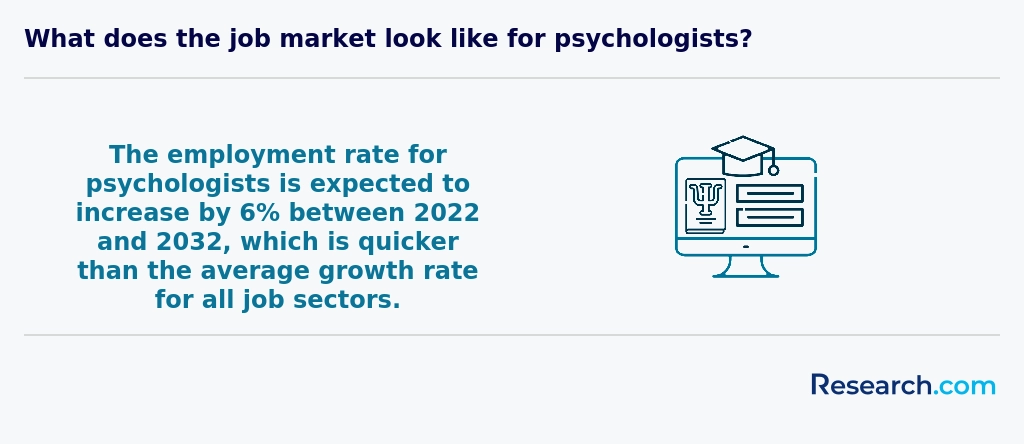
Careers in psychology are increasingly valued worldwide due to a growing awareness of mental health's importance. In the United States, including Missouri, the field is expanding rapidly. The Bureau of Labor Statistics projects a 8% growth in psychology jobs from 2022 to 2032, faster than average for all occupations. Globally, psychology professionals often require advanced degrees and licensure, similar to U.S. standards, making online master's programs from Missouri-based schools appealing for flexibility and accreditation.
Missouri offers numerous online psychology programs that meet national licensure requirements, facilitating global mobility for graduates. According to the Missouri Department of Higher Education, students pursuing these degrees can expect to engage in coursework aligned with international psychological research and clinical practices. This prepares graduates to work within diverse cultural settings while adhering to ethical standards recognized worldwide.
Gaining practical experience is crucial when pursuing an online psychology degree in Missouri. Many programs require or encourage students to complete internships or practicum placements. These opportunities allow students to apply theoretical knowledge in real-world settings, such as hospitals, schools, or counseling centers.
Missouri's universities often collaborate with local mental health agencies to facilitate these experiences. According to the Missouri Psychological Association, practical training enhances students' skills and improves job prospects after graduation.
Additionally, some programs offer virtual simulations and case studies to complement hands-on work. Students should consult their school's career services to identify relevant internships statewide, including remote options in Missouri's expanding telepsychology field.
Choosing the right concentration in an online psychology degree program in Missouri depends largely on your career goals and interests. Missouri offers various concentrations like clinical, counseling, industrial-organizational, and educational psychology. The Missouri Department of Higher Education reports that fields such as clinical and counseling psychology are in higher demand, reflecting national trends.
Research local licensing requirements if you aim to become a licensed psychologist, as concentrations aligned with these standards may provide better career outcomes. For example, clinical psychology often requires specific supervised experience hours.
Consider programs with faculty expertise and research opportunities matching your desired concentration. Missouri universities often publish such details on their websites.
Finally, think about the flexibility and practical training options within each concentration to fit your individual needs and work schedule.
- 2027 Easiest Online Master's in Psychology Degree Programs Ranking in Kansas
- 2027 Easiest Online Master's in Psychology Degree Programs Ranking in Indiana
- 2027 Easiest Online Master's in Psychology Degree Programs Ranking in Ohio
- 2027 Easiest Online Master's in Psychology Degree Programs Ranking in Alabama
- 2027 Easiest Online Master's in Psychology Degree Programs Ranking in Texas
- 2027 Easiest Online Master's in Psychology Degree Programs Ranking in Florida
- 2027 Easiest Online Master's in Psychology Degree Programs Ranking in Virginia
- 2027 Easiest Online Master's in Psychology Degree Programs Ranking in Pennsylvania
- 2027 Easiest Online Master's in Psychology Degree Programs Ranking in New York
- 2027 Easiest Online Master's in Psychology Degree Programs Ranking in Massachusetts
See What Experts Have To Say About Studying Psychology
Read our interview with Psychology experts

Catherine Caldwell-Harris, Ph.D.
Psychology Expert
Associate Professor of Psychology
Boston University

Joann Farrell Quinn, Ph.D., MBA
Psychology Expert
Director at the College of Medicine Department of Medical Education
Morsani College of Medicine

Elizabeth L. Jeglic Ph.D.
Psychology Expert
Professor of Psychology
City University of New York

- Community Psychology in Global Perspective http://siba-ese.unisalento.it/index.php/cpgp
- A Guide to Psychology Internships | Psychology Degree Guide https://psychologydegreeguide.org/resources/internships/
- Psychology Online Degree Pathway https://www.learndirect.com/course/psychology-online-degree
- Study Psychology Abroad https://astarfuture.co.uk/study_psychology_abroad.html
- Society for the Teaching of Psychology https://teachpsych.org/page-1784686/8675326
- Ontario Psychological Association - Networking and Community Resources https://www.psych.on.ca/become-a-member-(1)/member-services/networking-and-community-resources
- Have You Found a Niche? https://www.apaservices.org/practice/business/marketing/building/niche
- Psychology https://programs.umkc.edu/undergraduate/school-of-education-social-work-and-psychological-sciences/psychology
- How Psychology Students Can Get Clinical Experience Before Graduating | The Playful Psychologist https://www.theplayfulpsychologist.com/post/students-experience-how-to-get-the-experience-you-need-before-you-graduate
- Mental Health Challenges Faced by Psychology Students | The Healthcare Guys https://healthcareguys.com/2023/11/23/mental-health-challenges-faced-by-psychology-students/