
2027 Easiest Online Master's in Psychology Degree Programs Ranking in Texas

Co-Founder and Chief Data Scientist
Choosing the right online master's in psychology program can feel overwhelming, especially in Texas where options abound. This article introduces the 2027 Easiest Online Master's in Psychology Degree Programs Ranking in Texas, developed by the Research.com team of data scientists to guide you through the best choices.
By exploring this ranking, you'll discover programs that suit your lifestyle and career goals. Pursuing a psychology degree opens doors to meaningful work and personal growth. Take a confident step forward with helpful insights designed just for you.
Key benefits of getting online psychology degree in Texas
- Psychology degree graduates in Texas can earn competitive salaries, such as $91,990 annually for school psychologists and up to $154,380 for industrial-organizational psychologists, reflecting strong financial potential in this field.
- Graduates from popular Texas universities often explore diverse career paths like mental health counseling, marriage and family therapy, or rehabilitation counseling, offering rewarding work that makes a real difference.
- Online psychology degrees provide flexible learning schedules and accessibility, allowing students to balance life and study effectively while receiving quality education comparable to traditional programs.
- 2027 Easiest Online Master's in Psychology Degree Programs Ranking in Texas
- What can I expect from online psychology degree in Texas?
- Where can I work with online psychology degree in Texas?
What can I expect from online psychology degree in Texas?
Determining the average cost of an online psychology degree in Texas reveals both opportunity and challenge. Many students discovering programs at Texas Tech University or the University of North Texas find that tuition varies significantly, often ranging from $7,000 to $20,000 for a full master's degree. This wide range reflects differences in credit requirements, with some programs demanding 30 credit hours while others exceed 60.
Graduates frequently share how receiving in-state tuition rates even for online courses softened financial burdens, allowing them to focus on mastering cognitive and developmental psychology rather than stressing over fees. One student from a Texas public university celebrated how scholarships and financial aid tailored for online learners made it possible to pursue the degree without incurring overwhelming debt.
Such affordability-paired with the flexibility of asynchronous courses-enables working professionals and caretakers to embark on meaningful career changes. Instead of viewing cost as a barrier, many psychology students in Texas see it as an investment balanced by resources designed specifically for their circumstances, illustrating a nuanced reality behind the price tag.
Where can I work with online psychology degree in Texas?
Graduates from online psychology programs in Texas, such as those at the University of Texas at Austin or Texas A&M, often find themselves stepping into dynamic roles beyond the classroom. Picture a graduate navigating the bustling healthcare facilities of Houston, applying counseling skills learned online to support social service agencies or school systems. With a master's degree, many move into mental health counseling or psychiatric technician roles, experiencing firsthand the rewarding impact of their work on communities.
Others transition into corporate settings, leveraging insights gained through organizational psychology courses to enhance human resources or employee wellness programs in Dallas-based companies. Doctoral candidates who pursue licensure find even broader horizons-private practices, government agencies, and universities across Texas become their professional playgrounds, allowing them to contribute deeply to both research and clinical care.
For those with just a bachelor's, entry-level roles as behavioral health technicians or research assistants open pathways, often stirring a passion to advance further. These firsthand experiences challenge the assumption that online degrees limit career growth, instead revealing Texas as a landscape rich with opportunity for psychology graduates willing to explore its diverse sectors.
Graduates from online psychology programs in Texas often find their earnings shaped by their chosen specialty and credentials. For instance, a graduate from the University of Texas pursuing a career as a school psychologist can expect an average annual wage near $91,990, aligning well with BLS data. This compares favorably to a mental health counselor from Texas Tech University, who might earn about $60,080 per year, reflecting entry to mid-level positions in counseling.
Those stepping into marriage or family therapy, possibly from Baylor University's online programs, can see salaries around $68,730 annually. Yet, an industrial-organizational psychologist, a role demanding doctoral-level expertise, often commands a striking $154,380 per year on average, illustrating how advanced degrees drastically widen earning potential.
These figures underscore how completing an online degree in psychology in Texas opens doors to diverse paths-from rehabilitation counseling at roughly $48,430 yearly to specialized roles. Graduates share how flexible online studies combined with Texas's metropolitan opportunities fuel a hopeful, rewarding career outlook, proving real growth beyond traditional expectations.
- Online bachelor's degrees in psychology in Texas typically cost between $7,000 and $10,000 per year for in-state students.
- Graduate online psychology programs usually range from $12,000 to $20,000 for the entire master's degree.
- Entry-level psychology jobs in Texas start around $40,000 annually, while clinical psychologists earn between $80,000 and $90,000 per year.
- Employment of psychologists in Texas is expected to grow faster than the national average over the next decade.
- Texas requires a doctorate for clinical psychologist licensure, but master's degrees qualify graduates for counseling, school psychology, and social services roles.
Completing an online psychology degree in Texas often feels like navigating a personalized journey rather than following a strict timeline. For many graduates from institutions such as the University of Texas at Austin or Texas A&M, a full-time bachelor's program typically spans around four years. Yet, those balancing work or family responsibilities find that part-time options stretch the experience to five or six years-transforming the degree into an empowering, flexible endeavor rather than a race against the clock.
Master's students report varied timelines, usually finishing between 18 months and three years. One graduate described finishing in just under two years through an accelerated program offered by Texas Tech University, thanks to transferring previous credits and evening classes that fit her hectic schedule.
These flexible models challenge the conventional wisdom that a degree must fit a set timeframe. Instead, many express relief and satisfaction in pacing themselves, especially when programs offer asynchronous classes and necessary practicum placements. This adaptability reflects the real-world demands Texas students face, allowing them to pursue education without sacrificing personal or professional growth.
Choosing a regionally accredited online master’s in psychology program is the first step toward a valid credential recognized by employers and state boards. In Texas, graduates of non-APA-accredited master’s programs may pursue licensure as a Licensed Psychological Associate (LPA), which requires 3,000 hours of supervised experience under a Licensed Psychologist. To qualify for the LPA exam, candidates must hold a master’s degree from a regionally accredited institution with a curriculum that includes core courses in assessment, ethics, psychopathology, and research methods. For those aiming to become licensed psychologists (Ph.D. or Psy.D.), enrollment in an APA-accredited doctoral program is mandatory. Completing an APA-accredited track not only ensures rigorous training but also streamlines the licensure process, as state psychology boards often waive additional accreditation reviews. Prospective students can explore the top 10 psyd programs in the us to identify doctoral programs that meet APA standards and align with their specialization interests. After graduation, aspiring LPAs and psychologists must pass the Examination for Professional Practice in Psychology (EPPP) and meet Texas State Board of Examiners of Psychologists requirements, which include background checks and jurisprudence exams. Maintaining licensure involves completing continuing education units (CEUs) every two years, covering ethics, multicultural competence, and evidence-based therapies. By selecting accredited programs and understanding state licensure pathways, online psychology graduates in Texas can confidently navigate their professional journey from degree completion to independent practice.
Online and on-campus psychology degrees in Texas differ most noticeably in their delivery and daily experience. Imagine a student at the University of Texas juggling a full-time job and family-online programs let them attend classes anytime, fitting education around their life rather than the other way around. In contrast, a psychology graduate from Texas A&M recalls the energizing campus buzz-face-to-face lectures, lively group discussions, and hands-on lab work that cultivates immediate feedback and deeper immersion.
Yet, the reality is nuanced. Online students from Texas Tech often find themselves navigating recorded lectures and virtual discussions, which demand self-discipline but offer flexibility. However, their path still includes local internships or proctored exams to meet Texas licensing requirements, connecting them to real-world clinical experience despite the distance.
Cost and accessibility further shape these choices. For many rural Texans, online degrees mean breaking geographic barriers without sacrificing quality. Those attending on-campus programs absorb campus life and resources that foster rich social networks, while online learners take pride in proactively building connections in digital or regional communities, embracing a new kind of belonging.
Graduates of online psychology master’s programs in Texas must fulfill specific state licensure steps to practice as Licensed Professional Counselors (LPC).
- Accredited program: Complete a master’s from a regionally accredited institution; APA accreditation boosts licensure mobility and professional credibility.
- Supervised clinical hours: Accumulate at least 3,000 post-degree supervised hours under a board-approved supervisor.
- Required exams: Pass the National Counselor Examination (NCE) and the Texas Jurisprudence Exam.
- Application process: Submit official transcripts, supervision verification, and fees to the Texas Behavioral Health Executive Council (BHEC).
For advanced practice or doctoral preparation, explore our guide to online psyd programs.
The average cost of an online psychology degree in Texas reveals a compelling dynamic between affordability and quality. Graduates from well-regarded universities in the state often reflect on how their total tuition hovered near $7,800 for in-state students, a figure underscored by the median in-state total cost of psychology programs. This is notably lower than what many expect, illustrating a financially accessible path even at prestigious Texas institutions. In contrast, out-of-state students or those choosing private schools face costs closer to $22,700 to $23,000, reminding prospective students to weigh residence status among other factors.
Considering Texas online master's in psychology tuition fees, many find that programs designed for busy adults offer tuition structures that help balance commitment with budget. For example, graduates of popular psychology programs at flagship universities in Texas report successfully managing expenses while benefiting from comprehensive online resources and flexible schedules. Real-life stories of these students often feature moments of relief when discovering financial aid options that significantly offset tuition expenses, allowing them to feel confident in their investment.
Delving deeper into typical expenses, it's important to note that tuition is just one piece of the puzzle. Many learners mention technology fees, textbooks, and course materials adding to their budget, thus urging future students to plan holistically. Those interested in specialized tracks might explore options such as the best rated forensic psychology masters program online, known for blending academic rigor with competitive pricing.
Ultimately, the average cost online psychology degree Texas offers is a figure that demands nuanced understanding - far beyond surface numbers - encouraging students to reflect on choices that align not only with finances but with personal and professional aspirations.
The accreditation of online psychology programs in Texas is a crucial factor to consider for students seeking a high-quality education. Accreditation ensures that the program meets certain standards of quality, rigor, and relevance, and it is essential for students who wish to pursue licensure or certification in the field of psychology. The American Psychological Association (APA) is the primary accrediting agency for psychology programs in the United States, and it provides accreditation to programs that meet its standards. When choosing an online psychology program in Texas, students should look for APA accreditation, as it guarantees that the program has been thoroughly evaluated and meets the necessary standards. Some of the key benefits of attending an accredited online psychology program in Texas include increased job prospects, higher earning potential, and eligibility for licensure or certification. Many employers and organizations require or prefer candidates who have graduated from an accredited program, and attending an accredited program can provide students with a competitive edge in the job market. Additionally, accredited programs are more likely to provide students with access to high-quality resources, including faculty, curriculum, and internships, which can enhance their learning experience and prepare them for success in their careers. By choosing an accredited online psychology program in Texas, students can ensure that they receive a high-quality education that prepares them for a successful and rewarding career in the field of psychology.
Many online psychology students in Texas find hope in federal student aid, starting with the FAFSA, which unlocks access to Pell Grants, loans, and work-study programs. For example, a graduate from the University of Texas at Austin recalls how a Pell Grant eased the burden of tuition, allowing focus on studies rather than debt. This aid, unlike loans, offers a reprieve without repayment, a crucial lifeline for working adults balancing education and family.
State-specific programs like the Texas College Work-Study provide practical income for students enrolled at public universities such as Texas A&M or Texas Tech. Graduates often describe how these roles helped them build valuable community connections while managing living expenses.
Scholarships tailored for psychology students from schools and the Texas Psychological Association offer much more than money-they boost confidence and a sense of belonging. These awards often feel like personal recognition of dedication, inspiring students to push forward.
Lastly, employer tuition reimbursement in Texas bridges education with career growth, lifting spirits as students see investment in their futures. Balancing aid types reveals a powerful support network specific to those passionate about psychology in Texas.
Beginning your journey toward an online master’s in psychology in Texas requires careful planning and timely action. To ensure a smooth application experience, follow this step-by-step timeline: 1. Research & Program Selection (6–8 months before start date) - Compare program curricula, accreditation status, and tuition costs. - Review student success metrics and accreditation bodies (e.g., APA). - For broader affordability options, see our Inexpensive Online Psychology Degree Programs Ranking in Kansas. 2. Gather Required Materials (4–6 months before start date) - Official transcripts from all postsecondary institutions. - Letters of recommendation (academic or professional). - Personal statement detailing career goals, research interests, and alignment with program strengths. - Résumé/CV highlighting relevant experience (e.g., research assistantships, internships). 3. Standardized Tests & English Proficiency (if applicable) - Confirm GRE requirements; some Texas programs waive GRE scores for qualified candidates. - For non-native English speakers, prepare TOEFL/IELTS scores at least six months in advance. 4. Financial Aid & Scholarship Applications (3–5 months before start date) - Complete the FAFSA as early as October for priority consideration. - Apply for departmental assistantships, grants, and external scholarships (e.g., APA grants). 5. Application Submission (2–4 months before start date) - Fall admission deadlines: typically December–February. - Spring admission deadlines: typically August–October. - Summer admission deadlines: typically March–May. - Use the university’s online portal to upload all documents and pay application fees. 6. Post-Submission Follow-Up (1–2 months before start date) - Verify receipt of materials via your applicant dashboard. - Schedule virtual interviews if required. - Monitor admission decision timelines and financial aid award letters. 7. Enrollment & Orientation (1 month before start date) - Accept your admission offer and submit enrollment deposit. - Attend online orientation sessions to familiarize yourself with learning platforms, academic policies, and support services. By adhering to this timeline, you’ll maximize your chances of securing admission into the easiest online master’s in psychology programs in Texas and be well-prepared for the academic journey ahead.
To enroll in an online psychology degree program in Texas, a bachelor's degree from an accredited institution is non-negotiable. For master's programs, many graduates from universities like the University of Texas at Austin or Texas A&M often share how entering with a psychology or related background made the coursework feel less daunting and more engaging. Yet, some programs open doors to those with varied undergraduate studies, provided they complete prerequisite psychology courses-so the path isn't as rigid as it might seem.
Standardized tests like the GRE are fading from prominence, especially online, as universities increasingly value professional experience and solid academic records instead. Many students express relief when a test waiver allows them to focus on mastering coursework directly related to psychology.
Applicants must also submit official transcripts, recommendation letters, and a compelling personal statement. Picture a recent graduate from Texas State University who crafted an essay revealing genuine passion and personal growth, which proved pivotal in their acceptance.
Finally, some programs require supervised practicum hours, typically arranged locally, ensuring hands-on experience essential for licensure in Texas. This real-world training often sparks deep enthusiasm among students eager to apply theory to practice.
When evaluating online master’s in psychology programs in Texas, confirming institutional and programmatic accreditation is critical. Prospective students should look for regional accreditation (e.g., Southern Association of Colleges and Schools Commission on Colleges) and, for clinical or counseling tracks, American Psychological Association (APA) accreditation. An APA-accredited master’s often streamlines licensure, internships, and continuing education requirements. In Texas, the Behavior Analyst Certification Board (BACB) or Texas State Board of Examiners of Psychologists may also recognize certain practicum hours only if obtained through accredited programs. Graduates planning to pursue professional licensure-such as Licensed Psychological Associate (LPA) or Licensed Specialist in School Psychology (LSSP)-must complete a supervised internship and pass state exams. Texas requires at least 3,000 hours of supervised experience post-degree for full psychologist licensure, with specific ratios of supervision hours to client contact hours. It’s advisable for students to verify that online practicum and internship placements meet these criteria; many programs partner with Texas-based clinics, schools, and telehealth providers to ensure state compliance. For those interested in specialized fields, such as forensic psychology, choosing the right track can impact both career trajectory and licensure pathways. Consider programs that offer targeted coursework in forensic assessment, legal systems, and ethical issues. You can explore our best rated forensic psychology masters program online to compare accreditation status, practicum opportunities, and licensure support. Finally, always review each university’s dedicated licensure guidance page and contact their admissions or registrar’s office for the most up-to-date information on state-specific requirements. This proactive approach ensures your online psychology master’s not only enhances your knowledge and skills but also positions you for successful licensure and practice in Texas.
In Texas, online psychology degrees typically include courses that challenge you to rethink human behavior's complexity. Graduates from popular schools like the University of Texas at Austin often recall how Introduction to Psychology laid the foundation by revealing surprising patterns behind everyday actions. Others from Texas A&M highlight the eye-opening impact of Research Methods and Statistics, where mastering data analysis felt less like numbers and more like decoding human stories.
Courses such as Developmental Psychology make students see life's stages through fresh eyes, echoing shared experiences from those studying at Texas Tech University. The fascinating puzzles of Abnormal Psychology give a window into mental health struggles, a topic many online learners find both difficult and deeply rewarding.
- Social Psychology makes you understand why people behave differently in groups, a reality many Texans face in their daily lives.
- Biological Psychology connects brain science to behavior, sparking curiosity among students eager to explore neuroscience.
- Cognitive Psychology helps clarify how memory and decision-making shape who we are, linking theory to practical moments like choosing a career path.
- Ethics in Psychology challenges students to embody integrity, a vital skill for anyone entering the helping professions.
These courses together don't just teach psychology-they invite you to experience it, much like the supervised practicums that Texas online programs weave into their curriculum, turning distant learning environments into real-world growth opportunities.
Online psychology degree specializations Texas offer often include Clinical Psychology, Counseling Psychology, Industrial-Organizational Psychology, Educational Psychology, and Forensic Psychology. Graduates from major institutions like the University of Texas or Texas A&M share how choosing a specialization felt like mapping out their future careers, whether treating mental health issues or enhancing workplace dynamics. One graduate described the focus on Clinical Psychology as a powerful step toward becoming a licensed therapist, making a tangible difference in lives.
Others who pursued Industrial-Organizational Psychology spoke about applying theories to real corporate environments, boosting employee morale and productivity. These narratives reflect how Texas online master's psychology concentration options challenge students to connect theory with practical, impactful outcomes. The variety in these programs encourages deeper reflection on the professional path students want, tailored closely to Texas's workforce demands.
For students seeking comprehensive guidance, exploring the top 10 psyd programs in the us often reveals cutting-edge specializations aligning with regional needs and personal passion.
Choosing the best online psychology degree Texas students rave about starts with accreditation. Graduates from Texas A&M and The University of Texas emphasize how SACSCOC accreditation boosted their confidence in program quality. Those pursuing clinical tracks often highlight the importance of APA accreditation for licensure, something many overlooked until faced with job market realities. Affordability also shapes decisions: online psychology programs in Texas typically range from $8,000 to $20,000 yearly, but savvy students dig deeper, comparing fees and funding options. Some find creative ways to balance costs, inspired by stories from peers who leveraged scholarships and employer tuition assistance.
Flexibility is key for working professionals juggling family or jobs. Students from Texas Woman's University appreciate asynchronous classes that fit their unpredictable schedules, while others seek specialization in industrial-organizational or child psychology to stay passionate and competitive. Real-life evidence appears in strong graduation and employment outcomes reported by accredited Texas programs, where median salaries near $70,000 confirm value beyond tuition. For those hunting the affordable online master's in psychology Texas options, careful research into individual institutions helps uncover hidden gems.
Online psychology degree careers Texas often lead graduates into diverse roles that challenge traditional expectations about where a psychology degree can take you. For instance, becoming a licensed professional counselor (LPC) in Texas involves more than just clinical knowledge-it means actively shaping community mental health in schools or private practices. Graduates from universities like the University of Texas at Austin often recount rewarding experiences supporting individuals facing real-world struggles, proving that theory meets life in meaningful ways.
Many graduates also explore behavioral health technician or case manager positions, particularly in vibrant urban centers such as Dallas and Houston. These roles demand empathy and organizational skills, directly impacting client care daily-something graduates from popular Texas colleges deeply appreciate as they transition from study to service. Psychology job opportunities Texas graduates encounter are not confined to counseling; some find themselves in research or academia, supported by steadily increasing public health funding.
Those seeking a less conventional path can discover options like industrial-organizational psychology or rehabilitation counseling, which allow for creative application of psychology principles. For students weighing options, affordability matters, and Texas offers competitive tuition rates. Many refer to lists of top non profit online accredited colleges when deciding where to start, knowing that these decisions shape both career and community impact.
The job market for graduates holding an online psychology degree in Texas defies the old notion that online learning might limit career prospects. Many graduates from popular Texas universities report securing rewarding roles in clinical and counseling settings, often fueled by the state's rising need for mental health professionals. The Texas job market for psychology graduates online taps into diverse sectors-hospitals, schools, and community agencies-where the demand is genuine and growing.
Graduates frequently highlight the advantage of completing their degree through regionally accredited programs, which meet licensure requirements and align well with employer expectations, especially within Texas. The availability of support from institutions, alongside incentives from the Texas Department of State Health Services, empowers these students to envision careers as mental health counselors or behavioral therapy specialists. This evolving landscape makes the pursuit of credentials through regionally accredited non profit online schools not just feasible but strategically smart.
For many psychology students, the experience extends beyond academics-working alongside communities, contributing in schools or healthcare clinics, and witnessing firsthand the difference their skills bring. This aligns with the strong overall outlook for an online psychology degree job outlook Texas, suggesting positive momentum and increasing opportunities as awareness of mental health grows statewide.
2027 Easiest Online Master's in Psychology Degree Programs Ranking in Texas
Investing in your education is a significant decision that can shape your future, and the Research.com team recognizes the importance of making well-informed choices. To support prospective students interested in psychology, we have carefully developed the "2027 Easiest Online Master's in Psychology Degree Programs Ranking in Texas." Our dedication to quality, credibility, and accuracy is demonstrated through thorough research and detailed analysis to ensure reliable results.
We utilized the following reputable data sources to create this ranking:
By consulting this ranking, readers will receive clear and valuable guidance in selecting the easiest and most accessible online master's programs in psychology in Texas, enabling them to confidently pursue their educational goals. For further information on how we compiled this ranking, please visit our Research.com methodology page.

# 2 position
University of the Incarnate Word
Master of Administration, Industrial and Organizational Psychology




Frequently Asked Questions About psychology
Students pursuing online psychology degrees in Texas can maximize their learning by actively engaging with course materials and instructors. Texas schools often provide virtual office hours and discussion boards - using these resources can deepen understanding and build connections.
It's important to create a dedicated study schedule that fits personal and professional responsibilities since balancing work and study is common among adult learners in Texas. According to the Texas Higher Education Coordinating Board, about 60% of graduate students in the state attend part-time, highlighting the need for strong time management.
Additionally, seeking local Texas-based internships or practicum opportunities can enhance practical skills. Licensing requirements for psychologists in Texas emphasize supervised experience, so students should plan early for hands-on learning that aligns with state guidelines from the Texas State Board of Examiners of Psychologists.
The field of psychology is rapidly evolving, with several emerging niches gaining prominence, especially for students pursuing online degrees in Texas. One growing area is telepsychology, which expands mental health services through digital platforms. Given Texas's large rural population, telepsychology helps increase accessibility to care.
Another significant niche is neuropsychology, focused on brain-behavior relationships, supported by Texas medical research institutions. Industrial-organizational psychology is also expanding as Texas businesses seek to improve workplace productivity and employee well-being.
Additionally, health psychology addressing chronic disease management is gaining traction due to rising healthcare demands. These areas reflect strong job growth projections reported by the U.S. Bureau of Labor Statistics for Texas.
After completing an online psychology degree in Texas, preparing effectively for the job market is essential. First, gaining relevant experience through internships or supervised practicum is crucial, as Texas licensing boards often require practical hours for certification. According to the Texas Behavioral Health Executive Council, clinical experience strengthens employability in various psychology fields.
Networking with local professionals and joining state psychology associations, like the Texas Psychological Association, enhances job prospects. Additionally, staying updated on Texas-specific licensure requirements ensures readiness for exams and certification processes.
Continuing education is also important, particularly with the growth of mental health services in Texas, where demand for psychologists is projected to grow 20% by 2030, per the Bureau of Labor Statistics.
Employers in Texas seeking psychology degree graduates prioritize a mix of technical knowledge and interpersonal skills. Strong understanding of psychological theories and research methods is essential, as these form the foundation for evidence-based practice. According to the Texas Workforce Commission, communication skills are critical, with many roles requiring the ability to explain complex concepts clearly to clients or colleagues.
Problem-solving and critical thinking are also highly valued, as psychology professionals must assess individual needs and develop effective treatment plans. Additionally, empathy and cultural competence are important given Texas' diverse population. Data analysis skills, particularly in software like SPSS, are increasingly demanded for research and clinical roles.
Finding internships in Texas for psychology students often begins with utilizing university career centers, which typically connect students to local health organizations, clinics, and research facilities. The Texas Psychological Association provides listings and resources that can help identify suitable internship opportunities. Additionally, the Texas Department of State Health Services offers programs that sometimes include internships in mental health settings.
Many psychology internships in Texas combine practical experience with supervision, a requirement for future licensure. For example, securing an internship at Houston's Harris County Psychiatric Center or community health centers in Dallas can provide valuable clinical exposure.
Online students should also explore virtual internships and seek arrangements that satisfy Texas licensure requirements. Networking at conferences hosted by the Texas Psychological Association can expand contacts and highlight emerging internship openings.
Obtaining an online psychology degree in Texas can significantly impact career mobility and advancement within the state's growing mental health sector. Texas employs over 27,000 psychologists and related professionals, with demand expected to rise by 16% through 2030, according to the Texas Workforce Commission.
Online programs offer flexible schedules, allowing working professionals to upgrade their qualifications without pausing their careers. This flexibility is crucial in Texas cities like Houston and Dallas, where competition for licensed psychologists and counselors is increasing.
Graduates from accredited online degrees meet state licensing requirements, which is essential for career advancement. Many employers in Texas value these degrees equally to traditional ones, recognizing the rigorous curriculum and practical training involved. Overall, earning an online psychology degree enhances prospects in clinical, educational, and organizational psychology roles across Texas.
Studying for a psychology degree in Texas offers strong preparation for interdisciplinary roles by emphasizing collaboration across various fields such as healthcare, education, and social services. Many Texas programs incorporate courses in research methods, biology, and counseling, fostering critical skills useful in diverse professional environments.
Texas universities often highlight practical experience, allowing students to engage in internships or projects that intersect with criminal justice, healthcare administration, and human resources. According to the Texas Higher Education Coordinating Board, psychology remains one of the top five most popular majors in the state, reflecting broad career applicability.
Graduates gain knowledge to work alongside medical professionals, educators, and community leaders, supporting holistic approaches to mental health and human behavior. This multidisciplinary training increases employability in settings ranging from hospitals to corporate wellness programs.
When choosing between a thesis and a non-thesis online psychology degree in Texas, consider your career goals. A thesis program typically involves conducting original research and writing a substantial paper, preparing students for doctoral studies or research roles. Non-thesis programs often focus on coursework and practical skills, appealing to professionals aiming for applied psychology careers or licensure.
Texas universities follow standards set by the Texas Higher Education Coordinating Board, ensuring quality across both paths. Data from the Texas Workforce Commission shows increasing demand for practitioners, favoring non-thesis routes for quicker entry into the workforce. Conversely, thesis options suit those targeting academia or research.
Students based in Texas who wish to study psychology abroad have limited options for pursuing fully online degrees from foreign institutions due to U.S. accreditation and licensing requirements. Most Texas students seeking online psychology master's programs enroll in accredited U.S. universities to ensure their credits and degrees are recognized locally.
However, some international universities offer online psychology degrees with global recognition. Texas students can explore these programs, but should verify with the Texas Behavior Analyst Certification Board or Texas State Board of Examiners of Psychologists whether the degree meets state licensing criteria.
According to Texas Higher Education Coordinating Board data from 2023, approximately 80% of online psychology degree seekers prefer Texas-based institutions, driven by in-state tuition benefits and recognized credentials. Students interested in international online studies must carefully consider transferability of credits and professional licensing implications before enrolling abroad.
In Texas, students pursuing an online psychology degree often seek part-time jobs that provide practical experience and complement their academic learning. Common roles include behavioral health technician, mental health aide, and case manager assistant. These positions frequently exist within hospitals, community mental health centers, and social services agencies.
According to the Texas Workforce Commission, the demand for mental health support staff in Texas is expected to grow by over 15% through 2030, reflecting strong job availability in this field. Part-time jobs in substance abuse centers and school counseling support can also enhance understanding of various psychological practices.
Such roles help students develop essential skills like client interaction, assessment, and crisis intervention, which align well with psychology degree curricula. Balancing part-time work with online study also facilitates networking opportunities critical for future career development in Texas's mental health sector.
Online psychology students in Texas have several opportunities to build professional networks despite studying remotely. Many universities offer virtual student organizations and psychology clubs that facilitate interaction among peers and faculty. These groups often host guest lectures, webinars, and workshops related to current psychology research and practice.
Additionally, students can connect with local chapters of national psychology associations such as the Texas Psychological Association, which often hold events accessible to online learners. Texas also has a growing number of internship and practicum sites that partner with online programs, enabling students to gain in-person clinical experience while expanding their professional contacts.
According to the Bureau of Labor Statistics, Texas ranks highly in licensed psychologists, increasing local networking potential. Utilizing online platforms such as LinkedIn and university career services further helps students engage with professionals, potential mentors, and employers in the Texas psychology community.
Alumni networks offer significant benefits to online psychology degree students in Texas. These networks provide connections to professionals working in various psychology fields across the state, facilitating mentorship and career guidance. According to the Texas Higher Education Coordinating Board, about 70% of graduates find jobs through personal and professional contacts.
In addition, alumni associations often share exclusive job postings and internships relevant to psychology graduates. Access to continuing education events and webinars helps keep graduates informed about advances in the discipline. Participation in these networks also supports building a professional identity, which is crucial in psychology, where licensing and credibility matter greatly.
Customizing an online psychology degree program in Texas starts with selecting electives and concentration areas that align with your career goals. Many Texas universities offer specializations such as clinical psychology, counseling, or industrial-organizational psychology. Accreditation by the Texas Higher Education Coordinating Board ensures program quality and relevance. You can also tailor internships or research projects to focus on fields like school psychology or mental health counseling, which are in high demand in Texas. According to the Texas Workforce Commission, employment for psychologists in Texas is projected to grow by 18% by 2030, making focused training critical. Speak with academic advisors to create a personalized curriculum.
Online psychology students in Texas often face several common challenges. One major obstacle is balancing rigorous coursework with personal and professional responsibilities, as many students pursue degrees while working full-time. According to the Texas Higher Education Coordinating Board, time management remains a top concern for over 60% of distance learners statewide. Another difficulty involves limited access to in-person internships and practicum opportunities, crucial for psychology degree completion and licensure. Students may need to seek out local placements independently, which can delay progress. Additionally, navigating Texas-specific licensing requirements for psychologists adds complexity, with the Texas State Board of Examiners of Psychologists requiring supervised hours that online programs may not facilitate directly.
With an online psychology degree in Texas, graduates can pursue several professional certifications to enhance their careers. Common options include becoming a Licensed Psychological Associate (LPA) or Licensed Specialist in School Psychology (LSSP), both regulated by the Texas State Board of Examiners of Psychologists. These certifications typically require additional supervised experience and passing state exams.
Another certification path is becoming a Certified Rehabilitation Counselor (CRC), which supports work in counseling and mental health services and is recognized nationally. Additionally, Texas offers licensing for Licensed Professional Counselors (LPC), which is accessible with a master's in psychology plus required clinical hours. According to the Texas Department of State Health Services, around 5,000 LPCs are actively practicing within the state.
These certifications can broaden job prospects in clinical, educational, and organizational psychology fields throughout Texas. Candidates should verify specific prerequisites based on their career goals and licensing boards.
To write a winning application for an online psychology program in Texas, begin by carefully reviewing each program's admission requirements, as they vary widely. Highlight your academic achievements and relevant experience, especially in psychology or related fields. Texas universities often emphasize strong letters of recommendation and a well-written personal statement that explains your motivation and career goals in psychology.
Demonstrate familiarity with Texas-specific issues in mental health, which can set your application apart. According to the Texas Higher Education Coordinating Board, psychology remains one of the fastest-growing fields in the state, reflecting strong demand for qualified professionals.
Additionally, meet all deadlines and submit official transcripts promptly. Some programs may require GRE scores, so prepare accordingly. Showing clear commitment and understanding of the discipline's applicability in Texas healthcare systems strengthens your candidacy. Follow instructions precisely to ensure your application is complete and polished.
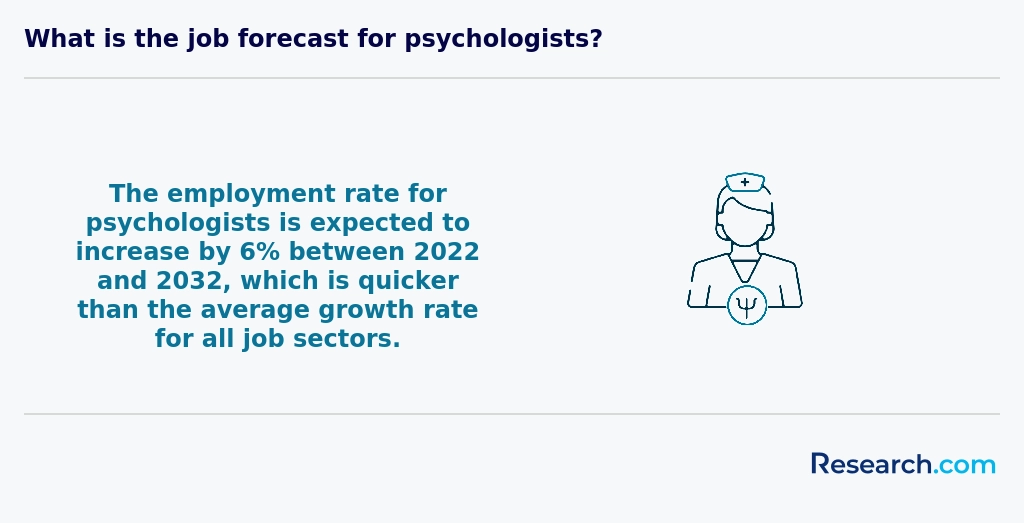
Psychology careers in Texas reflect broader global trends emphasizing mental health awareness and research. The U.S. Bureau of Labor Statistics projects a 10% growth in psychologist jobs nationwide from 2022 to 2032, slightly higher than the average for all occupations. Texas, with its large and diverse population, shows increasing demand for mental health professionals in both urban and rural areas.
Globally, psychology is recognized as an important field addressing mental wellness, behavioral health, and social challenges. However, licensure and educational requirements vary widely between countries. In Texas, online psychology degrees must comply with state licensing boards to ensure graduates can practice locally.
Data from the Texas Higher Education Coordinating Board highlights that many students choose online programs for flexibility, making it easier to meet regional workforce needs. As international cooperation expands, psychologists trained in Texas bring relevant expertise that aligns with global standards in ethics and practice.
Gaining practical experience while pursuing an online psychology degree in Texas is essential for career readiness. Many accredited Texas programs require or encourage internships, allowing students to work in mental health clinics, schools, or community agencies. These placements provide hands-on learning and networking opportunities.
Students can also participate in research projects remotely, collaborating with faculty on ongoing studies. The Texas Psychological Association offers resources and connections to local professionals, which can help secure supervised fieldwork.
It's important to verify that any internship or practicum meets Texas Board of Examiners of Psychologists requirements if you plan to pursue licensure in the state. Combining coursework with practical experience enhances skills and improves job prospects in Texas's growing psychology job market.
Choosing the right concentration within an online psychology degree in Texas requires understanding your career goals and the state's demand for specific psychology roles. Texas has a growing need for clinical, counseling, and school psychologists, with the Texas Workforce Commission projecting 16% job growth for psychologists by 2030.
Review program concentrations such as clinical, educational, or industrial-organizational psychology. Each concentration offers different career paths and licensure requirements. For example, clinical psychology often leads to licensure as a Licensed Psychologist, while industrial-organizational psychology focuses on workplace behavior.
Consider accredited programs that align with Texas Board of Examiners of Psychologists standards to ensure licensure eligibility post-graduation. Research employment data and salary trends in Texas to make an informed decision.
- 2027 Easiest Online Master's in Psychology Degree Programs Ranking in Kansas
- 2027 Easiest Online Master's in Psychology Degree Programs Ranking in Missouri
- 2027 Easiest Online Master's in Psychology Degree Programs Ranking in Alabama
- 2027 Easiest Online Master's in Psychology Degree Programs Ranking in Florida
- 2027 Easiest Online Master's in Psychology Degree Programs Ranking in Virginia
- 2027 Easiest Online Master's in Psychology Degree Programs Ranking in Indiana
- 2027 Easiest Online Master's in Psychology Degree Programs Ranking in Ohio
- 2027 Easiest Online Master's in Psychology Degree Programs Ranking in Pennsylvania
- 2027 Easiest Online Master's in Psychology Degree Programs Ranking in New York
- 2027 Easiest Online Master's in Psychology Degree Programs Ranking in Massachusetts
See What Experts Have To Say About Studying Psychology
Read our interview with Psychology experts

Elizabeth L. Jeglic Ph.D.
Psychology Expert
Professor of Psychology
City University of New York

Robin M. Kowalski. Ph.D.
Psychology Expert
Professor of Psychology
Clemson University

Joann Farrell Quinn, Ph.D., MBA
Psychology Expert
Director at the College of Medicine Department of Medical Education
Morsani College of Medicine

- 2025 Most Popular Online Psychology Degrees in Texas https://www.onlineu.com/degrees/psychology/texas
- Online Psychology Programs in Texas: Review Top Schools https://www.degreesforgood.org/online-degrees/psychology-programs/texas/
- Why Get a Psychology Degree Online? | University of Bridgeport https://www.bridgeport.edu/news/reasons-to-get-your-psychology-degree-online/
- Alumni Perspectives - Meet Our FPN Alumni https://www.aanmelder.nl/alumni-perspectives-june-2023
- Study Psychology Abroad https://astarfuture.co.uk/study_psychology_abroad.html
- Bachelor of Arts in Psychology https://www.concordia.edu/academics/school-of-humanities-and-social-sciences/psychology.html
- Community Psychology in Global Perspective http://siba-ese.unisalento.it/index.php/cpgp
- BA in Psychology Online | UT Permian Basin Online https://online.utpb.edu/programs/bachelor-of-arts/psychology/
- Ontario Psychological Association - Networking and Community Resources https://www.psych.on.ca/become-a-member-(1)/member-services/networking-and-community-resources
- Homepage https://www.onlinepsychologydegrees.com/


