
2027 Most Valuable Psychology Degree Programs Ranking in Hawaii

Co-Founder and Chief Data Scientist
Choosing the right psychology degree program in Hawaii can be a life-changing step toward a fulfilling career. Our article introduces the 2027 Most Valuable Psychology Degree Programs Ranking in Hawaii, carefully developed by the Research.com team of data scientists. This ranking helps you identify programs that offer the best value and opportunities.
By exploring this guide, you'll gain confidence in making informed decisions that align with your goals. Pursuing a psychology degree opens doors to meaningful work and personal growth, making it a rewarding journey worth considering.
Key benefits of getting psychology degree in Hawaii
- The average salary for psychology-related jobs in Hawaii is promising; for example, Marketing Research Analysts earn around $83,190 annually, while Human Resources Specialists make about $76,060, reflecting strong earning potential.
- Graduates from the University of Hawaii often pursue diverse careers such as clinical research or survey research, offering exciting opportunities to impact mental health and community well-being.
- Online psychology degrees from Hawaiian institutions provide flexibility and convenience, allowing students to balance work and life while gaining valuable skills recognized by local employers.
- 2027 Most Valuable Psychology Degree Programs Ranking in Hawaii
- What can I expect from psychology degree in Hawaii?
- Where can I work with psychology degree in Hawaii?
What can I expect from psychology degree in Hawaii?
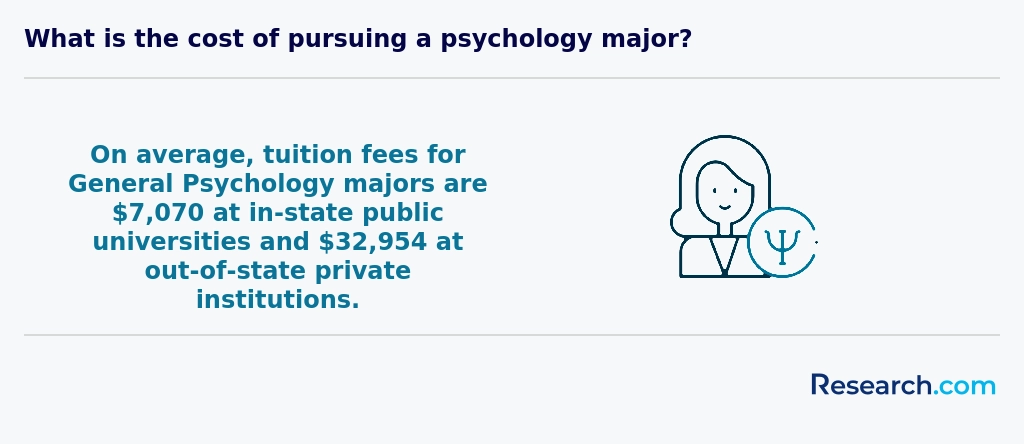
If you're thinking about studying psychology in Hawaii, the cost is pretty reasonable, especially if you're an in-state student. For example, at the University of Hawaii at Manoa, tuition usually runs around $12,000 a year for residents, which is just a bit above the national average for public schools. Many students share that this makes pursuing their passion more doable without crazy debt hanging over them.
Some graduates mention feeling grateful because Hawaii's tuition feels fair compared to mainland universities, and you get to learn in such a unique, culturally rich environment. Plus, since the University of Hawaii offers both undergrad and grad programs with strong accreditation, students feel confident their education holds weight when applying for jobs or licensure.
While private colleges in Hawaii tend to be pricier, many students choose the public route and say the cost balances well with the awesome hands-on fieldwork opportunities they get across the islands. So, it's a manageable and rewarding investment in your future in psychology.
Where can I work with psychology degree in Hawaii?
If you're studying psychology in Hawaii, you've got a lot of cool job options waiting for you after graduation. Many grads from the University of Hawai'i or Hawai'i Pacific University find themselves landing entry-level jobs in places like nonprofit organizations or human services, helping the community through case management or behavioral support roles. It's rewarding work that really lets you see the difference you're making.
For those who go further with a master's or doctorate, opportunities open up in clinical settings. Imagine working at The Queen's Medical Center or Tripler Army Medical Center, teaming up with psychiatrists and social workers to provide therapy and assessments. Many grads say it feels great to be part of that healing process.
School psychology is another popular path. Graduates often get hired by the Hawaii State Department of Education to support students with counseling and special education, which is super fulfilling if you love working with kids and teens.
Plus, with Hawaii's strong military presence, there are unique chances to work with veterans and service members dealing with PTSD and family counseling-making a real impact in people's lives right here in the islands.
If you're studying psychology in Hawaii, you're probably wondering how much cash you can realistically make after graduation. Well, grads with a bachelor's degree often step into roles like human resources specialists, and those jobs pull in about $76,060 a year on average. That's a decent start, especially right after wrapping up a program at places like the University of Hawaii.
Others might jump into marketing research analyst roles, earning around $83,190 annually. This path fits perfectly if you enjoyed the data-crunching side of psychology during college. For a more hands-on role in healthcare research, clinical research associates in Hawaii make about $62,370 per year, which is pretty solid entry-level money.
Keep in mind, some grads work as childcare workers to get experience-these roles average $32,070 yearly, which can be a stepping stone while figuring out your next move. Lots of students from local colleges find that gaining this real-world experience helps them land higher-paying gigs sooner.
It's exciting to know that Hawaii offers these competitive wages combined with that amazing island lifestyle-definitely a win-win after graduation!
- Tuition for psychology degrees in Hawaii ranges from $12,000 to $15,000 per year for in-state students, while out-of-state tuition can exceed $35,000 annually.
- Hawaii has fewer psychology programs than mainland states, but local universities offer strong community connections important for practical training.
- Entry-level psychology salaries in Hawaii average around $50,000 per year, with doctoral-level psychologists earning $80,000 to $90,000 depending on specialization.
- Licensure requires supervised clinical hours and passing the Examination for Professional Practice in Psychology (EPPP), overseen by the Hawaii Board of Psychology.
- The high cost of living in Hawaii impacts education and housing budgets; financial aid and scholarships are available but competitive.
If you're thinking about studying psychology in Hawaii, you're probably wondering how long it'll take to finish. For a bachelor's degree, most students at places like the University of Hawaii at Manoa or Hawaii Pacific University finish in about four years. It feels great to finally wrap up those classes on psychological theories and research methods after a solid run of full-time study.
Graduates often mention how those four years flew by, especially with the mix of general education courses and hands-on research projects. But if you want to take it further, say a master's degree, expect about two more years. Some folks enjoy the flexibility of part-time study, which can stretch that out a bit.
Getting a doctoral degree to become a licensed psychologist is a longer journey-think anywhere from 4 to 7 years after your bachelor's. Doctoral students at Hawaii's universities often share stories about the challenge and excitement of balancing coursework, internships, and their dissertation. It's demanding but incredibly rewarding to see your growth through the process.
Pursuing a psychology degree in Hawaii can be a rewarding experience, with the state's unique cultural landscape and beautiful natural surroundings providing an ideal backdrop for studying human behavior and mental processes. For those interested in affordable options, considering the cost of tuition is essential. Students can explore various financial aid opportunities, including scholarships and grants, to help fund their education. When looking for affordable psychology schools in Hawaii, it's crucial to weigh factors such as program accreditation, curriculum, and faculty expertise. By researching these aspects, prospective students can make informed decisions about their educational investment. For more information on affordable psychology programs, visit most affordable psychology schools in Hawaii, which provides a comprehensive overview of cost-effective options for pursuing a psychology degree in the state.
If you're thinking about getting a psychology degree in Hawaii, online and on-campus options each have their own vibe. Picture a student taking classes at the University of Hawaii at Manoa. They love the on-campus experience-chatting face-to-face with professors, joining study groups, and hitting the campus's psychology labs. It feels more hands-on, and those in-person connections help when practicing counseling techniques or working through case studies.
Now imagine another grad who picked the online program because juggling island life and family made daily campus visits tricky. This option lets them dive into lectures whenever it fits, whether that's early mornings or late nights, without worrying about inter-island travel. Plus, they save on commuting and housing, which can be a relief when living in places like Maui or Kauai.
Both routes are solid and accredited, but while online learners need to stay super disciplined, on-campus students often thrive on direct social interaction. Either way, you get a quality education with flexibility tailored to your own island lifestyle.
To become a licensed psychologist in Hawaii, follow these key steps:
- Earn a master’s or doctoral degree in psychology from an APA-accredited program, including accredited online psychology masters options
- Complete 2,000+ hours of supervised practicum or internship under a licensed psychologist
- Pass the national Examination for Professional Practice in Psychology (EPPP)
- Satisfy Hawaii’s jurisprudence (state law) exam requirement
- Apply to the Hawaii Board of Psychology with official transcripts, exam scores, and licensing fee
- Complete 20 hours of continuing education every two years to renew your license
If you're thinking about getting a psychology degree in Hawaii, the average cost is something you'll want to know upfront. For in-state students at places like the University of Hawaii at Manoa, the median total cost for a psychology degree tends to hover around $12,186. That's actually pretty reasonable compared to a lot of other states, especially considering Hawaii's unique island environment.
Out-of-state students often face a much higher bill, with the median costs jumping up to about $47,509. Many graduates share how they balanced the higher tuition fees by applying for scholarships or assistantships, which can make a big difference. Private colleges offering psychology degrees can be on the pricier side, so it's smart to compare all your options.
The thing to keep in mind for any Hawaii student is that living expenses are a big part of the overall price tag. Housing and transportation usually add quite a bit, so budgeting beyond just tuition is crucial. Students often mention how rewarding it feels to study psychology in a place with such beautiful surroundings, despite these extra costs.
To find the most affordable psychology schools in Hawaii, you might want to check out this helpful list of the most affordable psychology schools in Hawaii. It's a great starting point to figure out where your money will go the farthest while getting a quality education.
With some planning, pursuing a psychology degree tuition and fees Hawaii won't feel so overwhelming, and you can focus on your passion for helping others in this beautiful island setting.
As Hawaii’s educational landscape evolves, psychology programs are embracing new trends that not only enhance academic quality but also prepare graduates for the rapidly changing demands of the professional world. One significant trend is the integration of digital learning technologies, which are transforming traditional classrooms into interactive, hybrid, and fully online environments. This shift has expanded access to advanced degrees, with many students exploring online options. For example, many prospective students often wonder if is getting online doctorate degree in psychology hard, a concern that underscores the growing demand for flexible, yet rigorous, online education formats. Furthermore, these emerging programs are increasingly focused on research innovation, interdisciplinary collaboration, and practical applications of psychological theories in real-world settings. Enhanced curricular offerings now include data analytics, telepsychology, and cultural competency-critical factors given Hawaii’s vibrant, diverse community. By staying abreast of these trends, both institutions and students can ensure that education remains relevant and responsive to future market needs, thereby boosting career readiness and long-term professional growth.
If you're eyeing a psychology degree in Hawaii, there's plenty of financial aid to ease the pressure. Most students lean on federal aid like Pell Grants, which can cover up to $7,395 a year, helping keep those tuition bills manageable. Plus, there are federal work-study gigs that let you earn while you learn, perfect if you want to stay close to campus life.
For folks sticking to in-state schools like the University of Hawaii at Manoa, state grants are a solid option. These need-based awards help cover tuition and fees, which usually run between $12,000 and $18,000 yearly for psychology programs. Lots of students I know snag institutional scholarships too-offered for good grades or leadership-making a real difference in their college journey.
And don't forget the American Psychological Association scholarships! They're competitive, but tapping into those can be a game changer for your finances. Loans are common, but many grads appreciate federal loans for the low interest and flexible payback plans, especially when grads earn around $65,000 a year, making it less stressful to cover debts.
Obtaining a professional psychology license in Hawaii involves a multi-step process designed to ensure high standards of practice and protect public welfare. First, graduates must complete an APA-accredited doctoral program or its equivalent, earning a PsyD or PhD with a minimum of 3,000 supervised practicum and internship hours. Prospective students exploring doctoral options may ask can you get a psyd online to balance flexibility and accreditation. Next, candidates must pass the Examination for Professional Practice in Psychology (EPPP), administered by the Association of State and Provincial Psychology Boards (ASPPB). A minimum score of 500 is typically required, though individual scores may vary by jurisdiction. After passing the EPPP, applicants submit proof of supervised experience-usually 2,000 post-doctoral hours-to the Hawaii Board of Psychology, along with official transcripts and two professional references. Once initial licensure is granted, psychologists must adhere to Hawaii’s continuing education requirements: 30 hours of approved coursework every two years, including at least three hours on ethics or jurisprudence. Approved providers include university workshops, APA conferences, and online courses that meet state guidelines. Renewal applications must be submitted before the license expiration date, accompanied by documentation of all completed credits. For those pursuing related certifications-such as Licensed Mental Health Counselor (LMHC) or School Psychologist-additional exams and supervised hours apply, under the purview of the Department of Commerce and Consumer Affairs. Understanding these requirements early empowers students to plan financial aid, internships, and program selection strategically, ensuring a seamless transition from graduation to licensure and practice in Hawaii’s dynamic mental health landscape.
If you're thinking about jumping into a psychology degree in Hawaii, the first thing you'll hear from grads at schools like the University of Hawaii is that having your high school diploma or GED is a must. Most programs want to see decent grades too-usually around a 2.5 to 3.0 GPA-to make sure you're ready for the coursework.
Many students remember feeling relieved when they found out some schools here have gone test-optional, so those SAT or ACT scores might not always be a big deal. Still, it's smart to double-check because requirements can change. If you've got solid grades in biology, statistics, or intro psych classes, you'll be ahead of the game, especially for upper-level classes.
For those considering grad school in Hawaii, alumni say having your bachelor's degree and GRE scores (unless waived) is standard. Most of them also recommend getting some experience volunteering or interning in mental health settings-nothing beats learning by doing!
Finally, don't forget to plan for tuition costs, which for in-state public universities typically range from $11,000 to $18,000 per year, so budgeting early helps keep things stress-free while you focus on your studies.
Ensuring your psychology degree program is properly accredited is the first step toward a successful licensure pathway in Hawaii. The American Psychological Association (APA) accreditation is the gold standard for clinical and counseling psychology programs, while the Western Association of Schools and Colleges (WASC) regional accreditation validates overall institutional quality. Graduating from an APA-accredited program not only enhances your eligibility for state licensure but also streamlines reciprocity if you choose to practice elsewhere. Key steps in Hawaii’s licensure process: 1. Graduate from an APA-accredited or regionally accredited institution. 2. Complete the required supervised experience-typically 3,000 post-doctoral hours under a licensed psychologist. 3. Pass the Examination for Professional Practice in Psychology (EPPP), administered by the Association of State and Provincial Psychology Boards (ASPPB). 4. Submit a licensure application to the Hawaii Board of Psychology, including official transcripts, verification of supervised hours, and EPPP scores. Maintaining licensure requires ongoing professional development. Hawaii mandates 45 hours of continuing education every three years, with specific credits in ethics and multicultural competence. Many universities offer graduate workshops and online modules to help professionals meet these requirements. When comparing programs, consider both accreditation status and affordability. For insights into cost-effective psychology degrees outside Hawaii, explore the Cheapest Psychology Degree Programs Ranking in Kentucky. By choosing an accredited program that aligns with state licensure requirements, you’ll be well-positioned to become a licensed psychologist in Hawaii and beyond.
If you're diving into a psychology degree in Hawaii, expect to tackle a mix of courses that really build your understanding of how people think and behave. At popular spots like the University of Hawaii, grads often talk about enjoying classes like Introduction to Psychology, where you get the lowdown on all the major theories that explain why we do what we do. Then there's Research Methods in Psychology, which is where you learn to design experiments and crunch data - skills that come in handy whether you're headed for grad school or a job.
Other courses that students find super interesting include Biological Psychology, which connects brain function to behavior, and Developmental Psychology, letting you walk through the fascinating journey of human growth from childhood to adulthood. A lot of students also really appreciate Social Psychology because it explores how interactions shape what we think and feel - perfect for Hawaii's diverse community vibe.
Many also find the hands-on feel of Psychological Testing and Measurement classes pretty rewarding, as they get to try out assessments themselves. Plus, electives in counseling techniques or cultural psychology add a cool local twist that makes studying in Hawaii feel even more meaningful.
If you're looking into psychology degree specializations in Hawaii, you'll find a bunch of interesting options that really connect with the island vibe. Lots of graduates from the University of Hawaii at Manoa rave about how the clinical psychology track gave them hands-on experience diagnosing and treating mental health issues unique to Hawaii's diverse communities.
Counseling psychology is another popular path, focusing on everyday stresses and emotional hurdles-perfect for those wanting to support people in a laid-back, real-world way. Then there's developmental psychology, which many students love because it dives into growth across the lifespan, reflecting the multicultural and Native Hawaiian influences prominent in Hawaii's population.
Some grads mention that school psychology really stood out, especially if you want to help kids thrive in local schools. Other cool specializations include health psychology, showing how the mind and body connect, and forensic psychology, which ties into legal stuff here in the islands.
Many students also explore multicultural counseling options that speak directly to Hawaii's unique community needs. If you're curious about the journey, checking out why is getting online doctorate degree in psychology hard can give you a good sense of what lies ahead.
When picking the best psychology degree in Hawaii, it helps to think about what really matters to you-whether that's hands-on experience, the vibe of the campus, or the kind of career you want after graduation. Graduates from popular colleges in Honolulu often highlight how much they valued programs that offered strong local connections, like internships at mental health clinics or hospitals. These real-world experiences made a huge difference in feeling prepared and confident for their careers.
Don't forget to check if the program is accredited; it's a must for anyone aiming to become a licensed counselor or psychologist in the state. Also, consider what specializations excite you. Some schools focus more on research, while others dive into clinical or counseling psychology. If cost is on your mind, Hawaii's public universities offer some of the more affordable psychology colleges in Hawaii, making it easier to budget your education.
For those curious about flexible study options, you might want to see if can you get a psyd online fits your lifestyle. Picking the right program might feel overwhelming, but thinking through these practical angles can make finding the best psychology degree programs Hawaii has to offer a lot smoother.
If you're exploring psychology career opportunities in Hawaii, you've got quite the variety to choose from. Graduates from well-known schools like the University of Hawaii enjoy paths in mental health clinics or private practices, often becoming licensed psychologists after earning advanced degrees. Some go on to work in counseling or as marriage and family therapists, roles that combine meaningful client connections with a steady demand right here at home.
Others find fulfilling jobs in school psychology within the Hawaii Department of Education, supporting students both emotionally and academically. It's common to see grads from community colleges gaining valuable experience before moving into specialized certifications that boost their job prospects.
Beyond the usual clinical roles, a psychology degree in Hawaii opens doors to research gigs or HR positions where understanding behavior helps local companies thrive. If you're weighing costs and outcomes, check out the Cheapest Psychology Degree Programs Ranking in Kentucky for a look at affordable options nationally to compare with local tuition and career salaries.
The psychology degree job outlook in Hawaii is pretty encouraging, especially if you're aiming to work in mental health counseling or substance abuse treatment. Graduates from places like the University of Hawaii at Manoa often share how their education connected them with local health centers and nonprofits, which are some of the biggest employers on the islands. Because Hawaii's population is smaller, the job market is competitive, but it's also tightly knit, giving graduates a sense of community and plenty of chances to make an impact.
Salary-wise, Hawaii offers a solid bump compared to the mainland, with mean wages around $98,000 for clinical and counseling psychologists. This helps when you consider the cost of living here. Plus, students appreciate that the University of Hawaii keeps tuition reasonable, making it easier to balance education costs without heading off-island or online-though some go for options like a cheap accelerated bachelor's degree online to finish faster.
Hawaii psychology careers market trends also show growing demand in rural areas, where mental health professionals are really needed, so graduates feel a rewarding connection when they work in underserved communities. Overall, the local job market blends opportunity with a strong community vibe, making it a great spot to start if you want to stay and serve your home state.
2027 Most Valuable Psychology Degree Programs Ranking in Hawaii
Investing in your education is a significant decision that can profoundly impact your future, and the Research.com team recognizes the importance of making well-informed choices. To assist prospective students in Hawaii, we have carefully developed the "2027 Most Valuable Psychology Degree Programs Ranking in Hawaii." Our dedication to quality, credibility, and accuracy is demonstrated through thorough research and analysis underpinning this ranking.
We utilized the following reputable data sources to ensure a comprehensive evaluation of psychology programs:
By reviewing this ranking, readers will receive valuable insights into the most valuable psychology degree programs in Hawaii, empowering them to make educated decisions regarding their academic and professional futures. For a detailed explanation of our approach, please visit our Research.com methodology page.


Frequently Asked Questions About psychology
Psychology degree students in Hawaii can maximize their learning experience by actively engaging in both academic and practical opportunities available across the islands. Enrolling in accredited programs recognized by the American Psychological Association ensures a curriculum aligned with national standards.
Taking advantage of Hawaii's diverse cultural landscape supports deeper understanding of developmental and social psychology. Students should seek internships or volunteer positions within community health centers or the Department of Health, which frequently collaborate with local universities.
Participation in research projects is also valuable; the University of Hawaii system hosts multiple studies on mental health issues affecting Pacific Islander populations, providing unique hands-on experience. According to the National Center for Education Statistics, experiential learning boosts retention and job readiness significantly.
Networking with psychology professionals through state chapters of national organizations can provide mentorship and increase career prospects. Utilizing campus resources like tutoring and counseling centers can also reinforce learning goals effectively.
Emerging niches within psychology reflect changing societal needs and technological advances. In Hawaii, fields like indigenous and cultural psychology are gaining attention, focusing on the unique experiences of Native Hawaiian communities. This specialization helps address mental health disparities highlighted in reports by the Hawaii State Department of Health.
Another growing area is telepsychology, especially relevant in Hawaii's rural and island settings. As of 2023, about 30% of mental health services used by residents involve telehealth platforms, improving access across the islands. Additionally, neuropsychology and health psychology are expanding due to increased research funding from institutions like the University of Hawaii.
These niches offer promising career paths tailored to Hawaii's demographic and geographic context.
After earning a psychology degree in Hawaii, preparing for the job market involves several important steps. First, gaining relevant experience through internships or volunteer work at local mental health clinics or community organizations can improve employability. Hawaii's unique multicultural population often values culturally sensitive skills, which employers seek in candidates.
Networking with professionals via the Hawaii Psychological Association or attending state conferences helps build connections. Additionally, considering state licensure requirements is crucial if planning to become a licensed psychologist; Hawaii requires supervised hours and passing the Examination for Professional Practice in Psychology (EPPP).
According to the U.S. Bureau of Labor Statistics, demand for psychologists in Hawaii is expected to grow 6% between 2022 and 2032, highlighting steady job opportunities locally.
Employers in Hawaii seek psychology graduates with strong communication and interpersonal skills, vital for working effectively in diverse communities. Analytical thinking is also crucial, enabling graduates to interpret data and research outcomes accurately.
Additionally, knowledge of cultural competence is highly valued, reflecting Hawaii's unique multicultural environment. Graduates are expected to demonstrate ethical awareness and professional responsibility, aligning with American Psychological Association (APA) guidelines.
Technical skills such as proficiency in statistics and research methods are increasingly important, especially in clinical or research-based roles. According to the U.S. Bureau of Labor Statistics, employment for psychologists in Hawaii is projected to grow by 7% through 2031, reinforcing demand for these core abilities.
Finding internships in Hawaii relevant to a psychology degree involves a combination of university resources, local agencies, and proactive networking. Many Hawaii colleges with psychology programs, such as the University of Hawaii at Manoa, offer internship placement assistance or career centers that connect students with local mental health organizations, hospitals, and research facilities.
Local agencies like the Hawaii Department of Health and non-profits focused on behavioral health often provide internships suitable for psychology students. According to the Hawaii State Department of Labor, internships in health services grew by 12% over recent years, reflecting increasing opportunities.
Students should also explore community mental health centers and research labs, especially in areas like Honolulu and Maui, where many psychology internship spots concentrate. Utilizing professional associations, such as the Hawaii Psychological Association, can further support internship search efforts.
A psychology degree in Hawaii significantly enhances career mobility due to the state's growing demand for mental health professionals. The Hawaii Department of Labor forecasts a 10% growth in psychology-related jobs from 2022 to 2032. Graduates with advanced degrees often qualify for higher-paying roles such as clinical psychologists, counselors, and social workers, which require state licensure.
Hawaii's unique cultural context values professionals trained in diverse and inclusive approaches, benefiting those with specialized psychology education. Professionals report increased advancement opportunities when they hold master's or doctoral degrees, especially in counseling or clinical fields.
The University of Hawaii and other in-state institutions offer accredited programs that meet licensing requirements, which is crucial for career progression.
Studying for a psychology degree in Hawaii offers unique interdisciplinary preparation due to the state's diverse cultural landscape and emphasis on community health. Programs often integrate psychology with fields such as social work, education, and public health to address complex societal needs. For example, the University of Hawaii incorporates indigenous perspectives and cross-cultural research methods, enhancing students' ability to work in multidisciplinary teams.
Graduates are equipped to collaborate in environments like healthcare, education, and social services, where psychological knowledge intersects with other disciplines. According to the Hawaii State Department of Labor, mental health and social service roles are among the fastest growing, highlighting the demand for interdisciplinary skills.
Choosing between a thesis and a non-thesis psychology degree program in Hawaii depends on your career goals and learning preferences. Thesis programs emphasize original research, ideal for students considering doctoral studies or research careers. They often require extensive data collection and analysis, which can take one to two years beyond coursework.
Non-thesis options focus more on coursework and practical skills, appealing to those aiming for clinical work or positions in applied psychology. These programs typically have shorter completion times.
According to the National Center for Education Statistics, about 40% of psychology master's students nationwide choose thesis tracks, reflecting a substantial interest in research. In Hawaii, University of Hawaii at Manoa encourages thesis options for research-oriented students, offering access to unique Pacific Island-related psychological studies.
Consider if you prefer hands-on clinical training or academic research to help select the best fit.
Students based in Hawaii who wish to study psychology abroad have several valuable options within the U.S. higher education system. Many mainland universities offer online and hybrid psychology degree programs, providing flexibility without the need to relocate permanently. For those interested in campus-based experiences, established study abroad programs often partner with institutions in countries like the United Kingdom, Canada, and Australia, which have strong psychology departments.
Hawai'i students can also access federal financial aid for accredited programs outside the state, including those abroad, as long as the institution participates in Title IV funding. According to the U.S. Department of Education, pursuing a degree outside Hawaii requires ensuring transferability of credits and recognition by the American Psychological Association if licensure is a goal. These pathways expand opportunities while maintaining standards important to future psychology professionals.
Students pursuing psychology degrees in Hawaii have several part-time job opportunities that complement their education and build relevant experience. One common option is working as a behavioral health technician or aide, often available at local hospitals and community mental health centers. These roles provide hands-on experience with patient care and psychological assessment.
Another opportunity lies in research assistant positions at institutions like the University of Hawaii, where psychology students can support ongoing studies. This experience strengthens data analysis and research skills.
Additionally, many Hawaii-based nonprofits seek part-time counselors or support staff to assist with outreach programs focused on mental health awareness, offering valuable practical exposure.
Psychology students in Hawaii benefit from diverse networking opportunities that support academic and professional growth. Universities such as the University of Hawaii at Manoa offer student organizations like the Psi Chi Honor Society, which hosts events connecting students with local psychologists and researchers.
Additionally, Hawaii's unique cultural context encourages collaboration through community-based internships and research projects, enabling students to build relationships with professionals in clinical and counseling psychology fields.
The Hawaii Psychological Association regularly organizes conferences and workshops, providing students with access to statewide professionals and potential mentors. According to the Bureau of Labor Statistics, Hawaii employs over 1,000 psychologists, highlighting a robust local professional community.
Alumni networks provide valuable support for psychology degree students in Hawaii by connecting them with a broad community of professionals. These networks often include graduates working in various psychology fields across the state, enabling students to access mentorship and career advice tailored to Hawaii's unique cultural and clinical environment.
Research from the American Psychological Association highlights that students with active alumni engagement are 30% more likely to secure internships and job placements. In Hawaii, with its diverse population and increasing demand for mental health services, such connections are essential.
Additionally, alumni events and workshops help students stay informed about local industry trends and licensure requirements specific to Hawaii.
In Hawaii, customizing a psychology degree program to fit career goals involves selecting specialized coursework and practical experiences. Many universities offer concentrations such as clinical, developmental, or organizational psychology, allowing students to focus on areas aligned with their interests. Additionally, internships or research projects related to Hawaiian communities provide hands-on experience and cultural competence, which are highly valued in local job markets.
Students can also tailor electives to include studies in counseling techniques, substance abuse, or educational psychology depending on their career path. According to the Hawaii State Department of Labor, mental health professions are growing at a rate of 12% through 2030, making targeted training increasingly important.
Advisors and faculty at Hawaii institutions often assist in designing individualized study plans. This ensures the program meets state licensure requirements while enhancing employability in sectors like healthcare, education, or social services.
Psychology students in Hawaii face several unique challenges due to the state's geographic isolation and higher living costs. Access to specialized internships and research opportunities can be limited compared to mainland institutions. According to data from the University of Hawaii system, securing local placements for practicum experiences may require additional effort and planning.
Another issue is the high cost of tuition combined with living expenses, which ranks among the highest in the nation according to the College Board. This financial burden affects many students' ability to focus solely on academics.
Moreover, Hawaii's diverse cultural landscape requires students to develop strong multicultural competence, which can be both an opportunity and a challenge when training for clinical or counseling psychology roles.
With a psychology degree in Hawaii, graduates can pursue various professional certifications to enhance their careers. One prominent path is obtaining licensure as a Licensed Psychologist, which requires a doctoral degree plus supervised experience and passing the Examination for Professional Practice in Psychology (EPPP). The Hawaii Board of Psychology oversees this process.
Other valued certifications include becoming a Licensed Mental Health Counselor (LMHC) or Licensed Social Worker (LSW), both requiring a master's degree, supervised hours, and passing relevant exams. The U.S. Bureau of Labor Statistics projects a 14% growth in clinical and counseling psychologist jobs nationally through 2032, reflecting strong demand, also felt in Hawaii's health sector.
Additional certifications exist for specialties like school psychology or neuropsychology, often requiring further education and training. National organizations like the American Board of Professional Psychology provide credentialing options that can be recognized in Hawaii.
To write a winning application for a psychology program in Hawaii, start by carefully researching each institution's admission requirements. Many programs, including those at the University of Hawaii at Manoa, seek applicants with a strong academic record, typically a minimum GPA of 3.0. Highlight relevant coursework and any experience in psychology research or community service.
Prepare a clear, concise personal statement emphasizing your motivation for studying psychology in Hawaii. Tailor it to reflect interest in local mental health issues or cultural aspects unique to the islands. According to the Hawaii Department of Labor, psychology-related fields are growing, so showing awareness of the state's needs can strengthen your candidacy.
Obtain strong letters of recommendation from faculty or supervisors familiar with your academic or professional skills. Also, consider submitting GRE scores if required; some programs have waived them recently, but verify current policies on official university websites. Proofread all materials thoroughly to avoid errors.
The career outlook for psychology graduates in the United States, including Hawaii, is shaped by global trends emphasizing mental health awareness and accessibility. According to the U.S. Bureau of Labor Statistics, employment for psychologists is projected to grow 8% from 2022 to 2032, faster than the average for all occupations. This growth reflects increasing demand for mental health services both locally and internationally.
In Hawaii, where mental health resources are in high demand due to geographic and cultural diversity, psychology professionals play a critical role in communities. The Hawaii Department of Labor notes that psychologists earn a median annual wage of about $87,000, with opportunities expanding in clinical, educational, and research settings.
Globally, psychology careers benefit from international collaboration, but U.S. degrees remain highly valued due to rigorous training standards. Certification and licensure vary by state, making it essential for students to understand Hawaii's specific requirements.
Students pursuing psychology degrees in Hawaii can gain practical experience through various clinical internships and community-based programs offered by local universities. Institutions such as the University of Hawaii system provide structured practicum opportunities, allowing students to work directly with clients under professional supervision. These experiences help develop essential skills in assessment, counseling, and research.
Additionally, Hawaii's unique cultural environment encourages engagement with diverse populations, fostering cultural competence. According to the American Psychological Association, hands-on training improves graduate readiness for licensure exams and employment. Students can also seek volunteer roles at mental health clinics, schools, or nonprofit organizations to enhance their applied knowledge.
Choosing the right concentration within a psychology degree program in Hawaii starts with understanding your career goals and interests. Common concentrations include clinical, counseling, developmental, and industrial-organizational psychology. Hawaii's unique cultural diversity often makes concentrations involving multicultural or community psychology particularly relevant. According to the U.S. Bureau of Labor Statistics, employment for psychologists in Hawaii is projected to grow steadily, especially in healthcare and education sectors.
It is important to examine each program's faculty expertise and practicum opportunities. Local universities often collaborate with community organizations, providing practical experience that aligns with state needs. Reviewing program accreditation by the American Psychological Association (APA) can also ensure quality education and licensure eligibility within Hawaii.
- 2027 Most Valuable Psychology Degree Programs Ranking in Nevada
- 2027 Most Valuable Psychology Degree Programs Ranking in Montana
- 2027 Most Valuable Psychology Degree Programs Ranking in New Mexico
- 2027 Most Valuable Psychology Degree Programs Ranking in North Dakota
- 2027 Most Valuable Psychology Degree Programs Ranking in Nebraska
- 2027 Most Valuable Psychology Degree Programs Ranking in Kansas
- 2027 Most Valuable Psychology Degree Programs Ranking in Oklahoma
- 2027 Most Valuable Psychology Degree Programs Ranking in Missouri
- 2027 Most Valuable Psychology Degree Programs Ranking in Illinois
- 2027 Most Valuable Psychology Degree Programs Ranking in Mississippi
See What Experts Have To Say About Studying Psychology
Read our interview with Psychology experts

Joann Farrell Quinn, Ph.D., MBA
Psychology Expert
Director at the College of Medicine Department of Medical Education
Morsani College of Medicine

Elizabeth L. Jeglic Ph.D.
Psychology Expert
Professor of Psychology
City University of New York

Catherine Caldwell-Harris, Ph.D.
Psychology Expert
Associate Professor of Psychology
Boston University

- What Certifications Can I Get With A Bachelor's In Psychology? https://www.psychology.org/resources/certification-skills-for-psychology-major-resumes/
- Best Hawaii Psychology Degrees Updated for 2025, Online Included https://www.psychologydegrees.org/state/hawaii
- A Guide to Psychology Internships | Psychology Degree Guide https://psychologydegreeguide.org/resources/internships/
- Hawaii Psychology Doctorate Programs: PsyD & PhD Options in 2025 https://psydprograms.org/hawaii-psychology-doctorate/
- Scholarships - The Office of Hawaiian Affairs (OHA) https://www.oha.org/educational-pathways/scholarships/
- Ontario Psychological Association - Networking and Community Resources https://www.psych.on.ca/become-a-member-(1)/member-services/networking-and-community-resources
- Hawaii Association Of School Psychologists https://hasp.wildapricot.org/Working-in-Hawaii
- Know more about thesis vs non- thesis: what is the difference? https://studyfans.com/en/blogs/816
- Financial Aid Resources https://collegeiswithinreachhawaii.com/financial-aid-resources/
- Study Psychology Abroad | Go Overseas https://www.gooverseas.com/study-abroad/psychology


