
2027 Most Popular Psychology Degree Programs Ranking in Massachusetts

Co-Founder and Chief Data Scientist
Choosing the right psychology degree program can shape your future in meaningful ways. This article presents the 2027 Most Popular Psychology Degree Programs Ranking in Massachusetts, developed by the Research.com team of data scientists. It offers clear insights to help you find programs that align with your goals.
Whether you're passionate about understanding human behavior or eager to make a positive impact, this ranking supports your journey. Discover programs that fit your needs and feel confident about your next steps in education and career.
Key benefits of getting psychology degree in Massachusetts
- Salary for psychology degree graduates: Graduates in Massachusetts can expect competitive salaries, such as Clinical Research Associates earning about $62,370 annually and Marketing Research Analysts making around $83,190. These figures reflect strong earning potential in roles tied closely to psychology.
- Potential career paths: Many psychology graduates from popular Massachusetts universities pursue careers in human resources, clinical research, or as marketing analysts, offering diverse opportunities to apply their skills in various industries. This variety helps keep work exciting and fulfilling.
- Benefits of an online psychology degree: Earning a psychology degree online from a recognized Massachusetts university allows for flexible scheduling and balancing work-life commitments, perfect for busy students. Online graduates often feel empowered by managing their education independently while still receiving quality instruction.
- 2027 Most Popular Psychology Degree Programs Ranking in Massachusetts
- What can I expect from psychology degree in Massachusetts?
- Where can I work with psychology degree in Massachusetts?
What can I expect from psychology degree in Massachusetts?
The average cost of pursuing a psychology degree in Massachusetts varies widely depending on the institution you choose. For example, students at Harvard University and Boston University typically face tuition fees ranging from $50,000 to $60,000 per year. However, public options like the University of Massachusetts system offer more affordable rates, often around $15,000 to $20,000 annually for in-state students. Graduates from these programs often share how the investment felt worthwhile, given the rigorous training and opportunities for hands-on research and internships they received.
Many students find that scholarships, assistantships, and campus jobs available at these renowned schools greatly ease financial pressure. For instance, psychology students at Boston University have access to extensive research labs and professional networks, making each dollar spent on tuition translate into invaluable experience. Choosing a program in Massachusetts means investing in both quality education and access to vibrant mental health communities in Boston and Cambridge.
Where can I work with psychology degree in Massachusetts?
With a psychology degree earned in Massachusetts, graduates find themselves stepping into diverse and rewarding career paths. Many thrive in clinical psychology, joining renowned hospitals and community health centers around Boston, offering therapy and support that truly changes lives. Graduates from schools like Boston University or UMass Amherst often share how their hands-on internships at local clinics helped them build confidence and practical skills early on.
Others become school psychologists, working in vibrant K-12 environments where they positively impact student well-being and learning. Massachusetts public schools eagerly seek these professionals, acknowledging the importance of mental health support in education. Graduates remember how internships in school districts opened doors to meaningful roles right after graduation.
For those drawn to research, institutions such as Harvard and MIT provide thrilling opportunities to explore cognitive psychology and behavioral science. Being part of groundbreaking studies inspires graduates and deepens their passion for the field.
Beyond these traditional roles, psychology degree holders find success in human resources and marketing sectors across the booming biotech and healthcare companies of Massachusetts, applying their understanding of human behavior to improve workplaces and connect with consumers.
Graduates with a psychology degree in Massachusetts often find rewarding career paths with promising earnings, especially when they leverage local opportunities. For example, those who step into roles as Human Resources Specialists-common for psychology graduates-earn a mean annual wage of about $76,060. This is a practical choice for recent graduates from schools like Boston University or UMass Amherst exploring organizational psychology.
Those drawn to data and analysis can thrive as Marketing Research Analysts, earning roughly $83,190 yearly, a role that taps into skills gained through rigorous psychology coursework. It's not uncommon for graduates from Northeastern University to embrace this path, combining their knowledge of human behavior with market trends to boost their earning potential.
For graduates interested in research roles, positions such as Clinical Research Associates and Survey Researchers offer salaries around $62,370, reflecting both entry-level opportunities and growth potential. These roles often serve as solid stepping stones for those passionate about advancing mental health studies or behavioral science.
Keep in mind, salaries increase with experience, further certifications, and specialization. Graduates from Massachusetts' well-regarded psychology programs often share excitement about how their education prepared them to seize these well-paying opportunities within the state's dynamic job market.
- Tuition for a bachelor's degree in psychology at public institutions in Massachusetts ranges from $15,000 to $30,000 per year for in-state students, while private colleges often exceed $40,000 annually.
- The average starting salary for psychology graduates with a bachelor's degree in Massachusetts is between $45,000 and $55,000 per year.
- Graduates with master's or doctoral degrees can earn upwards of $85,000 annually, especially in clinical, counseling, or industrial-organizational psychology.
- Psychologists must complete a doctoral degree, supervised experience, and pass exams to be licensed to practice clinically in Massachusetts.
- Psychology programs in Massachusetts offer a range of specializations including clinical, school, industrial-organizational psychology, and behavioral neuroscience.
- Many programs provide research and internship opportunities through partnerships with hospitals, schools, and mental health organizations.
Completing a psychology degree in Massachusetts is an exciting journey that varies depending on the level you choose. Most students earning their bachelor's degree from well-regarded schools like Boston University or UMass Amherst finish in about four years of full-time study. Graduates often share how this timeline lets them deeply engage with coursework while exploring internships that shape their future careers.
For those pursuing a master's degree, expect around two years of focused study. Many find programs at Massachusetts universities rewarding, balancing rigorous classes with hands-on experiences that strengthen their skills. A typical student might complete 30 to 60 credit hours during this period, stepping closer to clinical roles or research opportunities.
Doctoral students, whether pursuing a PhD or PsyD, embrace a longer path - usually 5 to 7 years. They experience the thrill of in-depth research, clinical practicum, and dissertation milestones. Graduates from top-tier programs here often express pride in overcoming these challenges, knowing they're prepared to make a lasting impact in psychology.
One of the most critical components of a psychology degree in Massachusetts is the integration of internships and clinical practicum experiences, which bridge theory with real-world practice. Psychology internships in Massachusetts often span 100–200 hours per semester and are offered through partnerships with leading hospitals (e.g., Massachusetts General Hospital, Boston Medical Center), school districts, and community mental health centers. These placements allow students to work under licensed psychologists or licensed clinical social workers, gaining supervised experience in assessment, intervention planning, and client interaction. Many programs require a minimum of 3–6 credits of practicum, typically distributed over two semesters, ensuring that students progressively assume greater responsibility. During these fieldwork placements, interns conduct intake interviews, co-facilitate therapy groups, and participate in case consultations-tasks that count toward supervised clinical hours needed for state licensure. Faculty advisers and site supervisors collaborate to set clear learning objectives, monitor student performance through midterm and final evaluations, and provide reflective seminars that reinforce ethical and cultural considerations in practice. To maximize the impact of these experiences, students are encouraged to start their application process in the spring of their junior year, secure strong letters of recommendation, and attend on-campus career fairs where agencies recruit interns. Beyond clinical settings, research practicum opportunities at university labs and nonprofit organizations help develop skills in data collection, statistical analysis, and grant writing. These research internships strengthen resumes for students considering graduate study or careers as Clinical Research Associates. While Massachusetts programs boast extensive fieldwork networks, cost-conscious students may also explore alternative practicum sites and compare program fees via the Low Cost Psychology Degree Programs Ranking in District of Columbia. By strategically selecting internships that align with personal interests-such as child and adolescent mental health, neuropsychology, or organizational behavior-students can build specialized portfolios that enhance employability and prepare them for advanced licensure requirements.
Choosing between an online and on-campus psychology degree in Massachusetts hinges on how you want to experience your education. Online programs offer the freedom to study anywhere-imagine balancing coursework while managing a job or family commitments without the stress of Boston's traffic. Graduates from online paths at schools like Massachusetts State University often praise this flexibility, yet they also share how vital it was to arrange local clinical hours for their hands-on training.
On-campus programs, such as those at Boston College, immerse you in rich face-to-face learning. Picture engaging directly with professors and peers in lively discussions or participating in research labs right on campus. Many graduates highlight the value of this environment for building deep connections and accessing internships close to campus, which is a major boost for entering Massachusetts's competitive psychology field.
Both formats eventually lead to the same credentials, but your daily experience and networking opportunities will shape your journey uniquely in the vibrant learning communities across Massachusetts.
While our ranking focuses on popular psychology degree programs in Massachusetts, many prospective students explore alternative routes into the counseling field. These pathways often allow individuals to build essential skills and gain practical experience even without a traditional psychology background. For example, certification programs, specialized training modules, and hands-on internships can provide a solid foundation in therapeutic techniques and client communication. In addition to these options, a growing number of professionals are choosing to navigate their careers through non-traditional educational routes. If you’re curious about different approaches, you might find resources explaining how to become a counselor especially valuable. These programs emphasize real-world skills, mentoring, and continuous professional development-factors that are increasingly important in today’s evolving mental health landscape. Ultimately, exploring these alternative pathways can broaden your career prospects and help you make an informed decision on how best to enter the field of counseling.
The average cost of a psychology degree in Massachusetts typically centers around $57,230, with in-state students often paying less-around $44,571-while out-of-state students can expect to cover the full range. Graduates from well-known institutions such as the University of Massachusetts Amherst share how investing in their education, despite the tuition, opened doors to rewarding careers in mental health and research. Their stories underscore the value found in programs that balance rigorous academics with practical experience.
Psychology degree expenses in Massachusetts reflect a blend of opportunity and challenge. For example, attending a public university might keep costs more manageable, whereas private colleges-known for their smaller class sizes and advanced research labs-can run higher, sometimes exceeding $60,000 annually. Many students find scholarships and assistantships crucial for easing this burden, allowing them to focus on mastering their field rather than financial stress.
Living in Massachusetts, where education quality is high, means students also budget for textbooks, materials, and supervised clinical hours, especially in specialized psychology tracks. To explore options that suit your goal and budget, reviewing the cheapest psychology schools in massachusetts may provide practical guidance tailored to your needs. This careful planning transforms the investment into a meaningful step toward a fulfilling psychology career.
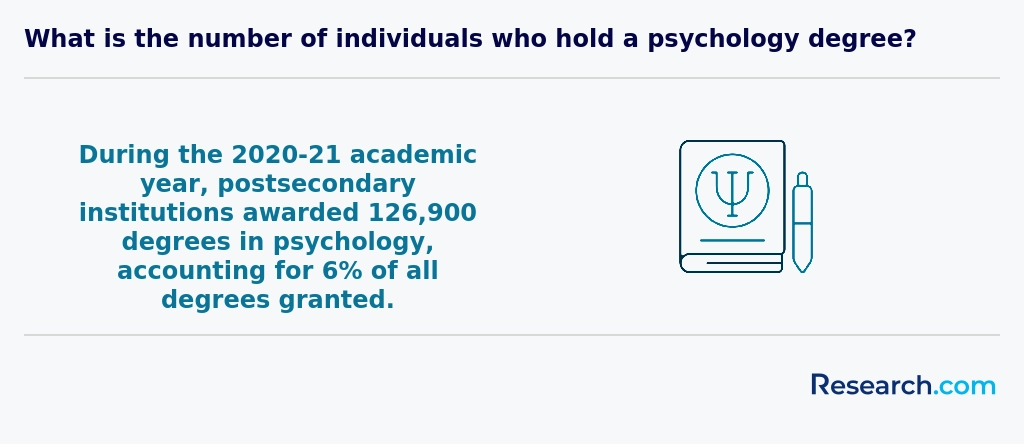
Accreditation ensures that a psychology degree program meets rigorous standards for curriculum, faculty qualifications, and student outcomes. In Massachusetts, students should look for programs that are regionally accredited by bodies such as the New England Commission of Higher Education (NECHE) and, for clinical and counseling tracks, accredited by the American Psychological Association (APA). APA accreditation is particularly critical for those planning to pursue licensure as clinical psychologists, as many state boards require completion of an APA-accredited doctoral program. To become a licensed psychologist in Massachusetts, graduates must:
- Earn a doctoral degree in psychology from an accredited institution.
- Complete at least 3,000 hours of supervised professional experience (pre- and post-doctoral) under a licensed psychologist.
- Pass the Examination for Professional Practice in Psychology (EPPP) and the Massachusetts oral jurisprudence exam.
- Maintain continuing education credits annually as mandated by the Board of Registration in Psychology. Prospective students can verify a program’s accreditation status through the U.S. Department of Education’s Database of Accredited Postsecondary Institutions and Programs, or directly via the APA website’s accreditation listings. For additional insights on program costs and rankings in neighboring jurisdictions, see our Low Cost Psychology Degree Programs Ranking in District of Columbia.
When pursuing a psychology degree in Massachusetts, financial aid can feel like a lifeline. Graduates from Boston University often share how Pell Grants, which can provide up to $7,395 annually, made a tangible difference during their undergraduate years. Completing the FAFSA early opens doors to these federal aids, including Federal Supplemental Educational Opportunity Grants that many found helpful in covering basic costs.
State-specific programs such as the Massachusetts Junior Scholars and MassGrant stand out for residents, especially those from low-income families. A psychology student from UMass Amherst once described how the MassGrant helped ease the financial pressure, allowing more focus on studies and less on worry about tuition.
Scholarships from universities like Boston University and UMass Amherst are another cornerstone. Many psychology majors lifted their spirits and financial burdens with merit- or need-based scholarships, sometimes covering a full year's tuition or more.
Graduate students appreciate federal Direct Unsubsidized and Grad PLUS Loans, which support advanced degrees when scholarships don't fully cover costs. Additionally, paid internships and assistantships at research universities provide not just income but priceless professional experience, turning financial aid into career-building opportunities.
Private scholarships from organizations like the American Psychological Association add extra relief, rewarding dedication and persistence in this challenging field.
When considering a master's degree in psychology, one of the crucial factors to consider is affordability. Prospective students often find themselves weighing the costs and benefits of various programs, seeking an option that provides a quality education without excessive financial burden. For those interested in pursuing a master's degree in psychology in Massachusetts, exploring options like the cheapest psychology schools in massachusetts can be a practical first step. This research can lead to discovering institutions that offer a balance between academic rigor and financial accessibility, enabling students to achieve their educational goals without incurring undue debt. By focusing on affordability, students can ensure that their investment in a psychology master's degree yields long-term benefits in their future careers.
To embark on a psychology degree journey in Massachusetts, your foundation begins with a high school diploma or equivalent. Graduates from schools like the University of Massachusetts often recall how excelling in biology and mathematics helped them grasp complex psychological concepts early on. Maintaining a competitive GPA-usually around 3.0 or higher-is crucial to stand out among peers.
Standardized tests like the SAT or ACT may still be part of the application process, but many colleges have embraced test-optional policies, which can ease pressure without compromising opportunities. If you're aiming for graduate programs, remember that a related bachelor's degree and courses in statistics and research design are essential. Students from institutions like Massachusetts School of Professional Psychology highlight how their previous exposure to empirical methods fueled their confidence in advanced studies.
Hands-on experience in research or clinical environments makes a significant difference. Whether volunteering or interning, such experiences showcase your passion and readiness. Also, be prepared to provide letters of recommendation and personal statements-they're your chance to share your unique story and dedication to psychology in Massachusetts.
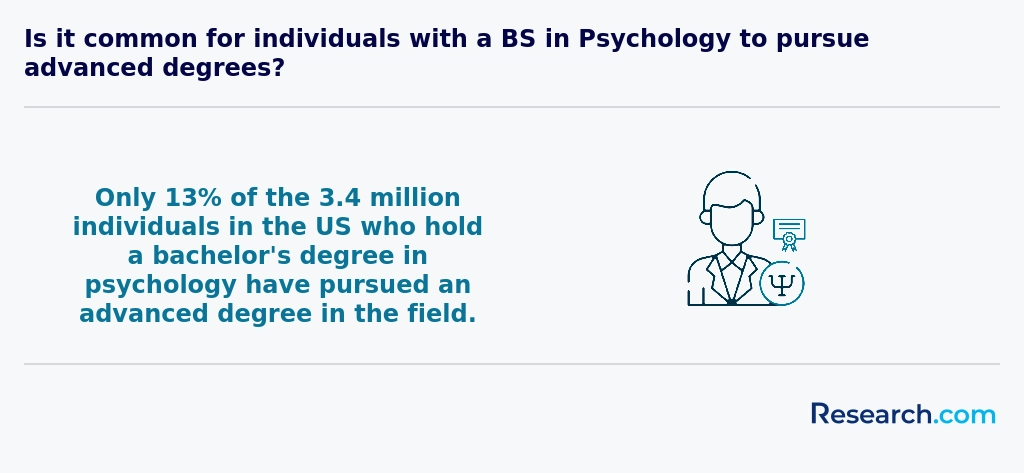
Upon earning a psychology degree in Massachusetts, graduates must navigate state licensure and certification requirements to practice professionally. Most clinical and counseling roles require a master’s or doctoral degree from a regionally accredited institution, supervised post-graduate hours, and successful completion of the Examination for Professional Practice in Psychology (EPPP). Prospective licensees should verify that their program holds accreditation from the American Psychological Association (APA) or the Masters in Psychology and Counseling Accreditation Council (MPCAC), ensuring eligibility for licensure. Many students also pursue specialized credentials-such as Licensed Mental Health Counselor (LMHC) or Licensed School Psychologist (LSPE)-each with distinct supervised experience and exam prerequisites. In Massachusetts, applicants for the LMHC credential must complete at least 700 hours of supervised practicum during their graduate program and an additional 1,700 hours of supervised post-master’s practice. For the LSPE track, candidates enroll in approved school psychology programs, complete an internship of 1,200 hours, and pass the National School Psychology Examination (NSPE). These requirements underscore the importance of choosing programs that integrate rigorous practicum experiences. Students seeking flexibility may explore cheapest online psychology masters to fulfill academic coursework while arranging local clinical placements. Maintaining licensure in Massachusetts also involves continuing education: licensed psychologists and counselors must complete 24 credit hours of approved courses every two years, including ethics, cultural competency, and evidence-based practice updates. Early planning for supervised hours, exam registration, and continuing education can streamline the path from graduation to an independent license, empowering graduates to deliver high-quality psychological services across diverse settings.
When pursuing a psychology degree in Massachusetts, you'll encounter a thoughtfully designed curriculum that covers foundational and specialized courses essential for understanding human behavior. At well-known institutions like Boston University and UMass Amherst, graduates often describe starting with courses such as Introduction to Psychology, where you explore core theories shaping the field.
Research Methods and Statistics are pivotal, teaching you how to design experiments and analyze data-skills that alumni value deeply when conducting their own studies or internships at nearby research hospitals. Developmental Psychology offers eye-opening insights into human growth from infancy through adulthood, helping students relate theory to everyday experiences with family or community.
Biopsychology classes illuminate the fascinating link between brain function and behavior, often inspiring students to consider healthcare or neuropsychology paths. Cognitive Psychology, focusing on memory and problem-solving, equips future counselors and therapists to support clients effectively.
Many graduates recall how electives in forensic or health psychology allowed them to tailor studies, gaining confidence through practical application. This balanced education nurtures critical thinking and prepares you for meaningful careers or further study in Massachusetts' vibrant academic environment.
In Massachusetts, students pursuing a psychology degree can choose from diverse specializations that align closely with their passions and career ambitions. Popular options include Clinical Psychology, where graduates often find fulfillment diagnosing and treating mental health disorders, a path well-supported by programs at Boston University and UMass Amherst. Counseling Psychology offers another meaningful track, helping individuals navigate life's challenges, a favorite among students looking to become empathetic practitioners.
Others dive into Developmental Psychology, exploring how people change throughout life, or Industrial-Organizational Psychology, applying science to improve workplace environments. For those drawn to law and justice, Forensic Psychology blends psychological expertise with the legal system. Health and Neuropsychology specializations are particularly strong in Massachusetts, thanks to connections with renowned research hospitals, enriching student experience.
Graduates often reflect on the practical advantages of studying these best psychology concentration options in Massachusetts, emphasizing how hands-on opportunities shape their success. If you wonder about alternative routes within this field, consider exploring how to become a counselor to expand your possibilities beyond traditional paths.
Choosing the best psychology degree in Massachusetts starts with understanding what you want from your education. Graduates from well-known programs at Massachusetts universities often highlight the importance of selecting a school with strong accreditation, like those recognized by the New England Commission of Higher Education, ensuring a quality education that opens doors to internships and licensure. If you're passionate about clinical practice or research, look closely at whether programs focus on applied psychology or offer robust research opportunities at institutions known for their psychology departments, such as those near Boston.
Many students balance cost and quality by exploring affordable psychology colleges in Massachusetts that still provide excellent resources and connections. Consider also the learning format-some graduates found hybrid or online classes ideal for flexibility while maintaining rigorous training. For those looking to continue studies beyond a bachelor's degree, exploring the cheapest online psychology masters programs available in Massachusetts can be a smart step toward a fulfilling career.
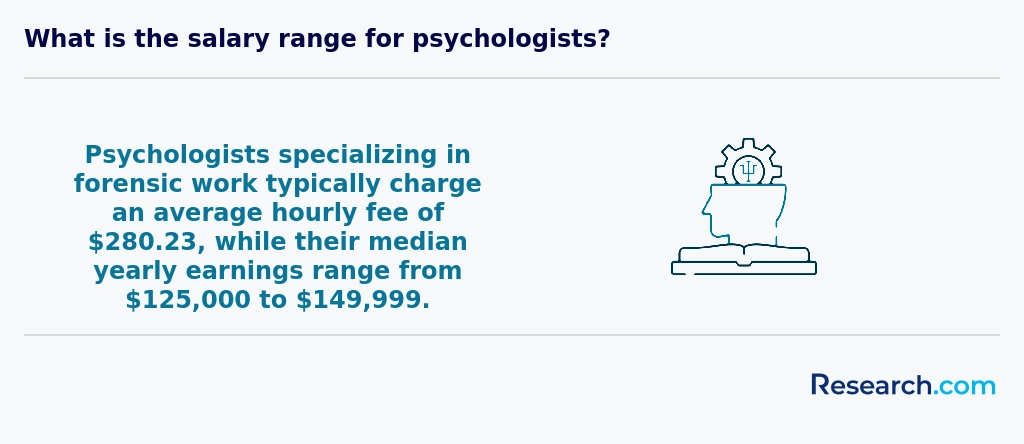
Graduates with a psychology degree in Massachusetts can explore numerous rewarding career paths that truly make a difference in people's lives. Many find themselves drawn to clinical psychologist roles, where working in hospitals or private practice offers the chance to help individuals overcome mental health challenges. Others step into counseling positions within schools or community organizations, providing support to those navigating emotional difficulties. Industrial-organizational psychology is another exciting field. Graduates from universities like Boston University or UMass Amherst often contribute to enhancing employee well-being and productivity in Massachusetts' strong corporate sectors.
Research roles remain a popular choice, especially around Cambridge and Boston, where graduates engage in behavioral science work that pushes knowledge forward. School psychology also remains essential, with many providing vital mental health support within public school systems. For those focused on both impact and opportunity, mastering these jobs with psychology degree in Massachusetts means accessing a range of meaningful careers while benefiting from the state's competitive wages and demand.
Students weighing their options should consider balancing tuition costs, with public universities offering more affordable education. For trusted guidance on costs, see the Low Cost Psychology Degree Programs Ranking in District of Columbia.
The job market for psychology graduates in Massachusetts is vibrant and full of opportunity, particularly for those motivated to impact mental health and education sectors. Graduates from well-known institutions like Boston University and UMass Amherst often find rewarding roles in clinical psychology or counseling, supported by the state's robust healthcare system. Many share stories of working in community health centers or schools where their expertise directly helps children and families, making their work deeply fulfilling. For those weighing their options, understanding that advanced degrees are essential is crucial, as the Massachusetts Board of Registration of Psychologists requires a doctoral degree for licensure. This investment in education often leads to higher salaries and more meaningful positions.
Considering the career outlook for psychology graduates in Massachusetts, the state's competitive wages reflect its strong demand. Mean salaries often exceed the national average, encouraging new professionals to pursue specialized roles in counseling, clinical, or industrial-organizational psychology. If you're looking for a pathway that balances cost and time, exploring the best accelerated bachelor's degree online can be an excellent start. Graduates commonly cite the support from prestigious universities and vibrant metropolitan areas as key drivers in achieving both professional growth and personal satisfaction.
2027 Most Popular Psychology Degree Programs Ranking in Massachusetts
Investing in your education is a significant decision that can shape your future, and the Research.com team understands the importance of making informed choices. To assist prospective students in Massachusetts, we have meticulously crafted the "2027 Most Popular Psychology Degree Programs Ranking in Massachusetts." Our commitment to quality, credibility, and accuracy is reflected in the extensive research and analysis conducted to compile this ranking.
We utilized the following reputable data sources to ensure a comprehensive evaluation of psychology programs:
By exploring this ranking, readers will gain valuable insights into the most popular psychology degree programs available in Massachusetts, helping them make well-informed decisions about their educational paths. For more details on our methodology, please visit our Research.com methodology page.


Frequently Asked Questions About psychology
Psychology degree students in Massachusetts can maximize their learning by engaging in hands-on experiences such as internships and research projects offered by local universities. Schools like Boston University and UMass Amherst provide access to diverse clinical and experimental psychology labs, enhancing practical skills.
Networking with faculty and peers is essential. Massachusetts hosts numerous psychology conferences and workshops annually, offering students opportunities to learn the latest research and trends.
Additionally, students should utilize resources like the Massachusetts Psychological Association for professional development and licensure guidance. According to the Bureau of Labor Statistics, the state expects a 14% growth in psychologist jobs between 2022 and 2032, encouraging students to stay current with evolving practices.
The field of psychology is rapidly evolving, with several emerging niches gaining attention among students and professionals in Massachusetts. One growing area is neuropsychology, which explores the relationship between brain functions and behavior. Institutions like Boston University and Harvard offer specialized programs aligning with this trend.
Another expanding niche is health psychology, focusing on how psychological factors affect physical health. The Massachusetts Department of Public Health supports research highlighting a 15% increase in demand for health psychologists statewide.
Additionally, industrial-organizational psychology continues to rise, driven by corporate interest in employee wellbeing and productivity. According to the Bureau of Labor Statistics, Massachusetts employs over 3,000 professionals in this specialization.
Emerging fields like forensic psychology and cyberpsychology also attract students seeking to address challenges unique to digital environments and the legal system.
After completing a psychology degree in Massachusetts, preparing for the job market involves several key steps. First, gaining practical experience through internships or research assistant positions is essential. Massachusetts hosts many hospitals, research centers, and schools offering opportunities to build relevant skills.
Second, licensure is crucial for many psychology careers. For example, to become a licensed psychologist in Massachusetts, candidates must complete post-graduate supervised hours and pass the Examination for Professional Practice in Psychology (EPPP), as outlined by the Massachusetts Board of Registration of Psychologists.
Networking through local professional organizations like the Massachusetts Psychological Association can connect graduates with job openings and continuing education.
According to the U.S. Bureau of Labor Statistics, Massachusetts expects a steady 8% growth in psychology-related jobs through 2030, highlighting a positive outlook for degree holders.
Employers in Massachusetts seek psychology graduates with strong analytical and critical thinking skills. These abilities enable graduates to interpret complex data and psychological assessments effectively. According to the Massachusetts Department of Labor, interpersonal communication is also vital, as many roles require collaboration with clients and multidisciplinary teams.
In addition, proficiency in research methods and statistical software like SPSS or R is highly valued. The ability to apply evidence-based practices is essential for contributing to clinical or organizational settings. Employers also emphasize ethical judgment and cultural competence, reflecting Massachusetts' diverse population and strict professional regulations.
Finally, adaptability and problem-solving skills are frequently highlighted, given the evolving demands in mental health and human services sectors across the state.
Finding psychology internships in Massachusetts involves several practical steps. Start by contacting your university's career services or psychology department, which often have partnerships with local hospitals, clinics, and research centers. Many institutions in Massachusetts also participate in statewide internship initiatives supported by the Massachusetts Psychological Association.
Additionally, websites like Handshake and the Massachusetts Internship Program provide listings tailored to the region. Consider reaching out directly to organizations such as Massachusetts General Hospital or Cambridge Health Alliance, both known for hosting psychology interns.
Networking at local events and joining psychology-focused groups can further increase your chances of securing an internship relevant to your degree.
A psychology degree in Massachusetts offers significant advantages for career mobility and advancement. The state's robust healthcare and education sectors create numerous opportunities for psychology graduates to enter clinical, research, or counseling roles. According to the Massachusetts Executive Office of Labor and Workforce Development, employment for psychologists in the state is projected to grow 12% from 2022 to 2032, reflecting strong demand.
Graduates with advanced degrees often pursue licensure as licensed psychologists or counselors, which boosts eligibility for higher-paying positions and leadership roles. Additionally, Massachusetts has multiple top-ranked universities offering focused training that supports specialization, enhancing professional flexibility.
Overall, a psychology degree acts as a strong foundation for diverse career pathways within Massachusetts's competitive job market, with continuing education further expanding advancement prospects.
Studying for a psychology degree in Massachusetts offers strong preparation for interdisciplinary roles due to the state's rich academic environment. Many institutions integrate psychology with fields like neuroscience, education, and health sciences, reflecting the growing demand for professionals who navigate multiple disciplines. For instance, Massachusetts colleges often emphasize research methods and applied psychology, equipping students with skills relevant to social work, public health, and business sectors.
According to data from the Massachusetts Department of Higher Education, psychology graduates frequently pursue careers in diverse areas such as behavioral health and human services. This broad training supports collaboration across industries, enhancing employability in multidisciplinary teams.
When choosing between a thesis and a non-thesis psychology degree program in Massachusetts, consider your career goals and interests. Thesis programs typically focus on research, requiring students to design, conduct, and defend original studies. This path suits those aiming for doctoral studies or research positions. Non-thesis programs emphasize coursework and practical skills, appealing to students targeting clinical or applied psychology roles without extensive research demands.
Massachusetts houses several universities offering both options, like Boston University and UMass Amherst. According to APA data (2023), about 40% of psychology graduate students in Massachusetts choose thesis programs, often aligning with increased research funding in the state. Review program specifics and faculty expertise before deciding, as they can significantly affect your training experience.
Students in Massachusetts seeking to study psychology abroad have several pathways to consider. Many local universities, including those in Massachusetts, have established exchange programs with institutions worldwide, allowing psychology majors to complete part of their studies overseas. According to the Institute of International Education, approximately 10% of U.S. psychology students participate in study abroad programs, with popular destinations including the United Kingdom, Canada, and Australia.
Additionally, some Massachusetts schools partner with international universities offering dual-degree options in psychology, enhancing both global exposure and academic credentials. These programs often include research opportunities abroad, which are valuable for psychology students aiming for clinical or academic careers.
Financial aid and scholarships are often available specifically for study abroad programs, reducing barriers for Massachusetts students interested in international psychology education.
Part-time job opportunities in Massachusetts that complement a psychology degree often involve roles where understanding human behavior is essential. Popular options include working as a research assistant at universities or hospitals, especially given the strong presence of institutions like Harvard and MIT, known for psychology research.
Other roles include behavioral health technician positions in mental health clinics or elder care facilities, where students gain practical experience with patient interaction and therapy support. Massachusetts also offers opportunities as crisis hotline responders or peer support specialists, both of which develop critical communication skills.
These jobs provide valuable exposure to applied psychology and can enhance future career prospects in clinical, educational, or research fields.
Psychology students in Massachusetts benefit from strong networking opportunities through local universities and professional organizations. Schools like Boston University and Harvard offer psychology clubs, guest lectures, and internship fairs where students can meet faculty and professionals. The Massachusetts Psychological Association provides events, workshops, and an annual conference that fosters connections among students and practitioners statewide.
The state also has active chapters of national groups such as Psi Chi, the International Honor Society in Psychology, which hosts networking events and research symposiums. According to the APA, Massachusetts ranks among the top states for psychology job growth, highlighting the importance of building networks early for career prospects.
Alumni networks offer significant advantages to psychology degree students in Massachusetts by connecting them with professionals and peers in the field. These networks provide access to mentorship, internships, and job opportunities, which are crucial in a competitive job market. According to the Massachusetts Department of Higher Education, schools with active alumni associations see higher graduate employment rates within psychology-related roles.
Networking events and online platforms allow students to seek guidance on graduate school and licensure requirements in Massachusetts, improving their career prospects. Alumni connections can also facilitate research collaboration, an important aspect given Boston's prominence in psychological research.
Customizing a psychology degree program in Massachusetts involves selecting courses and experiences that align with your career aspirations. Many state universities and colleges offer concentrations in areas such as clinical psychology, counseling, or organizational psychology. For example, Massachusetts schools like Boston University and UMass Amherst provide specialized tracks that allow students to focus their studies accordingly.
Internships and research opportunities play a crucial role in tailoring your education. According to the Massachusetts Department of Higher Education, approximately 75% of psychology undergraduates participate in internships, helping them gain practical skills directly related to their goals.
Additionally, elective courses in statistics, neuroscience, or social psychology can enhance your expertise depending on your intended profession. Academic advisors are also valuable resources when creating a personalized degree plan that meets licensure or graduate school prerequisites.
Psychology students in Massachusetts often face several key challenges during their studies. One major difficulty is balancing the demanding coursework with gaining practical experience. Many programs require internships or research placements, which can be competitive and time-consuming. According to the American Psychological Association, Massachusetts has a high concentration of behavioral health providers, increasing competition for these opportunities.
Additionally, the cost of education in Massachusetts is a significant concern. The state's universities rank among the most expensive nationally, which can create financial strain for students without scholarships or aid.
Students also encounter rigorous licensure requirements. To become licensed psychologists in Massachusetts, graduates must complete supervised hours and pass state exams, which can delay career entry and increase stress.
With a psychology degree in Massachusetts, graduates can pursue several professional certifications to enhance their credentials and career prospects. One common path is becoming a licensed psychologist, which requires passing the Examination for Professional Practice in Psychology (EPPP) and meeting state licensure requirements set by the Massachusetts Board of Registration of Psychologists.
Other certifications include Licensed Mental Health Counselor (LMHC) and Licensed Independent Clinical Social Worker (LICSW), available to those who complete specific graduate programs and supervised hours.
Additionally, certifications in areas like school psychology and behavior analysis are popular, especially given Massachusetts' strong education system and health services sector.
Preparing a strong application for a psychology program in Massachusetts requires attention to both academic and personal qualifications. Applicants should highlight a solid undergraduate GPA, preferably above 3.5, as most top institutions in Massachusetts are competitive. Including research experience or internships related to psychology enhances credibility. According to the American Psychological Association, Massachusetts boasts several top-ranked psychology programs, making it crucial to tailor your personal statement to align with faculty interests.
Letters of recommendation should come from professors who can attest to your research potential and commitment.
Standardized test requirements vary, so check each program's policy on the GRE.
Psychology careers in Massachusetts reflect broader global trends, emphasizing diverse opportunities and evolving roles. Globally, psychology is a rapidly growing field due to increasing awareness of mental health. In the US, psychology majors often pursue licensure as clinical psychologists, counselors, or researchers, roles that are similarly valued worldwide.
Massachusetts hosts top-tier institutions accredited by the American Psychological Association, helping graduates meet international standards. According to the Bureau of Labor Statistics, employment for psychologists in Massachusetts is expected to grow faster than the national average, by roughly 14% between 2021 and 2031.
This growth aligns with global demands for mental health services and research, highlighting the value of psychology degrees earned in Massachusetts within an international context.
Gaining practical experience during a psychology degree in Massachusetts is essential for career readiness. Many universities, including Boston University and UMass Amherst, offer internship programs connected to local hospitals, mental health clinics, and research centers. These opportunities allow students to apply theoretical knowledge in real-world settings.
The Commonwealth's emphasis on research means students can participate in faculty-led projects, often supported by grants from organizations like the National Institute of Mental Health. This involvement provides hands-on experience with data collection and analysis.
Additionally, Massachusetts' licensure requirements encourage supervised clinical hours, which students can begin accruing through practicum placements during their studies.
Choosing the right concentration within a psychology degree program in Massachusetts requires understanding your career goals and interests. Psychology offers various concentrations like clinical, developmental, cognitive, and industrial-organizational psychology. According to the Massachusetts Department of Higher Education, clinical psychology remains one of the most popular focuses due to the growing demand for licensed practitioners.
Research the specific curriculum and faculty expertise at Massachusetts schools to find programs aligned with your interests. For example, universities like Boston University and UMass Amherst provide strong training in both research and applied psychology.
Consider practical elements too, such as internship opportunities in local hospitals or community centers, which are abundant in Massachusetts's urban areas.
Reviewing career outcomes and licensure requirements related to each concentration will also guide you in making an informed decision.
- 2027 Most Popular Psychology Degree Programs Ranking in Connecticut
- 2027 Most Popular Psychology Degree Programs Ranking in New Hampshire
- 2027 Most Popular Psychology Degree Programs Ranking in New York
- 2027 Most Popular Psychology Degree Programs Ranking in Maine
- 2027 Most Popular Psychology Degree Programs Ranking in Delaware
- 2027 Most Popular Psychology Degree Programs Ranking in Maryland
- 2027 Most Popular Psychology Degree Programs Ranking in North Carolina
- 2027 Most Popular Psychology Degree Programs Ranking in Georgia
- 2027 Most Popular Psychology Degree Programs Ranking in Florida
- 2027 Most Popular Psychology Degree Programs Ranking in Alabama
See What Experts Have To Say About Studying Psychology
Read our interview with Psychology experts

Joann Farrell Quinn, Ph.D., MBA
Psychology Expert
Director at the College of Medicine Department of Medical Education
Morsani College of Medicine

Catherine Caldwell-Harris, Ph.D.
Psychology Expert
Associate Professor of Psychology
Boston University

Elizabeth L. Jeglic Ph.D.
Psychology Expert
Professor of Psychology
City University of New York

- Psychology Online Degree Pathway https://www.learndirect.com/course/psychology-online-degree
- Scholarships For Psychology Majors (2025) https://www.psychology.org/scholarships/
- BA in Psychology (General Psychology) https://www.umassglobal.edu/academic-programs/ba-in-psychology
- Ontario Psychological Association - Networking and Community Resources https://www.psych.on.ca/become-a-member-(1)/member-services/networking-and-community-resources
- Mental Health Challenges Faced by Psychology Students | The Healthcare Guys https://healthcareguys.com/2023/11/23/mental-health-challenges-faced-by-psychology-students/
- Psychology and Sociology: Career Paths https://www.massbay.edu/academics/humanities-social-sciences/psychology-sociology/career-paths
- How Psychology Students Can Get Clinical Experience Before Graduating | The Playful Psychologist https://www.theplayfulpsychologist.com/post/students-experience-how-to-get-the-experience-you-need-before-you-graduate
- Know more about thesis vs non- thesis: what is the difference? https://studyfans.com/en/blogs/816
- Study Psychology Abroad https://astarfuture.co.uk/study_psychology_abroad.html
- Have You Found a Niche? https://www.apaservices.org/practice/business/marketing/building/niche





