2027 Most Affordable Psychology Degree Programs Ranking in District of Columbia

Co-Founder and Chief Data Scientist
Choosing the right psychology degree program in the District of Columbia can feel overwhelming. To help you navigate your options, this article introduces the 2027 Most Affordable Psychology Degree Programs Ranking in District of Columbia, crafted by the Research.com team of data scientists.
Our ranking aims to simplify your decision-making by highlighting affordable and valuable programs. Pursuing a psychology degree opens doors to meaningful careers that positively impact lives and communities. Reading this article will empower you with insights to find a program that fits both your budget and goals, making your educational journey fulfilling and accessible.
Key benefits of getting psychology degree in District of Columbia
- Salary for psychology degree graduates: Jobs like Marketing Research Analyst offer a mean annual wage of $83,190, while Clinical Research Associates earn about $62,370 per year, showing strong earning potential in DC.
- Career paths: Graduates from popular DC universities can pursue diverse roles such as Human Resources Specialists or Survey Researchers, both with solid salaries and opportunities for growth.
- Benefits of online degrees: Earning a psychology degree online from a well-known DC institution offers flexible scheduling and access to a wider range of courses, making it easier to balance work and study.
- 2027 Most Affordable Psychology Degree Programs Ranking in District of Columbia
- What can I expect from psychology degree in District of Columbia?
- Where can I work with psychology degree in District of Columbia?
What can I expect from psychology degree in District of Columbia?
The average cost of pursuing a psychology degree in the District of Columbia often surprises prospective students, blending high-quality education with significant financial investment. Graduates from institutions like American University and The George Washington University frequently recall managing tuition that can range anywhere from $30,000 to $55,000 per year for undergraduate programs, with graduate studies leaning toward $40,000 or more annually. This might seem staggering at first, yet many reflect on how access to cutting-edge research facilities and immersive clinical experiences in D.C.'s unique environment made each dollar feel like an investment in their future.
One graduate shared that while the cost was daunting, the opportunity to intern at local federal agencies and hospitals, rarely available elsewhere, created invaluable real-world skills and professional connections. These experiences often open doors to lucrative careers with salaries above the national average. The question then shifts: Is the price merely tuition, or the gateway to a broader, richly textured psychological education shaped by the district's dynamic social and policy landscape?
Where can I work with psychology degree in District of Columbia?
Graduates with a psychology degree in the District of Columbia quickly discover that their career paths are anything but linear. Many find themselves working within prominent federal agencies, such as the Department of Veterans Affairs or the National Institutes of Health, engaging in research or clinical roles that directly impact public health. Imagine a recent graduate from a well-regarded D.C. university contributing to mental health programs that shape national policy-this is not just a job, but a meaningful mission.
Others channel their passion into local schools, becoming school psychologists or counselors who support students grappling with mental health challenges. Walking the halls of D.C. public and private schools, these professionals make a tangible difference daily, transforming lives through empathy and evidence-based practices.
Private healthcare and nonprofit sectors also offer vibrant opportunities. Graduates often find satisfaction providing therapy and behavioral health services, thriving in environments that prioritize community well-being. Many recount feeling a powerful sense of purpose working in nonprofits dedicated to mental health advocacy within the city's diverse neighborhoods.
Few consider the corporate world, yet D.C.'s human resources and organizational behavior fields welcome psychology experts to enhance employee training and workplace culture. This unexpected path rewards creativity and psychological insight, underscoring how versatile a psychology degree truly is in the nation's capital.
Licensure in D.C. further challenges and prepares graduates, requiring supervised practice that deepens professional competence. For many, this rigorous process strengthens their confidence and commitment to ethical, impactful practice, setting the stage for fulfilling careers rooted in both knowledge and compassion.
Graduates holding a psychology degree in the District of Columbia find their earning potential closely tied to the roles they pursue. For those stepping into roles such as Human Resources Specialist, the mean annual wage sits near $76,060, offering a solid foundation. Marketing Research Analysts with psychology backgrounds enjoy an even higher mean salary of around $83,190, reflecting the growing demand for skills in data-driven decision-making.
Many psychology graduates also engage in roles like Clinical Research Associate or Survey Researcher, both with mean annual wages near $62,370. These roles are often stepping stones for D.C. graduates from institutions like George Washington University or American University, who balance rigorous academics with internships that broaden professional opportunities.
Some graduates, inspired by vibrant campus life and local connections, find fulfillment and financial growth working in government or private sectors, where salaries can surpass average psychological roles. The unique mix of academic prestige and practical experience in D.C. universities shapes graduates who feel ready to thrive and make meaningful impacts while earning competitive salaries.
- Annual tuition for a bachelor's degree in psychology in D.C. ranges from $20,000 to $50,000, with graduate programs often costing over $30,000 per year.
- Psychology graduates in D.C. can find job opportunities in healthcare, government agencies, nonprofits, and research institutions.
- Employment growth for psychologists in the Washington metropolitan area is expected to be 5% to 7% over the next decade.
- Starting salaries for bachelor's degree holders are around $50,000, while master's degree holders earn about $65,000 on average.
- Doctoral psychology graduates (PhD or PsyD) in D.C. can earn between $90,000 and $120,000 annually depending on experience and specialization.
- Licensing requires completing approved degree programs, supervised hours, and passing the Examination for Professional Practice in Psychology (EPPP).
Completing a psychology degree in the District of Columbia unfolds with a rhythm familiar yet distinct to local students. At universities like The George Washington University and American University, graduates often recount their undergraduate journey as an intense but rewarding four-year commitment, closely aligned with the national norm of about 120 to 130 credit hours. This period becomes a transformative experience, blending foundational learning with personal growth.
For those daring to push deeper, master's programs in DC typically add two years filled with specialized coursework and hands-on internships. Many students recall how this phase sharpened their focus, allowing them to explore clinical or counseling psychology in real-world settings within the vibrant DC community.
Doctoral candidates, meanwhile, invest five to seven years navigating the challenging labyrinth of research, exams, and clinical practice. Stories from doctoral students highlight the unique balance of academic rigor and community engagement-a journey that intellectually stretches but deeply fulfills.
These timelines aren't mere numbers; they represent evolving chapters marked by dedication, discovery, and the support offered by prominent DC institutions, inviting students to envision their futures in psychology with excitement and confidence.
Choosing an APA-accredited psychology program in the District of Columbia not only ensures high academic standards but also lays the foundation for state licensure. Accreditation signals to employers and licensing boards that your curriculum meets rigorous industry benchmarks. In D.C., aspiring practitioners must navigate several key steps:
- Graduate from an APA-accredited doctoral or master’s program in psychology.
- Complete a minimum of 3,000 supervised clinical hours as required by the D.C. Board of Psychology.
- Pass the Examination for Professional Practice in Psychology (EPPP), the national licensing exam administered by the Association of State and Provincial Psychology Boards (ASPPB).
- Submit a licensure application to the D.C. Board of Psychology, including official transcripts, supervisor evaluations, and the required application fee.
- Fulfill any additional D.C. requirements, such as jurisprudence or ethics exams, and secure professional liability insurance. Many students also seek affordable pathways to accreditation. For those exploring programs beyond D.C., our sister ranking of Inexpensive Psychology Degree Programs Ranking in Virginia highlights cost-effective, APA-accredited options that can complement your clinical training and licensure goals. By selecting a fully accredited program and following these licensure milestones, you’ll be well-positioned to practice psychology legally and ethically in the District of Columbia.
Choosing between online and on-campus psychology degrees in the District of Columbia means weighing convenience against immersive experience. Graduates from Georgetown University often recall the irreplaceable value of late-night study sessions in campus libraries or spontaneous hallway discussions with professors, moments that online formats struggle to replicate. In contrast, alumni of online programs praise the freedom to balance work and family commitments while pursuing their degree, completing coursework at their own pace without geographical constraints.
The George Washington University offers on-campus students access to clinical practica within D.C.'s vibrant community, building hands-on skills and local networks that enrich professional confidence. Conversely, online learners may find remote internships challenging yet appreciate virtual labs and discussion forums that foster deep intellectual engagement without sacrificing flexibility.
Both routes meet rigorous APA accreditation needed for licensure, but the emotional texture of the journey differs. Deciding between the two is not just about logistics-it's about what kind of graduate experience resonates with your life and aspirations in the uniquely dynamic setting of D.C.
While a traditional psychology degree opens many doors, some aspiring professionals explore alternative routes to build a successful career in mental health. These pathways include certificate programs, specialized training courses, internships, and hands-on work experience that can provide a solid foundation in counseling and therapeutic skills. For individuals who are considering non-traditional options, resources on how to become a psychotherapist without a degree can offer valuable insights into gaining the necessary practical expertise and licensing credentials. By focusing on continuous learning, networking with industry professionals, and obtaining relevant certifications, you can effectively complement your academic background or navigate a career transition toward fulfilling roles in mental health, social work, or community outreach. This alternative approach not only enhances your skill set but also aligns with evolving industry standards and employer expectations, ensuring that you remain competitive in an ever-changing job market.
The average cost of earning a psychology degree in the District of Columbia reflects more than just tuition-it captures the full experience of studying in a vibrant, demanding urban environment. Graduates from popular institutions, including those favored for psychology, often recall investing between $58,000 and $77,000 in total costs over their program duration. This range includes tuition, fees, and living expenses that sharply rise in D.C.'s competitive academic landscape.
Many students pursuing a psychology degree tuition and fees DC find themselves navigating this financial reality alongside the excitement of joining a community rich in research and clinical opportunities. For instance, graduates from well-known universities describe balancing intense coursework with the costs of textbooks and living in a city known for its higher-than-average expenses. However, these costs often come with the energizing prospect of being near leading psychological research centers and professional networks.
A crucial part of managing this financial challenge involves exploring scholarships, grants, and aid tailored for psychology students. Those who have thrived often recommend early planning and leveraging resources from programs like the American Psychological Association. Exploring the top psychology schools in district of columbia can provide insights into institutions with better financial aid options and robust academic support, helping to offset the median total cost while enriching the educational experience.
The average cost of psychology degree District of Columbia demands attention, but it also signals the value of quality education amid a network of professional growth. With careful financial decisions, students emerge not only with degrees but also with rewarding career prospects fueled by their D.C. experience.
To make an informed decision about which psychology program is right for you, consider a variety of factors, including the program's accreditation, curriculum, and faculty expertise. You can find more information about top psychology schools in district of columbia to help guide your search. Additionally, look for programs that offer hands-on learning opportunities, career support services, and a strong network of alumni. By carefully evaluating these factors, you can choose a psychology program that aligns with your goals and sets you up for success in the field.
Psychology students in the District of Columbia often discover that financial aid goes beyond the expected FAFSA grants. Consider a graduate from American University who relied heavily on the Pell Grant-up to $7,395-which instantly lightened her tuition burden and allowed her to focus deeply on research rather than part-time jobs. Meanwhile, Stafford Loans presented a lifeline with their relatively low interest rates and flexible terms, contrasting with the anxiety many expect from student debt.
Meanwhile, at the University of the District of Columbia, residents frequently tap into the DC Tuition Assistance Grant, appreciating how it's designed specifically to support local students attending public institutions. This kind of tailored aid fosters a sense of community investment in their success.
Merit scholarships at George Washington University reward students who demonstrate academic excellence or research potential, transforming the financial aid system from a mere transaction into a meaningful recognition of effort.
Moreover, national organizations like the APA extend opportunities that resonate with students' ambitions for leadership and diversity, making financial support feel like an endorsement of their future impact in psychology.
After earning your psychology degree, obtaining the proper licensure is essential to practice clinically or offer counseling services in Washington, D.C. The District’s licensing board outlines specific steps depending on your career goal: 1. Education and Degree Accreditation • Ensure your program is regionally accredited and, for clinical or counseling psychology, accredited by the American Psychological Association (APA). • Graduates of non-APA programs may need to complete additional coursework before licensure. 2. Supervised Experience • Licensed Professional Counselor (LPC): 3,000 hours of supervised clinical experience under an approved supervisor. • Licensed Psychologist (Ph.D. or Psy.D.): 1,750–6,000 internship hours plus postdoctoral supervision as required by the D.C. Board of Psychology. 3. Examination Requirements • LPC candidates must pass the National Counselor Exam (NCE) and the D.C. Written Jurisprudence Exam. • Psychologist candidates are required to pass the Examination for Professional Practice in Psychology (EPPP) and the Jurisprudence Exam. 4. Application Process • Submit official transcripts, verification of supervised hours, exam scores, and a criminal background check to the D.C. Department of Health. • Pay all application and licensing fees, and renew licensure biennially with continuing education credits (typically 40 hours per cycle). For those still pursuing graduate studies, investigating the cheapest psychology masters programs can help you meet educational prerequisites without overextending your budget. Meeting these licensure benchmarks ensures you’re fully prepared to serve clients and advance your career in the competitive D.C. psychology landscape.
Enrolling in a psychology degree in the District of Columbia demands more than just a high school diploma or GED-it requires a foundation built on strong academic performance, particularly in science and social sciences. Graduates from popular universities in the area often recall how maintaining a GPA between 2.5 and 3.0 was crucial to turning their application from ordinary to competitive. The expectation to submit SAT or ACT scores, though fading with some schools adopting test-optional policies, still looms for many, shaping admission chances and scholarship opportunities.
For those advancing to graduate studies, holding a bachelor's degree with relevant psychology coursework, like statistics and biological psychology, is a must. Alumni frequently share how completing at least 12 credit hours in psychology before applying to master's or doctoral programs in D.C. instilled confidence and readiness for the rigorous research involved. Letters of recommendation and statements of purpose aren't mere formalities; they're gateways to demonstrating dedication and intellectual curiosity that resonate deeply within these institutions' competitive environments.
Beyond academics, navigating financial realities and visa regulations adds layers of challenge, yet these hurdles fuel determination among international and local students alike. Such experiences reflect the vibrant academic culture of D.C.'s psychology programs, where meeting prerequisites becomes a meaningful step toward becoming part of a passionate, thoughtful community.
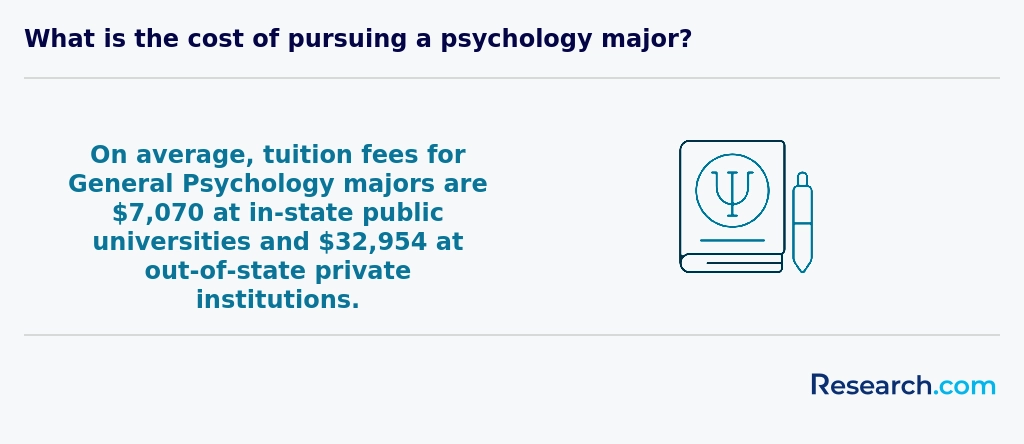
Choosing a program that balances cost with quality is essential. Below is our 2024 ranking of the top five most affordable psychology degree programs in the District of Columbia, complete with program level, delivery format, and annual tuition rates: 1. University of the District of Columbia - Program: B.A. in Psychology - Delivery: On-campus - Tuition: $7,070 (in-district); $12,300 (out-of-district) 2. George Washington University - Program: Online B.A. in Psychology - Delivery: 100% online - Tuition: $510 per credit 3. American University - Program: Online B.S. in Psychology - Delivery: 100% online - Tuition: $1,119 per credit 4. Howard University - Program: B.S. in Psychology - Delivery: On-campus - Tuition: $21,720 per year 5. The Catholic University of America - Program: B.A. in Psychology - Delivery: On-campus - Tuition: $37,440 per year For a broader regional perspective on affordability, explore our Inexpensive Psychology Degree Programs Ranking in Virginia.
Students pursuing psychology degrees in the District of Columbia quickly discover that the coursework challenges their assumptions about human behavior and mental processes. At universities like George Washington University or American University, graduates reflect on how courses such as Cognitive Psychology uprooted their everyday understanding of decision-making. What seemed like simple choices became complex studies in perception and memory.
Core classes extend beyond theory to include Developmental Psychology, which makes students realize the profound impact of life stages on personality and cognition-perspectives vividly recalled by those who volunteered with youth in D.C. communities. Similarly, courses in Social Psychology expose students to the subtle yet powerful influence of group dynamics, a reality graduates witnessed firsthand in the city's diverse social settings and internships.
Importantly, Research Methods equip students to critically evaluate psychological claims, transforming their outlook on news, politics, and healthcare claims. Graduates often praise Abnormal Psychology and Psychological Assessment courses for building empathy, empowering them to understand mental health struggles with both scientific rigor and compassion.
This blend of foundational topics and applied practice in D.C.'s psychology programs encourages students to engage deeply with material that reshapes their worldview in rewarding ways.
Psychology degree specializations in District of Columbia reflect the city's unique blend of academic rigor and practical opportunity. Graduates from institutions like George Washington University often highlight clinical psychology and counseling psychology as top choices, both deeply connected to hands-on mental health work. These fields spark passion by focusing on real-world cases, often supported by DC's network of clinics and mental health organizations. Meanwhile, industrial-organizational psychology gains popularity due to DC's concentration of government agencies and corporations, where students witness firsthand how psychological tools improve workplace dynamics.
District of Columbia psychology program concentrations also include developmental and social psychology, inviting students to explore human behavior throughout life stages or group interactions within a politically charged environment. Neuropsychology draws interest as well, due to advancing brain research facilities nearby. Some students discover alternative routes by exploring forensic or health psychology, leveraging internships unique to DC's landscape. For those uncertain of traditional paths, learning how to become a psychotherapist without a degree also opens doors to fulfilling careers beyond conventional specializations.
Choosing the best psychology degree in District of Columbia means rejecting simply going with the most popular program and instead digging deeper into what matters. Graduates from D.C. universities often emphasize how accreditation, like that from the APA, shaped their confidence in the education's rigor, directly impacting their ability to become licensed professionals. The decision hinges on finding a program balancing cost and quality, especially since many iconic D.C. institutions are private and expensive. Yet, affordable psychology colleges in DC exist that don't sacrifice access to rich practicum experiences, tapping into the city's extensive network of hospitals and research centers. One graduate recalled how their hands-on internship with a government agency transformed abstract theory into tangible skills, sparking a career breakthrough. To navigate this complex landscape, students must also explore specialized programs aligning with their passions, not trends, while considering financial aid options thoughtfully. Those aiming for advanced credentials might consult resources highlighting the cheapest psychology masters programs to avoid overwhelming debt.
Psychology degree career options in District of Columbia extend far beyond traditional counseling roles, reflecting the city's unique mix of federal agencies, research institutions, and vibrant private sectors. Graduates from local universities frequently find themselves working as industrial-organizational psychologists within federal offices, applying behavioral science to enhance workforce productivity and morale. Others gravitate toward forensic psychology, collaborating with legal teams in scenarios that challenge them to interpret human behavior in high-stakes environments. These real-world applications demonstrate how versatile the degree truly is.
Many psychology students at popular colleges in D.C. eagerly engage with the National Institutes of Health (NIH), gaining hands-on experience in neuropsychology research that directly informs public health policies. Counseling and educational psychology also flourish in the District's diverse school systems and community health centers, where graduates report a deep sense of fulfillment from supporting emotional and cognitive development. Given the variety of roles, job opportunities with psychology degree DC encourage students to think broadly about career possibilities and personal growth.
For those mindful of financial investments, exploring Inexpensive Psychology Degree Programs Ranking in Virginia can be a smart step toward balancing cost and career aspirations in the region.
Graduates with a psychology degree in District of Columbia encounter a job market shaped by the city's unique blend of government agencies, healthcare facilities, and academic institutions. Recent graduates from universities such as Howard University frequently share how positions in federal mental health programs demand not only clinical expertise but also adaptability to policy analysis and program evaluation. This reflects the robust career opportunities for psychology graduates DC, where government roles offer a stable career path and meaningful community impact.
Many students from the University of the District of Columbia appreciate the tangible value of their education, balancing in-state tuition with real-world internships that pave the way to roles in hospitals or counseling centers. The need for licensed clinical psychologists and counselors anchors this demand. For those who aspire to fast-track their education, exploring fast track programs can be a game changer, offering a quicker entry into this evolving job market for psychology degree job outlook District of Columbia.
2027 Most Affordable Psychology Degree Programs Ranking in District of Columbia
Investing in your education is a significant decision that can have a lasting impact on your career and personal growth. The Research.com team recognizes the importance of making well-informed choices, which is why we have carefully developed the "2027 Most Affordable Psychology Degree Programs Ranking in District of Columbia." Our dedication to quality, credibility, and accuracy is demonstrated through rigorous research and thorough analysis.
We utilized the following reputable data sources to ensure a comprehensive and reliable ranking:
By reviewing this ranking, readers will benefit from clear guidance on affordable, quality psychology degree programs in the District of Columbia, enabling them to make confident educational choices. For a deeper understanding of how we compiled this ranking, please visit our Research.com methodology page.
# 1 position
University of the District of Columbia
Bachelor of Science in Psychology


Frequently Asked Questions About psychology
Psychology degree students in the District of Columbia can maximize their learning by engaging actively with both academic and practical experiences. Local universities often provide access to renowned research institutions and mental health organizations, which offer valuable internships and volunteer opportunities. For instance, students can benefit from partnerships with Washington, D.C.-based clinics and nonprofits focused on behavioral health.
Additionally, attending workshops and seminars hosted by professional bodies like the American Psychological Association's D.C. chapter helps students stay informed about current research and networking opportunities. Utilizing the city's rich library resources, such as those at the Library of Congress, enhances academic research capabilities.
Students should also consider joining psychology clubs or study groups to foster collaboration and deepen their understanding of diverse psychological theories and practices.
Emerging niches within the psychology field reflect growing societal and technological changes. In the District of Columbia, there is increasing demand for clinical neuropsychology, focusing on brain-behavior relationships. This specialty benefits from D.C.'s proximity to major research centers and government agencies. Another expanding area is health psychology, which explores the connection between mental and physical health, especially relevant given the district's diverse urban population. Additionally, forensic psychology is gaining attention due to the district's legal system and federal institutions. These niches offer distinct career paths, supported by local universities that integrate specialized coursework and internships tailored to these fields.
After completing a psychology degree in the District of Columbia, preparing for the job market requires strategic planning. Graduates should seek internships or practicum experiences during their studies, as hands-on work is highly valued by local employers. The District's proximity to various federal agencies, non-profits, and research institutions offers diverse opportunities in clinical, counseling, and organizational psychology fields.
Networking is crucial; consider joining local chapters of professional organizations like the American Psychological Association. According to the Bureau of Labor Statistics, jobs for psychologists in D.C. are expected to grow by 5% through 2031, reflecting steady demand.
Continuing education and obtaining relevant licenses or certifications enhance employability, especially for clinical roles regulated by D.C. licensing boards.
Employers in the District of Columbia highly value psychology degree graduates who demonstrate strong analytical skills. The ability to interpret complex data and apply psychological theories to real-world problems is essential in local research institutions and mental health organizations.
Interpersonal communication is another critical skill. Graduates must effectively engage with diverse populations, which is especially important in D.C.'s multicultural environment. According to the Bureau of Labor Statistics, skills in cultural competence enhance job prospects in social services and counseling positions.
Additionally, proficiency in ethical decision-making and knowledge of federal and local regulations are frequently sought by employers. These competencies ensure compliance in sensitive areas such as clinical practice and research.
Finding internships in the District of Columbia for psychology students involves leveraging local resources and institutional connections. Many universities in DC, such as American University and George Washington University, maintain partnerships with nearby hospitals, research centers, and nonprofits. These partnerships often provide structured internship programs specifically designed for psychology students.
Students should also explore opportunities through the District's Department of Behavioral Health and organizations like the National Institute of Mental Health, which is headquartered in Bethesda, MD, near DC. Online platforms like Handshake and the university career centers list accredited internships.
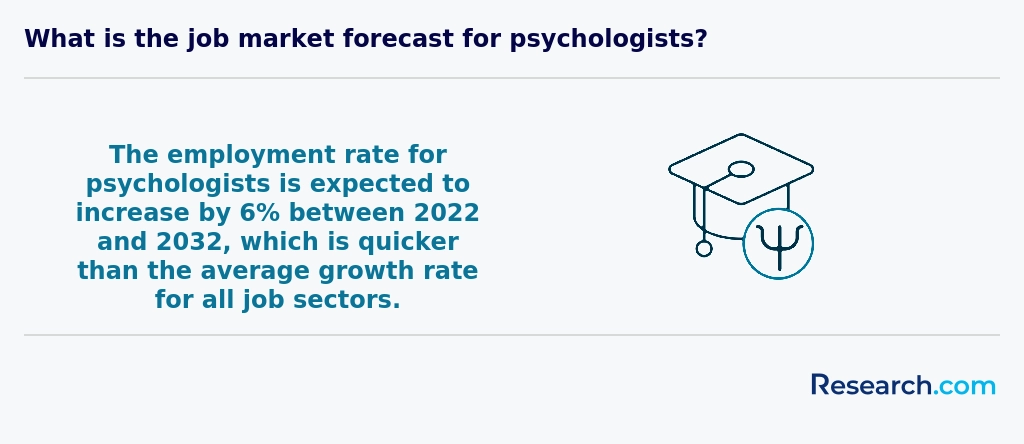
According to the U.S. Bureau of Labor Statistics, psychology-related roles in DC are expected to grow by 8% from 2022 to 2032, increasing internship availability. Networking at local psychology associations and attending DC-based conferences can further enhance chances of finding relevant internships.
A psychology degree in the District of Columbia significantly enhances career mobility and advancement. The region's diverse job market includes federal agencies, private research institutions, and healthcare providers, all valuing psychological expertise. According to the U.S. Bureau of Labor Statistics (BLS, 2023), psychologists and related professionals in D.C. earn a median annual wage notably above the national average, reflecting higher demand and opportunities.
Graduates with psychology degrees can pursue roles in clinical settings, human resources, education, and government research positions. The degree facilitates upward mobility by qualifying individuals for specialized credentials, such as licensing for clinical psychologists. Additionally, D.C.'s concentration of policy organizations offers unique chances for applied psychology in social programs and public health, supporting career growth.
Studying for a psychology degree in the District of Columbia offers unique preparation for interdisciplinary roles due to the area's diverse academic and professional environment. Many programs emphasize collaboration between psychology and fields such as public health, social work, education, and law enforcement. This interdisciplinary approach reflects the demands of local employers, including government agencies like the National Institutes of Health and various nonprofit organizations.
DC's higher education institutions often integrate research opportunities that involve cross-disciplinary teams, enhancing students' skills in applying psychological principles beyond traditional settings. According to the DC Higher Education Report (2023), over 60% of psychology graduates find employment in roles requiring collaboration across multiple fields.
This focus helps students build versatile expertise suited for careers in policy development, community health, and human services.
When choosing between a thesis and a non-thesis psychology degree in District of Columbia, consider your career goals and learning preferences. Thesis programs typically require original research and are suited for students aiming at doctoral studies or research careers. Non-thesis tracks focus more on coursework and practical skills, fitting those planning to enter the workforce quickly.
Local universities, such as American University and University of the District of Columbia, offer both options. According to U.S. News, about 35% of psychology master's students nationwide opt for thesis programs, but in DC, research-oriented programs are growing due to proximity to federal agencies.
Financial aid, time commitment, and faculty expertise also influence this choice considerably.
Students based in the District of Columbia interested in studying psychology abroad have several pathways to consider. Many local universities, like George Washington University and American University, offer exchange programs or partnerships with institutions overseas. These programs allow psychology students to gain international experience while earning credits toward their degree.
Alternatively, students can apply directly to foreign universities known for psychology, taking care to verify the transferability of credits and recognition by U.S. accrediting bodies. The U.S. Department of Education recommends checking if international degrees meet U.S. standards for licensure and further education.
Financial aid options such as federal loans may also support studying abroad if the foreign program is approved. According to the Institute of International Education, about 10% of U.S. study abroad participants pursue social sciences, including psychology, emphasizing the growing interest in global perspectives within the field.
Students pursuing psychology degrees in the District of Columbia have access to various part-time job opportunities that can enhance their education. Positions such as research assistants at local universities or government agencies provide practical experience in psychological research methods and data analysis. The District hosts several federal institutions, including the National Institute of Mental Health, which often hire interns and assistants.
Additionally, psychology students can work as behavioral health technicians or mental health aides in community clinics, gaining hands-on experience with patient care and therapeutic techniques. According to the U.S. Bureau of Labor Statistics, these roles support skill development critical for advanced psychology careers.
Psychology students in the District of Columbia benefit from diverse networking opportunities due to the region's concentration of academic, governmental, and professional organizations. Universities such as George Washington University and American University host psychology-focused events and career fairs, offering direct access to faculty and industry professionals. Additionally, DC's proximity to institutions like the National Institutes of Health promotes internships and research collaborations.
The Washington Psychological Association regularly holds meetings and conferences, enabling students to connect with practicing psychologists and researchers. According to DC's Office of the State Superintendent of Education, engaging in such networks can enhance post-graduate employment prospects.
Alumni networks play a significant role in supporting psychology degree students in the District of Columbia. These networks provide valuable opportunities for mentorship, connecting current students with graduates who have successfully entered various psychology fields. Access to such connections can improve career prospects and offer guidance on navigating licensure requirements specific to D.C.
Moreover, alumni often share information about internships and job openings within the local mental health sector, which is robust in the region due to numerous government and nonprofit organizations. According to the District's higher education reports, psychology graduates benefit from these networks by increasing their employment rates by up to 20% compared to those without such connections.
Finally, alumni events and workshops contribute to professional development, helping students stay updated on local regulations and advancements in psychological research and practice.
In the District of Columbia, students can tailor their psychology degree programs by selecting specialized courses, such as clinical, developmental, or neuropsychology, aligning with specific career goals. Many universities offer elective options and research opportunities that enhance practical skills. According to the U.S. Bureau of Labor Statistics, Washington, D.C. employs a high concentration of psychologists in governmental and research institutions, highlighting the benefit of networking and internships in these areas.
Students should consider accredited programs that allow flexibility in electives and practicum experiences. Collaboration with faculty on research projects or community-based work helps develop expertise in targeted fields of psychology.
Psychology students in the District of Columbia face several challenges unique to the region's competitive academic environment. One major issue is the high cost of living, which can strain students' finances, especially given that average tuition for local universities often exceeds $30,000 annually, according to NCES data. Additionally, rigorous coursework demands strong time management skills, as students balance extensive reading, research projects, and practical training hours.
Students also encounter challenges securing internships and practicum placements, crucial for licensure, due to high competition among a dense population of psychology programs and professionals in D.C. Networking remains essential but can be difficult for newcomers without established local connections.
With a psychology degree in the District of Columbia, graduates can pursue various professional certifications to enhance their careers. Common certifications include Licensed Professional Counselor (LPC) and Licensed Clinical Social Worker (LCSW), which require additional supervised experience and passing state exams. The D.C. Board of Psychology also oversees licensure for psychologists, necessitating a doctoral degree and successful completion of the Examination for Professional Practice in Psychology (EPPP).
Other widely recognized certifications include Certified Alcohol and Drug Counselor (CADC) and Board Certified Behavior Analyst (BCBA), relevant for specialized fields.
These certifications increase eligibility for clinical roles and improve earning potential within the region's competitive mental health job market.
To write a winning application for a psychology program in the District of Columbia, start by carefully reviewing each school's requirements. Many programs prioritize a strong academic record, especially in psychology and related sciences.
Highlight relevant research or volunteer experiences, as Washington, D.C. offers numerous psychology internships through local hospitals and government agencies. According to the American Psychological Association, practical experience significantly boosts acceptance chances.
Craft a compelling personal statement that clearly explains your motivation for studying psychology and your career goals, tailored to the program's strengths.
Finally, obtain strong letters of recommendation from professors or professionals who can speak to your skills and dedication. Meeting application deadlines and ensuring all documents are complete is crucial when applying in D.C.'s competitive academic environment.
Psychology careers have a broad global appeal, with the United States being a major hub for education and research. Within the U.S., psychology professionals often engage in cross-cultural studies and international collaborations. Students in District of Columbia benefit from proximity to institutions like the American Psychological Association, which influences global standards and practices.
Worldwide, psychology is recognized as a vital field, addressing diverse social, mental, and behavioral health issues. In the U.S., including D.C., the Bureau of Labor Statistics projects a 6% growth in psychologist jobs from 2021 to 2031, reflecting growing demand. This trend aligns with increased global awareness of mental health.
Graduates with psychology degrees in D.C. are well-positioned for careers in research, clinical practice, and policy-making, often engaging with international mental health initiatives. This global perspective enhances their professional value and expands opportunities beyond local markets.
Gaining practical experience while studying for a psychology degree in the District of Columbia is essential for building skills and improving employment prospects. Many universities in DC offer opportunities for internships at local hospitals, government agencies, and nonprofit organizations. These internships provide hands-on experience in clinical, research, and counseling settings.
Students can also participate in on-campus research projects supervised by faculty members. For example, institutions like American University and George Washington University frequently engage students in community-based research initiatives related to mental health.
Additionally, the DC area hosts professional psychology associations that offer volunteer roles and networking events, which can help students develop connections in the field. The U.S. Bureau of Labor Statistics notes that practical experience is a key factor in securing competitive psychology positions.
Choosing the right concentration within a psychology degree program in the District of Columbia depends on your career goals and interests. Popular concentrations include clinical, counseling, cognitive, and forensic psychology. The DC area offers unique opportunities due to its proximity to federal agencies and research institutions, influencing available specialties.
When selecting a concentration, consider job outlooks. According to the U.S. Bureau of Labor Statistics, Washington, DC, boasts a higher-than-average demand for clinical and counseling psychologists. Research institutions like American University provide strong programs in experimental psychology, while Gallaudet University specializes in deaf studies psychology.
Evaluate faculty expertise, internship availability, and licensure requirements applicable in DC to maximize career readiness. Aligning your concentration with local professional opportunities can enhance job prospects after graduation.
- 2027 Most Affordable Psychology Degree Programs Ranking in Oregon
- 2027 Most Affordable Psychology Degree Programs Ranking in Montana
- 2027 Most Affordable Psychology Degree Programs Ranking in Nevada
- 2027 Most Affordable Psychology Degree Programs Ranking in New Mexico
- 2027 Most Affordable Psychology Degree Programs Ranking in South Dakota
- 2027 Most Affordable Psychology Degree Programs Ranking in Wisconsin
- 2027 Most Affordable Psychology Degree Programs Ranking in Mississippi
- 2027 Most Affordable Psychology Degree Programs Ranking in Tennessee
- 2027 Most Affordable Psychology Degree Programs Ranking in South Carolina
- 2027 Most Affordable Psychology Degree Programs Ranking in North Carolina
See What Experts Have To Say About Studying Psychology
Read our interview with Psychology experts

Elizabeth L. Jeglic Ph.D.
Psychology Expert
Professor of Psychology
City University of New York

Robin M. Kowalski. Ph.D.
Psychology Expert
Professor of Psychology
Clemson University

Joann Farrell Quinn, Ph.D., MBA
Psychology Expert
Director at the College of Medicine Department of Medical Education
Morsani College of Medicine

- Psychology | Columbia College https://www.columbiasc.edu/academics/undergraduate/psychology
- Psychology | Columbia-Greene Community College https://www.columbiagreene.edu/academics/programs/psychology/
- How To Find Psychology Internships https://www.psychology.org/resources/how-to-find-an-internship/
- Why Get a Psychology Degree Online? | University of Bridgeport https://www.bridgeport.edu/news/reasons-to-get-your-psychology-degree-online/
- Psychology Online Degree Pathway https://www.learndirect.com/course/psychology-online-degree
- Study Psychology Abroad https://astarfuture.co.uk/study_psychology_abroad.html
- Mental Health Challenges Faced by Psychology Students | The Healthcare Guys https://healthcareguys.com/2023/11/23/mental-health-challenges-faced-by-psychology-students/
- Sample letters in psychology https://www.mystudies.com/en-in/human-and-social-sciences/psychology/letter-model/
- 2025 Rankings of the Best Psychology Degree Programs in District of Columbia https://psychologyonlinedegrees.org/programs/district-of-columbia/
- Alumni Network - https://efpsa.org/alumni-network/