2027 Most Affordable Psychology Degree Programs Ranking in New Mexico

Co-Founder and Chief Data Scientist
Are you considering a psychology degree in New Mexico but want to find the best value for your investment? This article introduces the 2027 Most Affordable Psychology Degree Programs Ranking in New Mexico, developed by the Research.com team of data scientists. It's designed to help you discover which programs offer quality education without breaking the bank.
Choosing the right program can be overwhelming, but this ranking provides clear, trustworthy guidance to ease your decision. A psychology degree opens doors to meaningful careers, and finding an affordable program makes that dream even more attainable.
Key benefits of getting psychology degree in New Mexico
- Salary for psychology degree graduates: Careers like Marketing Research Analyst offer a mean annual wage of $83,190, while Human Resources Specialists earn around $76,060 per year, showing strong earning potential in New Mexico.
- Career paths: A psychology graduate from the University of New Mexico can explore various roles such as Clinical Research Associate or Survey Researcher, both providing meaningful work with annual wages near $62,370.
- Online degree benefits: Graduating online from New Mexico State University allows flexible learning schedules and lower costs, making it easier to balance work and study while advancing your psychology career.
- 2027 Most Affordable Psychology Degree Programs Ranking in New Mexico
- What can I expect from psychology degree in New Mexico?
- Where can I work with psychology degree in New Mexico?
What can I expect from psychology degree in New Mexico?
The average cost of earning a psychology degree in New Mexico varies depending on whether you attend a public university like the University of New Mexico or a community college before transferring. Graduates often share that attending a community college first can cut overall tuition fees nearly in half, making the pathway more affordable. For example, a full psychology bachelor's degree at the University of New Mexico typically costs between $7,000 and $9,000 per year for in-state students, including tuition and fees.
Many students appreciate the manageable class sizes and hands-on research opportunities that come with these costs, which enhances learning without overwhelming expenses. Students at New Mexico State University report that financial aid and scholarship options help balance out living expenses, making it easier to focus on internships and clinical hours required for career preparation.
Choosing programs with clear licensing alignment also saves money in the long run by preventing extra coursework. Overall, budgeting carefully for tuition, fees, and practical experiences is key to making a psychology degree in New Mexico both achievable and rewarding.
Where can I work with psychology degree in New Mexico?
Graduates with a psychology degree from universities like the University of New Mexico often find rewarding careers in mental health services, where demand is growing steadily across the state. Many start by working in hospitals or community health centers, such as Lovelace Health System, providing psychological support and counseling. This hands-on experience builds confidence and sharpens clinical skills.
Others leverage their degrees to join educational institutions as school counselors or academic advisors, roles supported by the Public Education Department of New Mexico. These positions allow you to directly impact students' mental health and academic success, creating a fulfilling career path.
Working for government agencies like the New Mexico Department of Health or Correctional Department is another practical option. These roles offer stable salaries and involve specialties such as forensic psychology or rehabilitation. Graduates often appreciate the clear steps to career growth and steady income.
Social service agencies and nonprofits also hire psychology graduates, especially for community outreach and substance abuse programs. For those interested in business or research, opportunities exist in HR departments or market research firms, particularly in cities like Albuquerque. This variety means you can find a path that suits your passions and lifestyle within New Mexico.
Graduates with a psychology degree from schools like the University of New Mexico often enter roles such as human resources specialists, earning a mean annual wage of about $76,060 in the state. This is a solid starting point that allows many to comfortably cover living expenses while gaining valuable experience.
Other popular careers include marketing research analysts, where New Mexico professionals earn around $83,190 yearly. Graduates frequently find this rewarding, especially when applying psychology research skills to understand consumer behavior.
Entry-level positions like clinical research associate or survey researcher typically earn about $62,370 annually. These roles offer excellent opportunities to build clinical or research expertise before advancing.
Childcare workers with a psychology background make close to $32,070 a year, a common choice for graduates aiming to support child development in community settings or schools.
Understanding these figures helps psychology students at institutions such as New Mexico State University plan practical career paths. Focusing on roles aligned with local salary data supports confident job searches and financial planning after graduation.
- Psychology programs in New Mexico are available at public and private schools, with tuition ranging from about $7,000 to $8,500 annually for in-state students at public universities.
- Out-of-state students face higher tuition costs, often exceeding $20,000 per year, while private institutions may charge over $25,000 annually.
- Starting salaries for psychology graduates average around $45,000, with experienced professionals earning near $80,000 depending on their degree level and specialization.
- The job market for psychologists in New Mexico is expected to grow by 10% over the next decade, especially in clinical, counseling, and school psychology roles.
- Licensure typically requires a master's degree for many clinical positions and a doctoral degree for independent practice, along with passing the EPPP and completing about 2,000 supervised hours.
Completing a psychology degree in New Mexico typically starts with a bachelor's program lasting about four years. Graduates from universities like the University of New Mexico find that maintaining full-time enrollment helps them stay on track and finish on time. This timeframe matches the national average and covers essential topics like developmental psychology and research methods.
For students aiming higher, pursuing a master's degree usually adds around two years. Graduates from New Mexico Highlands University, for example, often balance the specialized coursework and practical training required for counseling or clinical psychology without feeling overwhelmed-thanks to well-structured programs.
Doctoral degrees take longer-five to seven years post-bachelor's-due to intensive research, exams, and internships. Those enrolled at APA-accredited programs here understand this commitment ahead of time and plan accordingly, often feeling rewarded by the depth of training.
Those juggling jobs or family may extend these timelines, but many find New Mexico's affordable tuition and supportive campuses make these goals achievable and worthwhile.
To make an informed decision about which psychology program in New Mexico is the best fit, prospective students should consider several factors, including accreditation, degree level, specializations, curriculum, research opportunities, flexibility, cost, and financial aid. When evaluating these aspects, it's also beneficial to explore resources such as the best psychology school in New Mexico, which can provide valuable insights into the quality and affordability of psychology degree programs. By carefully weighing these factors and utilizing available resources, students can choose a program that aligns with their career aspirations and personal goals, ultimately setting themselves up for success in the field of psychology.
Choosing between online and on-campus psychology degrees in New Mexico comes down to balancing flexibility and hands-on experience. Online programs at institutions like the University of New Mexico allow students to study from anywhere, ideal for those juggling work or family. Graduates often appreciate being able to watch lectures on their own schedule, making it easier to manage busy days without sacrificing coursework.
On the other hand, traditional on-campus students benefit from face-to-face interactions and immediate feedback, especially in labs and counseling clinics offered by schools such as New Mexico State University. These environments foster strong connections with professors and peers, enhancing practical skills crucial for psychology careers. Many graduates highlight how these in-person experiences helped build their confidence and professional networks.
In New Mexico, tuition can vary; online learners might save on commuting and housing, though some programs charge slightly more for digital delivery. Understanding these trade-offs helps students pick the right path based on their personal and financial situations while pursuing quality education.
When pursuing a psychology degree in New Mexico, ensuring your program holds proper accreditation is essential for licensure and professional credibility. The American Psychological Association (APA) accreditation signals that a program meets rigorous training standards, while regional accreditation from bodies like the Higher Learning Commission ensures overall academic quality. Graduates of APA‐accredited programs are eligible to sit for the Examination for Professional Practice in Psychology (EPPP), a nationwide licensing requirement. In New Mexico, candidates must also complete a minimum of 3,000 supervised doctoral internship hours and pass the EPPP and state jurisprudence exam before applying to the New Mexico Board of Psychologist Examiners for licensure. Beyond accreditation, understanding the state’s specific licensing timeline can streamline your path to practice. After earning your degree, plan for a 1–2 year postdoctoral supervised practice period, during which you must log clinical hours under a licensed psychologist and regularly submit supervision reports to the board. Continuing education is another cornerstone: licensed psychologists in New Mexico must complete at least 40 hours of approved coursework or workshops every two years to maintain active status. Whether you prefer the flexibility of online study or the community of an on-campus setting, be sure to compare programs - including our Affordable Online Psychology Degree Programs - to confirm they align with both APA and state requirements, setting you on a clear, compliant path toward your psychology career.
The average cost of a psychology degree in New Mexico varies significantly based on residency and institution type. For in-state students attending public universities like the University of New Mexico or New Mexico State University, total costs average around $8,183. This more affordable range appeals to many who want a quality education without overwhelming debt. Graduates from these schools often share a sense of relief from manageable tuition fees combined with strong academic programs.
Out-of-state students face higher expenses, roughly pushing total degree costs to about $31,270, reflecting the premium charged by public institutions for non-residents. This substantial cost difference is crucial to consider for those planning to move to New Mexico for their studies. Some graduates advise exploring community colleges first to build foundational credits with lower expenses before transferring to four-year universities.
For students seeking affordable psychology degree programs New Mexico offers community colleges where tuition can be as low as $2,500 to $4,000 annually. These options provide excellent stepping stones for learners balancing cost and education quality. Private colleges tend to have varied tuition but often exceed public university fees, which some graduates have found challenging yet worthwhile when pursuing specific program perks.
Additional costs such as textbooks and supplies average between $1,200 and $1,500 yearly, so budgeting beyond tuition is essential for a smooth college experience. Exploring the best psychology school in New Mexico can help you find programs that balance these financial factors with strong academic reputations.

Before enrolling, it’s essential to verify that your chosen program holds accreditation from recognized bodies such as the American Psychological Association (APA) or the Higher Learning Commission (HLC). Accreditation ensures your coursework meets the rigorous standards required for professional practice and eases the path to licensure in New Mexico. Graduates from non-accredited programs often face additional hurdles when applying for internships, supervised clinical hours, and state exams. In New Mexico, aspiring psychologists must typically complete 3,000–4,000 post-graduate supervised hours and pass the Examination for Professional Practice in Psychology (EPPP) along with any state-specific jurisprudence exams. Many universities incorporate practicum components that align with these requirements, but it’s crucial to confirm whether your program’s practicum placements, supervision ratios, and curriculum fully satisfy the New Mexico Board of Psychologist Examiners’ criteria. For those seeking flexibility, several institutions now offer online pathways; however, not all distance programs qualify for licensure in every state. When researching Affordable Online Psychology Degree Programs, ensure they are explicitly approved for New Mexico licensure. This will save time and expense by avoiding the need for supplemental coursework or supervised hours after graduation. Finally, staying informed about continuing education (CE) requirements is vital. Licensed psychologists in New Mexico must complete 40 hours of CE every two years, including ethics and multicultural competency credits. Programs that offer integrated CE workshops or alumni discounts can help maintain your licensure and support lifelong learning in the evolving field of psychology.
When pursuing a psychology degree in New Mexico, start by applying for federal aid through FAFSA. Many students at the University of New Mexico found Pell Grants essential, covering up to $7,395, which often takes a large financial burden off their shoulders. If grants don't cover everything, federal student loans with low interest can help manage remaining costs without immediate pressure.
Next, look into state-specific options like the Legislative Lottery Scholarship, especially if you attend public universities in New Mexico. Graduates recall how this scholarship noticeably reduced their tuition fees, making it easier to focus on classes instead of finances.
University-based scholarships and work-study programs also play a big role. Psychology students at New Mexico State University often secure merit-based or need-based awards. Some even earn stipends and tuition waivers through graduate assistantships, combining invaluable work experience with financial relief.
Lastly, professional groups such as the New Mexico Psychological Association sometimes award scholarships. These steps collectively make studying psychology in New Mexico more affordable and achievable.
Pursuing a psychology degree in New Mexico is just the beginning of your journey toward a rewarding career in mental health. Once you complete your coursework and practical experiences, the next step often involves obtaining the necessary licensure or advanced certifications to enhance your professional credibility. In this section, we outline key strategies to not only meet state-specific licensing requirements but also to advance your career in areas such as counseling or clinical practice. Start by familiarizing yourself with the unique licensure process in New Mexico, which may include supervised work hours, passing state exams, and continuing education commitments. Graduates are encouraged to seek mentorship opportunities that provide real-life guidance on navigating these requirements. For readers exploring alternative pathways, consider exploring resources on how do i become a licensed therapist as a complementary route that might suit professionals who bring diverse academic backgrounds. Additionally, actively participating in professional organizations and networking events can bolster your profile and open doors to specialized opportunities. Ultimately, a proactive approach to licensure and career advancement ensures that you are not only prepared to meet regulatory standards but also well-equipped to leverage your education into long-term career success.
To enroll in a psychology degree in New Mexico, start by securing a high school diploma or GED, focusing on strong grades in core subjects like English, math, biology, and social studies. For instance, graduates from the University of New Mexico often highlight how their solid foundation in these subjects made advanced psychology coursework manageable and engaging.
Standardized test scores might be optional nowadays, thanks to test-optional policies adopted by many local colleges. However, maintaining a competitive GPA and challenging yourself with rigorous classes can make a big difference during admissions, especially at top schools in the state.
If you're aiming for graduate studies, expect to have a bachelor's degree with key psychology courses completed, such as General Psychology, Research Methods, and Neuroscience. Many students find that hands-on experience from research or clinical internships offered through programs helps turn theory into practical skills, boosting confidence and suitability for real-world psychology careers.
Additionally, preparing strong personal statements and recommendation letters reflective of your passion and communication skills will support your application, just as many successful grads from New Mexico institutions have attested.

Becoming a licensed psychologist in New Mexico involves a clear, multi-step process designed to ensure competence and public safety. First, candidates must complete an APA-accredited doctoral program or a regionally accredited master’s program with supervised practicum hours. Many students enhance their preparation by pursuing a master of psychology online, which offers flexible coursework aligned with state licensing requirements. Next, graduates must accrue a minimum of 2,000 supervised post-degree clinical hours under a board-approved supervisor. These hours typically include assessment, diagnosis, treatment planning, and direct client contact, and must be documented and verified by the New Mexico Board of Psychologist Examiners. Upon completion of supervised experience, applicants register for the Examination for Professional Practice in Psychology (EPPP), administered by the Association of State and Provincial Psychology Boards. A passing score on the EPPP demonstrates proficiency in core psychology domains such as ethical practice, research methods, and human development. In addition, New Mexico requires a jurisprudence exam covering state laws and regulations governing psychological practice. This open-book test ensures that licensees understand confidentiality standards, mandatory reporting statutes, and scope-of-practice boundaries. After successful completion of exams, candidates submit a formal application to the Board, including official transcripts, supervisor evaluations, and background clearance. The Board reviews each application to confirm eligibility and issues a License to Practice Psychology (LPP). Newly licensed psychologists must complete 40 hours of continuing education every two years to maintain licensure, with at least 6 hours devoted to ethics. Understanding these licensure steps empowers graduates to plan their academic path effectively, select programs with strong clinical training, and meet New Mexico’s rigorous standards for professional practice.
If you're pursuing a psychology degree in New Mexico, expect a solid lineup of core courses that build a strong foundation. Graduates from the University of New Mexico and New Mexico State University often highlight classes like Introduction to Psychology, which lays out crucial theories and history, helping you grasp essential concepts from day one.
Courses such as Developmental Psychology show how people grow and change, which many find useful when working with diverse age groups. Biopsychology is another key subject-it connects behavior to brain function through clear, real-world examples, making complex ideas easier to understand.
You'll also tackle Cognitive Psychology and Social Psychology, providing practical insights into thinking processes and social influences, important in fields like counseling or community programs within New Mexico's unique cultural setting. Research Methods and Statistics prepare you to design and analyze studies effectively-a skill many graduates say boosted their confidence in internships throughout local communities.
Abnormal Psychology covers mental health disorders, which comes alive through applied case studies often integrated into practicum placements. These courses combined make the New Mexico psychology path both practical and inspiring, setting you up for meaningful careers.
When choosing a psychology degree in New Mexico, students typically select from specializations like clinical psychology, counseling psychology, and industrial-organizational psychology, which are highly practical fields that align closely with job demands. Graduates from the University of New Mexico often share how clinical psychology prepared them for diagnosing and treating mental health issues in local communities, creating fulfilling career paths. Counseling psychology, another popular focus, equips students to provide real-world support to diverse populations, a skill especially relevant across New Mexico's varied cultural settings. Industrial-organizational psychology students from New Mexico State University appreciate how their studies enhanced workplace dynamics and employee welfare in expanding regional industries.
Other specializations offered include developmental psychology, forensic psychology, and neuropsychology, allowing students to tailor their studies to specific population needs or scientific inquiries. For those uncertain about career licensing, it's helpful to explore pathways like how do i become a licensed therapist. Overall, the diversity of psychology degree specializations in New Mexico supports students in finding the best psychology focus areas New Mexico offers, blending affordability with practical skills applicable in local and national settings.
Start by verifying the accreditation and reputation of the psychology programs in New Mexico, especially those approved by the American Psychological Association, if you aim for clinical practice. Graduates from the University of New Mexico, for instance, often highlight how their strong community partnerships helped secure valuable practicum placements, boosting confidence and hands-on skills early on. For a pragmatic approach, compare tuition and fees since affordable psychology schools in New Mexico can significantly reduce your financial stress while offering quality education.
Evaluate the curriculum and specialization tracks-like forensic or developmental psychology-that align with your career goals. Many students appreciate institutions that blend theory with real-world experience, making the transition to employment smoother and more fulfilling. Also, consider schools with high graduation and licensure rates, which indicate solid academic support.
Financial aid opportunities and assistantships are crucial; speaking with advisors can reveal hidden scholarships or grants. For flexible learning options, explore programs like the master of psychology online, which some New Mexico students use to balance education with personal responsibilities effectively.
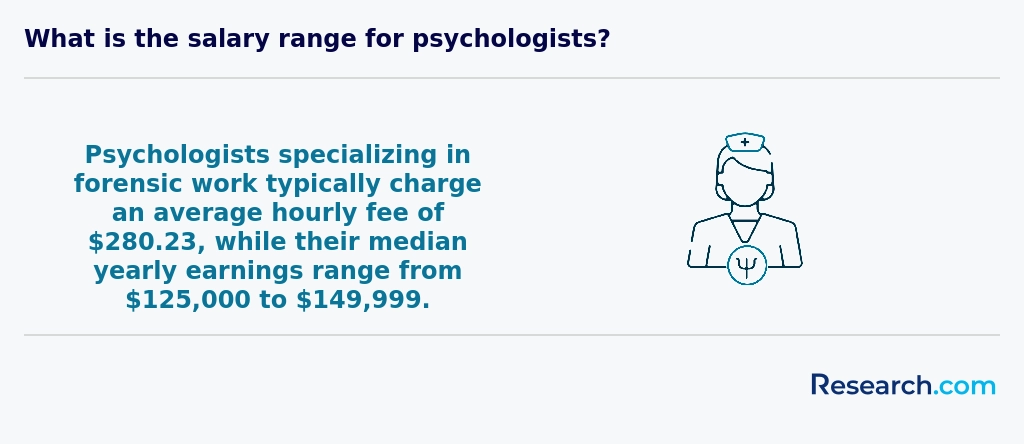
Graduates holding a psychology degree in New Mexico find diverse career paths that match both their skills and ambitions. Many choose clinical psychology, working in local hospitals or mental health centers, often after completing graduate studies and obtaining state licensure through the New Mexico Board of Psychologist Examiners. Others pursue roles in school psychology, assisting students with learning challenges in educational environments across New Mexico.
Counseling careers such as substance abuse or family therapy are popular too, typically requiring a master's degree and state certification. Industrial-organizational psychology appeals to those interested in applying psychology to improve workplace productivity in New Mexico's growing sectors. For graduates who prefer research or teaching, universities like the University of New Mexico offer opportunities to engage in academia and psychological studies, supporting job opportunities with psychology degree New Mexico.
Many graduates share how affordable tuition at New Mexico institutions made their journey manageable, often guided by resources like Affordable Online Psychology Degree Programs.
The psychology degree job outlook New Mexico offers steady opportunities driven by a strong local demand for mental health services. Graduates from popular institutions like the University of New Mexico often find roles in clinical settings, schools, and nonprofit agencies where their skills directly impact communities facing high rates of mental health disorders and substance abuse. Entry-level jobs might start with salaries near $70,000, lower than the national average, but the real-world experience gained in rural and underserved areas builds valuable expertise.
For students weighing their options, New Mexico's affordable in-state tuition makes pursuing psychology degrees more attainable, allowing many graduates to avoid heavy debt while preparing for diverse career paths. Some graduates choose to advance quickly by exploring accelerated college degrees, gaining credentials faster to meet workforce demand.
New Mexico psychology career opportunities also include positions in state agencies and community organizations, where understanding local social challenges improves job satisfaction and career growth for those devoted to public health.
2027 Most Affordable Psychology Degree Programs Ranking in New Mexico
Investing in your education is a significant decision that can shape your future, and the Research.com team understands the importance of making informed choices. To assist prospective students in New Mexico, we have meticulously developed the "2027 Most Affordable Psychology Degree Programs Ranking in New Mexico." Our commitment to quality, credibility, and accuracy is demonstrated through the rigorous research and analysis undertaken to create this ranking.
We utilized the following reputable data sources to ensure a comprehensive evaluation of psychology degree programs:
By exploring this ranking, readers will gain valuable insights into the most affordable psychology degree programs in New Mexico, empowering them to make informed and confident educational decisions. For more information on how this ranking was created, please visit our Research.com methodology page.

# 3 position
New Mexico Highlands University
Bachelor of Science in Psychology

# 4 position
New Mexico Highlands University
Master of Science in Clinical Psychology

# 8 position
University of the Southwest
Master of Psychology

# 9 position
University of the Southwest
Bachelor of Science in Psychology

Frequently Asked Questions About psychology
Psychology degree students in New Mexico can maximize their learning experience by engaging actively in both academic and practical opportunities. Attending institutions with strong psychology departments, such as the University of New Mexico, provides access to research projects and internships that enhance hands-on skills.
Students should seek out local internships in mental health clinics or community organizations, which are crucial for applying theoretical knowledge. According to the New Mexico Department of Workforce Solutions, psychology-related job openings are projected to grow by approximately 14% through 2030, highlighting practical experience's importance.
Joining professional associations like the New Mexico Psychological Association fosters networking and mentorship opportunities beneficial for career development.
The field of psychology is rapidly evolving, and in New Mexico, several emerging niches are gaining attention. One notable area is neuropsychology, where professionals study brain-behavior relationships to address cognitive disorders. The demand for neuropsychologists is expected to grow nationally by 6% through 2030, according to the U.S. Bureau of Labor Statistics, benefiting New Mexico's diverse population.
Another expanding niche is health psychology, which focuses on how mental, emotional, and social factors impact physical health. With New Mexico's emphasis on rural healthcare access, health psychologists play a key role in community wellness initiatives.
Finally, forensic psychology is developing, assisting the legal system with mental health evaluations and expert testimony. These specialties offer promising career paths for psychology students in New Mexico.
To prepare for the job market after earning a psychology degree in New Mexico, students should focus on gaining relevant experience. Internships and volunteer opportunities in local mental health clinics or social service agencies are valuable for practical skills. New Mexico's Department of Workforce Solutions highlights a steady demand for mental health counselors, with a projected growth rate of about 13% through 2030.
Networking is crucial; joining state chapters of professional organizations like the New Mexico Psychological Association can connect graduates with employers. Additionally, pursuing licensure or certifications, such as becoming a Licensed Professional Clinical Counselor (LPCC), enhances job prospects across the state's healthcare and social services sectors.
Employers in New Mexico seeking psychology degree graduates prioritize several essential skills. Critical thinking and analytical abilities rank highest, enabling graduates to assess complex human behaviors effectively. Communication skills, both written and verbal, are vital for clear interaction with clients and colleagues. Cultural competence is increasingly important in New Mexico's diverse communities, enhancing sensitivity and inclusiveness in practice. Additionally, research proficiency and knowledge of statistical methods are valued, reflecting a strong emphasis on evidence-based approaches. According to the New Mexico Department of Workforce Solutions, demand for psychological services grows alongside a need for these practical skills.
Finding internships in New Mexico for psychology degree students involves several strategic steps. Start by exploring university career centers at institutions such as the University of New Mexico or New Mexico State University. These centers often list local internship opportunities tailored to psychology majors.
Additionally, connect with local mental health clinics and nonprofit organizations, many of which offer internships or volunteer positions relevant to psychology. New Mexico's Department of Health and community mental health agencies frequently provide practical experience options.
Professional associations like the New Mexico Psychological Association also share internship listings and networking events. Early application and proactive communication with supervisors can improve your chances of securing a placement.
A psychology degree in New Mexico significantly enhances career mobility and advancement opportunities across various fields such as healthcare, education, and social services. According to the U.S. Bureau of Labor Statistics, the state's demand for clinical, counseling, and school psychologists is expected to grow by 8% from 2022 to 2032, slightly above the national average. Earning a degree-especially at the graduate level-can open doors to licensure, which is required for many counseling and therapy positions in New Mexico. Licensed professionals often see higher salaries and greater job security. Additionally, psychology graduates can transition into related roles like human resources or market research, broadening their career options in the state.
Studying for a psychology degree in New Mexico equips students to work across various fields by emphasizing interdisciplinary learning. Programs often integrate coursework in social work, education, and healthcare, reflecting the state's diverse community needs. For example, the University of New Mexico incorporates cultural competence and community mental health, essential for roles combining psychology with social services.
Many psychology programs encourage internships and research projects that cross traditional boundaries, preparing graduates for careers in counseling, public health, and criminal justice. According to the New Mexico Higher Education Department, over 60% of psychology graduates find employment in multidisciplinary roles within two years.
This broad approach enables students to adapt psychological principles in real-world settings alongside other professionals.
Choosing between a thesis and a non-thesis psychology degree program in New Mexico depends largely on your career goals and learning preferences. Thesis programs typically require original research, suitable for students aiming for doctoral studies or research-based careers. According to the New Mexico Higher Education Department, around 40% of psychology master's students choose thesis tracks.
Non-thesis options focus more on coursework and practical skills, ideal for those seeking immediate employment in counseling or applied psychology. These programs generally require internships or capstone projects instead of a research thesis.
Consider faculty expertise, time commitment, and financial resources when making your decision, as thesis programs often take longer and may qualify for research assistantships.
Students based in New Mexico seeking psychology degrees abroad have several pathways to consider. Many universities in New Mexico, such as the University of New Mexico, offer study abroad programs enabling psychology students to gain international experience. These options often include partnerships with universities in countries like the United Kingdom, Canada, and Ireland, where psychology curricula align with US standards.
The New Mexico Higher Education Department highlights that psychology remains a high-demand field locally, encouraging students to diversify their academic experience overseas. Participating in these programs can provide exposure to varied psychological research methods and cultural perspectives, enhancing career prospects.
Financial aid and credit transfer policies vary, so students should consult their home institutions carefully to maximize benefits. Exchange programs typically last one semester, allowing students to immerse themselves without delaying graduation.
Part-time job opportunities in New Mexico that complement psychology degree education are diverse and practical for gaining relevant experience. Many students find work as behavioral health technicians or psychiatric aides in local mental health clinics, where New Mexico sees a consistent demand due to the state's higher-than-average mental health service needs, according to the New Mexico Department of Health.
Campus research assistant positions in psychology departments offer another valuable option, enabling students to engage with ongoing studies and data analysis. Additionally, roles such as crisis hotline operators provide hands-on experience with counseling and support, which align well with psychology curricula.
The New Mexico Workforce Solutions notes that these roles can build skills in communication, assessment, and patient care, enhancing future job prospects in psychology careers.
Psychology students in New Mexico have access to diverse networking opportunities through universities and professional organizations. Institutions like the University of New Mexico and New Mexico State University offer psychology clubs and honor societies that connect students with peers and faculty. These groups often host events, guest lectures, and workshops to build professional relationships.
The New Mexico Psychological Association (NMPA) plays a vital role, providing early-career psychologists and students with conferences, mentorship programs, and continuing education. According to NMPA, annual attendance exceeds 300 professionals, fostering strong local connections.
Additionally, students can engage in research and internships within New Mexico's healthcare systems and community agencies, offering practical experience and valuable contacts for future employment.
Alumni networks play a vital role for psychology degree students in New Mexico by providing valuable professional connections. Graduates often gain access to job opportunities through networking events hosted by their universities, particularly at institutions like the University of New Mexico and New Mexico State University. These networks facilitate mentorship, helping students navigate licensure requirements and clinical placements, which are crucial in fields like counseling and clinical psychology.
According to data from the New Mexico Higher Education Department, over 60% of recent psychology graduates found employment through alumni referrals within their first year. Strong alumni ties also support continuing education and research collaboration, fostering growth in the state's mental health sector.
Customizing a psychology degree program in New Mexico allows students to align their education with specific career goals. Many institutions, such as New Mexico State University and the University of New Mexico, offer elective courses in areas like clinical, developmental, or industrial-organizational psychology. Students can often choose internships or research projects tailored to local community needs, enhancing practical experience. Additionally, some programs provide opportunities for specialization through certificates or advanced seminars. According to the New Mexico Higher Education Department, such tailored options improve employability by addressing regional workforce demands in mental health and human services.
Psychology students in New Mexico often face several unique challenges throughout their studies. One common issue is limited access to research facilities and internship opportunities compared to larger states. According to the New Mexico Higher Education Department, rural locations of many institutions can restrict hands-on experiences crucial for developing practical skills. Additionally, students may encounter financial difficulties, as average tuition for public universities in New Mexico ranks near the national median, while many require out-of-state fees for certain programs. Balancing rigorous coursework with limited local mental health resources also complicates fieldwork requirements for aspiring psychologists.
With a psychology degree in New Mexico, graduates can pursue several professional certifications to enhance their careers. A common path is becoming a Licensed Psychologist (LP), which requires a doctoral degree, supervised experience, and passing the Examination for Professional Practice in Psychology (EPPP). For those with a master's degree, certification as a Licensed Professional Clinical Mental Health Counselor (LPCC) or Licensed Marriage and Family Therapist (LMFT) is available through the New Mexico Regulation and Licensing Department.
Additional options include certifications in substance abuse counseling or school psychology, each requiring specific coursework and clinical hours. According to the New Mexico Behavioral Health Collaborative, demand for licensed professionals is growing statewide, reflecting increased mental health awareness.
Writing a winning application for a psychology program in New Mexico involves careful preparation and attention to detail. Start by researching accredited programs such as those at the University of New Mexico or New Mexico State University, as regional accreditation is crucial for future licensure. Highlight your academic achievements, especially coursework in psychology and related sciences, as the average GPA for admitted students in psychology programs often exceeds 3.0.
Demonstrate relevant experience through internships or volunteer work in mental health settings, which strengthens your practical understanding. Tailor your personal statement to explain your motivation for psychology and how studying in New Mexico aligns with your goals. Be clear, concise, and reflective. Lastly, obtain strong letters of recommendation from professors or professionals familiar with your abilities. Following these steps increases your chances of admission into competitive New Mexico psychology programs.
Psychology careers in New Mexico are influenced by global trends emphasizing mental health awareness and diverse clinical practices. Worldwide, psychology professionals address increasing demands for mental health services, shaped by cultural and societal needs. In the US, including New Mexico, the Bureau of Labor Statistics projects a 9% growth in psychologist jobs from 2022 to 2032, reflecting this trend. New Mexico's unique demographic, with a significant Native American population, offers psychologists opportunities to work in culturally sensitive contexts. Globally, psychology emphasizes evidence-based practices and interdisciplinary collaboration, skills highly valued in New Mexico's health care and education sectors.
Students pursuing psychology degrees in New Mexico can gain practical experience through internships and practicum placements, commonly integrated into undergraduate and graduate programs. Many institutions collaborate with local community health centers, schools, and counseling agencies to provide these opportunities.
For example, New Mexico State University and the University of New Mexico offer supervised fieldwork experiences where students apply psychological theories in real-world settings. According to the New Mexico Higher Education Department, about 60% of psychology students participate in such programs to enhance their skills.
Additionally, volunteer work in mental health nonprofits and research assistant positions at university labs help students build hands-on experience. Licensure requirements also encourage practical training, especially for those aiming to become licensed counselors or psychologists in New Mexico.
Choosing the right concentration within a psychology degree program in New Mexico requires considering your career goals and local job market demands. Common concentrations include clinical, counseling, developmental, and industrial-organizational psychology. According to the New Mexico Department of Workforce Solutions, clinical and counseling psychologists are among the faster-growing occupations in the state due to increasing mental health service needs.
Students should assess the specific curriculum and internship opportunities each school offers, as hands-on experience is crucial. Look for programs that align with licensure requirements in New Mexico, especially if you aim to become a licensed psychologist or counselor.
It also helps to consult with faculty advisors and local professionals to understand which specialties have strong community connections and better employment prospects.
- 2027 Most Affordable Psychology Degree Programs Ranking in Texas
- 2027 Most Affordable Psychology Degree Programs Ranking in Nevada
- 2027 Most Affordable Psychology Degree Programs Ranking in Montana
- 2027 Most Affordable Psychology Degree Programs Ranking in South Dakota
- 2027 Most Affordable Psychology Degree Programs Ranking in Mississippi
- 2027 Most Affordable Psychology Degree Programs Ranking in Wisconsin
- 2027 Most Affordable Psychology Degree Programs Ranking in Tennessee
- 2027 Most Affordable Psychology Degree Programs Ranking in South Carolina
- 2027 Most Affordable Psychology Degree Programs Ranking in North Carolina
- 2027 Most Affordable Psychology Degree Programs Ranking in West Virginia
See What Experts Have To Say About Studying Psychology
Read our interview with Psychology experts

Elizabeth L. Jeglic Ph.D.
Psychology Expert
Professor of Psychology
City University of New York

Catherine Caldwell-Harris, Ph.D.
Psychology Expert
Associate Professor of Psychology
Boston University

Robin M. Kowalski. Ph.D.
Psychology Expert
Professor of Psychology
Clemson University

- How to Become a Psychologist in New Mexico | A Plan for NM | Psychologist-License.com https://www.psychologist-license.com/psychologist-requirements/new-mexico-psychologist/
- Have You Found a Niche? https://www.apaservices.org/practice/business/marketing/building/niche
- Know more about thesis vs non- thesis: what is the difference? https://studyfans.com/en/blogs/816
- Best Sports Psychology Programs in New Mexico (2026) https://www.sportspsychology.org/state/new-mexico/
- What Certifications Can I Get With A Bachelor's In Psychology? https://www.psychology.org/resources/certification-skills-for-psychology-major-resumes/
- Study Psychology Abroad https://astarfuture.co.uk/study_psychology_abroad.html
- Ontario Psychological Association - Networking and Community Resources https://www.psych.on.ca/become-a-member-(1)/member-services/networking-and-community-resources
- A Guide to Psychology Internships | Psychology Degree Guide https://psychologydegreeguide.org/resources/internships/
- Sample letters in psychology https://www.mystudies.com/en-in/human-and-social-sciences/psychology/letter-model/
- Alumni Perspectives - Meet Our FPN Alumni https://www.aanmelder.nl/alumni-perspectives-june-2023