2027 Most Valuable Psychology Degree Programs Ranking in Fort Worth

Co-Founder and Chief Data Scientist
Choosing the right psychology degree program in Fort Worth can shape your future in meaningful ways. This article introduces the 2027 Most Valuable Psychology Degree Programs Ranking in Fort Worth, developed by the Research.com team of data scientists to guide you in making an informed decision.
By exploring this ranking, you'll discover programs that offer strong value, helping you build a rewarding career in psychology. Whether you're just starting or considering a change, the right degree can open new doors and inspire personal growth.
Key benefits of getting psychology degree in Fort Worth
- Salary for psychology degree graduates: Careers such as Clinical Research Associate and Survey Researcher offer mean annual wages around $62,370, while Human Resources Specialists earn approximately $76,060 per year, highlighting solid earning potential.
- Career paths: A psychology graduate from a Fort Worth university might explore diverse roles, including Marketing Research Analyst positions with mean wages near $83,190 or Human Resources roles, opening exciting avenues for growth.
- Online degree benefits: Earning a psychology degree online from a Fort Worth college offers flexible scheduling and the chance to balance work and study, making education more accessible without sacrificing quality.
- 2027 Most Valuable Psychology Degree Programs Ranking in Fort Worth
- What can I expect from psychology degree in Fort Worth?
- Where can I work with psychology degree in Fort Worth?
What can I expect from psychology degree in Fort Worth?
The average cost of pursuing a psychology degree in Fort Worth varies significantly depending on the institution's public or private status. Graduates from Texas Christian University (TCU), a private university with accredited psychology programs, commonly report tuition expenses reflecting higher private institution rates, though these are often offset by scholarships and practicum opportunities that enhance professional readiness and reduce overall financial burden.
Conversely, students attending public institutions such as the University of North Texas Health Science Center benefit from more competitive tuition rates, especially for Texas residents. This affordability allows many students to focus on integrating rigorous academic coursework with hands-on research or internship experiences without overwhelming financial stress.
Graduates frequently describe a balanced investment in their education, where cost aligns with the value of strong faculty mentorship, access to clinical placements, and exposure to ongoing cutting-edge research. The practical application of these experiences in real-world settings fosters confidence and excitement about entering the local psychology workforce amid promising job growth in Fort Worth and the broader Texas region.
Where can I work with psychology degree in Fort Worth?
Graduates with a psychology degree in Fort Worth find rewarding employment opportunities across healthcare, education, business, and social services. Many pursue roles in local hospitals and clinics like Medical City Fort Worth or Cook Children's Medical Center, where they deliver therapy, conduct assessments, and assist in treatment planning. These positions often bring deep personal satisfaction through helping individuals improve their mental health.
Others work within the Fort Worth Independent School District or nearby colleges, supporting students as school psychologists, counselors, or academic advisors. Graduates from institutions such as Texas Christian University frequently share how these roles provide meaningful everyday impact by fostering student well-being and academic success.
In Fort Worth's corporate and nonprofit sectors, psychology graduates contribute as industrial-organizational specialists, enhancing workplace culture and training programs. The practical application of psychological principles here offers both challenge and fulfillment.
Community organizations and government agencies also seek psychology professionals for social services, offering paths that combine professional growth with the reward of making a tangible difference in people's lives.
Graduates with a psychology degree in Fort Worth can expect varied salary outcomes depending on the career path they follow. For those starting out in related roles such as human resources specialists, the mean annual wage is approximately $76,060, reflecting a solid entry-level salary that many local university graduates report appreciating. Psychology alumni from institutions like Texas Christian University often find these positions a valuable stepping stone into people-centered professions.
Others who leverage their analytical skills may become marketing research analysts, earning an average of $83,190 annually. This role appeals to graduates seeking to blend psychology with data-driven decision-making in Fort Worth's growing business sectors. Clinical research associates and survey researchers, jobs that attract many master's degree holders from Fort Worth colleges, earn mean wages near $62,370 per year, offering a comfortable living while contributing to important scientific studies.
These salary figures indicate that Fort Worth psychology graduates enjoy stable income prospects in diverse fields, with opportunities for career advancement and increased earnings as experience builds.
- Psychology programs in Fort Worth are available at community colleges and universities, offering associate, bachelor's, and graduate degrees.
- Tuition varies widely: community colleges charge about $2,500 to $3,500 per year, public universities $7,000 to $10,000, and private institutions can exceed $25,000 annually.
- Entry-level psychology jobs in Fort Worth pay between $45,000 and $55,000 per year, while experienced professionals can earn $70,000 to $90,000 or more.
- The job market is growing steadily, especially for mental health professionals in healthcare, education, and social services.
- Internships and practicum opportunities are common in Fort Worth, helping students gain practical skills and meet licensure requirements.
Completing a psychology degree in Fort Worth typically requires four years of full-time study at institutions such as Texas Christian University or Texas Wesleyan University. Graduates often reflect positively on the well-structured curriculum, which balances foundational psychological theories and practical research skills over this timeframe. For those pursuing advanced degrees, the commitment extends further: a master's degree usually takes an additional two to three years, allowing students to deepen expertise in clinical, counseling, or industrial-organizational psychology.
Doctoral candidates at Fort Worth universities face an even longer journey, often dedicating five to seven years post-bachelor's to complete rigorous coursework, clinical training, and dissertation research. This experience prepares them thoroughly for professional licensure or academic careers. Many students appreciate the flexibility offered by local programs that accommodate part-time enrollment and online courses, enabling working adults to progress at a comfortable pace while balancing life commitments. Real-life stories from recent graduates reveal a rewarding, immersive educational path that shapes confident, knowledgeable psychologists ready to make an impact in their communities.
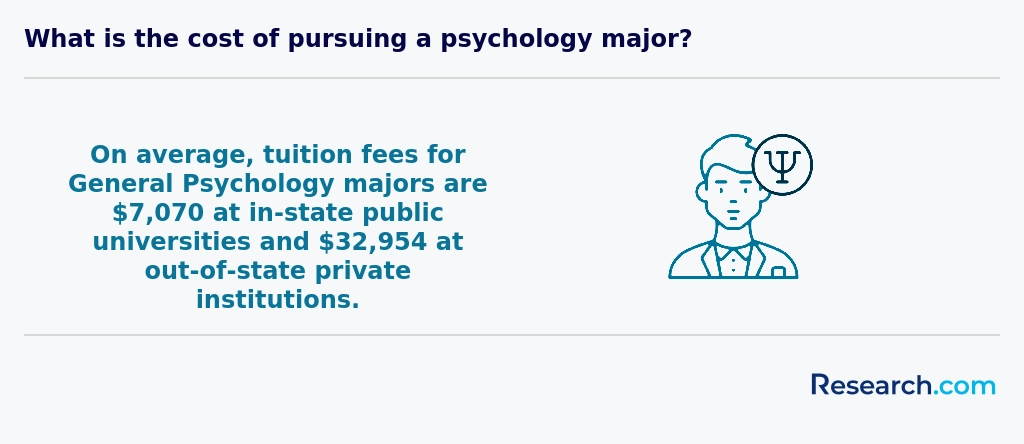
Evaluating the return on investment (ROI) of a psychology degree in Fort Worth is crucial for prospective students balancing educational costs against future earnings. On average, in-state public tuition in Fort Worth runs about $7,070 per year, while private institutions may exceed $32,954 annually. Against this backdrop, psychology graduates can expect starting salaries between $35,000 and $45,000, with experienced professionals-such as licensed clinical psychologists-earning upwards of $75,000. To quantify ROI, consider: • Average Total Cost of Bachelor’s Degree: – Public (in-state): ~$28,280 (4 years × $7,070) – Private: ~$131,816 (4 years × $32,954) • Average Early-Career Salary for Psychology Graduates: – Entry-level: $35,000–$45,000 – Mid-career (5–10 years): $55,000–$65,000 – Advanced roles (licensed psychologists): >$75,000 • Estimated Payback Period (Tuition ÷ Annual Salary): – Public: ~0.6–0.8 years of salary per year of tuition – Private: ~1.8–2.2 years of salary per year of tuition Key factors influencing ROI include scholarship awards, federal aid utilization, and part-time work or internships that reduce loan dependency. For example, students who secure institutional or state scholarships can lower their break-even point by 20–50%. Additionally, internships in Fort Worth’s healthcare and corporate sectors often lead to job offers within six months of graduation, accelerating debt repayment. To further enhance cost-effectiveness, prospective students may explore nationally ranked affordable programs. For comparative insight, review the Inexpensive Psychology Degree Programs Ranking in Nebraska, which highlights institutions with low tuition and strong graduate outcomes. Strategies to maximize ROI: 1. Apply Early for Financial Aid and Scholarships – Prioritize FAFSA deadlines and institutional awards. 2. Leverage Work-Study and Paid Internships – Gain experience while offsetting tuition costs. 3. Choose Hybrid or Online Formats – Balance flexibility with lower overhead expenses. 4. Network Through Local Psychology Associations – Translate connections into higher-paying roles post-graduation. By understanding these variables and actively managing educational expenses, students can significantly improve the long-term value of their psychology degree in Fort Worth, TX.
Online psychology degrees in Fort Worth, such as those offered by Texas Christian University, provide students with the flexibility to balance coursework alongside jobs or family commitments. Graduates often describe the convenience of accessing lectures and assignments remotely, which makes education feasible without relocating or maintaining a strict campus schedule. This format suits individuals seeking adaptable learning environments but may feel a lack of immediate, in-person interaction with professors and peers.
Conversely, on-campus programs at institutions like Texas Wesleyan University deliver direct engagement through classroom discussions, collaborative research projects, and hands-on practicum experiences. Students appreciate the camaraderie and networking opportunities fostered in these traditional settings, which many find invaluable for developing professional relationships. The availability of campus resources, including counseling centers and dedicated psychology labs, further enriches their educational journey.
Both formats in Fort Worth meet rigorous accreditation standards, but graduates note that on-campus internships can be easier to secure, while online programs increasingly offer virtual labs and local internship assistance to bridge this gap.
To practice as a psychologist in Texas, you must meet state licensure standards. Key steps include:
- Earn a degree from an APA-accredited psychology program, ensuring alignment with licensure board requirements.
- Complete supervised clinical experience, typically 3,000–3,500 hours of practicum and internship for doctoral candidates.
- Pass the Examination for Professional Practice in Psychology (EPPP) administered by the Association of State and Provincial Psychology Boards.
- Apply for licensure through the Texas Behavioral Health Executive Council by submitting transcripts, supervisor affidavits, and exam scores.
- Maintain licensure with continuing education: at least 40 hours every two years, including ethics and professional development.
For a faster path to clinical training and exam eligibility, explore accelerated psychology programs.
The average cost of a psychology degree in Fort Worth varies significantly depending on residency status and the institution attended. Students pursuing a degree at public universities typically encounter a median total cost of around $39,582 for in-state residents, while out-of-state students face higher expenses, with costs reaching approximately $58,947. This range aligns with reported tuition fees at prominent local universities such as Texas Christian University and the University of North Texas Health Science Center, where graduates recall balancing the value of education against financial commitments.
In particular, those who have completed their psychology degrees in Fort Worth often describe the journey as rewarding, despite the investment required. The average cost of psychology degree Fort Worth must also include extra expenses like textbooks, materials, and housing, which add to the total financial outlook. For many students, the blend of affordable in-state tuition and access to specialized resources makes public institutions a practical choice, while private universities, usually charging upwards of $30,000 annually, offer unique opportunities that justify their cost for some.
When considering fees, it is essential to explore financial aid options, as many schools dedicate scholarships to psychology majors. Prospective students should also research the valuable psychology programs in Texas available locally, as this can influence the financial and educational outcomes of their degree. The overall psychology degree tuition fees Fort Worth reflect a combination of direct costs and the rich academic environment that helps graduates feel prepared for clinical or research careers.

To ensure a psychology degree program in Fort Worth, TX, meets the highest standards, it's crucial to consider accreditation and licensure. Accreditation is a process where a recognized accrediting agency reviews a program to ensure it provides a high-quality education that meets specific standards. In the field of psychology, the American Psychological Association (APA) is the primary accrediting agency for doctoral programs, internships, and postdoctoral residencies. Students should verify that their chosen program is accredited by the APA or another recognized accrediting agency to ensure they are eligible for licensure and certification after graduation. Furthermore, exploring resources on valuable psychology programs in Texas can help prospective students understand the importance of accreditation in their educational pursuits. Licensure requirements vary by state, but most states require psychologists to be licensed to practice. In Texas, the Texas State Board of Examiners of Psychologists is responsible for issuing licenses to qualified candidates. Typically, licensure requires a doctoral degree in psychology, completion of an internship, and passage of the Examination for Professional Practice in Psychology (EPPP). Understanding accreditation and licensure requirements is essential for students planning a career in psychology, as it directly impacts their eligibility to practice and their career advancement opportunities.
Students pursuing psychology degrees in Fort Worth benefit from a variety of financial aid options tailored to ease educational expenses. At institutions like Texas Christian University and Texas Wesleyan University, graduates often recall receiving merit-based scholarships and grants awarded for academic excellence and faculty endorsements, significantly reducing their tuition burden. Federal aid through FAFSA remains a cornerstone, with many qualifying for Pell Grants averaging $4,000 annually, offering non-repayable support vital for those balancing studies and living costs.
State programs such as the Texas Educational Opportunity Grant further assist eligible students attending public colleges, making a tangible difference in managing expenses. Additionally, private scholarships, notably from the American Psychological Association, provide substantial awards recognizing both achievement and future potential in psychology careers, inspiring confidence in recipients.
Work-study roles within campus research projects also enable students to earn while gaining meaningful experience, a benefit frequently praised by Fort Worth psychology graduates. While loans are accessible, prudent management is encouraged to avoid heavy debt, ensuring students enjoy both academic and financial well-being throughout their degree pathway.
Choosing a psychology program in Fort Worth, TX, requires careful attention to accreditation and state licensing standards to ensure your degree is recognized and qualifies you for future licensure. Regional accreditation by bodies such as the Southern Association of Colleges and Schools Commission on Colleges (SACSCOC) confirms that a program meets high academic and administrative criteria. For those pursuing clinical or counseling psychology, American Psychological Association (APA) approval is often a prerequisite for licensure, ensuring coursework and practicum components align with professional standards. In Texas, licensure as a psychologist typically requires a doctoral degree (PhD or PsyD), completion of supervised clinical hours, and passing the Examination for Professional Practice in Psychology (EPPP). However, at the bachelor’s level, enrolling in an accredited program lays the essential groundwork for graduate education and licensure eligibility. Key considerations include:
- Verifying regional accreditation status and, if applicable, APA program approval
- Confirming the curriculum aligns with Texas State Board of Examiners of Psychologists requirements
- Ensuring availability of supervised practicum or internship placements within Fort Worth-area clinics and community agencies Prospective students seeking flexibility without sacrificing quality can explore a bachelor's in psychology online that holds full regional accreditation and integrates supervised field experiences. By prioritizing accredited and licensure-aligned programs, you safeguard your educational investment and streamline your path toward professional practice in psychology.
Prospective students seeking to enroll in psychology degree programs in Fort Worth must typically hold a high school diploma or GED equivalent. Local universities emphasize a strong foundation in core subjects like English, mathematics, and science, essential for success in rigorous college psychology coursework. Graduates from notable Fort Worth institutions often recall balancing demanding classes with extracurricular activities, which enhances applications when accompanied by compelling personal statements and recommendation letters.
Applicants generally submit standardized test scores such as the SAT or ACT, though many Fort Worth schools have embraced test-optional policies, alleviating some pressure while still valuing academic readiness. Graduate psychology programs expect candidates to possess relevant bachelor's degrees, with minimum GPAs around 3.0 and prerequisite coursework in statistics, research methods, biology, and introductory psychology.
Practical experience, gained through internships or research assistance opportunities available at Fort Worth colleges, strengthens applications by showcasing commitment and hands-on skills. These prerequisites collectively ensure students are well-prepared to thrive in psychology studies, fostering the rewarding academic journeys many Fort Worth psychology graduates describe with enthusiasm.
Beyond the classroom, Fort Worth’s psychology programs offer vibrant campus environments that foster academic growth and personal development. Many institutions provide dedicated student services, including comprehensive academic advising, mental health counseling, and career centers that guide students from enrollment to post-graduation success. Students benefit from organized networking events, mentoring programs, and clubs focused on psychology and related fields that are designed to enrich both professional and social experiences. In addition to campus resources, many local universities offer flexible study options that combine on-campus engagement with online learning. For instance, programs that integrate digital platforms allow students to stay connected to key campus services while managing personal commitments. Prospective students exploring these flexible formats can review the best rated psychology degrees online in texas to find programs that balance academic excellence with the convenience of virtual learning. This supportive environment not only strengthens academic performance but also prepares graduates to navigate diverse work settings. With ample opportunities for internships, community projects, and research collaborations, students enjoy a well-rounded education that builds confidence, enhances professional networks, and ultimately contributes to achieving long-term career goals in psychology.
Psychology degree programs in Fort Worth typically begin with foundational courses covering cognitive processes, developmental psychology, social psychology, and abnormal psychology. Graduates from local universities often recall how these early classes built a solid understanding of human behavior, preparing them for more in-depth study.
Students also take research methods and statistics courses, essential for mastering scientific inquiry and data analysis. Many Fort Worth psychology students have shared how these skills became invaluable when conducting their own experiments or interpreting psychological data during internships at regional hospitals or community centers.
As they progress, students encounter specialized subjects such as biological psychology, cognitive psychology, personality psychology, psychological assessment, and therapeutic techniques. These courses allow learners at institutions like Texas Christian University or the University of North Texas Health Science Center to connect theory with practical applications, enhancing their readiness for clinical or counseling careers.
This blend of rigorous coursework and hands-on experience nurtures confidence and a genuine passion for psychology among Fort Worth students, empowering them to contribute meaningfully to the field.
Psychology degree specializations in Fort Worth cover a wide spectrum, reflecting the city's diverse academic and professional environment. Clinical psychology is a standout focus, where graduates engage deeply with mental health care, often securing internships in Fort Worth's expanding healthcare facilities to gain hands-on experience essential for licensure. Counseling psychology is equally prominent, emphasized by local universities, training students to effectively address emotional and social challenges within diverse communities. Many students appreciate the opportunity to participate in community agencies or school-based programs throughout Fort Worth.
Other popular pathways include cognitive and behavioral psychology, where research-oriented graduates collaborate with nearby institutions on experimental projects that sharpen their analytical skills. Industrial-organizational psychology appeals to students interested in optimizing workplace productivity, benefiting from Fort Worth's robust business climate. Developmental and forensic psychology also attract attention, as students connect with courts and law enforcement for practical learning, which graduates describe as both challenging and rewarding.
Prospective students searching for the best rated psychology degrees online in texas will find Fort Worth institutions offer both variety and local relevance, allowing a tailored education that aligns with professional goals and community needs.
Choosing the best psychology degree in Fort Worth involves evaluating programs based on their degree offerings, accreditation, faculty expertise, and flexibility. Graduates from popular universities in Fort Worth often highlight the value of programs accredited by SACSCOC, which ensures rigorous academic standards and stronger employment prospects. Many students appreciate how local institutions provide opportunities to engage in research collaborations with community health services, enriching their practical experience.
When exploring affordable psychology colleges in Fort Worth, consider that public universities typically offer lower tuition rates for in-state students compared to private institutions. Additionally, prospective students benefit from programs designed to accommodate working adults through online or hybrid formats. For those seeking convenience without sacrificing quality, a bachelor's in psychology online can be an excellent option endorsed by Fort Worth alumni for its balance of flexibility and academic rigor.
Career support also plays a critical role. Graduates frequently cite strong internship placements and networking opportunities within Fort Worth's healthcare and social service sectors as key to their career success. Considering these elements alongside graduation rates and student satisfaction can guide you to the best psychology degree programs Fort Worth has to offer.

Graduates holding a psychology degree in Fort Worth have a broad array of psychology career options in Fort Worth, spanning clinical, educational, corporate, and research sectors. Many find rewarding roles as licensed clinical psychologists, counselors, or therapists, leveraging the city's expanding need for mental health services driven by population growth and increased wellness awareness. Students from institutions like Texas Christian University benefit from hands-on training that prepares them for advanced licensure and practice.
Others pursue school psychology careers within the Fort Worth Independent School District, supporting student behavior and learning through specialist-level qualifications such as PsyD or EdS degrees. Corporate roles also attract graduates, including industrial-organizational psychologists and human resources specialists, who apply psychological principles to enhance workplace productivity and employee motivation.
Research analysts and rehabilitation counselors represent additional avenues, contributing to psychological studies or assisting individuals with disabilities. Graduates from local universities often highlight how affordable tuition and practical experience have strengthened their Fort Worth psychology degree job prospects. For further information on accessible education options, see the Inexpensive Psychology Degree Programs Ranking in Nebraska, which offers insights useful to Fort Worth students considering cost-effective pathways.
The psychology degree job outlook Fort Worth presents promising opportunities driven by the city's diverse population and expanding healthcare infrastructure. Graduates from well-known local universities often report securing roles in mental health clinics, schools, and corporate settings shortly after completing their studies. For example, several have transitioned into positions involving counseling or organizational behavior within Fort Worth's key employment sectors. These experiences highlight how a psychology degree in Fort Worth can lead to fulfilling careers that make a meaningful impact on community well-being.
Fort Worth psychology career opportunities are notably better for those pursuing advanced degrees, as many clinical and counseling roles require master's or doctoral qualifications. In addition, the availability of 1 year master programs helps boost career advancement by providing accelerated paths to licensure. Graduates often express confidence and satisfaction from the competitive salaries and diverse work environments, which include hospitals, educational institutions, and governmental agencies.
2027 Most Valuable Psychology Degree Programs Ranking in Fort Worth
Investing in your education is a significant decision that can shape your future, and the Research.com team is fully aware of the importance of making well-informed choices. To assist prospective students in Fort Worth, we have carefully developed the "2027 Most Valuable Psychology Degree Programs Ranking in Fort Worth." Our dedication to quality, credibility, and accuracy is demonstrated through comprehensive research and analysis involved in creating this ranking.
We utilized the following reputable data sources to ensure a thorough evaluation of psychology degree programs:
By exploring this ranking, readers will gain valuable insights into the most valuable psychology degree options in Fort Worth, empowering them to make informed decisions about their educational investments. For more information on how this ranking was created, please visit our Research.com methodology page.


Frequently Asked Questions About psychology
Psychology degree students in Fort Worth can enhance their learning by engaging in hands-on research opportunities offered by local institutions such as Texas Christian University and the University of Texas at Arlington. Participating in internships at nearby mental health clinics or community centers provides practical experience that complements classroom theory. Fort Worth's proximity to diverse populations enables students to study varied psychological phenomena relevant to real-world settings.
Joining organizations like the American Psychological Association's student branch can help develop professional networks and access conferences. Moreover, Fort Worth students benefit from small class sizes that promote interactive learning. According to the Bureau of Labor Statistics, the demand for psychology professionals in Texas is projected to grow by 20% through 2031, highlighting the value of practical training aligned with regional needs.
The field of psychology continues to diversify with emerging niches gaining prominence in Fort Worth and nationwide. One fast-growing area is neuropsychology, focusing on brain-behavior relationships, which aligns with the rise of cognitive science research at local universities like Texas Christian University.
Another niche gaining attention is forensic psychology, driven by increased demand in criminal justice settings around Tarrant County. Graduates skilled in this specialty often work with law enforcement or in legal consultations.
Health psychology is expanding as well, especially due to a growing emphasis on mental well-being integrated with physical health, reflecting trends reported by the American Psychological Association's 2023 workforce study. Fort Worth's healthcare systems increasingly seek professionals with expertise in behavioral medicine.
Emerging fields such as sports psychology and industrial-organizational psychology also show promise, catering to local sports teams and corporate environments in this rapidly growing metro area.
Preparing for the job market after earning a psychology degree in Fort Worth involves several strategic steps. Graduates should prioritize gaining practical experience through internships or volunteer work at local mental health clinics, schools, or social service agencies. These opportunities help build skills and professional networks.
According to the U.S. Bureau of Labor Statistics, the demand for psychologists in Texas is projected to grow about 14% from 2021 to 2031, faster than the average for all occupations. Fort Worth's expanding healthcare facilities and schools create diverse employment options.
Additionally, obtaining certifications, such as Licensed Psychological Associate or Licensed Professional Counselor, can enhance job prospects. Many employers also value advanced degrees for clinical roles.
Networking through Fort Worth's professional psychology associations and attending local career fairs supports job search success and awareness of emerging opportunities.
Employers in Fort Worth seek specific skills in psychology degree graduates to meet local workforce needs. Critical thinking and strong analytical abilities are essential for interpreting behavioral data and supporting clinical decisions. Communication skills, both written and verbal, are highly valued, as psychologists often work with clients and multidisciplinary teams.
Knowledge of research methods and statistical analysis is important, particularly given Fort Worth's emphasis on evidence-based practice in community mental health settings, according to data from the Texas Department of State Health Services.
Additionally, cultural competence is increasingly important due to Fort Worth's diverse population. Employers look for graduates capable of understanding and respecting varied backgrounds, improving client engagement.
Time management and ethical judgment also rank highly, ensuring graduates can handle demanding caseloads and comply with professional standards in Texas.
Finding internships in Fort Worth related to a psychology degree involves tapping into local universities, clinics, and community organizations. Texas Christian University (TCU), a prominent institution in Fort Worth, offers strong connections to mental health facilities that regularly provide internships for psychology students. These opportunities also include counseling centers, hospitals, and school districts.
Students should explore resources such as TCU's Career Services and Handshake platform, which list internships specifically targeted to psychology majors. Additionally, networking through local chapters of professional organizations like the Texas Psychological Association can uncover internship openings.
The demand for psychology interns in Fort Worth aligns with the city's expanding healthcare sector. According to the Texas Workforce Commission, healthcare and social assistance jobs grew by 5% over the past five years, creating more internship possibilities.
Contacting nonprofit organizations focusing on mental health or substance abuse is also a useful approach, as many offer supervised internships that provide practical experience for psychology students.
A psychology degree in Fort Worth opens diverse career pathways due to the city's growing healthcare and social services sectors. According to the U.S. Bureau of Labor Statistics, the Dallas-Fort Worth metro area is projected to add over 3,000 psychology-related jobs by 2030, showing strong demand for professionals with psychology backgrounds.
Graduates often find roles in mental health counseling, educational support, and human resources, where progression depends on advanced degrees or certifications. Earning a master's or doctorate can significantly increase earning potential and eligibility for leadership roles, as noted by Texas workforce reports.
Local employers prioritize candidates with practical experience, so internships through Fort Worth universities enhance career mobility. Overall, a psychology degree serves as a versatile foundation for upward advancement in this regional job market.
Studying for a psychology degree in Fort Worth offers strong preparation for interdisciplinary roles by combining foundational psychological theories with practical applications across fields such as healthcare, education, and business. Many local institutions incorporate coursework in statistics, neuroscience, and social sciences, equipping students with diverse skills adaptable to collaborative professional environments.
Fort Worth's proximity to a range of industries allows psychology students to engage in internships and research projects that emphasize teamwork with professionals from disciplines like social work, medicine, and criminal justice. According to the National Center for Education Statistics, Texas awards over 7,000 psychology bachelor's degrees annually, supporting a robust workforce.
This integrative approach enhances problem-solving capabilities and communication skills, essential for interdisciplinary positions in today's job market. The focus on applied training aligns with employer demands in Fort Worth's expanding health and human services sectors, fostering well-rounded graduates ready to contribute beyond traditional psychology roles.
When choosing between a thesis and a non-thesis psychology degree program in Fort Worth, students should consider their career goals and learning preferences. A thesis program emphasizes research, requiring you to conduct original studies and write a detailed paper. This path suits those aiming for roles in research or pursuing doctoral studies. Non-thesis programs focus on coursework and practical skills, often including internships, making them ideal for students seeking clinical or applied psychology careers.
In Fort Worth, enrollment in thesis-based psychology programs tends to be smaller but offers more direct faculty involvement. According to Texas Higher Education Coordinating Board data (2023), approximately 40% of psychology master's students in the area choose thesis tracks. Understanding these differences helps students align their education with professional ambitions.
Students based in Fort Worth interested in studying psychology abroad have several pathways through U.S. universities with international partnerships or study abroad programs. Institutions like Texas Christian University often facilitate exchanges with universities in Europe and Asia, allowing psychology majors to gain global perspectives.
Additionally, many Fort Worth students leverage nationwide programs such as the National Student Exchange or specific study abroad offerings in counseling and behavioral science. These programs enable credits to transfer smoothly back to their psychology degree.
According to data from the Institute of International Education (2023), nearly 15% of U.S. psychology students participate in some form of study abroad, underscoring growing interest and opportunity.
Financial aid and scholarships specifically for study abroad in psychology are also available, which helps mitigate costs for Fort Worth students planning international study.
In Fort Worth, part-time job opportunities that complement psychology degree education often include roles in mental health support, research assistance, and community outreach. Positions such as psychiatric technician or behavioral health aide allow students to gain valuable hands-on experience working with clients under supervision. According to the Bureau of Labor Statistics, Texas employs a significant number of mental health counselors, with Fort Worth showing steady growth in healthcare support roles.
Additionally, local universities and research centers frequently hire psychology students for data collection and analysis projects. These roles enhance research skills crucial for advanced psychology education. Lastly, volunteering in nonprofit organizations focused on mental health awareness also helps build practical experience in the field.
Psychology students in Fort Worth benefit from numerous networking opportunities through local universities and professional organizations. Texas Christian University (TCU) offers events and research symposiums where students can connect with faculty and professionals. The Fort Worth Psychological Association provides meetings and workshops tailored to students and early-career psychologists, facilitating valuable contacts in the field.
Additionally, students can attend events hosted by the Texas Psychological Association, which often includes Fort Worth-based members. Local internships and practicum placements also help students build networks within clinical and community settings. These combined opportunities enhance career prospects for psychology students in Fort Worth.
Alumni networks play a crucial role for psychology students in Fort Worth by providing professional connections and mentorship opportunities. Graduates from local universities, such as Texas Christian University and the University of North Texas Health Science Center, often engage with current students through organized events and online groups. These connections can lead to internships, job openings, and collaborative research projects.
According to the Council of Graduate Schools, 75% of graduates find employment through networking. In Fort Worth, the strong presence of healthcare and counseling centers enhances these networks' value. Alumni also offer guidance on licensure and continuing education specific to Texas requirements.
Customizing a psychology degree program in Fort Worth allows students to align their studies with specific career goals. Many local universities offer elective courses and specializations in areas such as clinical, counseling, industrial-organizational, and developmental psychology. Fort Worth's institutions also provide research opportunities and internships that connect students with local healthcare facilities and community organizations.
Students can tailor their curriculum by selecting courses focused on applied psychology, data analysis, or mental health services. According to the U.S. Bureau of Labor Statistics, Fort Worth's growing healthcare sector increases demand for specialized psychology professionals.
Choosing programs with flexible schedules or online options can help working students balance education and career development efficiently.
Psychology students in Fort Worth often face the challenge of balancing rigorous coursework with hands-on practicum requirements. Programs accredited by the American Psychological Association (APA) typically demand extensive research and clinical hours, which can be time-consuming. According to data from the Texas Higher Education Coordinating Board, many students also report financial stress, as tuition and related costs have steadily increased over recent years.
Additionally, finding quality internship opportunities in Fort Worth's competitive mental health field can be difficult. Limited local placements force some students to seek experiences farther from campus, adding logistical challenges. These factors combined make managing workload and career preparation a notable hurdle for psychology students in the area.
With a psychology degree in Fort Worth, graduates can pursue several professional certifications to enhance their careers. One common path is becoming a Licensed Professional Counselor (LPC), which requires completing a master's degree, supervised experience, and passing a licensing exam governed by the Texas State Board of Examiners of Professional Counselors.
Another option is certification as a Certified Addiction Counselor (CAC), reflecting skills in substance abuse treatment, which is relevant given Fort Worth's increasing focus on behavioral health services. Additionally, psychology graduates may seek credentials like Certified School Psychologist, requiring state certification and specialized training to work in educational settings.
According to the Texas Higher Education Coordinating Board, licensing and certification increase employability and salary potential significantly in the Fort Worth region's expanding healthcare sector.
To write a winning application for a psychology program in Fort Worth, start by researching local universities such as Texas Christian University and Texas Wesleyan University, which offer well-regarded psychology degrees. Admissions committees seek applicants who demonstrate both academic excellence and genuine interest in psychology. Aim for a strong GPA, ideally above 3.5, as competitive programs often emphasize grades in relevant coursework.
Craft a compelling personal statement that highlights your motivation, relevant experiences, and career goals. Fort Worth programs value candidates familiar with regional mental health issues, so mention any local volunteering or internships. Include strong letters of recommendation from professors or professionals who know your abilities well.
Standardized test scores are sometimes optional but can strengthen your application if competitive. Finally, ensure all materials are submitted before deadlines, typically early in the fall for spring or fall admission cycles.
The global perspective on a psychology career highlights diverse opportunities shaped by cultural and regional differences. In the United States, including Fort Worth, psychology professionals enjoy strong demand, with the Bureau of Labor Statistics projecting a 8% growth in psychology-related jobs from 2022 to 2032. This growth reflects expanding roles in mental health, education, and organizational settings.
Internationally, psychology careers may require varying qualifications, but U.S. degrees-especially those earned at accredited institutions near Fort Worth such as Texas Christian University-are globally recognized. Fort Worth's growing healthcare and educational sectors provide promising environments for psychology graduates seeking to work locally or abroad.
Moreover, global challenges like mental health awareness and neuropsychological research make psychology a versatile career worldwide. Fort Worth students benefit from programs that integrate global theories with local practice, preparing them for both domestic and international roles.
Gaining practical experience while studying for a psychology degree in Fort Worth is crucial for career readiness. Many universities in the area, such as Texas Christian University and the University of North Texas Health Science Center, offer supervised internships or practicum placements as part of their programs. These opportunities provide hands-on experience in clinical, counseling, or research settings.
Additionally, students can seek volunteer positions at local organizations like the Mental Health Association of Tarrant County, where they can apply psychological principles in real-world contexts. According to the Bureau of Labor Statistics, practical experience significantly improves employment prospects in psychology fields.
Joining research projects or student organizations related to psychology at local campuses can also enhance skills and networking.
Choosing the right concentration within a psychology degree program in Fort Worth involves considering your career goals and interests. Psychology concentrations often include clinical, counseling, industrial-organizational, and developmental psychology. Each focus area prepares students for different roles, such as therapy, human resources, or research.
Review Fort Worth institutions' curriculum offerings and faculty expertise. For example, Texas Christian University and Texas Wesleyan University provide diverse psychology tracks with practical training opportunities. The Texas Workforce Commission notes that the demand for clinical and counseling psychologists in Fort Worth is projected to grow 12% by 2030, which may influence your decision.
Additionally, seek programs that offer internships or connections with local healthcare facilities, schools, or businesses for hands-on experience. Aligning your concentration with regional job market trends enhances employability after graduation.
- 2027 Most Valuable Psychology Degree Programs Ranking in Tulsa
- 2027 Most Valuable Psychology Degree Programs Ranking in Springfield
- 2027 Most Valuable Psychology Degree Programs Ranking in Baton Rouge
- 2027 Most Valuable Psychology Degree Programs Ranking in Hattiesburg
- 2027 Most Valuable Psychology Degree Programs Ranking in Lincoln
- 2027 Most Valuable Psychology Degree Programs Ranking in Mobile
- 2027 Most Valuable Psychology Degree Programs Ranking in Saint Louis
- 2027 Most Valuable Psychology Degree Programs Ranking in Birmingham
- 2027 Most Valuable Psychology Degree Programs Ranking in Montgomery
- 2027 Most Valuable Psychology Degree Programs Ranking in Denver
See What Experts Have To Say About Studying Psychology
Read our interview with Psychology experts

Joann Farrell Quinn, Ph.D., MBA
Psychology Expert
Director at the College of Medicine Department of Medical Education
Morsani College of Medicine

Elizabeth L. Jeglic Ph.D.
Psychology Expert
Professor of Psychology
City University of New York

Robin M. Kowalski. Ph.D.
Psychology Expert
Professor of Psychology
Clemson University

- Study Psychology Abroad | Go Overseas https://www.gooverseas.com/study-abroad/psychology
- Psychology Departmental Scholarship- Financial Aid - Undergraduate Admission https://udallas.edu/admissions-aid/financial-aid/types-of-aid-scholarships/departmental-scholarships/psychology.php
- A Guide to Psychology Internships | Psychology Degree Guide https://psychologydegreeguide.org/resources/internships/
- Society for the Teaching of Psychology https://teachpsych.org/page-1784686/8675326
- What Certifications Can I Get With A Bachelor's In Psychology? https://www.psychology.org/resources/certification-skills-for-psychology-major-resumes/
- Careers in and Related to Psychology - Canadian Psychological Association https://cpa.ca/students/career/careersinpsychology/
- Mental Health Challenges Faced by Psychology Students | The Healthcare Guys https://healthcareguys.com/2023/11/23/mental-health-challenges-faced-by-psychology-students/
- Psychology - SWPS University https://english.swps.pl/academics/warsaw/ba-programs/psychology
- Why Get a Psychology Degree Online? | University of Bridgeport https://www.bridgeport.edu/news/reasons-to-get-your-psychology-degree-online/
- Sample letters in psychology https://www.mystudies.com/en-in/human-and-social-sciences/psychology/letter-model/