2027 Most Affordable Psychology Degree Programs Ranking in Melbourne

Co-Founder and Chief Data Scientist
Choosing the right psychology degree program in Melbourne can feel overwhelming for students eager to start a meaningful career. This article introduces the 2027 Most Affordable Psychology Degree Programs Ranking in Melbourne, carefully crafted by the Research.com team of data scientists. It's designed to help you make an informed decision about which programs offer the best value without compromising quality.
Reading this guide will give you confidence in your choices and highlight the exciting opportunities a psychology degree can open up. Your future in psychology starts here.
Key benefits of getting psychology degree in Melbourne
- A psychology degree can lead to rewarding careers such as Human Resources Specialist with a mean annual wage of $76,060, Marketing Research Analyst earning about $83,190, or Clinical Research Associate making around $62,370.
- Graduates from Melbourne universities often find diverse career paths in counseling, research, or organizational psychology, allowing them to apply their skills in helping others and improving workplace environments.
- Completing a psychology degree online in Melbourne offers flexible study options that fit busy schedules, giving graduates the advantage of balancing work, life, and education without compromising quality.
- 2027 Most Affordable Psychology Degree Programs Ranking in Melbourne
- What can I expect from psychology degree in Melbourne?
- Where can I work with psychology degree in Melbourne?
What can I expect from psychology degree in Melbourne?
The average cost for studying a psychology degree in Melbourne typically ranges between AUD 30,000 and AUD 45,000 per year for international students. Graduates from popular universities in the city recall budgeting carefully to manage tuition alongside living expenses.
Many students opt for a three-year Bachelor of Psychology, which combines core theory with hands-on placements in healthcare or community settings. This practical experience adds value but can also influence overall costs due to travel or materials.
One graduate shared how balancing part-time work while studying helped offset costs without compromising the intensive research and critical thinking workload demanded by programs at top Melbourne institutions.
Financial aid is limited for international students, so planning ahead is crucial. Melbourne's multicultural atmosphere offers rich opportunities to engage with diverse psychological perspectives, enhancing both personal growth and academic development despite the financial commitment.
Where can I work with psychology degree in Melbourne?
Graduates from Melbourne's top psychology programs often find work in healthcare settings like hospitals and mental health clinics, where they conduct assessments and support wellbeing initiatives. For example, those studying at universities such as the University of Melbourne or Monash University often share how rewarding it is to contribute directly to patient care while developing clinical skills.
Many also enter educational roles in schools or universities, helping students cope with academic and emotional challenges. Graduates recall the satisfaction they felt working alongside teachers to create supportive learning environments, especially through placements arranged by their Melbourne institutions.
Corporate jobs in human resources and organizational development are popular too, where psychology grads improve workplace culture and employee engagement. Those from RMIT and La Trobe report excitement about bridging psychology theory with real-world leadership challenges in Melbourne's business sectors.
Community service roles and specialized fields like forensic or sports psychology also attract graduates, although these often require additional certifications. Practical experience gained at well-known Melbourne colleges helps make these competitive paths attainable and fulfilling for many psychology students.
Graduates from universities like the University of Melbourne or Monash University often start their careers around AUD 60,000 annually when entering assistant roles or related positions. This aligns with data showing entry-level psychology graduates earn modestly, similar to the US mean annual wage for clinical research associates, about USD 62,370.
With additional qualifications, such as a graduate diploma or master's degree, salaries can rise sharply. For instance, clinical psychologists in Melbourne can expect earnings between AUD 85,000 and AUD 95,000, reflective of Australian Psychological Society figures and mirrored by roles like marketing research analysts in the US earning around USD 83,190 per year.
Graduates who transition into organizational psychology or consultancy roles in corporate Melbourne frequently surpass AUD 100,000 annually. This is a positive progression echoed by US human resources specialists with mean wages near USD 76,060, showing demand for these skills.
Recent graduates report that gaining over five years of experience boosts income potential past AUD 110,000, particularly when working in private practice or research positions. This upward trajectory highlights the value of practical experience and ongoing education in this competitive Melbourne job market.
- Psychology degrees in Melbourne are available at several universities, offering undergraduate and postgraduate programs in clinical, developmental, and social psychology.
- International students can expect to pay AUD 30,000 to AUD 40,000 per year in tuition, while domestic students pay AUD 7,000 to AUD 10,000 annually under the Commonwealth Supported Place scheme.
- Starting salaries for entry-level clinical psychologists range from AUD 60,000 to AUD 75,000 per year, with experienced professionals earning between AUD 90,000 and AUD 120,000 or more.
- Registration with the Psychology Board of Australia requires accredited degrees and supervised professional experience, extending training time beyond the initial degree.
- Job growth in psychology in Melbourne is expected to be steady over the next decade, driven by increasing mental health awareness and expanded services.
Completing a psychology degree in Melbourne typically takes three years of full-time study for the Bachelor of Psychology. Graduates from universities like the University of Melbourne, Monash University, and RMIT often describe this period as an intense but rewarding foundation, where you build critical skills in understanding human behavior. For students coming from the US, this quicker three-year bachelor's model might feel streamlined compared to the usual four-year system back home.
After completing the bachelor's degree, the path to becoming a registered psychologist usually requires further study. Many students choose a one-year Honours program followed by a two-year master's degree or equivalent postgraduate qualification. This means that total study time can extend to about six years before entering professional practice.
One graduate shared how balancing the Honours year at Monash, which deepened their research skills, made the eventual two-year Master's feel like a natural next step, keeping motivation high. Planning with these timelines in mind helps US students adapt their academic and visa plans confidently for Melbourne's system.
Consider these programs to expand your career options and manage costs:
- Bachelor of Social Work: prepares you for roles in community services and healthcare, often with scholarship opportunities
- Bachelor of Counselling: focuses on practical therapeutic techniques and internships in local clinics
- accredited marriage and family therapy programs online: offers flexible study with an emphasis on family systems and relationship counseling
Choosing between online and on-campus psychology degrees in Melbourne largely comes down to how you prefer to learn and balance life commitments. On-campus programs at top universities like the University of Melbourne or Monash University offer rich face-to-face experiences, including hands-on labs and interactive workshops that build practical skills, something many graduates say gave them confidence entering clinical roles.
In contrast, online degrees provide flexibility, allowing you to study around work or family by accessing recorded lectures and virtual discussions. Graduates from online programs often highlight the convenience but stress the need for strong self-discipline and time management to avoid falling behind.
Both modes require clinical placements that must be done in person, so even online students will attend scheduled sessions at clinics in Melbourne. Costs are another factor; while tuition fees are government-regulated, online students typically save on housing and commuting.
Networking feels more dynamic on campus with real-time interactions, though online courses increasingly offer virtual connection opportunities to build your professional circle.
After earning a psychology degree in Melbourne, FL, graduates must secure state licensure to practice clinically or counsel independently. In Florida, the Board of Psychology mandates: 1. A minimum of a master’s degree in psychology from an accredited institution (doctoral degrees such as a PsyD or PhD are required for independent practice in certain specialties). 2. Completion of at least 1,500 supervised post-graduate hours (6 months full-time or equivalent part-time) under a licensed psychologist. 3. Passing scores on the Examination for Professional Practice in Psychology (EPPP) and the Florida Laws and Rules Examination. 4. Submission of fingerprint-based background screening and verification of academic credentials. For those aiming to specialize-such as in neuropsychology-pursuing a neuropsychologist phd program can both satisfy advanced education requirements and deepen expertise in brain–behavior relationships. Once licensed, psychologists in Florida must complete 40 hours of continuing education every two years, including at least 3 hours in ethics, to maintain active status. Understanding these steps early helps Melbourne graduates map an efficient path from affordable degree programs to fully certified practice.
The average cost of a psychology degree in Melbourne for international students typically totals around AUD 62,340. This figure represents the entire course fee for popular universities where psychology programs are highly sought after, such as the University of Melbourne and Monash University. Graduates from these institutions often recall carefully budgeting for this expense while balancing coursework and part-time jobs, which helped them gain confidence in managing their finances during their studies. Domestic students benefit from a reduced fee structure under the Commonwealth Supported Places system, but international students usually pay full tuition fees.
When planning for Melbourne psychology degree tuition and fees, it's important to remember that tuition is only part of the total cost. Graduates often mention additional expenses like textbooks and general living costs in Melbourne, which can add another AUD 21,000 annually. This holistic financial picture helps students set realistic expectations and avoid surprises. Some students find that scholarships and financial aid options can significantly offset costs, so researching these opportunities early is a practical step.
For those exploring affordable options, it's worth comparing costs and offerings. For example, while the tuition fees in Melbourne might seem high, they are comparable to many U.S. private universities, with benefits such as quality education and vibrant campus life. To explore options beyond Australia, interested students can also check out cheapest psychology programs in Florida.
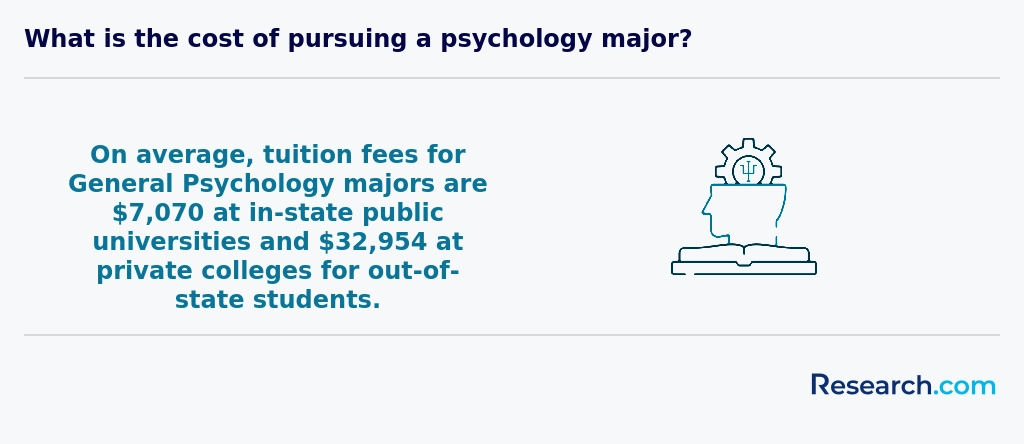
Choosing an affordable psychology program is crucial for students in Melbourne, FL, as it directly impacts their financial stability and career prospects. By opting for affordable programs, students can minimize their debt burden and focus on their studies without financial stress. For instance, exploring cheapest psychology programs in Florida can provide valuable insights into affordable education options. This enables them to allocate their resources more efficiently, whether it's investing in additional courses, participating in internships, or preparing for licensure exams. Furthermore, affordable programs often offer a range of specializations, such as counseling psychology or industrial-organizational psychology, allowing students to tailor their education to their career aspirations. Ultimately, selecting an affordable psychology program is a strategic decision that can have long-term benefits, including increased financial flexibility, reduced stress, and a stronger foundation for a successful career in psychology.
When pursuing a psychology degree in Melbourne, financial aid can take several practical forms that make your investment manageable. Many students at the University of Melbourne, known for its strong psychology program, benefit from merit-based scholarships like the Vice-Chancellor's Scholarships, which reward academic excellence and leadership. These opportunities provide not just funding but also a confidence boost, easing financial stress early on.
Another key resource is the Australian Government's FEE-HELP loan scheme. Graduates often describe how this program allowed them to start their studies without immediate tuition payments, postponing costs until they earned above a certain income. For US students with eligible visa statuses, this loan can transform the upfront cost from intimidating to feasible.
Postgraduate psychology students in Melbourne frequently find value in on-campus assistantships or research grants. These options offer financial support alongside hands-on experience, making them popular choices at institutions like Monash University.
Lastly, while federal US aid won't apply, some students successfully combine private loans or grants from home with local funding. Planning early and exploring all options is key to feeling secure and focused on your studies.
Understanding the tangible outcomes of a psychology degree in Melbourne, FL, is crucial for prospective students. Graduates from Eastern Florida State College report a six-year graduation rate of approximately 62%, while Florida Institute of Technology and University of Central Florida boast rates near 75% and 80%, respectively. On average, bachelor’s degree recipients in Melbourne incur about $28,000 in student debt, which is below the national psychology average of $30,000. With early-career salaries between $50,000 and $60,000, many graduates cover their educational investment within five to seven years of employment. Equally important is post-graduation success: 87% of Melbourne psychology alumni secure full-time positions or enroll in graduate programs within six months. Career placement spans mental health services, education, and human resources, demonstrating the versatility of the degree. Programs that offer robust internship opportunities, such as those at local mental health clinics or corporate settings, often yield higher job placement rates-up to 92% at institutions with well-established practicum partnerships. For students seeking flexible, online pathways, consider benchmarking local outcomes against broader options by exploring our Affordable Online Psychology Degree Programs Ranking in the Midwest. This comparison can clarify potential ROI differences between on-campus and virtual cohorts. Ultimately, evaluating graduation rates, debt-to-income ratios, and employment metrics equips you to choose an affordable psychology program in Melbourne, FL, that aligns with your financial and career goals.
To enroll in a psychology degree in Melbourne, you need to meet several core prerequisites. For instance, graduates from local universities like the University of Melbourne recall finishing the Victorian Certificate of Education (VCE) with an ATAR around 85 to secure entry into their psychology program. This reflects the competitive nature but also sets a clear target to aim for.
Completion of senior secondary English is mandatory, which aligns well with your US high school English courses, making this easier to fulfill. Some students found having background knowledge in biology or mathematics gave them a confidence boost during early classes, even if it wasn't strictly required.
If you're an international student, you'll typically need to prove English proficiency through tests like IELTS or TOEFL, an experience many past international enrollees describe as straightforward with targeted preparation. Providing certified transcripts and sometimes a statement of purpose completes the application.
For postgraduate psychology in Melbourne, graduates emphasize the importance of having a relevant undergraduate degree and completing specific psychology units to qualify, making it essential to plan your academic path ahead.

In today’s ever-evolving job market, blending psychology with business acumen can provide a distinct advantage. Many affordable psychology programs now offer opportunities for students to complement their studies with elements of business and management, preparing them for leadership roles in an array of industries. For instance, incorporating coursework or electives in business psychology , b.s. can enhance skills in strategic thinking, organizational behavior, and decision-making-all crucial for driving innovation in the workplace. This interdisciplinary approach not only broadens career prospects but also fosters essential soft skills such as effective communication and problem-solving. Additionally, students often benefit from collaborative projects, internships, and networking events that integrate both psychological theories and business practices, equipping them to navigate today's competitive environment with confidence and versatility.
Psychology degrees in Melbourne usually include a core set of courses that build a strong foundation while offering opportunities for specialized learning. Graduates from well-known institutions in Melbourne often mention how courses like Introduction to Psychology provide a clear overview of major theories and perspectives, setting the stage for deeper study.
Students quickly engage in Research Methods and Statistics, equipping them with practical skills to design studies and analyze data-vital for both academic work and real-life applications.
Subjects such as Cognitive Psychology and Developmental Psychology bring everyday concepts to life, for example, understanding memory or how people change across their lifespan, which graduates say helped them relate theory to daily experiences.
Courses like Abnormal Psychology and Psychological Assessment offer hands-on training through standardized tests and case studies, crucial for those planning clinical careers. Many students also appreciate electives in forensic or organisational psychology, enabling them to tailor their degrees to career goals within Melbourne's vibrant job market.
In Melbourne, psychology degrees typically offer specializations that align with real-world career demands. Popular options include clinical psychology, where graduates engage in hands-on clinical placements to diagnose and treat mental health disorders, a popular choice at universities like the University of Melbourne. Counselling psychology focuses on direct client interaction and emotional support, ideal for students passionate about one-on-one therapy work.
Forensic psychology is another specialization, providing insight into criminal behavior and rehabilitation within the legal system, often pursued by students who enjoy combining psychology with law. Those inclined toward workplace dynamics often choose organizational psychology, which aims to enhance employee well-being and productivity. Developmental psychology covers psychological changes across the lifespan, fitting well with roles in education or aging support.
Students looking for broader options sometimes explore a business psychology, b.s. degree, which integrates psychology principles with business contexts. Graduates from popular Melbourne colleges consistently report satisfaction with these focused programs, which support their clear career goals and local registration requirements.
Choosing among types of psychology programs in Melbourne requires balancing your interests with the career pathways tied to each specialization.
Begin by verifying the accreditation of the psychology program you want to join, especially since standards like those from the Australian Psychology Accreditation Council (APAC) influence your eligibility for registration in Australia. Graduates from universities like the University of Melbourne often mention how this recognition helped them pursue careers locally and abroad. For US students, checking if the degree aligns with American licensing requirements is equally crucial to avoid unexpected hurdles after graduation.
Next, investigate the curriculum and available specializations, such as clinical, cognitive, or forensic psychology. Students who chose Monash University found that programs emphasizing research methods and practical placements gave them a competitive edge in job markets. If you're drawn to advanced research, exploring flexible study options or combining psychology with other disciplines can be beneficial. Many find that pursuing a neuropsychologist phd after their degree opens further career paths.
Cost is another key factor. When seeking best affordable psychology degrees Melbourne offers, consider both tuition, which can range from AUD 30,000 to AUD 45,000 per year, and living expenses around AUD 21,000. Recent graduates often highlight good budgeting and choosing programs with strong support services as major contributors to a smooth study experience.

Graduates from popular Melbourne universities often find diverse psychology career opportunities in Melbourne, such as clinical psychology, where post-graduate registration enables treating mental health disorders. Many students appreciate how a rigorous six-year pathway, including supervised practice, builds their confidence to work professionally, similar to licensing in the US.
Others pursue counseling or clinical neuropsychology roles, supporting clients emotionally and cognitively. Graduates frequently share positive experiences working in Melbourne's private practices and health services, where demand grows due to rising mental health awareness.
Job prospects with psychology degree Melbourne also extend to industrial-organizational psychology, ideal for those interested in enhancing workplace wellbeing and recruitment strategies. Several graduates combine business studies with psychology, gaining roles comparable to US salaries of $85,000 to $100,000 annually according to the U.S. Bureau of Labor Statistics.
Research-focused roles within universities or government institutions are another route, attracting graduates eager to advance psychological knowledge through Master's or PhD studies. Educational psychology offers steady school-based employment, often requiring additional teaching qualifications.
For those concerned about cost, exploring the Affordable Online Psychology Degree Programs Ranking in the Midwest can offer helpful pathways to complement Melbourne study options.
The job market for psychology degree holders in Melbourne remains robust, favored by growing demand in mental health and social services. Graduates from well-known universities and colleges often secure roles in hospitals, schools, and private clinics, benefiting from Melbourne's supportive healthcare infrastructure. For example, many psychology students from these institutions find early internships invaluable for gaining hands-on experience, which employers highly value. This practical exposure helps when competing in this competitive market.
Employment opportunities for psychology graduates Melbourne-wide are improving steadily, with a projected 14% growth over the next five years. Graduates commonly start with salaries around AUD 60,000, rising to a median near AUD 80,000 for those with experience. Specializations like clinical or counseling psychology usually see stronger demand. Those seeking to fast-track their career may consider postgraduate qualifications and licensure to boost their job prospects.
Pragmatic students also explore fast-track associates degree options to enter the workforce sooner or complement their psychology studies. Staying proactive through internships, continuing professional development, and networking within Melbourne's mental health community positions recent graduates for success in this dynamic market.
2027 Most Affordable Psychology Degree Programs Ranking in Melbourne
Investing in your education is a significant decision that can shape your future, and the Research.com team recognizes the importance of making informed choices. To support prospective students in Melbourne, we have carefully developed the "2027 Most Affordable Psychology Degree Programs Ranking in Melbourne." Our dedication to quality, credibility, and accuracy is evident through the thorough research and rigorous analysis that underpin this ranking.
We utilized the following reputable data sources to ensure a comprehensive evaluation of psychology degree programs:
By exploring this ranking, readers will access clear and reliable information about affordable psychology degree options in Melbourne, empowering them to make confident and well-informed educational decisions. For more details on how this ranking was created, please visit our Research.com methodology page.
# 1 position
Florida Institute of Technology-Online
Bachelor of Science in Psychology


Frequently Asked Questions About psychology
Psychology degree students in Melbourne can maximize their learning experience by engaging deeply with both theoretical and practical aspects of their studies. Enrolling in accredited programs recognized by the Australian Psychology Accreditation Council ensures exposure to a curriculum aligned with professional standards. Participating in internships and research projects at local institutions or healthcare facilities helps apply classroom knowledge practically.
Networking with peers and professionals in organizations like the Australian Psychological Society enhances learning through mentorship and access to seminars. Additionally, students benefit from utilizing Melbourne's rich academic resources, such as university libraries and online databases, to support evidence-based learning.
Regularly attending workshops focusing on emerging psychology trends also strengthens skills relevant to current industry demands.
Emerging niches within the psychology field reflect the growing complexity of societal and technological challenges. In Melbourne and broadly in the US, clinical neuropsychology is expanding due to advancements in brain imaging and aging populations. According to the American Psychological Association, neuropsychology is expected to grow by 19% from 2021 to 2031. Another growing area is health psychology, focusing on the relationship between mental and physical health, especially with rising chronic disease rates.
Moreover, digital mental health and telepsychology are rapidly developing, accelerated by increased telehealth adoption after 2020. The integration of technology in therapy offers new career opportunities.
Environmental psychology is gaining attention, linking behavior to sustainability, relevant as climate concerns grow. These niches combine traditional psychology with other disciplines, offering diverse research and career paths for Melbourne students considering US educational contexts.
Preparing for the job market after completing a psychology degree in Melbourne involves strategic steps to enhance employment prospects. Graduates should seek relevant internships or volunteer positions to gain practical experience, which is highly valued by Australian employers, including in Melbourne's competitive health and social services sectors.
Networking is crucial; connecting with professionals through university career services or organizations like the Australian Psychological Society can open job opportunities. Additionally, pursuing registration as a provisional psychologist with the Psychology Board of Australia is an essential step for those wanting to practice clinically.
Melbourne's psychology graduates benefit from strong demand in mental health services, but data from the Australian Government's Job Outlook (2024) indicates employment growth of 14% over five years, emphasizing the need for tailored skills and qualifications.
Employers in Melbourne value psychology graduates who demonstrate strong analytical and communication skills. According to the Australian Psychological Society, graduates are expected to interpret data effectively and communicate findings clearly to diverse audiences. Critical thinking and problem-solving abilities are also essential, enabling graduates to apply psychological theories to real-world issues.
Interpersonal skills remain crucial, as many roles involve working directly with clients or within teams. Additionally, proficiency in research methods and ethical standards is highly regarded, reflecting Melbourne's emphasis on evidence-based practice.
Familiarity with digital tools for data analysis is increasingly important, aligning with trends in the broader US education and job market.
Finding internships in Melbourne relevant to a psychology degree requires strategic planning and research. Many universities, such as the University of Melbourne and Monash University, offer placement programs that connect students with local clinics, hospitals, and community services. These placements often count toward degree credit and provide hands-on experience.
Students should also explore opportunities through the Australian Psychological Society, which provides resources and listings for internships and volunteer positions. Additionally, contacting psychology departments directly can uncover lesser-known options in research labs or mental health organizations.
Using online job portals like Seek and GradConnection can help locate internships, with some positions specifically designed for psychology students. Early application and networking within local professional groups increase the chances of securing meaningful placements.
A psychology degree in Melbourne provides strong foundations for career mobility and advancement within both clinical and non-clinical sectors. Graduates gain skills in research, critical thinking, and communication highly valued by employers across healthcare, education, and corporate industries. According to the Australian Psychological Society, Melbourne has a growing demand for qualified psychologists driven by urban population growth and government funding for mental health services.
Holding a degree recognized by the Australian Psychological Accreditation Council allows graduates to pursue professional registration and licensure, which significantly expands job opportunities and earning potential. Entry-level salaries for psychology graduates in Melbourne typically range from AUD 55,000 to 70,000 annually, with advanced roles exceeding AUD 100,000. This progression underscores the degree's impact on upward career trajectory.
Further, Melbourne's robust network of research institutions and hospitals provides pathways to specialized clinical or academic roles. Continuous professional development supported by local psychology organizations also facilitates career advancement through credentialing and skill diversification, making a psychology degree a valuable asset for long-term growth.
Studying for a psychology degree in Melbourne equips students with skills vital for interdisciplinary work. Many programs emphasize collaboration across fields such as health sciences, education, and social work. This approach reflects broader trends in the US, where interdisciplinary teams improve patient and client outcomes.
Melbourne universities often integrate practical experiences and research projects that intersect with areas like neuroscience, counseling, and public health. According to Graduate Careers Australia, psychology graduates in Melbourne report strong capabilities in teamwork and problem-solving, essential traits for interdisciplinary roles.
Moreover, understanding psychological principles alongside complementary disciplines prepares graduates for diverse workplaces and enhances adaptability in evolving job markets.
When deciding between a thesis and a non-thesis psychology degree program in Melbourne, consider your career goals carefully. A thesis program typically suits students interested in research or pursuing a PhD, as it involves a substantial original research project. According to the Australian Psychological Society, thesis-based programs demand strong research skills and usually take longer to complete.
On the other hand, non-thesis programs are more coursework-focused, ideal for those seeking professional practice or applied psychology roles. They often offer more flexibility and might include internships or practical training. Institutions like the University of Melbourne note that non-thesis options can be completed faster, benefiting those eager to enter the workforce.
Review program details and consult academic advisors to match your interests and timelines with the right format.
Students based in Melbourne interested in studying psychology abroad have several options within the US higher education system. US universities offer a wide range of psychology programs, from bachelor's to doctoral levels, often with specialized tracks such as clinical, cognitive, or developmental psychology.
Many Australian students choose accredited programs, which are important for professional recognition. According to the American Psychological Association (APA), over 2,000 institutions offer programs meeting their strict accreditation standards.
Tuition fees vary widely, with public universities averaging around $25,000 per year for international students, while private institutions can exceed $40,000. Understanding visa requirements, such as the F-1 student visa, is crucial for a smooth transition.
Part-time job opportunities in Melbourne that complement psychology degree education often involve roles in mental health support, research assistance, and community services. Positions such as mental health support workers, counseling assistants, and behavioral therapy aides can provide practical experience relevant to psychology students.
Research assistant roles at universities or healthcare organizations enable students to engage directly with psychological studies and data analysis. According to the Australian Government's Job Outlook, psychology-related fields in Melbourne show steady growth, with employment for these roles expected to increase by 4% over the next five years.
Additionally, volunteering or paid work in local community health centers or non-profit organizations offers exposure to diverse client needs and intervention strategies, enriching a student's understanding of applied psychology in real-world settings.
Psychology students in Melbourne have access to numerous networking opportunities crucial for academic and professional growth. Universities such as the University of Melbourne and Monash University often facilitate connections through psychology clubs, guest lectures, and career fairs.
Students can join professional organizations like the Australian Psychological Society (APS), which regularly hosts events, workshops, and conferences in Melbourne. These gatherings provide a chance to meet established psychologists and potential mentors.
Internship programs affiliated with local hospitals, clinics, and research centers also enhance networking by linking students directly with practitioners in the field. According to APS data, over 60% of psychology students in Melbourne engage in practical placements before graduating.
Alumni networks provide valuable support for psychology degree students in Melbourne by connecting them to experienced graduates working in diverse fields. These networks often offer mentorship opportunities, helping students navigate career paths and internships. According to the Australian Psychological Society, strong professional connections improve employment rates for recent graduates by up to 25%.
Members can gain access to exclusive workshops, job listings, and industry events, enhancing their professional development. Alumni involvement encourages knowledge sharing and collaboration on research projects, which is especially beneficial in Melbourne's competitive psychology job market.
Customizing a psychology degree in Melbourne to fit your career goals begins with selecting electives that align with your interests. Australian universities often allow students to choose from areas like clinical psychology, organizational psychology, or developmental psychology. This flexibility helps you develop skills relevant to your desired career path.
Many programs include practical placements or internships, which are essential for gaining hands-on experience and building professional networks. According to the Australian Psychological Society, practical experience significantly improves employment prospects after graduation.
Additionally, some universities offer combined degrees or honors programs, providing opportunities for advanced research or specialization.
Psychology students in Melbourne often face several key challenges during their studies. One significant hurdle is the high level of competition for limited practicum placements, essential for gaining practical experience. According to data from the Australian Psychological Society, placement availability can restrict students' hands-on opportunities, impacting their preparedness for professional registration.
Financial pressure is another common difficulty. Tuition fees and living costs in Melbourne rank among the highest in Australia, making budgeting a critical concern for many students.
Additionally, the rigorous coursework and research requirements demand strong time-management skills and resilience, as highlighted in surveys by the University of Melbourne's psychology department.
With a psychology degree, graduates in Melbourne can pursue several professional certifications recognized in the United States. One common path is becoming a Licensed Professional Counselor (LPC), which allows for clinical practice after completing supervised experience and passing a state exam. Another option is certification as a Board Certified Behavior Analyst (BCBA), especially for those interested in behavioral therapy.
Additionally, some graduates pursue certification as a Certified School Psychologist, requiring specific education and internship hours. For research-focused careers, the American Board of Professional Psychology (ABPP) offers board certification in various specialties.
These certifications enhance employment prospects and professional credibility in diverse psychology fields.
Writing a winning application for a psychology program in Melbourne requires attention to detail and clear presentation of your academic background. Admissions committees typically look for strong undergraduate GPA scores, relevant coursework, and any research experience related to psychology. According to the Australian Psychological Society, Melbourne universities value practical exposure, so including internships or volunteer work in mental health can strengthen your application.
Carefully craft your personal statement to highlight your motivation and understanding of psychology's role in society. Use specific examples to demonstrate your commitment and skills. Also, ensure letters of recommendation reflect your academic abilities and character.
Meeting all application deadlines and following each school's specific requirements is essential. In 2023, Melbourne universities reported acceptance rates for psychology degrees around 30%, making preparation crucial.
Psychology careers are viewed globally as diverse and evolving, especially in places like Melbourne, which offers strong ties to international standards. In the US, psychology graduates often pursue specialization, licensing as clinical psychologists requiring a doctorate, or roles in research, counseling, and applied psychology fields. The American Psychological Association (APA) reports over 106,000 employed psychologists in various settings in 2023, highlighting robust job prospects.
Melbourne's psychology programs align well with these trends, preparing students for global workforce demands through accredited curricula recognized by organizations such as the Australian Psychological Society (APS).
Emerging fields like neuropsychology and health psychology provide additional career pathways, paralleling US industry growth.
Research collaboration opportunities between Melbourne institutions and US bodies further enhance the global relevance of gained qualifications.
Gaining practical experience while studying psychology in Melbourne is essential for career readiness. Many universities incorporate placements or internships within their psychology programs, allowing students to work directly in clinical, community, or research settings. For example, some courses offer supervised practicums in hospitals or mental health clinics, typically during the final year.
Students can also participate in volunteer opportunities with organizations like Beyond Blue or headspace, gaining valuable exposure to real-world mental health challenges. According to the Australian Psychological Society, such experiences enhance employment prospects and skill development. Additionally, research assistant positions at local universities provide hands-on experience in experimental psychology.
Choosing the right concentration within a psychology degree program in Melbourne involves understanding your career goals and interests. Various specializations, such as clinical psychology, counseling, neuropsychology, and organizational psychology, are available at Melbourne universities. Each offers distinct career paths and requires different skills.
Research from the Australian Psychological Society indicates that clinical and counseling psychology remain the most popular and employable concentrations in Melbourne due to high demand for mental health professionals. Consider course content, internship opportunities, and faculty expertise when selecting a concentration.
Additionally, verify whether the program aligns with registration requirements set by the Psychology Board of Australia if you aim to become a licensed psychologist.
- 2027 Most Affordable Psychology Degree Programs Ranking in Daytona Beach
- 2027 Most Affordable Psychology Degree Programs Ranking in Boca Raton
- 2027 Most Affordable Psychology Degree Programs Ranking in Fort Lauderdale
- 2027 Most Affordable Psychology Degree Programs Ranking in Miami
- 2027 Most Affordable Psychology Degree Programs Ranking in Tallahassee
- 2027 Most Affordable Psychology Degree Programs Ranking in Macon
- 2027 Most Affordable Psychology Degree Programs Ranking in Montgomery
- 2027 Most Affordable Psychology Degree Programs Ranking in Atlanta
- 2027 Most Affordable Psychology Degree Programs Ranking in Mobile
- 2027 Most Affordable Psychology Degree Programs Ranking in Birmingham
See What Experts Have To Say About Studying Psychology
Read our interview with Psychology experts

Joann Farrell Quinn, Ph.D., MBA
Psychology Expert
Director at the College of Medicine Department of Medical Education
Morsani College of Medicine

Catherine Caldwell-Harris, Ph.D.
Psychology Expert
Associate Professor of Psychology
Boston University

Robin M. Kowalski. Ph.D.
Psychology Expert
Professor of Psychology
Clemson University

- Bachelor of Psychological Studies https://www.vu.edu.au/courses/bachelor-of-psychological-studies-abpa
- Have You Found a Niche? https://www.apaservices.org/practice/business/marketing/building/niche
- Psychology Courses in Melbourne - Online, TAFE Courses https://www.tafecourses.com.au/courses/psychology/melbourne/
- Society for the Teaching of Psychology https://teachpsych.org/page-1784686/8675326
- Alumni Perspectives - Meet Our FPN Alumni https://www.aanmelder.nl/alumni-perspectives-june-2023
- Community Psychology in Global Perspective http://siba-ese.unisalento.it/index.php/cpgp
- The Best Psychology Universities In Melbourne | UniLodge https://www.unilodge.com.au/blog/the-best-psychology-universities-in-melbourne
- Psychology - SWPS University https://english.swps.pl/academics/warsaw/ba-programs/psychology
- Psychology Degree Requirements | University of Bridgeport https://www.bridgeport.edu/news/psychology-education-requirements/
- Top Psychology Courses in Melbourne for 2025 https://www.universityliving.com/blog/admission-guide/top-psychology-courses-in-melbourne/