2027 Most Affordable Online Psychology Degree Programs Ranking in the Midwest

Co-Founder and Chief Data Scientist
Choosing the right psychology degree program can feel overwhelming, especially when balancing quality and affordability. This article presents the 2027 Most Affordable Online Psychology Degree Programs Ranking in the Midwest, thoughtfully created by the Research.com team of data scientists to guide you in making an informed decision.
Discover top programs designed to fit your budget without sacrificing quality. Earning a psychology degree opens doors to meaningful careers and personal growth, and this ranking helps you explore options that align with your goals and lifestyle.
Take the next step toward a fulfilling future with confidence and clarity.
Key benefits of getting online psychology degree in the Midwest
- Salary for psychology degree graduates: Graduates in the Midwest with a psychology-related degree can expect competitive wages, such as a Marketing Research Analyst earning around $83,190 annually and a Human Resources Specialist around $76,060. These roles offer rewarding pay that reflects the important skills gained through the degree.
- Career paths: A psychology graduate from the University of Michigan might explore diverse fields including clinical research, marketing analysis, or human resources, showcasing the versatility of the degree. This flexibility helps graduates find fulfilling jobs that match their passions and strengths.
- Benefits of online degrees: Earning a psychology degree online from a respected Midwestern school like Michigan State University provides flexibility to balance work and study, making education more accessible. Graduates appreciate the practical skills and networking opportunities that prepare them for real-world success.
- 2027 Most Affordable Online Psychology Degree Programs Ranking in the Midwest
- What can I expect from online psychology degree in the Midwest?
- Where can I work with online psychology degree in the Midwest?
What can I expect from online psychology degree in the Midwest?
The average cost of an online psychology degree in the Midwest typically falls between $7,000 and $12,000 per year for public in-state students, making it an accessible option for many aspiring psychologists.
Graduates from well-regarded institutions in the region often highlight how this affordability allowed them to balance education with work and family commitments without incurring overwhelming debt. For example, students enrolled at prominent universities such as the University of Illinois or Ohio State University have praised the value of combining rigorous coursework with budget-friendly tuition, which eased financial pressures during their studies.
This cost efficiency supports a focus on academic and practical growth, where students engage deeply with subjects like cognitive psychology and research methods. The reasonable pricing of these programs encourages more learners in the Midwest to pursue advanced psychology training, fostering a sense of accomplishment and optimism about future careers.
Many find that the investment in an accredited online degree provides not only affordability but also confidence in meeting licensure requirements and securing employment in growing psychology fields across the region.
Where can I work with online psychology degree in the Midwest?
Graduates with an online psychology degree from well-regarded Midwest institutions, such as the University of Illinois Urbana-Champaign or Ohio State University, often find diverse employment opportunities throughout the region. Entry-level roles in healthcare facilities, social service agencies, and human resources departments commonly attract bachelor's degree holders. For example, graduates have successfully secured positions as psychiatric technicians or social work assistants in hospitals and rehabilitation centers in Illinois and Michigan, gaining valuable experience while supporting community mental health.
Those earning advanced online degrees from universities like the University of Minnesota or the University of Wisconsin typically pursue licensure, opening doors to careers as licensed psychologists, counselors, or therapists. Many find rewarding roles in clinical settings, schools, and private practices across states with streamlined licensure processes, such as Minnesota and Ohio. Midwest graduates often highlight working in schools as counselors or academic advisors, contributing meaningfully to student well-being.
Corporate employers in cities like Chicago and Minneapolis increasingly seek psychology graduates to enhance employee wellness and organizational culture, providing fulfilling opportunities beyond traditional clinical paths.
Graduates from online psychology programs at respected Midwestern institutions, such as the University of Michigan or Ohio State University, commonly secure rewarding roles with competitive salaries. For example, those entering human resources specialist positions can expect a mean annual wage of approximately $76,060, reflecting solid earning potential early in their careers. Similarly, marketing research analyst roles, popular among psychology degree holders leveraging behavioral insights, offer a median salary near $83,190, enabling graduates to thrive in dynamic industry environments.
Entry-level roles like clinical research associate and survey researcher also provide viable pathways, with average salaries around $62,370 annually. These positions frequently appeal to graduates seeking to apply psychological research skills in healthcare or social science settings.
Such salaries align well with the living costs of Midwestern cities like Minneapolis or Columbus, where many students enjoy supportive academic communities and access to professional networking. Graduates often express satisfaction with their ability to balance meaningful work and financial stability, reinforcing the tangible value of an online psychology degree from this region.
- Tuition for online undergraduate psychology degrees in the Midwest ranges from $7,000 to $15,000 per year at public universities, with private schools sometimes charging over $20,000 annually.
- Bachelor's degree programs typically take two to four years to complete and often offer in-state tuition discounts for residents of states like Ohio, Illinois, Michigan, and Indiana.
- Entry-level psychology graduates can expect average salaries around $40,000 per year, while those with master's or doctorate degrees may earn between $70,000 and $100,000 annually.
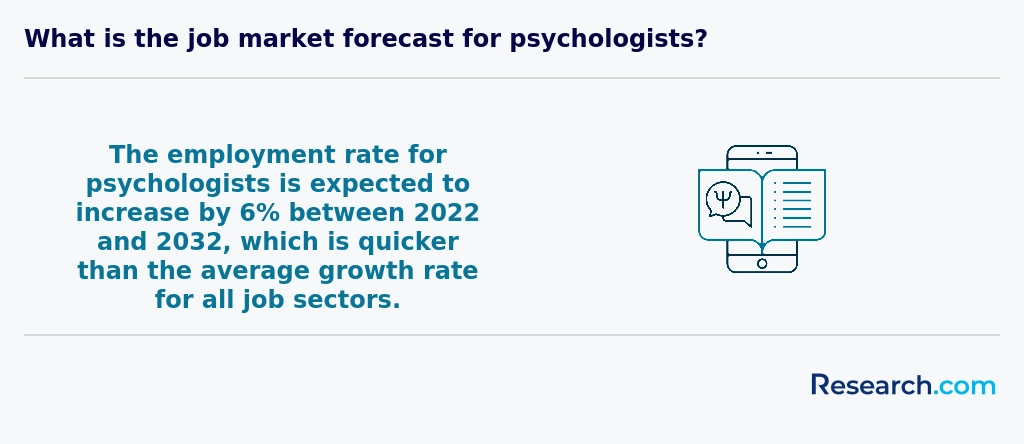
- Employment for psychologists in the Midwest is projected to grow by about 6% through 2030, driven by demand in healthcare, education, and social services.
- Online degree programs must meet state licensure requirements for those seeking to become licensed practitioners, as regulations differ across Midwestern states.
Completing an online psychology degree in the Midwest typically requires four years of full-time study for a bachelor's degree, such as those offered by well-regarded institutions like the University of Illinois or Michigan State University. Many graduates appreciate the structured timeline, which allows them to plan their academic and personal lives effectively. Some students, balancing jobs or family, choose part-time enrollment, extending completion to five or six years, a common path reported by those at Ohio State University's online programs.
Master's students often finish within one to three years. For example, learners at the University of Chicago's online master's programs frequently highlight the flexibility of accelerated courses that allow completion in as little as 18 months, facilitating career advancement without delay. Similarly, doctoral candidates face a longer commitment of four to seven years, combining coursework and practical training, a reality shared by attendees of the University of Minnesota's psychology PhD program. The option to transfer credits from community colleges helps many reduce this timeline, enabling goal-oriented students to maintain momentum toward their degrees.
Navigating the admissions process for online psychology programs in the Midwest can be both exciting and challenging. Prospective students should start by researching each institution’s specific application requirements-often found on the university’s website-and prepare necessary documentation such as transcripts, letters of recommendation, and personal statements that clearly showcase your passion for psychology. Additionally, it is essential to thoroughly review any prerequisites or foundation courses that may strengthen your application, ensuring you present a well-rounded profile that aligns with both academic and career goals. To gain a competitive edge, consider scheduling consultations with admissions advisors who can offer personalized guidance on essays and interviews, as well as provide insider insights into the program’s culture. Furthermore, applicants can compare program features and even consider reviews on our comprehensive resources, such as the ranking of affordable masters degrees in psychology online, to understand cost, flexibility, and support services offered by various institutions. By organizing your application strategy well in advance and leveraging all available resources, you can confidently embark on your educational journey and stand out among your peers in this competitive field.
In the Midwest, psychology students often choose between on-campus programs at institutions like the University of Michigan and fully online degrees from schools such as the University of Illinois Springfield. On-campus learners appreciate the immersive experience of attending classes in person, benefiting from direct access to campus resources like research labs and face-to-face interactions with professors. These settings foster strong peer networks and hands-on internship opportunities, which graduates frequently describe as invaluable for their professional confidence and skill-building.
Conversely, online psychology programs offer remarkable flexibility, ideal for those balancing work, family, or living far from urban centers. Graduates from online programs often emphasize how this format allowed them to pursue their degrees without relocating or commuting. With courses delivered through robust digital platforms, students can engage asynchronously or participate in scheduled virtual meetings, enhancing accessibility without sacrificing academic rigor.
Cost-wise, online options sometimes present a more affordable path due to eliminated housing and commuting expenses. Yet both formats share similar accreditation standards, ensuring degree credibility. When deciding, Midwest students weigh factors such as learning style, lifestyle needs, and access to experiential opportunities to find their best fit.
Investing in an online psychology degree requires weighing tuition against future earning potential. On average, in-state students pay $19,566 total, while out-of-state fees climb to $32,943. Given a starting salary of $57,760 for Clinical Research Associates and $73,080 for Human Resources Specialists, graduates often recoup their investment within 3–5 years. Factoring in scholarships and grants can further shorten this payback period. When calculating ROI, consider total cost (tuition, fees, materials) versus projected annual earnings. For example, a $25,000 investment yielding a $60,000 salary translates to a 140% return in the first year. Advanced degrees boost this return: a master’s holder earning $80,000 realizes a 220% initial ROI. Additionally, online degrees eliminate relocation and commuting expenses, adding 10–15% savings. Net present value (NPV) also plays a role-discount future earnings to today’s dollars using a conservative 3% rate. A bachelor’s graduate earning $65,000 annually over 10 years, discounted, yields an NPV of roughly $520,000 against a $20,000 outlay. This strong positive NPV signals a financially sound decision. For those exploring regional cost comparisons, check out the Cheapest Psychology Degree Programs Ranking in Cambridge, MA to benchmark Midwest costs against East Coast alternatives. Incorporating ROI analysis empowers prospective students to choose programs that align with both their career goals and financial realities.
The average cost of an online psychology degree in the Midwest varies depending on factors such as residency status and the type of institution. Data shows that the median total cost for these programs is around $42,780, with in-state students typically paying approximately $40,680 and out-of-state students facing higher fees near $55,800. Graduates from well-known Midwestern universities often reflect positively on their investment, noting the balance between program quality and affordability. Studying psychology online at institutions in states like Illinois or Ohio allows many to manage tuition costs effectively while accessing reputable programs.
Several psychology students who enrolled in popular Midwestern colleges appreciate how affordable online programs can be when compared to on-campus options. Public universities commonly offer lower tuition rates, especially for in-state learners, which supports the pursuit of affordable online psychology degree programs in the Midwest. Additionally, many programs have a per-credit pricing model, often charging between $300 and $700 per credit, allowing students to plan their budgets carefully based on course load.
Other costs such as textbooks, technology fees, and exam proctoring can add up but are generally manageable when matched with diligent financial planning. Numerous Midwestern institutions provide financial aid and scholarships, helping students ease the burden of overall expenses. Prospective students seeking detailed guidance on cost-effective options can consult resources like the ranking of affordable masters degrees in psychology online to explore competitive programs designed to deliver value in this field.

Admission to online psychology degree programs in the Midwest typically involves several steps and requirements that potential students must meet. These requirements can vary depending on the institution and the level of degree being pursued, but common requirements include submitting official transcripts, letters of recommendation, and standardized test scores such as the GRE for graduate programs. Some institutions may also require a personal statement or essay outlining the applicant's interests, career goals, and reasons for pursuing a degree in psychology. For undergraduate programs, students are usually required to have a high school diploma or equivalent, with a minimum GPA that can range from 2.0 to 3.5, depending on the institution's standards. Additionally, some programs may require prerequisite courses in psychology or related fields for admission to certain specializations. The admission process can be competitive, especially for graduate programs, and meeting the minimum requirements does not guarantee admission. It's essential for prospective students to research the specific requirements for their desired program and institution well in advance to ensure they are adequately prepared. Many institutions also offer online application systems, making it easier for students to apply from anywhere. Understanding the admission requirements and processes is crucial for a successful application, enabling students to embark on their educational journey in psychology with clarity and confidence.
Students pursuing online psychology degrees in the Midwest benefit from diverse financial aid options essential to managing tuition, which ranges from $8,000 to $15,000 annually at many public universities. Graduates from institutions like the University of Illinois or Michigan State University often cite Pell Grants and Federal Supplemental Educational Opportunity Grants (FSEOG) as key resources that made their studies affordable without adding debt.
Completing the FAFSA is crucial, as it unlocks access to federal Direct Subsidized and Unsubsidized Loans, known for their competitive rates and flexible repayment plans, easing financial burdens for many working adults advancing their careers remotely.
State-specific scholarships further support Midwest students. For example, Missouri's Access Missouri Financial Assistance Program and Illinois' Monetary Award Program (MAP) grants directly reduce costs for online learners staying in-state, helping students maintain focus on their studies without financial stress.
Merit- and need-based institutional scholarships at schools like Ohio State University also empower students balancing academic rigor and family responsibilities. Employer tuition reimbursement and APA scholarships add further layers of aid, often celebrated by graduates as pivotal in their educational journey.
Understanding the return on investment (ROI) of an online psychology degree in the Midwest is essential for making informed decisions about time and money commitments. By comparing average tuition costs against projected salary trajectories, prospective students can estimate how quickly their degree “pays for itself” and which programs deliver the greatest long-term value. On average, completing a bachelor’s degree in psychology online in the Midwest costs between $19,566 (in-state public) and $32,943 (out-of-state), while total expenses for master’s programs range from $15,000 to $40,000 per year. When you factor in mean starting salaries-$57,760 for Clinical Research Associates and $73,080 for Human Resources Specialists-graduates can recoup tuition costs in as little as 3–5 years, depending on specialization and location. Beyond salary, ROI encompasses career growth potential and job stability. Psychology majors who advance to leadership roles in organizational development or pursue licensure as clinical psychologists often see salaries rise by 40–60% over a ten-year span. Factoring in remote-learning savings-reduced commuting, housing, and campus fees-can further accelerate your payback period. For students exploring cost-effective alternatives outside the Midwest, consider our Cheapest Psychology Degree Programs Ranking in Cambridge, MA, which highlights programs with comparable accreditation, strong career outcomes, and exceptionally low tuition rates. By evaluating both direct costs and long-term earning potential, you’ll make a strategic investment in your future-transforming your passion for psychology into sustained professional success.
Enrolling in online psychology degree programs in the Midwest typically requires meeting clear academic and administrative prerequisites, ensuring students are well-prepared for rigorous coursework. For undergraduate admission at popular institutions like the University of Illinois or Michigan State University, students generally need a high school diploma or GED with a competitive GPA around 2.5 to 3.0. Graduates from these programs often recall how meeting these standards gave them confidence entering college-level studies.
Graduate-level online psychology programs, such as those offered by Northwestern University or Ohio State University, require a relevant bachelor's degree, preferably in psychology or a related field. Many students found completing prerequisite courses like introductory psychology, statistics, and research methods essential before enrollment. Additionally, applicants must submit letters of recommendation and a statement of purpose, reflecting professional goals and personal commitment, which alumni frequently say helped clarify their career directions.
Meeting these requirements often evokes a sense of accomplishment and readiness among students, motivating them as they begin their academic journey in the Midwest's respected online psychology programs.
One of the fastest-growing fields for psychology graduates in the Midwest is Applied Behavior Analysis (ABA), which focuses on using evidence-based interventions to improve socially significant behaviors. Students interested in behavior analysis can enhance their qualifications by pursuing board certified behavior analyst programs online, which offer specialized coursework in behavioral assessment, ethics, and intervention design. These programs typically meet the supervision and curriculum requirements set by the Behavior Analyst Certification Board (BACB), positioning graduates to sit for the BCBA exam. Earning a BCBA credential opens doors to rewarding roles in schools, healthcare settings, and community agencies, with a median annual salary of $65,000 to $75,000 in the Midwest. Coursework often includes functional behavior assessment, behavior-change procedures, and ethics for behavior analysts, blending synchronous lectures with real-world practicum experiences. Many programs also provide networking opportunities with licensed professionals, ensuring that online learners receive mentorship and practical guidance. For psychology students seeking to make a measurable impact-whether working with children on the autism spectrum, supporting adults with developmental disabilities, or consulting in organizational behavior-BCBA certification represents both a specialized skill set and a competitive advantage in today’s job market.
Online psychology degree programs in the Midwest commonly include foundational courses such as General Psychology, which introduces students to essential concepts like cognition, emotion, and behavior. Graduates from institutions like the University of Iowa often highlight how this class laid the groundwork for their understanding of human behavior in everyday settings.
Courses in Developmental Psychology typically follow, focusing on human growth across the lifespan. Many students from Kansas universities recall applying developmental theories to real-life observations of family members, deepening their engagement with the material.
Research skills are emphasized through classes like Psychological Statistics and Research Methods in Psychology, equipping learners to design experiments and analyze data accurately. Graduates from Ohio colleges celebrate how these courses boosted their confidence in interpreting scientific studies.
Electives such as Abnormal Psychology, Social Psychology, and Biopsychology allow students to explore specialized fields, often connecting theory with practical scenarios like clinical case studies or neurological behavior analysis, fostering a greater passion for psychology's diverse applications.
Online psychology degree specializations Midwest programs often include Clinical Psychology, Industrial-Organizational Psychology, Child and Adolescent Psychology, Forensic Psychology, Health Psychology, and Educational Psychology. Graduates from popular institutions such as the University of Nebraska and University of Missouri frequently highlight how these specialized tracks enhanced their understanding of real-world applications-from providing therapeutic support to contributing to organizational efficiency in regional companies.
Students pursuing Midwest affordable psychology degree concentrations appreciate the focused curriculum that aligns with workforce needs, particularly in states like Illinois and Ohio, where health-related sectors are expanding. Many report feeling prepared to tackle challenges involving mental health, developmental psychology, and workplace behaviors. Practical experiences embedded in these programs reflect daily professional encounters, making the education directly relevant and motivating.
For those interested in combining psychology with specific certifications, several programs also recommend complementary credentials like board certified behavior analyst programs online, enhancing career prospects. This approach resonates well with students aiming for multifaceted expertise in the Midwest's evolving job market.
When selecting the best online psychology degree in the Midwest, begin by ensuring the program holds accreditation from the Higher Learning Commission or an equivalent regional agency. Graduates from institutions like the University of Illinois Springfield frequently commend the value of a fully accredited degree, which bolsters both academic credibility and licensure prospects.
Affordability plays a key role; Midwest universities often offer in-state tuition rates for online learners, making programs financially accessible. Many students appreciate tuition costs ranging between $7,000 and $15,000 annually, as this balance supports quality education without excessive debt. For insights into affordable options, prospective students can consult the Cheapest Psychology Degree Programs Ranking in Cambridge, MA.
Flexibility is essential for those balancing work or family commitments. Programs at Minnesota State University are known for asynchronous course delivery, allowing students to tailor studies around their schedules seamlessly. Additionally, graduates often highlight the importance of specialized curricula that align with career goals, whether focusing on clinical, counseling, or research psychology.
Finally, emphasize programs providing robust student support services-including academic advising and virtual libraries-which enrich the online learning experience. These elements together define what many regard as the best accredited psychology programs Midwest universities have to offer.
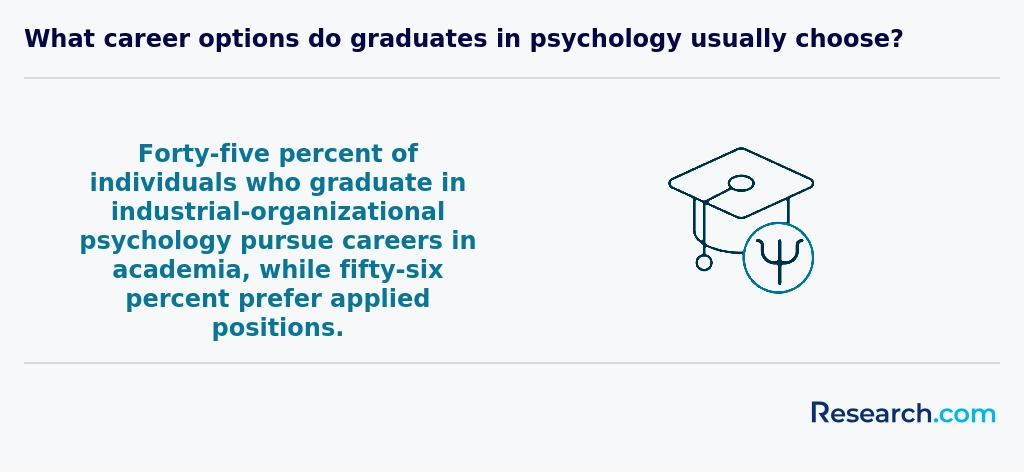
Graduates of an online psychology degree in the Midwest find diverse career paths reflecting the region's expanding mental health and human services sectors. Many pursue licensure as psychologists by continuing education beyond the bachelor's level, often attending prominent institutions like the University of Michigan or Indiana University, where supervised clinical experiences align with state licensure requirements in Illinois or Ohio. Other graduates begin careers as behavioral health technicians or case managers in hospitals and community health centers, gaining invaluable practical exposure.
In addition to healthcare roles, entry-level positions such as psychiatric aides provide a foundation for graduates from Midwest colleges eager to make meaningful impacts in mental health support. School districts in Wisconsin and Ohio increasingly hire psychology degree holders for roles assisting school psychologists or counselors, reflecting rising demand for student mental health services. Furthermore, many Midwest graduates apply their psychology knowledge in business fields like organizational development and employee training, benefiting companies seeking improved workplace dynamics. For insights on advanced academic opportunities, prospective students often explore what is the easiest masters degree to balance career and study effectively.
These varied options showcase the strong job opportunities available to those with an online psychology degree careers in the Midwest.
The job market for an online psychology degree in the Midwest offers promising career opportunities across healthcare, education, and social services sectors. Graduates from popular institutions like the University of Missouri and Illinois State University report positive outcomes, finding roles as licensed counselors, school psychologists, or research assistants. These positions often provide a fulfilling career path helping individuals and communities, reflecting the increasing awareness of mental health needs.
Midwestern states such as Illinois and Ohio have a strong demand for psychology professionals, with salaries ranging from $70,000 to $90,000 annually. The availability of accredited online degrees allows students to balance work and study, enhancing their chances in this competitive field. Many graduates emphasize that pursuing education through accelerated programs online has been pivotal to entering the workforce swiftly.
Understanding the specific licensure requirements in each state is essential, as clinical roles typically require a master's or doctoral degree plus supervised experience. Overall, the Midwest psychology career opportunities online degree holders encounter reflect steady growth and encouraging financial prospects.
2027 Most Affordable Online Psychology Degree Programs Ranking in the Midwest
Investing in your education is a significant decision that can shape your future, and the Research.com team understands the importance of making informed choices. To assist prospective students in the Midwest, we have carefully developed the "2027 Most Affordable Online Psychology Degree Programs Ranking in the Midwest." Our dedication to quality, credibility, and accuracy is demonstrated through thorough research and analysis to compile this ranking.
We utilized the following reputable data sources to ensure a comprehensive evaluation of online psychology programs:
By exploring this ranking, readers will gain valuable insights into affordable, high-quality psychology degree options tailored to the Midwest region, empowering them to make sound educational decisions. For more information on how this ranking was created, please visit our Research.com methodology page.
# 1 position
University of Wisconsin-Madison
Master of Educational Psychology: Professional Educators


# 4 position
Augustana University
M.Ed. SPED-ABA Master of Education in Special Education-Applied Behavior Analysis


# 7 position
Kansas State University
Master of Psychology with an emphasis in Industrial and Organizational Psychology

# 8 position
Bethel University, Minnesota
Bachelor of Psychology

# 10 position
University of Missouri
Doctor of Psychiatric Mental Health Nurse Practitioner (Across the Lifespan)



# 17 position
Walden University
Master of Psychology

# 18 position
Missouri University of Science and Technology
Master of Industrial-Organizational Psychology


Frequently Asked Questions About psychology
Students pursuing online psychology degrees in the Midwest can enhance their learning by actively engaging with course material and faculty. According to the National Center for Education Statistics, Midwest institutions often provide access to experienced professors who balance research and practical insights. Utilizing university resources such as virtual libraries and counseling labs can deepen understanding of psychological theories and applications.
Participation in online discussion boards and study groups fosters peer collaboration, which research from the American Psychological Association highlights as crucial for developing critical thinking skills. Additionally, seeking internships or practicum opportunities in local clinics aligns theoretical knowledge with real-world experience.
Finally, time management and setting a dedicated study schedule are pivotal for success, as data shows online students with structured routines perform better academically. Prioritizing these strategies can maximize the benefits of earning a psychology degree online in the Midwest.
The psychology field is evolving with several emerging niches gaining attention, especially for students pursuing online degrees in the Midwest. One growing area is neuropsychology, which combines brain science with behavior studies. This niche is expanding due to advances in technology and healthcare demands. Another promising field is health psychology, focusing on how mental health affects physical well-being, a key area amid rising chronic illness rates in the U.S.
Industrial-organizational psychology is also notable, with companies in the Midwest increasing interest in workplace behavior and employee well-being. Lastly, forensic psychology is growing as legal systems seek experts for criminal cases. These niches offer diverse career paths supported by regional labor market trends from the Bureau of Labor Statistics.
After completing an online psychology degree in the Midwest, preparing for the job market requires strategic planning. Start by gaining relevant experience through internships or volunteer positions, which many universities in the region facilitate through partnerships with local health organizations.
It is essential to obtain necessary certifications, such as Licensed Professional Counselor (LPC) credentials, which vary by state. The Midwest has a growing demand for mental health professionals; for example, the Bureau of Labor Statistics projects a 14% growth in psychology-related jobs in the area through 2030.
Networking within local psychology associations, such as the Illinois Psychological Association, helps in finding job leads and mentorship opportunities. Continuously updating skills through workshops or additional certifications also improves employability.
Employers in the Midwest value psychology graduates who demonstrate strong communication skills, critical thinking, and cultural competence. These abilities enable graduates to effectively interact with diverse populations across various settings, such as healthcare, education, and social services. According to the American Psychological Association (APA), analytical skills and ethical decision-making are also highly sought after to ensure responsible and evidence-based practice.
Midwestern employers increasingly prioritize technological proficiency, particularly in data analysis software like SPSS and proficiency in telehealth platforms. The U.S. Bureau of Labor Statistics highlights that adaptability and problem-solving skills remain crucial for roles in this evolving job market. Developing these skills through accredited online psychology programs can improve graduate employability.
Finding internships relevant to a psychology degree in the Midwest involves strategic planning and utilizing local resources. Start by exploring university career centers, which often partner with local clinics, mental health agencies, and community organizations to offer placement opportunities. The Midwest also has a strong network of psychological associations, such as the Illinois Psychological Association, which regularly posts internship openings.
Online job boards like the American Psychological Association's (APA) internship directory provide listings filtered by state and specialty. According to the Bureau of Labor Statistics, demand for clinical and counseling psychologists is growing midwest-wide, increasing internship availability. Networking at virtual conferences and utilizing LinkedIn can further enhance your chances of securing a qualifying internship aligned with your online psychology studies.
In the Midwest, earning an online psychology degree can significantly enhance career mobility and advancement. According to the U.S. Bureau of Labor Statistics (BLS), employment for psychologists in the Midwest is expected to grow around 8% between 2022 and 2032, slightly above the national average. This growth creates new opportunities for professionals with formal psychology education.
An online degree offers flexibility, allowing individuals to balance work and study, which is beneficial in competitive Midwest job markets. Graduates often qualify for roles in counseling, social services, and human resources, leading to career advancement.
Additionally, many employers in states like Illinois, Ohio, and Michigan increasingly recognize accredited online degrees, helping graduates access licensure and specialized positions.
Studying for a psychology degree in the Midwest offers strong preparation for interdisciplinary roles by integrating diverse fields such as sociology, healthcare, and education. Many Midwestern universities emphasize collaboration across departments, reflecting the region's broad professional needs.
Online programs often include courses on research methods, ethics, and communication skills, which are essential for teamwork in varied settings. According to the National Center for Education Statistics, Midwestern institutions award nearly 20% of the nation's psychology degrees, indicating robust program availability and diversity.
This region's focus on applied psychology encourages practical experience, helping students adapt to roles that connect with social services, counseling, or public health sectors.
Choosing between a thesis and a non-thesis psychology degree program in the Midwest largely depends on your career goals and learning preferences. Thesis programs focus on conducting original research, ideal for students aiming at doctoral studies or research positions. In contrast, non-thesis tracks emphasize coursework and practical skills, often suited for immediate entry into professional roles like counseling or human services.
Midwestern universities typically require about 6-12 credits for a thesis project, which can extend program duration. The National Center for Education Statistics notes that psychology enrollment in the Midwest grew by 4% from 2019 to 2022, reflecting increasing demand for flexible online formats that accommodate both thesis and non-thesis paths.
Review program curriculum carefully and consider faculty expertise, research opportunities, and financial aid availability when making your decision.
Students based in the Midwest seeking to study psychology abroad through online programs have limited direct options from regional institutions. Most Midwest universities offering online psychology degrees focus on domestic accreditation and student populations. However, some schools participate in international exchange programs or global partnerships that can complement online study with short-term abroad experiences.
For example, the University of Nebraska and Indiana University have agreements that may facilitate study abroad or internships internationally, though these are often separate from online degree tracks. According to the National Center for Education Statistics, less than 10% of Midwest public universities provide fully online programs with a strong abroad component.
Students interested in combining online study with international exposure should consider hybrid models or look into summer abroad programs coordinated by their home institutions. Licensing requirements in psychology often vary greatly by country, so verifying program recognition abroad is essential.
Part-time job opportunities in the Midwest that complement psychology degree education often include roles in mental health support, research assistance, and community outreach. Hospitals and clinics in states like Illinois and Ohio frequently hire psychology students as behavioral health technicians or patient care aides. According to the Bureau of Labor Statistics, the Midwest has a steady demand for mental health technicians, with an average hourly wage of around $15 to $18. Universities in the region may also offer positions as research assistants, helping with psychology studies and gaining valuable experience in data collection and analysis. These roles help build practical skills relevant to psychology careers.
Online psychology students in the Midwest benefit from various networking opportunities that help bridge the gap between virtual learning and professional engagement. Many universities offer access to regional psychology associations such as the Midwest Psychological Association (MPA), which hosts annual conferences attracting hundreds of psychology professionals and students.
Students can join virtual chapters of the American Psychological Association (APA) tailored to the Midwest region, supporting mentorship and collaboration. Additionally, local internships and practicum placements often enable online learners to gain field experience and connect with practicing psychologists.
Some Midwestern schools also organize online career fairs and workshops focusing on regional employers, increasing connections specifically within the local job market.
Alumni networks provide vital support for students pursuing online psychology degrees in the Midwest. These networks offer valuable connections to graduates who often work in local healthcare, research, and counseling positions. Engagement with alumni can enhance job prospects by offering mentorship, internship opportunities, and inside knowledge about the regional job market.
According to a 2023 report from the American Psychological Association (APA), nearly 70% of psychology students find jobs through networking, highlighting alumni groups' role. Midwest alumni often share insights specific to state licensure and employment trends, which vary significantly across the region's diverse states.
Furthermore, alumni events and online forums enable students to build professional relationships despite distance, a key advantage for online learners.
Customizing an online psychology degree program in the Midwest allows students to align their studies with specific career goals. Many universities offer concentrations such as clinical psychology, counseling, industrial-organizational psychology, or developmental psychology. Students can choose electives that focus on skills relevant to their desired field.
Additionally, hands-on experiences like virtual internships or research projects are often available, giving practical application to theoretical knowledge. Accredited programs in states like Illinois, Ohio, and Minnesota frequently provide these flexible options.
According to the Midwestern Higher Education Compact, over 70% of psychology programs in the region incorporate customizable tracks to meet diverse professional needs.
Online psychology students in the Midwest often face unique challenges tied to regional educational resources and licensure requirements. A common issue is navigating state-specific licensing rules, as states like Illinois and Ohio each have different criteria for clinical psychology practice, complicating post-graduation professional goals.
Access to reliable high-speed internet can also be uneven in rural parts of the Midwest, impacting students' ability to participate fully in synchronous online classes. According to the Federal Communications Commission, approximately 22% of rural Midwestern households lack broadband access, posing a significant barrier.
Additionally, some students report limited opportunities for local in-person internships or supervised clinical experiences, essential for psychology degrees. Programs often require students to seek placements independently, which can be difficult in smaller communities.
With an online psychology degree from the Midwest, graduates can pursue various professional certifications to enhance their careers. Common certifications include the Licensed Professional Counselor (LPC) and Licensed Clinical Social Worker (LCSW), which require graduate education and supervised clinical hours. Many states in the Midwest, like Illinois and Ohio, follow strict licensing guidelines through their respective psychology boards.
Additional certifications such as the Certified Alcohol and Drug Counselor (CADC) or Board Certified Behavior Analyst (BCBA) are also attainable for those specializing in addiction or behavioral therapy. According to the National Board for Certified Counselors, certified professionals typically see higher employment rates and better salary prospects in Midwestern states.
While an online bachelor's degree offers foundational knowledge, advanced certifications generally require a master's or doctorate and hands-on experience. It is essential to review state-specific requirements as they can vary significantly across the Midwest.
Applying to an online psychology program in the Midwest requires a clear and well-organized approach. Start by carefully reviewing each school's admission requirements, which often include transcripts showing a strong foundation in psychology or related fields. Highlight relevant experience, such as volunteer work or internships, in your personal statement.
Standardized test requirements vary, but many Midwest online programs waive the GRE. Still, submitting strong letters of recommendation from academic or professional contacts will strengthen your application.
Research from the National Center for Education Statistics shows growing enrollment in online psychology degrees across Midwest states, reflecting flexible options for working adults.
Demonstrate your motivation by aligning your goals with the program's strengths, such as emphasis on research or clinical training.
The field of psychology is increasingly global, reflecting diverse cultural attitudes toward mental health and well-being. In the United States, including the Midwest, psychology careers focus on evidence-based practices and often require licensure regulated by state boards. According to the American Psychological Association (APA), demand for trained psychologists is projected to grow 6% nationally through 2031, slightly above average compared to other occupations.
Midwestern states, such as Illinois and Ohio, emphasize research and applied psychology, with universities offering accredited online degrees to meet workforce needs. Globally, psychology careers vary, but U.S. degree programs are respected for their rigorous standards, making Midwest graduates competitive internationally.
Gaining practical experience while pursuing an online psychology degree in the Midwest is essential to apply theoretical knowledge. Students often complete supervised internships or practicum placements approved by their university. Many Midwestern schools partner with local hospitals, clinics, and community organizations to provide these opportunities.
Additionally, joining research projects or labs remotely can enhance hands-on skills. According to the National Alliance of Practicum and Field Education Programs, over 70% of psychology students in the Midwest participate in field placements before graduation. These experiences help build professional networks and improve employability in competitive job markets.
Choosing the right concentration within an online psychology degree in the Midwest depends on your career goals and interests. Psychology offers diverse areas such as clinical, counseling, industrial-organizational, and developmental psychology. In the Midwest, clinical and counseling psychology remain popular due to strong demand in healthcare settings, with the Bureau of Labor Statistics projecting a 14% growth in mental health jobs nationally through 2032.
Research Midwest universities' program options carefully. Many schools tailor concentrations to regional workforce needs, including schools in Illinois, Ohio, and Michigan. Consider whether the program offers internships or practicum placements near you, crucial for licensure.
Review faculty expertise and alumni outcomes, using resources like the National Center for Education Statistics and university career reports. This data can reveal which concentrations align with job markets in the Midwest.
See What Experts Have To Say About Studying Psychology
Read our interview with Psychology experts

Robin M. Kowalski. Ph.D.
Psychology Expert
Professor of Psychology
Clemson University

Joann Farrell Quinn, Ph.D., MBA
Psychology Expert
Director at the College of Medicine Department of Medical Education
Morsani College of Medicine

Catherine Caldwell-Harris, Ph.D.
Psychology Expert
Associate Professor of Psychology
Boston University

- Mental Health Challenges Faced by Psychology Students | The Healthcare Guys https://healthcareguys.com/2023/11/23/mental-health-challenges-faced-by-psychology-students/
- How To Find Psychology Internships https://www.psychology.org/resources/how-to-find-an-internship/
- Have You Found a Niche? https://www.apaservices.org/practice/business/marketing/building/niche
- Study Psychology Abroad | Go Overseas https://www.gooverseas.com/study-abroad/psychology
- Online Psychology Degrees | University of Phoenix https://www.phoenix.edu/online-psychology-degrees.html
- Online Psychology Major https://www.hamline.edu/academics/online-bachelors-psychology-major
- Online Psychology Schools in Wisconsin https://www.onlinepsychologydegrees.com/states/wisconsin/
- Know more about thesis vs non- thesis: what is the difference? https://studyfans.com/en/blogs/816
- Clinical Psychology Program, Glendale Campus https://www.midwestern.edu/academics/degrees-programs/college-health-sciences/doctor-clinical-psychology-program/clinical-psychology-program-glendale-campus
- Online Psychology B.A./B.S. | Psychology | Bemidji State University https://www.bemidjistate.edu/academics/psychology/courses-programs/online-psychology-ba/