2027 Most Popular Psychology Degree Programs Ranking in Tucson

Co-Founder and Chief Data Scientist
Choosing the right psychology degree program in Tucson can feel overwhelming. To help, this article presents the 2027 Most Popular Psychology Degree Programs Ranking in Tucson, created by Research.com's expert data scientists.
By exploring this ranking, you'll gain valuable insights into programs that align with your goals and interests. A psychology degree opens doors to understanding human behavior and building a meaningful career.
This guide aims to empower you with trustworthy information, making your decision easier and your future brighter.
Key benefits of getting psychology degree in Tucson
- Salary for psychology degree graduates: Graduates in Tucson can expect competitive wages, such as $62,370 annually for Clinical Research Associates and Survey Researchers, or $83,190 for Marketing Research Analysts, reflecting strong earning potential in this field.
- Career paths: Psychology graduates from local universities often pursue diverse roles, including human resources, research analysis, and clinical work, enabling them to find fulfilling jobs that match their interests and skills.
- Online degree benefits: Earning a psychology degree online from Tucson institutions offers flexibility and convenience, allowing students to balance work and studies, accelerating career growth while saving time and commuting costs.
- 2027 Most Popular Psychology Degree Programs Ranking in Tucson
- What can I expect from psychology degree in Tucson?
- Where can I work with psychology degree in Tucson?
What can I expect from psychology degree in Tucson?
The average cost of pursuing a psychology degree in Tucson aligns closely with tuition rates at the University of Arizona, the region's flagship institution for psychology education. For in-state undergraduate students, tuition runs about $12,800 per year as of 2023, making it a relatively affordable choice compared to national averages. Graduates often note that this pricing facilitates access to quality education without excessive financial strain, enabling them to focus more fully on mastering psychological theories, research techniques, and applied skills.
Beyond tuition, students value the practical training opportunities available locally, such as internships at community clinics and social service agencies. These experiences not only enhance learning but also reduce additional costs related to travel or placement fees. Graduates frequently express appreciation for how Tucson's diverse, resource-rich environment complements their academic investments, offering hands-on exposure within budget-friendly educational frameworks.
Such accessible tuition combined with strong program reputations helps psychology students in Tucson confidently pursue advanced degrees and meet the growing regional demand for mental health professionals.
Where can I work with psychology degree in Tucson?
Graduates with a psychology degree in Tucson frequently find employment in healthcare settings such as Banner - University Medical Center Tucson and Tucson Medical Center. These institutions hire behavioral health specialists, counselors, and research coordinators, enabling graduates to apply their knowledge in dynamic clinical environments. Many who studied at the University of Arizona report meaningful experiences working alongside seasoned professionals in ongoing psychological research projects, which often lead to roles as research assistants or program coordinators.
Opportunities also abound in educational institutions. The Tucson Unified School District employs school psychologists and counselors, providing graduates with the chance to impact youth development directly. Graduates engaged in these roles often express a strong sense of fulfillment in supporting students' mental health.
Local government agencies like the Pima County Community Services Department and nonprofits including the Pima Council on Aging offer roles in community outreach and mental health advocacy. These positions allow graduates to contribute to public health efforts across diverse populations, fostering a rewarding connection to Tucson's community.
Additionally, Tucson's expanding tech and business sectors increasingly seek psychology graduates focusing on human factors and organizational psychology. Graduates share how these roles enhance workplace efficiency or customer experience, making use of their skills in innovative business contexts.
The U.S. Bureau of Labor Statistics notes about 1,300 psychologist-related job openings in Tucson, with salaries between $70,000 and $95,000. Growth for mental health counselor positions is projected at 14% through 2030, confirming a robust and evolving local job market for psychology graduates.
Graduates with a psychology degree from institutions like the University of Arizona in Tucson often find entry-level roles in fields such as human resources, clinical research, or marketing research, where salary expectations vary significantly. For example, human resources specialists in Tucson earn a mean annual wage of about $76,060, reflecting the value of psychology skills applied to workforce management.
Marketing research analysts, many of whom hold psychology degrees, can expect an average salary around $83,190 per year. This role frequently appeals to graduates who enjoy combining psychological insights with data analysis to understand consumer behavior, making the position both intellectually rewarding and financially stable.
Those interested in research support or clinical trial coordination roles might work as clinical research associates, earning approximately $62,370 annually. This career path suits graduates valuing hands-on research experience and an active role in advancing healthcare.
Graduates sometimes begin in childcare worker positions, earning closer to $32,070 per year, which, while lower paying, provides meaningful experience working directly with children and families in Tucson's community settings.
These figures demonstrate how psychology graduates in Tucson can tailor their careers with salary outcomes aligned to their education, skills, and interests, benefiting from the city's growing healthcare and social assistance sectors.
- Tuition for in-state students at public universities in Tucson ranges from $12,000 to $15,000 per year.
- Private and out-of-state universities in Tucson may charge over $30,000 annually for psychology programs.
- Starting salaries for psychology graduates in Tucson typically range from $45,000 to $55,000 per year.
- Experienced psychology professionals can earn between $70,000 and $90,000 annually, especially in clinical or counseling roles.
- Arizona licensing for clinical psychology usually requires a master's or doctorate degree.
- Psychology job opportunities in Tucson include hospitals, schools, private practice, and government agencies, with steady growth expected through the mid-2020s.
Completing a psychology degree in Tucson typically takes about four years for full-time undergraduates pursuing a Bachelor of Arts or Bachelor of Science in Psychology at institutions such as the University of Arizona. Graduates often describe this timeframe as manageable and rewarding, reflecting a balance between coursework and experiential learning. Those studying part-time may find themselves extending to five or six years, adjusting to personal and professional commitments.
For students advancing to graduate studies locally, a master's degree generally requires two to three years. Many graduate students appreciate the mix of coursework and research, often feeling a strong sense of progress as they engage in hands-on projects.
Doctoral candidates, especially those at research centers affiliated with Tucson universities, invest between five and seven years. Their journey includes internships and dissertation phases that cultivate deep expertise and professional confidence. Graduates frequently note the intensity but also the fulfillment of contributing original research to the field.
Additional time may be needed for supervised clinical hours to earn licensure, typically adding one to two years of practical experience post-degree.
One of the most telling measures of a program’s value is its alumni success. In Tucson, AZ, recent data shows that 82% of psychology bachelor’s graduates secure employment or enroll in graduate school within six months of graduation, with 47% pursuing advanced degrees in clinical, counseling, or industrial-organizational psychology. The University of Arizona reports a 90% placement rate for its counseling master’s graduates in licensure-track roles, while Pima Community College boasts an 85% internship-to-job conversion rate for its associate degree alumni. Beyond employment, median starting salaries for alumni corroborate program strength: Tucson psychology grads see average entry wages of $50,000–$60,000, rising to $70,000+ for those with master’s credentials. Graduate school acceptance rates further underline program quality, with a notable 68% of UA undergraduates admitted to top-tier doctoral programs nationwide. For students balancing budget considerations with outcomes, it’s also valuable to compare affordability across regions. While Tucson offers strong ROI, prospective learners may wish to explore our Cheapest Psychology Degree Programs Ranking in Kansas City, MO to evaluate cost-effective alternatives without sacrificing graduate success.
In Tucson, students choosing between an online and an on-campus psychology degree face distinct experiences. On-campus programs, like those at the University of Arizona, offer immersive, face-to-face learning with direct access to professors and campus resources such as psychology labs. Graduates recall rich networking and hands-on opportunities, including internships arranged through university partnerships with local clinics, which often enhance licensing and graduate school readiness.
By contrast, online psychology degrees provide flexibility ideal for working students or those with family obligations. Tucson residents appreciate being able to study remotely without commuting, with program costs ranging from about $9,000 to $12,000 annually, comparable to on-campus tuition. While online students may need to independently secure local internships, many value customizing practical experiences to fit their individual needs.
Advising and support differ as well; on-campus students benefit from in-person counseling and career services, while online learners rely on digital communication. Both paths cultivate strong foundational knowledge in psychology theories and research methods, but the choice depends heavily on personal learning style and life circumstances.
Becoming a licensed psychologist or therapist in Arizona involves clear, regulated steps to ensure competency and public safety.
- Earn an accredited degree
- Complete supervised clinical hours (often 3,000+ hours under a licensed professional)
- Pass the required licensing exam (EPPP for psychologists; AMFTRB for marriage and family therapists)
- Apply to the Arizona Board of Psychologist Examiners or Board of Behavioral Health Examiners
For those pursuing counseling careers, consider flexible online mft degrees that integrate practicum experiences aligned with state licensure requirements.
The average cost of a psychology degree in Tucson reflects a range influenced by institution type and residency status. Data shows that in-state students typically face a median total cost of around $13,926, making pursuing a psychology degree locally financially viable for Arizona residents. Non-resident students, however, encounter significantly higher expenses, with median total costs reaching approximately $55,328. This variation highlights the importance of considering residency status when estimating overall expenditures for Tucson psychology degree tuition and fees.
Graduates from the University of Arizona often share how starting as in-state students allowed them to manage tuition costs more effectively, with annual undergraduate tuition roughly $12,000 before additional fees and living expenses. Community colleges like Pima Community College provide a more affordable entry point, charging about $105 per credit hour, enabling students to lower their total costs while completing general education requirements.
Private colleges in Tucson, with annual tuition ranging from $20,000 to $45,000, can raise financial challenges, but many students find these programs offer strong support and personalized experiences that justify the investment. Students also benefit from financial aid opportunities and scholarships that help reduce the net expense, with university financial aid offices offering guidance tailored for psychology majors. For those considering the career outlook, exploring lpc job prospects in illinois offers useful insights into post-degree opportunities.
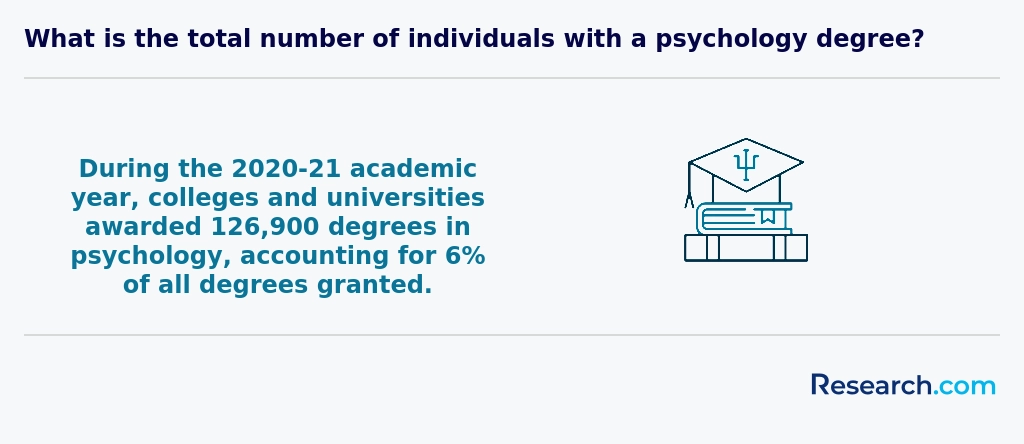
In today’s evolving landscape, the field of criminal psychology is gaining significant traction as an exciting and impactful pathway for psychology graduates. As law enforcement, correctional institutions, and forensic settings increasingly rely on psychological insights to understand criminal behavior and improve rehabilitation efforts, emerging career roles in this specialty are becoming more prevalent. By combining rigorous academic training with practical skills, students can explore opportunities that bridge psychology and criminal justice, addressing complex societal challenges. This expansion not only opens new avenues for research and application but also positions graduates at the forefront of innovative problem-solving in public safety. In fact, many recent studies highlight that exploring criminal.psychology jobs can provide a unique blend of clinical expertise and investigative insight, further enhancing one’s career prospects. Embracing this emerging trend can lead to a rewarding career that makes a meaningful difference in community safety and rehabilitative practices, while also contributing to advancements in forensic research and policy-making.
Psychology students in Tucson benefit from a variety of financial aid options crucial to managing the cost of their education. For those attending the University of Arizona, federal Pell Grants can provide up to $7,395 annually, significantly easing the burden for undergraduates demonstrating financial need. Many graduates recall how these grants covered essential expenses beyond tuition, such as textbooks and fees.
Federal student loans under the Direct Loan program offer low-interest, flexible repayment plans. Graduate students often take advantage of unsubsidized loans to finance advanced degrees while minimizing immediate financial strain. Several students describe the relief of balancing loans with merit-based scholarships offered by the University of Arizona, which reward academic excellence and community involvement.
State programs, like Arizona's ALEAP grants and scholarships from the Arizona Community Foundation, further support local psychology students. Additionally, work-study options tied to psychology labs and counseling centers provide hands-on experience and income-an advantage many Tucson students find both financially and professionally rewarding.
To navigate the complex landscape of psychology degree programs in Tucson, AZ, it's essential for prospective students to have a comprehensive understanding of what each program offers. When exploring options, considering factors such as curriculum, faculty expertise, and research opportunities can significantly influence one's educational journey and future career prospects. Students can find detailed information on most popular psychology colleges and their unique features, which can help in making an informed decision. By delving into the specifics of each program, individuals can align their academic pursuits with their career aspirations, whether that involves specializing in clinical psychology, counseling, or another area of interest within the field of psychology.
To enroll in psychology degree programs in Tucson, prospective students generally need a high school diploma or equivalent, with an average GPA between 3.0 and 3.5. At the University of Arizona, Tucson's leading institution for psychology, this standard ensures a healthy balance of accessibility and competitiveness. Graduates often recall that completing foundational courses in biology, mathematics, and English during high school was crucial, as these subjects build the skills necessary for success in psychology.
While SAT or ACT scores can enhance an application, many Tucson universities have adopted test-optional policies, easing the entry process. One graduate from a popular Tucson college shared how these policies relieved pressure during application season, making the process feel more attainable.
Applicants are also encouraged to take introductory psychology courses if available, which help bridge high school and college-level content. For graduate psychology programs, a bachelor's degree with a minimum 3.0 GPA, letters of recommendation, statements of purpose, and sometimes GRE scores are typically required, reflecting more specialized academic expectations.
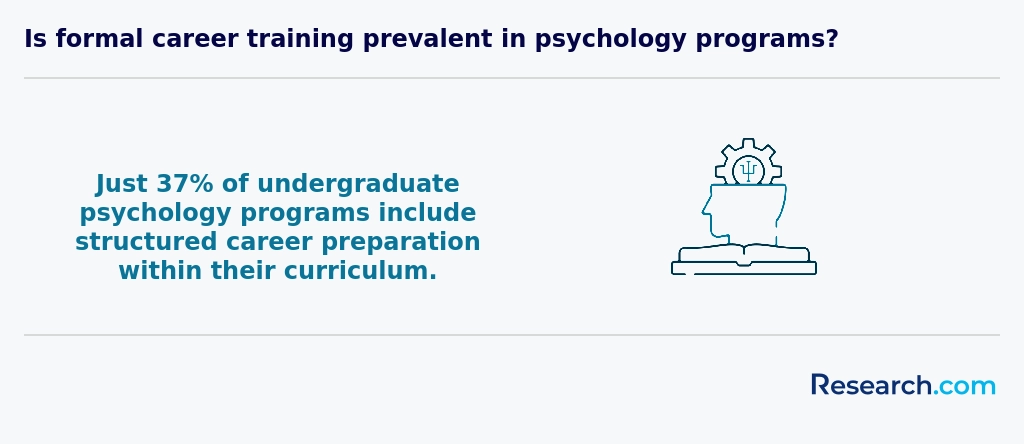
Internship and practicum experiences are vital for psychology students in Tucson, offering hands-on training, professional networking, and real-world application of theoretical concepts. Leading programs at the University of Arizona and Pima Community College arrange partnerships with local mental health clinics, school districts, and community organizations. Typical placements include clinical internships at Tucson Behavioral Health, school counseling practicums in the Tucson Unified School District, and research assistant roles in university labs-each designed to develop assessment techniques, ethical decision-making, and evidence-based intervention skills. Students passionate about developmental psychology can connect with childcare centers or explore psychology child and adolescent development jobs to support youth mental health and educational outcomes. Market research internships at Tucson-based firms enable graduates to apply psychological principles to consumer behavior analysis and enhance their professional portfolios. To secure competitive placements, start early by consulting campus career services, attending Tucson Psychological Association events, and crafting targeted resumes that showcase relevant coursework, communication strengths, and cultural competence. Active participation in internships and practicums not only deepens subject-matter expertise but often leads to job offers after graduation, making these experiences a cornerstone of any robust psychology degree program in Tucson.
Psychology degree programs in Tucson typically include courses that establish a strong foundation in both theory and practical research methods. For example, students at the University of Arizona often describe gaining a clear understanding of psychological principles through classes like Introduction to Psychology, which covers major perspectives and historical context. Graduates highlight how Research Methods in Psychology equips them with essential skills to design studies and analyze data, critical for success in both academic and applied settings.
Core subjects universally include Biopsychology, examining brain-behavior links, and Cognitive Psychology, which explores processes such as memory and problem-solving. Developmental and Social Psychology classes help students relate course material to everyday interactions, enhancing their ability to understand human behavior in real-world situations.
Many students appreciate opportunities for experiential learning via internships or labs offered by Tucson institutions, allowing them to apply knowledge in clinical or organizational environments and prepare for diverse career paths in psychology.

Psychology degree specializations in Tucson commonly include clinical psychology, developmental psychology, cognitive psychology, and industrial-organizational psychology, reflecting diverse career pathways. Clinical psychology programs at institutions like the University of Arizona emphasize mental health assessment and treatment, equipping graduates for roles in therapy and counseling. Students report feeling prepared and confident when engaging with patients in real-world clinical settings.
Developmental psychology attracts those interested in human growth, where coursework covers lifespan changes, supporting careers involving children or elder care. Cognitive psychology focuses on mental processes such as memory and perception, appealing to students aiming for research or educational roles. Industrial-organizational psychology addresses workplace behavior and productivity, resonating with students interested in improving organizational culture and employee well-being through evidence-based strategies.
Graduates from Tucson colleges highlight the benefit of tailored programs to their interests, noting that embracing emerging fields enhances their professional outlook. These best psychology programs Tucson specialties foster practical skills and adaptability, positioning students competitively in the workforce. For comparison and broad perspectives, prospective students in Tucson often explore Washington psychology degree programs as a resource for program variety and specialization trends.
Choosing the best psychology degree in Tucson involves assessing degree levels, program focus, and affordability. For example, graduates from the University of Arizona appreciate how its accredited undergraduate and graduate programs combine strong research opportunities with expert faculty, making it a leading choice for psychology study in the region. Many students highlight the value of hands-on experiences and specialized coursework available at such institutions.
Cost considerations are crucial when comparing affordable psychology colleges in Tucson. The average annual tuition at public Arizona universities is around $11,000, which is a significant factor for residents deciding between local and out-of-state options. Graduates often report that financial aid and scholarships can substantially ease the burden of tuition and additional expenses like textbooks and living costs.
Alignment with specific psychology subfields is also vital. Students aiming for clinical roles recognize that pursuing doctoral programs accredited by the APA is necessary for licensure, while bachelor's degrees may suffice for entry-level jobs or further graduate study. For those unfamiliar with licensure pathways, resources such as michigan psychology education requirements offer useful frameworks that can be compared with Arizona's standards.
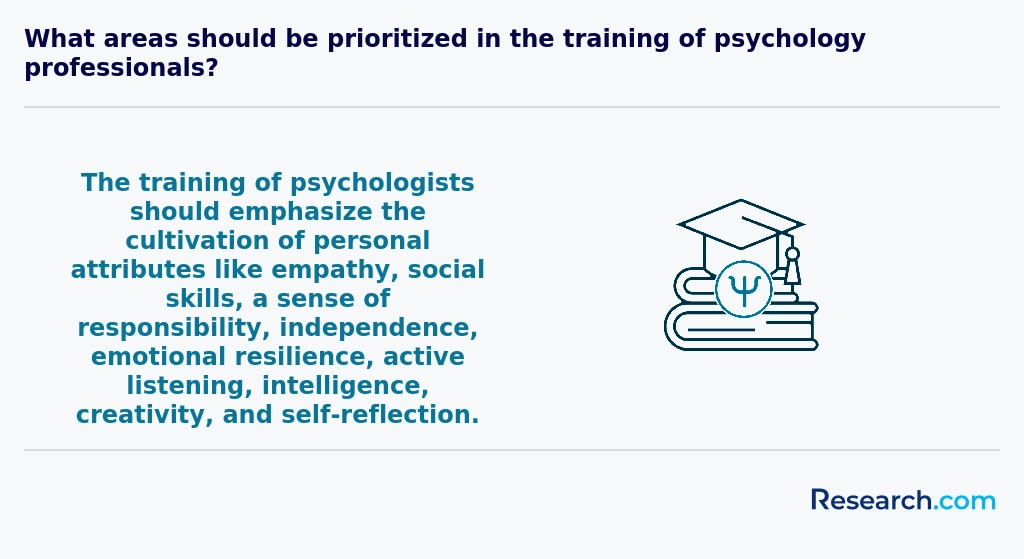
Graduates holding a psychology degree in Tucson have diverse career paths available, reflecting the city's active mental health and educational sectors. Many alumni from the University of Arizona, a leading institution for psychology studies in Tucson, pursue clinical and counseling roles. These positions involve providing therapy and psychological assessments, often requiring doctoral qualifications and licensure.
Other psychology career options in Tucson include school psychology, where professionals support student learning and mental health, and industrial-organizational psychology, which focuses on enhancing workplace efficiency and employee satisfaction. Research positions are also common, typically at local universities or medical facilities, engaging graduates in designing and conducting behavioral studies. A notable number of graduates work in substance abuse counseling or social work, fields that build on psychology foundations, though additional certifications may be necessary.
Students seeking roles as licensed psychologists might explore requirements similar to those outlined in clinical psychology iowa to compare licensing pathways. Job opportunities with psychology degree Tucson graduates often describe as rewarding, given the ability to impact community wellbeing positively.

The psychology job opportunities in Tucson reflect steady growth, driven by sectors like healthcare, education, and government services. Graduates from popular Tucson institutions often secure roles in clinical psychology, counseling, and school systems, where local hospitals and rehabilitation centers actively seek trained professionals. Median annual salaries for psychologists in Arizona were about $81,000 in 2023, closely matching the national median, which encourages graduates to pursue advanced degrees for higher earning potential and licensure-required positions.
Many Tucson psychology degree holders share positive experiences of entering diverse fields beyond clinical roles, such as organizational psychology and social services, enhancing their career flexibility. Still, bachelor's degree holders typically face competitive entry-level job markets and benefit from graduate studies to access more specialized roles.
Those interested in pursuing a psychology degree in Tucson can consider public universities with affordable tuition or explore the most popular psychology colleges in the region. This facilitates informed planning, combining educational affordability with the promising Tucson psychology degree employment outlook.
2027 Most Popular Psychology Degree Programs Ranking in Tucson
Investing in your education is a significant decision that can shape your future, and the Research.com team understands the importance of making informed choices. To assist prospective students in Tucson, we have meticulously crafted the "2027 Most Popular Psychology Degree Programs Ranking in Tucson." Our commitment to quality, credibility, and accuracy is reflected in the extensive research and analysis conducted to compile this ranking.
We utilized the following reputable data sources to ensure a comprehensive evaluation of psychology programs:
By exploring this ranking, readers will gain valuable insights into the most popular psychology degree programs in Tucson, enabling them to make well-informed decisions about their academic and professional futures. For more information on our research approach, please visit our Research.com methodology page.

Frequently Asked Questions About psychology
Psychology degree students in Tucson can maximize their learning by actively engaging with local research opportunities and community internships. The University of Arizona, one of the primary institutions offering psychology programs in Tucson, supports students through hands-on research projects in diverse fields such as cognitive science and clinical psychology. Participation in these projects helps apply theoretical knowledge practically and develop critical thinking skills.
Additionally, students benefit from joining psychology clubs and attending seminars, which provide networking opportunities with professionals and peers. Tucson's vibrant mental health community offers internships at hospitals, clinics, and nonprofit organizations, allowing students to gain valuable real-world experience.
Building relationships with faculty mentors is also essential, as guidance on course selection and career planning enhances educational outcomes.
Emerging niches within the psychology field reflect broader social and technological changes. In Tucson, growth is notable in clinical neuropsychology, where specialists assess brain-behavior relationships, especially as the population ages. According to the Bureau of Labor Statistics, neuropsychology roles are expected to grow by 9% nationally through 2030, reflecting Tucson's demand.
Another rising area is forensic psychology. Increasing interest in legal systems and criminal behavior has sparked educational programs at the University of Arizona and Pima Community College.
Health psychology, focusing on how behavior affects wellness and chronic illness management, is also expanding, supported by Tucson's healthcare sector. Additionally, technology-driven fields like cyberpsychology, addressing online behavior and digital addiction, are gaining traction nationwide, including locally.
Preparing for the job market after earning a psychology degree in Tucson involves strategic steps to enhance employability. Tucson's psychology graduates benefit from connections to local healthcare facilities and research centers, such as the University of Arizona's Psychology Department and Southern Arizona VA Health Care System.
Students should seek internships and volunteer opportunities during their studies to gain practical experience. According to the Bureau of Labor Statistics, clinical, counseling, and school psychologists earn a median annual wage of about $81,000 nationally, but gaining licensure in Arizona requires supervised post-graduate hours.
Networking through local professional organizations, like the Arizona Psychological Association, also supports job placement and career growth.
Employers in Tucson seeking psychology degree graduates prioritize strong communication skills. Graduates must effectively convey complex psychological concepts to clients or multidisciplinary teams. Critical thinking is also essential, enabling professionals to analyze behavioral data and develop evidence-based solutions.
Another key skill is cultural competence, given Tucson's diverse population. Psychology graduates who understand and respect varied backgrounds serve clients more effectively. Research proficiency is highly valued as well, particularly experience with data collection and statistical analysis, aligning with trends reported by the Bureau of Labor Statistics for clinical and counseling psychologists nationally.
Additionally, problem-solving abilities and ethical judgment are critical due to the sensitive nature of psychological work. Familiarity with relevant software tools and technology further enhances employability in this growing job market.
Finding psychology internships in Tucson requires proactive research and networking. Start by visiting local universities such as the University of Arizona, which often post internship opportunities tied to their psychology programs. Additionally, explore Tucson-based healthcare providers, mental health clinics, and community organizations, as they commonly offer internships for psychology students.
The Arizona Psychological Association and the Southern Arizona Behavioral Health Coalition are valuable resources for locating internships and professional connections. Tucson's growing mental health sector provides diverse settings for practical experience, from counseling centers to research institutes. According to the Bureau of Labor Statistics, internships enhance employability, with many Tucson employers preferring candidates with hands-on experience.
A psychology degree in Tucson can significantly enhance career mobility and advancement. Graduates gain skills valued across sectors such as healthcare, education, and human resources. According to the U.S. Bureau of Labor Statistics, Tucson's employment for psychologists is projected to grow by 10% through 2032, faster than the national average. Locally, institutions like the University of Arizona offer research opportunities and internships that build professional networks, critical for career growth.
Advanced degrees, such as a Master's or Doctorate in psychology, often lead to higher-paying and specialized roles, including clinical psychologist or counselor positions. Licensure requirements in Arizona also encourage continued education and training, which further supports advancement.
Studying for a psychology degree in Tucson equips students with skills that are essential for interdisciplinary roles across healthcare, education, and social services. Tucson-based programs often emphasize collaboration with fields such as neuroscience, counseling, and public health, fostering a comprehensive understanding of human behavior from multiple perspectives. According to the University of Arizona's Department of Psychology, approximately 40% of their graduates engage in interdisciplinary research or careers within two years of completing their degree.
Local institutions also promote practical experiences through partnerships with community organizations and hospitals, enhancing students' ability to work effectively in diverse teams. This preparation supports adaptability in evolving job markets.
Choosing between a thesis and a non-thesis psychology degree program in Tucson depends largely on your career goals and learning preferences. A thesis option is research-intensive, requiring students to design, conduct, and defend original research. This path suits those considering doctoral studies or research-oriented careers.
The non-thesis route focuses on coursework and practical experience, making it ideal for students aiming for applied roles or licensure in counseling or clinical fields. According to the National Center for Education Statistics, over 40% of psychology master's students in Arizona opt for non-thesis programs due to their flexibility and faster completion times.
Several Tucson institutions, including the University of Arizona, provide both options, so consider how each aligns with your timeline and professional ambitions.
Students based in Tucson who wish to study psychology abroad have several options through their home institutions and national programs. The University of Arizona, a key psychology education provider in Tucson, often supports exchange opportunities and study-abroad programs in psychology through partnerships with universities worldwide. These programs enable students to gain international experience while earning academic credits, facilitating their progress toward a psychology degree.
Additionally, federal initiatives like the Gilman Scholarship provide financial support to eligible undergraduate students pursuing study abroad, including psychology majors. Such opportunities can enhance cultural competence, a valuable asset in psychology careers.
While specific data on Tucson psychology students studying abroad are limited, national surveys indicate an increasing interest in international study among U.S. psychology undergraduates, reflecting broader educational trends.
Students pursuing psychology degrees in Tucson have several valuable part-time job opportunities that enhance their academic experience. A popular option is working as a research assistant at the University of Arizona, which offers hands-on experience in experimental psychology and behavioral studies. According to the university's career center, about 20% of psychology undergraduates engage in research roles during their studies.
Another common role is a mental health technician or support worker in local clinics, providing exposure to clinical practices and patient interaction. Tucson's healthcare sector employs many psychology students part-time, helping them build practical skills.
Psychology students in Tucson benefit from various networking opportunities that can enhance their academic and professional growth. The University of Arizona, the largest institution in the area offering psychology degrees, hosts events such as research symposiums and career fairs. These events attract faculty, local practitioners, and potential employers who specialize in mental health and behavioral sciences. According to the University of Arizona's College of Social and Behavioral Sciences, student memberships in psychology clubs and honor societies also provide valuable peer and professional connections.
Local organizations, including the Southern Arizona Psychological Association, offer workshops and networking events tailored for students and professionals. Participation in these groups allows students to meet licensed psychologists and gain insight into the regional job market. Additionally, Tucson's proximity to healthcare centers like Banner - University Medical Center presents internship and volunteering options, helping students build practical experience alongside networking.
Alumni networks play a crucial role in supporting psychology degree students in Tucson by providing valuable connections with experienced professionals. Graduates often share job openings, internship opportunities, and career advice that can be especially helpful in the competitive field of psychology. According to the University of Arizona's Career Services, about 70% of psychology students in Tucson gain employment through networking connections established during their studies.
These networks also facilitate mentorship, allowing students to receive guidance on graduate school applications and licensure processes. Additionally, alumni events and online groups foster a sense of community, which can enhance students' academic and professional development.
Customizing a psychology degree program in Tucson allows students to align their education with specific career goals. Many local institutions offer electives in areas such as clinical psychology, counseling, or industrial-organizational psychology, enabling focused study. Students can also participate in internships or research projects with community organizations or healthcare providers, enhancing practical experience. According to the Arizona Board of Regents, programs often include flexible scheduling and online courses, making it easier for working professionals to tailor learning. Additionally, selecting faculty advisors with expertise in desired fields helps guide course selection and career planning based on the evolving job market in Tucson.
Psychology students in Tucson commonly face several challenges related to academic rigor and resource availability. Balancing coursework with fieldwork requirements can be difficult, as many programs demand both extensive research projects and practicum hours. According to the University of Arizona's College of Social and Behavioral Sciences, almost 40% of psychology undergraduates report struggle managing this workload alongside part-time jobs or family responsibilities.
Access to affordable mental health services for students themselves is another concern. Limited campus counseling resources mean students often face waiting lists, which can impact those needing support while managing stressful curriculum.
Additionally, students may find competition for internships and lab placements intense, given Tucson's smaller research community compared to larger metropolitan areas. Navigating licensing and certification requirements after graduation also adds complexity to pursuing advanced degrees in psychology locally.
With a psychology degree in Tucson, graduates can pursue various professional certifications to advance their careers. Common options include becoming a Licensed Professional Counselor (LPC), which typically requires completing a master's program, supervised clinical hours, and passing a state exam. Another key certification is the Board Certified Behavior Analyst (BCBA), popular for those focusing on behavioral therapy, especially in educational and clinical settings.
The Arizona Board of Psychologist Examiners also offers licensure for psychologists after doctoral study and supervised experience. Certifications like Certified Addiction Counselor (CAC) address substance abuse treatment and are in demand in Tucson's healthcare system.
Professional certification requirements vary, but many in Tucson rely on state agencies for licensure and continuing education standards, as reported by the Arizona Department of Health Services and the Bureau of Labor Statistics.
To write a winning application for a psychology program in Tucson, start by clearly demonstrating your passion for the field. Emphasize relevant experiences such as volunteering, research, or internships, which showcase your commitment. Many Tucson programs, including the University of Arizona, value strong academic records, so highlight your GPA and any coursework related to psychology or social sciences.
Craft a compelling personal statement explaining your career goals and how the local program aligns with them. Tucson's psychology landscape increasingly focuses on diverse populations and community mental health, so mentioning interests in these areas can strengthen your application.
Obtain recommendation letters from professors or professionals familiar with your skills and dedication. Finally, ensure your application meets all deadlines and submission requirements to avoid disqualification.
The global outlook on psychology careers emphasizes the increasing demand for mental health professionals worldwide. In the United States, including Tucson, the Bureau of Labor Statistics projects a 8% growth in psychologist jobs from 2022 to 2032, faster than average for all occupations. This growth reflects rising awareness of mental health needs and the expanding role of psychology in healthcare.
Graduates with psychology degrees often find opportunities both in clinical settings and research environments. Internationally, psychological practices vary, but U.S. credentials frequently hold strong recognition due to rigorous educational standards. Tucson-based students benefit from access to diverse cultural populations, preparing them for global perspectives in their career.
Professional organizations such as the American Psychological Association support cross-border collaboration, further highlighting psychology's global significance. For Tucson students seeking a psychology degree, this field promises wide-ranging career paths with a stable forecasting outlook.
Gaining practical experience while studying for a psychology degree in Tucson is essential for applying theoretical knowledge. Many local universities, such as the University of Arizona, offer internship programs through partnerships with clinics, schools, and community organizations. These internships provide hands-on exposure to clinical and research settings. Additionally, students can participate in research labs on campus, contributing to ongoing psychological studies and enhancing their analytical skills.
The Tucson area hosts numerous mental health agencies and non-profits where psychology students can volunteer, gaining valuable direct client experience. According to the Bureau of Labor Statistics, practical experience significantly improves employment prospects in psychology careers nationally and in Arizona.
Choosing the right concentration within a psychology degree program in Tucson depends on your career goals and interests. Psychology offers various specializations such as clinical, counseling, developmental, or industrial-organizational psychology. Tucson universities, including the University of Arizona, provide diverse options aligned with regional job markets.
Research local employment trends: clinical and counseling psychology remain high-demand fields in Arizona, with the Bureau of Labor Statistics projecting over 12% growth for psychologists statewide through 2030. Consider internships and practicum opportunities offered by schools to gain practical experience.
Evaluate program curriculum rigor and faculty expertise, as programs in Tucson often emphasize research, multicultural competence, and community engagement. Additionally, verify if the concentration prepares you for required licensure exams if you aim to become a licensed psychologist.
- 2027 Most Popular Psychology Degree Programs Ranking in Phoenix
- 2027 Most Popular Psychology Degree Programs Ranking in Riverside
- 2027 Most Popular Psychology Degree Programs Ranking in San Diego
- 2027 Most Popular Psychology Degree Programs Ranking in La Jolla
- 2027 Most Popular Psychology Degree Programs Ranking in Irvine
- 2027 Most Popular Psychology Degree Programs Ranking in Claremont
- 2027 Most Popular Psychology Degree Programs Ranking in Pasadena
- 2027 Most Popular Psychology Degree Programs Ranking in Los Angeles
- 2027 Most Popular Psychology Degree Programs Ranking in Santa Barbara
- 2027 Most Popular Psychology Degree Programs Ranking in Denver
See What Experts Have To Say About Studying Psychology
Read our interview with Psychology experts

Elizabeth L. Jeglic Ph.D.
Psychology Expert
Professor of Psychology
City University of New York

Joann Farrell Quinn, Ph.D., MBA
Psychology Expert
Director at the College of Medicine Department of Medical Education
Morsani College of Medicine

Catherine Caldwell-Harris, Ph.D.
Psychology Expert
Associate Professor of Psychology
Boston University

- University of Arizona Psychology Department: Building Your Career Through Hands-On Experience - Dr. Thomas M Brunner https://www.doctorbrunner.com/university-of-arizona-psychology-department-building-your-career-through-hands-on-experience/
- Society for the Teaching of Psychology https://teachpsych.org/page-1784686/8675326
- Social and Behavioral Sciences https://www.pima.edu/academics-programs/degrees-certificates/sbs/index.html
- Sample letters in psychology https://www.mystudies.com/en-in/human-and-social-sciences/psychology/letter-model/
- Explore Psychology Degrees Online | Psychology.org https://www.psychology.org/online-degrees/
- Psychology Online Degree Pathway https://www.learndirect.com/course/psychology-online-degree
- Mental Health Challenges Faced by Psychology Students | The Healthcare Guys https://healthcareguys.com/2023/11/23/mental-health-challenges-faced-by-psychology-students/
- Call for papers https://www.hogrefe.com/us/journal/international-perspectives-in-psychology-research-practice-consultation
- How to help students cope with mental health challenges https://www.eaie.org/resource/help-students-cope-mental-health-challenges.html
- Have You Found a Niche? https://www.apaservices.org/practice/business/marketing/building/niche