
2027 Most Valuable Psychology Degree Programs Ranking in Troy

Co-Founder and Chief Data Scientist
Choosing the right psychology degree program can shape your future in meaningful ways. This article introduces the 2027 Most Valuable Psychology Degree Programs Ranking in Troy, created by the Research.com team of data scientists. It offers clear, data-driven insights to help you find programs that truly stand out.
Whether you're passionate about understanding human behavior or aiming for a rewarding career, exploring these rankings can guide you toward options that match your goals. Investing in a psychology degree opens doors to personal growth and professional success.
Read on to discover valuable information that supports your educational journey with confidence and optimism.
Key benefits of getting psychology degree in Troy
- Salary for psychology degree graduates: Graduates can expect competitive wages with roles like Clinical Research Associate earning around $62,370 annually and Marketing Research Analyst earning approximately $83,190 per year, offering solid financial prospects.
- Potential career paths: A psychology graduate from Troy University might explore opportunities in research, marketing analysis, or healthcare settings, enjoying diverse and rewarding job options.
- Benefits of online psychology degrees: Earning a psychology degree online from a Troy-based university allows flexible scheduling and the chance to balance work and studies, making education more accessible and convenient.
- 2027 Most Valuable Psychology Degree Programs Ranking in Troy
- What can I expect from psychology degree in Troy?
- Where can I work with psychology degree in Troy?
What can I expect from psychology degree in Troy?
When it comes to the cost of a psychology degree in Troy, students can generally expect to pay around $8,000 to $12,000 per year at local public colleges. For example, graduates from well-known Troy schools often mention how this range made their degree affordable, especially when paired with scholarships or financial aid. Private colleges in the area might be a bit pricier, sometimes reaching up to $20,000 annually, but many students say the personal attention and internship opportunities make it worth it.
One graduate shared that paying for a psychology degree in Troy felt manageable since the programs often include hands-on learning like internships and research, which can lead to part-time jobs or assistantship roles that help cover costs. Plus, being close to larger cities like Albany means easy access to more internships, boosting both experience and financial support. Overall, most students agree that investing in a Troy psychology degree feels like a smart move, balancing quality education with reasonable costs.
Where can I work with psychology degree in Troy?
If you're studying psychology at one of Troy's popular colleges, you'll find lots of ways to put your degree to work right here in town. Many grads jump into healthcare jobs-think mental health counselors or behavioral therapists-working at local hospitals and counseling centers. It's a real chance to make a difference in people's lives every day, whether helping someone manage anxiety or supporting families through tough times.
Education is another big spot for your skills. Graduates often land roles as school psychologists or counselors within Troy's school district, helping students thrive and teaming up with teachers and parents. Imagine the rewarding feeling of seeing a kid gain confidence because of your support!
Social services also pull in many grads. You could be coordinating programs for youth or assisting vulnerable groups in nonprofit centers. Then there's the business side-some use their psychology know-how in HR or market research, helping companies understand what makes people tick at work.
Even if you're not yet licensed as a clinical psychologist, Troy's job scene offers plenty of entry-level gigs that get you working with people and building experience while doing meaningful work.
If you're studying psychology in Troy, you're probably curious about the paycheck you can expect after graduation. Let's break it down with some solid numbers from local and national data. Graduates landing jobs in human resources can anticipate earning around $76,000 a year, which feels pretty great when you're starting out. If marketing research sounds like your thing, you're looking at a mean salary of about $83,000 annually-ideal for those who love mixing psychology with business.
Some grads jump into research roles, working as clinical research associates or survey researchers, where the yearly pay averages near $62,000. It's perfect if you enjoy diving into data and making sense of human behavior. Meanwhile, those fresh from college entering childcare roles might earn just over $32,000 per year but gain fantastic hands-on experience for future growth.
A psychology grad from Troy University recently shared how starting as a human resources specialist helped them build a strong financial base while exploring career paths. These numbers highlight the solid earning potential you get with a psychology degree in Troy-and the diverse options make it easy to find a fit that sparks your passion.
- Annual tuition for psychology degrees in Troy ranges from $8,000 to $12,000 at public in-state colleges and $20,000 to $30,000 at private schools.
- Programs typically require about 120 credit hours and take around four years to complete, offering BA and BS degree options.
- Psychology job opportunities in Troy are growing at approximately 5% per year, mainly in human services and healthcare support roles.
- Starting salaries for psychology graduates are usually between $38,000 and $45,000 annually, with experienced professionals earning over $70,000.
- Graduate psychology programs are necessary for licensed clinical positions and require a doctoral degree plus supervised postdoctoral experience.
If you're diving into a psychology degree in Troy, expect about four years to finish your bachelor's if you're studying full-time. Most students at popular spots like Troy University find themselves juggling around 120 credit hours-covering everything from general classes to those fascinating psychology courses that really spark your interest. Graduates often share how those four years flew by as they got closer to understanding how the mind works.
For those itching to dig deeper with a master's degree, it usually takes another two years. Some say it's a bit of a grind, especially if you're working or taking summer classes, but the chance to engage in research or practicum experiences at nearby colleges makes it worth it. Plus, tracking progress on real cases or experiments makes the whole process feel super rewarding.
Now, if you're aiming for a PhD or PsyD, you're looking at 5 to 7 years. It's a serious commitment, including research, clinical work, and that all-important dissertation. Many grads describe it as challenging but fulfilling, knowing they're on the path to becoming licensed pros in psychology right here in Troy.
To further support their academic and professional endeavors, psychology students in Troy, NY, can explore various resources that complement their degree programs. One valuable resource is the list of valuable psychology schools in New York, which can provide insights into the best institutions for studying psychology in the state. Additionally, students can look into professional organizations, such as the American Psychological Association (APA), which offers a wealth of information on career development, research opportunities, and networking events. Many graduates have found that participating in such organizations enhances their understanding of the field and opens doors to new career paths. By leveraging these resources, psychology students in Troy, NY, can enrich their educational experience and set themselves up for success in their future careers.
If you're thinking about studying psychology in Troy, the biggest difference between online and on-campus programs really comes down to how you want to experience college life. On-campus students at places like Troy University love the buzz of walking to class, chatting with professors face-to-face, and joining campus events that build real friendships and professional networks. Imagine grabbing coffee after class and discussing a fascinating psychology experiment with your classmates-that social vibe is hard to beat.
But if you've got a busy schedule juggling work or family, the online programs give you way more freedom. Graduates from online tracks often say they appreciated being able to study on their own time, whether it's late at night or between shifts. Many Troy online programs are flexible, letting you learn without a commute but still keep up with quality coursework accredited by the APA.
Just keep in mind, some internships or labs might still call for a bit of in-person time, no matter which path you pick. So, it's about what fits your life best and how you want to connect with your studies and peers.
Discover the highest-value psychology degrees in Troy, ranked for affordability, outcomes and faculty expertise:
- Russell Sage College
Personalized mentoring in cognitive and social psychology, with small class sizes and robust internship partnerships at local mental health clinics.
- Rensselaer Polytechnic Institute
Interdisciplinary curriculum blending psychology and technology, featuring cutting-edge research labs in artificial intelligence and human behavior.
- College of Saint Rose
Emphasis on experiential learning through local internships, plus dedicated career services that support counseling and clinical psychology tracks.
- Hudson Valley Community College
Affordable two-year associate pathway with seamless transfer agreements to four-year programs at Troy institutions.
For added flexibility, explore online courses for psychology degree.
If you're wondering about the average cost of psychology degree in Troy, it usually falls around $38,000 for in-state students and can climb up to about $54,500 for out-of-state students. These numbers line up with what many local graduates recall-they often mention how balancing tuition, fees, and living expenses shaped their college experience. For example, students at Rensselaer Polytechnic Institute (RPI), a well-known private university in Troy, typically face higher costs but appreciate the resources and career connections they gain in return.
On the flip side, community colleges like Hudson Valley offer a much more budget-friendly path. Many psychology graduates from these schools share stories of managing their studies while working part-time, thanks to lower tuition fees, often under $10,000 for an associate degree. This affordability is a real plus for those who want to dive into psychology without the stress of overwhelming debt.
When thinking about psychology degree tuition and fees Troy 2027, remember to factor in additional expenses such as books, supplies, and housing. The good news is a lot of students find solid financial aid and scholarships that lighten the load. Many also explore options related to sports psychology salary as a motivating factor for picking their specialization, which can be a smart way to plan future earnings and expenses.
After earning your degree in psychology, the journey continues with licensure and professional development, which are essential for launching and advancing your career in the mental health field. This section outlines key steps and considerations to help you transition from academic life to a thriving professional practice. • Understanding Licensure Requirements: Each state has its own set of criteria for obtaining a psychology license, typically including supervised clinical hours, passing national exams, and meeting continuous education mandates. Prospective professionals should research the specific requirements in their target state and plan accordingly. • Certification Opportunities and Continuing Education: Beyond the basic license, various certifications can further validate your expertise in specialized areas such as clinical, counseling, or forensic psychology. Engaging in workshops, seminars, and additional coursework not only ensures compliance with licensure renewals but also demonstrates ongoing commitment to professional growth. • Preparing for the Licensing Exams: Familiarize yourself with exam formats and study resources early on. Many successful graduates emphasize hands-on preparation through practice tests and study groups. This proactive approach builds confidence and enhances your chances of passing on the first attempt. • Leveraging Online Resources for Career Advancement: In today’s digital landscape, many students explore innovative paths to advance their studies and career prospects. For instance, reviewing our ranking of cheapest psychology degree online programs provides valuable insight into affordable education options that combine flexibility with quality learning, potentially easing the financial burden while you prepare for licensure. Embracing licensure and ongoing professional development not only solidifies your credentials but also positions you as a trusted expert in the field of psychology. This commitment to lifelong learning is crucial for maintaining competitiveness and achieving long-term career satisfaction.
If you're studying psychology in Troy, you've got a bunch of financial aid options that can really lighten the load. Many students at Troy University find federal aid super helpful-applying for FAFSA opens doors to Pell Grants, federal loans, and work-study gigs. One graduate shared how a Pell Grant covering up to $7,395 a year made a huge difference in paying tuition without drowning in debt.
Besides federal help, don't overlook Alabama's state grants. The Alabama Student Assistance Program offers need-based grants that some Troy psych students have successfully used to cover a good chunk of their in-state tuition.
Local universities often toss out scholarships just for psychology majors, especially if you're killing it academically or showing real financial need. One former student landed an institutional scholarship that cut costs enough for them to take on an unpaid research assistantship with the psych department-which also gave hands-on experience and extra cash through work-study.
And if you're eyeing a career helping underserved communities after graduation, federal loan forgiveness programs like PSLF could wipe out your federal loans after 10 years of qualifying work. All in all, packing that financial aid backpack before heading to school in Troy is totally doable, and many students before you have navigated it successfully.
Choosing a psychology program that is properly accredited is essential for ensuring your degree is recognized by employers and licensure boards. In Troy, NY, look for regionally accredited institutions as well as American Psychological Association (APA)–accredited programs for advanced study. APA accreditation assures that the curriculum meets rigorous standards in ethics, research, and clinical training. Graduates of APA-accredited master’s or doctoral programs are typically eligible for state licensure exams, such as the Examination for Professional Practice in Psychology (EPPP), and meet the educational requirements for New York State’s Office of the Professions. Beyond APA, verify that your chosen institution holds regional accreditation from bodies like the Middle States Commission on Higher Education (MSCHE). Regional accreditation impacts your eligibility for federal financial aid, credit transferability, and acceptance into graduate or postgraduate programs. After graduation, aspiring licensed psychologists must complete supervised clinical hours-often 1,500 to 3,000 hours depending on the license level-and pass both the EPPP and New York State jurisprudence exam. Internship placements at approved mental health clinics, hospitals, or school systems are invaluable for meeting these requirements and gaining hands-on experience. When comparing program costs and accreditation status, don’t overlook out-of-state options that may offer comparable quality at lower tuition. For a broader perspective on affordability, you can also explore our Inexpensive Psychology Degree Programs Ranking in Nebraska, which highlights accredited programs with strong clinical training components at budget-friendly rates.
If you're thinking about diving into a psychology degree in Troy, there are a few key things you'll need first. Most colleges here expect you to have a high school diploma or something similar. Graduates often mention that having strong science and social studies classes-like biology or chemistry-really helped them breeze through those first tough courses at local schools. For example, students at popular Troy colleges say those early classes made concepts click faster when they hit topics like cognitive psychology.
Standardized tests like the SAT or ACT are usually part of the deal, but many schools in Troy have become pretty flexible with test scores lately, so that takes some pressure off. It's super helpful to show you're genuinely interested in psychology, maybe through volunteering or related courses. Admissions committees love hearing about that kind of passion-graduates often say it made their applications stand out.
For grad programs in Troy, you'll need a bachelor's first and usually some GRE scores plus a letter of intent explaining why you want to study psychology further. Many find that having hands-on experience through research or volunteering really boosts their chances. It's all about showing you're ready and excited to learn.
Evaluating the long-term value of a psychology degree in Troy, NY, requires more than comparing tuition rates and salary data-it demands a clear return on investment (ROI) analysis. On average, completing a bachelor’s program locally costs between $28,280 (public in-state) and $131,816 (private) in total tuition. With entry-level salaries spanning $29,570 (Childcare Worker) to $73,080 (Human Resources Specialist), most graduates recoup their educational expenses within 3–7 years, assuming steady full-time employment. To estimate your personal payback period, divide your total tuition and fees by your expected net annual salary (gross salary minus living expenses). For example, a graduate earning $57,760 as a Clinical Research Associate who invests $60,000 in tuition would break even in approximately 2.5 years. Factoring in scholarships, grants, and work-study positions-widely available at Troy institutions-can shorten this timeframe significantly. For students aiming to fast-track credentials and minimize debt, exploring accelerated pathways such as masters-phd programs combined psychology can dramatically improve ROI by reducing total credit requirements and consolidating graduate tuition. These integrated tracks often feature discounted per-credit rates and earlier access to advanced clinical practicums, boosting both earning potential and licensure readiness. Ultimately, a strategic blend of cost-conscious program selection, targeted financial aid, and career planning will maximize the lifelong value of your psychology education in Troy, NY, ensuring your investment pays dividends in both professional fulfillment and financial stability.
If you're diving into a psychology degree in Troy, you'll find your classes cover a mix of all the essentials to get you ready for real-world work or further study. Graduates from well-known local universities often recall starting with core classes like introduction to psychology, where you get to explore the big theories and key figures shaping the field.
From there, you'll jump into subjects like biopsychology, which really brings the brain and nervous system concepts to life-imagine learning why you feel butterflies before a big event! Developmental psychology will have you thinking about how people change from childhood to adulthood, while cognitive psychology dives into fascinating topics like memory and how we make decisions.
Social psychology classes are popular too, helping students understand how our environment and groups influence behavior-perfect for anyone curious about people skills or teamwork. Don't forget about research methods and stats; these give you the tools to design your own studies, something many Troy students get hands-on experience with during their required research projects at local colleges.
Plus, electives like counseling techniques or health psychology let you customize your journey depending on whether you want to work in therapy, business, or healthcare settings. Those practical courses and community internships in Troy make the learning process feel real and exciting for lots of students.

If you're exploring psychology degree specializations in Troy, you'll find plenty of options that really let you focus on what excites you. For instance, many students from popular colleges here choose Clinical Psychology, which gets you hands-on experience diagnosing and treating mental health issues-a perfect path if you see yourself becoming a therapist. Some grads say their practicum work felt like a real game changer because it preps you well for licensure and actual practice.
Others lean towards Counseling Psychology, helping folks tackle emotional challenges, whether in schools or rehab centers. Local programs also offer Industrial-Organizational Psychology, where you can dive into improving workplace vibes and employee motivation-ideal for those interested in human resources.
Plus, with Troy's focus on community needs, you can find internships that match your specialization, like Forensic Psychology, which connects you to law enforcement or even court settings. Graduates often mention how these experiences made landing government jobs with a clinical psychology degree more achievable.
There are also paths like Child and Adolescent Psychology, which is super rewarding if you're passionate about supporting kids and teens. The best psychology concentration options Troy programs offer really let you shape your education based on what feels right for your future.
If you're hunting for the best psychology degree programs in Troy, start by checking out how each school matches your vibe and goals. Graduates from popular universities here often say their favorite part was the mix of solid theory and hands-on experiences, like internships with local mental health clinics. That real-world exposure really brings what you learn in class to life.
Since affordability matters, especially looking towards affordable psychology colleges Troy 2027, compare tuition and financial aid options carefully. Many students find that with smart scholarship hunting, they can make costs manageable without sacrificing quality. Also, online and on-campus options let you pick what fits your schedule best-whether you're juggling work or want that traditional college feel.
Another tip from recent grads is to look for programs where professors have strong research ties and community connections, since that can boost your chances for cool internships and future job prospects. If you're curious about the career side, exploring the highest earning psychology careers after you graduate can help you plan your path with confidence.

If you're earning a psychology degree in Troy, you'll find plenty of career paths ready to welcome you. Many grads land roles in mental health services, working as counselors or behavioral therapists at local clinics or private practices. It's rewarding work that really makes a difference in people's lives, especially since Troy has a growing demand for these professionals.
Others jump into education, becoming school counselors or specialists to help students thrive. Local schools often hire psychology grads to boost student well-being and academic success, which keeps this path steady and meaningful. Plus, plenty of psychology students from Troy's popular colleges share how much they enjoyed supporting their communities this way-it's really fulfilling.
Job prospects for psychology graduates Troy also include human resources and organizational roles in nearby companies, where grads apply what they learned about behavior to improve workplaces. And for those who crave research, Troy's close connections to hospitals and research centers offer exciting chances to explore clinical or experimental psychology.
If you want to explore options or find programs, check out these best value psychology programs georgia-they're a solid starting point for your journey.

If you're thinking about psychology degree job opportunities in Troy, you're in luck. The local job market is buzzing, especially for grads from popular colleges here who land roles in counseling, schools, or healthcare centers. Many find themselves working as mental health counselors or school psychologists right after finishing their degrees, enjoying the chance to make a real difference in people's lives.
Mental health careers in Troy 2027 look particularly promising, thanks to the city's strong healthcare and social services sectors. Graduates often share how they appreciate the community feel while gaining solid experience through internships or research assistant roles at local universities.
Since many jobs here require licensure, knowing the steps for certification can be a big help. For those curious about maintaining that licensure, checking out resources like psychology license renewal in Idaho can guide your planning, even if the focus isn't local.
2027 Most Valuable Psychology Degree Programs Ranking in Troy
Investing in your education is a significant decision that can shape your future, and the Research.com team understands the importance of making informed choices. To assist prospective students in Troy, we have meticulously crafted the "2027 Most Valuable Psychology Degree Programs Ranking in Troy." Our commitment to quality, credibility, and accuracy is reflected in the extensive research and analysis conducted to compile this ranking.
We utilized the following reputable data sources to ensure a comprehensive evaluation of psychology degree programs:
By exploring this ranking, readers will gain valuable insights into the most valuable psychology degree programs available in Troy, helping them make well-informed decisions about their educational paths. For more details on our methodology, please visit our Research.com methodology page.


Frequently Asked Questions About psychology
Psychology degree students in Troy can maximize their learning experience by engaging actively in both classroom and practical settings. Troy's institutions often provide opportunities for hands-on research, which is essential for understanding psychological theories in real-world contexts. Students should seek internships or volunteer positions at local clinics, schools, or community centers to apply theoretical knowledge.
Networking with faculty and attending guest lectures can expose students to current research trends. Utilizing campus resources like counseling labs and joining psychology clubs helps reinforce peer collaboration.
According to the American Psychological Association, students who engage in internships and research projects are 40% more likely to secure employment after graduation.
The field of psychology in Troy is expanding into several emerging niches, reflecting broader trends in the U.S. The growing focus on health psychology addresses how mental and physical health interact, a major area of interest given rising public health concerns.
Neuropsychology is another fast-developing sector, exploring brain-behavior relationships and benefiting from advances in imaging technology. Troy-based researchers contribute to this growth through partnerships with local hospitals.
Industrial-organizational psychology is gaining traction, especially in Troy's business communities, aiming to improve workplace well-being and productivity. According to the U.S. Bureau of Labor Statistics, this specialty is projected to grow 9% through 2030, reflecting national demand.
Additionally, forensic psychology is emerging as a unique niche combining law and mental health services, influenced by Troy's regional legal institutions seeking expert consultants.
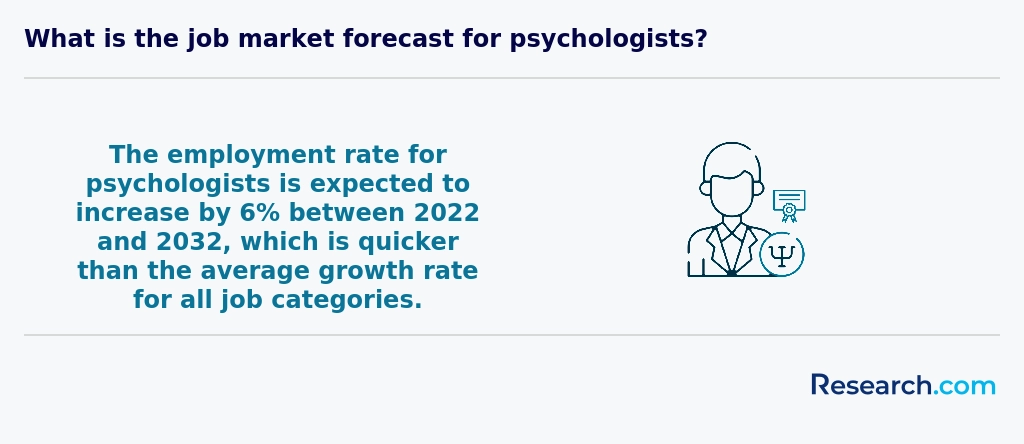
Preparing for the job market after earning a psychology degree in Troy involves strategic planning and practical experience. Graduates should seek internships or volunteer positions in local healthcare facilities, schools, or community organizations to build relevant skills. According to the U.S. Bureau of Labor Statistics, employment for psychologists is projected to grow 6% nationally through 2032, with Troy's growing healthcare sector offering expanding opportunities.
Networking plays a critical role. Joining Troy-based professional groups like the Alabama Psychological Association can connect new graduates with mentors and potential employers. Additionally, updating resumes to highlight research, data analysis, and communication skills increases employability.
Graduates should also consider pursuing licensure if planning clinical work, as Alabama requires specific supervised hours and examinations.
Employers in Troy consistently seek psychology graduates with strong analytical and communication skills. The ability to interpret data and apply research methods is crucial, as nearly 60% of local psychology roles involve data-driven decision making, according to the U.S. Bureau of Labor Statistics.
Interpersonal skills also rank highly, with employers valuing graduates who can effectively engage with diverse populations. Emotional intelligence and ethical judgment are essential for careers in counseling and clinical settings prevalent in the Troy area.
Additionally, critical thinking and problem-solving abilities are frequently requested by employers, as psychology professionals are expected to develop tailored interventions and strategies.
Finding internships related to a psychology degree in Troy involves targeted research and active networking. Start by exploring opportunities at local institutions such as St. Peter's Health Partners and Samaritan Hospital, which offer clinical settings suitable for psychology students. Additionally, Troy's proximity to Albany allows access to larger mental health clinics and nonprofit organizations that often seek interns.
Utilize your university's career services; most colleges have internship databases and partnerships with community agencies. Websites like Handshake and internships.com also list psychology internships in the Troy region. According to the National Association of Colleges and Employers, psychology internships increase job prospects by 30% in mental health fields.
Contact faculty members specializing in psychology-they often have connections with local agencies. Lastly, volunteering at community mental health centers can lead to internship offers, providing valuable hands-on experience.
A psychology degree in Troy can significantly enhance career mobility and advancement opportunities within the region's growing health and social services sectors. According to the U.S. Bureau of Labor Statistics, employment of psychologists and related professionals in New York State, where Troy is located, is projected to grow faster than the average for all occupations through 2031. This growth creates increased demand for individuals with formal training in psychology.
Locally, Troy hosts healthcare organizations and educational institutions that value psychology graduates for roles in counseling, case management, and human resources. Earning a degree often serves as a stepping stone to specialized certifications or advanced degrees, which can open doors to higher-paying positions and leadership roles.
Networking opportunities through colleges in Troy also support career growth, connecting students with internships and job placements in the region. Overall, a psychology degree provides flexible career pathways supported by regional industry trends and academic resources.
Studying for a psychology degree in Troy equips students with a versatile skill set ideal for interdisciplinary roles. Programs typically emphasize collaboration between psychology and fields such as health sciences, education, and business, reflecting current workforce demands.
Many local institutions incorporate courses in research methods, statistics, and communication, enabling graduates to analyze complex data and work effectively across disciplines. For example, Troy University offers applied psychology courses that intersect with counseling and organizational behavior.
According to the U.S. Bureau of Labor Statistics, psychology-related jobs in Troy are expected to grow by 8% through 2030, highlighting a need for professionals skilled in multiple areas. This multidisciplinary training prepares students for careers in healthcare teams, human resources, and educational settings.
Choosing between a thesis and a non-thesis psychology degree program in Troy largely depends on your career goals and interests. Thesis programs require conducting original research, which suits students aiming for doctoral studies or research-oriented jobs. Non-thesis options usually focus on coursework and practical experience, fitting those seeking direct entry into professional roles.
In Troy, universities offer both tracks, with about 40% of psychology graduates opting for thesis paths to strengthen their research credentials, according to the Troy Higher Education Report 2023. Additionally, thesis programs typically take longer to complete, often 2 to 3 years, compared to 1.5 to 2 years for non-thesis degrees.
Consider also faculty expertise and available resources for research in Troy, as these impact the quality of a thesis experience. Non-thesis students might benefit from internships or applied projects more relevant to local employers.
Students based in Troy who wish to study psychology abroad have several options through exchange programs and international partnerships offered by local institutions. Troy University, for example, participates in programs allowing psychology students to study in countries such as the United Kingdom and Australia for a semester or a full academic year.
These programs typically include transfer credits toward the psychology degree and opportunities to engage in diverse cultural perspectives on psychological practices. According to the Institute of International Education, participation in study abroad programs among U.S. psychology students has grown steadily, reflecting the importance of cross-cultural competence in the field.
Additionally, Troy students can apply to global internships and research projects aligned with psychological study, enhancing practical experience alongside academic coursework.
Students pursuing psychology degrees in Troy have access to several part-time job opportunities that can enhance their academic experience. Many find roles as research assistants at nearby universities or local health institutions, which provide valuable hands-on experience in data collection and analysis.
Additionally, internships or part-time positions in mental health clinics or community centers offer practical exposure to counseling and client interaction. Jobs like behavioral health technician or peer support specialist are common options.
According to the U.S. Bureau of Labor Statistics, psychology-related employment in New York State, including Troy, is expected to grow by 10% through 2031, increasing demand for qualified part-time staff in these settings.
Psychology students in Troy have access to various valuable networking opportunities that can enhance their academic and professional growth. Local universities often host psychology clubs and honor societies, such as Psi Chi, which connect students with peers and faculty. Additionally, Troy's proximity to larger urban centers like Birmingham expands access to regional conferences and psychology workshops.
Internships and volunteer positions in local mental health clinics and social service organizations provide practical experience and networking channels with professionals. According to the Alabama Department of Labor, healthcare and social assistance sectors in Troy show consistent growth, increasing opportunities for psychology students to build contacts.
Students can also benefit from career fairs and seminars organized by Troy-area colleges, providing direct interaction with employers and alumni working in psychology-related fields.
Alumni networks provide valuable support for psychology degree students in Troy by offering professional connections and mentorship opportunities. Graduates can access these networks to find internships, job placements, and research positions more easily, benefiting from the experience of former students now working in clinical, counseling, or academic roles.
According to national trends highlighted by the American Psychological Association, strong alumni connections increase employment chances by up to 30% within six months after graduation. In Troy, local universities' psychology programs often emphasize alumni engagement, which helps students build lasting relationships relevant to the regional job market.
These networks also promote continuing education events and workshops, allowing students to stay updated on the latest developments in psychology. Participation in alumni groups can enhance practical knowledge and improve access to specialized career counseling tailored to Troy's healthcare and education sectors.
In Troy, students pursuing a psychology degree can tailor their education by selecting electives and specializations aligned with specific career goals. Many local institutions offer concentrations such as clinical psychology, counseling, or industrial-organizational psychology, allowing customization within the degree framework.
Internship opportunities in Troy's healthcare facilities and community organizations often complement academic learning and help build relevant professional experience. According to the Bureau of Labor Statistics, psychology-related roles in Alabama are expected to grow by 8% through 2030, emphasizing the benefit of targeted skills.
Advisors at Troy colleges typically assist in creating individualized study plans that consider both academic interests and job market trends. This personalized approach enhances graduates' readiness for employment or advanced graduate study.
Psychology students in Troy commonly face challenges related to balancing rigorous coursework with practical experience requirements. Many programs demand a combination of academic study and internships or laboratory work, which can be difficult to manage alongside part-time jobs or family commitments.
Another significant challenge is the competitiveness of graduate school admissions. Troy students often find that undergraduate GPAs and GRE scores must be strong to pursue advanced degrees, which are essential for clinical or research careers.
Financial concerns also affect students. According to the National Center for Education Statistics, the average annual cost for psychology programs in New York state can exceed $20,000 including tuition and fees, which may require careful budgeting or loan reliance.
Access to local internship placements in Troy's limited mental health facilities can restrict practical learning opportunities, increasing competition among students.
These challenges highlight the need for time management, academic excellence, and proactive career planning for psychology students in Troy.
With a psychology degree in Troy, graduates can pursue several professional certifications to advance their careers. Common certifications include Licensed Professional Counselor (LPC), which requires a master's degree and supervised clinical experience. Another option is becoming a Board Certified Behavior Analyst (BCBA), ideal for those focusing on behavioral therapy.
Psychology graduates can also seek certification as a Certified School Psychologist, which allows them to work within educational settings after meeting state requirements. According to the New York State Education Department, these certifications enhance job prospects and salary potential for psychology professionals in Troy.
Moreover, certification in neuropsychology or substance abuse counseling are additional pathways, depending on specialization and further training.
Writing a winning application for a psychology program in Troy begins with understanding local academic standards. Troy universities value clear, focused personal statements that explain your motivation for studying psychology and your career goals. Include specific experiences, such as volunteer work or internships related to mental health, which demonstrate your commitment.
Strong academic records are essential. Aim for a GPA above 3.0, as Troy institutions typically require this minimum. Additionally, prepare for and submit competitive GRE scores if requested, since some programs still consider them.
Letters of recommendation should come from professionals familiar with your academic or clinical work. Finally, highlight any research projects or unique skills relevant to psychology to differentiate your application.
Psychology careers in Troy reflect broader trends seen across the United States, with growing interest in mental health and human behavior studies. According to the U.S. Bureau of Labor Statistics, the demand for psychologists is expected to grow 8% from 2022 to 2032, a rate faster than average for all occupations. Locally, Troy benefits from proximity to major research institutions and healthcare facilities, which supports diverse career opportunities in clinical, counseling, and industrial-organizational psychology.
Globally, psychology professionals often face varying licensing requirements, but the U.S. system emphasizes accredited degrees and supervised experience, ensuring high standards. Students in Troy pursuing psychology degrees have access to programs accredited by the American Psychological Association, which is crucial for career mobility.
Emerging global issues such as digital mental health, cultural competence, and neuroscience integration shape today's psychology roles. These trends create a dynamic career landscape that values ethical practice and continuous learning, relevant to students starting their education in Troy's universities.
Gaining practical experience while studying for a psychology degree in Troy is essential for career readiness. Many Troy-based universities encourage students to participate in internships at local mental health clinics, hospitals, or community organizations. These placements provide hands-on work with clients and real-world exposure to psychological practices.
In addition, research assistant positions within psychology departments are common. Students can support faculty-led studies, helping to build critical skills in data collection and analysis.
The Troy region also offers volunteer opportunities at counseling centers and social service agencies. Students can strengthen their resumes while serving the community.
According to the National Center for Education Statistics, over 60% of psychology undergraduates in the US gain internship experience before graduation, a trend reflected in Troy institutions as well.
Choosing the right concentration within a psychology degree program in Troy starts with understanding your career goals. Psychology offers various specializations, such as clinical, counseling, forensic, or industrial-organizational psychology. Each concentration focuses on different skills and job opportunities.
Research local job market demands in Troy through sources like the U.S. Bureau of Labor Statistics or Troy's workforce development reports. For example, industrial-organizational psychology is growing due to regional business needs, while clinical psychology remains highly popular for those interested in mental health.
Consider the faculty expertise and internship options at Troy colleges to gain practical experience in your chosen concentration.
- 2027 Most Valuable Psychology Degree Programs Ranking in Albany
- 2027 Most Valuable Psychology Degree Programs Ranking in Amherst
- 2027 Most Valuable Psychology Degree Programs Ranking in Worcester
- 2027 Most Valuable Psychology Degree Programs Ranking in New Haven
- 2027 Most Valuable Psychology Degree Programs Ranking in Bronx
- 2027 Most Valuable Psychology Degree Programs Ranking in Providence
- 2027 Most Valuable Psychology Degree Programs Ranking in New York
- 2027 Most Valuable Psychology Degree Programs Ranking in Queens
- 2027 Most Valuable Psychology Degree Programs Ranking in Rochester
- 2027 Most Valuable Psychology Degree Programs Ranking in Philadelphia
See What Experts Have To Say About Studying Psychology
Read our interview with Psychology experts

Catherine Caldwell-Harris, Ph.D.
Psychology Expert
Associate Professor of Psychology
Boston University

Elizabeth L. Jeglic Ph.D.
Psychology Expert
Professor of Psychology
City University of New York

Joann Farrell Quinn, Ph.D., MBA
Psychology Expert
Director at the College of Medicine Department of Medical Education
Morsani College of Medicine

- What Certifications Can I Get With A Bachelor's In Psychology? https://www.psychology.org/resources/certification-skills-for-psychology-major-resumes/
- Call for papers https://www.hogrefe.com/us/journal/international-perspectives-in-psychology-research-practice-consultation
- Why Get a Psychology Degree Online? | University of Bridgeport https://www.bridgeport.edu/news/reasons-to-get-your-psychology-degree-online/
- BSc in Psychology, Troy University by SEGi College Kuala Lumpur https://www.edumetry.app/en/courses/segi-college-kuala-lumpur-bsc-in-psychology-troy-university
- Troy University Employment Site https://www.troyuniversityjobs.com/postings/search
- Society for the Teaching of Psychology https://teachpsych.org/page-1784686/8675326
- Master’s Degree in Psychology https://www.psychologycareercenter.org/masters-degrees.html
- A Guide to Psychology Internships | Psychology Degree Guide https://psychologydegreeguide.org/resources/internships/
- Bachelor’s Degree in Psychology Troy University https://www.hotcourses.co.id/study/course/us-usa/bachelor-s-degree-psychology/1179285/program.html
- Staying connected, made simple: how associations and alumni networks grow with Socie - Socie App https://socie.eu/staying-connected-made-simple-how-associations-and-alumni-networks-grow-with-socie/


