2027 Most Popular Psychology Degree Programs Ranking in Hawaii

Co-Founder and Chief Data Scientist
Choosing the right psychology degree program in Hawaii can shape your future career and personal growth. This article introduces the 2027 Most Popular Psychology Degree Programs Ranking in Hawaii, created by the Research.com team of data scientists to provide clear, trustworthy insights. It's designed to help you make an informed decision about which programs truly stand out.
Exploring this ranking will highlight options that align with your goals and passions. Pursuing a psychology degree opens doors to meaningful work and a deeper understanding of human behavior.
Get ready to find the perfect fit for your educational journey in Hawaii.
Key benefits of getting psychology degree in Hawaii
- Psychology graduates in Hawaii can expect rewarding salaries, such as a Clinical Research Associate earning about $62,370 annually and a Human Resources Specialist making around $76,060 per year.
- A Hawaii psychology graduate from the University of Hawaii at Manoa might pursue careers in research, counseling, or human resources, showcasing the versatile opportunities available with this degree.
- Choosing an online psychology degree from a school like the University of Hawaii allows students to balance work and study, offering flexibility and the chance to gain real-world experience while earning their degree.
- 2027 Most Popular Psychology Degree Programs Ranking in Hawaii
- What can I expect from psychology degree in Hawaii?
- Where can I work with psychology degree in Hawaii?
What can I expect from psychology degree in Hawaii?
The average cost of pursuing a psychology degree in Hawaii varies depending on the institution and level of study. For instance, graduates from the University of Hawaii at Manoa, a prominent institution for psychology, often report tuition fees for undergraduate programs around $12,000 to $14,000 per year for in-state students. Graduate programs, such as master's or doctoral degrees, typically incur higher fees, ranging from $15,000 to $25,000 annually, reflecting specialized training and research opportunities.
Many students appreciate how their investment is matched by high-quality education that emphasizes local cultural contexts and offers hands-on clinical experiences essential for licensure. Graduates frequently describe the value of immersive coursework and supervised internships that prepare them to serve Hawaii's diverse communities effectively while fostering a strong professional identity grounded in the state's unique needs.
Financial aid and scholarship opportunities are often available, which can significantly ease the financial burden. Overall, while costs are considerable, psychology programs in Hawaii offer a meaningful, culturally rich education with practical career pathways.
Where can I work with psychology degree in Hawaii?
Graduates with a psychology degree in Hawaii find diverse employment opportunities reflecting the state's unique cultural and community needs. Many work in community mental health agencies, hospitals, or private practices offering counseling and therapy, where they positively impact local families and individuals. Those who studied at the University of Hawaii at Manoa often highlight rewarding roles in public health and substance abuse treatment through the Hawaii Department of Health, where their work supports vulnerable populations statewide.
School psychologists are also in demand, particularly in Hawaii's public school system, providing crucial mental health support to students. Graduates appreciate the tangible difference they make in schools by addressing learning and emotional challenges. Additionally, research positions at institutions like the University of Hawaii enable graduates to contribute to culturally relevant studies on mental health and social services, blending academic rigor with community awareness.
Organizational psychology careers are emerging in Hawaii's business sector, where professionals enhance workplace wellness and leadership. Government agencies, including veterans' and correctional services, provide further fulfilling pathways. Licensure is essential for clinical roles, encouraging graduates to pursue advanced education while gaining practical experience in entry-level positions such as behavioral aides or case managers.
Graduates from psychology programs in Hawaii, such as those at the University of Hawaii at Manoa, can anticipate varied earnings depending on their career paths and qualifications. Entry-level positions often include roles like behavioral health technicians or research assistants, with salary ranges close to $32,070 to $62,370 annually, reflecting wages for childcare workers and clinical research associates reported by the U.S. Bureau of Labor Statistics.
Those progressing to roles such as human resources specialists or marketing research analysts-positions commonly pursued by psychology graduates-can expect higher mean annual wages of approximately $76,060 and $83,190 respectively. Graduates often note the satisfaction from applying their skills in meaningful ways while benefiting from competitive compensation within Hawaii's job market.
Experience and advanced degrees enhance earning potential significantly. For example, licensed counselors and school psychologists in Hawaii typically earn between $60,000 and $75,000, while doctoral-level practitioners can command salaries upwards of $90,000. Many students from local institutions express optimism about these prospects, especially given Hawaii's growing demand for mental health professionals and related roles.
- Tuition at public universities like the University of Hawaii at Manoa is about $11,000 per year for in-state students, while private schools can charge over $30,000 annually.
- Additional costs such as books, fees, and living expenses in Hawaii tend to be higher compared to mainland states.
- The demand for psychologists in Hawaii is expected to grow faster than the average for all jobs over the next decade.
- Entry-level psychology graduates typically earn between $45,000 and $55,000 annually, with experienced professionals making up to $100,000 or more.
- Becoming a licensed psychologist in Hawaii requires a doctorate, supervised experience hours, and passing the EPPP exam.
- Hawaii offers unique opportunities to study diverse and indigenous populations, enhancing training in culturally responsive care.
Completing a psychology degree in Hawaii generally varies by degree level and enrollment status. At institutions like the University of Hawaii at Manoa, students pursuing a bachelor's degree typically spend about four years completing roughly 120 credits. Graduates often recall balancing general education alongside specialized psychology courses while enjoying the unique cultural environment of Hawaii.
Associate degrees available at community colleges such as Honolulu Community College usually take about two years, offering a strong foundation for further study. Many part-time students, often working adults, extend their completion time to accommodate work and personal commitments.
Advanced degrees lengthen the timeline. Master's programs at Hawaiian universities generally require two to three years of full-time study, sometimes longer if a thesis is involved. Doctoral studies, essential for clinical psychology licensure, often take between five and seven years, integrating research and supervised clinical hours.
Students appreciate the flexible scheduling options offered locally, which supports their educational and financial goals while enriching their academic experience in Hawaii.
With the rapidly evolving landscape of higher education, prospective students are increasingly exploring alternative pathways to earn their psychology degrees. In Hawaii, traditional classroom instruction is being complemented-and sometimes even replaced-by accelerated and online programs that offer both flexibility and efficiency. These innovative formats not only provide greater access to quality education but also allow busy professionals to fast-track their careers without compromising on academic rigor. If you're looking for a time-efficient way to launch your career in psychology, you might consider exploring what is the best online accelerated psychology degree program, which highlights cutting-edge options for accelerated learning. Accelerated programs are gaining momentum as they condense course content into a shorter timeframe, enabling students to apply their skills and knowledge sooner in the workplace. Additionally, many of these programs integrate real-world projects, virtual lab sessions, and interactive online workshops that provide a dynamic learning experience, closely simulating the traditional campus environment. With the added benefit of personalized academic support and flexible scheduling, these programs meet the increasing demand for mental health professionals in Hawaii-a state known for its unique cultural context and emphasis on community wellbeing. Embracing these emerging trends can empower aspiring psychologists to navigate a competitive job market more effectively, as they acquire industry-relevant skills in a modern and accessible learning environment.
Online and on-campus psychology degree programs in Hawaii differ significantly in their delivery and student experience. Graduates from the University of Hawaii at Manoa often recall the immersive on-campus environment where face-to-face discussions, access to specialized labs, and direct mentorship from professors enriched their education. This traditional format also fosters strong peer connections through group projects and campus events, supporting collaborative learning.
Conversely, graduates from online programs at private Hawaii-based colleges appreciate the flexibility to balance studies with work or family life, especially those living on neighbor islands or remote areas. They value the ability to access video lectures and participate in virtual forums at their convenience. However, some find the limited in-person interaction challenging, particularly when seeking real-time feedback.
Both paths require clinical internships often scheduled on-site at local facilities, impacting how students arrange their time. Ultimately, candidates must weigh their preferences for structure and community against flexibility and convenience specific to Hawaii's geography and cost considerations.
Pursuing a bachelor’s degree in psychology in Hawaii typically involves tuition costs of approximately $23,158 per year at in-state public universities and around $33,467 per year at private institutions, amounting to a total investment of $92,632–$133,868 over four years. With entry-level salaries for psychology graduates averaging $53,000 annually, students can expect to recoup their investment within 2–3 years post-graduation, assuming full-time employment. Key factors influencing ROI include: • Total program cost (tuition, fees, living expenses) versus starting salary • Availability of scholarships and federal aid (Pell Grants, Stafford Loans) • Post-graduation employment rates and median wages in Hawaii’s job market Accelerating payback can be achieved by securing financial aid early, opting for accelerated or hybrid programs, and gaining relevant internships during undergraduate studies. For students seeking cost-effective alternatives beyond Hawaii, our Cheapest Psychology Degree Programs Ranking in Notre Dame, IN offers valuable insights into high-quality, budget-friendly options. In summary, while Hawaii’s unique cultural and educational environment commands a premium, the strong job growth projections (8% by 2030) and competitive starting salaries make a psychology degree in the islands a sound long-term investment.
The average cost of a psychology degree in Hawaii is shaped by a combination of tuition, fees, and living expenses, with significant distinctions between in-state and out-of-state students. For those attending public institutions like the University of Hawaii at Manoa, in-state students can expect total costs close to $12,186, covering tuition and associated fees throughout their studies. Graduates often recall managing these expenses alongside vibrant campus life and enriching academic experiences that made the investment feel worthwhile.
Out-of-state students face higher expenses, with median total costs reaching approximately $47,509. The difference reflects not only tuition but also the necessity of adjusting to Hawaii's unique living costs, which can be challenging yet rewarding due to the island's natural beauty and cultural richness. Psychology students at private universities experience a similarly broad cost spectrum, often falling within this range depending on the program length and specialization.
When estimating the total tuition and fees for psychology programs Hawaii offers, it is essential to include living costs, which elevate the overall financial commitment. Many students find balancing financial aid opportunities and scholarships critical; exploring resources specifically tailored to Hawaii residents or psychology majors can significantly ease the burden. Those interested may benefit from investigating affordable psychology programs in Hawaii that align with both their educational goals and budget constraints.

When considering a psychology degree in Hawaii, one of the critical factors to weigh is the cost. Beyond tuition, students must account for living expenses, books, and other fees. To make informed decisions, prospective students should explore financial aid options and understand the potential return on investment. For those seeking affordable psychology programs in Hawaii, researching institutions that offer competitive pricing without compromising on quality is essential. Many universities in Hawaii provide scholarships, grants, and assistantships to help offset the costs. Additionally, students can look into federal and state aid programs, such as the Federal Pell Grant and the Hawaii State Scholarship, to further reduce their financial burden. By carefully considering these financial aspects and exploring affordable options, students can pursue their passion for psychology without shouldering an unmanageable debt load, ultimately setting themselves up for success in their future careers.
Students pursuing psychology degrees in Hawaii often access a range of financial aid tailored to local needs. Federal aid is a cornerstone, with programs like the Pell Grant offering need-based, non-repayable funds, while the Federal Work-Study provides valuable part-time job opportunities on or near campuses such as the University of Hawaii at Manoa. Graduates frequently note how these programs ease their financial burdens while gaining practical experience.
State aid, including grants from the Hawaii State Postsecondary Education Financial Aid Program (HISPEFAP), specifically supports Hawaii residents demonstrating academic achievement and need. Numerous students attending institutions like Hawaii Pacific University have successfully combined these awards with scholarships from local bodies such as the Hawaii Psychological Foundation.
Many psychology students also secure scholarships emphasizing research interests or commitment to mental health careers provided by both state and national organizations. Federal student loans are available with favorable terms but require careful planning given Hawaii's mental health salary ranges. Additionally, employer tuition assistance helps reduce costs for working students engaged in Hawaii's mental health field.
To enroll in a psychology degree program in Hawaii, students must meet specific academic prerequisites tailored to ensure readiness for rigorous coursework. For undergraduate admission, institutions such as the University of Hawaii at Manoa require applicants to hold a high school diploma or GED. Many successful students share how completing foundational courses in biology, statistics, and social sciences during high school greatly eased their transition to college-level psychology studies.
Graduate programs demand a bachelor's degree, often with psychology-related coursework. Graduates from Hawaii universities emphasize that having a solid GPA-usually above 2.5-and coursework in research methods and developmental psychology is crucial. Additional materials like letters of recommendation and personal statements further demonstrate commitment and passion for the field.
While some schools may still request GRE scores, this is increasingly uncommon. Prospective students in Hawaii benefit from checking specific requirements at their preferred institutions, understanding that meeting these prerequisites helps them confidently engage in their academic journey with enthusiasm and purpose.
Ensuring your psychology degree is accredited is the first step toward a successful career in Hawaii’s mental health field. Prospective students should verify that programs hold regional accreditation from bodies like the Western Association of Schools and Colleges (WASC) and, for clinical tracks, American Psychological Association (APA) accreditation. Graduates of accredited programs are eligible to sit for the Examination for Professional Practice in Psychology (EPPP) and meet Hawaii Board of Psychology requirements for licensure. Key accreditation and licensure considerations:
- Regional vs. National Accreditation: Regional accreditation (e.g., WASC) is recognized by employers and graduate programs nationwide, while national accreditation may limit licensure eligibility.
- APA Accreditation: Essential for those pursuing clinical or counseling psychology licensure; APA-accredited curricula align with EPPP content areas such as assessment, intervention, and ethics.
- Supervised Experience: Hawaii requires 3,000 hours of supervised postdoctoral experience or internship; verify that your program’s practicum placements satisfy state board criteria.
- Examination Requirements: Graduates must pass the EPPP and a state jurisprudence exam. Review Hawaii’s Board of Psychology handbook for up-to-date application procedures and deadlines.
- Online Program Compliance: If you opt for an online psychology degree master’s, confirm that the institution’s accreditation and clinical components are accepted by the Hawaii Board of Psychology to avoid licensing delays. By choosing an accredited program and understanding Hawaii’s licensure pathway, you can streamline your journey from graduation to licensed practice, ensuring your qualifications are recognized and your career goals are fully supported.
Psychology degree programs in Hawaii typically combine around 120 credit hours of coursework that build a solid foundation in both theory and practical application. At institutions like the University of Hawaii at Manoa, students engage in core courses covering cognitive processes, behavioral sciences, and social psychology, providing them with essential frameworks for understanding human behavior in varied contexts.
Graduates often recall how foundational courses such as Introduction to Psychology laid the groundwork by exploring key principles and historical developments within the field. Rigorous classes in research methods and statistics equip students with the skills necessary to design experiments and analyze data, which many find empowering when later applying their knowledge either in graduate studies or community research projects.
Specialized topics include developmental and abnormal psychology, personality theory, and neurobiological bases of behavior, often enhanced with Hawaii-specific content focusing on cultural psychology and indigenous perspectives. This integration helps students appreciate how native Hawaiian culture and local social environments influence mental health, a feature praised by alumni who transitioned into counseling roles within the islands.
Practical experience is valued highly; internships or fieldwork at local agencies or research labs allow students from colleges such as Hawaii Pacific University to directly apply classroom learning. These opportunities frequently inspire strong professional connections and a deepened sense of purpose in serving Hawaii's diverse communities.
Psychology degree specializations in Hawaii commonly include clinical psychology, counseling psychology, developmental psychology, and industrial-organizational psychology. Graduates from the University of Hawaii at Manoa often emphasize how clinical psychology prepares them for diagnosing and treating mental health disorders in diverse Hawaiian communities. Counseling psychology, another popular concentration, equips students to use therapeutic techniques essential for addressing personal and cultural challenges prevalent in the islands' populations.
Hawaii psychology programs with concentrations such as developmental psychology highlight human growth across the lifespan, benefiting students who aspire to work with children or the elderly in island schools and healthcare settings. Industrial-organizational psychology focuses on improving workplace productivity and employee wellness, which resonates with graduates employed by local businesses seeking culturally informed strategies.
Some institutions also offer emerging specialties like health psychology and forensic psychology, addressing unique regional needs. Prospective students interested in accelerated paths might explore resources like what is the best online accelerated psychology degree program to find flexible options suited to their goals.
Choosing the best psychology degree programs in Hawaii requires evaluating degree levels, accreditation, costs, and program flexibility. Graduates from the University of Hawaii at Manoa often highlight the value of its APA-accredited doctoral programs and strong bachelor's degrees, which align with Hawaii's diverse cultural context. Such accreditation ensures eligibility for licensure and employment within the state.
Cost is a decisive factor; students often balance tuition, which averages about $11,500 annually for in-state public universities, against Hawaii's higher living expenses. Many find scholarships and financial aid essential to managing these costs while pursuing their education at affordable psychology colleges Hawaii.
Prospective students should also assess faculty expertise and opportunities for hands-on research or internships that reflect Hawaii's unique population. Those seeking greater convenience may consider programs with online components, such as an online psychology degree master's option, which supports busy lifestyles without compromising academic rigor.

Graduates holding a psychology degree in Hawaii find diverse career paths tailored to the state's unique cultural and community needs. Common roles include clinical psychologists who require doctoral degrees and state licensure, offering therapy and assessments critical in both urban centers and rural areas of the islands. Counseling psychologists and school psychologists also play vital roles, addressing student mental health and providing support within educational institutions such as the University of Hawaii at Mānoa.
Besides clinical roles, many graduates leverage their knowledge as human resources specialists or social services case managers, engaging in workforce development or community support aligned with Hawaii's multicultural population. Research assistants contribute significantly to advancing psychological studies within Hawaii's universities and government agencies, a path well regarded among alumni of local colleges.
Given the financial implications of studying in Hawaii, prospective students often consult resources like the Cheapest Psychology Degree Programs Ranking in Notre Dame, IN to plan effectively. These considerations are essential when exploring the broad spectrum of psychology degree career opportunities in Hawaii, where positive graduate experiences reflect both fulfillment and meaningful contributions to community health.
The job prospects for psychology graduates in Hawaii remain robust, supported by a projected 10% growth in related positions. This outlook offers encouragement to those pursuing degrees in the field, validating their commitment to impactful and rewarding professions within the state's evolving behavioral health landscape.
The job market for psychology degree employment opportunities in Hawaii is shaped by a steadily increasing demand for mental health services, despite the state's smaller population compared to mainland areas. Graduates from well-regarded institutions such as the University of Hawaii at Manoa often find roles in clinical, counseling, and school psychology, where state initiatives bolster mental health care and substance abuse treatment. Many graduates report a rewarding sense of contributing locally while navigating a competitive yet supportive environment.
For those pursuing advanced degrees, the job outlook for psychology graduates in Hawaii improves significantly, particularly for those obtaining the Licensed Psychologist credential required for many positions. Graduates commonly enter healthcare support, education, or community-based settings, reflecting the state's emphasis on holistic mental health support.
Entry-level graduates may explore diverse career paths, including social services and human resources, though additional certification can enhance prospects. Some students combine local study with broader flexibility, while others consider pathways like the best online associate's degree in 6 months to complement their education.
2027 Most Popular Psychology Degree Programs Ranking in Hawaii
Investing in your education is a significant decision that can shape your future, and the Research.com team understands the importance of making informed choices. To assist prospective students in Hawaii, we have meticulously crafted the "2027 Most Popular Psychology Degree Programs Ranking in Hawaii." Our commitment to quality, credibility, and accuracy is reflected in the extensive research and analysis conducted to compile this ranking.
We utilized the following reputable data sources to ensure a comprehensive evaluation of psychology degree programs:
By exploring this ranking, readers will gain valuable insights into the most popular psychology degree programs in Hawaii, helping them make well-informed decisions about their educational futures. For more details on our methodology, please visit our Research.com methodology page.


Frequently Asked Questions About psychology
Psychology degree students in Hawaii can maximize their learning experience by actively engaging with both academic and practical opportunities. Hawaii hosts several accredited institutions offering psychology programs that emphasize research and cultural competence, which is crucial given the state's diverse population.
Students should pursue internships and practicum placements within local community agencies or healthcare settings to apply theoretical knowledge in real-world contexts. According to the Hawaii Psychological Association, practical experience significantly enhances employment prospects after graduation.
Participating in research projects related to Hawaiian cultural psychology can deepen understanding and provide unique insights. Collaboration with faculty experts and attending relevant conferences also supports academic growth.
The field of psychology is continually evolving, with several emerging niches gaining attention, especially for students in Hawaii. One rapidly growing area is health psychology, which focuses on how mental, emotional, and social factors influence physical health. Given Hawaii's unique cultural diversity, this specialty is critical for addressing community-specific health concerns.
Another promising niche is neuropsychology, which explores brain-behavior relationships. According to the U.S. Bureau of Labor Statistics, neuropsychology roles are expected to grow by 14% nationally, and Hawaii follows this trend due to increased demand for cognitive and behavioral health services.
Additionally, environmental psychology is gaining traction in Hawaii, studying how natural surroundings impact mental well-being-a relevant field considering the state's focus on sustainability.
After completing a psychology degree in Hawaii, preparing for the job market involves several important steps. Graduates should consider gaining relevant experience through internships or volunteer opportunities, particularly since Hawaii's psychology field often emphasizes community and cultural competency. According to the U.S. Bureau of Labor Statistics, demand for psychologists in Hawaii is expected to grow about 8% through 2031, which is aligned with national trends but highlights the importance of local connections.
Pursuing licensure is crucial for clinical psychology careers in Hawaii. This typically requires additional supervised hours and passing the Examination for Professional Practice in Psychology (EPPP). Networking within local professional organizations like the Hawaii Psychological Association can also be beneficial. Finally, sharpening skills in areas such as counseling diverse populations or understanding indigenous Hawaiian health perspectives may increase employability in this unique state market.
Employers in Hawaii seek several key skills when hiring psychology degree graduates. Strong communication abilities are essential, as professionals must clearly convey psychological concepts and interact well with clients, colleagues, and community members. Critical thinking and analytical skills are highly valued for interpreting research data and applying evidence-based practices effectively.
Additionally, cultural competence is particularly important in Hawaii's diverse population, enabling graduates to work respectfully with varied ethnic and cultural backgrounds. According to the Hawai'i Department of Labor and Industrial Relations, adaptability and problem-solving are also top traits due to evolving mental health needs across the state.
Technical proficiency, including familiarity with psychological assessment tools and data software, strengthens a graduate's employability. These skills collectively prepare graduates for roles in clinical, educational, and research settings within Hawaii's unique environment.
Finding internships in Hawaii for psychology students involves a combination of research, networking, and utilizing university resources. Many Hawaii institutions, such as the University of Hawaii at Manoa, offer internship listings through their psychology departments or career centers. These positions often include opportunities in clinical settings, research labs, schools, and community organizations.
Students should also explore statewide mental health agencies like the Hawaii State Department of Health, which frequently partners with universities to provide internships. Additionally, professional associations such as the Hawaii Psychological Association publish relevant internship openings and can help with mentorship.
Early application is critical, as internships in Hawaii are competitive due to limited local placements. Utilizing online resources like Handshake or contacting local clinics directly can expand available options. Combining these methods increases the likelihood of securing a meaningful psychology internship in Hawaii.
Obtaining a psychology degree in Hawaii significantly enhances career mobility and advancement opportunities within the state's growing mental health and human services sectors. According to the U.S. Bureau of Labor Statistics (BLS), the demand for mental health counselors and psychologists in Hawaii is projected to increase by 12% from 2022 to 2032, faster than the national average.
Holding a bachelor's or advanced degree in psychology can open doors to diverse roles, including counseling, social work, and educational services. Advanced degrees, such as a Master's or Doctorate, are often required for clinical licensure and leadership positions.
Local employers value knowledge of Hawaii's unique cultural context, making regionally focused programs particularly beneficial for career growth.
Studying for a psychology degree in Hawaii equips students with interdisciplinary skills essential for diverse professional roles. The state's universities emphasize collaboration across fields such as health sciences, education, and social work, reflecting the holistic approach to well-being common in Hawaiian culture.
Hawaiʻi's unique multicultural environment encourages research and practice that integrate psychology with sociology, anthropology, and public health. For example, programs often include community-based projects addressing mental health disparities among Native Hawaiians and Pacific Islanders, enhancing cultural competence.
According to the University of Hawaiʻi system's latest statistics, nearly 30% of psychology graduates engage in interdisciplinary research or employment within two years, highlighting the degree's broad applicability.
This broad foundation prepares students for careers in counseling, healthcare, education, and policy development across the Pacific region.
When deciding between a thesis and a non-thesis psychology degree program in Hawaii, consider your career goals and learning preferences. Thesis programs typically require original research and a formal document, preparing students for doctoral studies or research roles. Non-thesis options focus more on coursework and practical skills, suited for immediate entry into clinical or applied psychology careers.
Graduates from thesis tracks may find an advantage for academic or research jobs, as they demonstrate deeper investigative experience. According to the Hawaii Innovation Initiative, research methods are emphasized in over 40% of local graduate programs, highlighting the state's commitment to evidence-based practices.
Cost and duration can also differ: thesis degrees might take longer due to research demands, while non-thesis tracks offer faster completion. Consult specific Hawaiian universities for program details and consider advice from academic advisors to match your professional vision with program structure.
Students based in Hawaii seeking to study psychology abroad have several options within the US higher education system. Many mainland universities offer accredited psychology programs with opportunities for in-person or hybrid study, allowing Hawaiian students to gain diverse perspectives without fully relocating. Popular institutions often include prestigious schools in California, Washington, and the East Coast, which maintain strong psychology departments.
Additionally, exchange programs and study abroad partnerships facilitated by the University of Hawaii system allow students to experience international education while earning credits toward their psychology degrees. This helps students maintain residency advantages and access federal financial aid.
According to the National Center for Education Statistics, psychology is among the top five popular majors among Hawaii students studying out-of-state, highlighting strong demand for flexible, quality programs beyond the islands.
Students pursuing psychology degrees in Hawaii can enhance their education through part-time jobs related to their field. Popular opportunities include working as behavioral health aides, research assistants at local universities, and crisis hotline volunteers. These roles provide practical experience in psychological assessment and client interaction.
Hawaii's Department of Health frequently offers part-time positions supporting mental health services, which helps students gain familiarity with state-specific behavioral health systems. In addition, universities like the University of Hawaii often hire psychology students for lab work, contributing to relevant research projects.
Engagement in community organizations focused on substance abuse or youth counseling also offers valuable exposure. According to the Bureau of Labor Statistics, psychology-related job growth in Hawaii is steady, emphasizing the importance of experience in competitive job markets.
Psychology students in Hawaii have several networking opportunities that can enhance their education and career prospects. The Hawaiian Psychological Association offers local students chances to connect with licensed psychologists through events, workshops, and annual conferences. These gatherings provide valuable insights into current research and professional practices in the region.
University programs, such as at the University of Hawaii at Manoa, encourage students to participate in research symposiums and psychology clubs that foster peer and faculty interaction. This engagement supports real-world connections beneficial for internships and job placements.
Additionally, Hawaii's smaller community aids informal networking with mental health professionals across the islands. According to the U.S. Bureau of Labor Statistics, Hawaii employed about 820 psychologists in 2023, reflecting a modest but specialized local network. Leveraging these opportunities can be key for students aiming to build a strong professional foundation.
Alumni networks play a crucial role for psychology degree students in Hawaii by offering valuable connections within the local mental health community. Graduates often report increased access to internships, job openings, and mentorship through these established relationships. According to the Hawaii Psychological Association, networking within the state's small but growing professional community can significantly boost early career opportunities.
Many Hawaii universities encourage active participation in alumni events, which helps students learn about state-specific licensure requirements and continuing education options. This insider knowledge supports smoother transitions from academic programs to professional settings.
Additionally, alumni networks facilitate collaboration on research projects and community mental health initiatives, strengthening students' practical skills and professional confidence in Hawaii's unique cultural context.
Customizing a psychology degree program in Hawaii to fit your career goals typically involves selecting electives and specializations aligned with your interests. Many universities offer options such as clinical psychology, counseling, or developmental psychology, allowing you to focus on areas relevant to your desired profession.
Internships and research opportunities are valuable for practical experience and may be tailored to local community needs, including work with diverse Hawaiian populations. According to the U.S. Bureau of Labor Statistics, Hawaii had around 3,390 psychologists employed in 2022, emphasizing the importance of relevant local experience.
Additionally, considering graduate school programs with flexible curricula or part-time formats can further tailor your education to career timelines and goals.
Psychology students in Hawaii often face unique challenges related to the state's geographic isolation. Limited availability of specialized internships and research opportunities can restrict practical experience compared to mainland programs. According to the 2023 Hawaii Workforce Development report, only about 40% of psychology-related internships occur locally, often requiring students to seek internships remotely or travel off-island.
Additionally, the higher cost of living in Hawaii puts financial pressure on many students. Tuition fees combined with housing expenses make it harder to balance work and study. The National Center for Education Statistics notes that Hawaii's average undergraduate tuition exceeds the national average by nearly 25%.
Finally, access to diverse mental health populations for clinical training is sometimes limited, which can affect exposure to a broad range of psychological conditions. This poses challenges for licensure preparation and future job placement in varied settings.
With a psychology degree in Hawaii, you can pursue various professional certifications to advance your career. One common path is obtaining licensure as a Licensed Psychologist, which requires a doctoral degree and passing the Examination for Professional Practice in Psychology (EPPP). Additionally, certifications like Licensed Mental Health Counselor (LMHC) or Licensed Clinical Social Worker (LCSW) are popular and require specific training and state exams.
Other certifications include Board Certified Behavior Analyst (BCBA), useful for those working with behavioral interventions. Hawaii follows national credentialing standards, and it's important to check the Hawaii Board of Psychology and the Department of Commerce and Consumer Affairs for up-to-date requirements.
Writing a winning application for a psychology program in Hawaii involves clear focus and strong preparation. Begin by researching specific programs, such as those at the University of Hawaii, which is the state's primary institution offering accredited psychology degrees. Highlight your academic achievements and relevant experiences, including any volunteer work or internships related to mental health. Admissions committees in Hawaii value applicants demonstrating awareness of local cultural diversity and its impact on psychology. According to the U.S. Bureau of Labor Statistics, Hawaii has a growing demand for psychologists, making a well-crafted application essential. Be sure to include compelling personal statements and strong letters of recommendation from relevant professionals.
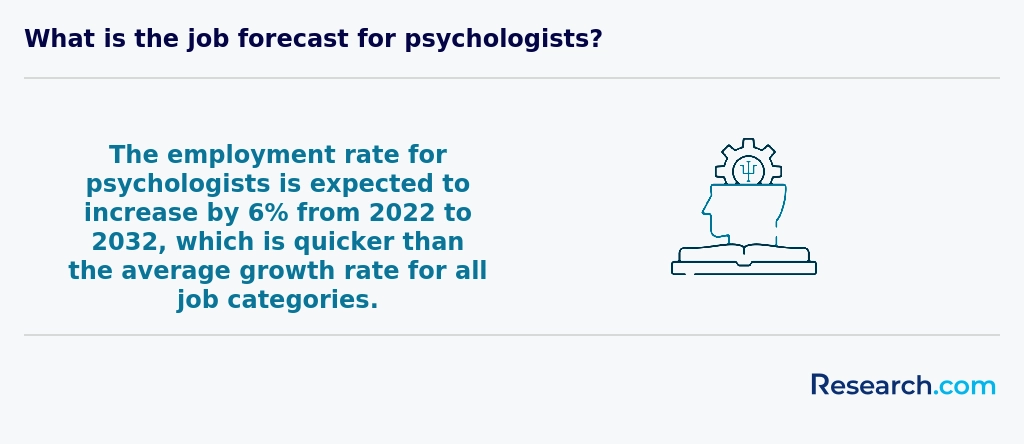
The field of psychology offers diverse career paths worldwide, with a growing demand for trained professionals. In the United States, including Hawaii, psychology careers are valued for their role in mental health, education, and research. According to the U.S. Bureau of Labor Statistics, employment for psychologists is projected to grow 8% from 2022 to 2032, faster than average for all occupations.
Globally, psychology integrates various cultural perspectives, emphasizing multicultural competence. For Hawaii students, this means gaining skills to work effectively in diverse communities, reflecting the state's unique cultural landscape.
Higher education institutions in Hawaii, such as the University of Hawaii, offer programs aligning with these global trends, incorporating research-focused and applied psychology training.
Graduates often find opportunities locally and internationally in clinical, counseling, and organizational psychology fields, supported by ongoing developments in mental health awareness both in Hawaii and beyond.
Gaining practical experience while studying psychology in Hawaii is essential for career readiness. Many universities in Hawaii, including the University of Hawaii system, offer internship opportunities through partnerships with local healthcare facilities and community organizations. These internships allow students to work directly with clients under supervision, providing valuable hands-on experience.
Students can also participate in research projects led by faculty members, which helps develop critical skills in data collection and analysis specific to psychology. According to the American Psychological Association, practical experience significantly improves employment outcomes.
Volunteering in local mental health centers or schools is another effective way to gain experience, particularly in a state like Hawaii where community-oriented care is emphasized.
Choosing the right concentration within a psychology degree program in Hawaii involves understanding your interests and career goals. Psychology programs often offer concentrations such as clinical, counseling, educational, or industrial-organizational psychology. In Hawaii, clinical psychology is popular due to the demand for mental health professionals addressing diverse communities across the islands. According to the Bureau of Labor Statistics, employment for psychologists in Hawaii is expected to grow by 8% through 2031, reflecting opportunities in these areas.
Consider where you want to work, such as schools, hospitals, or businesses, and select a concentration aligned with that environment. Reviewing course offerings and faculty expertise at institutions like the University of Hawaii can also aid your decision.
- 2027 Most Popular Psychology Degree Programs Ranking in Alaska
- 2027 Most Popular Psychology Degree Programs Ranking in California
- 2027 Most Popular Psychology Degree Programs Ranking in Washington
- 2027 Most Popular Psychology Degree Programs Ranking in Nevada
- 2027 Most Popular Psychology Degree Programs Ranking in Arizona
- 2027 Most Popular Psychology Degree Programs Ranking in Idaho
- 2027 Most Popular Psychology Degree Programs Ranking in Colorado
- 2027 Most Popular Psychology Degree Programs Ranking in New Mexico
- 2027 Most Popular Psychology Degree Programs Ranking in North Dakota
- 2027 Most Popular Psychology Degree Programs Ranking in Oklahoma
See What Experts Have To Say About Studying Psychology
Read our interview with Psychology experts

Catherine Caldwell-Harris, Ph.D.
Psychology Expert
Associate Professor of Psychology
Boston University

Joann Farrell Quinn, Ph.D., MBA
Psychology Expert
Director at the College of Medicine Department of Medical Education
Morsani College of Medicine

Elizabeth L. Jeglic Ph.D.
Psychology Expert
Professor of Psychology
City University of New York

- Psychology Online Degree Pathway https://www.learndirect.com/course/psychology-online-degree
- Mental Health Challenges Faced by Psychology Students | The Healthcare Guys https://healthcareguys.com/2023/11/23/mental-health-challenges-faced-by-psychology-students/
- A Guide to Psychology Internships | Psychology Degree Guide https://psychologydegreeguide.org/resources/internships/
- Study Psychology Abroad | Go Overseas https://www.gooverseas.com/study-abroad/psychology
- Best Hawaii Psychology Degrees Updated for 2025, Online Included https://www.psychologydegrees.org/state/hawaii
- Have You Found a Niche? https://www.apaservices.org/practice/business/marketing/building/niche
- Study Psychology Abroad https://astarfuture.co.uk/study_psychology_abroad.html
- Best Types Of Online Psychology Degrees 2025 https://www.psychology.org/degrees/
- Scholarships - The Office of Hawaiian Affairs (OHA) https://www.oha.org/educational-pathways/scholarships/
- Call for papers https://www.hogrefe.com/us/journal/international-perspectives-in-psychology-research-practice-consultation