
2027 Most Affordable Psychology Degree Programs Ranking in Alabama

Co-Founder and Chief Data Scientist
Choosing the right psychology degree program in Alabama can be overwhelming, but we're here to help. This article features the 2027 Most Affordable Psychology Degree Programs Ranking in Alabama, developed by the Research.com team of data scientists. It's designed to guide you in making an informed choice about which programs offer the best value.
Psychology is a rewarding field that opens doors to helping others and building a meaningful career. Exploring affordable options makes pursuing your passion even more accessible and achievable.
Key benefits of getting psychology degree in Alabama
- Salary for psychology degree graduates: Graduates in Alabama can look forward to competitive salaries with roles like Marketing Research Analyst earning a mean annual wage of $83,190 and Human Resources Specialists earning about $76,060, providing strong financial stability.
- Career paths: Psychology graduates from popular Alabama universities find diverse career options in research, healthcare, and human resources, allowing them to explore roles that suit their passions and strengths.
- Online degree benefits: Earning a psychology degree online from respected Alabama institutions offers flexibility and convenience, making it easier to balance studies with life commitments while still gaining quality education.
- 2027 Most Affordable Psychology Degree Programs Ranking in Alabama
- What can I expect from psychology degree in Alabama?
- Where can I work with psychology degree in Alabama?
What can I expect from psychology degree in Alabama?
The average cost of pursuing a psychology degree in Alabama is relatively affordable compared to national levels, particularly for residents. For instance, a graduate from the University of Alabama recalls that the resident undergraduate tuition hovers around $11,600 annually as of 2023, which helped make the degree financially accessible without excessive debt. This affordability can be a significant relief for students balancing study with part-time work or family responsibilities.
However, one must consider the full spectrum of expenses. Beyond tuition, fees for books, supplies, and potential travel for internships or research may add to the overall investment. Graduates from Auburn University share that while the tuition is reasonable, the practical experiences-such as supervised clinical hours essential for licensure-occasionally require out-of-pocket costs that are harder to predict upfront.
Many students find that scholarships and financial aid specifically targeting psychology majors help ease financial pressure, which enhances both academic focus and emotional well-being. The balance between cost and quality education in Alabama's programs allows learners to engage deeply with their studies without overwhelming financial strain.
Where can I work with psychology degree in Alabama?
Graduates with psychology degrees in Alabama find diverse job opportunities across healthcare, education, social services, and industry. For instance, many alumni from the University of Alabama share how they secured roles as licensed counselors or therapists in community health centers and hospitals, where they work directly with patients facing mental health challenges. These positions often require not only academic qualifications but also certifications, underscoring the importance of continual professional development.
School psychology is another common path, particularly for graduates of Auburn University, who describe working in public schools to support student well-being and learning. These roles are rewarding yet demand patience and adaptability, reflecting the unique challenges faced by students in different communities throughout Alabama.
Some alumni highlight roles in social services agencies addressing rehabilitation or juvenile justice, where emotional resilience and communication skills prove essential. Meanwhile, industrial-organizational psychology, though less prominent locally, is attracting interest in Birmingham's business sector, where graduates help improve employee satisfaction and workplace culture.
Finally, many students from Alabama's universities appreciate hands-on research opportunities that prepare them for academic or clinical careers, fostering optimism despite the competitive job market.
Graduates from psychology programs at places like the University of Alabama or Auburn University often find that their earnings vary widely based on job type and experience. For example, human resources specialists, a common role for psychology degree holders, earn about $76,060 annually in Alabama, which can provide a stable income while building expertise in workplace dynamics.
Others may transition into roles such as marketing research analysts, where the average salary rises to approximately $83,190. This reflects the increasing demand for professionals who understand behavioral patterns and data interpretation, skills honed during psychology studies.
Clinical research associates and survey researchers both report mean annual earnings around $62,370. Graduates working in these positions often appreciate the balance of applying psychological principles to research and enjoying a rewarding, steady income.
Many psychology students from Alabama colleges feel encouraged when they realize how their degree can open doors to diverse fields beyond traditional clinical roles, with salaries that reflect growing mental health and organizational needs statewide.
- Psychology programs in Alabama range from associate's to doctoral degrees with options for both online and on-campus classes.
- In-state tuition at public universities averages between $10,000 and $12,000 per year, while private institutions charge higher fees.
- Starting salaries for psychology graduates typically range from $36,000 to $45,000 annually, increasing to $60,000-$75,000 or more with advanced degrees and experience.
- Job growth is steady for mental health professionals, particularly in school psychology, clinical psychology, and substance abuse counseling.
- Licensure in Alabama requires an accredited program, supervised clinical hours, and passing examinations for practice in counseling, clinical, or school psychology.
Completing a psychology degree in Alabama typically aligns with national averages but varies by degree level and personal circumstances. For undergraduates at institutions like the University of Alabama or Auburn University, finishing a Bachelor of Arts or Science usually takes about four years when studying full-time. Graduates often share a sense of accomplishment balancing major-specific courses with a full academic load, appreciating that about 120 semester credits are needed to graduate.
Associate degree seekers at community colleges such as Wallace State often spend around two years working toward their goals. Many find this a practical stepping stone, enabling them to transfer credits and continue at a four-year university later, allowing flexibility for changing priorities.
Master's degree programs in Alabama typically require an additional two years of full-time study, including rigorous coursework and research, which many graduates describe as both challenging and deeply rewarding. Doctoral candidates at these universities may take five to seven years, reflecting the intense commitment needed for clinical training and dissertation work.
It's important to note that part-time study, common among students managing work or family, extends these timelines but offers a valuable opportunity to pursue a degree without overwhelming other life responsibilities.
Choosing an accredited program ensures you meet educational standards and qualify for professional licensure in Alabama.
- Regional vs. national accreditation: Regional accreditation is preferred by employers and graduate programs.
- APA accreditation: Master’s and doctoral programs in clinical or counseling psychology should be APA-accredited to support licensure.
- Licensure steps:
- Earn a degree from an accredited institution.
- Complete 2,000–4,000 supervised practice hours.
- Pass the Examination for Professional Practice in Psychology (EPPP) and any state-specific exams.
- Apply for licensure through the Alabama Board of Examiners in Psychology.
- For flexible, accredited graduate study, consider an online psychology masters program to meet professional requirements.
Students pursuing psychology degrees in Alabama often face a key choice between online and on-campus programs, each offering distinct experiences. Online programs at universities like the University of Alabama provide flexibility, allowing graduates juggling work or family duties to study remotely at their own pace. This approach helps those living in rural parts of Alabama stay connected with their education without the burden of daily commuting.
Conversely, on-campus students at colleges such as Auburn University highlight the value of face-to-face interactions, especially during labs and supervised practicums essential for psychology training. They appreciate the immediate access to professors and peers for collaborative learning and support, which online formats can sometimes struggle to replicate authentically.
Cost differences also arise, with online degrees often reducing expenses by eliminating campus fees and commuting, but students should consider additional costs like technology requirements. Both paths at Alabama universities adhere to rigorous APA standards, yet the practical clinical experience is often easier to obtain in person, an important consideration for those aiming for licensure.
As the landscape of psychology education continues to evolve, staying informed about emerging trends and strategic tips for academic and career success can empower prospective students to make the most of their educational journey. One key trend is the rapid expansion of online learning options, which are reshaping accessibility and flexibility in higher education. For example, many students are exploring innovative programs such as the university of texas online psychology degree, which offer robust curricula blended with practical experiences to meet modern career demands. Moreover, the integration of technology in classrooms is paving the way for interactive learning environments, where digital tools support research and collaboration. As educators increasingly emphasize experiential learning, students are encouraged to engage in internships, research projects, and community outreach programs that complement theoretical studies. In addition to technological advancements, mental health awareness and the demand for accessible psychological services are driving an evolution in both curricular focus and career opportunities. Future graduates may find themselves uniquely positioned to lead in innovative areas such as tele-therapy, digital mental health platforms, and interdisciplinary research that bridges psychology with fields like data analytics and neuroscience. By proactively seeking up-to-date resources, attending workshops, and connecting with alumni networks, students can position themselves for long-term success in a competitive marketplace. Embracing these future trends not only enhances academic achievement but also equips graduates with a versatile skill set that is highly valued across various professional sectors.
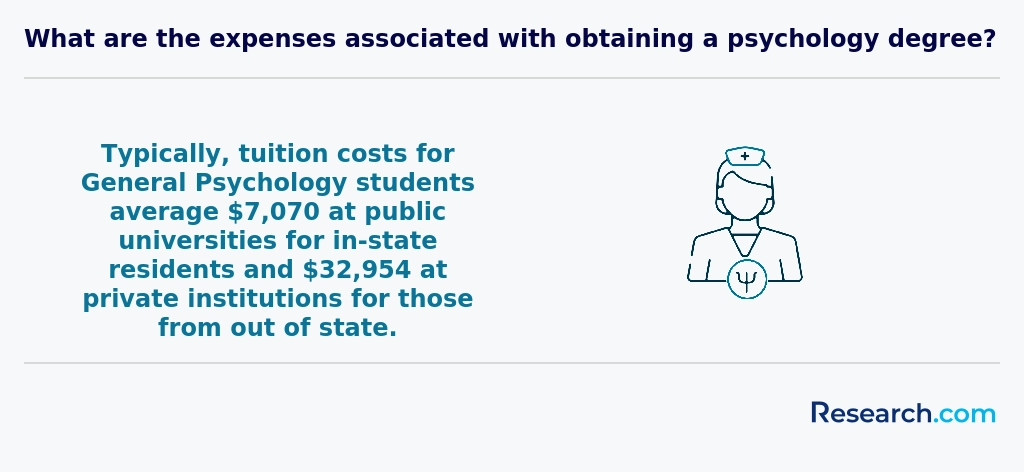
The average cost of a psychology degree in Alabama varies significantly depending on whether a student attends a public or private institution and their residency status. For in-state students enrolling in popular universities like the University of Alabama or Auburn University, the total median cost hovers around $12,132, reflecting generally affordable psychology degree programs Alabama offer. This cost captures tuition, fees, and additional expenses such as textbooks and living costs, which often challenge students seeking to balance academics and personal life.
Graduates from these public institutions often recall managing expenses by relying on scholarships and state aid, which can substantially offset tuition costs. The scenario differs for out-of-state students or those attending private universities, where total expenses may reach approximately $36,305, making the financial commitment much steeper. Such figures underscore the importance of thoughtful planning and exploration of all available financial aid options before committing. For students keen on online options, examining the cheapest online psychology schools in Alabama has proven useful in gaining a flexible and cost-effective education path without sacrificing quality or connection to Alabama's academic community.
Understanding the average cost of psychology degree in Alabama also involves recognizing that graduate programs typically carry higher tuition fees, reflecting their advanced curriculum and research opportunities. Those pursuing master's or doctoral programs can expect increased yearly costs but may find significant value in the specialized training and career prospects these degrees afford.
Accreditation ensures that psychology programs in Alabama meet rigorous standards for curriculum, faculty qualifications, and student outcomes-key indicators of quality for both employers and licensing boards. Prospective students should verify that their chosen institution is accredited by the Southern Association of Colleges and Schools Commission on Colleges (SACSCOC) and, for clinical or counseling tracks, holds programmatic accreditation from the American Psychological Association (APA). Attending an APA-accredited master’s or doctoral program is often a prerequisite for licensure and for eligibility to sit the Examination for Professional Practice in Psychology (EPPP). Key steps to professional licensure in Alabama: • Earn a degree from a SACSCOC- and, if required, APA-accredited institution. • Complete supervised practicum and internship hours (typically 1,500–2,000 hours) under a licensed psychologist. • Pass the EPPP, administered by the Association of State and Provincial Psychology Boards (ASPPB). • Apply for licensure with the Alabama Board of Examiners in Psychology, submitting official transcripts, EPPP scores, and verification of supervised experience. • Maintain continuing education credits (20 hours every two years) to renew licensure and stay current with best practices. Accreditation also facilitates academic mobility and credit transfer. For students who may consider relocating or comparing out-of-state options, exploring affordable programs beyond Alabama can be valuable-students can review our Low Cost Psychology Degree Programs Ranking in Virginia to identify additional accredited pathways. Ensuring proper accreditation and understanding licensure requirements upfront will streamline the transition from student to practicing professional.
Psychology students in Alabama can access various financial aid options tailored to ease the cost of education, which typically falls between $9,000 and $11,000 annually for in-state tuition. Graduates from institutions like the University of Alabama often share how completing the FAFSA was a crucial first step to unlock federal grants, loans, and work-study opportunities. For example, the Pell Grant can provide up to $7,895 for undergraduates with demonstrated need, significantly helping reduce tuition burdens.
State-specific support, such as the Alabama Student Assistance Program (ASAP), supplements federal aid by offering merit- and need-based awards, which many psychology majors find reassuring amid financial uncertainties. Departmental scholarships at Auburn University further enhance funding possibilities, rewarding academic excellence or leadership within psychology, which alumni recall as confidence boosters.
While federal loans provide manageable repayment plans, some psychology students caution against private loans due to higher interest rates and limited protections. Work-study programs also enable students to gain practical experience while earning, making the financial and educational journey more engaging and financially sustainable.
Upon completing a psychology degree in Alabama, aspiring professionals must navigate a structured licensure process to practice legally and uphold ethical standards. Understanding these requirements early ensures you choose the appropriate program and gain the necessary experience. 1. Educational Pathway • Bachelor’s Degree: Lay the groundwork with courses in research methods, statistics, and foundational psychology. • Graduate Degree: A master’s degree is required for many counselor roles; a doctoral degree (PhD or PsyD) is essential for licensure as a psychologist. 2. Supervised Experience • Post‐Degree Internship: Master’s candidates typically complete 2,000–3,000 hours of supervised clinical work under a licensed supervisor. • Doctoral Practicum and Internship: Doctoral students accrue similar supervised hours during their training, often embedded within university‐affiliated clinics. 3. Examination Requirements • EPPP (Examination for Professional Practice in Psychology): Developed by the Association of State and Provincial Psychology Boards (ASPPB), this exam assesses foundational knowledge and applied skills. • Alabama Jurisprudence Exam: A state‐specific test covering laws, regulations, and ethical codes governing psychological practice in Alabama. 4. State Board Application • Alabama Board of Examiners in Psychology: Submit official transcripts, verification of supervised hours, and exam scores. • Background Check and Fees: Complete a criminal background screening and pay licensing fees, typically ranging from $300 to $500. 5. Continuing Education • Renewal Cycle: Licenses renew every two years; psychologists must complete 40 hours of approved continuing education, including ethics and cultural competency. • Specialty Certifications: Consider credentials such as Board Certification in Behavior Analysis (BCBA) or School Psychology Certification, which may require additional coursework and supervision. 6. Flexible Learning Options For professionals balancing work and education, accredited psychology online degree programs offer accelerated pathways, ensuring you meet academic and experiential requirements on a flexible schedule. By mapping out each step-from selecting an accredited program to fulfilling supervised hours and passing required exams-prospective psychologists can streamline their journey to licensure in Alabama, setting a strong foundation for a rewarding career in mental health.
Enrolling in a psychology degree in Alabama typically requires a high school diploma or GED, with many universities like the University of Alabama expecting applicants to have strong foundations in English, math, and science. Graduates often recall how completing introductory psychology or biology courses ahead of time helped them feel more confident and prepared when they began their programs. While some schools still require SAT or ACT scores, others have shifted to test-optional policies, reflecting a growing trend toward flexibility in admissions.
Graduate programs at institutions such as Auburn University usually expect a bachelor's degree with coursework in psychology fundamentals, statistics, and research methods. Many students appreciate how prior experience in internships or volunteer work in counseling strengthens their applications and deepens their understanding of clinical psychology's demands.
Positive experiences from Alabama State University graduates highlight that letters of recommendation and personal statements are critical, providing opportunities to showcase passion and commitment. Although GRE requirements are evolving, thorough preparation remains key to admission success.
Pursuing an online psychology degree in Alabama can be a cost-effective and flexible way to achieve academic and professional goals. The state is home to several institutions that offer affordable online psychology programs, catering to the needs of students who prefer the convenience of online learning. For those interested in exploring these options, visiting https://research.com/rankings/psychology/most-affordable-online-psychology-al as a link to cheapest online psychology schools in Alabama can provide valuable insights into the most affordable online psychology schools in Alabama, enabling students to make informed decisions about their educational investments. Many of these programs are designed to equip students with a comprehensive understanding of psychological principles, theories, and practices, preparing them for diverse career paths in fields such as counseling, social services, and research. By considering factors such as tuition costs, program reputation, and accreditation, students can find an online psychology program in Alabama that aligns with their budget and career aspirations.
Psychology degree programs in Alabama commonly include a core set of courses that build a robust foundation in understanding human behavior and mental processes. Graduates from well-known schools like the University of Alabama or Auburn University often reflect on how introductory classes such as Introduction to Psychology vividly introduced them to major theories and diverse research methods. This early exposure helps clarify concepts that they later encounter in more specialized courses.
Typical coursework covers areas like Developmental Psychology, which brings to life the experience of growth and change throughout someone's life, or Biological Psychology, where students explore the profound connection between brain function and everyday behaviors. Others recall the challenge and excitement of Cognitive Psychology classes that investigate memory and perception through practical studies.
Students also commonly take Social Psychology, a course that illuminates how individuals interact and influence one another within various social settings, a perspective especially relevant in community-focused Alabama towns. Abnormal Psychology and Research Methods rounds out the curriculum to equip students with both theoretical and applied knowledge needed for psychology careers.
Many programs offer hands-on learning through internships or capstone projects, allowing students to translate academic insights into real-world impact, fostering a deeper enthusiasm for their field right in Alabama's diverse educational environments.
Psychology degree specializations in Alabama commonly include clinical, counseling, industrial-organizational, developmental, and forensic psychology. Graduates from universities like the University of Alabama and Auburn University often describe their clinical psychology training as deeply rewarding, highlighting hands-on experience diagnosing mental health disorders in nearby community centers. This specialization's practical nature fosters strong emotional connections as students witness the impact of their work in real time.
Alternatively, some students drawn to wellness and preventative care appreciate the counseling psychology track, which prepares them for therapeutic roles emphasizing emotional support and resilience building. Industrial-organizational psychology is increasingly popular at Alabama's colleges, reflecting the state's employment needs; graduates speak positively about using psychology to improve workplace morale and productivity within regional businesses.
Developmental psychology attracts those fascinated by human growth across the lifespan, with students at institutions such as the University of South Alabama describing their year-long research projects on child and adolescent behavior as eye-opening. Meanwhile, forensic psychology, offered at select schools, challenges students to apply psychological principles within legal contexts, appealing to those interested in criminal justice careers.
These Alabama psychology program concentration options reflect diverse pathways, allowing students to align their studies with specific career goals. Meanwhile, for residents considering broader options, programs like the university of texas online psychology degree provide alternatives outside the state.
Choosing the best psychology degree in Alabama involves balancing personal goals with practical considerations. Graduates from popular universities like the University of Alabama in Tuscaloosa often highlight the value of programs with strong faculty expertise and research opportunities, which directly enhance career readiness. However, one must not assume that a higher tuition always equals better education; many affordable psychology degree programs in Alabama offer excellent learning environments and valuable internships, especially in urban centers such as Birmingham.
Accreditation remains a non-negotiable factor, ensuring that your degree will be recognized by employers and licensing boards. Some students emphasize how schools with connections to local mental health organizations provided hands-on experiences that transformed their understanding of psychological practice beyond textbooks. Meanwhile, flexibility is essential for those balancing work and study, with several options to explore hybrid or fully online formats, including respected psychology online degree programs.
Finally, it is wise to research not only cost and program content but also graduation and job placement rates. These indicators can reveal how well a school prepares its graduates for the realities of Alabama's job market in psychology, making your choice more grounded in tangible outcomes than assumptions.

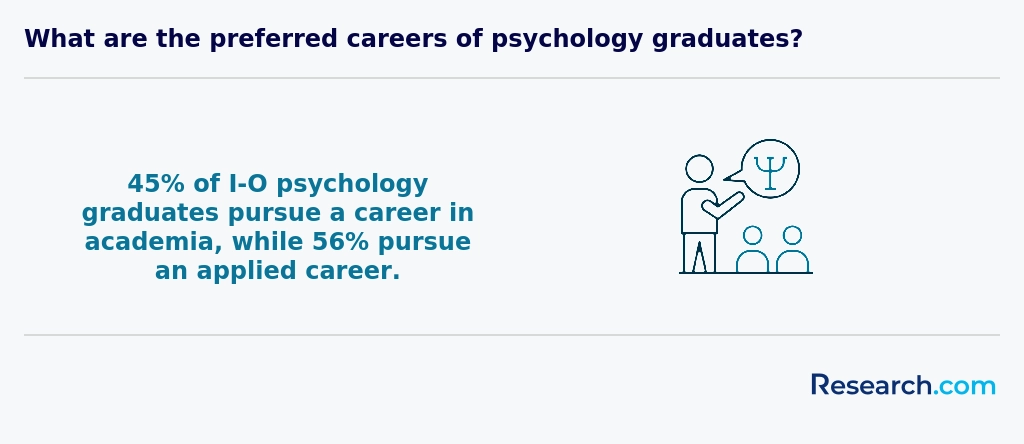
A psychology degree in Alabama unlocks diverse career paths, reflecting both the state's growing mental health needs and broad professional opportunities. Graduates from universities like the University of Alabama and Auburn University often pursue licensure as clinical psychologists or counselors, roles that demand a doctoral degree and state approval, enabling work in hospitals or private practice. For many, especially those valuing earlier workforce entry, becoming a licensed professional counselor or marriage and family therapist with a master's degree offers rewarding prospects, particularly because demand is sharply increasing in Alabama's rural communities.
Careers with a psychology degree in Alabama also extend to education and social services. Graduates may serve as school psychologists or counselors, though certification requirements can vary widely depending on local districts, which calls for careful planning. Some find meaningful roles in human resources or research at Alabama's academic institutions, where the focus might be on social psychology or behavioral neuroscience. The tangible impact of these roles often inspires graduates, who describe a deep sense of purpose when improving wellbeing within their communities.
Potential students interested in affordable education may want to explore the Low Cost Psychology Degree Programs Ranking in Virginia, as cost considerations remain vital. Practical insights from graduates highlight that Alabama's psychology degree job opportunities in Alabama balance academic rigor with a connection to community needs.
The psychology degree job outlook Alabama offers reflects steady growth fueled by expanding healthcare and social service sectors. Graduates from universities like the University of Alabama and Auburn University often find rewarding roles in clinical, school, or counseling psychology within metropolitan areas such as Birmingham and Huntsville, where demand for mental health professionals remains strong. Many graduates recall gaining valuable hands-on experience through internships at local counseling centers or rehabilitation programs, which enhanced their employment prospects in these competitive markets.
Job opportunities for those with bachelor's degrees typically involve supportive roles such as case management or research assistance, while advanced degrees are generally needed for clinical psychologist positions. Several students from Alabama universities have highlighted that the relatively affordable tuition compared to national averages helped them focus on their career goals without excessive financial stress. Those interested might explore best accelerated online associate degrees as a stepping stone.
Considering Alabama psychology career opportunities involves weighing a rewarding professional path against varied salary ranges, often $75,000 to $85,000 median annually. Graduates in rural areas find the demand for mental health services especially promising, though pay scales and job availability can differ widely across the state. This nuanced reality encourages prospective students to research local conditions carefully while remaining optimistic about contributing positively to community mental health.
2027 Most Affordable Psychology Degree Programs Ranking in Alabama
Investing in your education is a significant decision that can shape your future, and the Research.com team understands the importance of making informed choices. To assist prospective students in Alabama, we have meticulously crafted the "2027 Most Affordable Psychology Degree Programs Ranking in Alabama." Our commitment to quality, credibility, and accuracy is reflected in the extensive research and analysis conducted to compile this ranking.
We utilized the following reputable data sources to ensure a comprehensive evaluation of psychology programs:
By exploring this ranking, readers will gain valuable insights into the most affordable and high-quality psychology degree options in Alabama, enabling smarter educational investments. For more details on our methodology, please visit our Research.com methodology page.

# 4 position
Talladega College
Bachelor of Arts in Psychology


Frequently Asked Questions About psychology
Psychology degree students in Alabama can maximize their learning by engaging actively in hands-on experiences such as internships and research projects. The state offers access to diverse mental health facilities and community programs, providing valuable real-world exposure. According to the Alabama Commission on Higher Education, many universities encourage students to join psychology clubs and volunteer, which enhances practical skills and networking opportunities.
Students should also consider utilizing campus resources like tutoring centers and academic advising to stay on track. Alabama's lower tuition rates enable some learners to take additional courses or attend workshops, broadening their expertise. Staying informed about the American Psychological Association's guidelines can further strengthen professional development.
The psychology field is constantly evolving, with several emerging niches gaining attention, especially for students pursuing degrees in Alabama. One fast-growing area is neuropsychology, which explores the connection between brain function and behavior. This niche aligns well with Alabama's increasing investment in healthcare and neuroscience research.
Another important specialization is forensic psychology. Alabama's legal system and growing interest in mental health assessments within courts make this area a promising option.
Additionally, health psychology is expanding, focusing on how psychological factors affect physical health, relevant in Alabama due to rising chronic illness rates.
Lastly, industrial-organizational psychology is developing as local industries seek to improve workplace efficiency and employee well-being.
After earning a psychology degree in Alabama, preparing for the job market involves several strategic steps. Graduates should consider gaining relevant experience through internships or supervised clinical hours, which are often required for state licensure, especially in counseling roles. According to the Alabama Board of Examiners in Psychology, clinical licensure demands 2,000 hours of supervised experience. Networking with local professionals and joining organizations like the Alabama Psychological Association can also enhance job prospects.
Developing strong research and data analysis skills is valuable since many psychology jobs demand familiarity with statistics and psychological assessment tools. Additionally, pursuing certification opportunities, such as Certified Rehabilitation Counselor, may open doors in specialized fields.
Understanding Alabama's healthcare and education landscapes helps identify employment opportunities, as many psychologists work in schools, hospitals, or private practice. Staying updated on evolving licensing requirements and regional demand trends can give graduates a competitive advantage.
Employers in Alabama highly value psychology graduates who possess strong analytical skills to interpret research data effectively. According to the Alabama State Department of Labor, critical thinking is essential for addressing complex behavioral challenges in clinical and organizational settings.
Communication skills, both written and verbal, rank among the top qualities employers seek. Psychologists must clearly explain findings to clients and collaborate with multidisciplinary teams.
In addition, proficiency in ethical decision-making and knowledge of state-specific mental health regulations is crucial, as Alabama has particular licensing requirements governed by the Alabama Board of Examiners in Psychology.
Finally, practical experience with data analysis software, such as SPSS or R, is increasingly important given the rise of evidence-based practice in psychology careers across Alabama.
Finding internships in Alabama relevant to a psychology degree involves several strategies tailored to the state's academic and professional landscape. Students should start by consulting their college's career services and psychology department, as many Alabama universities have partnerships with local clinics, hospitals, and community organizations.
In Alabama, agencies such as the Alabama Department of Mental Health and various nonprofit organizations offer internship opportunities. Additionally, sites like Handshake and the Alabama board of psychology's website can list openings suitable for students.
Networking through psychology faculty and local professional groups, such as the Alabama Psychological Association, also increases chances of securing internships. Internships often provide essential hands-on experience required for licensure in the state.
A psychology degree in Alabama opens doors to various career opportunities across healthcare, education, and business sectors. Graduates often find roles in counseling, human resources, and social services, fields showing steady job growth. According to the U.S. Bureau of Labor Statistics, Alabama's employment of psychologists is projected to grow by 6% between 2022 and 2032, matching the national average.
Advancement typically depends on education level; many leadership and specialized roles require a master's or doctorate. The University of Alabama reports alumni with advanced psychology degrees tend to earn 15-25% more than those with only a bachelor's.
Licensure is essential for clinical practice in Alabama, influencing career mobility significantly. Professional credentials enhance job prospects and enable practitioners to advance into private practice or administrative positions.
Studying for a psychology degree in Alabama equips students to work in interdisciplinary roles by integrating diverse fields such as healthcare, education, and social services. Programs emphasize collaboration skills and applied research methodologies, reflecting Alabama's growing demand for professionals who can navigate complex, multidisciplinary environments.
Many Alabama institutions partner with local hospitals, schools, and community organizations, offering practical experiences that prepare students for cross-sector teamwork. According to the Alabama Commission on Higher Education, psychology graduates who engage in internships demonstrate higher employment rates in fields like counseling, public health, and criminal justice.
The curriculum often includes courses in biology, sociology, and statistics, fostering a broad understanding essential for interdisciplinary roles. This well-rounded training helps graduates adapt to various professional settings where multiple expertise areas converge.
When choosing between a thesis and a non-thesis psychology degree program in Alabama, consider your career goals and learning preferences. Thesis programs typically require original research, ideal for students who plan to pursue doctoral studies or research roles. Non-thesis options focus on coursework and practical skills, suited for those aiming for applied psychology jobs. According to the Alabama Commission on Higher Education, about 40% of psychology graduate programs in the state offer thesis tracks, often with lower tuition but more time commitment. Understanding each program's structure and aligning it with your future plans is essential for making the right choice.
Students based in Alabama who wish to study psychology abroad have several options, often facilitated through their home institutions. Many universities in Alabama, including the University of Alabama and Auburn University, offer study abroad programs that allow psychology majors to earn credits overseas while gaining international experience.
Programs typically involve partnerships with universities in countries such as the United Kingdom, Australia, and Spain, where psychology curricula align with U.S. academic standards. These options provide exposure to diverse psychological perspectives and research methodologies.
Financial aid and scholarships are sometimes available to help Alabama students afford study abroad experiences, with resources found through the Alabama Commission on Higher Education. According to the National Center for Education Statistics, participation in study abroad among psychology students is growing nationally, reflecting increased value in global competencies within the field.
Students pursuing psychology degrees in Alabama have various part-time job options to enhance their education and gain practical experience. Common roles include research assistants at universities or mental health facilities, where students support data collection and analysis relevant to psychological studies. These positions offer valuable insight into research methodologies and may pay between $10 and $15 per hour, according to the Bureau of Labor Statistics.
Other opportunities include working as behavioral health technicians or psychiatric aides in clinics and hospitals. These roles involve assisting patients with daily activities and observing behaviors, providing hands-on experience in clinical settings. The Alabama Department of Mental Health reports steady demand for these positions.
Additionally, tutoring psychology or related subjects is a flexible option that reinforces students' knowledge while earning income. Many institutions and private organizations seek qualified tutors.
Psychology students in Alabama have access to a range of networking opportunities that enhance their academic and professional growth. Several universities, including the University of Alabama and Auburn University, host psychology clubs and honor societies such as Psi Chi. These organizations connect students with peers and faculty for mentorship and research collaboration.
Additionally, Alabama is home to the Alabama Psychological Association (APA), which offers student memberships, conferences, and workshops that enable direct contact with practicing psychologists across the state. Such events provide valuable insights into career paths and industry trends.
Internship placements and community partnerships in healthcare and social service agencies further expand networking possibilities. According to Alabama's Department of Labor, internship experiences significantly increase job prospects for psychology graduates in the region.
Alumni networks provide valuable support to psychology degree students in Alabama by creating connections between current students and experienced graduates. These networks can offer mentorship opportunities, which help students navigate academic challenges and career planning.
Networking through alumni helps students find internships and job placements, particularly in Alabama's growing mental health field. According to the Alabama Department of Labor, psychology-related jobs in the state are projected to increase by 13% through 2030, making professional contacts crucial.
Additionally, many Alabama universities host alumni events where students can build relationships that may lead to research collaborations or professional recommendations, enhancing career prospects after graduation.
Customizing a psychology degree program in Alabama allows students to align their education with specific career goals. Many Alabama universities offer various concentrations, such as clinical, counseling, or industrial-organizational psychology. These specializations help students focus on areas that match their interests.
Students can also choose electives and participate in internships relevant to their desired field. For example, Auburn University provides research opportunities in behavioral psychology, enhancing practical experience. Additionally, programs often allow flexibility in course selection, helping students build skills for jobs in counseling, education, or human services.
Consulting academic advisors is essential to tailor coursework effectively while considering licensing requirements in Alabama.
Psychology students in Alabama often face challenges related to limited funding and resources. Many public universities in the state have tight budgets, which can restrict access to advanced research facilities and internships. According to the National Center for Education Statistics, Alabama's psychology programs tend to have larger class sizes, which may reduce individual attention from faculty. Additionally, students must navigate rigorous coursework alongside clinical practicum requirements that demand significant time management skills. Licensing and certification post-graduation also present hurdles, as Alabama requires supervised hours that can delay career entry. Awareness of these challenges can help prospective students plan effectively.
With a psychology degree in Alabama, graduates can pursue several professional certifications to enhance their careers. One common path is obtaining licensure as a Licensed Professional Counselor (LPC). Alabama requires applicants to hold a master's degree in counseling or a related field and complete 3,000 hours of supervised clinical experience, according to the Alabama Board of Examiners in Counseling.
Another certification is becoming a Board Certified Behavior Analyst (BCBA), which is beneficial for those interested in applied behavior analysis. This requires specialized graduate coursework and supervised experience.
Additionally, psychology graduates can pursue certification as a Certified Rehabilitation Counselor (CRC), useful in vocational and rehabilitation services.
These certifications improve job prospects in Alabama's growing health and human services sectors, as reported by the Alabama Department of Labor.
When applying to psychology programs in Alabama, a strong application begins with a clear and focused personal statement. Highlight your passion for psychology and specific interests within the field, such as clinical, counseling, or research psychology. Admissions committees appreciate applicants who demonstrate knowledge of Alabama's mental health issues or relevant local research.
Academic records matter greatly; maintaining a GPA of 3.0 or higher, especially in psychology-related coursework, strengthens your candidacy. Many Alabama universities, including the University of Alabama, recommend submitting GRE scores, although this is becoming optional at some schools.
Additionally, secure strong letters of recommendation from professors or professionals familiar with your work ethic and skills. Finally, tailor your application to the specific program's strengths and values to enhance your chances.
The psychology career landscape in Alabama reflects broader global trends emphasizing versatility and interdisciplinary skills. According to the U.S. Bureau of Labor Statistics, psychology roles are expected to grow by 8% nationally from 2021 to 2031, driven by increased awareness of mental health worldwide. Alabama's institutions offer programs aligned with these demands, preparing students for roles such as clinical psychologists, counselors, and researchers.
Globally, psychology careers emphasize cultural competence and adaptability, important in Alabama's increasingly diverse population. Graduates often work in healthcare, education, and business sectors.
Sources like the Alabama Department of Labor highlight a regional demand for mental health professionals, mirroring international needs for psychological services in public health and organizational development.
Gaining practical experience while studying for a psychology degree in Alabama is essential for building skills and improving employability. Many universities in Alabama encourage students to participate in internships, which are often available through partnerships with local hospitals, mental health clinics, and social service agencies. These internships provide hands-on experience working with clients and support learning in real-world settings.
Service learning and volunteer opportunities also play a crucial role. Students can assist with research projects or community programs focused on mental health, which allows them to apply theoretical knowledge. According to the Alabama Commission on Higher Education, around 60% of psychology programs recommend or require practical experiences as part of the curriculum.
Additionally, some schools offer practicum courses where students engage in supervised clinical work. This prepares them for licensure and careers in counseling or clinical psychology. Overall, combining coursework with these experiences strengthens a student's professional profile before graduation.
Choosing the right concentration within a psychology degree program in Alabama involves evaluating your career goals and local employment trends. Popular concentrations include clinical, counseling, forensic, and industrial-organizational psychology. According to the Alabama Board of Examiners in Psychology, clinical psychology remains one of the most in-demand areas statewide, with steady job growth projected through 2030.
Consider programs accredited by the American Psychological Association (APA), as these often offer specialized tracks aligned with licensure requirements in Alabama. Additionally, think about whether you prefer research, therapy, or applied psychology roles, as concentrations vary in focus.
Review degree plans from schools like the University of Alabama and Auburn University, which provide diverse options and strong internship connections.
- 2027 Most Affordable Psychology Degree Programs Ranking in Mississippi
- 2027 Most Affordable Psychology Degree Programs Ranking in Tennessee
- 2027 Most Affordable Psychology Degree Programs Ranking in South Carolina
- 2027 Most Affordable Psychology Degree Programs Ranking in North Carolina
- 2027 Most Affordable Psychology Degree Programs Ranking in Texas
- 2027 Most Affordable Psychology Degree Programs Ranking in Virginia
- 2027 Most Affordable Psychology Degree Programs Ranking in West Virginia
- 2027 Most Affordable Psychology Degree Programs Ranking in Pennsylvania
- 2027 Most Affordable Psychology Degree Programs Ranking in Wisconsin
- 2027 Most Affordable Psychology Degree Programs Ranking in South Dakota
See What Experts Have To Say About Studying Psychology
Read our interview with Psychology experts

Joann Farrell Quinn, Ph.D., MBA
Psychology Expert
Director at the College of Medicine Department of Medical Education
Morsani College of Medicine

Catherine Caldwell-Harris, Ph.D.
Psychology Expert
Associate Professor of Psychology
Boston University

Robin M. Kowalski. Ph.D.
Psychology Expert
Professor of Psychology
Clemson University

- Staying connected, made simple: how associations and alumni networks grow with Socie - Socie App https://socie.eu/staying-connected-made-simple-how-associations-and-alumni-networks-grow-with-socie/
- Society for the Teaching of Psychology https://teachpsych.org/page-1784686/8675326
- Licensure Requirements For Psychologists In Alabama https://www.psychology.org/online-degrees/alabama/
- Call for papers https://www.hogrefe.com/us/journal/international-perspectives-in-psychology-research-practice-consultation
- Why Get a Psychology Degree Online? | University of Bridgeport https://www.bridgeport.edu/news/reasons-to-get-your-psychology-degree-online/
- Alabama Psychology Licensure Requirements https://www.psychologydegree411.com/licensure/alabama/
- How to Become a Psychologist in Alabama | A Step by Step Plan for AL | Psychologist-License.com https://www.psychologist-license.com/psychologist-requirements/alabama-psychologist/
- How to help students cope with mental health challenges https://www.eaie.org/resource/help-students-cope-mental-health-challenges.html
- Study Psychology Abroad | Go Overseas https://www.gooverseas.com/study-abroad/psychology
- Sample letters in psychology https://www.mystudies.com/en-in/human-and-social-sciences/psychology/letter-model/


