
2027 Most Affordable Psychology Degree Programs Ranking in Kansas

Co-Founder and Chief Data Scientist
For students in Kansas exploring options for psychology degrees, finding the right program can feel overwhelming. This article introduces the 2027 Most Affordable Psychology Degree Programs Ranking in Kansas, developed by the Research.com team of data scientists to guide your decision.
By reading this ranking, you'll discover affordable programs that balance quality and cost, helping you invest wisely in your education. Earning a psychology degree opens doors to meaningful careers and personal growth, making your journey both rewarding and inspiring.
Key benefits of getting psychology degree in Kansas
- Salary potential: Psychology graduates in Kansas can earn competitive salaries, such as a Marketing Research Analyst earning a mean annual wage of $83,190 or a Human Resources Specialist earning around $76,060, reflecting strong financial prospects.
- Career paths: Graduates often find diverse roles like Clinical Research Associate or Survey Researcher, allowing for fulfilling work in healthcare, research, or corporate sectors, which makes the degree very versatile.
- Online degree benefits: Earning a psychology degree online from a respected Kansas university offers flexible scheduling and the convenience to balance work or family, helping many students achieve their dreams without disrupting their lives.
- 2027 Most Affordable Psychology Degree Programs Ranking in Kansas
- What can I expect from psychology degree in Kansas?
- Where can I work with psychology degree in Kansas?
What can I expect from psychology degree in Kansas?
When it comes to the cost of a psychology degree in Kansas, you'll find that tuition can vary quite a bit depending on the school you choose. Public universities like the University of Kansas and Kansas State University usually offer more affordable rates for in-state students, with annual tuition often ranging between $10,000 and $15,000. Many psychology students at these schools mention feeling relieved knowing they can balance quality education with manageable costs.
Private colleges tend to be pricier, sometimes hitting $25,000 or more per year, but graduates often say the smaller class sizes and personalized attention make it worth it. Plus, there are scholarships and financial aid options that students from places like Wichita State University often tap into, which help ease the burden.
Community colleges offer even cheaper pathways to get started, perfect for those wanting to save money before transferring to a bigger university. Overall, many students share that investing in their Kansas psychology degree feels right, especially with so many hands-on opportunities that prepare them well for their future careers.
Where can I work with psychology degree in Kansas?
If you're wondering where a psychology degree in Kansas can take you, there's actually a lot of cool options. Graduates from places like the University of Kansas often end up working in mental health services, community centers, or even local hospitals, helping people through counseling or behavioral health roles. It feels great knowing you're making a real difference in people's lives around your own community.
Some grads find rewarding jobs in Kansas public schools as school psychologists or behavioral specialists, helping students who have learning or emotional challenges. Imagine working in Wichita's school district, supporting kids every day-that's pretty inspiring. Others use their psychology know-how in business settings around Kansas City, helping companies train employees or understand customer behavior better.
And if you're into research, universities like Kansas State offer chances to dive deep into projects or prep for higher degrees. Many psychology grads love how their degree can open doors to clinical work, teaching, or research-all while staying local and close to the people they grew up with.
If you're wrapping up a psychology degree in Kansas, you might be wondering how much cash you can realistically bring in. Graduates landing jobs as human resources specialists make around $76,000 a year, which is pretty decent for starting out. Those who dive into marketing research gigs can pull in about $83,000 annually-ideal if you love blending psychology with business smarts.
Some grads find themselves working as clinical research associates or survey researchers, earning close to $62,000 per year. It's not top-tier yet, but still solid pay while you build experience. And if you're just getting started with support roles like childcare work, expect closer to $32,000 annually-great for gaining exposure post-college.
Picture a recent psychology graduate from the University of Kansas snagging a human resources role at a local company and feeling proud of that $76K paycheck. Or imagine a Washburn University grad combining psychology and marketing skills to reach an $83K salary. This kind of income really shows how versatile psychology degrees are around Kansas, blending education with real-world opportunities that feel rewarding and motivating.
- Undergraduate tuition at public universities in Kansas ranges from $9,000 to $11,000 per year, while private schools can exceed $25,000 annually.
- Graduate psychology programs, including master's and doctoral levels, typically cost between $12,000 and $30,000 per year.
- The average starting salary for psychology graduates in Kansas is about $45,000, increasing to $70,000 or more with experience and advanced degrees.
- Job opportunities exist in mental health clinics, schools, social services, and private practice, with a projected job growth rate of around 8% over the next decade.
- State licensure requires a doctoral degree, supervised clinical hours, and passing the Examination for Professional Practice in Psychology (EPPP).
If you're thinking about studying psychology in Kansas, expect about four years to finish a bachelor's degree if you're going full-time. Graduates from schools like the University of Kansas often mention how those years fly by, packed with interesting classes like research methods and statistics that really open your mind.
For those ready to dig deeper, a master's degree usually takes another two years after that. Students at institutions such as Wichita State University find these programs super focused and rewarding, especially when they get to specialize in areas like counseling or clinical psychology.
Going for a doctoral degree in Kansas is a bigger commitment, often lasting anywhere from four to seven years post-bachelor's. Graduates from these programs talk about the challenge of balancing coursework, research, and hands-on clinical work, but also the excitement of contributing original research to the field.
Many students appreciate flexible options like part-time studies or combined bachelor's and master's tracks that some Kansas colleges offer, helping them finish sooner while managing work or family life.
- A bachelor's degree in psychology: approximately 4 years
- A master's degree in psychology: approximately 2 years post-bachelor's
- A doctoral degree (Ph.D. or Psy.D.): 4 to 7 years post-bachelor's
While traditional Psychology degree programs in Kansas offer a solid foundation, many ambitious professionals find success through alternative routes that bypass the conventional education path. For those who are eager to jumpstart their careers in mental health but may not meet the standard prerequisites, there are viable training programs, certifications, and on-the-job learning opportunities that build practical skills and industry credibility. These alternative pathways often combine specialized workshops, mentorship programs, and online coursework to equip individuals with the necessary competencies to work as therapists. For instance, if you’re exploring non-traditional options, you can read about how to become a therapist without psychology degree to discover tailored advice and success stories from professionals who excelled in the field without a conventional degree background. This approach not only enables faster entry into the workforce but also provides flexibility for career changers and those who seek a balance between education and practical experience. Emphasizing experiential learning and continuous professional development, alternative pathways ensure that dedicated individuals can effectively meet the growing demand for quality mental health services in Kansas.
If you're thinking about a psychology degree in Kansas, the main difference between online and on-campus programs comes down to how you learn and live your student life. On-campus programs, like those at the University of Kansas, mean you're right there on campus, chatting face-to-face with professors, hanging out in psychology labs, and meeting classmates between lectures. That's a huge plus if you love that hands-on vibe and want to dive into research projects or internships around Lawrence or Kansas City.
Online programs, such as Fort Hays State University's, offer way more flexibility. You can study late at night or squeeze in work and family while earning your degree. It's perfect if you live in a smaller town or have a busy schedule. Graduates often mention how they appreciated avoiding the commute and still getting quality education, even if practicing in-person group work felt a bit different.
Both paths prepare you well for licensing and grad school in Kansas, but your choice really depends on what kind of college life fits you best.
After earning a psychology degree, obtaining state licensure is essential for independent practice in Kansas. The Kansas Behavioral Sciences Regulatory Board (BSRB) oversees licensure for psychologists, licensed psychological associates (LPAs), and licensed specialists in school psychology (LSSPs). To become a Licensed Psychologist, candidates must: • Complete a doctoral degree in psychology from an APA-accredited program or its equivalent. Many professionals start with an APA-approved master’s-find budget-friendly options through our Most Affordable Online Master's in Psychology Degree Programs Ranking in the West. • Accrue at least 3,500 hours of supervised experience post-doctoral or 3,000 hours with a doctoral trajectory, under a licensed psychologist. • Pass the Examination for Professional Practice in Psychology (EPPP) with a minimum score of 500. • Successfully complete the Kansas Oral Examination, administered by the BSRB, which assesses ethical standards and clinical competencies specific to Kansas statutes. • Submit official transcripts, verification of supervised experience, and complete the BSRB application, including background checks and fees. For those pursuing licensure as a Licensed Psychological Associate (LPA), requirements include a master’s in psychology, 2,000 hours of supervised experience, and a passing score on the EPPP. School psychologists must hold an approved specialist-level degree, complete 1,200 hours of supervised internship in an educational setting, and pass both the EPPP and the Kansas Professional School Psychology Examination. Maintaining licensure requires 40 hours of continuing education every two years, with mandatory ethics and Kansas law credits. Staying informed about changes in BSRB regulations ensures seamless career progression and compliance with state standards.
Thinking about the average cost of a psychology degree in Kansas? Well, it typically hovers around $38,816 for most students, whether you're coming from out of state or just staying in. But what's really interesting is how in-state students can snag a degree for much less, around $13,296, which makes attending a local university a smart choice to keep expenses down. Graduates from popular Kansas schools often share how affordable tuition made it easier to focus on studies rather than stressing about bills.
For many students, especially those eyeing affordable psychology degree programs Kansas 2027 offers a wide range of options. Public universities in cities like Lawrence or Wichita often provide solid programs at prices that won't break the bank, which makes pursuing your passion for psychology feel a lot more doable. Some graduates mention loving the balance of quality and cost, especially when schools offer financial aid or scholarships.
Don't forget about extra costs-things like textbooks, lab fees, and living expenses can add up. But if you want to explore further, the cheapest online psychology school in Kansas might help you save even more while studying comfortably from home.
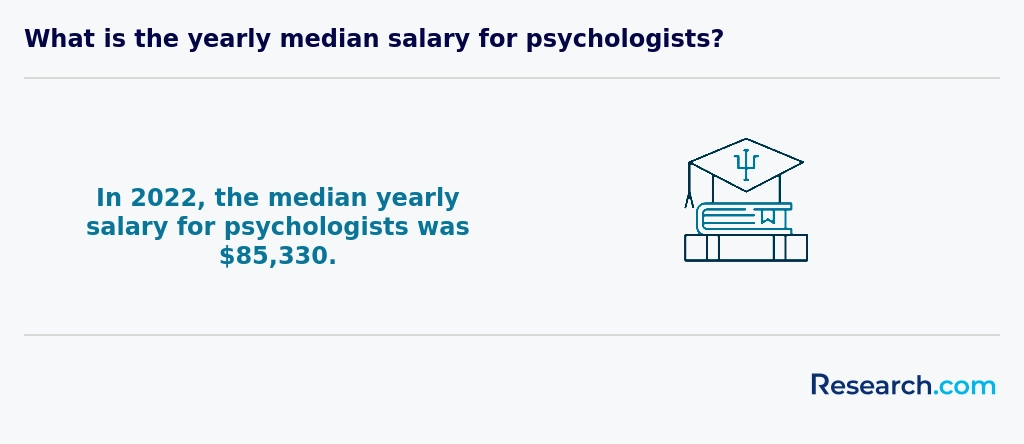
To make informed decisions about their education, prospective students in Kansas should consider the financial aspects of pursuing a psychology degree. One crucial factor is the cost of tuition, which can vary significantly depending on the institution and whether the student is in-state or out-of-state. For instance, in-state students attending public colleges can expect an average tuition of approximately $7,070 per year, while out-of-state students may face higher costs, averaging around $32,954 annually. It's also worth noting that students can explore options for the cheapest online psychology school in Kansas to find a program that fits their budget and career goals. By understanding these financial considerations and exploring available financial aid options, students can navigate the costs associated with a psychology degree in Kansas and focus on their passion for psychology without overwhelming financial strain.
If you're studying psychology in Kansas, there's actually a good mix of financial aid options to help keep costs manageable. For example, lots of students at the University of Kansas or Wichita State University fill out the FAFSA to tap into federal aid like Pell Grants, which don't have to be paid back. That can cover a big chunk of tuition and fees, easing the stress of money worries.
On top of that, Kansas offers state grants like the Kansas Comprehensive Grant that many psychology students qualify for, especially if you're a resident. These can really add up and make a difference in your budget. Some students even score merit scholarships if they've got strong grades in their psychology courses or related fields.
It's not all just about grants, either. Campus jobs through work-study programs give you a chance to earn cash while gaining experience - a win-win, especially at places like Emporia State. Plenty of grads talked about how juggling a part-time campus job helped them stay afloat without drowning in debt.
And don't overlook the smaller, local scholarships targeted toward future counselors or therapists-foundations and psychology associations often offer these. Many Kansas psychology students find these opportunities by digging around early and staying on top of deadlines. It really pays off!
When planning to advance your psychology career, it’s essential to weigh the cost of graduate study against potential salary gains. One of the first questions students ask is how much does a masters in psychology cost, and the answer varies by institution, format, and residency status. On average, in-state tuition for a master’s program in Kansas ranges from $8,000 to $15,000 per year, while private and out-of-state rates can exceed $25,000 annually. To assess value, consider the estimated return on investment (ROI): • Median Starting Salary: Graduates with a master’s in psychology typically earn between $60,000 and $75,000 per year in clinical or organizational roles. • Payback Period: By comparing total tuition costs-including fees and living expenses-with projected earnings, many students recoup their investment within 3 to 5 years post-graduation. • Funding Opportunities: Scholarships, assistantships, and state grants can reduce net costs by up to 40%, accelerating ROI and minimizing debt burdens. Beyond raw figures, ROI also reflects career satisfaction and advancement potential. Master’s holders often qualify for supervisory positions, higher licensing tiers, and specialized roles (e.g., school psychologist, mental health counselor) that command premium wages. When evaluating programs, factor in cohort size, practicum placements, and alumni placement rates-metrics that influence the speed at which you’ll realize financial and professional returns. By analyzing both direct costs and long-term benefits, prospective students can choose a graduate program that aligns with their budget, career goals, and commitment to lifelong professional growth.
If you're thinking about studying psychology in Kansas, you'll want to know what schools expect before you even apply. Most universities, like Kansas State University, want you to have finished high school or have a GED. They usually look for a decent GPA-around 2.5 to 3.0-which shows you're ready to hit the books hard in college.
Some places still ask for SAT or ACT scores, but a lot have dropped those or made them optional. Either way, good test scores can definitely give your application a boost if you're aiming for the more competitive programs.
Once you're in, you'll probably take some must-have classes like intro psychology, stats, biology, and maybe sociology before moving on to the fun stuff. For grad school, it's a bit tougher: you'll need a bachelor's degree and a GPA of 3.0 or higher, plus some research or internship experience-something the University of Kansas really values, especially in their Clinical Psychology PhD program.

Understanding the licensure process is crucial for psychology graduates aiming to practice professionally in Kansas. The Kansas Behavioral Sciences Regulatory Board (BSRB) oversees licensure for psychologists, ensuring candidates meet education, supervised experience, and examination standards. Here’s what you need to know: Education and Degree Requirements • Hold a master’s degree or doctoral degree in psychology from a regionally accredited institution. Many students opt for programs that combine rigorous curriculum with affordability-see our Most Affordable Online Master's in Psychology Degree Programs Ranking in the West for comparison. • Complete at least 60 semester hours of graduate coursework, including core psychology subjects and practicum experiences. Supervised Experience • Accumulate a minimum of 3,000 hours of supervised professional experience post-degree: – 1,500 hours in direct client contact under a licensed psychologist’s supervision – 1,500 hours of additional supervised practice, which can include assessment, research, teaching, or administrative activities • Supervision must meet BSRB guidelines regarding supervisor credentials, ratio, and documentation. Examination and Application • Pass the Examination for Professional Practice in Psychology (EPPP) with a minimum score set by the BSRB. • Submit a licensure application, official transcripts, verification of supervised experience, and examination scores to the BSRB. • Pay application and application review fees; processing typically takes 8–12 weeks. Maintaining Your License • Complete 40 hours of continuing education every two years, including at least six hours in ethics. • Renew your license biennially through the BSRB portal and keep documentation of all CE activities. By familiarizing yourself with these requirements early, you can align your academic choices-such as practicum placements and program specializations-with Kansas licensure standards, ensuring a smoother transition from graduation to professional practice.
If you're thinking about studying psychology in Kansas, expect to dive into courses that really get you thinking about how people tick. Graduates from universities like the University of Kansas often mention loving their Introduction to Psychology class-it's where you get the basics of what makes humans behave the way they do. Then there's Developmental Psychology, which paints a clear picture of how we grow from babies to adults, making those lectures feel surprisingly personal.
Many students find Abnormal Psychology super eye-opening because it breaks down mental health conditions and how therapists help, which gets you ready if you want to support others someday. Research Methods and Statistics for Psychology are a must, too-they might sound dry, but they teach you how to actually study behavior scientifically, which adds a real "aha" moment when you see how data tells a story.
Plus, classes like Social Psychology and Cognitive Psychology help you understand everything from why people follow trends to how memories work. Folks from Kansas State University also highlight courses on Personality and Counseling Techniques-it's where the theory turns into real-world skills, great for those aiming to work directly with people.
If you're eyeing a psychology degree in Kansas, you'll find plenty of cool specialization options that really tailor your studies to what excites you most. Graduates from popular Kansas universities often share how choosing clinical psychology helped them dive deep into understanding mental health, prepping them for hands-on therapy work. Others find counseling psychology a great fit if they want to support people through life's challenges, especially in community or school settings.
School psychology is another favorite for those who love working with kids and teens inside Kansas schools, focusing on everything from learning assessments to behavior intervention. For students pumped about workplace dynamics, industrial-organizational psychology in Kansas programs links you to real business challenges, like boosting employee motivation or improving team productivity.
Plus, if you're thinking long term, some graduate programs in Kansas explore emerging fields like neuropsychology or health psychology. Note that these routes might invite you to check out how to become a therapist without psychology degree options too. Overall, the range of psychology degree specializations in Kansas is broad and perfect for tailoring your journey to your passions.
Kansas psychology program concentration options really help students pick paths that fit their dream careers and the state's growing needs, making it easy to feel excited and confident about what comes next.
Picking the best psychology degree in Kansas really comes down to what fits your goals and lifestyle. For example, some graduates from the University of Kansas loved how they could dive into research projects with passionate faculty, which made their education feel super relevant and exciting. Meanwhile, students at other schools appreciated flexible program formats-like online and hybrid options-that balanced perfectly with work or family. If you're eyeing clinical licensure, make sure the program has strong practicum or internship opportunities, as Kansas schools are pretty thorough about hands-on experience.
Costs vary a lot too. Public universities here usually charge in-state tuition between $8,000 and $10,000 a year, while private schools can run $20,000 to $35,000. Many students find relief through scholarships or financial aid, while exploring how much does a masters in psychology cost can help plan your budget better. Finding affordable psychology degree programs in Kansas is totally doable once you weigh all these factors.
Don't forget to check the reputation and outcomes of the best psychology schools in Kansas, including graduation rates and job placement. Hearing from graduates who secured good jobs or passed licensure exams confidently can really boost your peace of mind and motivation.
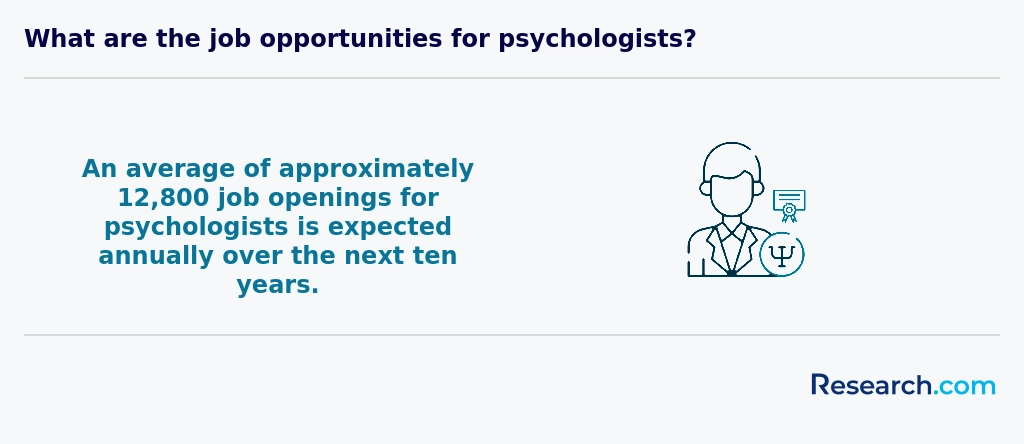
Graduates with a psychology degree in Kansas find themselves with plenty of options depending on what excites them most. Many dive into mental health roles like becoming licensed professional counselors or clinical psychologists, especially since Kansas has clear licensing paths for these careers. Others who enjoyed their time at schools like the University of Kansas or Wichita State University find fulfilling work as school psychologists, helping students navigate emotional and behavioral challenges. If you're more into the business side of things, industrial-organizational psychology offers a way to boost workplace vibes and productivity at local companies.
For those curious about research or academic jobs, Kansas universities provide opportunities to work on behavioral studies, sometimes as research assistants or coordinators. It's a great way to get hands-on experience while considering advanced degrees. Many grads mention how affordable programs here helped them pursue these paths without breaking the bank, with in-state tuition often coming in lower than the national average. If you want to explore options further, check out the Most Affordable Online Master's in Psychology Degree Programs Ranking in the West.
Job opportunities with psychology degree Kansas graduates often talk about include roles like mental health counselor or clinical psychologist, school psychologist, industrial-organizational psychologist, research assistant, and even human resources specialists focusing on psychology-all exciting paths worth considering.
Getting into the job market with a psychology degree in Kansas feels promising, especially if you're studying at well-known schools like the University of Kansas or Kansas State University. Graduates often find themselves working in healthcare settings, schools, or social service agencies, where the demand for mental health professionals has been on a steady uptrend. Many grads share that after completing their degrees, the real boost came with gaining licensure through the Kansas Behavioral Sciences Regulatory Board, which opened doors to better-paying clinical jobs.
Employment outlook for psychology graduates Kansas shows steady growth around 10-14%, so those degrees tend to lead to solid job opportunities. Salaries vary-someone with a master's degree might start around $60,000, while doctorate holders can earn over $90,000 annually. For bachelor's degree holders, entry-level options are limited, but many take advantage of certificates for good paying jobs to improve their chances.
2027 Most Affordable Psychology Degree Programs Ranking in Kansas
Investing in your education is a significant decision that can shape your future, and the Research.com team understands the importance of making informed choices. To assist prospective students in Kansas, we have meticulously crafted the "2027 Most Affordable Psychology Degree Programs Ranking in Kansas." Our commitment to quality, credibility, and accuracy is reflected in the extensive research and analysis conducted to compile this ranking.
We utilized the following reputable data sources to ensure a comprehensive evaluation of psychology degree programs:
By exploring this ranking, readers will gain valuable insights into the most affordable psychology degree programs available in Kansas, helping them make informed decisions about their educational investments. For more details on our methodology, please visit our Research.com methodology page.


# 8 position
Kansas Christian College
Bachelor of Science in Psychology


# 17 position
Ottawa University-Online
Master of Science in Psychology

# 18 position
Ottawa University-Online
Bachelor of Psychology

# 20 position
Washburn University
Bachelor of Arts in Psychology

Frequently Asked Questions About psychology
Psychology degree students in Kansas can maximize their learning experience by actively engaging in both academic and practical opportunities. Many Kansas universities offer internships and research assistant positions, allowing students to apply theoretical knowledge in real-world settings. According to the Kansas Board of Regents, gaining hands-on experience is key to skill development and employability.
Students should also take advantage of networking events and professional psychology organizations such as the Kansas Psychological Association. Regularly attending conferences and workshops helps build connections and stay informed about the latest research trends.
Additionally, utilizing campus resources like tutoring centers and study groups strengthens understanding of complex psychological concepts.
The psychology field is evolving rapidly, with several emerging niches gaining attention in Kansas. One growing area is health psychology, focusing on how behavior and mental well-being influence physical health. This niche is particularly relevant as Kansas responds to rising chronic illness rates, such as diabetes and heart disease.
Another expanding specialty is neuropsychology, which studies the brain-behavior relationship, helping patients with brain injuries or neurological conditions. Kansas healthcare centers are increasingly employing neuropsychologists to support rehabilitation.
Additionally, forensic psychology is gaining prominence due to rising demand for mental health expertise in legal contexts. The Kansas Department of Corrections and local courts often seek professionals for assessment and consultation.
These niches offer promising career paths backed by local healthcare and legal industry needs, making them attractive options for psychology students in Kansas.
Preparing for the job market after earning a psychology degree in Kansas involves strategic planning and skill development. Graduates should seek internships or practicum experiences during their studies to gain practical knowledge and improve their resumes. Kansas has a growing need for mental health professionals, with a projected 12% increase in clinical and counseling psychologists through 2030, according to the U.S. Bureau of Labor Statistics.
Networking with local professionals and joining organizations like the Kansas Psychological Association can provide valuable connections and job leads. Additionally, obtaining state licensure is crucial for clinical roles, requiring supervised experience and passing the Examination for Professional Practice in Psychology.
Employers in Kansas highly value psychology degree graduates who demonstrate strong analytical skills. Being able to interpret data and apply research methods is essential for roles in clinical and counseling settings. According to the Kansas Board of Regents, graduates with proficiency in statistical software and critical thinking are preferred.
Communication skills are also top priorities. Employers seek candidates who can clearly explain psychological concepts to diverse audiences and collaborate with multidisciplinary teams. Additionally, cultural competence is increasingly important given Kansas's diverse population, helping professionals connect effectively with clients from various backgrounds.
Finally, ethical judgment and a solid understanding of mental health laws in Kansas are crucial. These skills ensure graduates can responsibly handle sensitive information and adhere to local regulations, preparing them for the state's licensing requirements.
Finding psychology internships in Kansas involves several strategic steps. First, students should explore university career centers and psychology department resources, as many Kansas colleges maintain partnerships with local healthcare facilities and counseling centers. For instance, the University of Kansas and Wichita State University often list internship opportunities related to clinical and counseling psychology.
Local organizations such as the Kansas Psychological Association provide members with internship listings and networking events. Additionally, students can search for openings at hospitals, community mental health agencies, and school districts, which frequently offer practical experience relevant to psychology majors.
According to the Bureau of Labor Statistics, Kansas employed approximately 3,200 psychologists in 2023, indicating a steady demand for trained professionals. Leveraging these internships can enhance practical skills and improve employment prospects in the state.
A psychology degree in Kansas can significantly enhance career mobility and advancement opportunities. The state's growing healthcare and social service sectors increasingly value professionals with psychology backgrounds. According to the Kansas Department of Labor, employment for mental health counselors and social workers is projected to grow by over 15% between 2022 and 2032, which underscores the demand for qualified graduates.
Graduates with a psychology degree often qualify for various roles, including counseling, human resources, and research positions. Advanced degrees further open doors to specialized roles, such as licensed psychologists or clinical supervisors.
Institutions like the University of Kansas and Wichita State University offer accredited psychology programs that align well with licensure and certification requirements, supporting professional growth.
Studying for a psychology degree in Kansas equips students with skills applicable across multiple disciplines. Kansas programs often emphasize collaboration between psychology and fields such as education, health sciences, and social work. This prepares graduates to work effectively in interdisciplinary teams, a growing requirement in many professional settings.
Universities in Kansas, like the University of Kansas and Kansas State University, offer coursework and research opportunities that integrate psychology with public health, counseling, and business. According to the Kansas Board of Regents, nearly 60% of psychology graduates engage in roles involving cross-disciplinary communication and problem-solving.
Students gain practical experience through internships and community partnerships, enhancing their ability to address complex issues from varied perspectives. This approach aligns with national trends emphasizing interdisciplinary expertise for psychology professionals.
Choosing between a thesis and a non-thesis psychology degree program in Kansas depends largely on your career goals and learning preferences. Thesis programs focus on original research, which is ideal if you plan to pursue a doctoral degree or a research career. Non-thesis options often emphasize coursework and practical experience, suited for students seeking to enter the workforce more quickly.
According to the Kansas Board of Regents, about 40% of psychology graduate students opt for thesis tracks to strengthen their research skills. Consider the time commitment: thesis programs typically require an additional semester or more. Weighing the cost and your interest in research will help you make a well-informed choice.
Students based in Kansas seeking to study psychology abroad have several pathways through partnerships and exchange programs facilitated by their home institutions. Universities like the University of Kansas and Kansas State University offer study abroad opportunities in countries such as the United Kingdom, Canada, and Australia. These programs often include coursework in psychology that can be transferred back to the student's degree program.
According to the Institute of International Education, around 3% of U.S. college students participate in study abroad programs, with humanities and social sciences-including psychology-among the popular fields. Kansas institutions frequently guide psychology students toward global research internships and service-learning abroad, enhancing their cross-cultural competencies.
Additionally, students may pursue summer programs or short-term courses offered by partner universities overseas, allowing them to gain international exposure without extending their degree timeline. It is important to consult advisors early to ensure credits meet Kansas higher education standards.
Part-time jobs in Kansas that complement psychology degree education often involve roles focused on human behavior, mental health, and research assistance. Many students find opportunities as behavioral health technicians or psychiatric aides in hospitals and clinics, gaining practical experience while earning income.
Research assistant positions at universities such as the University of Kansas provide valuable exposure to psychological studies, statistics, and data collection methods. These roles often pay around $12-$15 per hour according to regional job listings.
Additionally, roles in social service agencies or community centers offer experience in counseling support and client interaction. The Kansas Department for Aging and Disability Services frequently employs part-time aides who assist with developmental disability services, aligning well with psychology students' academic focus.
Psychology students in Kansas benefit from several strong networking opportunities that can support their academic and professional growth. Many universities, including the University of Kansas and Kansas State University, host psychology clubs and honor societies like Psi Chi, which facilitate connections among peers and faculty. These organizations often sponsor guest lectures, workshops, and career fairs dedicated to psychology fields.
Students also have access to regional events, such as the Kansas Psychological Association's annual convention, which draws professionals from across the state. This offers valuable chances to meet practicing psychologists, researchers, and potential employers.
Internships and research assistant positions at Kansas hospitals, schools, and community agencies further enhance networking while providing practical experience.
Alumni networks provide valuable support for psychology degree students in Kansas by connecting them with graduates who have firsthand experience in the field. These networks often offer mentorship opportunities, where current students can receive guidance on internships, job searches, and graduate school applications. According to the Kansas Board of Regents, universities with strong alumni engagement see higher employment rates among psychology graduates within six months of program completion.
Networking events and workshops arranged by alumni associations help students build professional contacts essential in competitive fields like clinical or counseling psychology. This community support complements academic learning and can lead to career opportunities statewide. Furthermore, many Kansas institutions maintain active online platforms enabling students to access resources and advice from seasoned professionals across the state.
Customizing a psychology degree program in Kansas involves selecting courses and specializations that align with your career goals. Many Kansas universities offer concentrations in areas like clinical psychology, counseling, or industrial-organizational psychology, allowing students to tailor their studies accordingly. For example, Kansas State University provides elective options to focus on behavioral neuroscience or social psychology. Additionally, internships and research opportunities within the state can enhance practical experience, which is essential for licensure or advanced studies. According to the Kansas Board of Regents, nearly 60% of psychology graduates pursue roles requiring specialized credentials, emphasizing the importance of targeted coursework. Exploring these options early helps ensure your education meets professional standards.
Psychology students in Kansas often face several challenges that can affect their academic progress. One major hurdle is limited access to local internship and practicum sites, which are essential for gaining hands-on experience. Rural areas in Kansas sometimes lack diverse clinical settings, making it harder for students to find suitable placements.
Another common challenge relates to financial constraints. According to the National Center for Education Statistics, the average annual tuition for public universities in Kansas can be a burden, especially when combined with living expenses and costs for specialized materials.
Students also report the demanding nature of graduate-level coursework and research requirements. Balancing clinical practice with academic responsibilities often requires effective time management skills.
With a psychology degree in Kansas, you can pursue several professional certifications to enhance your career opportunities. Common certifications include the Licensed Specialist Clinical Social Worker (LSCSW), Licensed Professional Counselor (LPC), and Licensed Psychologist credentials. Each requires specific graduate training and supervised experience.
The LPC, for example, is widely sought after in Kansas for counseling roles. To qualify, candidates must complete a master's degree in psychology or a related field, plus 3,000 hours of supervised clinical experience, per the Kansas Behavioral Sciences Regulatory Board.
Additionally, certifications such as the Certified Alcohol and Drug Counselor (CADC) are available for specialization in addiction treatment. These credentials can increase job prospects in hospitals, schools, and private practice.
Writing a winning application for a psychology program in Kansas requires careful preparation and attention to detail. Start by researching the specific requirements of Kansas universities, such as the University of Kansas or Wichita State University, both known for their psychology programs.
Highlight your academic achievements, especially in relevant courses like biology and statistics. Many Kansas programs value a strong GPA and solid GRE scores, so prepare accordingly.
Demonstrate your passion through a compelling personal statement, focusing on your interest in psychology and career goals. Include any research, volunteer, or internship experiences related to psychology to strengthen your application.
Request recommendation letters from professors or supervisors familiar with your skills. Submit all materials before deadlines to avoid disqualification.
Psychology careers in Kansas reflect broader global trends emphasizing mental health awareness and diverse professional opportunities. Internationally, psychology remains a vital field addressing societal issues, which translates into steady growth of psychology jobs across the United States, including Kansas.
According to the U.S. Bureau of Labor Statistics, employment for psychologists is projected to grow 8% from 2022 to 2032, faster than the average for all occupations. Kansas particularly supports this trend with expanding roles in healthcare, education, and social services.
Globally, psychology professionals are valued for their skills in research, counseling, and applying behavioral science. For Kansas students, this means degree programs often emphasize both local practice requirements and universal skills applicable worldwide.
Gaining practical experience while studying psychology in Kansas is key to enhancing your career prospects. Many Kansas universities offer internships through partnerships with local mental health clinics, schools, and social service agencies. These internships provide hands-on learning in real-world settings. According to the Kansas Board of Regents, psychology students often complete 100 to 300 hours of supervised fieldwork as part of their degree requirements.
Additionally, research assistant positions are common opportunities. Students can assist faculty in ongoing studies, gaining skills in data collection and analysis. Volunteer roles at hospitals or community centers also help build experience. Networking with Kansas professionals through university career services enhances chances for relevant placements.
Choosing the right concentration within a psychology degree program in Kansas depends largely on your career goals and interests. Common concentrations include clinical psychology, counseling, industrial-organizational psychology, and developmental psychology. Each has distinct coursework and career paths. For example, clinical psychology focuses on mental health treatment, while industrial-organizational psychology applies psychological principles to workplace issues.
The Kansas Board of Regents reports that demand for mental health professionals in the state is growing, especially in rural areas. Exploring concentrations aligned with local workforce needs can improve job prospects. Additionally, consider programs accredited by the American Psychological Association (APA) for rigorous training.
Reviewing faculty expertise and internship opportunities offered by Kansas universities can further guide your decision. Institutions like the University of Kansas and Wichita State University provide diverse options that reflect current research and state employment trends.
- 2027 Most Affordable Psychology Degree Programs Ranking in Texas
- 2027 Most Affordable Psychology Degree Programs Ranking in South Dakota
- 2027 Most Affordable Psychology Degree Programs Ranking in New Mexico
- 2027 Most Affordable Psychology Degree Programs Ranking in Wisconsin
- 2027 Most Affordable Psychology Degree Programs Ranking in Mississippi
- 2027 Most Affordable Psychology Degree Programs Ranking in Tennessee
- 2027 Most Affordable Psychology Degree Programs Ranking in South Carolina
- 2027 Most Affordable Psychology Degree Programs Ranking in North Carolina
- 2027 Most Affordable Psychology Degree Programs Ranking in Virginia
- 2027 Most Affordable Psychology Degree Programs Ranking in West Virginia
See What Experts Have To Say About Studying Psychology
Read our interview with Psychology experts

Joann Farrell Quinn, Ph.D., MBA
Psychology Expert
Director at the College of Medicine Department of Medical Education
Morsani College of Medicine

Elizabeth L. Jeglic Ph.D.
Psychology Expert
Professor of Psychology
City University of New York

Robin M. Kowalski. Ph.D.
Psychology Expert
Professor of Psychology
Clemson University

- Psychology Discipline - MCC Kansas City https://mcckc.edu/programs/psychology/index.aspx
- The Journey to a Psychology Degree: What Students Need to Know https://kstatecollegian.com/2025/05/13/the-journey-to-a-psychology-degree-what-students-need-to-know/
- Society for the Teaching of Psychology https://teachpsych.org/page-1784686/8675326
- How To Find Psychology Internships https://www.psychology.org/resources/how-to-find-an-internship/
- A Guide to Psychology Internships | Psychology Degree Guide https://psychologydegreeguide.org/resources/internships/
- Study Psychology Abroad | Go Overseas https://www.gooverseas.com/study-abroad/psychology
- Mental Health Challenges Faced by Psychology Students | The Healthcare Guys https://healthcareguys.com/2023/11/23/mental-health-challenges-faced-by-psychology-students/
- Have You Found a Niche? https://www.apaservices.org/practice/business/marketing/building/niche
- How to help students cope with mental health challenges https://www.eaie.org/resource/help-students-cope-mental-health-challenges.html
- Psychology degree online programs in Kansas https://www.onlinepsychologydegrees.com/states/kansas/


