2027 Best Online Bachelor's in Psychology Degree Programs Ranking in the Midwest

Co-Founder and Chief Data Scientist
Choosing the right online bachelor's program in psychology can feel overwhelming, especially with so many options available in the Midwest. This article introduces the 2027 Best Online Bachelor's in Psychology Degree Programs Ranking in the Midwest, created by the Research.com team of data scientists to guide you toward informed decisions.
By exploring these top programs, you can find a path that fits your goals and lifestyle. Earning a psychology degree opens doors to rewarding careers, personal growth, and the chance to make a difference in others' lives.
Key benefits of getting online psychology degree in the Midwest
- Graduates with a psychology degree in the Midwest can expect rewarding salaries in roles such as Human Resources Specialist, averaging $76,060 annually, or Marketing Research Analyst, with a mean salary of $83,190 per year.
- A psychology graduate from a well-known Midwest university might explore diverse career paths, including clinical research, childcare, or survey research, all offering meaningful ways to impact communities and grow professionally.
- Completing a psychology degree online in the Midwest offers flexible scheduling and the ability to balance work or family, making education more accessible without sacrificing quality.
- 2027 Best Online Bachelor's in Psychology Degree Programs Ranking in the Midwest
- What can I expect from online psychology degree in the Midwest?
- Where can I work with online psychology degree in the Midwest?
What can I expect from online psychology degree in the Midwest?
When considering the average cost of pursuing an online psychology degree in the Midwest, many graduates from institutions like the University of Illinois Springfield have found that in-state tuition substantially eases financial concerns. Typically, public universities in this region charge around $10,000 annually for in-state undergraduate students, making the journey not only feasible but also rewarding. This affordability often surprises students who were initially anxious about balancing education expenses with everyday life.
Graduates from Southern New Hampshire University, though a private institution, appreciate the value offered by online programs that combine solid theoretical foundations with real-world applications, often at competitive rates. Many recount the relief of transparent tuition fees and the availability of financial aid, which help reduce stress and allow them to focus on mastering concepts like cognitive and social psychology.
These cost advantages, combined with flexible scheduling and supportive virtual resources, create an encouraging environment for adult learners and working professionals, making the pursuit of psychology degrees in the Midwest an accessible and motivating step toward career goals.
Where can I work with online psychology degree in the Midwest?
Graduates from well-regarded Midwest institutions like the University of Illinois or Michigan State often find rewarding entry points in healthcare settings. Many start as behavioral health technicians or case managers, roles that offer direct engagement with patients in hospitals or mental health centers. These roles not only build practical skills but also foster a deep sense of fulfillment through supporting licensed professionals in therapy and community outreach.
Others discover meaningful work in education, becoming academic advisors or school counselors with additional certification. For example, graduates from the University of Minnesota have shared how their work in Wisconsin schools positively impacted students' well-being by implementing behavioral support programs.
Business environments also present exciting opportunities. Employers in human resources value psychology graduates for their insights into human behavior, leading to positions in recruiting, training, and employee wellness initiatives. Alumni from Ohio State University report genuine satisfaction in helping improve workplace culture through these roles.
The Midwest's mix of urban and rural communities offers diverse paths, allowing psychology graduates to find work that aligns with their passion and strengths, whether in healthcare, education, nonprofits, or corporate settings.
Graduates with an online psychology degree from well-known Midwest schools like the University of Wisconsin or Ohio State University often find encouraging salary prospects rooted in regional demand. For example, entry-level roles such as human services assistants align with jobs like childcare workers, who earn a mean annual wage around $32,070 according to the latest data. This provides a realistic starting point for many who are eager to apply their knowledge in community-focused positions.
Many graduates quickly discover that roles tied to research, such as clinical research associates or survey researchers, offer modestly higher earnings, near $62,370 per year. These opportunities often appeal to those drawn to data analysis and behavioral studies, a pathway frequently explored by students at institutions like the University of Minnesota.
Some students pursue specialized tracks leading to careers like human resources specialists or marketing research analysts, with salaries climbing to $76,060 and $83,190 respectively. These figures reflect the value of combining psychological insight with business acumen, something graduates from schools such as Michigan State find particularly rewarding.
By choosing targeted career paths supported by a solid Midwest education, online psychology graduates are well-positioned to enjoy stable incomes while making meaningful impacts in their communities.
- Tuition for online psychology bachelor's degrees in the Midwest typically ranges from $8,000 to $15,000 per year, varying by public or private institutions.
- Starting salaries for entry-level psychology jobs in the region are around $45,000 to $50,000 annually, with mid-career earnings between $65,000 and $85,000.
- Accreditation from bodies like the APA or regional agencies is crucial for licensure eligibility and quality assurance in most Midwestern states.
- States such as Illinois, Ohio, and Michigan have initiatives to grow the mental health workforce, expanding career opportunities for graduates.
- Licensure requirements vary by state but generally include supervised experience and passing professional exams after graduation.
Completing an online psychology degree in the Midwest often takes about four years, matching the experience shared by many graduates from well-regarded universities like the University of Illinois or Ohio State University. These students typically follow an 8-semester plan, completing around 120 to 130 credit hours. Many report that balancing coursework with personal and work commitments feels rewarding, especially when their schools offer flexible scheduling and asynchronous classes.
Some alumni who studied part-time recall extending their timeline to six years but appreciated the ability to maintain steady progress without overwhelming their daily responsibilities. Others enrolled in accelerated programs found in institutions such as DePaul University or Michigan State University share how dedicating themselves to heavier course loads allowed them to finish in as little as three years, highlighting how strong time management can turn ambition into achievement.
Transfer credits played a crucial role for those shifting from community colleges, enabling a shorter path. Overall, Midwest students value how these options fit diverse lifestyles while keeping the goal of earning a respected degree attainable within a personalized timeframe.
For many students completing an online bachelor's in psychology, the next logical step is to advance their education with a master's program that offers rapid progression and specialized training. Pursuing an accelerated online master’s degree not only deepens your understanding of psychological principles but also enhances your competitive edge in the job market. These programs are designed with flexible schedules to accommodate working professionals while maintaining rigorous academic standards, ensuring you gain both theoretical insights and practical skills. By choosing an accelerated master's program, you are investing in higher earning potential, expanded career opportunities, and the latest research-driven practices in psychology. Additionally, if you’re looking to continue your education without delay, consider exploring the fastest accelerated masters of psychology online degrees, which offer streamlined curricula and a focus on emerging trends in mental health and behavioral science. This progressive step can lead to advanced roles in clinical, organizational, or research settings, where your enhanced expertise will be highly valued. Lessons learned in your undergraduate experience, combined with the specialized training of an accelerated program, prepare you to meet the dynamic demands of the modern psychological landscape.
Graduates from universities like the University of Michigan or Indiana University often reflect on how their experiences diverged depending on whether they studied psychology online or on campus. Online students valued the flexibility to balance coursework from home or work across different Midwestern states, appreciating how these programs at institutions such as Michigan State allowed them to advance without relocating. They described a sense of freedom but sometimes missed the immediate, face-to-face interactions that on-campus settings offer.
On the other hand, those who attended on-campus programs at schools like the University of Wisconsin highlighted how immersive environments-labs, study groups, and psychology clubs-deepened their learning and built lasting networks. They shared a rewarding sense of community found in physical presence, which helped them develop skills through direct mentorship and campus resources like research facilities.
Both pathways adhere to accreditation standards familiar across the Midwest, yet students often find their choice shapes not only logistics but also the quality of connection and practical engagement that suits their personal and career aspirations.
When evaluating online psychology programs, comparing regional tuition rates can help you maximize value without sacrificing quality. In the Midwest, in-state students at public institutions typically pay around $7,070 per year, while out-of-state students might see average costs near $32,954. By contrast, many programs in the South offer even lower sticker prices, making them attractive alternatives for budget-minded learners. To explore these options in detail, check out our Cheapest Online Bachelor's in Psychology Degree Programs Ranking in the South. Beyond tuition, consider additional fees-technology charges, course materials, and proctoring costs-that can add 10–20% to your total expenses. Southern institutions often bundle resources into flat fees, reducing unexpected charges. Midwest students, however, benefit from robust state grant programs and in-state scholarships that can offset higher nominal rates. Financial aid eligibility may also vary by region. While 97% of Midwest psychology majors receive aid, South-based universities sometimes extend merit scholarships to nonresidents, effectively narrowing the cost gap. Crunch numbers for net price-that is, total cost minus grants and scholarships-to compare programs on an apples-to-apples basis. Ultimately, the best choice strikes a balance between affordability and academic fit. Use regional cost data, net-cost calculators, and financial aid packages to guide your decision. By weighing Midwest opportunities against Southern bargains, you can secure a quality online psychology degree without overstretching your budget.
The average cost of an online psychology degree in the Midwest generally centers around $47,000, with in-state students often paying closer to $43,000 and out-of-state learners seeing totals near $67,000. Graduates from public universities in the region frequently share how the affordability of programs like those at Emporia State University, charging roughly $250 per credit hour for residents, eased their financial concerns while enabling quality education. This balance of cost and accessibility is a defining feature of Midwest online degrees.
Many find that the flexibility of tuition models is an important factor when evaluating Midwest online bachelor's in psychology tuition fees. For example, Western Governors University's flat-rate tuition per six-month term empowered some students to accelerate their studies by taking additional courses without increasing costs. Such experiences highlight the diverse pathways available, dependent on each learner's pace and circumstances.
Students often emphasize the importance of considering all expenses beyond tuition, including fees for technology and course materials, which can subtly add up during the course of study. Wise planning around these additional costs can make the journey smoother and more rewarding.
For those seeking alternatives, institutions like the University of Illinois at Springfield offer competitive credit-hour pricing that adds real value to their education. Navigating these choices thoughtfully can transform the investment into both an academic achievement and a personal milestone.
Prospective students may also benefit from exploring financial aid opportunities and program options tailored for the region. Those eager to expedite their studies might investigate the fastest accelerated masters of psychology online degrees to build upon their bachelor's with efficiency and purpose.

Accreditation ensures that an online psychology degree in the Midwest meets rigorous academic and professional standards, giving you confidence that your credential will be recognized by employers and licensure boards. Look for programs accredited by the American Psychological Association (APA) or regional accrediting bodies such as the Higher Learning Commission (HLC). Accreditation impacts everything from credit transferability to eligibility for graduate licensure exams, so verifying a school’s status is a critical first step. For students balancing budget and quality, you may also compare accredited programs in other regions, such as the Cheapest Online Bachelor's in Psychology Degree Programs Ranking in the South, to understand cost benchmarks without sacrificing academic rigor. Quality assurance extends beyond institutional accreditation to include program-specific reviews, faculty credentials, and continuous assessment of learning outcomes. Evaluate whether the curriculum is reviewed regularly by advisory boards that include industry professionals, ensuring course content reflects current research and practical applications. Faculty expertise-measured by degrees held, published research, and clinical experience-directly influences the depth of instruction and mentorship available to online learners. Robust quality measures often manifest in higher graduation rates, positive student feedback, and strong post-graduation licensure pass rates, all of which signal that a program not only meets but exceeds industry expectations. Moreover, accredited programs typically offer transparent reporting on student outcomes, including job placement statistics, alumni satisfaction surveys, and internship placement rates. These metrics help prospective students gauge return on investment and long-term career prospects. When investigating program quality, request detailed outcome reports and compare them across multiple institutions. This due diligence, underpinned by accreditation and measurable performance indicators, empowers you to select an online psychology program in the Midwest that balances excellence, affordability, and professional readiness.
Many Midwestern students pursuing an online psychology degree find financial aid essential in managing costs, which typically range from $9,000 to $12,000 annually at public institutions. Graduates recall how completing the FAFSA unlocked access to federal aid options like the Pell Grant, providing up to $7,395 a year without repayment worries.
At universities such as the University of Illinois Springfield and Ohio State University, institutional scholarships specifically for online psychology students helped ease financial burdens. These merit- and need-based awards often feel like tangible recognition of hard work and dedication, bringing motivation during challenging semesters.
State programs, like Illinois' MAP and Ohio's Choose Ohio First Scholarship, also played pivotal roles for residents, reducing tuition costs and encouraging academic persistence. Many remember the relief of combining these aids with private scholarships from organizations such as the APA, which highlighted their commitment to psychology's diverse fields.
While loans provide additional support, many value the lower interest rates and flexible repayment plans of federal loans, making this option a responsible final step when other aid isn't enough.
Upon completing your online psychology degree in the Midwest, many graduates choose to pursue specialized certifications or state licensure to unlock advanced career opportunities. While a bachelor’s degree alone does not qualify you to become a licensed psychologist (which typically requires a doctoral degree and 1,500–2,000 supervised clinical hours), it lays the groundwork for roles such as behavior technician, case manager, or human services administrator. To advance, consider credentials like the Board Certified Behavior Analyst (BCBA) or National Certified Counselor (NCC). Becoming a BCBA involves completing a graduate-level behavior analysis program, accruing supervised fieldwork hours, and passing the BCBA exam administered by the Behavior Analyst Certification Board (BACB). For cost-conscious students, exploring the cheapest online bcba programs can help you find accredited master’s or certificate tracks that align with BACB requirements and your budget. For those aiming to counsel clients directly, most Midwest states require a master’s degree in counseling or a related field, a specified number of supervised clinical hours (often 2,000–3,000), and successful completion of the National Counselor Examination (NCE) or state licensure exams. Similarly, pursuing credentials such as Licensed Clinical Social Worker (LCSW) or Licensed Professional Counselor (LPC) means meeting state board criteria for education, supervision, and examination. Understanding these pathways-along with associated timelines, accreditation standards, and examination processes-enables you to plan strategically for graduate studies and supervised experience, ultimately enhancing your professional credibility and earning potential in the diverse psychology fields across the Midwest.
Enrolling in an online psychology degree program in the Midwest generally starts with fulfilling clear yet accessible prerequisites. Graduates from well-known Midwest universities often recall how meeting the basic requirement of a high school diploma or GED was their first step, opening doors to further academic growth. They emphasize that maintaining a minimum GPA around 2.5 to 3.0 helps demonstrate readiness, especially when competing for seats at popular colleges offering online psychology tracks.
Many found that submitting official transcripts was a straightforward way to show their academic journey, whether from community colleges or high schools. Test-optional policies, now common at Midwestern institutions, relieved stress for many, allowing focus on crafting meaningful personal statements that reveal motivation and career goals.
There's a shared sense of encouragement from graduates who appreciated how some programs did not demand extensive letters of recommendation, making the process less daunting. While specific course prerequisites are rare, having a background in social sciences or biology was often highlighted as enhancing comprehension and confidence during studies.

Pursuing an online psychology degree in the Midwest can be a strategic and fulfilling decision for several key reasons. Firstly, the region offers a unique blend of academic rigor and practical experience, with many institutions boasting faculty who are not only renowned researchers but also experienced practitioners in the field of psychology. This combination of theoretical knowledge and real-world application prepares students for a wide range of career paths, from clinical psychology and counseling to industrial-organizational psychology and research. The flexibility of online programs is another significant advantage, allowing students to balance their academic commitments with work, family, and other responsibilities. This is particularly beneficial in a field like psychology, where understanding human behavior and mental processes requires not just academic learning but also personal growth and self-awareness. Online programs in the Midwest cater to this need by offering flexible scheduling, asynchronous learning options, and a supportive learning environment that fosters engagement and community building among students. Moreover, the cost-effectiveness of online psychology degrees in the Midwest cannot be overlooked. With tuition rates that are often more manageable than those of traditional on-campus programs, students can invest in their education without accumulating substantial debt. This financial accessibility, coupled with the potential for financial aid and scholarships, makes pursuing an online psychology degree a viable option for many who might otherwise be deterred by cost. The job market for psychology graduates in the Midwest is also promising, with a steady demand for professionals in mental health services, social services, education, and research. Graduates can expect to find fulfilling careers with competitive salaries, and the skills they acquire-such as critical thinking, research methods, and interpersonal communication-are highly transferable across various industries. Lastly, the personal fulfillment that comes from studying psychology cannot be understated. By delving into the complexities of human behavior and mental processes, students not only gain a deeper understanding of themselves and others but also develop a sense of purpose and direction that can lead to a rewarding career and personal life. Therefore, for those considering a career in psychology, pursuing an online degree in the Midwest offers a compelling combination of flexibility, affordability, and potential for personal and professional growth.
Students pursuing an online psychology degree in the Midwest often find that their curriculum is thoughtfully designed to blend foundational theory with real-world application relevant to the region. Graduates from popular institutions like the University of Illinois or Indiana University frequently share how courses such as Introduction to Psychology and Research Methods gave them a solid framework to understand human behavior while developing critical analytical skills.
Courses like Developmental Psychology and Abnormal Psychology invite students to explore life-span growth and mental health disorders, topics many find both challenging and rewarding. Social Psychology classes often resonate strongly, as learners connect theories to everyday interactions and community dynamics common in Midwestern towns.
Electives tailored to the Midwest's unique workforce needs, such as Industrial-Organizational Psychology or Rural Mental Health, allow students to imagine themselves applying these skills locally. Graduates often express pride in how their programs prepared them to serve both diverse populations and rural communities, making their education deeply meaningful and practical.
- Introduction to Psychology
- Research Methods and Statistics
- Developmental Psychology
- Abnormal Psychology
- Social Psychology
- Biopsychology or Neuroscience
- Psychological Testing and Assessment
- Ethics in Psychology
- Electives such as Clinical Psychology or Organizational Psychology
Online psychology degree specializations Midwest programs commonly offer a range of focused paths to suit diverse career interests. Graduates from popular universities in the region often share how clinical psychology, a specialization centered on diagnosing and treating mental health disorders, equipped them with practical skills to confidently work in mental health clinics or hospitals. Counseling psychology, another favored concentration, prepares students to support clients through emotional hardships, often leading to licensure as professional counselors, a vital role in many Midwestern communities.
Reflecting on Midwest bachelor's psychology concentration options, many students find child and adolescent psychology particularly rewarding, especially when aiming to serve youth in schools or social service roles. Industrial-organizational psychology attracts those fascinated by workplace dynamics, helping graduates enter corporate or consultancy careers focusing on leadership and employee motivation. Forensic psychology stands out for its unique blend of psychology and law, offering specialized opportunities that few other programs provide.
Many prospective students appreciate that these specializations align well with regional employment trends. Those seeking affordable paths also explore the cheapest online bcba programs, which complement psychology degrees focused on applied behavior analysis, further expanding career possibilities in the Midwest.
Choosing the best online psychology degree programs Midwest demands close attention to accreditation and curriculum focus. Graduates from popular Midwestern universities often emphasize how accredited programs, especially those recognized by the Higher Learning Commission, gave them confidence their education would be respected by employers and graduate schools. One student shared how selecting a curriculum emphasizing clinical psychology with integrated internships helped her build real-world skills even through an online format.
Affordability is crucial as well. Affordable online psychology degrees in the Midwest often come from schools that accept transfer credits or offer competitive tuition for in-state online learners. This financial flexibility relieved stress for many graduates balancing work and studies. It's wise to compare costs and explore scholarships tailored to psychology majors.
Student support is another pillar. Graduates frequently recall how accessible advising and technical help made their learning journey smoother, especially in widely known Midwest institutions. Reputation matters, too; some schools transparently share graduate outcomes, offering reassurance about job placement or graduate school acceptance rates.
For a detailed look at economical options, check the Cheapest Online Bachelor's in Psychology Degree Programs Ranking in the South.
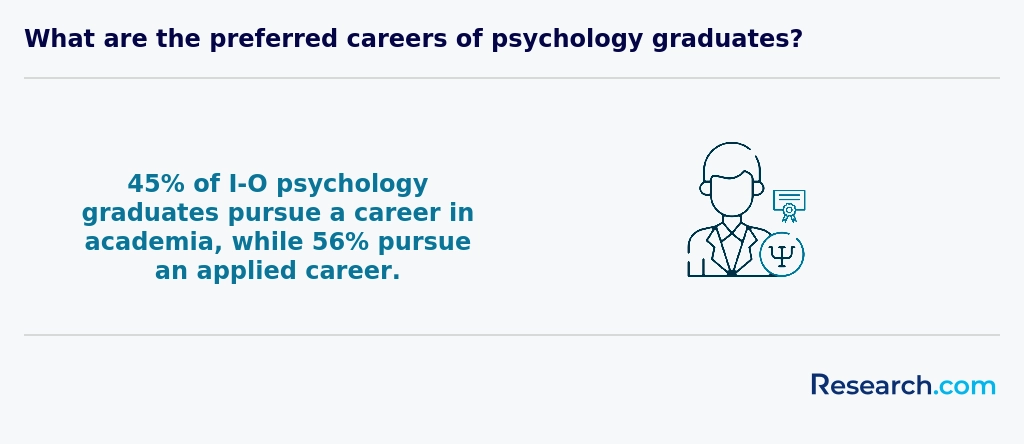
Graduates of online psychology degrees in the Midwest find a broad spectrum of career opportunities, often shaped by the region's diverse healthcare and social services sectors. Many begin in entry-level roles such as behavioral technicians or case managers, gaining hands-on experience in hospitals or community centers found in cities like Chicago and Minneapolis. Those from institutions like the University of Illinois at Springfield appreciate how their degrees open doors to support positions in mental health services, reinforcing their passion for helping others.
Career opportunities with online psychology degree Midwest extend beyond health services. Graduates frequently transition into human resources or market research, applying their understanding of human behavior to real-world business challenges. Some find rewarding work in school support roles or social service coordination, highlighting the degree's versatility. For those feeling called towards advanced practice, roles like licensed professional counselors require further study, yet starting with a bachelor's builds a solid foundation.
Midwestern students often combine their degree with internships or explore most affordable phd programs to enhance job prospects. These strategies fuel confidence and optimism among graduates facing a competitive yet expanding job market tied to the region's growing mental health needs.
Graduates holding an online psychology degree in the Midwest often find a job market shaped by the region's diverse healthcare and educational landscape. Many who studied at popular Midwest institutions share how this flexibility allowed them to enter roles in mental health clinics or school counseling, especially in communities around Chicago and Columbus. These graduates appreciate how psychology career opportunities in the Midwest align with local needs, fostering rewarding positions in both urban and rural areas.
Another key aspect is navigating licensing requirements, which typically involve advanced degrees and supervised experience, making it valuable for bachelor's holders to pursue further certification or assistant roles initially. The steady demand for counselors and social workers ensures meaningful, community-focused work that many find fulfilling. For those concerned about education costs, institutions offering online psychology degrees frequently appear on lists of nationally accredited schools, providing options that blend affordability with quality.
Understanding Midwest online psychology degree job outlook means recognizing these practical challenges and opportunities, inspiring graduates to build versatile careers while serving diverse populations.
2027 Best Online Bachelor's in Psychology Degree Programs Ranking in the Midwest
Investing in your education is a significant decision that can shape your future, and the Research.com team understands the importance of making informed choices. To assist prospective students seeking online psychology degrees in the Midwest, we have meticulously crafted the "2027 Best Online Bachelor's in Psychology Degree Programs Ranking in the Midwest." Our commitment to quality, credibility, and accuracy is reflected in the extensive research and analysis conducted to compile this ranking.
We utilized the following reputable data sources to ensure a comprehensive evaluation of psychology programs:
By exploring this ranking, readers will gain valuable insights into the top online psychology programs available in the Midwest, enabling them to make well-informed decisions about their educational journey. For more details on our methodology, please visit our Research.com methodology page.


# 3 position
Bethel University, Minnesota
Bachelor of Psychology


# 16 position
Walden University
Bachelor of Psychology


Frequently Asked Questions About psychology
Students pursuing online psychology degrees in the Midwest can enhance their learning by actively engaging with course materials and participating in virtual discussions. Research indicates that students who regularly interact with instructors and peers tend to perform better academically (National Center for Education Statistics, 2023). Utilizing local resources like virtual workshops offered by Midwest psychological associations can provide practical insights beyond coursework.
In addition, seeking internships or volunteer opportunities within nearby mental health facilities strengthens practical skills and networking. According to the American Psychological Association, hands-on experience is crucial for mastering psychology concepts.
Finally, time management and creating a dedicated study space improve focus and reduce distractions, helping students maintain steady progress throughout their degree.
Emerging niches within the psychology field reflect shifting societal needs and technological advances, especially relevant for students pursuing online psychology degrees in the Midwest. One fast-growing area is industrial-organizational psychology, which focuses on workplace behavior and has seen a 14% job growth nationally according to the U.S. Bureau of Labor Statistics. Another expanding field is health psychology, which addresses mental health in medical settings and is crucial in Midwestern communities facing rural healthcare challenges.
Additionally, forensic psychology is gaining prominence, with Midwestern states increasing investment in criminal justice reform and mental health services. Neuropsychology, which studies the brain-behavior relationship, is also advancing thanks to research hubs in the region. These specialties offer diverse career paths and align well with online education formats.
After earning an online psychology degree in the Midwest, preparing for the job market involves strategic steps to boost employability. Start by gaining relevant experience through internships or volunteer work, as many employers value practical skills alongside academic credentials. Networking is crucial; join state psychological associations, such as the Illinois Psychological Association or the Michigan Psychological Association, to connect with professionals and access job listings.
Consider obtaining state licensure if planning to pursue clinical or counseling roles. The Bureau of Labor Statistics reports that psychology-related jobs in the Midwest are expected to grow 8% through 2032, highlighting increasing opportunities. Enhancing skills with certifications in data analysis or behavioral health can also strengthen your resume.
Employers in the Midwest value psychology graduates who demonstrate strong critical thinking and analytical skills. These abilities are essential for interpreting research data and applying psychological theories effectively. According to the American Psychological Association, graduates with proficiency in statistical analysis and research methods are in high demand.
Communication skills, both written and verbal, are equally important. Midwest employers often seek candidates who can clearly convey complex psychological concepts to diverse audiences, including clients and colleagues.
Additionally, cultural competency and ethical awareness are critical. The Midwest's diverse population requires psychologists to understand and respect different backgrounds while maintaining professional ethical standards.
Practical experience through internships or supervised fieldwork also enhances employability, reflecting a trend noted by the National Association of Colleges and Employers (NACE).
Finding internships in the Midwest for psychology students involves several strategic steps. Start by consulting your university's career services and psychology department, as many offer partnerships with local clinics, schools, or mental health agencies. According to the National Alliance on Mental Illness, states like Illinois and Ohio have numerous mental health facilities that frequently offer internships for students.
Networking is also crucial. Joining regional psychology associations, such as the Midwestern Psychological Association, can connect you with professionals and internship announcements. Additionally, online platforms like Handshake and internship-specific databases list opportunities in the Midwest relevant to psychology majors.
Be proactive in contacting community organizations and hospitals directly. Many offer unpaid or credit-earning internships essential for gaining supervised experience, a requirement for licensure in many states.
An online psychology degree in the Midwest offers significant advantages for career mobility and advancement. Many employers recognize accredited online programs as legitimate credentials, especially from regionally accredited institutions common in the Midwest, such as those accredited by the Higher Learning Commission. According to the Bureau of Labor Statistics (2023), psychology-related jobs in the region are expected to grow by 8% over the next decade, reflecting rising demand.
Graduates with online psychology degrees can access diverse roles in healthcare, social services, education, and business. The flexibility of online study allows professionals to continue working while earning their degree, easing career transitions.
Moreover, earning a degree online often helps meet licensing requirements for counselor or social work roles, important for advancement in states like Illinois, Michigan, and Ohio.
Studying for a psychology degree in the Midwest offers a strong foundation for interdisciplinary roles by emphasizing collaboration across fields such as healthcare, education, and social services. Many Midwestern universities integrate coursework that combines psychology with public health, business, and neuroscience, reflecting workforce demands.
According to the American Psychological Association, nearly 40% of graduates from Midwestern programs engage in interdisciplinary work roles within five years of graduation. This region's focus on community-based research and applied skills equips students to work effectively in diverse professional settings.
Additionally, online programs in the Midwest often include practicum experiences and partnerships with local organizations, supporting hands-on interdisciplinary learning.
Choosing between a thesis and a non-thesis psychology degree program in the Midwest depends on your career goals and learning preferences. A thesis program requires conducting original research and writing a detailed paper, suitable for students aiming for graduate studies or research careers. Non-thesis programs focus more on coursework and practical skills, ideal for those seeking immediate employment in counseling, human services, or related fields.
Midwestern universities often offer both options, with a 2023 survey by the Midwest Psychology Association noting 45% of programs require a thesis for honors distinction. Cost, time commitment, and faculty mentorship availability vary, so consider these factors carefully when making your decision.
Students based in the Midwest interested in studying psychology abroad have several pathways to consider. While most psychology bachelor's degrees in the region are offered online by accredited US institutions, some colleges provide study abroad programs or international internships integrated within their curriculum. These experiences allow students to gain global perspectives without pausing their degree progress.
Additionally, Midwestern universities often partner with foreign institutions, enabling students to participate in exchange programs or complete research projects overseas. However, fully online international psychology degrees are rare due to licensure and accreditation differences.
According to the National Center for Education Statistics, about 15% of psychology undergraduates in the Midwest engage in study abroad opportunities during their studies. Exploring advisors at local universities can provide tailored options suited to individual academic goals.
Part-time job opportunities in the Midwest that complement psychology degree education often include roles such as mental health technician, behavioral health aide, and research assistant. These positions provide valuable hands-on experience directly related to psychology while allowing flexible schedules for students.
Mental health technician jobs, for example, are common in Midwest healthcare facilities, with states like Illinois and Ohio reporting above-average demand. According to the U.S. Bureau of Labor Statistics, behavioral health aide roles grew by 12% in the Midwest from 2020 to 2023, reflecting increasing mental health awareness.
Research assistant positions at universities and nonprofit organizations also offer practical experience, helping students gain skills in data collection and analysis essential for psychology careers. These jobs often pay between $12 and $18 per hour, making them accessible to students balancing studies.
Online psychology students in the Midwest benefit from multiple networking opportunities despite studying remotely. Many universities in this region offer access to professional organizations such as the Midwestern Psychological Association (MPA), which hosts annual conferences and virtual events connecting students with educators and practitioners.
Additionally, students can join regional chapters of the American Psychological Association (APA), enabling them to engage in webinars and local workshops. Some programs also facilitate virtual internships and collaborations with nearby clinics and research centers, providing practical experience and connections.
According to recent MPA reports, over 60% of online students in psychology engage in at least one regional networking activity during their studies, enhancing career prospects.
Alumni networks provide essential support for students pursuing online psychology degrees in the Midwest. These connections offer mentorship opportunities, helping students navigate academic challenges and career choices.
In the Midwest, where psychological services are growing due to increasing mental health awareness, alumni can provide valuable job leads and internship placements. According to the National Alliance on Mental Illness (NAMI), states like Illinois and Michigan have seen a 15% rise in demand for mental health professionals since 2020.
Moreover, alumni networks facilitate professional development through workshops and conferences, often available exclusively to graduates and current students. This access can enhance employability in competitive regional job markets.
Research from the Council for Adult and Experiential Learning highlights that 70% of students benefit from career support offered via alumni connections.
Students pursuing online psychology degrees in the Midwest can tailor their programs by choosing from various elective courses that align with their career goals. Many Midwestern universities offer specializations such as clinical psychology, industrial-organizational psychology, or developmental psychology. This flexibility allows students to gain relevant skills for specific job roles.
Additionally, some programs provide opportunities for internships or research projects that can be completed remotely, helping students build practical experience. According to the Iowa Board of Educational Examiners, practical experience is highly valued by employers in the region.
Advising services also help students select courses that meet licensure requirements if they plan to become licensed psychologists or counselors in states like Illinois, Ohio, or Minnesota.
Online psychology students in the Midwest often face challenges related to access and networking. While online programs offer flexibility, students report difficulty in forming meaningful connections with peers and faculty, which can affect their learning experience.
Another common issue is limited availability of clinical practicum sites within certain rural areas. According to the National Association of School Psychologists, rural Midwest students may travel long distances or face delays to complete required hands-on training.
Technological barriers remain a concern; stable internet access is uneven across the region, which may disrupt coursework. Additionally, navigating state licensure requirements can be complex, as different Midwest states vary in clinical psychology licensing standards.
With an online psychology degree, graduates can pursue several professional certifications that enhance career opportunities in the Midwest. Common certifications include the Certified Alcohol and Drug Counselor (CADC), which is in demand due to regional substance abuse treatment needs. The National Certified Counselor (NCC) credential is also popular for those aiming to become licensed professional counselors, a role growing in states like Illinois and Ohio.
Additionally, certifications in Applied Behavior Analysis (ABA) are sought after, especially in educational and therapeutic settings. These credentials typically require supervised experience post-degree. According to the Midwest University Consortium for Behavioral Health, certification helps improve job prospects and salary potential in psychology-related fields.
To write a winning application for an online psychology program in the Midwest, start with a clear personal statement. Explain your motivation for studying psychology and how this degree aligns with your career goals. Midwest programs often value applicants who demonstrate strong critical thinking and communication skills, so highlight relevant experiences.
Include your academic transcripts showing solid performance, especially in science and math courses. Many Midwestern universities prefer a minimum GPA of 3.0 for psychology applicants, according to data from the National Center for Education Statistics.
Request letters of recommendation from instructors or professionals familiar with your academic or work ethic. Lastly, tailor your application to each school, following their specific requirements closely to improve your chances.
The field of psychology enjoys broad recognition globally, but the career outlook can vary by region. In the United States, especially in the Midwest, psychology is a growing discipline with strong demand for professionals in healthcare, education, and business. According to the U.S. Bureau of Labor Statistics, employment of psychologists is projected to grow 8% from 2021 to 2031, reflecting steady interest in mental health services.
Globally, psychology careers often require advanced degrees and licensure, similar to the U.S. In many countries, psychology roles are expanding beyond clinical settings into fields like technology and organizational behavior. For Midwest students pursuing online psychology degrees, it's important to consider accreditation and licensure requirements that align with where they plan to work.
Regional organizations such as the Midwestern Psychological Association provide resources and networking opportunities tailored for psychology professionals in this area, reinforcing the value of a local perspective in a global context.
Gaining practical experience while studying for an online psychology degree in the Midwest is essential for career readiness. Many Midwestern universities require or encourage students to complete internships or practicum placements, often in local clinics, hospitals, or community organizations. These experiences offer hands-on learning in psychological assessment and counseling techniques.
Additionally, students can participate in research projects remotely under faculty supervision, which is common at Midwest institutions like the University of Illinois. According to the American Psychological Association, about 70% of psychology programs in this region integrate such practical components. Volunteering at mental health centers or social service agencies also provides valuable exposure to real-world challenges and client interaction.
When choosing a concentration within an online psychology degree program in the Midwest, consider your long-term career goals and personal interests. Common concentrations include clinical, counseling, developmental, and industrial-organizational psychology. According to data from the American Psychological Association, clinical and counseling psychology remain the most pursued fields due to high demand in healthcare.
Research local employment trends through sources like the Bureau of Labor Statistics, which reports a growing need for industrial-organizational psychologists in Midwestern business hubs. Also, explore whether your target program offers faculty expertise and practicum opportunities aligned with your concentration. Accreditation status of the program is essential to ensure quality education recognized across the US.
See What Experts Have To Say About Studying Psychology
Read our interview with Psychology experts

Elizabeth L. Jeglic Ph.D.
Psychology Expert
Professor of Psychology
City University of New York

Joann Farrell Quinn, Ph.D., MBA
Psychology Expert
Director at the College of Medicine Department of Medical Education
Morsani College of Medicine

Robin M. Kowalski. Ph.D.
Psychology Expert
Professor of Psychology
Clemson University

- Financial Aid https://www.midwestern.edu/admissions/paying-college/financial-aid
- How To Find Psychology Internships https://www.psychology.org/resources/how-to-find-an-internship/
- Study Psychology Abroad https://astarfuture.co.uk/study_psychology_abroad.html
- Alumni Perspectives - Meet Our FPN Alumni https://www.aanmelder.nl/alumni-perspectives-june-2023
- Study Psychology Abroad | Go Overseas https://www.gooverseas.com/study-abroad/psychology
- Sample letters in psychology https://www.mystudies.com/en-in/human-and-social-sciences/psychology/letter-model/
- A Guide to Psychology Internships | Psychology Degree Guide https://psychologydegreeguide.org/resources/internships/
- Why Get a Psychology Degree Online? | University of Bridgeport https://www.bridgeport.edu/news/reasons-to-get-your-psychology-degree-online/
- 2025 Most Popular Online Psychology Degrees in Wisconsin https://www.onlineu.com/degrees/psychology/wisconsin
- Online Psychology Schools in Wisconsin https://www.onlinepsychologydegrees.com/states/wisconsin/