
2027 Most Valuable Psychology Degree Programs Ranking in Terre Haute

Co-Founder and Chief Data Scientist
Choosing the right psychology degree program in Terre Haute can feel overwhelming, but this article makes it easier. It presents the 2027 Most Valuable Psychology Degree Programs Ranking in Terre Haute, developed by the Research.com team of data scientists to help you find programs that truly stand out.
By exploring this ranking, you'll gain insights into programs that offer great value, helping you take confident steps toward a rewarding career in psychology. Whether you're passionate about understanding human behavior or eager to make a difference, this guide supports your journey with trustworthy information.
Key benefits of getting psychology degree in Terre Haute
- A psychology degree in Terre Haute opens doors to well-paying jobs like Human Resources Specialist with a mean annual wage of $76,060 and Marketing Research Analyst earning about $83,190 annually.
- Graduates from local colleges often pursue careers in clinical research, childcare, or survey research, showing the diverse and rewarding paths available after study.
- Online psychology degrees offer flexibility and convenience, allowing students to balance work and study while still gaining valuable knowledge from Terre Haute's reputable institutions.
- 2027 Most Valuable Psychology Degree Programs Ranking in Terre Haute
- What can I expect from psychology degree in Terre Haute?
- Where can I work with psychology degree in Terre Haute?
What can I expect from psychology degree in Terre Haute?
The average cost of earning a psychology degree in Terre Haute is notably affordable compared to many other regions. At Indiana State University, the primary institution offering psychology programs here, in-state tuition typically runs around $9,000 to $10,000 per year. This means that for most undergraduate students pursuing a Bachelor of Arts or Science in psychology, total tuition over four years may range near $36,000, excluding living expenses. Graduates often reflect on how this manageable cost allowed them to focus more on their studies and hands-on experiences, such as internships at the on-campus Psychology Clinic or local mental health agencies.
Out-of-state students face higher tuition fees, generally closer to $21,000 annually, but many find scholarships and assistantships helpful to ease financial burdens. Those committed to advanced degrees, like the Master of Science in Applied Behavior Analysis or Counseling Psychology, budget accordingly, knowing that licensure-focused courses bring strong career returns.
Living in Terre Haute also boosts the value of your investment, given the city's lower cost of living compared to major metropolitan areas, enabling psychology students to spend more on professional growth than on rent or daily essentials.
Where can I work with psychology degree in Terre Haute?
If you earn your psychology degree in Terre Haute, you'll find a variety of rewarding career paths right in your backyard. Many graduates thrive in mental health and counseling roles at local facilities like the Vigo County Community Mental Health Center. Imagine working as a counselor or behavioral specialist, directly impacting lives while gaining valuable hands-on experience through internships and entry-level positions.
Others find fulfilling work on campus or nearby schools. Indiana State University graduates often secure roles in student counseling or research support, while school districts hire licensed psychologists to support learners' growth. You might picture yourself helping students overcome challenges and succeed academically through these roles.
There's also a strong human services sector where psychology skills are vital. Nonprofits look for professionals to guide vulnerable populations like children, veterans, or individuals recovering from addiction-offering a deep sense of purpose. Business settings and government agencies offer opportunities in human resources or market research, perfect for graduates comfortable analyzing data and studying behavior in organizations.
Many Terre Haute graduates feel proud knowing their work aligns with steady local demand, supported by the city's healthcare and education systems, making it a smart, hopeful choice for your future.
Graduates from psychology programs at institutions like Indiana State University in Terre Haute often step into rewarding roles where their earnings reflect their dedication and education. For example, those pursuing careers as Human Resources Specialists can expect an average annual wage of about $76,060, allowing for a comfortable lifestyle in Terre Haute's lower cost environment.
Many psychology graduates find success as Marketing Research Analysts, a role that blends psychology with business insight. These professionals earn a mean annual salary of approximately $83,190, showcasing the versatility of a psychology degree in capturing higher-paying opportunities in the local market.
Entry-level positions such as Clinical Research Associates or Survey Researchers typically offer median wages near $62,370 annually. Several Terre Haute graduates appreciate these roles as stepping stones, gaining critical experience while building networks in research and clinical settings.
These salary figures emphasize the tangible benefits of pursuing psychology in Terre Haute, demonstrating that with the right focus and inspired effort, graduates can secure meaningful, financially rewarding careers right where they studied.
- Indiana State University in Terre Haute offers accredited psychology programs from bachelor's to master's levels.
- Undergraduate tuition for in-state students ranges from $10,000 to $11,000 per year, while out-of-state students pay about double.
- Starting salaries for psychology-related entry-level jobs are typically between $35,000 and $40,000 annually.
- Master's or doctoral degree holders can earn median salaries from $55,000 to $70,000 depending on their field and employment sector.
- Job demand is steady in healthcare, education, and social services, but some specialized psychology fields have limited openings.
Completing a psychology degree in Terre Haute typically unfolds over several rewarding years. Most students begin with a bachelor's degree, which usually takes about four years of full-time study. For example, those attending Indiana State University immerse themselves in foundational courses and hands-on research, completing their degree in roughly eight semesters. Graduates often speak about the excitement of applying theory to real-life scenarios during their studies.
Advancing to a master's degree adds around two more years, blending coursework with internships or research projects that deepen practical skills. Many find this stage inspiring as they connect more closely with their career goals and community needs. Pursuing a doctoral degree, whether a PhD or PsyD, typically requires four to seven additional years, with intense research and clinical training shaping students into confident professionals.
Remember, part-time enrollment or transfer credits can shift these timelines. The journey at Terre Haute's institutions is uniquely flexible, allowing students to tailor their studies while growing both intellectually and personally.
In today’s rapidly evolving academic and professional landscape, understanding emerging trends in psychology education can provide prospective students with a competitive edge. Many institutions are increasingly incorporating technology to enhance learning experiences, such as virtual simulations, telepsychology, and data analytics tools that mirror real-world applications. This integration not only modernizes the curriculum but also prepares students for a future where digital literacy and technological proficiency are as essential as traditional psychological theories. Additionally, the rise of flexible learning models has led to a surge in programs offering hybrid or fully online options, making it easier for busy professionals to continue their education without sacrificing work-life balance. For example, many programs now recommend exploring options like online bcba masters as a pathway to blend specialized learning with practical career development. As the industry continues to adapt to global shifts in healthcare and education, graduates with up-to-date skills in emerging technologies and innovative methodologies are well-positioned to thrive in diverse roles, from clinical practice to research and beyond.
Choosing between an online and on-campus psychology degree in Terre Haute often comes down to your lifestyle and goals. Graduates from Indiana State University frequently recall the value of in-person classes, where engaging directly with professors and peers sparked deep conversations and hands-on learning. Access to campus resources like psychology labs and counseling centers enriched their experience and helped them secure internships locally.
On the other hand, online students appreciate the flexibility to balance work, family, and study. Many find that virtual lectures and assignments allow them to learn at their own pace without sacrificing academic quality. Although some miss the immediate face-to-face interaction, the online format opens doors for those who might not be able to commute or relocate to Terre Haute.
Both pathways prepare you for professional licensure and can lead to meaningful careers in psychology. It's about choosing the environment where you'll thrive-whether that's the energetic campus life of Indiana State or the freedom of online study.
When evaluating the true value of a psychology degree, it’s essential to compare tuition rates, fees, and financial aid opportunities across different states. In Terre Haute, in-state public tuition averages around $7,070 per year, making it an accessible choice for Indiana residents. However, out-of-state students often face significantly higher costs-up to $32,954 annually at private institutions-so understanding regional differences can guide smarter financial planning. By reviewing comparable data in other affordable markets, prospective students can benchmark Terre Haute’s offerings against programs nationwide. For example, the Most Affordable Psychology Degree Programs Ranking in Maine highlights how small-state programs leverage lower living costs and competitive scholarship packages to deliver high ROI. Comparing these figures side-by-side helps reveal hidden savings opportunities, such as regional grants or reduced tuition networks. Armed with this cross-regional analysis, you can weigh cost against program quality, internship availability, and graduation outcomes. Whether you prioritize minimal debt, robust financial aid, or overall return on investment, a holistic cost comparison ensures you select the psychology degree that aligns with both your budget and career aspirations.
The average cost of obtaining a psychology degree in Terre Haute is manageable and often aligns with what many students expect from public universities across the U.S. Graduates from Indiana State University, a popular choice among psychology students here, typically report that the median total cost for completing their degree is around $34,340. For in-state students, this cost is significantly lower, with a median total of about $10,258, making it an affordable option for residents. These figures help frame what to expect financially when planning your path toward a psychology degree in Terre Haute.
Many students pursuing psychology degrees in Terre Haute find that the tuition fees, combined with textbooks and other campus fees, are reasonable compared to other regions. Beyond tuition, living in Terre Haute means balancing your studies with a modest cost of living, which eases financial pressures. Past graduates often share how this balance allowed them to focus on developing skills and exploring their passions without overwhelming debt. For those eager to specialize, options such as graduate programs add some cost but open doors to exciting opportunities that deepen expertise.
It's also encouraging to remember that financial aid, scholarships, and grants play a vital role in reducing expenses. Many psychology students have benefited from merit-based awards at local institutions to lighten their financial load. If you're curious about specific career paths after your degree, exploring options like sports psychology careers can be both exciting and rewarding. Taking these steps with a clear understanding of the average cost psychology degree Terre Haute offers can empower your educational journey.
When considering a psychology degree, one crucial aspect to look into is the value the program offers, not just in terms of cost, but also in the quality of education, career opportunities, and overall return on investment. Students seeking to enroll in a valuable psychology program in Indiana can explore options such as Indiana State University, known for its comprehensive curriculum and supportive faculty. For those looking to find the most valuable psychology school in Indiana, visiting valuable psychology school in indiana can provide insights into rankings, program details, and alumni successes, helping make informed decisions about their educational journey. This step is essential in ensuring that the chosen program aligns with personal and professional goals, offering a rewarding educational experience and a strong foundation for future career aspirations.
Many psychology students in Terre Haute find that federal aid is a game-changer when managing tuition at Indiana State University, where in-state costs hover around $10,000 annually. Completing the FAFSA opens doors to Pell Grants, which can cover up to $7,395 each year-grants that don't need repayment, easing financial stress immensely. Graduates often recall how this support allowed them to focus more on their studies and less on their bills.
State grants, like Indiana's Frank O'Bannon Grant, provide additional relief to residents attending public colleges, directly benefiting those pursuing psychology locally. Such aid is often combined with local scholarships from community organizations in Vigo County, which reward not only academic excellence but also commitment to community service-values many psychology students embody deeply.
On top of grants and scholarships, work-study programs offer hands-on job experience on campus, letting students earn money while immersing themselves in campus life. Departmental scholarships also serve as a helpful supplement, especially for those involved in research or maintaining strong academic records.
Finally, don't overlook private scholarships from national psychology organizations. Many graduates reflect on how their volunteer work and internships boosted eligibility for these awards, reinforcing the value of dedication to the field beyond the classroom.
Psychology degree programs in Terre Haute, IN, offer robust experiential learning through faculty-led research labs, community-based internships, and specialized practicums that bridge theory and practice. At Indiana State University, students collaborate with professors on ongoing studies in developmental and social psychology, gaining firsthand experience in data collection, statistical analysis, and peer-reviewed publication processes. Rose-Hulman Institute of Technology provides opportunities to design human–computer interaction experiments in its UX lab, allowing psychology majors to partner with engineering students and local tech firms. Local partnerships with community mental health centers, school districts, and non-profits ensure that undergraduates and graduate students can complete practicum hours under licensed clinicians, developing clinical assessment and counseling skills in real-world settings. These placements often lead to networking opportunities and full-time positions after graduation. Students have celebrated the chance to contribute to grant-funded projects on addiction recovery and adolescent mental health, presenting their findings at regional conferences and building resumes that stand out to employers and doctoral programs alike. For those aiming at advanced clinical practice and research, exploring combined masters and psyd programs can streamline the path from graduate coursework to doctoral training, ensuring continuity in mentorship and clinical placements. By engaging in rigorous hands-on training and collaborative research, Terre Haute psychology students graduate with competitive portfolios that demonstrate both academic excellence and practical expertise.
To enroll in a psychology degree program in Terre Haute, you'll need to build a solid academic foundation that shows your readiness and passion. Graduates from Indiana State University often share how taking core high school courses like biology, English, and social sciences gave them the confidence to tackle college-level psychology. These subjects don't just prepare you; they also reveal your curiosity about the human mind and behavior.
Most programs expect you to have a high school diploma and may require SAT or ACT scores, though some campuses are embracing test-optional policies, easing the pressure. Beyond grades and tests, letters of recommendation and thoughtful personal statements have opened doors for many local students, showcasing their dedication and unique journeys.
If you aim for graduate studies, holding a bachelor's degree-often with coursework in statistics or developmental psychology-is key. In Terre Haute, you'll find affordable tuition that lets you focus more on growth and less on financial stress, fueling your excitement to explore psychology's endless possibilities.
Aspiring psychologists and counselors must meet state licensure requirements, which ensure competence and protect public safety. Many candidates choose an affordable online psychology masters to fulfill degree requirements while managing costs.
- Earn a master’s (LPC/LMHC) or doctoral (PhD/PsyD) degree from an accredited institution in psychology or counseling.
- Complete 2,000–3,600 supervised clinical hours under a licensed supervisor, depending on the license type.
- Pass the national Examination for Professional Practice in Psychology (EPPP) or the Indiana state counseling exam.
- Submit an application to the Indiana Professional Licensing Agency, including official transcripts, exam scores, and supervisor verification.
- Fulfill continuing education requirements-typically 20–30 hours per renewal cycle-and pay annual licensure fees to maintain active status.
If you're diving into a psychology degree in Terre Haute, expect to immerse yourself in courses that build a solid foundation for understanding human behavior. At popular institutions like Indiana State University, students often reflect on how classes such as Introduction to Psychology opened their eyes to diverse theories shaping mental health today.
Core courses like Developmental Psychology connect you to real stories of growth across the lifespan, helping you relate classroom lessons to everyday interactions with family or community members. Biological Psychology reveals the fascinating link between the brain's inner workings and our emotions, a favorite among those curious about neuroscience.
Research Methods and Statistics might seem challenging at first, but graduates credit these classes for sharpening their critical thinking, essential for conducting meaningful studies or internships right here in Terre Haute. Social Psychology lets you explore how individuals influence each other, making those university group projects deeply engaging.
Finally, electives allow you to tailor your learning-whether leaning toward clinical practice or organizational behavior-preparing you to thrive both in the community and future graduate programs.
If you're aiming to pursue a psychology degree in Terre Haute, you'll find a rich diversity of specializations tailored to fit your career goals and interests. Indiana State University, a key institution in the area, offers a range of pathways such as Clinical Psychology, where graduates describe the rewarding challenge of diagnosing and treating mental health disorders firsthand. Developmental Psychology is another popular choice, perfect for those fascinated by human growth from infancy to later life stages. Many students are drawn to Cognitive Psychology, diving into how we learn, remember, and perceive the world around us.
Other enticing areas include Industrial-Organizational Psychology, which prepares you to enhance workplace dynamics, and Health Psychology, which connects mind and body for practical illness management. Social Psychology also stands out, exploring how social environments shape behaviors and emotions. These Terre Haute psychology career concentration options have helped graduates smoothly transition into clinical settings, organizational roles, and research, all while benefiting from accessible tuition rates.
For those comparing affordability and quality, it's worth exploring affordable psychology degrees in Michigan as well, expanding your perspective on your educational journey.
Choosing the best psychology degree in Terre Haute means focusing on programs that combine strong academics with real-world experiences. Graduates from Indiana State University often highlight how the faculty's expertise and the hands-on opportunities with local mental health centers helped them feel confident stepping into their careers. Exploring programs that offer clinical, counseling, or developmental psychology tracks allows you to tailor your education to your passions and future goals. For anyone looking at affordable psychology colleges Terre Haute offers, Indiana State's tuition is notably below the national average for in-state students, which eases financial stress while maintaining quality.
Pay close attention to programs that support internships or practicum experiences, as graduates often describe these as essential in developing practical skills and professional connections. Remember to investigate if the curriculum prepares you for licensure or advanced degrees, giving you a clear pathway forward. For insight on career outcomes, consider also reviewing social work job prospects, which intersect closely with psychology roles in Terre Haute.
Graduates with a psychology degree in Terre Haute have a variety of rewarding career paths to explore. Many find fulfilling roles as mental health counselors or therapists, especially after pursuing advanced degrees and licensing. These positions offer the chance to make a real difference in people's lives, a common experience shared by graduates from Indiana State University who often highlight the personal satisfaction of supporting mental well-being.
Another promising avenue is school psychology, where professionals help students overcome learning and emotional challenges. This career is in demand within Indiana's school districts, and graduates often speak proudly of the proactive impact they have on young lives through specialized training. Whether working directly with children or providing guidance to educators, it's a role full of meaningful interactions.
For those intrigued by research or academic work, Terre Haute provides excellent opportunities as research assistants or coordinators, particularly at local institutions. Many graduates emphasize how participating in studies deepened their understanding and prepared them for further education. Human resources and social services jobs are also viable options, where graduates apply their knowledge of behavior in workplaces and community settings. If you want to explore more about the best educational options, consider checking the valuable psychology school in indiana.
- Behavioral analysis and developmental psychology roles are available for those with specialized graduate education.
- Social services, including case management and rehabilitation counseling, serve vulnerable groups in nonprofit and government sectors.
- Organizational development jobs benefit from psychology graduates' insights into human behavior.
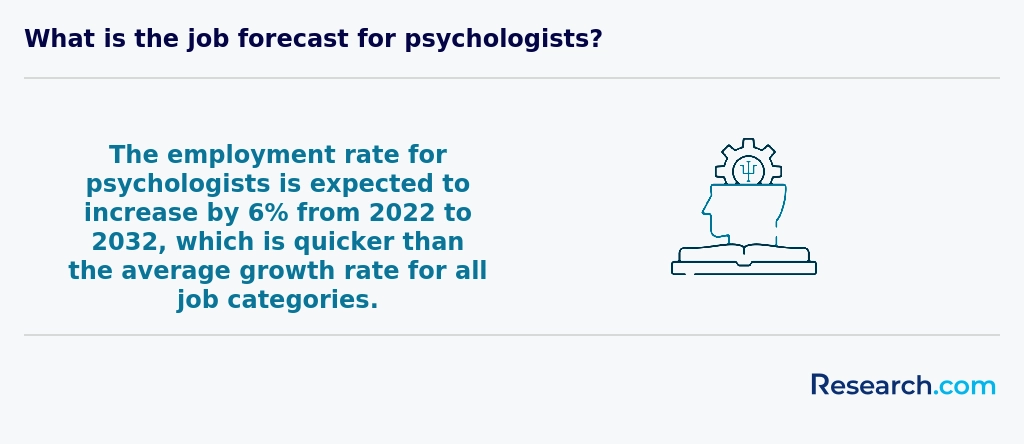
Graduates with a psychology degree in Terre Haute find a promising job market shaped by steady growth and diverse career opportunities. Many local graduates from universities such as Indiana State University share stories of securing roles in counseling centers, schools, and community health organizations. This region's demand for mental health counselors, social workers, and school psychologists aligns well with the broader psychology degree job outlook Terre Haute, which benefits from Indiana's expanding health and education sectors.
For those eager to deepen their expertise, advanced degrees and state licensure open doors to specialized clinical roles. The Indiana Professional Licensing Agency ensures higher standards, encouraging graduates to pursue rigorous training. Numerous alumni appreciate how the local market supports early-career professionals stepping into human resources or substance abuse counseling, leveraging skills learned on campus into rewarding careers.
Studying in Terre Haute also means managing tuition wisely. Considering options like public university programs, or exploring online bcba masters can ease financial challenges while gaining competitive skills. Staying connected to Terre Haute psychology career opportunities can inspire confidence as you build your professional path.
2027 Most Valuable Psychology Degree Programs Ranking in Terre Haute
Investing in your education is a significant decision that can shape your future, and the Research.com team understands the importance of making informed choices. To assist prospective students in Terre Haute, we have meticulously crafted the "2027 Most Valuable Psychology Degree Programs Ranking in Terre Haute." Our commitment to quality, credibility, and accuracy is reflected in the extensive research and analysis conducted to compile this ranking.
We utilized the following reputable data sources to ensure a comprehensive evaluation of psychology degree programs:
By exploring this ranking, readers will gain valuable insights into the most valuable psychology degree programs available in Terre Haute, helping them make informed decisions about their educational paths. For more details on our methodology, please visit our Research.com methodology page.

Frequently Asked Questions About psychology
Psychology degree students in Terre Haute can maximize their learning experience by engaging deeply with both coursework and practical opportunities. Indiana State University, a key local institution, offers access to research labs and community internships, crucial for hands-on learning. Students should take advantage of faculty expertise, participating in research projects to gain real-world skills.
Networking through local psychology organizations, like the Vigo County Psychological Association, also helps students connect with professionals in the field.
Additionally, Terre Haute's proximity to clinical settings supports internships, boosting experiential learning important for licensure. Data from the Bureau of Labor Statistics shows applied practice directly improves job prospects in psychology careers nationwide.
Emerging niches in psychology reflect new societal needs and technological advancements. In Terre Haute, students pursuing psychology degrees increasingly find opportunities in neuropsychology, which studies brain-behavior relationships, and health psychology, focusing on how psychological factors affect physical health.
Another growing area is forensic psychology, relevant due to Indiana's active criminal justice system. Additionally, industrial-organizational psychology is gaining demand, as businesses seek experts to improve workplace well-being and productivity.
Telepsychology also expands rapidly, especially in response to rural access challenges in Vigo County, where Terre Haute is located. These niches offer diverse career paths for psychology graduates.
After completing a psychology degree in Terre Haute, preparing for the job market involves gaining practical experience alongside academic credentials. Many local employers and clinics look for candidates with internships or volunteer work in mental health settings, which can typically be arranged through Indiana State University's psychology department.
Networking is also crucial. Joining professional organizations like the Indiana Psychological Association can provide access to job listings and local events. Additionally, obtaining relevant certifications, such as CPR or crisis intervention, strengthens your resume.
The Bureau of Labor Statistics reports that psychology-related jobs in Indiana are expected to grow about 6% over the next decade, highlighting steady demand. Using resources like Terre Haute's career centers can also help in resume building and interview preparation.
Employers in Terre Haute seeking psychology degree graduates prioritize strong communication skills. Graduates must effectively convey complex psychological concepts to diverse clients or colleagues. Analytical thinking is another key skill, as many local employers value the ability to interpret data and apply research-based methods. According to the Bureau of Labor Statistics, the demand for such expertise in Indiana is projected to grow by 10% from 2022 to 2032.
Additionally, critical listening and empathy rank highly, especially in clinical and counseling roles common in the area. Familiarity with ethical standards and confidentiality is essential due to strict regulations in psychology fields. Proficiency with statistical software like SPSS is also increasingly important for research positions within Terre Haute's academic and healthcare institutions.
Finding psychology internships in Terre Haute involves exploring opportunities through local universities like Indiana State University, which often partners with community organizations. Students can access internship listings via the university's career services or psychology department, which frequently collaborates with mental health clinics and social services in Vigo County. According to the Indiana Commission for Higher Education, internships are crucial for practical experience and can sometimes lead to job offers. Additionally, professional associations such as the Indiana Psychological Association provide resources and networking events that can connect students to internship openings. Early outreach and consistent follow-up enhance chances of placement in relevant settings.
In Terre Haute, obtaining a psychology degree significantly enhances career mobility and advancement opportunities. A degree in psychology equips graduates with critical skills such as research, communication, and understanding human behavior, which are highly valued across many industries. According to the U.S. Bureau of Labor Statistics, employment of psychologists in Indiana is projected to grow 12% from 2022 to 2032, faster than the average for all occupations.
Locally, Terre Haute's healthcare, education, and social services sectors often seek psychology graduates for roles in counseling, human resources, and research. The availability of entry-level and advanced positions increases with higher qualifications, particularly at the master's and doctoral levels. Graduates with advanced degrees frequently experience higher salaries and quicker promotion tracks.
Networking and internships established through Indiana State University and other local institutions also support career growth by connecting students to local employers and professional organizations, reinforcing the value of a psychology degree in this region.
Studying for a psychology degree in Terre Haute equips students with skills relevant across various fields, fostering interdisciplinary collaboration. Local institutions emphasize foundational knowledge in human behavior, cognitive processes, and research methods, which are vital in health care, education, and social services. According to the U.S. Bureau of Labor Statistics, Terre Haute's proximity to regional hospitals and community centers allows students to engage in internships that blend psychology with public health and social work.
Programs often include coursework in statistics, biology, and communication, preparing graduates for roles requiring cross-disciplinary expertise. The integration of applied psychology with fields like neurology or criminal justice reflects the growing demand for versatile professionals in the region.
Choosing between a thesis and a non-thesis psychology degree program in Terre Haute depends on your academic and career goals. A thesis track usually requires conducting original research and writing a detailed paper, which can prepare students for doctoral studies or research roles. Non-thesis programs focus more on coursework and practical applications, suitable for those aiming to enter the workforce sooner.
Indiana State University in Terre Haute offers both formats, with about 30% of psychology graduate students opting for the thesis route according to recent enrollment data. Consider your interest in research, time commitment, and future plans when deciding.
Students based in Terre Haute interested in studying psychology abroad have several pathways to consider. Many Terre Haute universities have established exchange programs with partner institutions worldwide, allowing psychology majors to spend a semester or year overseas. For example, Indiana State University facilitates opportunities in countries such as the United Kingdom and Australia. These programs help students gain global perspectives on psychological theories and practices.
Additionally, students may pursue study abroad opportunities approved for credit transfer, ensuring their coursework aligns with US psychology degree requirements. Financial aid and scholarships often support these experiences.
Consulting campus study abroad offices and psychology departments early is key to navigating application timelines and prerequisites.
Part-time job opportunities in Terre Haute that complement psychology degree education often involve roles in healthcare, social services, and research. Positions such as behavioral health technician or mental health aide at local clinics provide practical experience working with patients. Indiana State University's Psychology Department frequently offers research assistant roles, allowing students to gain hands-on experience in data collection and analysis.
Additionally, tutoring psychology courses or working as a peer counselor on campus helps reinforce theoretical knowledge while developing communication skills. Local nonprofits focused on mental health or community services, such as the Vigo County Community Services, sometimes provide internships or part-time work for students seeking to apply psychological principles in real-world settings.
These roles not only build relevant experience but also strengthen resumes, enhancing future employment opportunities in the field of psychology.
Psychology students in Terre Haute benefit from several networking opportunities through local institutions. Indiana State University, the city's primary public university, hosts events such as psychology research symposiums and guest lectures that encourage student interaction with faculty and professionals. Participation in the Psi Chi Honor Society, active on campus, allows students to connect with peers and local psychologists. Additionally, Terre Haute's proximity to regional mental health clinics and nonprofit organizations provides externship and volunteer experiences, useful for building professional relationships.
Students also gain access to the Southwestern Indiana Psychological Association meetings, fostering connections in the broader psychological community. These activities support both academic growth and career development in psychology.
Alumni networks play a crucial role in supporting psychology degree students in Terre Haute. These networks connect current students with graduates who have firsthand experience in the local job market and academic environment. According to the Indiana Commission for Higher Education, Terre Haute psychology alumni often work in nearby hospitals, schools, and counseling centers, providing valuable mentorship opportunities.
Such connections can lead to internships, job placements, and guidance on professional licensure, a key step for psychology careers in Indiana. Networking events and online groups facilitate relationships that enhance career readiness and offer emotional support during studies.
Overall, strong alumni ties in Terre Haute help bridge theory and practice effectively.
Students pursuing psychology degrees in Terre Haute can customize their programs by selecting electives and specializations relevant to their career goals. Many local institutions offer concentrations such as clinical psychology, counseling, or industrial-organizational psychology, allowing learners to focus on areas with strong local job markets.
Internships and practicum opportunities with Terre Haute healthcare centers and community organizations provide practical experience, essential for career advancement. Additionally, students can engage in research projects, often emphasized in regional programs, to build skills valued by employers.
Advisors at Terre Haute schools typically assist students in creating tailored study plans that align with evolving industry demands, helping maximize employability after graduation.
Psychology students in Terre Haute often face several common challenges as they pursue their degrees. One key difficulty is managing the demanding coursework, which typically includes statistics, research methods, and various psychology subfields. This rigorous curriculum requires strong time-management skills to balance classwork, laboratory projects, and internships.
Access to diverse clinical internship opportunities can also be limited in Terre Haute due to its smaller size compared to larger metropolitan areas. This may affect practical experience options, which are crucial for licensure and career advancement. According to data from Indiana State University, about 30% of psychology students report concerns about securing relevant internships locally.
Financial constraints are another obstacle. Psychology students might need to afford tuition, textbooks, and sometimes unpaid internships, which can strain budgets. Furthermore, preparing for graduate-level entrance exams, such as the GRE, adds stress. Support resources exist but may vary in availability across institutions in Terre Haute.
With a psychology degree in Terre Haute, you can pursue several professional certifications that enhance career opportunities.
Common certifications include the Licensed Professional Counselor (LPC) and Licensed Clinical Social Worker (LCSW), both requiring graduate study and supervised experience. The National Certified Counselor (NCC) credential, offered by the National Board for Certified Counselors, is also popular nationally.
For those interested in testing or workplace psychology, the Certified Alcohol and Drug Counselor (CADC) and Certified Rehabilitation Counselor (CRC) are options.
While Terre Haute-specific certification data is limited, Indiana's State Psychology Board regulates licensure, requiring a doctorate for licensed psychologists.
Professional certifications improve job prospects in clinical, educational, and organizational settings.
When applying to psychology programs in Terre Haute, a clear and focused application is crucial. Highlight your academic achievements, especially in science and social science courses, as psychology programs value strong foundational knowledge. Include any relevant volunteer or work experience, such as internships or roles involving counseling, research, or community service, to demonstrate practical interest.
Terre Haute's psychology programs often emphasize local research and applied practice, so mentioning familiarity with regional issues or participation in local studies can strengthen your application. The 2023 Indiana Commission for Higher Education reported that hands-on experience is a key admissions factor for Indiana State University's psychology department.
Strong letters of recommendation and a well-crafted personal statement explaining your motivation and career goals will further enhance your chances. Remember to proofread carefully and adhere to all application deadlines and requirements.
The field of psychology offers diverse career opportunities worldwide, including in the US and Terre Haute. Globally, psychologists work in areas like clinical practice, research, and organizational consulting. The American Psychological Association reports that the US will see a 8% growth in psychology jobs from 2021 to 2031, reflecting steady demand.
In Terre Haute, Indiana, several institutions provide accredited psychology programs aligned with national standards, preparing students for careers that meet global expectations. Psychology careers require strong cultural competence due to increasing globalization.
Understanding diverse populations and applying evidence-based practices are essential skills for psychologists, particularly in regions like Terre Haute with varied community needs.
Gaining practical experience while studying for a psychology degree in Terre Haute can significantly enhance your skills and employability. Many local institutions, including Indiana State University, offer internship and practicum opportunities where students work directly with clients under professional supervision. These experiences help apply classroom knowledge to real-world situations.
Additionally, Terre Haute hosts several community organizations and healthcare facilities that welcome psychology interns. Volunteering or part-time roles in these settings provide valuable exposure to clinical and counseling practices.
Networking events and psychology clubs on campus also connect students with professionals, increasing chances for hands-on learning. According to the Bureau of Labor Statistics, internships strongly improve job prospects for psychology graduates nationwide.
Choosing the right concentration within a psychology degree program in Terre Haute involves evaluating your career goals and interests carefully. Psychology concentrations typically range from clinical and counseling psychology to cognitive and developmental psychology. Each focuses on different aspects of human behavior and mental processes.
In Terre Haute, institutions like Indiana State University offer specialized tracks that prepare students for local job markets, including social services and educational psychology, fields expected to grow 8% nationally over the next decade according to the U.S. Bureau of Labor Statistics.
Researching local internship opportunities and faculty expertise can also help you decide which concentration will provide the most practical experience and job-ready skills.
Ultimately, align your choice with your passion and the types of psychology roles available in Terre Haute's healthcare and community sectors.
- 2027 Most Valuable Psychology Degree Programs Ranking in Cincinnati
- 2027 Most Valuable Psychology Degree Programs Ranking in Saint Louis
- 2027 Most Valuable Psychology Degree Programs Ranking in Columbus
- 2027 Most Valuable Psychology Degree Programs Ranking in Detroit
- 2027 Most Valuable Psychology Degree Programs Ranking in Cleveland
- 2027 Most Valuable Psychology Degree Programs Ranking in Springfield
- 2027 Most Valuable Psychology Degree Programs Ranking in Pittsburgh
- 2027 Most Valuable Psychology Degree Programs Ranking in Birmingham
- 2027 Most Valuable Psychology Degree Programs Ranking in Charlotte
- 2027 Most Valuable Psychology Degree Programs Ranking in Saint Paul
See What Experts Have To Say About Studying Psychology
Read our interview with Psychology experts

Joann Farrell Quinn, Ph.D., MBA
Psychology Expert
Director at the College of Medicine Department of Medical Education
Morsani College of Medicine

Elizabeth L. Jeglic Ph.D.
Psychology Expert
Professor of Psychology
City University of New York

Catherine Caldwell-Harris, Ph.D.
Psychology Expert
Associate Professor of Psychology
Boston University

- Mental Health Challenges Faced by Psychology Students | The Healthcare Guys https://healthcareguys.com/2023/11/23/mental-health-challenges-faced-by-psychology-students/
- Sample letters in psychology https://www.mystudies.com/en-in/human-and-social-sciences/psychology/letter-model/
- Best Indiana Psychology Degrees Updated for 2026, Online Included https://www.psychologydegrees.org/state/indiana
- Why Get a Psychology Degree Online? | University of Bridgeport https://www.bridgeport.edu/news/reasons-to-get-your-psychology-degree-online/
- Alumni Perspectives - Meet Our FPN Alumni https://www.aanmelder.nl/alumni-perspectives-june-2023
- Ontario Psychological Association - Networking and Community Resources https://www.psych.on.ca/become-a-member-(1)/member-services/networking-and-community-resources
- Study Psychology Abroad | Go Overseas https://www.gooverseas.com/study-abroad/psychology
- How To Find Psychology Internships https://www.psychology.org/resources/how-to-find-an-internship/
- Know more about thesis vs non- thesis: what is the difference? https://studyfans.com/en/blogs/816
- Society for the Teaching of Psychology https://teachpsych.org/page-1784686/8675326


