
2027 Most Valuable Psychology Degree Programs Ranking in Indiana

Co-Founder and Chief Data Scientist
If you're considering a psychology degree in Indiana, this article offers valuable guidance. The 2027 Most Valuable Psychology Degree Programs Ranking in Indiana was carefully created by the Research.com team of data scientists to help you make an informed decision about which programs truly stand out.
Choosing the right program can shape your future career and personal growth. By exploring this ranking, you'll discover options that align with your goals and passions, making your educational journey rewarding and worthwhile.
Investing in a psychology degree opens doors to meaningful work and positive impact.
Key benefits of getting psychology degree in Indiana
- Psychology degree graduates in Indiana often find rewarding roles such as Human Resources Specialist with a mean annual wage of $76,060 or Marketing Research Analyst earning about $83,190, reflecting strong earning potential.
- Career paths include exciting positions in research or clinical roles, inspired by Indiana university alumni who pursue jobs like Clinical Research Associate or Survey Researcher, combining impactful work with professional growth.
- Online psychology degrees offer flexibility, allowing students to balance studies with life commitments, a benefit highlighted by graduates from Indiana's digital programs enjoying comfort and convenience without compromising quality.
- 2027 Most Valuable Psychology Degree Programs Ranking in Indiana
- What can I expect from psychology degree in Indiana?
- Where can I work with psychology degree in Indiana?
What can I expect from psychology degree in Indiana?
The average cost of pursuing a psychology degree in Indiana varies depending on the institution, but most students find it manageable when considering the quality of education. For example, graduates from Indiana University Bloomington often reflect on how the in-state tuition, typically ranging from $10,000 to $12,000 per year, felt like an investment in their future careers. Similarly, students at Purdue University appreciate the balance between tuition and the wealth of research opportunities available on campus.
Those attending Ball State University report that their tuition costs, often slightly lower than larger universities, helped ease financial stress while still gaining access to strong faculty mentorship and practical experiences. Many current psychology students in Indiana navigate additional expenses such as textbooks and practicum fees, but scholarships and financial aid frequently alleviate these concerns.
The positive sentiment around these programs is common among graduates who recall the supportive environments that made the costs worthwhile. Their experiences highlight that with focused planning and use of available resources, financing a psychology degree in Indiana can be quite feasible for dedicated students.
Where can I work with psychology degree in Indiana?
Graduates from psychology programs at Indiana University and Purdue University often find rewarding careers across diverse sectors in the state. Many of their peers step into healthcare roles, working in hospitals or mental health clinics where they witness firsthand the positive impact of therapy and counseling on individuals' lives. This hands-on experience not only sharpens clinical skills but also builds deep empathy and professional confidence.
Others enjoy joining local school districts as school psychologists, directly supporting children's emotional growth and academic success. These roles tap into the strong emphasis Indiana places on student mental health, allowing graduates to contribute meaningfully to their communities in a tangible way. The pride felt when helping a struggling student find balance is often a profound motivator.
Social service agencies and businesses also welcome psychology graduates from these universities. Whether assisting veterans or enhancing corporate training programs in Indianapolis, these positions allow graduates to apply psychological insights creatively. The variety of paths and real-world impact encourages many students to pursue psychology with passion and purpose in Indiana.
Graduates of psychology programs in Indiana often find themselves navigating a diverse job market with salaries that reflect their education and experience. For example, those entering roles like Human Resources Specialist can expect a mean annual wage of around $76,060, according to recent data. This is encouraging for many Bachelor's degree holders, especially those from Indiana University Bloomington or Purdue University Fort Wayne, who appreciate the accessibility of these positions in their communities.
Marketing Research Analysts, a popular choice for psychology graduates interested in data and consumer behavior, earn an average of $83,190 annually in Indiana. Graduates recall applying analytical skills honed during their psychology studies to thrive in these roles, finding the salary rewarding and the work stimulating.
For those drawn to clinical environments, roles such as Clinical Research Associate or Survey Researcher offer salaries near $62,370, providing a meaningful balance between impactful work and financial stability. Even entry-level positions, like Childcare Worker jobs with an average salary of $32,070, can serve as important stepping stones for graduates building experience in psychology-related fields.
Overall, psychology graduates in Indiana are encouraged by these salary trends, knowing that their education from local universities equips them for increasingly rewarding career paths.
- Tuition at Indiana public universities for psychology degrees ranges from $10,000 to $12,000 per year, while private colleges charge between $25,000 and $35,000 annually.
- Additional costs like books, housing, and personal expenses can add several thousand dollars each year.
- Entry-level psychology graduates in Indiana earn approximately $40,000 to $45,000 per year, with experienced professionals making between $70,000 and $80,000 annually.
- Licensed psychologists in clinical or counseling roles tend to earn toward the higher end of the salary range.
- Job growth for psychology-related professions in Indiana is projected at about 5% over the next decade, matching national averages.
- Licensing typically requires completing an accredited program, supervised experience, and passing national exams, with many Indiana universities offering programs from undergraduate to doctoral levels.
Doctoral candidates at Purdue University recount a transformative five to seven years, where juggling research, internships, and comprehensive exams refined their skills for impactful careers. These timelines reflect more than just academic requirements-they embody personal growth and resilience.
Students who choose full-time paths may feel driven by momentum, while part-time learners appreciate flexibility supporting work or family. The mix of coursework availability, practicum placement, and concentration focus can extend or shorten your time here. Embracing this journey in Indiana's supportive academic communities often leaves graduates with fulfilling memories and a strong foundation for future success.
Pursuing a psychology degree in Indiana requires careful attention to accreditation and licensure standards to ensure your education meets professional benchmarks. The American Psychological Association (APA) is the primary accrediting body for doctoral programs; attending an APA-accredited program is essential for licensure and grants access to supervised practice hours required by the Indiana State Psychology Board. In Indiana, both in-state and out-of-state students must complete a doctoral degree from an accredited institution, accumulate at least 1,500 hours of supervised experience during the program, and log an additional 2,000 postdoctoral hours under a licensed psychologist’s supervision. Candidates must then pass the Examination for Professional Practice in Psychology (EPPP) and fulfill Indiana’s jurisprudence requirements. Key steps to meet accreditation and licensure criteria:
- Verify APA accreditation: Confirm your chosen program’s accreditation status via the APA Commission on Accreditation directory.
- Supervised experience: Plan for a minimum of 3,500 total supervised hours (1,500 pre-doctoral, 2,000 post-doctoral) to satisfy Indiana State Psychology Board regulations.
- Examination requirements: Register and study for the EPPP, and complete the Indiana Jurisprudence Examination covering state statutes and ethical standards.
- Continuing education: Once licensed, maintain your credential with 30 continuing education credits every two years, including ethics and multicultural competency units. For those exploring doctoral pathways, prospective students can compare specialized psy d programs to identify options that align with Indiana’s licensure framework and APA standards. Ensuring your degree program meets these accreditation and licensure requirements will streamline your journey toward becoming a practicing psychologist in Indiana.
Choosing between online and on-campus psychology degrees in Indiana often comes down to how you want to engage with your studies. Graduates from Indiana University Bloomington frequently recall the energy of in-person classes, where lively discussions and hands-on lab work brought theories to life. Being on campus helped them build friendships and professional networks, essential for internships and future careers in clinical psychology.
Conversely, graduates from Purdue Global appreciate the flexibility of fully online programs, allowing them to balance work and family commitments. They describe the convenience of learning at their own pace, though they emphasize the need to be proactive in seeking virtual internships or local experiences to gain practical skills.
Cost considerations also differ: on-campus students typically face housing and commuting expenses alongside tuition, whereas online learners may save there but pay technology fees. Ultimately, both paths in Indiana require accredited programs, ensuring graduates meet state licensure criteria regardless of format, but the day-to-day experience shapes your connection to the field and peers in unique ways.
For students looking to pursue a psychology degree in Indiana without accumulating excessive debt, exploring the most affordable options is crucial. Many institutions in the state offer competitive pricing for their programs, making higher education more accessible. For instance, students can consider the cheapest psychology school in Indiana as a viable option for their educational and career aspirations. By choosing an affordable program, students can focus on their studies and engage in enriching experiences, such as internships and research projects, without the overwhelming burden of financial stress. This approach allows graduates to enter the workforce with a strong foundation in psychology, ready to make a meaningful impact in their chosen field.
The average cost of a psychology degree in Indiana varies notably based on the institution and residency status, with median total costs around $27,900 for in-state students and about $45,073 for out-of-state students. Graduates from well-regarded schools like Indiana University Bloomington often share that while tuition is a significant expense, thoughtful planning and financial aid can make the investment manageable and rewarding. The psychology degree tuition and fees Indiana students encounter at public universities tend to be more affordable compared to private counterparts, yet private schools such as Butler University or the University of Indianapolis often provide scholarships and assistantships that substantially ease the financial burden.
Imagine a student at Purdue University balancing coursework and part-time work. They appreciate how the overall cost reflects not just tuition but also housing, books, and other essentials, creating a complete picture of the average cost of a psychology degree in Indiana. Many graduates recall how crucial it was to factor in these additional expenses to avoid surprises during their studies. Moreover, the vibrant psychology community at these schools offers various opportunities to offset costs without compromising educational quality.
Prospective students should also explore programs that offer funding or assistantships, especially for graduate studies, as doctoral candidates have described these as invaluable support systems to help fund their research and living expenses. Exploring options for the cheapest psychology school in Indiana can be a wise first step in mapping out one's academic journey.

Ensuring your psychology program meets state and national standards is critical for professional practice.
- APA accreditation: Confirm your undergraduate or graduate program holds American Psychological Association approval.
- Indiana licensure: Apply early with the Indiana Professional Licensing Agency to initiate your credentialing process.
- Degree requirements: Complete a doctoral program or an accredited master’s-consider an online masters in psychology for flexible pathways.
- Supervised experience: Accumulate 1,500–2,000 hours of supervised clinical work under licensed psychologists.
- Licensing exams: Pass the Examination for Professional Practice in Psychology (EPPP) and any state jurisprudence exam.
Students pursuing psychology degrees in Indiana often find that financial aid opportunities make the journey manageable and rewarding. Graduates from universities like Indiana University Bloomington or Purdue have frequently shared how applying for the FAFSA unlocked access to Federal Pell Grants, easing tuition costs by up to $7,395 annually. This federal support, combined with the 21st Century Scholars program, has been a game-changer for many, especially those balancing part-time work and studies.
At these institutions, merit-based scholarships and departmental awards targeted at psychology students provide additional relief, often recognizing research promise or academic excellence. Personal stories highlight how leveraging the Frank O'Bannon Grant alleviated financial stress for full-time Indiana residents, enabling a stronger focus on their coursework and internships.
Beyond grants, federal loans with flexible repayment options and on-campus Federal Work-Study roles-sometimes related to psychology research-have empowered students to gain experience while supporting themselves. Psychology students have also benefited from private scholarships through organizations like the Indiana Psychological Association and employer tuition assistance programs, making higher education both attainable and fulfilling.
For psychology professionals aiming to break new ground in research and clinical practice, pursuing an online doctorate degree offers unparalleled flexibility and advanced training. As technology continues to reshape traditional education, online doctoral programs in psychology provide a robust curriculum that emphasizes evidence-based practice, comprehensive research methods, and specialized clinical skills. These programs are designed not only to accommodate busy professionals but also to foster a rigorous academic environment comparable to that of on-campus offerings. Many graduates have leveraged their online PhDs to excel in roles such as clinical supervisors, academic researchers, and healthcare innovators, thereby significantly broadening their career prospects. In fact, many experts argue that obtaining an advanced degree online equips professionals with enhanced digital literacy and self-regulation skills, qualities that are increasingly essential in modern psychological practice. For those interested in exploring further educational opportunities and advancing in the field, consider careers with online doctorate degree in psychology as a pathway to meet evolving industry demands and secure a competitive edge in today’s job market.
To enroll in a psychology degree program in Indiana, students often find that completing high school with coursework in English, math, and science sets a strong foundation. Graduates from Indiana University recall how maintaining a GPA near 3.0 opened doors to undergraduate programs, while those aiming for Purdue shared that demonstrating consistent academic effort made the application process less daunting.
Many psychology hopefuls discover that submitting SAT or ACT scores can strengthen their profiles, even if some schools have adopted test-optional policies. This flexibility encourages applicants to focus on other aspects like personal statements, which graduates describe as an opportunity to express genuine passion for psychology.
For graduate programs, the pathway narrows to those holding a bachelor's degree, often with essential coursework in areas like developmental psychology and statistics. Former students at Ball State University emphasize the value of letters of recommendation and real-world experience in counseling or research settings, which helped them feel confident and prepared for advanced study.
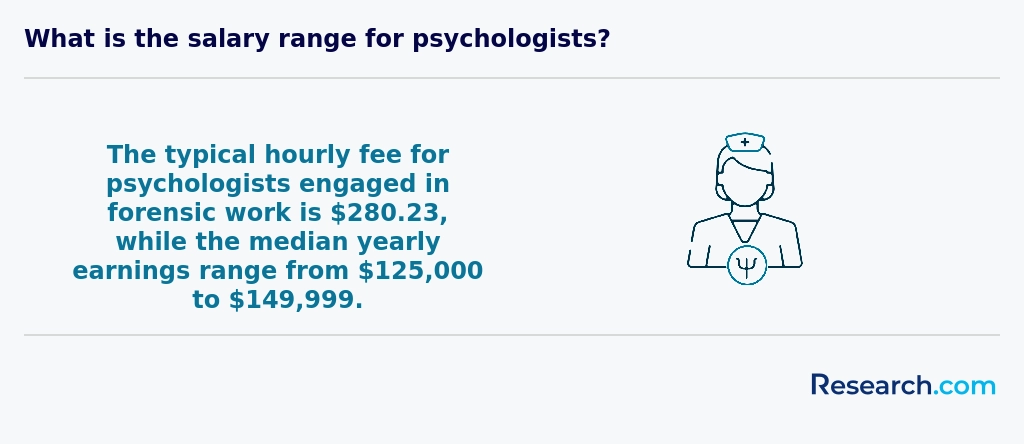
Pursuing a psychology career in Indiana culminates in obtaining the appropriate state license or certification, a crucial step for clinical practice, counseling, or assessment roles. The Indiana Professional Licensing Agency (IPLA) and the Behavioral Health Regulatory Board oversee licensure for psychologists, licensed mental health counselors (LMHCs), and licensed clinical social workers (LCSWs). To become a Licensed Psychologist, candidates must hold a doctoral degree in psychology from an accredited institution, complete a minimum of 1,750 supervised internship hours, and pass the Examination for Professional Practice in Psychology (EPPP) as well as the Indiana jurisprudence exam. For those aiming to become an LMHC, a master’s in counseling or a related field is required, along with 3,000 hours of supervised clinical experience and successful completion of the National Clinical Mental Health Counseling Examination (NCMHCE). In addition to formal degrees and exams, Indiana mandates ongoing professional development: licensed psychologists must accrue 20 continuing education credits annually, while LMHCs and LCSWs require 40 credits every two years, including ethics and Indiana-specific law courses. Supervision must be conducted by an approved supervisor and documented through IPLA’s online portal. Applicants should prepare a detailed supervised experience log and official transcripts for submission, ensuring timely processing and minimizing delays in licensure approval. For students comparing program affordability and alignment with state requirements, exploring regional online options can be advantageous-consider our Cheapest Online Psychology Degree Programs Ranking in Alabama for budget-friendly pathways that meet accreditation standards and prepare you for licensure exams. Adhering to these licensure and certification guidelines not only validates your expertise but also enhances employability and credibility in Indiana’s competitive mental health landscape.
Students pursuing psychology degrees in Indiana, whether at Indiana University or Purdue, often find themselves immersed in courses that build a deep understanding of human behavior. Foundational classes in cognitive, developmental, and social psychology offer clear insights into how people think, grow, and relate, which graduates recall as eye-opening moments that shaped their perspective.
Courses in research methods and statistics are especially valued, providing critical tools for analyzing behavior scientifically. Many graduates from Ball State University emphasize how experimental psychology and research design courses helped them feel confident in interpreting real data, skills they applied during internships and research projects.
Exploring abnormal psychology introduces students to mental health challenges and treatments, making the learning tangible through case studies often discussed in classroom settings at Butler University. Additionally, biological psychology courses reveal the intricate connections between brain function and behavior, which students find fascinating and useful for understanding everyday human experiences.
Electives like forensic or health psychology allow students to personalize their studies, often blending theory with practical experience, which is highly motivating. Graduates frequently mention how these courses prepared them emotionally and professionally for careers in counseling, human services, or education within Indiana's communities.
Psychology degree specializations in Indiana often include clinical psychology, where graduates share rewarding experiences working closely with patients during practicums at well-known universities like Indiana University. They describe the hands-on nature of these programs as both challenging and deeply fulfilling, preparing them for careers in mental health and therapy. Another popular concentration is counseling psychology, which students pursuing counseling licensure find invaluable for its focus on emotional and social support skills, often practiced in community centers linked to Indiana colleges.
Indiana psychology program concentration options also extend to industrial-organizational psychology, appealing to those who want to influence workplace culture and productivity. Graduates recall real projects with local businesses, highlighting how their skills promoted employee well-being. Additionally, specializations such as developmental, cognitive, forensic, and health psychology give students broad perspectives, helping them find their niche.
Many students considering advanced paths look to careers with online doctorate degree in psychology programs, which broaden opportunities within Indiana and beyond. These varied specializations reflect the state's dynamic approach to training psychologists who can address diverse societal needs with compassion and expertise.
Choosing the right psychology degree in Indiana starts with understanding your career goals. Graduates from Indiana University Bloomington often share how aligning their program's focus-whether clinical, cognitive, or developmental psychology-helped them thrive in their chosen fields. Finding a program that supports your passions is crucial to staying motivated and excited throughout your studies.
Another important factor is affordability. Many students look for affordable psychology degrees Indiana offers, balancing tuition costs with financial aid and scholarship opportunities. Private institutions may be pricier, but scholarships or assistantships can ease the burden. Practical experiences at schools like Purdue University, known for its research facilities and internships, enrich the learning journey and boost employment chances.
Always verify program accreditation, especially if your goal includes clinical licensure. Exploring data on graduation and job placement rates reassures that the program equips students effectively. Those considering advanced study should also review options like psy d programs that fit their requirements and lifestyle. Prioritizing faculty expertise and student support fosters personal growth and meaningful mentorship throughout your education.
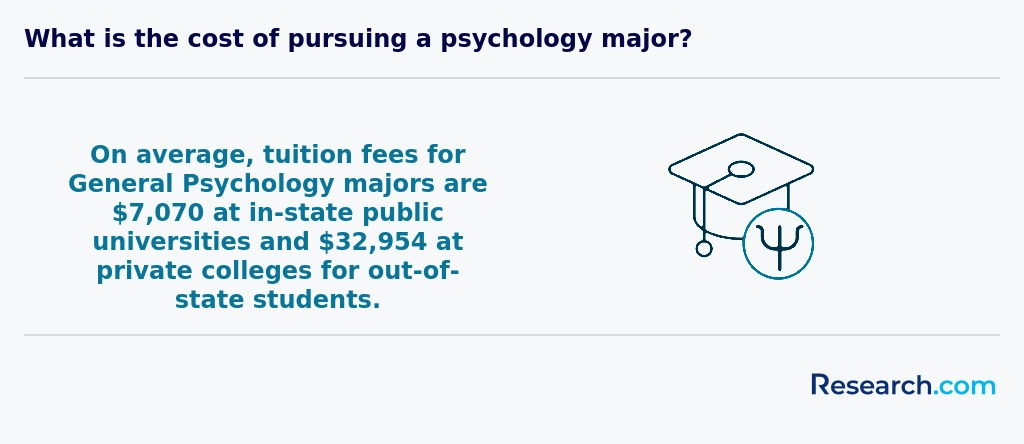
Graduates from psychology programs in Indiana discover a wide array of job opportunities for psychology graduates Indiana offers, from entry-level roles like case managers and behavioral health specialists to more advanced positions requiring graduate degrees. Alumni from Indiana University often reflect on their rewarding experiences working as psychiatric technicians in community health centers, gaining hands-on skills that inform their future careers.
For those pursuing licensure as clinical psychologists, Indiana mandates a doctoral degree and state certification, opening doors to private practice, hospitals, and school systems. Many former students from Ball State University share how their specialized training enabled them to support K-12 students' mental health as school psychologists, creating meaningful change in their communities.
Other notable paths include industrial-organizational psychology and research roles in government or academia. To wisely evaluate educational costs while planning for these careers, Indiana residents can explore options including those listed in the Cheapest Online Psychology Degree Programs Ranking in Alabama, which illustrates affordability considerations. These real-life insights embody the diverse psychology degree careers in Indiana awaiting committed students.
The psychology degree job outlook Indiana offers shows steady promise, particularly for graduates from well-known institutions like Indiana University and Purdue University. Many graduates find fulfilling roles in healthcare and social services, where mental health clinics and counseling centers eagerly seek skilled professionals. One graduate shared how their internship experience at a local counseling center in Indianapolis opened doors to a full-time position, highlighting the value of real-world exposure combined with academic knowledge.
Employment opportunities for psychology graduates Indiana are influenced by state licensure and advanced education requirements, as many clinical roles demand master's or doctoral degrees. Graduates often transition into positions such as social service assistants or human resources specialists within school systems and corporate environments. For example, a graduate from Ball State University leveraged an internship in a corporate HR department to move into organizational psychology roles. Given these pathways, those considering a psychology degree might explore affordable local programs and might also investigate the best paying 6 month certificate programs online to complement their education and improve job readiness.
2027 Most Valuable Psychology Degree Programs Ranking in Indiana
Investing in your education is a significant decision that can shape your future, and the Research.com team understands the importance of making informed choices. To assist prospective students in Indiana, we have meticulously crafted the "2027 Most Valuable Psychology Degree Programs Ranking in Indiana." Our commitment to quality, credibility, and accuracy is reflected in the extensive research and analysis conducted to compile this ranking.
We utilized the following reputable data sources to ensure a comprehensive evaluation of psychology programs:
By exploring this ranking, readers will gain valuable insights into the most valuable psychology degree programs in Indiana, helping them make informed decisions about their educational paths. For more details on our methodology, please visit our Research.com methodology page.


# 3 position
Purdue University Global
Bachelor of Arts in Psychology


# 10 position
Purdue University Global
Master of Science in Psychology


Frequently Asked Questions About psychology
Psychology degree students in Indiana can maximize their learning by actively engaging in both coursework and practical experiences. Many Indiana universities, like Indiana University and Purdue University, offer research opportunities that allow students to work alongside faculty on current psychological studies. According to the National Center for Education Statistics, participating in research projects significantly enhances understanding and skill application.
Internships within local healthcare settings or community organizations also provide hands-on experience, which is crucial for employment readiness. Additionally, joining psychology clubs and attending professional conferences in Indiana helps build networking skills and professional connections.
Finally, utilizing campus resources such as tutoring centers and academic advising supports academic success throughout the degree program.
Emerging niches within the psychology field reflect growing societal needs and technological advances. In Indiana, areas like neuropsychology, health psychology, and forensic psychology are gaining prominence. According to the Indiana Commission for Higher Education, demand for mental health professionals with specialized skills is increasing by over 12% through 2030.
Another expanding field is industrial-organizational psychology, focusing on improving workplace behavior and productivity. Additionally, telepsychology has grown, especially following the COVID-19 pandemic, allowing psychologists to reach rural Indiana populations more effectively. These niches offer new opportunities for students seeking impactful psychology careers in the state.
After completing a psychology degree in Indiana, preparing for the job market involves several strategic steps. First, gaining relevant experience through internships or volunteer positions is essential. Many employers in Indiana value hands-on experience, which strengthens your resume and professional skills.
Networking is another critical factor. Joining Indiana's local psychology associations, such as the Indiana Psychological Association, can connect graduates with job opportunities and mentorships. Additionally, staying current on licensure requirements is vital, especially for clinical or counseling psychology roles, which often require passing state exams and accumulating supervised hours.
According to the U.S. Bureau of Labor Statistics, the average psychologist salary in Indiana is around $80,000, but it increases with specialization and experience. Tailoring your job search to Indiana's growing healthcare and educational sectors also improves employment chances.
Employers in Indiana seeking psychology degree graduates prioritize strong communication skills. Graduates must be able to clearly explain complex psychological concepts to clients and colleagues. Critical thinking is another essential skill, enabling graduates to analyze research data and apply findings effectively in practical settings.
Additionally, proficiency in research methods and statistics is highly valued. According to the Indiana Department of Workforce Development, jobs in psychology-related fields often require familiarity with data analysis software and evidence-based practices.
Empathy and cultural competence also rank prominently, reflecting Indiana's diverse population and the demand for inclusive mental health services. These skills help graduates work efficiently in community clinics, schools, and hospitals.
Finding internships relevant to a psychology degree in Indiana involves several practical steps. Many universities, such as Indiana University and Purdue, maintain partnerships with local hospitals, clinics, and mental health organizations offering internship opportunities. Students should start by consulting their college's career services and psychology department, as these offices often provide listings specific to psychology fields.
Additionally, organizations like the Indiana Psychological Association offer resources and networking events that can connect students with professionals. According to the Bureau of Labor Statistics, internships greatly improve job prospects, with Indiana showing steady growth in psychology-related employment sectors.
Online platforms like Handshake and state government job boards can also list internships. Applying early and preparing a detailed resume emphasizing relevant coursework and volunteer experience is essential.
A psychology degree in Indiana can significantly enhance career mobility and advancement opportunities. According to the U.S. Bureau of Labor Statistics, the state's demand for psychologists and related professions is projected to grow by 10% from 2022 to 2032, faster than the national average. Graduates with a strong foundation in psychology often qualify for roles in healthcare, education, social services, and business sectors.
In Indiana, holding an advanced degree, such as a master's or doctorate, correlates with higher earning potential and leadership positions. Licensing requirements, overseen by the Indiana Professional Licensing Agency, encourage continued education, which promotes career progression. Networking through local psychology associations also aids professionals in gaining new opportunities and promotions.
Studying for a psychology degree in Indiana equips students with skills essential for interdisciplinary roles by integrating knowledge from various fields. Indiana universities emphasize coursework that blends psychology with biology, sociology, and counseling. This approach reflects the growing demand for professionals who can work across healthcare, education, and social services.
Many programs include practical experiences such as internships and research projects collaborating with departments like neuroscience or public health. According to the Indiana Commission for Higher Education, over 60% of psychology graduates engage in interdisciplinary employment within five years of graduation. This demonstrates the state's commitment to preparing students for diverse career paths.
Additionally, Indiana's focus on applied psychology fosters critical thinking and communication skills, both vital for interdisciplinary teamwork. This preparation enhances graduates' ability to adapt in environments that require comprehensive understanding of human behavior.
Choosing between a thesis and a non-thesis psychology degree program in Indiana depends largely on your career goals and learning preferences. Thesis programs usually emphasize original research and are ideal if you plan to pursue a PhD or work in research-oriented roles. Non-thesis tracks often focus more on coursework and practical skills, aligning better with those aiming for clinical or counseling jobs.
The Indiana Commission for Higher Education reports that about 40% of psychology graduate students enroll in thesis-based programs, highlighting a significant interest in research careers. Cost, program length, and faculty expertise should also influence your choice.
Speak with academic advisors and review school-specific outcomes to determine which option best fits your goals.
Students based in Indiana who want to study psychology abroad have several pathways available. Many Indiana universities, such as Indiana University Bloomington and Purdue University, offer study abroad programs or exchange partnerships with institutions in Europe, Asia, and Australia. These programs allow psychology students to earn credits that transfer back to their degree.
Additionally, Indiana students may explore short-term faculty-led trips focusing on global mental health or cross-cultural psychology. According to the Institute of International Education, about 2,300 U.S. students studied psychology abroad in recent years, with Indiana students contributing to this number through university-sponsored programs.
Students pursuing psychology degrees in Indiana can benefit from several part-time job opportunities that enhance both practical skills and academic understanding. Common roles include research assistants at universities such as Indiana University and Purdue University, where students support psychological studies and data analysis. These positions provide direct experience with research methodologies and statistics.
Other viable jobs are behavioral health technician or mental health aide roles in local clinics and hospitals, offering exposure to clinical practices and patient care. According to the Indiana Department of Workforce Development, healthcare jobs related to psychology are expected to grow by 10% through 2030, reflecting expanding career options. Such work complements academic learning and strengthens resumes.
Psychology students in Indiana have access to numerous networking opportunities through local and statewide organizations. The Indiana Psychological Association (IPA) offers events, workshops, and conferences tailored for students and professionals to connect and grow within the field. Many universities in Indiana, such as Indiana University and Purdue University, provide psychology clubs and honor societies, which serve as platforms for networking with peers and faculty.
Internships and research assistant positions also play a vital role in building professional relationships. According to the IPA, Indiana hosts several regional psychology conferences annually, promoting student involvement and exposure to expert practitioners.
Alumni networks in Indiana provide valuable resources for psychology degree students by offering mentorship, job connections, and professional development opportunities. Many Indiana universities, such as Indiana University Bloomington and Purdue University, have active alumni associations that help graduates access internships and entry-level positions in clinical, counseling, and research psychology fields.
Networking through alumni can improve job placement rates. According to the National Association of Colleges and Employers, nearly 85% of jobs are filled through networking. This is especially important in psychology, where personal recommendations often matter. Students can also attend exclusive workshops and seminars hosted by alumni, gaining insights into industry trends and best practices.
Moreover, alumni connections often lead to collaborations on research projects, which is critical given Indiana's growing focus on mental health initiatives. These networks support career advancement by providing continuous learning and access to licensed professionals statewide.
Customizing a psychology degree in Indiana begins with selecting a program that offers diverse specialization options. Many Indiana universities provide concentrations such as clinical psychology, counseling, or industrial-organizational psychology. These pathways help align studies with specific career goals.
Additionally, students can often choose electives or minors that complement their interests, such as criminal justice or education. This flexibility enables the development of interdisciplinary skills.
Internships and research opportunities are also vital for tailoring your education. Indiana's growing mental health sector offers practical placements, allowing students to gain hands-on experience and build professional networks before graduation.
Consulting academic advisors early ensures your course plan matches licensure or certification requirements for desired psychology careers.
Psychology students in Indiana commonly face several challenges related to academic workload and practical experience requirements. Many programs demand extensive research participation and completion of internships, which can be competitive and time-consuming. According to the Indiana Commission for Higher Education, about 40% of psychology undergraduates report difficulties balancing coursework with field placements.
Additionally, the evolving nature of mental health regulations in Indiana means students must stay updated on licensing requirements and ethical standards, which vary by specialization and level of education. Financial pressures are also significant, as the average annual tuition for public universities in Indiana reached approximately $11,500 in 2023, adding stress for many learners.
Lastly, access to diverse clinical training sites poses a challenge in rural areas, limiting hands-on experiences for some students. These factors collectively shape the student experience in Indiana's psychology programs.
With a psychology degree in Indiana, graduates can pursue several professional certifications that enhance career opportunities. Popular certifications include the Licensed Mental Health Counselor (LMHC) and Licensed Marriage and Family Therapist (LMFT), both requiring additional graduate education and supervised experience.
Psychologists seeking to practice clinically must obtain state licensure, which involves passing the Examination for Professional Practice in Psychology (EPPP) and completing supervised hours. Indiana's Psychologist Licensing Board regulates this process, ensuring compliance with state standards.
Other certifications include Certified Alcohol and Drug Counselor (CADC), relevant for those interested in addiction services. According to the Indiana Professional Licensing Agency, professionals with these certifications see growing demand due to the state's focus on mental health.
Applying to a psychology program in Indiana requires a clear, focused approach. Start by researching programs offered by institutions like Indiana University or Ball State, which have strong psychology departments. Highlight your academic achievements, particularly in relevant coursework such as biology, statistics, and social sciences. Admissions committees value applicants with hands-on experience, so include any internships, volunteer work, or research related to mental health.
Write a compelling personal statement that explains your motivation for studying psychology and your career goals. Indiana programs often look for evidence of critical thinking and communication skills, so be concise and impactful. Be sure to request strong recommendation letters from faculty familiar with your academic abilities. According to the National Center for Education Statistics, Indiana awarded over 1,000 psychology degrees in 2022, reflecting a competitive applicant pool. Meeting deadlines and submitting complete applications is essential to stand out.
The field of psychology offers diverse career opportunities worldwide, with particular growth noted in the United States. In Indiana, psychology professionals benefit from a strong healthcare infrastructure and demand in mental health services. According to the U.S. Bureau of Labor Statistics (BLS), psychology-related jobs are projected to grow 8% nationally between 2022 and 2032, a rate considered faster than average. This growth reflects greater global recognition of mental health's importance.
Globally, careers in psychology emphasize cultural competence and interdisciplinary skills. For Indiana students, understanding these global trends is valuable, especially as telehealth and international research collaborations increase. Schools in Indiana often align curriculums with these evolving standards to prepare graduates for competitive markets both at home and abroad.
Indiana's psychology degree programs focus on empirical research, clinical practice, and counseling techniques, reflecting widespread professional requirements. Insights from the Indiana Department of Workforce Development highlight that licensed psychologists in Indiana earn a median annual wage of approximately $80,000, influenced by experience and specialization.
Gaining practical experience while studying for a psychology degree in Indiana is essential for building skills and enhancing employability. Many Indiana universities encourage students to participate in internships, which provide hands-on work in clinical, counseling, or research settings. According to the Indiana Commission for Higher Education, internships completed during undergraduate or graduate studies can significantly improve job prospects.
Students can also seek research assistant positions with faculty members, allowing them to engage in data collection and analysis. Volunteer opportunities at local mental health clinics and hospitals are common and contribute to real-world experience.
Additionally, practicum placements are often embedded in counseling and social work programs, offering supervised client interaction before graduation.
Choosing the right concentration within a psychology degree program in Indiana involves evaluating your personal interests and career goals. Psychology offers various concentrations, such as clinical, counseling, industrial-organizational, and forensic psychology. Each specialization prepares students for different roles and licensure requirements.
Indiana's psychology workforce is expected to grow by 6% through 2030, with demand especially strong in clinical and counseling fields, according to the U.S. Bureau of Labor Statistics. Considering programs accredited by the American Psychological Association (APA) can enhance licensure prospects.
It's important to review curriculum details and internship opportunities at Indiana universities to align studies with professional aspirations. Connecting with faculty or advisors can provide tailored guidance based on your goals.
- 2027 Most Valuable Psychology Degree Programs Ranking in Ohio
- 2027 Most Valuable Psychology Degree Programs Ranking in Illinois
- 2027 Most Valuable Psychology Degree Programs Ranking in Kentucky
- 2027 Most Valuable Psychology Degree Programs Ranking in Missouri
- 2027 Most Valuable Psychology Degree Programs Ranking in Pennsylvania
- 2027 Most Valuable Psychology Degree Programs Ranking in Mississippi
- 2027 Most Valuable Psychology Degree Programs Ranking in Maryland
- 2027 Most Valuable Psychology Degree Programs Ranking in New Jersey
- 2027 Most Valuable Psychology Degree Programs Ranking in New York
- 2027 Most Valuable Psychology Degree Programs Ranking in Massachusetts
See What Experts Have To Say About Studying Psychology
Read our interview with Psychology experts

Robin M. Kowalski. Ph.D.
Psychology Expert
Professor of Psychology
Clemson University

Catherine Caldwell-Harris, Ph.D.
Psychology Expert
Associate Professor of Psychology
Boston University

Joann Farrell Quinn, Ph.D., MBA
Psychology Expert
Director at the College of Medicine Department of Medical Education
Morsani College of Medicine

- Study Psychology Abroad | Go Overseas https://www.gooverseas.com/study-abroad/psychology
- Alumni Perspectives - Meet Our FPN Alumni https://www.aanmelder.nl/alumni-perspectives-june-2023
- How to help students cope with mental health challenges https://www.eaie.org/resource/help-students-cope-mental-health-challenges.html
- Indiana Psychology Schools | Psychology Degree Guide https://psychologydegreeguide.org/state/indiana/
- Psychology https://clas.iusb.edu/psychology/index.html
- Professional Networking For Psychologists | Psychology.org https://www.psychology.org/resources/professional-networking/
- Society for the Teaching of Psychology https://teachpsych.org/page-1784686/8675326
- Psychology - SWPS University https://english.swps.pl/academics/warsaw/ba-programs/psychology
- Know more about thesis vs non- thesis: what is the difference? https://studyfans.com/en/blogs/816
- Study Psychology Abroad https://astarfuture.co.uk/study_psychology_abroad.html


