
2027 Most Popular Psychology Degree Programs Ranking in Worcester

Co-Founder and Chief Data Scientist
If you're considering pursuing a psychology degree in Worcester, this article is here to guide you. We present the 2027 Most Popular Psychology Degree Programs Ranking in Worcester, carefully created by the Research.com team of data scientists. This ranking is designed to help you make an informed choice about which programs truly stand out.
Exploring this list can open doors to exciting career opportunities and personal growth. A degree in psychology offers meaningful insights into human behavior, making it a valuable pursuit for those eager to make a positive impact.
Key benefits of getting psychology degree in Worcester
- Salary opportunities: Psychology graduates in Worcester can earn competitive salaries, such as Human Resources Specialists making around $76,060 annually and Marketing Research Analysts about $83,190 per year, offering strong financial motivation.
- Career paths: Graduates from Worcester universities often pursue varied roles like Clinical Research Associates or Survey Researchers, providing diverse and fulfilling job options in research, healthcare, and business.
- Online degree benefits: Earning a psychology degree online in Worcester offers flexibility and convenience, allowing students to balance work and study efficiently while gaining the same valuable skills as traditional programs.
- 2027 Most Popular Psychology Degree Programs Ranking in Worcester
- What can I expect from psychology degree in Worcester?
- Where can I work with psychology degree in Worcester?
What can I expect from psychology degree in Worcester?
The average cost of earning a psychology degree in Worcester typically ranges between $10,000 and $25,000 per year, depending on whether you attend a public institution like Worcester State University or a private university such as Clark University. Many graduates recall the value of investing in their education here, emphasizing how these programs not only provide solid academic foundations but also open doors through research opportunities and internships within the city's vibrant mental health community.
Students often feel encouraged by the affordable tuition relative to the rich, hands-on experiences available locally. They describe practical training at Worcester's hospitals and clinics as transformative, helping to connect classroom theories with real-world impact. For those passionate about psychology, this combination of reasonable costs and immersive learning creates a rewarding educational journey filled with growth, discovery, and confidence toward future careers in counseling, research, or clinical practice.
Where can I work with psychology degree in Worcester?
With a psychology degree from Worcester's top institutions like the University of Massachusetts Medical School, graduates step into a world of meaningful career opportunities that truly make a difference. Many find themselves working in local hospitals or behavioral health centers, serving as clinical psychologists or counselors who support patients through life's challenges, inspiring hope every day.
Others thrive in educational settings such as Worcester Public Schools or nearby colleges, becoming school counselors or academic advisors who uplift students and shape positive futures. Graduates often share how rewarding it feels to help young minds grow and overcome obstacles through their psychological expertise.
Business and nonprofit sectors also welcome psychology graduates, where they apply their skills in human resources, community outreach, and program coordination to strengthen organizations and empower individuals. Many have exciting roles working with local agencies tackling issues like substance abuse and youth services.
For those drawn to research, Worcester's universities offer dynamic positions contributing to cutting-edge psychological studies, fueling discoveries that impact lives. The vibrant, supportive community here transforms a psychology degree into a launching pad for careers full of purpose and growth.
Graduates with a psychology degree from Worcester's well-regarded institutions often find themselves stepping into rewarding careers with promising salaries. For example, those entering human resources roles can expect a mean annual wage of about $76,060, a solid starting point that reflects the city's strong demand for skilled professionals.
Others who pursue careers as marketing research analysts enjoy average earnings near $83,190 per year, benefiting from a dynamic intersection of psychology and business. Graduates working as clinical research associates or survey researchers typically see salaries around $62,370, enabling them to engage in meaningful research while securing steady incomes.
Many Worcester alumni share stories of launching careers in these fields, fueled by hands-on experiences during their studies and strong local job networks. Knowing that child care workers in the area earn about $32,070 annually also highlights diverse opportunities connected to psychology degrees.
Worcester's vibrant academic and professional communities cultivate these successes, inspiring new graduates to envision their own fulfilling futures in psychology-driven professions.
- Annual in-state tuition for public universities in Worcester ranges from $15,000 to $20,000, while private institutions may charge over $40,000 per year.
- Entry-level psychology professionals in Worcester earn around $50,000 annually, with experienced specialists making between $75,000 and $85,000 per year.
- Advanced degrees like master's and doctorates are commonly needed for many psychology careers in Worcester to improve job prospects.
- There is growing demand for mental health services, leading to jobs in hospitals, schools, private practices, and government agencies.
- Licensure and continuing education are important for working in psychology locally, especially in clinical, counseling, and school psychology roles.
- Worcester offers varied practicum and internship options, providing critical hands-on experience for psychology students.
Completing a psychology degree in Worcester is an exciting journey that typically takes about four years for full-time students. Graduates from Clark University and Worcester State University often share how their time was filled with meaningful courses, engaging electives, and real-world experiences that made each year rewarding. Many find joy balancing academics with internships that bring the theory to life, strengthening their passion for psychology.
For those pursuing a master's, it usually takes an additional two years, offering a deeper dive into specialized fields like counseling or applied psychology. Worcester's supportive atmosphere helps students feel confident as they build skills needed for impactful careers.
Doctoral candidates in Worcester embark on a dedicated path of 5 to 7 years, embracing research and clinical work that truly shapes their professional identity. Many feel proud of the perseverance and growth this commitment fosters, knowing they're preparing to make a meaningful difference.
Whether studying full-time or balancing other commitments, Worcester's psychology programs offer flexible pathways that inspire every student to reach their goals.
When selecting a psychology degree program in Worcester, MA, accreditation is the cornerstone of academic quality and future licensure. The American Psychological Association (APA) accredits doctoral and internship programs, while regionally recognized bodies like the New England Commission of Higher Education (NECHE) validate bachelor’s and master’s degrees. Graduating from an APA-accredited institution not only signals rigorous training in ethics and research methods but also fulfills prerequisite coursework for state licensure. In Massachusetts, aspiring psychologists must complete a doctoral degree, accrue at least 1,500 hours of supervised experience, and pass the Examination for Professional Practice in Psychology (EPPP). Licensed counselors and school psychologists face their own board requirements, including the Massachusetts Board of Registration of Psychologists and the Department of Elementary and Secondary Education for school-based roles. Verifying program accreditation on official university websites and the APA directory helps ensure a smooth transition from student to licensed professional. For financially conscious students seeking quality without compromising standards, comparing accredited programs by cost can reveal hidden savings. You can explore affordable options in our Cheapest Online Bachelor's in Psychology Degree Programs Ranking in the West, which highlights regionally accredited institutions offering competitive tuition rates. By prioritizing accreditation and understanding local licensure pathways, prospective psychology majors in Worcester can invest confidently in programs that meet both educational excellence and regulatory requirements.
Choosing between an online and an on-campus psychology degree in Worcester brings exciting possibilities tailored to your lifestyle. Online programs, ideal for busy adults balancing work or family, offer flexibility with recorded lectures and digital discussion boards. Many graduates from Worcester's online psychology programs share how this format empowered them to learn at their own pace without sacrificing quality, thanks to accreditation standards matching traditional programs.
On-campus programs at institutions like Worcester State University or Assumption University create vibrant communities where students thrive through face-to-face interactions. Graduates often reflect on the enriching experiences of group projects, campus events, and easy access to labs and counseling centers that deepen their understanding.
Both paths cover core psychology principles like cognitive and clinical psychology, preparing students for rewarding careers in Worcester's growing mental health field. While on-campus students tap into local internships via career centers, online students gain independence arranging practicum opportunities, building resilience and self-motivation.
Psychology graduates who wish to advance their careers increasingly turn to ongoing education and specialized certifications to remain competitive. Embracing post-degree learning opportunities-such as professional workshops, certificate programs, and advanced training courses-can open paths to leadership roles and specialized fields like clinical practice, forensic psychology, or neuropsychology. Many professionals also benefit from joining alumni groups and networking events, which offer mentorship as well as practical collaboration on emerging industry trends. For those considering alternative routes in the field, resources on how to become therapist can provide guidance even if your undergraduate focus wasn’t strictly psychology. This continuous development strategy not only reinforces your expertise but also increases your marketability in an ever-evolving job landscape, ensuring that your career remains dynamic and future-proof.
When exploring the average cost of psychology degree in Worcester, students quickly discover a range that reflects both opportunity and value. Graduates from Worcester State University often share how the more affordable in-state tuition, typically around $55,111 for the entire degree, allowed them to pursue their dreams without overwhelming debt. This affordability creates an accessible path to a rewarding career in psychology, supporting students as they focus on their passion for understanding human behavior.
On the other hand, students from private institutions like Clark University and the College of the Holy Cross experience a different but equally inspiring journey. Although the total cost can rise up to $70,187, many graduates emphasize the personalized attention, extensive resources, and powerful networks they gained, which fueled their confidence and professional development. These factors enrich the academic experience, making the investment feel worthwhile and motivating for those seeking to excel in the field.
For those considering Worcester psychology degree tuition and fees, factoring in living expenses and materials can feel daunting, but many find creative ways to manage these costs and pursue scholarships and financial aid options. The blend of academic rigor and community support programs in Worcester cultivates a vibrant educational environment where students thrive.
If you are inspired to join this exciting field, you can discover more about opportunities, including the best popular psychology degree programs available to help guide your path forward.
Choosing an APA-accredited psychology program in Worcester, MA, is essential for meeting state licensure requirements and ensuring your degree is recognized by employers and graduate schools. Accreditation verifies that a program adheres to rigorous standards in curriculum, faculty qualifications, and clinical training. In Massachusetts, graduates must typically complete a doctorally-level program or a master’s plus supervised practice, accumulate 3,000–4,000 supervised hours, and pass the Examination for Professional Practice in Psychology (EPPP) to become licensed psychologists. Beyond state licensure, many students seek flexibility through affordable online bachelor’s options before advancing to graduate study-see our Cheapest Online Bachelor's in Psychology Degree Programs Ranking in the West for cost-effective pathways. After earning your accredited degree, plan for: • Supervised Experience: Secure practicum placements or internships in clinical, school, or community settings under a licensed psychologist. • EPPP Preparation: Enroll in test-prep courses focusing on ethics, assessment, and intervention strategies to boost your exam readiness and confidence. • State Board Application: Submit official transcripts, supervision logs, and application fees to the Massachusetts Board of Registration of Psychologists. By verifying accreditation early and mapping out licensure milestones-accredited coursework, supervised hours, EPPP success, and board approval-you’ll transition smoothly from student to practicing professional, fully equipped to meet Worcester’s growing demand for qualified psychologists.
Many Worcester psychology students have found financial aid to be a powerful support on their academic journeys. Federal aid, like Pell Grants up to $7,395, often lifts the burden for those who qualify, allowing them to focus on their passion for psychology without constant financial stress. Graduates from Worcester State University frequently share how merit-based scholarships helped them thrive by rewarding their dedication and hard work.
Work-Study programs also play a vital role, giving students hands-on experience with part-time campus jobs connected to psychology, merging practical learning with earning. Those pursuing graduate studies often benefit from assistantships that come with tuition remission or stipends, substantially easing expenses while deepening their research skills.
Private and federal student loans, including subsidized Stafford Loans with reasonable rates, provide flexibility and security, encouraging students to pursue their ambitions confidently. Local grants and scholarships from organizations like the Massachusetts Psychological Association further brighten the path.
National scholarships from the APA and Psi Chi can also make dreams a reality for motivated Worcester students who start early and stay determined.
To practice as a licensed psychologist in Massachusetts, graduates must meet specific educational and experiential criteria set by the Massachusetts Board of Registration of Psychologists. First, candidates must earn a degree from an APA-accredited doctoral program in psychology or, for school psychologists and many counseling roles, a master’s degree from a program recognized by the National Association of School Psychologists (NASP) or the Massachusetts Board. For those exploring flexible learning options, an affordable master in psychology online can fulfill the academic requirements while allowing for a balance of work and study. After completing the required coursework, applicants must accumulate a minimum of 1,500 hours of supervised professional experience (SPE) under a board-approved supervisor. These hours are typically divided between pre-doctoral and post-doctoral practicum placements, ensuring practical exposure to assessment, diagnosis, and treatment. Throughout this supervised period, meticulous documentation of client contact, supervision details, and case notes is essential to demonstrate competence and meet board audit standards. Once educational and SPE requirements are satisfied, candidates must pass the Examination for Professional Practice in Psychology (EPPP), a nationally recognized assessment of core psychological knowledge. Additionally, Massachusetts mandates the Massachusetts Psychology Jurisprudence Exam (MPJE), which evaluates understanding of state laws, ethical guidelines, and professional conduct standards. Successful completion of both exams grants eligibility to apply for full licensure. Licensed psychologists in Massachusetts must also engage in ongoing professional development. The board requires 30 continuing education credits every two years, covering ethics, diversity, and evidence-based interventions. These credits can be earned through workshops, conferences, and approved online courses, ensuring practitioners remain current with evolving best practices and regulatory changes.
To embark on a rewarding journey in psychology at Worcester universities, prospective students need a solid foundation starting with a high school diploma or GED. Many graduates fondly recall how their strong performance in core subjects like English, math, and science shaped their confidence and readiness for college-level psychology courses. Worcester's colleges appreciate applicants who have taken biology or social science classes, as these provide a natural introduction to psychological concepts.
Standardized tests like the SAT or ACT might be part of your application, but Worcester schools have grown more flexible, emphasizing your whole story over test scores. Personal statements and letters of recommendation offer you a vibrant opportunity to share your passion and commitment-something past Worcester psychology students found empowering when crafting their applications.
Graduate programs value your bachelor's degree and prerequisite classes like statistics and research methods, which open the door to advanced study and exciting career paths. This well-rounded approach ensures that every student arriving in Worcester is ready to thrive and contribute meaningfully to the field of psychology.

To make an informed decision when choosing a psychology program, prospective students should consider several factors, including the program's reputation, curriculum, and available specializations. One crucial step is to research and understand the different types of psychology degrees offered, such as clinical psychology, counseling psychology, and industrial-organizational psychology, to find the best fit for their career aspirations. Exploring the best popular psychology degree programs can provide valuable insights into what each program offers, helping students make a more informed choice. Additionally, factors like program length, cost, and the availability of financial aid, such as scholarships and grants, should be taken into consideration. By carefully evaluating these aspects, prospective students can select a psychology program that aligns with their academic and professional goals, ultimately leading to a successful and fulfilling career in psychology.
Students pursuing psychology degrees in Worcester experience a curriculum that blends foundational knowledge with inspiring real-world applications. At schools like Worcester State University and the College of the Holy Cross, graduates often describe how courses such as Introduction to Psychology open their eyes to diverse areas like cognitive and clinical psychology, making complex concepts feel accessible and exciting.
Core classes in Research Methods and Statistics build confidence in data-driven thinking, empowering students to design experiments and analyze human behavior with clarity. Biological Psychology brings to life the fascinating connection between brain mechanisms and emotions, while Developmental Psychology paints vivid pictures of how people grow and change through every life stage.
Worcester students also engage deeply with courses like Social Psychology, exploring how friendships, family, and communities shape us all. Many find the Practicum and Internship opportunities invaluable, gaining hands-on experience that fuels their passion and sharpens their skills in real clinical or research environments close to home.
Worcester's psychology degree specializations offer exciting pathways that align with your passion for helping others and understanding human behavior. Graduates from local universities often immerse themselves in clinical psychology, gaining hands-on experience through supervised practicum that prepares them for rewarding careers in mental health counseling or therapeutic roles. Many find joy working directly with individuals, making a real difference in their communities.
Those drawn to interpersonal connections and personal growth often choose counseling psychology, where coursework in emotional and social development equips students to support students and families across schools and community centers. Worcester psychology program concentration options also include educational psychology, where graduates apply their knowledge to improve learning environments and foster student success in area schools.
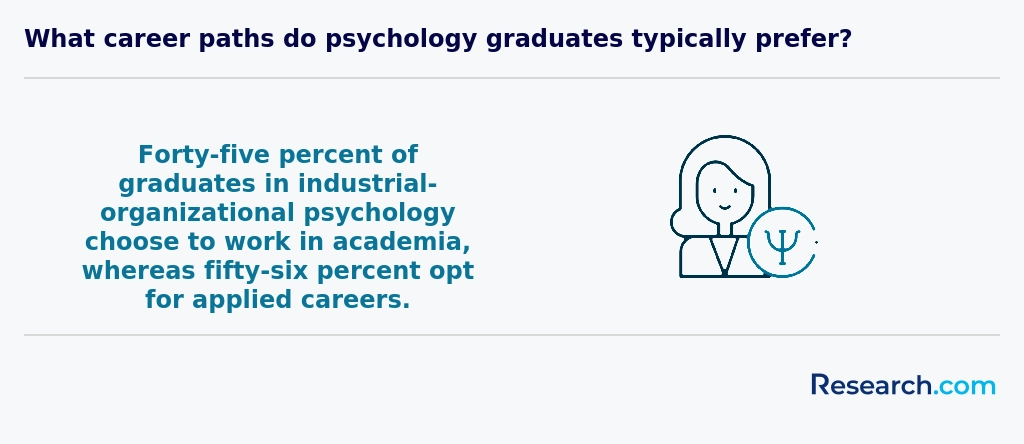
Another vibrant choice is industrial-organizational psychology, allowing students to thrive in workplace settings by boosting employee motivation and leadership. Whether you're interested in these or exploring how to enter the field without a traditional background, resources like how to become therapist guides can inspire your journey with confidence.
Choosing the best psychology degree programs in Worcester means focusing on what truly aligns with your passions and lifestyle. Graduates from popular Worcester colleges often share how hands-on internships and close faculty mentorship brought their studies to life, helping them confidently step into careers. Imagine participating in innovative research projects or clinical practicums right in the heart of Worcester, gaining experience that makes your resume stand out.
Affordability also plays a vital role. Many students find affordable psychology colleges Worcester MA that provide excellent value without sacrificing quality. Balancing tuition with flexible class schedules, including part-time or evening options, lets you pursue your degree while managing work or family commitments.
If you're considering advancing your education, exploring a master in psychology online offers great flexibility and access to expert faculty, all while staying connected to Worcester's vibrant psychology community. This practical approach makes your dream of becoming a licensed psychologist both achievable and inspiring.
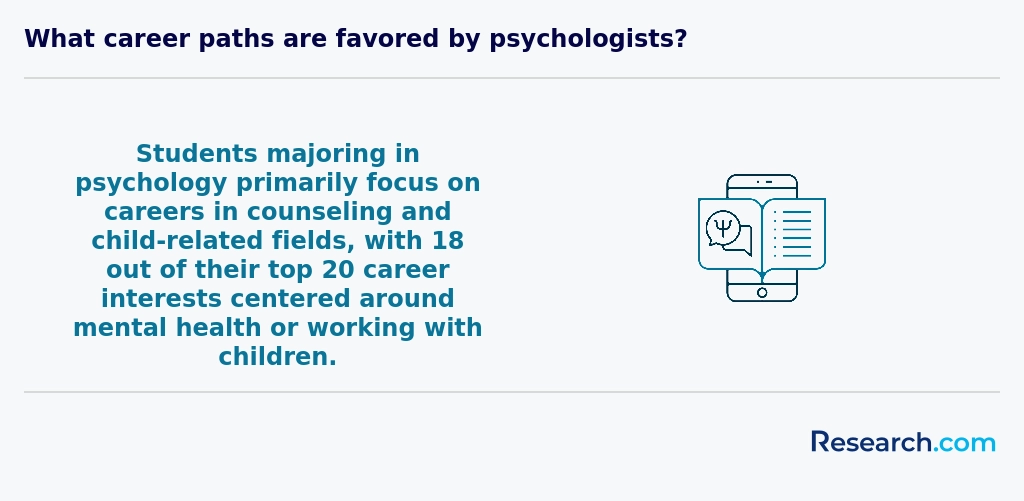
Graduates from Worcester's well-respected institutions like Worcester State University and the College of the Holy Cross discover inspiring psychology career opportunities in Worcester that truly impact their communities. Many step into clinical and counseling psychology roles, providing essential mental health support in hospitals or community centers, fueled by a genuine passion to help others thrive. Others channel their skills into industrial-organizational psychology, enhancing workplace well-being in local businesses and government agencies, creating healthier work environments.
Jobs with a psychology degree in Worcester also span academic and market research, where graduates contribute to groundbreaking studies at universities or research centers, often paving the way to advanced degrees. Additional fulfilling paths include social services, school psychology within Worcester County schools, health administration, and human resources, each offering meaningful ways to apply psychology knowledge.
For those exploring affordable options, Worcester offers accessible programs, and resources like the Cheapest Online Bachelor's in Psychology Degree Programs Ranking in the West support smart financial planning while preparing for these dynamic careers.
The psychology degree employment opportunities in Worcester reflect a vibrant and growing market, fueled by the city's strong healthcare and education sectors. Graduates from Worcester State University, for example, often find rewarding roles in mental health counseling or school psychology within local hospitals and schools. These real-life scenarios show how the supportive community here fosters both personal growth and professional success.
Many Worcester job prospects for psychology graduates arise from partnerships with institutions like UMass Memorial Health Care, where students gain hands-on experience through internships. This practical exposure opens doors to positions in social work and behavioral health services in government and nonprofit organizations. Graduates often share stories of feeling empowered knowing their work has a tangible, positive impact on individuals' lives.
Students looking to enhance their qualifications can explore 6-month certificate programs that lead to high paying careers, which complement a psychology degree and boost employability in the region's competitive workforce.
2027 Most Popular Psychology Degree Programs Ranking in Worcester
Investing in your education is a significant decision that can shape your future, and the Research.com team understands the importance of making informed choices. To assist prospective students in Worcester, we have meticulously crafted the "2027 Most Popular Psychology Degree Programs Ranking in Worcester." Our commitment to quality, credibility, and accuracy is reflected in the extensive research and analysis conducted to compile this ranking.
We utilized the following reputable data sources to ensure a comprehensive evaluation of psychology degree programs:
By exploring this ranking, readers will gain valuable insights into the most popular psychology degree programs in Worcester, enabling them to make well-informed decisions about their educational journeys. For more details on our methodology, please visit our Research.com methodology page.


Frequently Asked Questions About psychology
Psychology degree students in Worcester can maximize their learning experience by actively engaging in both academic and practical opportunities offered by local institutions. Worcester is home to several respected universities, including the College of the Holy Cross and Worcester State University, which provide access to research labs, internships, and psychology clubs.
Taking advantage of internships at local mental health clinics and community organizations allows students to apply theory to practice, an essential step for skill development. According to the American Psychological Association, hands-on experience significantly improves graduate readiness and employment outcomes.
Joining study groups and attending guest lectures featuring regional psychology experts can also deepen understanding. Additionally, utilizing Worcester's libraries and online databases ensures students stay current with psychological research trends and regional data.
The psychology field is rapidly evolving, with several emerging niches attracting attention in Worcester and beyond. One growing area is neuropsychology, which focuses on the relationship between brain function and behavior. This specialty is driven by advances in brain imaging technology. Another expanding niche is health psychology, addressing mental well-being related to chronic illness, a crucial field given the rising rates of lifestyle diseases in Worcester's population.
Industrial-organizational psychology is also gaining momentum as local businesses seek experts to improve workplace productivity and employee satisfaction. Additionally, forensic psychology continues to grow, supporting Worcester's legal and criminal justice systems. According to the American Psychological Association, these specialized areas offer promising career paths for new graduates.
Preparing for the job market after earning a psychology degree in Worcester involves several key steps. Graduates should focus on gaining relevant experience, such as internships or research assistant positions, which are often available through local institutions like Worcester State University. Networking with professionals in the area, including those at nearby hospitals and counseling centers, is crucial for finding job opportunities.
Additionally, many psychology-related positions require certification or licensure, so graduates should research state requirements in Massachusetts. According to the U.S. Bureau of Labor Statistics, employment for psychologists in Massachusetts is expected to grow by 12% through 2030, indicating a healthy job market regionally.
Building strong communication and data analysis skills can also improve employability. Worcester graduates benefit from access to career services and alumni networks to aid in job searches and resume development.
Employers in Worcester highly value psychology graduates who demonstrate strong analytical and critical thinking skills. These abilities enable graduates to interpret complex data and apply psychological theories to real-world problems effectively.
Communication skills are also essential, as many roles require presenting findings clearly to diverse audiences. According to the Bureau of Labor Statistics, around 65% of psychology-related jobs emphasize interpersonal communication.
Additionally, employers look for proficiency in research methods and statistical software such as SPSS or R, as Worcester institutions often focus on evidence-based practices. Problem-solving and ethical judgment rank among top competencies, reflecting the community's demand for responsible practitioners.
Finding internships in Worcester relevant to a psychology degree often begins with exploring local universities such as Nichols College and the College of the Holy Cross. These schools typically have partnerships with healthcare providers and community organizations. Worcester is home to several hospitals and mental health clinics, including the UMass Memorial Medical Center, which frequently offers internship opportunities to psychology students.
Students should also utilize resources from the American Psychological Association, which lists accredited internship programs by region. Networking through faculty advisors and attending local psychology meetups or conferences can increase access to unpublished opportunities.
Online platforms like Handshake and the National Association of Colleges and Employers also list internships specific to Worcester's psychology field. Early application is key, as competitive programs can fill quickly.
A psychology degree in Worcester significantly enhances career mobility and advancement opportunities. The city's diverse healthcare, education, and social service sectors actively seek professionals with psychological expertise. According to the U.S. Bureau of Labor Statistics, employment of psychologists is projected to grow 8% nationally from 2022 to 2032, with local demand in Worcester reflecting this trend due to expanding mental health services.
Graduates with a psychology degree often find pathways into counseling, human resources, and research roles. Local institutions, such as UMass Medical School and community agencies, provide numerous entry points for career progression. Higher degrees lead to licensure and specialized positions, increasing earning potential and leadership opportunities.
Studying for a psychology degree in Worcester offers unique advantages for students aiming at interdisciplinary careers. Local institutions often emphasize the integration of psychological principles with fields like healthcare, education, and social services. Worcester's colleges incorporate practical training and collaborative projects, allowing students to work alongside peers from nursing, social work, and counseling programs. According to the Worcester Regional Research Bureau, nearly 40% of psychology graduates engage in roles that combine expertise across multiple disciplines within five years of graduation.
Courses frequently include training in data analysis, communication, and ethical decision-making, essential for diverse professional environments.
This approach prepares graduates to adapt effectively in settings ranging from hospitals to community organizations, enhancing employment prospects in the broader job market.
Choosing between a thesis and a non-thesis psychology degree program in Worcester depends on your academic and career goals. Thesis programs focus on original research, requiring students to complete a significant research project under faculty supervision. This path benefits those interested in pursuing doctoral studies or research careers. Non-thesis programs emphasize coursework and practical training, suitable for students aiming for professional roles or immediate employment.
Worcester's institutions, such as Clark University, offer both options with varying credit requirements. According to the U.S. Department of Education, thesis students often spend 20-30% more time on research-related activities. Consider your learning style, time commitment, and future plans when deciding.
Students based in Worcester interested in studying psychology abroad have several options to consider. Many US institutions, including those in Massachusetts, offer study abroad programs integrating psychology coursework with international experience. These programs typically last one semester to a full academic year and are often affiliated with European universities, allowing credit transfer toward psychology degrees.
Popular destinations include the United Kingdom, Ireland, and Australia, where students can explore diverse psychological theories and practices. According to the Institute of International Education, about 12% of US psychology students participate in study abroad programs, reflecting growing interest in global perspectives.
Additionally, Worcester students can access exchanges through local universities such as Clark University, which has partnerships facilitating international study opportunities in psychology.
Part-time job opportunities in Worcester can significantly enhance psychology degree education by providing practical experience alongside academic learning. Popular roles include research assistant positions in local universities such as Clark University or the University of Massachusetts Medical School. These jobs allow students to engage in data collection and analysis relevant to psychology.
Additionally, mental health support roles, such as working in crisis hotlines or community counseling centers, offer direct interaction with clients, strengthening communication and empathy skills. According to the U.S. Bureau of Labor Statistics, psychology-related employment in Massachusetts is expected to grow by 10% through 2030, highlighting increasing opportunities.
Other options include tutoring psychology underclassmen or assisting in wellness programs at Worcester-area organizations, all of which build valuable professional competencies. These hands-on experiences are crucial for graduate school applications or future psychology careers.
Psychology students in Worcester have access to various networking opportunities that help build professional connections. Local universities like Worcester State University and College of the Holy Cross often host psychology-focused events, including guest lectures, workshops, and career fairs.
Additionally, students can join chapters of national organizations such as the American Psychological Association's student groups, which provide valuable chances to meet peers and mentors. Worcester's proximity to Boston also allows students to attend regional psychology conferences and seminars.
Internship programs within Worcester's healthcare and community service sectors further facilitate networking by connecting students directly with local professionals. According to Worcester State University's career services, about 70% of psychology students secure internships in the area, enriching their practical experience and contacts.
Alumni networks provide valuable support for psychology degree students in Worcester by offering mentorship opportunities and professional connections. Graduates often return to share insights on local job markets and internships, which is crucial in a competitive field like psychology. According to the National Association of Colleges and Employers, students with active alumni contacts have a 35% higher chance of securing internships.
In Worcester, notable universities maintain engaged alumni who work in various psychology disciplines, enhancing networking events and career workshops. This access helps students understand real-world challenges and emerging trends in psychology careers in Massachusetts.
Alumni connections can also facilitate access to research projects and professional licenses by providing guidance on navigating certification processes. Overall, these networks create a strong community that supports both educational growth and career advancement.
Customizing a psychology degree program in Worcester allows students to align their studies with specific career goals. Many local institutions offer elective courses and specialized tracks such as clinical, counseling, or industrial-organizational psychology, enabling focused skill development. Worcester State University, for example, provides options for internships and research projects that help build practical experience.
Students can also pursue certificate programs alongside their degrees, adding areas like child psychology or neuropsychology. Advisors play a crucial role in helping design personalized academic plans based on career aspirations. According to the Worcester Education Research Group (2023), 65% of psychology students benefit from internships, enhancing employability in local healthcare or educational settings.
Psychology students in Worcester often face challenges related to balancing rigorous academic coursework with practical experience requirements. Programs typically demand extensive study of research methods, statistics, and theoretical frameworks, which can be overwhelming for many.
Additionally, Worcester's competitive internship opportunities require students to secure placements early, creating pressure alongside their academic commitments. According to the Bureau of Labor Statistics, the demand for skilled psychology practitioners is growing, emphasizing the need for real-world experience.
Financial constraints also pose difficulties, as tuition and living costs in Worcester can be high, making it hard for some students to manage expenses without adequate financial aid or employment.
With a psychology degree in Worcester, graduates can pursue various professional certifications that enhance their career opportunities. Common options include becoming a Licensed Mental Health Counselor (LMHC) or Certified Alcohol and Drug Counselor (CADC). These require additional supervised clinical hours and passing state exams. The Massachusetts Board of Registration of Psychologists oversees licensure for psychologists, requiring a doctoral degree and specific internship experiences.
Other certifications like Certified School Psychologist or Board Certified Behavior Analyst (BCBA) are also available, each demanding specialized training beyond a bachelor's or master's degree. Local professionals often pursue continuing education through nearby institutions such as Worcester State University to meet these requirements.
Writing a winning application for a psychology program in Worcester requires clear focus and preparation. Begin by thoroughly researching programs like those at Worcester State University, known for their comprehensive psychology curriculum and focus on both theoretical and applied psychology. Highlight your academic achievements, particularly relevant coursework or research experience in psychology.
Admissions committees in Worcester often emphasize personal statements that reflect genuine interest in psychology and career goals. Use your essay to explain why you chose psychology and how studying in Worcester aligns with your aspirations. Including any volunteer or internship experience related to mental health can strengthen your application.
Standardized test scores, such as the GRE, may still be required by some programs, so check current requirements. Maintaining a strong GPA, typically above 3.0, is crucial due to competitive admissions locally. Finally, secure recommendation letters from instructors familiar with your psychological studies or research potential to provide credible endorsements.
Psychology careers in the US, including Worcester, benefit from a broad global framework emphasizing cultural competency and diverse research methods. The American Psychological Association highlights increasing demand for professionals trained to understand cross-cultural mental health issues. Graduates often explore opportunities abroad or work with diverse communities locally, reflecting worldwide trends toward inclusivity in mental health care.
Worcester's psychology programs align with this global shift by incorporating multicultural studies and evidence-based practices recommended internationally. According to the Bureau of Labor Statistics, psychology jobs in Massachusetts are projected to grow 8% from 2021 to 2031, partially due to global awareness of mental health's importance.
Students in Worcester can expect training that prepares them for careers emphasizing ethical practice, international research collaboration, and adaptability to evolving global mental health needs.
Gaining practical experience while studying for a psychology degree in Worcester is essential for building skills and enhancing employability. Many local universities, including Worcester State University, encourage students to participate in internships and practicum placements. These opportunities often involve working with community organizations, mental health clinics, or research labs, providing hands-on experience under supervision.
Additionally, Worcester is home to several healthcare facilities and social service agencies that offer internship programs tailored for psychology students. According to the Worcester Regional Research Bureau, approximately 30% of psychology undergraduates engage in such practical training before graduation.
Another option is volunteering at local nonprofits focused on mental health, which helps students apply theoretical knowledge in real-world settings. This experience is vital for graduate school applications and future careers in psychology.
Choosing the right concentration within a psychology degree program in Worcester depends on your career goals and interests. Psychology in Worcester often emphasizes areas like clinical, counseling, and industrial-organizational psychology, reflecting local healthcare and business needs. According to Massachusetts Department of Higher Education, clinical psychology programs prepare students for licensure as psychologists, a key factor for many students.
Evaluate concentrations by reviewing course offerings, faculty expertise, and practicum opportunities available at Worcester institutions. For example, counseling psychology often includes community-based internships, valuable for career readiness.
Consider also local employment trends; the Bureau of Labor Statistics notes a growing demand in mental health services in the Worcester area, influencing specialization choices.
- 2027 Most Popular Psychology Degree Programs Ranking in Amherst
- 2027 Most Popular Psychology Degree Programs Ranking in Boston
- 2027 Most Popular Psychology Degree Programs Ranking in Albany
- 2027 Most Popular Psychology Degree Programs Ranking in Bronx
- 2027 Most Popular Psychology Degree Programs Ranking in Queens
- 2027 Most Popular Psychology Degree Programs Ranking in New York
- 2027 Most Popular Psychology Degree Programs Ranking in Rochester
- 2027 Most Popular Psychology Degree Programs Ranking in Buffalo
- 2027 Most Popular Psychology Degree Programs Ranking in Cleveland
- 2027 Most Popular Psychology Degree Programs Ranking in Detroit
See What Experts Have To Say About Studying Psychology
Read our interview with Psychology experts

Robin M. Kowalski. Ph.D.
Psychology Expert
Professor of Psychology
Clemson University

Catherine Caldwell-Harris, Ph.D.
Psychology Expert
Associate Professor of Psychology
Boston University

Elizabeth L. Jeglic Ph.D.
Psychology Expert
Professor of Psychology
City University of New York

- Research - University of Chichester https://eprints.worc.ac.uk/12884/
- Psychology Placement Opportunities for Year 12 Students https://studymind.co.uk/ucas-guide/year-12-guide-to-gaining-psychology-work-experience/
- Why Get a Psychology Degree Online? | University of Bridgeport https://www.bridgeport.edu/news/reasons-to-get-your-psychology-degree-online/
- Financial Aid for Psychology Students https://www.onlinepsychologydegrees.com/financial-aid/
- Professional Networking For Psychologists | Psychology.org https://www.psychology.org/resources/professional-networking/
- Study Psychology Abroad | Go Overseas https://www.gooverseas.com/study-abroad/psychology
- Bachelor of Science (B.S.) in Psychology | Worcester State University https://www.worcester.edu/programs/psychology-major/
- How to help students cope with mental health challenges https://www.eaie.org/resource/help-students-cope-mental-health-challenges.html
- Mental Health Challenges Faced by Psychology Students | The Healthcare Guys https://healthcareguys.com/2023/11/23/mental-health-challenges-faced-by-psychology-students/
- Ontario Psychological Association - Networking and Community Resources https://www.psych.on.ca/become-a-member-(1)/member-services/networking-and-community-resources


