
2027 Most Affordable Psychology Degree Programs Ranking in Evanston

Co-Founder and Chief Data Scientist
Choosing the right psychology degree program in Evanston can feel overwhelming, but we're here to help. This article features the 2027 Most Affordable Psychology Degree Programs Ranking in Evanston, created by the Research.com team of data scientists.
Our goal is to provide clear, trustworthy information so you can make a confident decision about your education. A psychology degree opens doors to rewarding careers that make a real difference.
Discover affordable options that fit your goals and take a positive step toward your future.
Key benefits of getting psychology degree in Evanston
- Salary for psychology degree graduates: Graduates can expect competitive salaries, with roles like Clinical Research Associates earning around $62,370 annually and Human Resources Specialists around $76,060. These figures reflect rewarding financial prospects in several fields tied to psychology degrees.
- Potential career paths: A psychology graduate from Northwestern University in Evanston might pursue roles in human resources, marketing research, or clinical research, reflecting the degree's versatility and wide professional application. These options offer exciting opportunities for personal growth and meaningful work.
- Benefits of online psychology degrees: Graduates from online programs gain flexibility to balance studies with life responsibilities, often accelerating career advancement. An Evanston-based online graduate highlights the convenience and accessibility which fosters confidence and success in their career journey.
- 2027 Most Affordable Psychology Degree Programs Ranking in Evanston
- What can I expect from psychology degree in Evanston?
- Where can I work with psychology degree in Evanston?
What can I expect from psychology degree in Evanston?
The average cost of pursuing a psychology degree in Evanston varies significantly depending on the type of institution. Public universities typically charge lower tuition for in-state residents, with annual undergraduate tuition averaging around $15,000 to $20,000. Private institutions, such as Northwestern University, which is well-known for its psychology programs, often have tuition fees exceeding $60,000 per year. Graduates from these programs report that while the upfront cost can be steep at private schools, financial aid and scholarships substantially alleviate the burden, making advanced research opportunities and access to renowned faculty more attainable.
Many psychology students in Evanston describe balancing rigorous coursework with internships at local clinics or research centers, citing these practical experiences as invaluable despite their cost. Graduate programs, especially doctoral tracks, incur higher fees but are often offset by assistantships or research fellowships. Prospective students are advised to carefully analyze tuition versus available financial aid to maximize their investment in Evanston's vibrant research community and professional networks.
Where can I work with psychology degree in Evanston?
Psychology graduates in Evanston find diverse employment opportunities spanning healthcare, education, social services, research, and business sectors. Graduates from local institutions like Northwestern University often secure roles in healthcare settings such as NorthShore University HealthSystem, applying psychological expertise in patient care and behavioral health programs. This allows them to engage in meaningful, community-centered work with tangible patient outcomes.
Many also pursue careers in education within the Evanston/Skokie School District 65, serving as school psychologists or counselors who directly support students' mental health and learning success. Social services present additional rewarding pathways, with organizations like YWCA Evanston/North Shore offering roles focused on mental health outreach and family support, which graduates find fulfilling and impactful.
Research positions at Northwestern provide hands-on experience in advanced psychological studies, enabling graduates to contribute to meaningful scientific progress. Entry-level roles in human resources and marketing further leverage psychology skills in organizational development and consumer behavior analysis. Reflecting the region's competitive market, the average psychologist's salary near Evanston was about $89,000 in 2022, underscoring positive financial prospects alongside professional growth.
Graduates with a psychology degree in Evanston can anticipate a range of earnings closely linked to their chosen career path and level of education. Entry-level positions such as human resources specialists provide a solid starting salary, with a mean annual wage of about $76,060 according to the latest data. This allows recent graduates from institutions like Northwestern University to gain meaningful experience while earning competitively in the Chicago metropolitan area.
For those moving into research roles, such as clinical research associates or survey researchers, salaries generally average around $62,370 annually. These positions, often found in Evanston's numerous psychological research centers, offer practical exposure alongside steady income. Graduates engaged in marketing research analyst roles see still higher earnings, with a mean salary of $83,190, reflecting the value of psychology skills in understanding consumer behavior.
Many Evanston psychology graduates find satisfaction knowing their skills apply to diverse roles, from human resources to specialized research, each providing rewarding opportunities both financially and professionally.
- Tuition for psychology programs in Evanston ranges from about $15,000 to over $50,000 per year, excluding living expenses and materials.
- Starting salaries for bachelor's degree holders in psychology typically average around $40,000 annually.
- Advanced degree holders, such as those with a master's or doctorate, can earn between $70,000 and $90,000 in mid-career roles.
- Employment growth in Evanston is steady, with strong demand for licensed psychologists, social workers, and counselors.
- Psychology programs in Evanston include internships or practicums, important for meeting licensure requirements in Illinois.
Completing a psychology degree in Evanston generally follows established timelines based on the level of study and institution type. For instance, full-time students at Northwestern University often complete their Bachelor of Arts or Science in Psychology in four years, aligning with the standard U.S. undergraduate model of approximately 120 credit hours. Graduates describe balancing coursework with vibrant campus life, creating an engaging and motivating environment that supports on-time completion.
For those pursuing graduate degrees locally, timeframes extend notably. Master's programs typically require 2 to 3 years, influenced by thesis or practicum components that deepen practical experience. Doctoral candidates aiming for research or clinical careers often spend 5 to 7 years at Evanston institutions, navigating intensive coursework, comprehensive exams, and dissertation research. Graduates frequently reflect on the rewarding challenge this journey presents, emphasizing the valuable skills and professional readiness gained.
To practice as a psychologist or counselor in Evanston, graduates must typically:
- Earn a graduate degree (master’s or doctoral) in psychology or counseling from an accredited institution.
- Complete 1,500–6,000 supervised clinical hours under a licensed professional, depending on your chosen license.
- Pass the national Examination for Professional Practice in Psychology (EPPP) and any additional state-specific exams.
- Apply for licensure through the Illinois Department of Financial and Professional Regulation (IDFPR) and fulfill continuing education requirements.
- Select a CACREP-accredited counseling track for streamlined credentialing, such as our cacrep online counseling programs.
On-campus psychology degrees in Evanston, such as those at Northwestern University, offer students direct interaction with professors and peers, fostering immediate feedback and collaborative learning. Graduates often highlight the value of hands-on experiences like lab work and clinical practicums, which are vital for careers in clinical psychology or counseling. Access to campus resources, including libraries and counseling centers, enhances this traditional educational environment.
In contrast, online psychology programs prioritize flexibility, allowing students-particularly working professionals or those with family commitments-to study at their own pace from any location. Digital platforms support virtual discussions and video lectures, though some graduates mention missing the spontaneous engagement available on campus. Nationwide data indicates growing enrollment in online psychology programs due to these conveniences.
Cost is another defining factor. On-campus tuition in the US averages between $9,000 for public in-state students and over $35,000 at private universities, with Evanston institutions generally reflecting this range. Online programs may reduce expenses by eliminating commuting and facility fees, but exact rates vary and should be scrutinized carefully.
Both formats require accreditation-often by the American Psychological Association-to ensure educational quality and licensure eligibility. Prospective students in Evanston must weigh these academic and logistical factors according to their personal circumstances and career aspirations.
The average cost of a psychology degree in Evanston is notably higher than many other regions due to the prominence of private institutions like Northwestern University. Current median data indicate a total cost of approximately $91,242 for out-of-state students and around $68,322 for in-state students pursuing a psychology degree. These figures take into account tuition, fees, and associated expenses over the entire course of study.
Graduates from Evanston-based universities often reflect on the investment as a worthwhile experience, citing access to renowned faculty and cutting-edge research facilities that enrich their academic journey. Despite the financial commitment, many highlight the supportive community and professional opportunities that come with studying at such prestigious institutions.
In addition to tuition, students should anticipate costs for books, supplies, and living expenses-room and board in Evanston typically ranges from $15,000 to $20,000 annually. Pursuing an affordable psychology degree program in Evanston requires careful planning, as private university tuition can exceed $60,000 per year, while local public options remain limited.
For students exploring career paths or seeking guidance after graduation, it can be helpful to consult resources aligned with broader psychology profession guidelines. Understanding these will provide clarity on educational investment and potential returns in the psychology field.
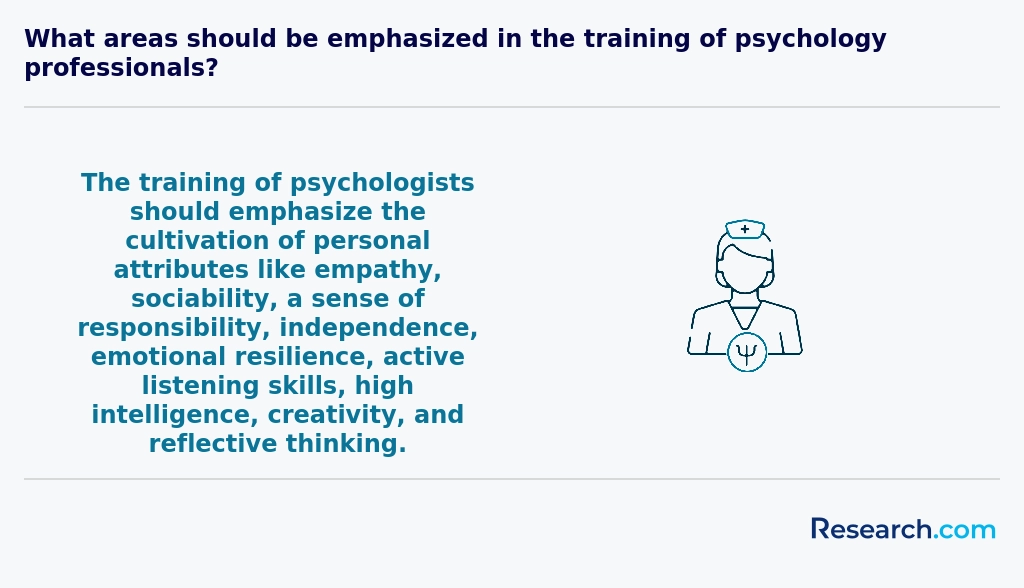
Choosing an accredited psychology program in Evanston, IL, is essential to ensure your degree meets state and national standards for professional practice. Prospective students should verify that their institution holds regional accreditation from agencies such as the Higher Learning Commission (HLC) and programmatic accreditation from the American Psychological Association (APA), which is often required for licensure as a clinical or counseling psychologist. Graduates of APA-accredited programs typically have smoother pathways to state licensure and are eligible for internships, residencies, or supervised practice that meet regulatory requirements. In Illinois, licensure for psychologists is governed by the Department of Financial and Professional Regulation (IDFPR). After completing a bachelor’s or master’s degree, candidates must accumulate supervised hours, pass the Examination for Professional Practice in Psychology (EPPP), and satisfy any additional state jurisprudence exams. Understanding these steps early can help you select coursework and practicum experiences that align with licensure criteria, avoiding delays in your career progression. For students comparing affordability across neighboring states, exploring alternative rankings can refine your search-particularly if you’re open to online or hybrid models. For additional insights into cost-effective options, review our Most Affordable Psychology Degree Programs Ranking in Indiana, which highlights programs with strong accreditation credentials and competitive tuition rates. Prioritizing accreditation and clear licensure requirements empowers you to invest in a psychology degree that is both affordable and recognized by employers and licensing boards.
Psychology students in Evanston benefit from multiple financial aid options that make the pursuit of their degree more affordable. For example, undergraduates at Northwestern University often utilize federal Pell Grants, which offer up to $7,395 annually without repayment. These grants form a vital part of their financial strategy, reducing immediate tuition burdens, which typically range from $35,000 to $50,000 per year in Illinois.
Federal Direct Subsidized and Unsubsidized Loans supplement these grants, providing low-interest funding with flexible repayment plans that ease long-term financial pressure. Students engaging in work-study programs frequently secure campus positions related to psychology, allowing them to earn income while gaining practical experience-something many Evanston graduates report as invaluable both economically and professionally.
- State aid, such as Illinois' Monetary Award Program (MAP), offers need-based grants that complement federal funding.
- Institutional scholarships at Evanston's universities recognize academic merit or financial need, considerably lowering out-of-pocket costs.
- Private scholarships from organizations like the American Psychological Association support focused fields within psychology.
- Graduate students often access assistantships and fellowships that cover tuition and living expenses.
Graduates pursuing professional licensure in Illinois must meet education, examination and supervised experience criteria:
- Complete a graduate degree from a regionally accredited institution (many choose cacrep accredited programs)
- Accumulate required supervised hours (1,920 for Licensed Professional Counselors; 3,000 for Clinical Psychologists) under an approved supervisor
- Pass the appropriate exam (National Counselor Examination for Counselors; EPPP for Psychologists)
- Submit an application to the Illinois Department of Financial and Professional Regulation and fulfill any background‐check or jurisprudence requirements
Enrolling in a psychology degree program in Evanston typically requires meeting clear academic and testing standards. For undergraduates, most applicants present a high school diploma or GED with a competitive GPA around 3.0 or higher, demonstrating solid performance in biology, mathematics, and social sciences. For instance, applicants to Northwestern University, a key institution in Evanston, benefit greatly from emphasizing such coursework alongside their transcripts, recommendation letters, and personal statements under its test-optional policy.
Graduate applicants generally need a bachelor's degree, often in psychology or related fields like sociology or biology, from an accredited institution. Courses in psychology, statistics, and research methods are critical to prepare students for advanced study. Many graduate programs in Evanston also require GRE scores, although some have recently waived this to reduce barriers.
Successful students describe the admissions process as rigorous yet rewarding, appreciating how thorough prerequisites ensure they are well equipped for the intellectual challenges of psychology programs in Evanston's competitive academic environment.
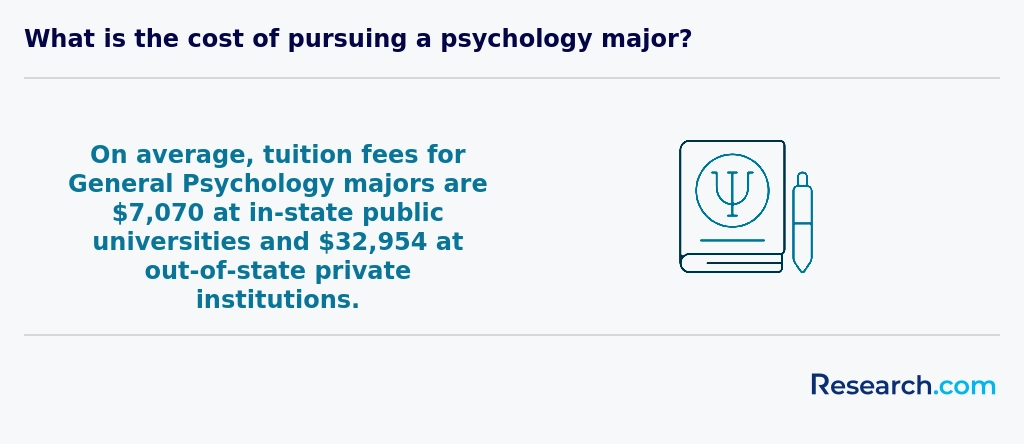
When selecting a psychology degree program in Evanston, IL, it's crucial to consider both the cost and the quality of education provided. Prospective students should weigh the potential return on investment by evaluating factors such as tuition fees, available financial aid, and the program's reputation. For instance, considering an affordable psychology school in Illinois can be a strategic move, as it balances affordability with the quality of education, ensuring that students receive a valuable degree without incurring excessive debt. By investing time in researching these aspects, students can make informed decisions that align with their academic and career goals, ultimately leading to a fulfilling and successful professional life in psychology.
Psychology degree programs in Evanston typically include a range of courses designed to build a deep understanding of human behavior and mental processes. Core classes often encompass subjects like Introduction to Psychology, which covers foundational theories and concepts, and Research Methods in Psychology, where students learn experimental design and data analysis skills critical for scientific inquiry.
Courses such as Biopsychology or Neuropsychology allow students to explore how brain functions affect behavior, while Cognitive Psychology delves into memory, attention, and problem-solving processes. Graduates from Northwestern University, a key institution in Evanston, report that classes in Developmental Psychology and Social Psychology help them contextualize human growth and social influences in real-world settings.
Many students appreciate the inclusion of Abnormal Psychology, where they examine mental disorders and treatment approaches, often linking theory to internships or lab work. These practical experiences, common in Evanston programs, create a strong sense of preparedness and excitement among students pursuing careers in clinical or research fields.

Psychology degree specializations in Evanston typically include clinical psychology, cognitive psychology, developmental psychology, and social psychology. Graduates from well-known Evanston institutions often highlight their hands-on experiences diagnosing mental health disorders in clinical settings, which enhances their readiness for healthcare roles or further education.
Developmental psychology programs focus on human growth across the lifespan, preparing students for impactful careers in counseling and education. Cognitive psychology students engage in studies of memory and problem-solving, often contributing to research projects at local universities. Social psychology courses explore group dynamics, useful in fields like marketing and organizational behavior.
Additionally, industrial-organizational psychology is increasingly popular due to its application in improving workplace productivity and employee well-being. Many Evanston programs integrate focused coursework with supervised experience, making the transition to certification smoother. This strong alignment with career goals appeals to those seeking affordable psychology program concentrations Evanston offers alongside quality education. Some students also explore options like an inexpensive online master's in Christian counseling to supplement their specialization.
Choosing the best psychology degree in Evanston starts with verifying regional accreditation to ensure the program meets quality standards and is recognized for licensure or graduate study. Graduates from popular Evanston colleges often highlight how accredited programs provided them with confidence and practical training essential for success. Understanding degree levels is critical: bachelor's programs offer foundational knowledge, while master's and doctoral degrees prepare students for specialized clinical or academic roles. Many students appreciate how concentrations like clinical or cognitive psychology align well with specific career goals.
Tuition costs at Evanston institutions typically range from about $12,000 per year for in-state bachelor's students at public universities to over $50,000 at private schools. Students pursuing affordable psychology degree programs in Evanston often balance these expenses with financial aid and living costs. Faculty expertise and access to local research hubs enhance learning experiences, with students frequently citing meaningful internships that shaped their paths toward educational psychology careers. Flexible program options, including online or evening classes, accommodate diverse schedules, making psychology degrees near Evanston Illinois accessible for working professionals.

Psychology career opportunities in Evanston span clinical, counseling, industrial-organizational, research, and educational roles. Graduates from local institutions, including those near Northwestern University, often find pathways as clinical psychologists treating mental health disorders or counseling professionals assisting individuals in schools and healthcare settings. Many also pursue work as industrial-organizational psychologists, enhancing workplace productivity in nearby business environments.
Jobs with a psychology degree in Evanston also include research positions at local universities, leveraging access to one of the country's leading research hubs. School psychologists support student mental health and learning, while human services roles focus on community mental wellness. These options reflect the city's dynamic labor market where healthcare and tech industries increasingly draw on psychological expertise for data analysis and user experience research.
To manage educational costs relative to career goals, prospective students often evaluate institutions carefully, with options including the affordable psychology school in Illinois. Graduates report positive outcomes from internships and job placements facilitated by Evanston's strong academic and professional networks.
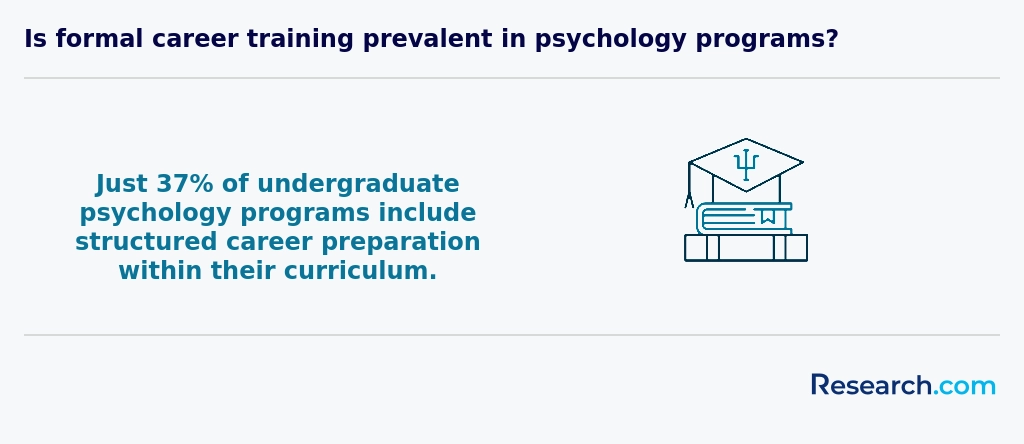
The job market for psychology degree holders in Evanston reflects steady growth supported by healthcare providers, educational institutions, and research facilities in the Chicago metro area. Graduates from popular local colleges experience increased demand for roles in clinical, counseling, and school psychology, consistent with the broader employment outlook for psychology graduates Evanston. Many find positions in mental health clinics, universities, and community service agencies, where they apply their skills in real-life settings such as school counseling or hospital mental health programs.
Graduates often emphasize the advantage of pursuing advanced degrees to improve job prospects and salary potential. Entry-level jobs like research assistants or psychiatric technicians also offer valuable experience. Many students attending these institutions seek best psyd program apa accredited options to enhance career opportunities.
Locally, the salary landscape aligns with national figures, with a median wage near $82,180 reported by the BLS. Psychology students in Evanston benefit from a competitive environment bolstered by strong academic training and practical internships, fueling promising career trajectories in this growing job market for psychology degree job opportunities in Evanston.
2027 Most Affordable Psychology Degree Programs Ranking in Evanston
Investing in your education is a significant decision that can shape your future, and the Research.com team understands the importance of making informed choices. To assist prospective students in Evanston, we have meticulously crafted the "2027 Most Affordable Psychology Degree Programs Ranking in Evanston." Our commitment to quality, credibility, and accuracy is reflected in the extensive research and analysis conducted to compile this ranking.
We utilized the following reputable data sources to ensure a comprehensive evaluation of psychology degree programs:
By exploring this ranking, readers will gain valuable insights into the most affordable psychology degree programs in Evanston, empowering them to make informed decisions about their educational investments. For more details on our methodology, please visit our Research.com methodology page.

Frequently Asked Questions About psychology
Psychology degree students in Evanston can enhance their learning by engaging actively with local academic resources. Northwestern University, located in Evanston, offers numerous research opportunities especially in clinical and cognitive psychology, allowing students to gain hands-on experience.
Collaborating with faculty on research projects or securing internships in nearby mental health organizations also strengthens practical understanding. According to the National Center for Education Statistics, students involved in applied research show higher retention rates and improved career prospects.
Additionally, joining student psychology associations and attending seminars hosted by Evanston-based institutions encourages networking and exposure to current developments in psychology.
Emerging niches within psychology reflect the evolving needs of society and technology. In Evanston, specialties such as neuropsychology and health psychology are gaining popularity as research institutions like Northwestern University lead advancements in brain-behavior studies. Another growing area is environmental psychology, focusing on how surroundings impact mental well-being, relevant in urban settings like Evanston.
Additionally, digital mental health has surfaced as a critical niche. The integration of technology and psychology opens roles in developing apps and teletherapy platforms, a field projected to grow by 20% nationwide through 2030 according to the Bureau of Labor Statistics. These niches offer diverse career paths for students considering psychology degrees in Evanston.
After earning a psychology degree in Evanston, preparing for the job market involves targeted steps to increase employability. Students should seek internships and volunteer opportunities at local mental health clinics or research centers, which provide practical experience highly valued by employers.
Networking is essential; attending events hosted by professional organizations like the Illinois Psychological Association can help graduates connect with potential employers. According to data from the U.S. Bureau of Labor Statistics, psychology-related jobs in Illinois are projected to grow about 6% through 2030, indicating modest but steady demand.
Graduates should also consider further certification or licensure depending on their career goals, such as becoming a licensed clinical psychologist or counseling professional, which requires additional graduate education and supervised hours.
Developing skills in data analysis and familiarity with software like SPSS can improve job prospects, especially in research-related roles. Many Evanston universities offer workshops to enhance these competencies.
Employers in Evanston highly value psychology degree graduates who demonstrate strong analytical skills. The ability to interpret data and apply psychological theories to real-world problems is essential in many local clinics and research centers.
Communication skills are also crucial. Graduates must effectively convey complex ideas to diverse audiences, including clients and multidisciplinary teams. According to the Bureau of Labor Statistics, nearly 75% of psychology-related roles emphasize interpersonal communication.
Additionally, critical thinking paired with ethical judgment is a key asset. Employers in Evanston, home to multiple healthcare organizations, expect graduates to apply ethical standards when working with sensitive information or vulnerable populations.
Familiarity with research methods and statistical software is beneficial, given Evanston's focus on evidence-based practice in psychology. This expertise increases employability, as local employers prefer candidates who can contribute to ongoing studies or clinical trials.
Finding internships in Evanston relevant to a psychology degree involves leveraging local university resources and community organizations. Northwestern University, a major institution in Evanston, offers a dedicated career services office that posts psychology-related internships both on and off campus. Students can access these listings via the university's online portal.
Beyond the university, Evanston features several healthcare and social service organizations where psychology interns gain experience. Places like the Evanston Community Mental Health Board and local clinics frequently seek interns for behavioral health programs.
Additionally, students should network through professional organizations such as the Illinois Psychological Association, which occasionally advertises internship opportunities in the region. Early application and maintaining a strong academic record are crucial, as competition can be significant.
A psychology degree in Evanston significantly enhances career mobility and advancement by providing foundational knowledge highly valued in diverse fields such as healthcare, education, and business. According to data from the Bureau of Labor Statistics and local employment reports, occupations requiring psychological expertise in Evanston have grown by 8% over the past five years.
Graduates often benefit from the city's close proximity to Chicago's robust job market, expanding potential employment opportunities beyond local boundaries. Psychology programs equip students with critical thinking and research skills, which are transferable to roles in counseling, human resources, and market analysis.
Furthermore, professional licensure and advanced graduate degrees, common paths after an initial psychology degree, strongly correlate with higher salaries and leadership roles within Evanston's growing mental health and social services sectors, as noted by the Illinois Department of Employment Security.
Studying for a psychology degree in Evanston offers unique opportunities to engage with interdisciplinary fields due to the city's strong academic connections and research institutions. Many programs emphasize collaboration across disciplines such as neuroscience, sociology, and public health. This prepares students to work effectively in diverse professional environments.
Courses often incorporate real-world applications, including statistics and behavioral science, which are valuable in fields like healthcare, education, and business. According to the National Center for Education Statistics, psychology graduates from Evanston-area schools report higher involvement in interdisciplinary projects than the national average.
Hands-on research experience and internships in Evanston's vibrant academic community further strengthen these skills, fostering adaptability in evolving career landscapes.
Choosing between a thesis and a non-thesis psychology degree program in Evanston depends largely on your academic and career goals. Thesis programs typically focus on original research and demand a significant time commitment to design and complete a research project. These are ideal for students considering doctoral studies or research-intensive careers.
Non-thesis programs emphasize coursework and practical skills, often including internships or practicum experiences, and can be completed more quickly. They suit students aiming for professional roles in clinical or counseling settings.
According to data from the National Center for Education Statistics, Evanston area psychology programs report higher thesis completion rates among students pursuing academia, while non-thesis graduates frequently enter applied psychology fields.
Consider your future plans, learning style, and the faculty expertise at Evanston institutions when making your choice.
Students based in Evanston who wish to study psychology abroad have several options within the U.S. higher education system. Many universities in Evanston, including Northwestern University, offer study abroad programs or exchange partnerships with institutions in countries such as the United Kingdom, Canada, and Australia. These programs allow psychology students to complete credits overseas while retaining progress toward their degree.
The Institute of International Education reports that psychology remains one of the most popular fields for U.S. students studying abroad, with approximately 12% of participants selecting social sciences.
Furthermore, students can take advantage of summer research internships or semester exchanges specifically designed for psychology majors, providing exposure to international perspectives in mental health and cognitive science. Academic advisors in Evanston typically guide students through credit transfer processes to ensure seamless integration of abroad coursework into psychology degrees.
Students pursuing psychology degrees in Evanston can find several part-time job opportunities that complement their academic learning. Positions such as research assistants at local universities, including Northwestern University, provide valuable hands-on experience in experimental psychology. These roles often involve data collection, literature reviews, and supporting ongoing studies.
Additionally, working as a behavioral health technician in nearby clinics allows students to apply psychological principles in real-world settings. Evanston's healthcare facilities sometimes offer internships or part-time roles that contribute to understanding patient care and mental health interventions.
According to the U.S. Bureau of Labor Statistics, practical experience alongside coursework can increase employability in psychology fields post-graduation.
Psychology students in Evanston benefit from diverse networking opportunities due to the city's strong academic presence. Northwestern University, located in Evanston, hosts multiple psychology organizations and events, such as the Psychology Club and annual research symposia, fostering connections among students and faculty. According to Northwestern's registered student organizations list (2023), there are over 10 groups related to mental health and behavioral science, helping students engage with peers and professionals early in their careers.
Local internships and practicum placements are widely available through partnerships with Evanston-area clinics and hospitals. These settings offer real-world experience and valuable introductions to practicing psychologists. Professional associations like the Illinois Psychological Association also hold regional events accessible to students, providing further avenues for mentorship and career growth.
Alumni networks offer significant advantages for psychology degree students in Evanston. These networks provide students with valuable connections to professionals working in clinical, counseling, and research roles across Illinois and nationwide. According to the National Association of Colleges and Employers, 85% of jobs are filled through networking, highlighting the practical importance of alumni ties.
In Evanston, where universities often maintain strong ties with local psychological clinics and institutions, alumni can facilitate internships, mentorships, and job opportunities for current students. Mentorship from alumni allows students to gain insights into career paths, graduate programs, and licensure requirements specific to psychology.
Additionally, alumni events and online platforms help students build lasting professional relationships that support career advancement and lifelong learning.
Customizing a psychology degree program in Evanston starts with selecting elective courses that align with your career goals. Many local institutions offer specializations such as clinical psychology, cognitive neuroscience, or industrial-organizational psychology. This lets you focus on the area best suited to your interests and intended profession.
Internships and research opportunities provide practical experience. Evanston's proximity to Chicago allows access to diverse clinical sites and research labs, giving students real-world exposure. According to the National Center for Education Statistics, students who engage in internships report stronger job placement rates.
Advisors at universities in Evanston often help tailor course plans and recommend certifications or dual-degree options. This individualized guidance enhances readiness for specific roles, such as counseling, human resources, or academic research.
Psychology students in Evanston often face a demanding coursework load, which includes both theoretical classes and practical research components. Balancing these requirements can be challenging, especially with the emphasis on statistical methods and data analysis. Many struggle with mastering quantitative skills, as psychology programs typically require strong understanding of statistics.
Another typical challenge is securing relevant internships or research assistant positions in a competitive local job market. Access to hands-on experience is crucial for career readiness, but opportunities may be limited. According to the National Center for Education Statistics, psychology bachelor's graduates in Illinois reported a 12% employment rate within six months post-graduation, below the national average.
Additionally, students must navigate financial pressures. While Evanston offers various scholarships, rising tuition and living costs remain significant obstacles. Mental health demands also impact psychology students themselves, as rigorous study often coincides with personal stress, requiring robust support systems.
With a psychology degree in Evanston, you can pursue various professional certifications that enhance your career prospects. Common certifications include Licensed Clinical Professional Counselor (LCPC) and Licensed Clinical Social Worker (LCSW), which require graduate education and supervised experience.
The National Board for Certified Counselors (NBCC) offers the National Certified Counselor (NCC) credential, valued across Illinois. Additionally, certification as a Certified Alcohol and Drug Counselor (CADC) is available for those interested in substance abuse treatment.
These certifications require passing exams and completing continuing education credits. According to the Illinois Department of Financial and Professional Regulation, Evanston supports access to supervision and training for these licenses, making it a practical location for certification pursuit.
To write a winning application for a psychology program in Evanston, start by highlighting your academic achievements, especially in psychology-related coursework and research experience. Programs value a strong GPA, typically above 3.5, and relevant internships or volunteer work in mental health settings.
Personal statements should clearly express your passion for psychology and your career goals, supported by specific examples from your experiences. Tailoring the essay to reflect the unique offerings of Evanston-based schools, such as Northwestern University's psychology department, can strengthen your application.
Letters of recommendation should come from professors or professionals familiar with your dedication and skills in psychology. Lastly, score well on the GRE if required, and meet all application deadlines precisely.
Psychology careers in the United States often reflect global trends emphasizing interdisciplinary knowledge and applied skills. Many psychology graduates pursue fields like clinical practice, research, or organizational psychology, aligning with international demands for mental health professionals. In Evanston, home to several respected universities, students benefit from programs that incorporate both American and global psychological theories.
According to the American Psychological Association, the U.S. is expected to see a 14% growth in psychology jobs through 2031, which aligns with worldwide increases in mental health awareness. Evanston's proximity to Chicago offers numerous internship opportunities fostering global perspectives.
Studying psychology in Evanston prepares students to engage with varied cultural contexts, a skill valued in international and domestic careers.
Gaining practical experience while studying psychology in Evanston is essential for building skills and enhancing your resume. Many students engage in research assistant positions at Northwestern University's psychology department, which is highly ranked nationally. These roles allow you to participate in cutting-edge studies, often focusing on cognitive and social psychology.
Local hospitals and clinics in Evanston also offer internships or volunteer opportunities in mental health services. This hands-on experience complements academic learning by exposing students to patient care and therapeutic techniques.
Additionally, psychology students can join community organizations to assist with outreach programs, helping develop communication and counseling skills.
Choosing the right concentration within a psychology degree program in Evanston depends on your career goals and interests. Common concentrations include clinical psychology, cognitive psychology, developmental psychology, and industrial-organizational psychology. Each area offers different career paths and research opportunities.
Consider the local job market in Evanston and nearby Chicago. According to the U.S. Bureau of Labor Statistics, clinical and counseling psychology jobs are growing at a rate of 14% nationally, reflecting strong demand. Evanston-based institutions often emphasize research and applied psychology, so look for programs with faculty expertise matching your interests.
Speak with academic advisors and review course offerings carefully. Many programs also require or recommend internships, which can provide valuable hands-on experience. Understanding these options will help you select a focus area that aligns with both your skills and employment prospects.
- 2027 Most Affordable Psychology Degree Programs Ranking in Chicago
- 2027 Most Affordable Psychology Degree Programs Ranking in Notre Dame
- 2027 Most Affordable Psychology Degree Programs Ranking in Fort Wayne
- 2027 Most Affordable Psychology Degree Programs Ranking in Indianapolis
- 2027 Most Affordable Psychology Degree Programs Ranking in Detroit
- 2027 Most Affordable Psychology Degree Programs Ranking in Saint Louis
- 2027 Most Affordable Psychology Degree Programs Ranking in Louisville
- 2027 Most Affordable Psychology Degree Programs Ranking in Saint Paul
- 2027 Most Affordable Psychology Degree Programs Ranking in Minneapolis
- 2027 Most Affordable Psychology Degree Programs Ranking in Kansas City
See What Experts Have To Say About Studying Psychology
Read our interview with Psychology experts

Robin M. Kowalski. Ph.D.
Psychology Expert
Professor of Psychology
Clemson University

Joann Farrell Quinn, Ph.D., MBA
Psychology Expert
Director at the College of Medicine Department of Medical Education
Morsani College of Medicine

Catherine Caldwell-Harris, Ph.D.
Psychology Expert
Associate Professor of Psychology
Boston University

- How Long Does It Take to Get a Psychology Degree? https://www.albany.edu/psychology/communications/how-long-to-get-a-psychology-degree
- Community Psychology in Global Perspective http://siba-ese.unisalento.it/index.php/cpgp
- Know more about thesis vs non- thesis: what is the difference? https://studyfans.com/en/blogs/816
- Different Types Of Psychology Specializations | Grad School Hub https://www.gradschoolhub.com/faqs/are-there-different-types-of-psychology-degrees/
- What Certifications Can I Get With A Bachelor's In Psychology? https://www.psychology.org/resources/certification-skills-for-psychology-major-resumes/
- Psychology - SWPS University https://english.swps.pl/academics/warsaw/ba-programs/psychology
- How to help students cope with mental health challenges https://www.eaie.org/resource/help-students-cope-mental-health-challenges.html
- Psychology Placement Opportunities for Year 12 Students https://studymind.co.uk/ucas-guide/year-12-guide-to-gaining-psychology-work-experience/
- Society for the Teaching of Psychology https://teachpsych.org/page-1784686/8675326
- FAFSA - Evanston Township High School District 202 https://www.eths202.org/beyond-eths/fafsa


