2027 Best Psychology Degree Programs Ranking in Arlington

Co-Founder and Chief Data Scientist
Choosing the right psychology degree program is an important step toward a rewarding career in understanding human behavior and helping others. This article features the 2027 Best Psychology Degree Programs Ranking in Arlington, created by the Research.com team of data scientists to provide clear, reliable guidance for prospective students.
Reading this ranking will help you explore top programs that fit your goals and interests. Earning a psychology degree offers exciting opportunities for personal growth and professional success, making this a meaningful journey worth considering.
Key benefits of getting psychology degree in Arlington
- Psychology degree graduates in Arlington can pursue rewarding careers such as Human Resources Specialists, earning a mean annual wage of $76,060, or Marketing Research Analysts with salaries around $83,190, highlighting strong earning potential.
- An example psychology graduate from a local university often finds diverse career paths in counseling, research, or social services, providing meaningful job opportunities that make a real difference in the community.
- Graduates of online psychology programs in Arlington enjoy flexible schedules and reduced costs, making it easier to balance work and study while still gaining the skills needed for exciting career options.
- 2027 Best Psychology Degree Programs Ranking in Arlington
- What can I expect from psychology degree in Arlington?
- Where can I work with psychology degree in Arlington?
What can I expect from psychology degree in Arlington?
The average cost of obtaining a psychology degree in Arlington varies considerably depending on the institution and level of study. Graduates from popular local universities often note that undergraduate programs typically require an investment of around $10,000 to $20,000 per year in tuition and fees, amounting to approximately $40,000 to $80,000 for the full four-year degree. These figures may increase for private colleges or specialized programs but are often offset by scholarships or assistantships.
Graduate programs, especially master's and doctoral degrees, tend to be more expensive, sometimes exceeding $30,000 annually. However, many students report that the immersive practicum experiences and research opportunities justify the higher cost. For example, a graduate from a well-regarded Arlington institution recalled how clinical internships linked with federal agencies not only enriched learning but opened doors to paid positions.
While costs can feel daunting, the vibrant community of student organizations and networking events at Arlington's top colleges creates a supportive atmosphere, helping students feel motivated and optimistic about their career paths in psychology.
Where can I work with psychology degree in Arlington?
Graduates with a psychology degree in Arlington find diverse opportunities across healthcare, education, business, and social services. Many who studied at local institutions like Marymount University share how internships at places such as Virginia Hospital Center provided hands-on experience, boosting confidence in roles like mental health counseling or behavioral therapy. The healthcare sector in Arlington supports careers in clinical psychology and rehabilitation, often offering salaries above the national average due to local demand.
Others have secured positions in Arlington Public Schools as school psychologists or academic counselors, roles that combine professional fulfillment with meaningful community impact. For some graduates, working within Arlington's vibrant business sector-especially in government contracting and technology firms-has meant applying psychological insights to enhance team dynamics and employee motivation.
On the social services side, psychology alumni often describe rewarding work helping diverse populations through agencies focused on homelessness or substance abuse. While entry usually requires a bachelor's degree, many report that pursuing advanced degrees improved their job prospects. Though opportunities appear promising, graduates recognize the importance of adapting skills to evolving local needs and remaining open to various career paths within Arlington.
Psychology graduates in Arlington commonly find that earnings vary widely depending on the role they pursue. For instance, graduates entering roles as human resources specialists can expect a mean annual wage around $76,060, while marketing research analysts earn slightly more, with an average of $83,190 per year. These figures reflect opportunities for psychology degree holders to apply their skills beyond traditional clinical settings.
Graduates who lean toward research-based positions, such as clinical research associates or survey researchers, often see salaries near $62,370 annually. Those starting in childcare roles, a common early-career job, usually earn less, around $32,070, which highlights the range of possible earnings based on job function.
Many Arlington grads from prominent universities like Marymount or George Mason University find satisfaction in the competitive salaries paired with career growth opportunities offered by local government or private sector roles. Their experiences show that while advanced degrees and certifications often enhance income, valuable entry-level roles provide a positive stepping stone in Arlington's vibrant job market.
- Psychology degree costs in Arlington range from $25,000 to $40,000 per year, covering tuition, fees, and basic materials.
- Entry-level salaries for psychology graduates start around $45,000 annually, with experienced professionals earning over $75,000 per year.
- The job market for psychology careers in Arlington is growing at about 8% through 2030, matching national trends.
- Many local programs offer practical training and internships thanks to partnerships with Washington, D.C. institutions and federal agencies.
- Licensing in Arlington follows Virginia state rules, requiring an advanced degree, supervised experience, and passing exams.
Completing a psychology degree in Arlington generally takes about four years for a full-time student pursuing a Bachelor of Arts or Bachelor of Science at institutions such as Marymount University. Graduates often describe balancing general education and core psychology courses as a manageable yet fulfilling challenge, with many appreciating the ability to engage deeply in research or internships during their studies.
However, not all paths are linear. Many students extend their timelines to five or six years due to part-time enrollment or work commitments, which is common in a city with diverse professional opportunities. For example, those taking internships seriously often find the added experience invaluable, even if it means an extended period of study.
For those advancing to master's or doctoral levels, Arlington's colleges require an additional two to seven years depending on the program. Graduates recall this time as intellectually intense but rewarding, often reflecting that these years honed their expertise and clinical skills, essential for their future careers.
While the average psychology degree duration aligns with national norms, Arlington students highlight the city's resources and program flexibility as factors that can positively influence their educational journey.
Graduates must secure state licensure to practice professionally in Texas. Key pathways include:
- Clinical Psychologist: Earn a doctoral degree (PhD/PsyD), complete 3,000 supervised hours, pass the Examination for Professional Practice in Psychology (EPPP) and the Texas Jurisprudence Exam.
- Licensed Professional Counselor (LPC): Obtain a master’s degree in counseling or related field, complete 3,000 supervised hours, pass the National Counselor Examination (NCE) and the Texas Jurisprudence Exam.
- Marriage and Family Therapist (MFT): Complete a master’s in MFT or counseling, fulfill 3,000 supervised hours, pass the Association of Marital & Family Therapy Regulatory Boards (AMFTRB) exam and Texas jurisprudence requirements; for flexible program options, explore best online mft programs counseling.
Understanding these requirements ensures you choose programs aligned with your intended career and licensure goals.
Choosing between an online and on-campus psychology degree in Arlington often centers on how students value interaction and practical experience. Graduates from local universities frequently recall the energizing environment of campus life-engaging in hands-on internships at Arlington mental health clinics or collaborating in-person on research projects in well-equipped labs. This direct access encourages deeper professional connections and clinical skill development, essential for licensure in Texas.
Conversely, online students appreciate the flexibility to manage studies alongside work or family, accessing coursework from anywhere at any time. However, some find arranging local practicums independently a challenge, potentially affecting their readiness for clinical roles. For example, several online program alumni mention the extra effort required to secure quality internships without university facilitation.
Cost also differs notably. On-campus programs in Arlington might offer in-state tuition between $10,000 and $15,000 annually, plus housing and transport expenses, while fully online options range from $8,000 to $25,000, often without these additional costs. Both paths can lead to rewarding careers, yet the choice depends on balancing hands-on opportunities with personal circumstances.
Graduates of psychology programs in Arlington, TX must navigate state licensure to practice clinically. The first step is earning a degree from a regionally accredited institution and completing a master’s or doctoral program in psychology approved by the Texas State Board of Examiners of Psychologists. Next, candidates accumulate at least 3,000 hours of supervised experience-typically divided between predoctoral internships and postdoctoral supervision-under a board-approved supervisor. Once supervised hours are fulfilled, applicants must pass the Examination for Professional Practice in Psychology (EPPP) and submit a licensing application, including official transcripts and verification of supervised experience, to the Texas State Board. After licensure, psychologists are required to complete 40 hours of continuing education every two years, with mandatory coursework in ethics and cultural competence. Those pursuing school-based roles may need additional certification as a Licensed Specialist in School Psychology (LSSP), which involves a school internship and passing the Texas Examination of Educator Standards (TExES) for school psychologists. Counselors aiming to work in community settings should consider the Licensed Professional Counselor (LPC) credential, which requires 3,000 supervised hours and passing the National Counselor Examination (NCE). For graduates interested in child-focused careers, exploring specialized positions such as child psychology jobs can provide insight into roles within schools, clinics, and research centers. Understanding these licensure pathways ensures that aspiring psychologists are fully prepared to meet Texas regulatory standards and deliver high-quality care.
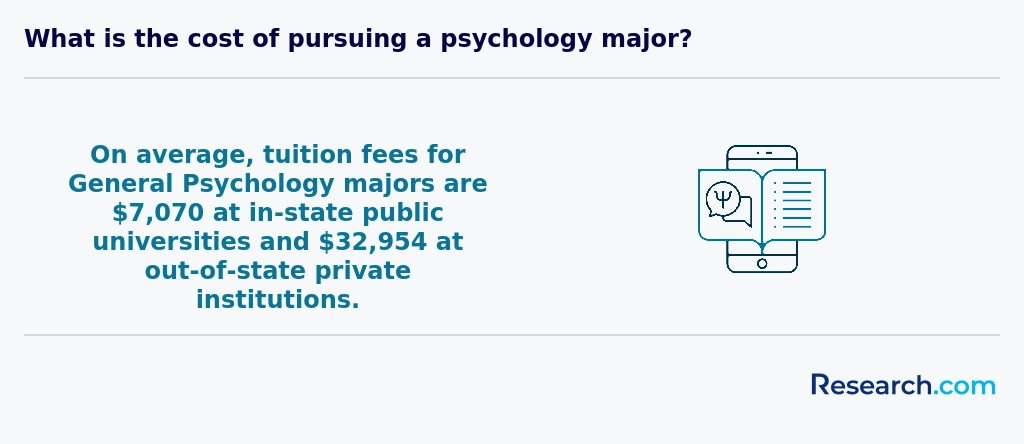
When considering the average cost of a psychology degree in Arlington, the median total cost sits around $43,674, with in-state students typically paying about $11,950. These figures reflect a blend of tuition, fees, and essential expenses that students at popular Arlington universities often encounter. For example, some graduates recall managing their budgets carefully while embracing the vibrant campus life, which added both financial and emotional value to their education experience.
Students pursuing psychology degrees in Arlington frequently remark on the contrast between public and private institutions. Public universities offer more affordable psychology degree tuition and fees Arlington residents find manageable, especially with in-state tuition discounts. Yet private colleges, while more expensive, provide resources and networking opportunities that many find worth the investment. This cost difference is an important factor for prospective students balancing quality education and affordability.
Beyond tuition, the cost of books, living expenses, and mandatory fees contribute significantly to the total expense, with many students budgeting approximately $1,000 to $2,000 annually for supplies. Living costs vary widely but often make up the bulk of overall spending, highlighting the importance of careful planning. Thankfully, financial aid and scholarships can ease this burden.
For those seeking graduate degrees or professional psychology credentials, costs rise further, sometimes exceeding $40,000 annually. To make informed decisions, students may explore options like accredited counseling programs new jersey or local financial aid offices to find scholarships and loans tailored to Arlington learners.

For students looking to pursue a psychology degree in Arlington, TX, without accumulating significant debt, exploring the most affordable options is crucial. Considering factors such as tuition fees, financial aid, and scholarship opportunities can greatly influence the choice of institution. Students can find detailed information about most affordable psychology schools in Texas, which can provide insights into cost-effective pathways for achieving their educational goals. By weighing these factors, prospective students can make informed decisions that balance their financial situation with their academic aspirations, ensuring a viable and fulfilling career in psychology.
Students pursuing psychology degrees at institutions like Marymount University or Arlington's George Mason University often rely heavily on federal aid to manage costs. The Free Application for Federal Student Aid (FAFSA) is a crucial starting point, unlocking access to Pell Grants-which for 2023-2024 can reach up to $7,395-and federal loans. Graduates frequently mention how these grants lessened their reliance on loans, making the financial burden feel more manageable.
Beyond federal aid, many find scholarships targeted specifically at psychology majors especially helpful. These awards often consider academic achievement or community involvement, providing not only financial relief but also motivation and recognition. For example, local Arlington organizations sometimes offer scholarships, reflecting the community's commitment to supporting future psychologists.
State programs like the Virginia Tuition Assistance Grant (VTAG) are also valuable, particularly for students at private colleges. Some students share that institutional aid, combining merit- and need-based grants, significantly eased their financial challenges while keeping their education close to home.
Finally, student employment options within psychology departments or related research labs give practical experience alongside income, a dual benefit praised by many graduates as enriching both their resumes and wallets.
Becoming a child psychologist is a highly rewarding career path that goes beyond earning a degree in psychology. It requires specialized training, hands-on experience, and a deep understanding of childhood development to effectively support young minds. In addition to the foundational psychology courses highlighted earlier, students interested in this field should focus on coursework related to developmental psychology, behavioral disorders, and family dynamics. Moreover, securing internships or volunteer roles in settings like schools, pediatric clinics, or community centers can provide invaluable practical experience. For those looking to further understand the pathway to this specialized career, exploring child psychologist qualifications is essential. This exploration includes learning about graduate degree requirements, licensure, and continuing education opportunities to stay current with the latest research and therapeutic practices. Ultimately, building a robust skill set and a compassionate approach will not only enhance your credentials but also ensure you are well-prepared to make a significant impact in the lives of children and their families.
Enrolling in a psychology degree program in Arlington typically involves meeting clear academic benchmarks, though these are not rigid barriers but rather stepping stones to ensure readiness. Graduates from popular Arlington institutions often recall that holding a high school diploma or GED with a GPA around 2.5 to 3.0 was essential for undergraduate admission, yet some shared that strong recommendation letters and compelling personal statements significantly strengthened their applications.
At universities known for their psychology programs in Arlington, applicants find that completing core courses like English, math, and science lays a practical foundation, helping them adapt to rigorous psychology studies. Some students appreciated that certain colleges adopted test-optional policies, alleviating stress from standardized tests like the SAT.
For graduate programs, having a bachelor's degree, ideally in psychology or a related field, is expected. Students frequently highlight that demonstrating research experience and familiarity with statistics proved crucial, alongside maintaining a competitive GPA near 3.0 or higher. Letters of recommendation and a resume detailing academic and relevant work experiences often made a positive impression on admissions committees, showcasing readiness and genuine interest.
These prerequisites reflect a balanced approach in Arlington's psychology programs, focusing on both academic capability and personal motivation-factors students describe as encouraging rather than intimidating.

After earning a psychology degree, graduates in Arlington must meet specific licensure and certification standards to practice professionally. In Texas, the Texas State Board of Examiners of Psychologists oversees credentialing for roles such as Licensed Psychologist (LP), Licensed Psychological Associate (LPA), and Licensed Specialist in School Psychology (LSSP). Key steps include: • Degree Verification: Applicants need a regionally accredited doctorate (for LP) or master’s degree (for LPA and LSSP) in psychology from a program meeting American Psychological Association (APA) standards. • Supervised Experience: LP candidates complete at least 3,500 hours of supervised practice post-degree, while LPA and LSSP require 1,500–3,000 supervised hours under a board-approved supervisor. • Examinations: All candidates must pass the national Examination for Professional Practice in Psychology (EPPP). LSSP applicants also take the Texas Jurisprudence Exam on state laws and ethics. • Application and Fees: Submitting official transcripts, supervision logs, exam scores, and fees to the board initiates the review process. Timely renewal and continuing education (40 hours every two years) ensure maintenance of licensure. For those exploring more budget-friendly degree options before embarking on licensure, our Low Cost Psychology Degree Programs Ranking in Virginia offers insights into affordable pathways that still meet rigorous accreditation standards.
Psychology degree programs in Arlington typically include a variety of courses that lay a strong foundation in both theory and practical skills. Many students at well-known institutions like the University of Texas at Arlington recount how Introduction to Psychology helped them grasp essential concepts, from cognitive functions to emotional processes, making the subject approachable and exciting.
Courses such as Research Methods in Psychology and Statistics for Behavioral Sciences are often demanding but ultimately rewarding, as graduates describe feeling empowered by their ability to conduct experiments and analyze real data. These classes prepare students to think critically and apply scientific methods beyond the classroom.
Beyond core studies, students explore specialized areas like Cognitive Psychology, Developmental Psychology, and Social Psychology, which connect textbook knowledge with everyday observations-for example, understanding how social dynamics affect decision-making during group projects.
Hands-on courses like Psychological Assessment often include lab or fieldwork, which graduates find invaluable for gaining confidence before internships or graduate studies.
Psychology degree specializations Arlington students explore typically include clinical psychology, industrial-organizational psychology, and developmental psychology. Graduates from local institutions often speak positively about clinical psychology, highlighting how they gained hands-on experience diagnosing and treating mental health issues, which felt deeply rewarding in their community roles. Others who pursued industrial-organizational psychology found their coursework relevant to Arlington's business and governmental sectors, describing their future careers as impactful in enhancing workplace culture and employee satisfaction.
Developmental psychology also attracts students intrigued by human growth stages, with graduates recalling meaningful interactions working with children or elderly populations through internships at nearby centers. Some programs even offer forensic and cognitive psychology, which appeal to students interested in legal and mental processes respectively-fields growing in demand within the Arlington and Washington, D.C. area. Navigating psychology career tracks Arlington offers requires thoughtful consideration of these options and their alignment with personal interests and local opportunities.
Students seeking immersive, research-based training often choose programs that emphasize evidence-driven practice, preparing them effectively for graduate school or scientific careers. For those comparing costs or program structures, it may be useful to look beyond Arlington to options like the best florida psychology degrees online, exploring broader pathways in psychology education.
Choosing the best psychology degree in Arlington requires weighing multiple factors rather than relying on reputation alone. Graduates from popular Arlington universities often highlight the value of programs accredited by recognized bodies, ensuring not only academic rigor but also smoother paths to licensure. For example, when comparing affordable psychology degrees in Arlington, students frequently consider how local public institutions offer lower tuition while still maintaining strong faculty expertise and research opportunities. This balance can make a big difference in managing costs without sacrificing education quality.
It's also important to reflect on personal career goals. Some graduates found that programs offering specializations, such as clinical psychology, better matched their ambitions, preparing them for specific fields. Those interested in clinical health psychology careers appreciated courses that included practicum options and direct connections to Arlington's mental health community. Meanwhile, online or hybrid models at several Arlington colleges provide flexibility, especially for working students juggling other commitments.

Graduates exploring psychology careers in Arlington find diverse options reflecting the field's breadth. Clinical psychology remains prominent, with many alumni working in local hospitals or community health centers, delivering therapy and mental health services. Others pursue counseling or school psychology roles, often employed by Arlington Public Schools, where they support students' emotional growth and academic success. These careers require both compassion and rigorous training, which students from popular Arlington colleges appreciate as rewarding yet challenging.
Additional job opportunities with psychology degree Arlington include research positions at nearby universities or federal agencies, where graduates analyze behavioral data to influence policy and organizational strategies. Industrial-organizational psychology also grows locally, applying psychological principles to enhance workplace well-being, something graduates often find fulfilling in consulting firms across the D.C. metro area.
While many roles demand further education, graduates value the flexibility their degree offers. Balancing excitement and realism, some reflect on the importance of understanding psychology degree time requirements before committing to advanced training.

The psychology degree job outlook Arlington offers appears steady and promising, especially for graduates from local universities known for strong psychology programs. Many graduates share that internships at nearby healthcare facilities or government agencies provided valuable experience, leading to roles in clinical or counseling positions. The steady 6% projected growth in psychologist employment within the region reflects demand in diverse settings, from rehabilitation centers to military support programs.
Graduates often find competitive salaries in Arlington, with wages notably above the national average. However, entry-level roles for those holding bachelor's degrees mainly involve case management or research assistant jobs, which can feel less rewarding initially. Those pursuing master's or doctoral degrees tend to report more positive outcomes both financially and in job satisfaction. Navigating licensure requirements remains a practical concern for many, influencing their career trajectory and geographic flexibility.
For students evaluating Arlington's landscape, it's worth exploring resources like the American Psychological Association and comparing options to the most affordable psychology schools in Texas to weigh long-term benefits. Understanding local patterns in Arlington psychology career opportunities helps in making informed educational choices.
2027 Best Psychology Degree Programs Ranking in Arlington
Investing in your education is a significant decision that can shape your future, and the Research.com team understands the importance of making informed choices. To assist prospective students in Arlington, we have meticulously crafted the "2027 Best Psychology Degree Programs Ranking in Arlington." Our commitment to quality, credibility, and accuracy is reflected in the extensive research and analysis conducted to compile this ranking.
We utilized the following reputable data sources to ensure a comprehensive evaluation of psychology programs:
By exploring this ranking, readers will gain valuable insights into the best psychology degree programs available in Arlington, helping them make well-informed decisions about their educational paths. For more details on our methodology, please visit our Research.com methodology page.

Frequently Asked Questions About psychology
Psychology degree students in Arlington can maximize their learning by engaging actively in both academic and practical experiences. Local universities often offer access to research labs and community internships, which are crucial for gaining hands-on skills. According to the American Psychological Association, practical experience improves job readiness and understanding of psychological theories.
Students should also participate in study groups and attend guest lectures from local professionals. Arlington's proximity to Washington, D.C., offers unique networking opportunities with policymakers and researchers.
Additionally, using university career services to explore licensed internships can enhance graduate prospects, as many psychology careers require supervised clinical experience.
The field of psychology is evolving rapidly, and several emerging niches are gaining notable attention in Arlington and across the United States. One such area is health psychology, which integrates behavioral science with healthcare to improve patient outcomes. The U.S. Bureau of Labor Statistics projects a 14% growth in health psychologist positions from 2022 to 2032.
Another growing specialty is forensic psychology, where practitioners apply psychological principles within legal contexts, supporting law enforcement and court systems. Arlington's proximity to federal agencies increases local demand for this expertise.
Additionally, neuropsychology, which explores brain-behavior relationships, is advancing due to technological progress in brain imaging. This niche attracts students interested in research and clinical practice.
Environmental psychology, though smaller, examines human interaction with physical spaces, reflecting increased interest in sustainability and urban design. Local universities in Arlington are beginning to incorporate this area into their psychology programs.
Preparing for the job market after completing a psychology degree in Arlington involves a combination of education, experience, and networking. Many graduates pursue internships or volunteer positions locally to gain practical skills, which are highly valued by employers. According to the Bureau of Labor Statistics, the job outlook for psychologists in Virginia is projected to grow 10% from 2022 to 2032, signaling promising opportunities.
Additionally, obtaining relevant certifications or licenses, such as becoming a Licensed Professional Counselor (LPC), can enhance employability. Arlington's proximity to Washington, D.C., offers access to diverse organizations, increasing chances for mentorship and career development.
Finally, leveraging university career services and psychology-focused job fairs can connect graduates with employers actively seeking new talent in the mental health and research sectors.
Employers in Arlington value psychology graduates who demonstrate strong analytical skills. The ability to interpret data and apply research methods is critical, especially in clinical and counseling roles. According to the Bureau of Labor Statistics, problem-solving skills are essential for success in behavioral health fields.
Communication skills rank highly, with emphasis on both written and verbal proficiency. Psychology graduates must clearly explain complex concepts to clients and interdisciplinary teams. Local Arlington employers often seek candidates skilled in cultural competence due to the region's diverse population.
Practical experience gained through internships or research projects is another key factor. As reported by the American Psychological Association, employers prefer graduates familiar with ethical guidelines and evidence-based practices. Time management and teamwork abilities also improve employability in this competitive market.
Finding internships in Arlington relevant to a psychology degree involves a strategic approach. Start by exploring local universities such as Marymount University and George Mason University, which often have partnerships with healthcare facilities and counseling centers offering psychology internships. According to the American Psychological Association, internships are vital for hands-on experience and often required for licensure.
Check Arlington's community mental health clinics, hospitals like Virginia Hospital Center, and nonprofit organizations focused on behavioral health. These are common internship hosts offering practical training.
Utilize resources like university career centers and online portals such as Handshake or the National Association of Psychology Students' listings for updated internship opportunities.
In Arlington, a psychology degree significantly enhances career mobility and advancement possibilities. Graduates often find opportunities beyond clinical roles, including human resources, education, and social services. According to the U.S. Bureau of Labor Statistics, psychology-related jobs in the Washington-Arlington-Alexandria metro area are projected to grow by 10% from 2022 to 2032, which is faster than the national average.
Employers in Arlington value the critical thinking and interpersonal skills developed in psychology programs, increasing graduates' competitiveness. Many positions require or prefer candidates with at least a bachelor's degree, while advanced degrees open doors to specialized roles such as counseling or research.
Local networking through Arlington's professional psychology associations further facilitates career progression by connecting graduates with mentors and local job markets.
Studying for a psychology degree in Arlington equips students with skills applicable across multiple fields such as healthcare, education, and social services. Universities in Arlington emphasize courses that integrate psychology with biology, sociology, and communication, preparing graduates for interdisciplinary teamwork.
Programs often include research opportunities collaborating with local hospitals and organizations, fostering real-world experience. According to the Arlington Chamber of Commerce, about 35% of psychology graduates in the region enter interdisciplinary roles combining data analysis, counseling, and community outreach.
This blend of theory and practical skills enhances adaptability, making graduates competitive in roles that demand an understanding of human behavior within complex systems.
When choosing between a thesis and a non-thesis psychology degree program in Arlington, consider your career goals and time commitment. Thesis programs typically involve original research and a formal written document, ideal for students aiming for doctoral studies or research roles.
Non-thesis tracks often emphasize coursework and practical skills, catering to those seeking direct entry into professional settings such as counseling or human services. According to the National Center for Education Statistics, about 40% of psychology master's graduates pursue thesis options nationwide, reflecting a focus on academic careers, while the remaining favor non-thesis paths for quicker completion and applied work.
Local Arlington universities often offer both options, so review program specifics carefully. Contacting academic advisors can clarify expectations and resources available for research or internships in the region's psychology community.
Students based in Arlington who wish to study psychology abroad have several pathways within the U.S. higher education system. Many universities encourage participation in exchange programs or partner with international institutions where psychology courses align with American accreditation standards. For example, programs affiliated with the American Psychological Association (APA) often facilitate credit transfer for study abroad experiences.
Students can also pursue psychology degrees fully online from globally recognized universities, allowing flexibility while maintaining coursework standards.
According to the Institute of International Education, approximately 6% of U.S. psychology undergraduates engage in study abroad programs, emphasizing growing interest in global perspectives.
Arlington's proximity to Washington, D.C. provides access to resources and advising for international study in psychology, increasing options for local students.
Arlington offers several part-time job opportunities that align well with psychology degree studies. Many students find roles as research assistants at local universities or healthcare facilities, gaining hands-on experience in psychological research methods. According to the U.S. Bureau of Labor Statistics, research assistant positions support understanding data analysis, important for psychology careers.
Additionally, roles such as behavioral health technicians or mental health aides in Arlington clinics allow students to observe therapeutic practices and client interactions. Nonprofits and community centers also hire part-time counselors or support staff, providing exposure to diverse populations.
Finally, tutoring psychology or related subjects is a popular flexible option for students to reinforce their knowledge while earning income. These opportunities complement academic learning and build valuable professional skills.
Psychology students in Arlington benefit from numerous networking opportunities that enhance their educational experience. Local universities often host events and guest lectures featuring prominent psychology professionals from the Washington, D.C. metro area. These gatherings allow students to connect with researchers, clinicians, and potential employers.
The Arlington Psychological Association, a local professional organization, regularly offers meetings and workshops for students interested in psychology careers. Participation in such groups helps students build valuable contacts and stay informed about current trends in mental health.
Additionally, internships at nearby hospitals and counseling centers provide practical experience and access to professional networks. According to the Arlington Chamber of Commerce, approximately 40% of psychology students secure internships within local health institutions, broadening their connections.
Alumni networks play a significant role for psychology degree students in Arlington by providing access to a broad community of professionals and graduates. These networks often offer mentorship opportunities, helping current students navigate internships and career choices. According to the National Association of Colleges and Employers, students who engage with alumni networks receive job offers 15% more frequently than those who do not.
In Arlington, alumni connections can also provide insight into local job markets such as clinical psychology, counseling, or research positions within nearby institutions. Universities typically host networking events, workshops, and panels where students can build lasting professional relationships.
Customizing a psychology degree program in Arlington often begins with selecting a specialization that aligns with your career goals. Many local institutions offer tracks such as clinical psychology, counseling, or industrial-organizational psychology, allowing you to tailor coursework accordingly. According to the Bureau of Labor Statistics, fields like clinical and counseling psychology are projected to grow by 8% through 2032, making focused training valuable.
Students can also often choose electives or certificates related to research methods, neuropsychology, or behavioral analysis to enhance employability. Some programs in Arlington provide internship opportunities with healthcare providers or community organizations, which is critical for practical experience in psychology careers.
Finally, discussing your goals with academic advisors ensures your course plan supports licensure requirements or graduate school preparation if needed. This personalized approach helps align your degree with both current job market demands and future career aspirations.
Psychology students in Arlington often encounter several challenges throughout their academic journey. One major difficulty is managing a demanding course load, as psychology programs typically require strong skills in research methods, statistics, and theoretical knowledge. According to the National Center for Education Statistics, many students find quantitative coursework especially challenging, impacting their overall performance.
Another common issue is securing quality internships and practicum placements. Arlington's competitive job market and limited local clinical sites can make gaining practical experience difficult, which is vital for licensure and future employment.
Financial barriers also affect students, with rising tuition costs making it harder to afford sustained study without significant debt. Additionally, balancing studies with part-time work or family responsibilities adds stress for many.
Lastly, students often face mental health challenges themselves, despite their education focus, due to academic pressures and future career uncertainties in the evolving field of psychology.
With a psychology degree in Arlington, students can pursue various professional certifications to enhance their career prospects. One common route is becoming a Licensed Professional Counselor (LPC), which requires completing graduate studies, supervised clinical hours, and passing a state exam. The Texas Behavioral Health Executive Council oversees LPC licensing in Arlington and statewide.
Another certification is the Certified Alcohol and Drug Counselor (CADC), useful for those focusing on substance abuse treatment. This credential involves specific training and supervised experience, reflecting the community's growing demand for addiction services.
Additionally, many graduates pursue certification as a Board Certified Behavior Analyst (BCBA), especially if interested in applied behavior analysis.
The U.S. Bureau of Labor Statistics reports that Arlington's mental health professionals earn higher median wages compared to national averages, increasing the value of such certifications.
When applying for a psychology program in Arlington, clarity and preparation are essential. Start by researching each program's specific requirements, as schools like Marymount University and George Mason University have unique criteria. A strong personal statement should highlight your passion for psychology, relevant experiences, and career goals, demonstrating your understanding of the field's demands.
Applicants should also emphasize academic achievements, particularly coursework in psychology and related sciences. According to the National Center for Education Statistics, students with higher GPAs and relevant study tend to have improved admission chances. Including letters of recommendation from professors or professionals familiar with your abilities adds credibility.
Finally, preparing for required tests, such as the GRE if applicable, and submitting all documents ahead of deadlines strengthens your application's competitiveness.
Psychology careers are increasingly viewed through a global lens, reflecting diverse cultural, social, and economic influences. In the United States, including Arlington, psychology professionals often engage in practices grounded in evidence-based research but must also be aware of international trends and ethical standards set by global organizations like the International Union of Psychological Science.
Demand for psychology experts is growing worldwide, with the U.S. Bureau of Labor Statistics projecting a 8% increase in psychologist jobs nationally through 2031. Arlington benefits from its proximity to Washington, D.C., where federal agencies and international institutions foster cross-cultural research and collaboration.
Students pursuing psychology degrees in Arlington gain exposure to global mental health issues, preparing them to work in diverse environments or pursue roles supporting international communities and policy development.
Students pursuing a psychology degree in Arlington can gain practical experience through internships, volunteer work, and research assistant positions. Many local universities partner with community organizations, hospitals, and schools to offer hands-on learning opportunities. For example, internships at Arlington Mental Health Center provide valuable exposure to clinical settings.
Research involvement is another key way to build skills. Students can assist faculty members with ongoing studies, gaining experience in data collection and analysis. According to the National Center for Education Statistics, 65% of psychology undergraduates engage in research activities nationwide, a figure that reflects Arlington's academic focus.
Additionally, attending workshops and joining psychology clubs on campus enhances practical knowledge and networking. These experiences help students develop critical skills sought by employers and graduate programs.
Choosing the right concentration within a psychology degree program in Arlington starts with understanding your career goals. Psychology specialties vary widely, from clinical and counseling psychology to industrial-organizational and developmental psychology.
Research local demand: Arlington's workforce trends indicate growing needs in mental health counseling and human resources roles, according to recent data from the Arlington Economic Development office. Programs offering concentrations aligned with these fields could increase job prospects.
Consider curriculum and faculty expertise of Arlington institutions. Programs with experienced professors and research opportunities often provide stronger practical learning.
Lastly, evaluate internship options in Arlington's hospitals, schools, or businesses that support your concentration.
- 2027 Best Psychology Degree Programs Ranking in Wichita
- 2027 Best Psychology Degree Programs Ranking in Springfield
- 2027 Best Psychology Degree Programs Ranking in Baton Rouge
- 2027 Best Psychology Degree Programs Ranking in New Orleans
- 2027 Best Psychology Degree Programs Ranking in Kansas City
- 2027 Best Psychology Degree Programs Ranking in Hattiesburg
- 2027 Best Psychology Degree Programs Ranking in Mobile
- 2027 Best Psychology Degree Programs Ranking in Lincoln
- 2027 Best Psychology Degree Programs Ranking in Saint Louis
- 2027 Best Psychology Degree Programs Ranking in Birmingham
See What Experts Have To Say About Studying Psychology
Read our interview with Psychology experts

Robin M. Kowalski. Ph.D.
Psychology Expert
Professor of Psychology
Clemson University

Catherine Caldwell-Harris, Ph.D.
Psychology Expert
Associate Professor of Psychology
Boston University

Elizabeth L. Jeglic Ph.D.
Psychology Expert
Professor of Psychology
City University of New York

- How To Find Psychology Internships https://www.psychology.org/resources/how-to-find-an-internship/
- Ontario Psychological Association - Networking and Community Resources https://www.psych.on.ca/become-a-member-(1)/member-services/networking-and-community-resources
- Study Psychology Abroad https://astarfuture.co.uk/study_psychology_abroad.html
- Sample letters in psychology https://www.mystudies.com/en-in/human-and-social-sciences/psychology/letter-model/
- Financial Aid for Psychology Students https://www.onlinepsychologydegrees.com/financial-aid/
- Know more about thesis vs non- thesis: what is the difference? https://studyfans.com/en/blogs/816
- How to help students cope with mental health challenges https://www.eaie.org/resource/help-students-cope-mental-health-challenges.html
- Study Psychology Abroad | Go Overseas https://www.gooverseas.com/study-abroad/psychology
- Community Psychology in Global Perspective http://siba-ese.unisalento.it/index.php/cpgp
- From the Classroom to Your Career: How a Psychology Degree Opens Doors https://www.torontomu.ca/arts/undergraduate/bachelor-of-arts-degree/from-the-classroom-to-your-career-how-a-psychology-degree-opens/