
2027 Best Psychology Degree Programs Ranking in Las Vegas

Co-Founder and Chief Data Scientist
Choosing the right psychology degree program in Las Vegas can feel overwhelming. That's why this article presents the 2027 Best Psychology Degree Programs Ranking in Las Vegas, carefully created by the Research.com team of data scientists.
This ranking is designed to help you make an informed choice by highlighting programs that stand out in quality and value.
Whether you're starting your journey or advancing your career, a psychology degree offers rewarding opportunities to understand human behavior and make a positive impact.
Explore the rankings and take a confident step toward your future.
Key benefits of getting psychology degree in Las Vegas
- Psychology degree graduates in Las Vegas can expect rewarding salaries, such as $62,370 annually for Clinical Research Associates and Survey Researchers, or $76,060 for Human Resources Specialists, reflecting strong earning potential in diverse roles.
- Graduates from popular local universities often pursue careers in research, counseling, human resources, or marketing analysis, providing a wide range of fulfilling opportunities.
- Online psychology degrees offer flexible schedules and cost savings, enabling busy Las Vegas students to balance work and study effectively while still accessing quality education.
- 2027 Best Psychology Degree Programs Ranking in Las Vegas
- What can I expect from psychology degree in Las Vegas?
- Where can I work with psychology degree in Las Vegas?
What can I expect from psychology degree in Las Vegas?
The average cost of earning a psychology degree in Las Vegas generally reflects national norms for public institutions, with tuition and fees varying depending on the level of study and school attended. For example, graduates from the University of Nevada, Las Vegas (UNLV), a popular choice among psychology students, often recall manageable tuition rates comparable to other public universities, paired with financial aid that helped ease expenses. Community college pathways also offer more affordable options for those starting with associate degrees before transferring.
While some students find these costs reasonable given the quality of education and hands-on internships available locally-such as placements in area hospitals or community centers-others note that expenses beyond tuition, like books and living costs, can add up significantly. This balance between cost and experience frames the overall value of studying psychology in Las Vegas.
Because advanced degrees require additional years, price considerations become more complex, making it essential for prospective students to carefully compare program offerings, financial aid packages, and the potential for scholarships at institutions like UNLV and local colleges.
Where can I work with psychology degree in Las Vegas?
Graduates with psychology degrees in Las Vegas find diverse career opportunities that reflect the city's dynamic health and business landscape. Many start in hospitals like University Medical Center, where roles as behavioral health technicians provide hands-on experience supporting patients' mental wellness. Students from the University of Nevada, Las Vegas, often speak about how their internships in local healthcare settings helped them gain confidence and practical skills early on.
Others pursue school-based roles within the Clark County School District, applying psychological principles to support students' emotional needs. Such positions often require additional certification but offer meaningful community impact, which many graduates describe as rewarding and motivating.
Organizational psychology is another promising area, given Las Vegas's hospitality and entertainment industries. Graduates have reported excitement working in HR departments, using psychology to enhance workplace culture and employee happiness.
Research roles at UNLV also attract graduates interested in deeper study, though these typically require further education. Additionally, nonprofits tackling homelessness or substance abuse often look for those passionate about social change, providing fulfilling opportunities beyond traditional clinical or academic paths.
Graduates holding a psychology degree in Las Vegas commonly pursue roles such as Human Resources Specialist, Marketing Research Analyst, Clinical Research Associate, and Survey Researcher. According to recent U.S. Bureau of Labor Statistics data, a Human Resources Specialist in the area earns a mean annual wage of about $76,060, while Marketing Research Analysts make approximately $83,190 per year. These positions often appeal to psychology graduates seeking to apply their understanding of human behavior in business and research settings.
Clinical Research Associates and Survey Researchers, roles frequently filled by psychology degree holders, have mean annual wages around $62,370. For graduates from institutions like the University of Nevada, Las Vegas, these salaries reflect realistic starting points. While entry-level positions might feel modest, many students share positive experiences, highlighting how internships and networking within local organizations boost job prospects.
Despite differences in salary, graduates appreciate the versatile skills gained through their psychology studies. These skills translate into diverse career paths, and with additional licensure or experience, higher earnings become achievable. The varied opportunities in Las Vegas make the city an encouraging environment for those ambitious to develop financially and professionally.
- The cost for a bachelor's in psychology in Las Vegas ranges from $20,000 to $35,000 at public schools and can exceed $40,000 at private colleges.
- Entry-level psychology jobs in Las Vegas pay around $40,000 to $45,000 annually, with salaries rising to $60,000 to $80,000 or more with advanced degrees.
- The local job market for psychology-related roles is growing faster than the national average, driven by expansion in healthcare and counseling services.
- Licensing as a psychologist in Nevada requires a doctoral degree, supervised clinical hours, and passing the EPPP exam, which takes several years after graduation.
- Local schools offer accredited programs that prepare students for licensure exams and include hands-on internships and practicum opportunities valued by employers.
Completing a psychology degree in Las Vegas typically aligns with national averages but can vary based on several factors. For example, graduates from the University of Nevada, Las Vegas (UNLV) often report spending about four years to finish a bachelor's degree, covering 120 credit hours that mix general education and core psychology courses. This timeframe feels manageable and rewarding as students experience growing confidence in their understanding of human behavior.
Meanwhile, those attending the College of Southern Nevada frequently choose a two-year associate degree, finding it a flexible and affordable option before transferring to a four-year program. Many appreciate how it allows them to balance school, work, and family life without overwhelming stress.
Graduate students pursuing a master's degree in Las Vegas share that the additional two years of focused studies and supervised research deepen their passion and skills, though it requires dedicated time management. Doctoral candidates often face a longer timeline of four to seven years, balancing coursework and dissertation efforts-a journey that, although challenging, brings a strong sense of accomplishment once achieved.
- Associate degree: ~2 years (at community colleges)
- Bachelor's degree: ~4 years (120 credit hours)
- Master's degree: ~2 years post-bachelor's
- Doctoral degree: 4 to 7 years post-bachelor's
Graduates from on-campus psychology programs in Las Vegas, such as those at the University of Nevada, Las Vegas, often highlight the value of direct interaction with professors and peers. These immersive experiences-like participating in counseling center workshops or joining psychology clubs-create a sense of community and real-time feedback that many find motivating and supportive. For students aiming to enter clinical or counseling fields, the availability of campus-affiliated internships helps fulfill required supervised practice hours, which can feel reassuring and well-guided.
Conversely, online psychology students appreciate the flexibility to balance work, family, and study. Many find that asynchronous lectures allow them to engage deeply with material on their own schedule, which reduces stress and fits a busy lifestyle. Some Las Vegas-area graduates mention that online programs, while sometimes lacking direct campus social opportunities, offer virtual simulations and tele-supervision to meet practical training needs, though arranging local internships independently can be a challenge.
Cost and pacing also differ: on-campus programs generally follow fixed semesters and involve extra expenses like housing, while online options may offer accelerated paths and save money on commuting. Both pathways require careful accreditation checks to ensure future licensure eligibility.
When considering a psychology degree in Las Vegas, NV, it's essential to factor in the financial aspects of your education to ensure a smooth and affordable journey. Pursuing a degree in psychology can be costly, but there are ways to optimize your expenses. For instance, exploring the cheapest psychology programs in Nevada can provide valuable insights into managing tuition fees. Additionally, understanding the average cost of a psychology degree in Las Vegas, which can vary widely depending on the type of institution and residency status, can help you plan your finances more effectively. By taking into account these financial considerations, you can make informed decisions about your education and set yourself up for success in your future career.
The average cost of a psychology degree in Las Vegas varies notably depending on in-state or out-of-state status and the level of study pursued. Local graduates from institutions like the College of Southern Nevada report that the median total cost for an in-state psychology degree is around $9,748, offering a more manageable financial commitment compared to out-of-state students whose costs can exceed $42,000. This significant difference reflects tuition rates and additional fees unique to both groups. Many undergraduates find that attending public colleges such as CSN or the University of Nevada, Las Vegas (UNLV) brings a financial relief without compromising quality.
Psychology students often highlight the affordability of tuition paired with rich academic resources in Las Vegas as a positive aspect of their education journey, especially when balancing living expenses and study materials. While tuition is a major factor, graduates also emphasize the impact of other fees like books, technology charges, and student activity costs. For many, these cumulative expenses shape the overall psychology degree tuition and fees Las Vegas students face.
Because cost plays a pivotal role in choosing a degree, prospective students often seek out scholarships or aid and consult resources such as most affordable online bachelor's programs as alternatives or complements to on-campus study. Collectively, these strategies reflect practical approaches to managing the average cost of psychology degree in Las Vegas without sacrificing educational goals.

After earning your psychology degree, you must meet state board standards to practice professionally in Nevada.
- Education: Earn a doctoral degree (PhD or PsyD) from an accredited program. Consider an accelerated psychology degree online to fulfill coursework efficiently.
- Supervised Experience: Complete at least 3,000 hours of postdoctoral supervised practice, including assessment and therapy.
- Examinations: Pass the Examination for Professional Practice in Psychology (EPPP) and the Nevada jurisprudence exam.
- Application: Submit official transcripts, verification of supervised hours, and application fees to the Nevada State Board of Psychological Examiners.
- Continuing Education: Complete 30 hours of approved continuing education every two years to maintain licensure.
Students pursuing psychology degrees in Las Vegas often tap into a mix of financial aid options to manage tuition costs, which can be substantial especially at private institutions. A common starting point is the Free Application for Federal Student Aid (FAFSA), which determines eligibility for federal grants like the Pell Grant, offering up to $7,395 annually without repayment obligations. Graduates reflect positively on how such grants alleviated their financial stress while enrolled at the University of Nevada, Las Vegas (UNLV).
State-specific aid, notably the Nevada Millennium Scholarship, also plays a vital role by covering up to four years of tuition at public universities, directly benefiting many local psychology students. Additionally, universities in Las Vegas often extend institutional scholarships based on academic merit and community involvement, though amounts vary widely, requiring proactive engagement with financial aid offices.
Beyond grants and scholarships, some students rely on federal and private loans, understanding these come with repayment challenges. Work-study programs further provide valuable hands-on experience in clinical or research settings, boosting both income and career readiness.
Completing a psychology degree is just the first step toward practicing in Nevada. To become a licensed psychologist or counselor, graduates must meet state board criteria and national exam standards:
- Educational Path
- Bachelor’s degree in psychology (or related field)
- Master’s or doctoral degree from a program accredited by the American Psychological Association (APA) or regionally accredited institution
- Supervised Experience
- Minimum of 3,400 hours of supervised practicum and internship for psychologists
- At least 2 years (3,000 hours) supervised post-graduate experience for licensed clinical professional counselors
- Examinations
- Passed the Examination for Professional Practice in Psychology (EPPP)
- Nevada jurisprudence or ethics exam as required by the Nevada Board of Psychological Examiners
- Application Process
- Submit official transcripts, exam scores, and verification of supervised hours
- Complete a criminal background check and pay the applicable licensing fees
- Ongoing Requirements
- 20 continuing education credits every two years to maintain licensure
- Stay current with Nevada Board rule changes and annual renewal deadlines
Choosing an accredited, comprehensive program-such as the fastest online psychology degree-can streamline your path to licensure and ensure you meet all Nevada requirements.
Enrolling in a psychology degree program in Las Vegas typically requires a high school diploma or equivalent, with many local programs like those at the University of Nevada, Las Vegas (UNLV) expecting a minimum GPA around 2.5 to 3.0. While standardized tests such as the SAT or ACT are often part of the application, several psychology students note that the test-optional policies adopted post-pandemic at places like UNLV have offered them much-needed flexibility, easing stress around admissions.
Foundational coursework in English, math, biology, and social sciences during high school proves essential, as graduates describe how this preparation directly supported their understanding of core psychology concepts once enrolled. Some programs even recommend taking introductory psychology classes before officially declaring the major, which many find beneficial for clarifying their academic interests early.
For graduate psychology degrees in Las Vegas, prerequisites become more specialized. Applicants often need a bachelor's in psychology or related fields, GRE scores, letters of recommendation, and relevant research or work experience. Prospective students appreciate how these requirements align with their career goals, providing a clearer pathway despite the challenges involved.

While a college degree remains the most common route into psychology, Las Vegas offers several non-degree avenues for those eager to begin helping others sooner. Certificate programs in Behavioral Health and Applied Behavior Analysis (ABA) prepare individuals for roles as Behavior Technicians or Mental Health Assistants. These accelerated curriculums-often available online or through local community colleges-cover foundational topics like human development, basic counseling techniques, and crisis intervention. Graduates frequently secure positions in group homes, school-based intervention programs, or substance‐abuse centers, gaining hands‐on experience that can bolster future graduate school applications. Volunteer and apprenticeship opportunities at community health clinics, shelters, or nonprofit counseling centers are another powerful way to build practical skills. By working alongside licensed practitioners, aspiring professionals learn client intake processes, confidentiality protocols, and therapeutic communication-key competencies that complement formal education. For those seeking even more independence, specialized workshops in life coaching or crisis response can lead to certification as a peer support specialist. If you’re exploring non-traditional routes to a counseling career, check out our guide on how to become a therapist with no degree-it outlines step-by-step strategies for credentialing, networking with licensed supervisors, and leveraging state-approved training to launch a rewarding psychology‐related career without the time and expense of a four‐year program.
Psychology degree programs in Las Vegas typically include foundational courses like General Psychology, offering students a broad overview of cognitive processes, social behaviors, and developmental stages. Graduates from popular local institutions often recall engaging discussions around human behavior that felt immediately relevant to the city's diverse population. Core classes in Research Methods and Statistics equip students with the critical skills to design experiments and analyze data, essential for both academic success and real-world application.
Students frequently take specialized courses in Biological, Developmental, Social, Cognitive, and Abnormal Psychology. For example, those studying at well-known Las Vegas colleges reflect positively on how Biological Psychology helped them understand the brain's role in behavior, connecting textbook knowledge with local internship experiences in clinics or social programs.
Electives like Clinical Psychology or Child Psychology offer opportunities to tailor learning, often complemented by practicum placements that provide hands-on exposure. These experiences make the curriculum feel more tangible and emotionally rewarding, as students witness theory coming alive in Las Vegas's community settings.
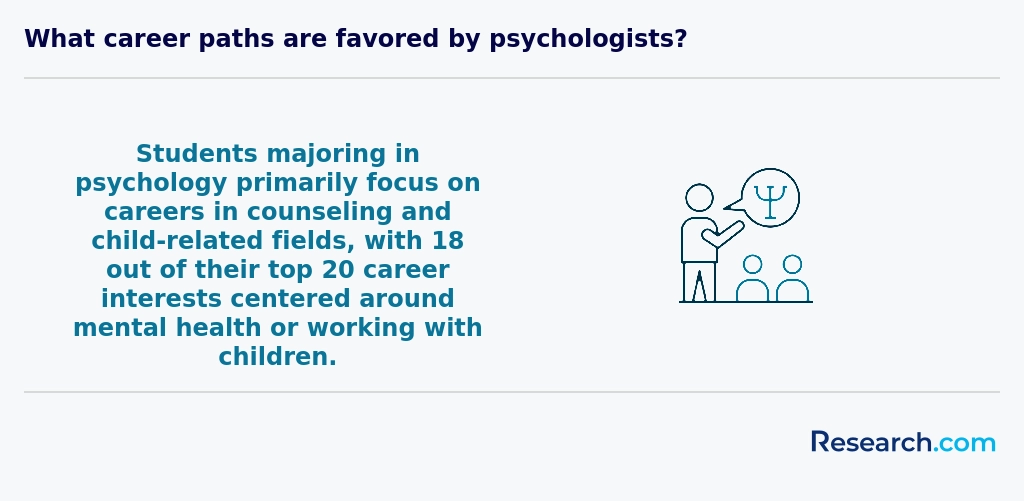
Psychology degree specializations in Las Vegas often include clinical, counseling, forensic, industrial-organizational, and child and adolescent psychology, reflecting the diverse interests and career paths students pursue. Graduates from the University of Nevada, Las Vegas (UNLV), for instance, frequently highlight how their clinical psychology track equipped them with real-world skills to diagnose and support individuals facing mental health challenges. At the same time, others benefiting from counseling psychology programs report meaningful experiences working with families and communities, emphasizing empathy and communication.
Students considering psychology career paths in Las Vegas should note that programs tend to balance theory with practicum opportunities, exposing them to urban populations and varied social dynamics. For example, forensic psychology students describe gaining confidence through case studies tied to the legal system, while those in industrial-organizational psychology find satisfaction in applying principles that boost workplace morale. Prospective students may also explore options like an online substance abuse counseling degree affordability for accessible specialization.
Choosing the best psychology degree in Las Vegas means weighing factors specific to your goals and lifestyle. Graduates from local colleges often highlight how programs that offer a range of degree levels-from associate to doctoral-allow flexibility in pursuing clinical work or broader roles in human services. However, it's crucial not to assume a higher degree is always necessary; many find bachelor's or master's programs sufficient for careers in marketing or social support sectors.
Accreditation remains a key consideration, as graduates from APA-accredited doctoral programs in Las Vegas report smoother paths to licensure and employment. Yet, some students value faculty expertise and curriculum relevance more, especially when programs focus on research tied closely to the community. For example, popular psychology departments in Las Vegas provide hands-on practicum opportunities that enrich understanding beyond textbooks.
Cost also significantly influences decisions. Affordable psychology colleges in Las Vegas offer relief to many, with public institutions averaging $8,000 annually for in-state students. Some students balance budgeting by exploring financial aid or scholarships and appreciate flexible online or hybrid options. For those interested in interdisciplinary work or social services, exploring the fastest social work master's degrees can complement a psychology background effectively.
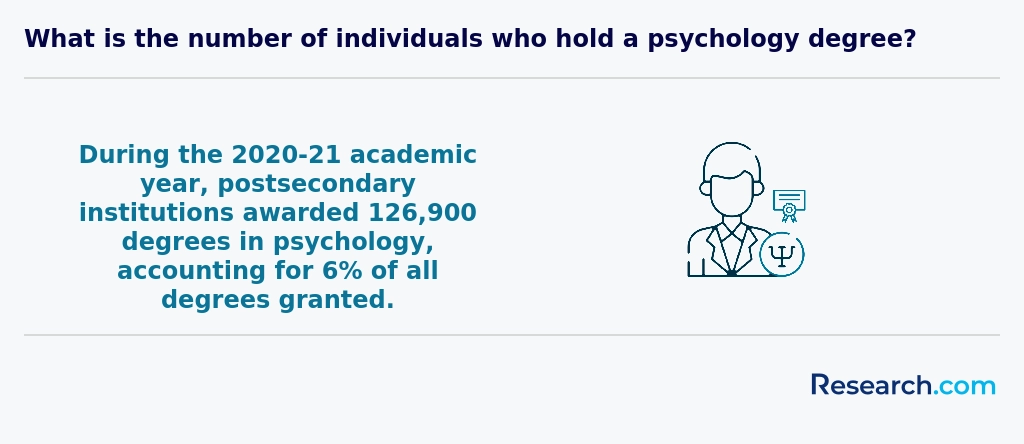
Graduates with a psychology degree in Las Vegas face several career paths, each requiring different levels of education and practical experience. Many pursue licensure as psychologists or counselors, which demands graduate study and supervised clinical hours per Nevada's regulations. Several graduates from local institutions, such as the University of Nevada, Las Vegas, have found meaningful work in private practices or community organizations, where they help clients navigate issues like substance abuse-a significant concern in the region. This highlights how psychology career opportunities in Las Vegas can align with local social needs.
Other options include mental health counseling, social work, or school psychology. For example, school psychologists support thousands of students in the Clark County School District, drawing graduates eager to make a real impact on youth wellbeing. Industrial-organizational psychology is another route; Las Vegas's hospitality-driven economy benefits from specialists who improve employee morale and customer interactions. Some graduates have shared positive experiences working with local businesses to enhance workplace culture, which can be deeply rewarding.
Beyond direct client care, research and roles in human resources or criminal justice are viable, provided graduates gain internships for practical exposure. Those seeking academic or clinical careers might explore programs focused on a clinical psychology degree andjobs, but it's important to critically assess each path's demands and local relevance.
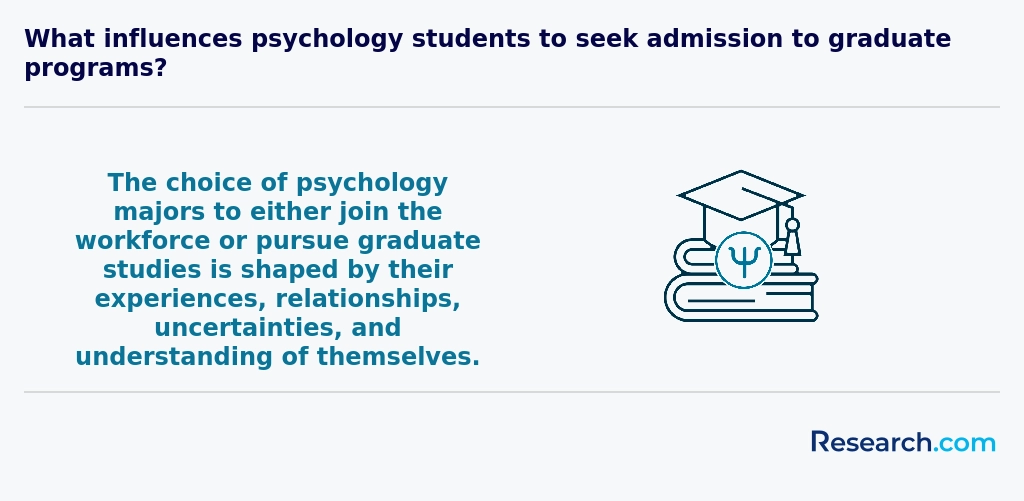
The job market for psychology degree holders in Las Vegas presents diverse opportunities across healthcare, education, and social services, making it a practical choice for local graduates. Many who graduate from popular colleges in the city find roles in hospitals, counseling agencies, and private practices, experiencing firsthand how demand in these sectors is steadily rising. However, competition can be stiff, especially for positions requiring advanced licensure or doctoral qualifications, which some graduates find challenging but rewarding to pursue.
Las Vegas psychology career outlook benefits from the region's growing investment in mental health, with employment for mental health professionals expected to increase faster than the national average. Entry-level salaries tend to start near $40,000, which appeals to recent graduates balancing optimism with financial realities. Several students appreciate nearby affordable degree paths, such as the cheapest psychology programs in Nevada, which help ease the cost burden while connecting them to the state's licensure requirements.
2027 Best Psychology Degree Programs Ranking in Las Vegas
Investing in your education is a significant decision that can shape your future, and the Research.com team understands the importance of making informed choices. To support prospective students in Las Vegas, we have carefully developed the "2027 Best Psychology Degree Programs Ranking in Las Vegas." Our dedication to quality, credibility, and accuracy is evident through the rigorous research and analysis behind this ranking.
We utilized the following reputable data sources to ensure a comprehensive evaluation of psychology programs:
By consulting this ranking, readers will access valuable insights into the top psychology degree programs in Las Vegas, empowering them to make well-informed educational decisions. For more information on how this ranking was created, please visit our Research.com methodology page.

Frequently Asked Questions About psychology
Psychology degree students in Las Vegas can enhance their learning by engaging deeply with local resources. The city hosts institutions like the University of Nevada, Las Vegas, offering accredited psychology programs recognized by the American Psychological Association. Students benefit from diverse internship opportunities in Nevada's growing mental health sector, including work in hospitals and community centers.
Participating in research projects under faculty guidance allows students to apply theory to practice effectively. Joining psychology clubs and attending regional conferences further broadens understanding and networking.
Leveraging online resources and local workshops also supports skill development, which is essential for success in the competitive Las Vegas job market.
The field of psychology is evolving rapidly, with several emerging niches gaining attention in Las Vegas and across the US. One significant area is forensic psychology, where professionals apply psychological principles within the legal system. This niche is growing due to Nevada's dynamic legal environment.
Another expanding specialty is health psychology, focusing on how mental health impacts physical well-being, particularly relevant given the increasing chronic illness rates in the region.
Additionally, industrial-organizational psychology is gaining traction, helping local businesses improve employee productivity and satisfaction.
Technology-driven areas like cyberpsychology also attract interest, analyzing human behavior related to digital environments.
Graduates with a psychology degree in Las Vegas can enhance their job prospects by gaining practical experience through internships or volunteer opportunities at local mental health clinics, hospitals, or counseling centers. Nevada's growing healthcare sector offers diverse settings for hands-on training that employers value. Networking is also crucial; joining professional organizations like the Nevada Psychological Association provides access to job listings and mentorship. Additionally, obtaining state licensure is essential for clinical roles, requiring supervised hours and passing the Examination for Professional Practice in Psychology (EPPP). According to the Nevada Department of Employment, Psychology-related jobs are expected to grow by 12% through 2030, indicating favorable opportunities.
Employers in Las Vegas seek psychology graduates with strong critical thinking and communication skills. These abilities help professionals analyze complex behaviors and effectively convey insights to clients or teams. Additionally, cultural competence is highly valued due to the city's diverse population.
Research skills are essential, as many roles involve gathering and interpreting data. According to the Bureau of Labor Statistics, psychology-related occupations in Nevada are expected to grow by 11% from 2022 to 2032, highlighting the importance of adaptability and continuous learning.
Ethical judgment and confidentiality also rank high, especially for mental health practitioners working in Las Vegas' healthcare and counseling sectors. Graduates with experience in applied psychology and technology use often have a competitive edge.
Finding internships in Las Vegas relevant to a psychology degree involves leveraging local resources and networking within the community. Many psychology students seek placements at hospitals, mental health clinics, and social service agencies such as the Clark County Social Service.
Universities like the University of Nevada, Las Vegas (UNLV) often have partnerships with local organizations that provide structured internship programs. Checking university career centers is a practical first step.
Additionally, students can explore internships through the Nevada Psychological Association, which occasionally posts opportunities on their website. National platforms like the American Psychological Association's internship database also list openings available in the Las Vegas area.
Since healthcare and social assistance are significant employment sectors in Las Vegas, growth in these areas can increase internship opportunities. According to the U.S. Bureau of Labor Statistics, Las Vegas saw a 5% increase in mental health counselor jobs between 2020 and 2023, highlighting expanding internship possibilities.
Obtaining a psychology degree in Las Vegas can significantly enhance career mobility and advancement within the local job market. The city's growing healthcare and social services sectors create steady demand for psychology professionals, including counselors, therapists, and human resource specialists. According to the U.S. Bureau of Labor Statistics, employment for psychologists in Nevada is projected to grow by 10% from 2022 to 2032, aligning with national growth rates.
Graduates with a psychology degree benefit from diverse opportunities in educational institutions, healthcare facilities, and government agencies throughout Las Vegas. Advanced degrees often lead to higher earning potential and eligibility for specialized roles, improving long-term career prospects. Networking with local professional organizations also supports upward mobility in this competitive market.
Studying for a psychology degree in Las Vegas offers students unique interdisciplinary training opportunities. Many local programs emphasize collaboration between psychology, health sciences, and social services, reflecting the diverse community needs. According to the Nevada System of Higher Education, students engage in coursework that integrates counseling, behavioral health, and human services, preparing graduates to work effectively across fields.
Las Vegas' growing healthcare and social support sectors encourage psychology students to develop skills in research, clinical practice, and administration. Internships often occur in multidisciplinary settings, such as hospitals or community centers, broadening practical experience. This approach equips graduates for roles in education, healthcare, and public policy, meeting the region's demand for versatile professionals.
When choosing between a thesis and a non-thesis psychology degree program in Las Vegas, consider your career goals and learning preferences. A thesis program is research-focused, requiring students to design and complete an original study, which is ideal for those aiming at doctoral programs or research careers. Non-thesis programs emphasize coursework and practical skills, often including internships, suitable for students targeting clinical or counseling roles.
In Las Vegas, institutions like the University of Nevada, Las Vegas offer both pathways. According to the Nevada System of Higher Education (2023), about 40% of psychology graduates pursue research careers, showing strong interest in thesis options. Evaluate faculty expertise, available resources, and your commitment to research when making a decision.
Students in Las Vegas interested in studying psychology abroad have several pathways through U.S. institutions offering international exchange programs. Although no Las Vegas colleges rank in the top tier globally for psychology, schools like the University of Nevada, Las Vegas (UNLV) provide partnerships that allow students to study abroad while earning U.S. credit. According to the Institute of International Education, about 10% of U.S. psychology undergraduates participate in study abroad programs, often focusing on Europe or Canada.
These programs typically span one semester and include options tailored to psychology, such as developmental psychology or cognitive science courses. Students should consult advisors at UNLV's Psychology Department to find approved partner universities. Additionally, virtual learning options have expanded, offering international curricula without relocation, which is increasingly popular among Las Vegas students balancing work and study.
Students pursuing psychology degrees in Las Vegas have various part-time job opportunities that complement their academic studies. Many psychology students find positions as mental health aides or behavioral therapy assistants, gaining hands-on experience in local hospitals and community clinics. According to data from the Nevada Department of Employment, jobs in the mental health support sector are expected to grow by 15% through 2030.
Other students work as research assistants at institutions like the University of Nevada, Las Vegas (UNLV), where they can engage in ongoing psychological studies. Additionally, positions in school counseling support or crisis intervention centers provide practical exposure to applied psychology.
These roles help develop both interpersonal and clinical skills essential for future licensed psychologists.
Psychology students in Las Vegas have access to varied networking opportunities through local universities and professional organizations. The University of Nevada, Las Vegas (UNLV) offers student chapters of groups like the American Psychological Association (APA), which host events and workshops connecting students with licensed psychologists and researchers.
Las Vegas also hosts regional psychology conferences, attracting experts and practitioners from across Nevada and neighboring states. These events provide valuable chances for students to present research and build professional contacts.
Additionally, internships at local hospitals and counseling centers, such as those affiliated with the Nevada Psychological Association, allow students to gain hands-on experience while networking. According to the Bureau of Labor Statistics, Nevada's demand for psychologists is projected to grow 19% by 2030, emphasizing the value of early professional relationships.
Alumni networks provide valuable support for psychology degree students in Las Vegas by offering professional connections and mentorship opportunities. Many programs in the city, including those at the University of Nevada, Las Vegas (UNLV), maintain active alumni associations that facilitate internships and job placements. According to the National Association of Colleges and Employers (NACE), 85% of jobs are secured through networking, highlighting the importance of these connections.
In Las Vegas, psychology students benefit from local alumni in clinical and counseling fields who share insights about licensing requirements and regional job markets. This guidance can be crucial in meeting Nevada's specific professional standards.
Furthermore, alumni events and online platforms allow current students to engage with graduates working in diverse areas, including research, health services, and education, enriching their learning experience and career prospects.
Customizing a psychology degree program in Las Vegas involves selecting courses and experiences that align with your career ambitions. Many local institutions offer electives in areas like clinical psychology, counseling, or industrial-organizational psychology, allowing students to tailor their studies.
Internships and practicum placements within Las Vegas' healthcare facilities or community agencies provide practical exposure, a vital component for licensure and job readiness. According to the Nevada System of Higher Education, students can also choose research projects that match their interests, enhancing specialized knowledge and skills.
Advisors at these schools help map out course plans that meet state licensing requirements while fitting individual goals.
Psychology students in Las Vegas often face challenges related to balancing academic demands with practical experience. Many programs require internships or supervised clinical hours, which can be difficult to secure due to high competition in the local mental health field. According to the Nevada Board of Psychological Examiners, the demand for clinical placements exceeds supply, affecting students' ability to complete required hours promptly.
Additionally, the cost of education in Las Vegas can be significant. Tuition at local universities averages around $8,500 per year for in-state students, which may lead to financial stress, especially for those working part-time. Students also encounter challenges adapting to the rigor of graduate-level research and preparing for licensing exams, which require extensive study and understanding of ethical standards in psychology practice.
With a psychology degree in Las Vegas, graduates can pursue various professional certifications to advance their careers. One common path is becoming a Licensed Clinical Psychologist, which requires passing the Examination for Professional Practice in Psychology (EPPP) and completing supervised hours, a process regulated by the Nevada Board of Psychological Examiners.
Other certifications include Certified Alcohol and Drug Counselor (CADC) and Licensed Marriage and Family Therapist (LMFT), both valuable in Nevada's growing mental health sector. According to the Nevada Department of Employment, the demand for certified mental health professionals in Las Vegas has risen by 15% over the past five years.
Certification in School Psychology through the National Association of School Psychologists is also an option for those interested in educational settings, with schools in Clark County increasingly seeking credentialed professionals.
Applying for a psychology degree program in Las Vegas requires careful preparation to stand out. Admissions committees typically expect a strong academic record, especially in psychology and related sciences. Highlight your GPA clearly, as many programs prefer applicants with at least a 3.0 GPA. Including relevant volunteer or work experience in mental health settings can strengthen your application.
Be sure to write an engaging personal statement explaining your interest in psychology and your goals. Tailor this to the specific strengths of Las Vegas institutions like UNLV, which reported a 7% increase in psychology enrollment recently (source: UNLV Institutional Research).
Letters of recommendation should come from professors or supervisors who can vouch for your commitment and skills. Finally, prepare for any required entrance exams, such as the GRE, ensuring your scores meet program requirements.
Psychology careers in the United States, including Las Vegas, benefit from a globally recognized structure of education and practice. Many psychology principles are universal, but licensure requirements and specialties can differ widely by country. In Las Vegas, psychology professionals often follow American Psychological Association (APA) guidelines, aligning with global best practices.
Internationally, the demand for mental health services is rising, and U.S.-trained psychologists are respected for their rigorous education and clinical training. According to the U.S. Bureau of Labor Statistics, employment of psychologists is projected to grow about 8% from 2022 to 2032, reflecting worldwide mental health awareness.
Las Vegas, with its unique population dynamics, offers real-world opportunities for diverse psychological practice, preparing graduates for both local and international career paths.
Gaining practical experience while studying for a psychology degree in Las Vegas is essential for building skills and enhancing employability. Many local universities encourage students to participate in internships at healthcare facilities, schools, and community centers. For example, the University of Nevada, Las Vegas (UNLV) offers internship placements with nearby clinics and social services agencies.
Students can also engage in research projects alongside faculty, providing hands-on experience in psychological studies. According to the American Psychological Association, internships and supervised practical work improve job prospects significantly.
Volunteering with organizations like the Clark County Department of Social Services is another valuable option for real-world exposure in psychology-related fields.
Choosing the right concentration within a psychology degree program in Las Vegas involves aligning your interests with career goals. Common concentrations include clinical, counseling, industrial-organizational, and forensic psychology. According to the Nevada System of Higher Education, clinical and counseling tracks are popular due to strong demand for mental health professionals statewide.
Consider local job market trends: Las Vegas has a growing need for counselors and behavioral health specialists, fueled by population growth and increased awareness of mental health. The U.S. Bureau of Labor Statistics projects a 14% growth in these roles in Nevada through 2031.
Additionally, explore program offerings at institutions like UNLV, where faculty expertise and internship opportunities in Las Vegas health facilities can influence your choice. Assess if the curriculum fits your interest in research, practice, or applied psychology to ensure long-term satisfaction.
- 2027 Best Psychology Degree Programs Ranking in Riverside
- 2027 Best Psychology Degree Programs Ranking in Claremont
- 2027 Best Psychology Degree Programs Ranking in Pasadena
- 2027 Best Psychology Degree Programs Ranking in Los Angeles
- 2027 Best Psychology Degree Programs Ranking in Irvine
- 2027 Best Psychology Degree Programs Ranking in Phoenix
- 2027 Best Psychology Degree Programs Ranking in La Jolla
- 2027 Best Psychology Degree Programs Ranking in San Diego
- 2027 Best Psychology Degree Programs Ranking in Santa Barbara
- 2027 Best Psychology Degree Programs Ranking in San Francisco
See What Experts Have To Say About Studying Psychology
Read our interview with Psychology experts

Joann Farrell Quinn, Ph.D., MBA
Psychology Expert
Director at the College of Medicine Department of Medical Education
Morsani College of Medicine

Elizabeth L. Jeglic Ph.D.
Psychology Expert
Professor of Psychology
City University of New York

Catherine Caldwell-Harris, Ph.D.
Psychology Expert
Associate Professor of Psychology
Boston University

- Why Get a Psychology Degree Online? | University of Bridgeport https://www.bridgeport.edu/news/reasons-to-get-your-psychology-degree-online/
- How to help students cope with mental health challenges https://www.eaie.org/resource/help-students-cope-mental-health-challenges.html
- Psychology Program https://www.csn.edu/schools/school-of-education-behavioral-and-social-science/department-of-human-behavior/psychology-program
- How Psychology Students Can Get Clinical Experience Before Graduating | The Playful Psychologist https://www.theplayfulpsychologist.com/post/students-experience-how-to-get-the-experience-you-need-before-you-graduate
- Have You Found a Niche? https://www.apaservices.org/practice/business/marketing/building/niche
- Best Types Of Online Psychology Degrees 2025 https://www.psychology.org/degrees/
- Skills of a Psychology Major - Psychology Department https://wagner.edu/psychology/skills/
- 2025 Most Affordable Online Colleges for Psychology Degrees https://www.onlineu.com/most-affordable-colleges/psychology-degrees
- Nevada Psychology Schools | Psychology Degree Guide https://psychologydegreeguide.org/state/nevada/
- Society for the Teaching of Psychology https://teachpsych.org/page-1784686/8675326


