2027 Fastest Online Psychology Degree Programs Ranking in the USA

Co-Founder and Chief Data Scientist
Choosing the right psychology degree program can feel overwhelming, especially when looking for options that fit your pace and goals. This article introduces the 2027 Fastest Online Psychology Degree Programs Ranking in the USA, created by the Research.com team of data scientists to guide you through the best choices available.
Exploring these programs helps you find opportunities that combine quality education with flexible timing. Earning a psychology degree opens doors to rewarding careers and personal growth. Whether you're starting or advancing your journey, this guide is here to support your decision with trusted insights.
Key benefits of getting online psychology degree in America
- Psychology degree graduates can earn competitive salaries in diverse roles such as Human Resources Specialists with an average yearly wage of $76,060 or Marketing Research Analysts making around $83,190 annually.
- Career paths from a psychology degree are varied, including positions like Clinical Research Associates and Survey Researchers, offering rewarding opportunities to make a meaningful impact in healthcare, business, or social services.
- Online psychology degrees from respected universities offer flexibility and convenience, allowing graduates to balance study with personal life while gaining the same skills and recognition as traditional students.
- 2027 Fastest Online Psychology Degree Programs Ranking in the USA
- What can I expect from online psychology degree in America?
- Where can I work with online psychology degree in America?
What can I expect from online psychology degree in America?
Paying for an online psychology degree in America can feel like stepping into a bustling marketplace where prices vary like colorful stalls. Imagine a graduate from a well-known public university in California sharing that their annual tuition hovered around $10,740 as an in-state student-manageable enough to juggle alongside part-time work and family time. Meanwhile, a graduate from a prestigious private college on the East Coast recounts a steeper investment, with tuition climbing past $38,000 per year, a hefty but hopeful price for future doors opening in clinical or research careers.
This financial landscape doesn't just measure dollars; it maps ambition and accessibility. Many students discover scholarships or financial aid as hidden gems, softening the burden and lighting the path forward. Somewhere in the middle, community college transfers and state universities create more affordable bridges, offering real-life flexibility without sacrificing quality.
Picture yourself balancing discussion boards and virtual lectures in your pajamas, knowing your investment is calibrated to your career dreams, whether that's counseling downtown or research in a university lab.
Where can I work with online psychology degree in America?
Graduates from online psychology programs at universities like Arizona State or the University of Florida often find themselves amid bustling hospitals or serene counseling offices, stepping into roles as case managers or behavioral health technicians right after earning their bachelor's. Imagine supporting a licensed counselor while developing your own hands-on skills in vibrant urban clinics or cozy community centers.
Master's degree holders weave their way into licensed counseling or marriage therapy, joining schools or private practices where their empathy becomes a daily superpower. These graduates celebrate the moment they pass licensure exams-proof that their late-night study marathons paid off-and begin shaping lives in government agencies or family therapy offices.
For those holding doctoral degrees, the path is wide and inviting: from clinical psychologists leading research in Ivy League hospitals to industrial-organizational psychologists enhancing corporate culture in Silicon Valley startups. These professionals thrive where psychology meets real-world impact, fueled by a deep understanding of human behavior cultivated in America's top online psychology programs.
With an online psychology degree from reputable American universities like Arizona State or Penn State, graduates step into a world where the numbers tell a promising story. Imagine starting out as a Human Resources Specialist, where the average annual wage sits proudly at $76,060, providing solid ground to launch your career and finances.
Others find their rhythm as Marketing Research Analysts, blending psychology with data to earn a median salary near $83,190. Picture yourself diving into trends and shaping strategies, feeling energized by both the work and the paycheck.
For those drawn to the research side, roles like Clinical Research Associate or Survey Researcher offer rewarding options, with wages hovering around $62,370 annually-enough to give you both purpose and stability after graduation.
Even positions like Childcare Worker, vital for early development, deliver a wage of about $32,070-perfect for graduates stepping into community-focused roles. These salaries reflect the diverse paths psychology grads carve in America's workforce, proving your online degree is more than just a paper; it's a ticket to vibrant opportunities and meaningful impact.
- Accredited online psychology programs ensure quality, recognition, and eligibility for licensure and employment.
- Tuition costs vary widely, with public universities charging $7,000 to $15,000 per year for in-state students, and private institutions sometimes exceeding $30,000 annually.
- Bachelor's degree holders can expect starting salaries near $40,000 annually, while doctoral-level clinical psychologists often earn over $80,000 per year.
- The job market for psychology-related roles in the US is expected to grow 8% to 14% over the next decade, faster than average for all occupations.
- Licensing typically requires a doctoral degree and supervised clinical hours, which online programs support through local practicum components.
Imagine juggling a full-time job while diving into cognitive theories through your laptop at an acclaimed university like Arizona State or University of Florida. For online psychology bachelor's students in America, this dance often takes about four years, mirroring the traditional campus rhythm but with the freedom to pause or accelerate. Some graduates share how squeezing summer sessions trimmed their path to just 2.5 years, transforming nights of study into a swift climb toward their goals.
Masters seekers often find a rhythm between life's chaos and coursework. Online programs offered by institutions such as Purdue Global can compact 30 to 45 credit hours into 1.5 to 3 years, fostering excitement with every completed module. One passionate learner described the flexibility as a "lifeline," enabling deep dives into specialized psychology niches without sacrificing family time.
Doctoral candidates experience time differently - 4 to 7 years feels more like an epic saga. Even partly online Ph.D. or Psy.D. tracks from respected places like Capella University demand intensive research marathons, blending clinical practice with academic breakthroughs. Yet, the joy of contributing original knowledge makes every grueling semester worth it.
Online psychology students should separate two related issues: accreditation and licensing. Accreditation evaluates the quality and recognition of a school or program. Licensing is a legal process controlled by state boards that determines whether a graduate may practice in a regulated role.
Regional accreditation by bodies such as the Higher Learning Commission or WASC can support credit transfer, graduate-school recognition, and employer confidence. For clinical and counseling pathways, students may also encounter programmatic accreditation expectations, including American Psychological Association (APA) accreditation for many psychology doctoral pathways or Council for Accreditation of Counseling and Related Educational Programs (CACREP) accreditation for counseling programs.
Licensure requirements vary by state but generally include completing an accredited master’s or doctoral program, accumulating supervised clinical hours, and passing the Examination for Professional Practice in Psychology (EPPP). Some states also require jurisprudence exams or additional ethics coursework. Because online students may live in a different state from the institution, it is especially important to verify state authorization and licensure alignment before enrolling.
| Requirement area | Why it matters | What to verify |
| Institutional accreditation | Supports degree recognition, transfer credits, and financial aid eligibility. | Confirm the accreditor and current accreditation status. |
| Programmatic accreditation | May be required or strongly preferred for some clinical, counseling, or doctoral pathways. | Check whether APA, CACREP, or another relevant body applies to your goal. |
| State licensure rules | Licensure is state-specific and can affect your ability to practice. | Compare curriculum, supervised hours, exams, and residency requirements. |
| Field placement support | Online students may need local practicum or internship sites. | Ask whether the school helps secure placements in your state. |
Students balancing cost and licensure preparation can review the Most Affordable Psychology Degree Programs Ranking in Ohio as one way to compare accredited options. Cost matters, but it should never come at the expense of eligibility for the career you want.
Imagine a psychology student at the University of California, Berkeley, bustling through campus, exchanging ideas face-to-face in lively study groups, and diving into hands-on lab work that sparks bursts of inspiration. That's the heartbeat of on-campus programs-structured schedules, direct mentorship, and the vibrant social energy that feeds academic growth. On the flip side, a graduate from Arizona State University's online psychology degree clicks through virtual lectures at midnight, balancing family dinners with assigned readings, savoring the freedom to learn on their own clock while still securing local internships for those crucial clinical hours.
Both paths in America ensure you meet the strict licensing requirements, but on-campus students relish the built-in camaraderie of clubs and networking, while online peers craft their own communities through forums or weekend meetups. Financially, on-campus at a public university might mean $10,940 annually in tuition for residents, but online learners often sidestep housing and commuting costs, making the psychology dream more adaptable and affordable without sacrificing quality.
Applied Behavior Analysis (ABA) is a focused pathway for students who want to apply psychology and learning principles to measurable behavior change. ABA professionals may work with individuals across the lifespan, including people with autism spectrum disorders, developmental disabilities, behavioral challenges, or organizational performance needs.
Students interested in Board Certified Behavior Analyst (BCBA) certification should understand that the degree alone is not enough. The typical pathway includes completing a verified coursework sequence, gaining supervised fieldwork hours, and passing the BCBA exam administered by the Behavior Analyst Certification Board (BACB). An online bcba program can be a flexible option for students who need to balance coursework with employment, family responsibilities, and practicum requirements.
What to check in an ABA-focused program
- BACB-aligned coursework: Confirm that required courses meet current certification expectations.
- Supervised fieldwork support: Ask how the program helps students identify qualified supervision sites.
- Faculty credentials: Prioritize programs with faculty who hold active BCBA credentials and relevant practice experience.
- Ethics and data training: ABA work depends on accurate measurement, intervention design, ethical decision-making, and ongoing assessment.
- Exam preparation: Transparent exam pass-rate information and structured review support can be useful indicators of preparation quality.
Career prospects for BCBA-certified professionals are robust: demand for behavior analysts is projected to grow by 25% over the next decade, with median salaries around $65,000–$75,000 depending on region and setting. ABA specialists may work in schools, residential facilities, healthcare clinics, early intervention programs, and corporate training departments.
Before choosing an ABA specialization, confirm whether the program’s coursework, fieldwork model, and state-specific requirements align with your certification timeline. This is especially important for online students who must complete supervised experience in their local area.
The average cost of an online psychology degree in America often hovers around $45,600, but the experience behind this number tells a richer story. Imagine a graduate from a well-known public university in-state, who pays closer to $37,920. They feel a mix of relief and satisfaction, knowing they've invested wisely in their future while juggling remote classes, work, and family. Contrast that with an out-of-state counterpart facing about $53,790 total cost-still valuing their educational journey, yet feeling the pinch of higher fees balanced by flexibility and access to top-tier instructors.
These figures illuminate the broader landscape of total expenses for psychology degree online 2027 seekers; affordable programs exist, yet costs can vary dramatically based on residency and university prestige. A frequent positive from graduates is how online formats cut commuting expenses, freeing up time and cash for other essentials-like textbooks, technology, or that occasional coffee to fuel late-night study sessions.
Some graduates point to the value in exploring the cheapest psychology school options as part of their strategy, helping them navigate the best financial fit while pursuing their passion. It's this realistic balance of dreams and dollars that shapes the hopeful journey of many aspiring American psychologists today.
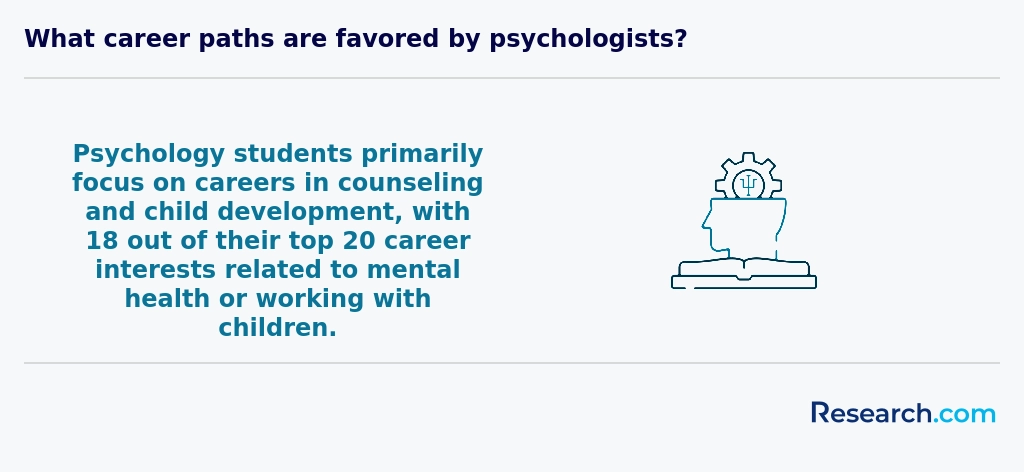
Online psychology education is becoming more interactive, career-focused, and technology-aware. Many programs now use learning platforms, virtual simulations, digital collaboration tools, and applied assignments to help students connect psychological theory with real workplace, research, and human-service settings.
One major trend is the expansion of mental health-related coursework and support fields. Students are increasingly looking for programs that address teletherapy practices, digital ethics, data security in psychological research, trauma-informed care, workplace behavior, and culturally responsive services. These topics matter because psychology graduates often work in environments where technology, privacy, and human behavior intersect.
Cost-conscious graduate students are also comparing programs by value, especially when considering the cheapest online masters in psychology. At the master’s level, affordability must be weighed against accreditation, supervised experience requirements, faculty expertise, and whether the program aligns with the student’s intended career track.
What this means for students
- Online does not mean less rigorous: Strong programs still require research, writing, assessment, statistics, ethics, and applied learning.
- Technology skills are increasingly useful: Psychology graduates may work with digital records, telehealth systems, data tools, and online research methods.
- Specialization matters: Coursework in areas such as clinical, counseling, forensic, industrial-organizational, health, or developmental psychology can shape career options.
- Licensure planning should begin early: Students aiming for licensed practice should verify state requirements before enrolling.
The future outlook for online psychology education is strongest for students who choose accredited programs, understand the limits of each degree level, and build practical experience through internships, research projects, fieldwork, or supervised placements where required.
Imagine starting your online psychology journey at a popular university like UCLA or the University of Michigan, where financial aid feels more like a safety net woven just for you. Federal aid, accessible through FAFSA, is often the first lifeline. Pell Grants, for example, have helped countless undergraduates breathe easier, offering up to $7,395 that doesn't need repayment-a true treasure for students balancing tuition and life.
Graduate psychology students, chasing those advanced degrees at places like Johns Hopkins or NYU, often tap into federal unsubsidized loans, sometimes reaching $20,500 annually. These loans, paired with Federal Work-Study programs, turn campus or virtual jobs into golden opportunities to earn while learning.
State-funded gems, such as California's Cal Grant or New York's TAP, act like hidden scholarships exclusive to in-state dreamers. Veterans and minority students also find tailored institutional scholarships at favored online programs, embracing diversity and hard work alike.
Professional organizations and private foundations step in, sprinkling scholarships that echo the unique struggles and passions of psychology students nationwide, turning financial stress into hope-filled chapters of success.
Affordability should be evaluated beyond the advertised tuition rate. Online psychology students often compare programs by cost per credit, total credits required, transfer-credit policy, fees, textbooks, technology requirements, residency or internship expenses, and whether the school charges different rates for in-state and out-of-state learners.
Students looking for lower-cost options can start by reviewing the cheapest psychology school options, then confirm whether each program fits their academic level and career goal. A low tuition rate is helpful only if the program is accredited, accepts applicable transfer credits, and provides the coursework needed for your next step.
Cost factors to compare before enrolling
- Total program price: Look at the full degree cost, not only annual tuition or per-credit tuition.
- Transfer credits: A generous transfer policy can shorten completion time and reduce total cost.
- Fees: Online programs may still charge technology, assessment, graduation, or student-service fees.
- Financial aid eligibility: Accreditation affects access to federal financial aid and transferability.
- Career goal fit: If you plan to pursue licensure or graduate study, make sure the program supports that path.
- Return on investment: Compare cost with likely outcomes, including graduate school readiness, job options, and salary potential.
Payment plans, scholarships, employer tuition assistance, military benefits, and federal aid can make an online psychology degree more manageable. Still, students should avoid choosing a program on price alone. The best value is usually the accredited program that helps you finish efficiently without creating barriers to graduate admission, certification, or licensure.
To dive into an online psychology degree in America, picture a recent graduate from a well-known state university recalling their journey: it all began with a high school diploma or GED in hand, a simple yet crucial ticket to the world of human behavior studies. For undergrads, schools often ask for a GPA hovering around 2.5 to 3.0, showing you've danced through academic challenges with grace. Imagine balancing your morning coffee as you anxiously submit transcripts, a rite of passage that connects your past academic life with your future ambitions in psychology.
For those eyeing a master's or doctorate-think of a graduate from a prestigious college in California-they bring a bachelor's degree, typically with a solid 3.0 GPA or higher. Many shared stories of needing letters of recommendation and soulful personal statements that unveiled their passion for psychology. Some even faced the GRE-though plenty of programs have relaxed this rule, embracing accessibility without compromising excellence.
Flexible yet demanding, these prerequisites reflect the American spirit of opportunity blended with rigor, inviting students to unfold their unique narratives while embarking on this transformative journey.
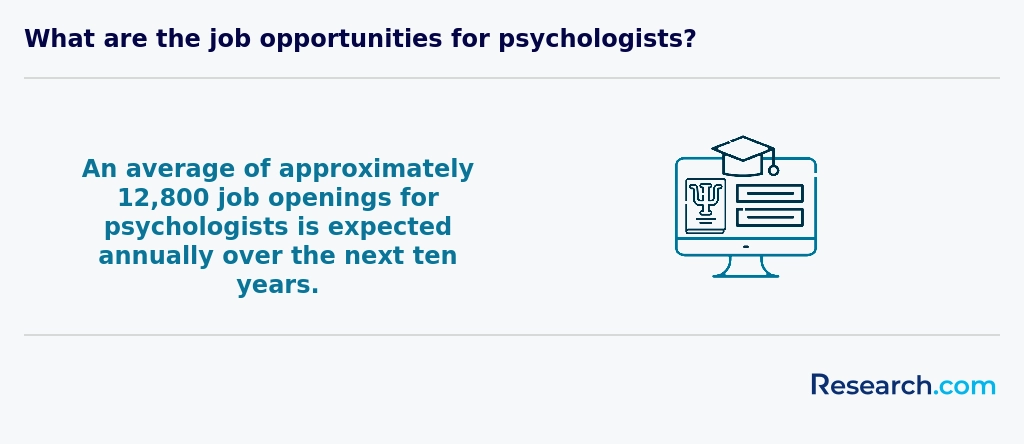
Accreditation is one of the most important quality checks for an online psychology degree. Institutional accreditation from a recognized accreditor helps ensure that credits, financial aid eligibility, and degree recognition meet accepted academic standards. For students pursuing clinical, counseling, school psychology, or doctoral-level practice, programmatic accreditation and state licensure rules may also matter.
Accreditation by bodies such as the American Psychological Association (APA) or the Higher Learning Commission (HLC) can signal that the institution or program meets established standards. However, students should read accreditation language carefully. APA accreditation is most relevant to doctoral psychology programs, internships, and postdoctoral residencies, while institutional accreditors such as HLC evaluate the college or university as a whole.
Licensure requirements vary by state. State boards may require specific coursework in ethics, assessment, diagnosis, intervention, research, and supervised practice. Many states require a minimum of 1,500 supervised practicum hours; students should verify whether their chosen program helps them meet those requirements and whether any in-person experiences are required.
Affordability and licensure readiness should be reviewed together. Students comparing lower-cost programs can use resources such as the Most Affordable Psychology Degree Programs Ranking in Ohio while still confirming that each program meets the academic and supervised-experience expectations for their intended state and career path.
Before enrolling, ask these questions
- Is the institution regionally or otherwise institutionally accredited by a recognized accreditor?
- Does the program meet requirements in the state where I plan to seek licensure?
- Are practicum, internship, or supervised fieldwork placements required?
- Can online students complete required placements near where they live?
- Does the program prepare students for exams such as the EPPP or CPCE, if applicable?
- Will credits transfer if I later pursue a graduate or doctoral program?
The safest approach is to contact your state board of psychology or counseling before applying. Request current licensing guidance, compare it with the program curriculum, and keep written documentation of any answers you receive.
Imagine diving into the human mind while seated on your couch, enrolled in an online psychology degree from a well-known American university. Graduates often share how courses like Introduction to Psychology open doors to understanding everyday behaviors, from why a friend reacts anxiously to new challenges to how memory shapes our day-to-day stories. Others recall the excitement of Developmental Psychology, tracing human growth across stages, connecting theory with watching newborn cousins or aging grandparents.
At institutions celebrated for their online programs, like Arizona State or University of Florida, students find their curiosity sparked by Biopsychology, linking brain science to feelings and decisions-as if unlocking a secret code to the mind's machinery. Classes in Cognitive Psychology bring the thrill of decoding puzzles like perception and problem-solving, turning ordinary moments into fascinating experiments.
Social Psychology courses transform how one sees daily interactions, making campus networking or workplace teamwork suddenly more insightful. The hands-on vibe of Research Methods and Statistics empowers learners to design meaningful studies, a skill many graduates treasure when conducting real-world surveys or analyzing behavior trends.
Even specialized topics like Industrial-Organizational Psychology or Counseling Techniques become gateways to practical careers, blending academic theory with heartfelt impact-equipping students across America to step confidently into roles that matter.
Imagine diving into the mind's labyrinth through clinical psychology, where graduates from top American universities unravel mental illness mysteries, crafting healing therapies that mend broken spirits. Or picture yourself as a counseling psychologist, guiding souls through life's storms with warmth and wisdom, the kind taught by renowned colleges famous for their compassionate online psychology degree specializations USA. Then there's the thrill of forensic psychology, transforming courtroom dramas into scientific narratives, perfect for those drawn to the shadowy dance of law and mind.
Inspired by stories from recent online learners, industrial-organizational psychology feels like decoding workplace energies to boost harmony and productivity, a specialization shaping future HR leaders and change-makers. Meanwhile, developmental psychology invites you on a journey across human lifespans, inspired by graduates who cherish childhood curiosity and elder resilience alike. Health psychology, with its pulse on how mind influences body, equips students for vibrant roles in holistic care.
Discovering affordable routes to these rich fields is easier than ever-some opt for the cheapest online masters in psychology, blending ambition with smart budgeting while accessing psychology concentrations available online in America.
Choosing the best online psychology degree in America often feels like navigating a maze-yet, graduates from schools like Arizona State University or the University of Florida reveal a common thread: accreditation is non-negotiable. Imagine enrolling in a program without regional accreditation; credits might vanish like mirages when transferring or chasing licensure. Remember, doctoral seekers need that APA stamp to unlock clinical psychology doors, while bachelor's and master's candidates gain more from institutional accreditation.
Affordability weaves into this choice like the threads of a well-knit sweater. Many graduates from public universities recall paying around $10,000 annually, while private institutions can bring sticker shock near $35,000. Online learning makes room for cost savings-campus fees shrink or disappear, but beware hidden expenses like tech fees and textbooks. For those eyeing support beyond tuition, strong advising and mental health resources often mold the sweetest experiences in accessible programs.
When hunting for affordable online psychology programs in America, think about flexibility. A graduate from a popular state university praises asynchronous courses that let them balance work and study without breaking stride. Some programs even sprinkle in virtual labs or online research projects-imagine working through real-world cases in your pajamas. If your dreams aim at licensure or counseling, seek programs emphasizing internships or practicum placements-key stepping stones in the psychology journey.
Curious about where to start? Exploring an online bcba program reveals how specialized certifications can complement your psychology degree, opening tailored career paths and enriching your education.

Graduates with an online psychology degree in America often find themselves stepping into vibrant careers shaped by real human stories and challenges. Imagine working as a clinical psychologist in bustling hospitals or cozy private practices, where you guide people through healing and self-discovery. Others channel their energy into school psychology, crafting supportive environments that transform young minds and ease behavioral struggles-paths often traveled by grads from universities like the University of Florida or Arizona State University, known for their accessible online programs.
The field of industrial-organizational psychology offers a compelling twist-here, psychologists decode workplace dynamics to boost morale and productivity, envisioning offices as ecosystems of human potential. Some online psychology graduates also embrace social work or case management roles, stepping into communities with warmth and advocacy. Many embark on research journeys in academic settings, laying the groundwork for tomorrow's breakthroughs.
For those exploring online psychology degree career opportunities in USA, schools offering affordable, accredited curricula play a huge role. Students often consult the Most Affordable Psychology Degree Programs Ranking in Ohio to find cost-effective options that balance budget and quality.
The online psychology degree job market USA pulses with energy as more graduates from institutions like Arizona State University and the University of Florida find themselves stepping into vibrant roles. Mental health counselors weaving compassion into school environments, behavioral therapists crafting new paths in telehealth, and human resources specialists shaping workplace wellbeing - these are realities for many. Graduates often share stories of juggling jobs while studying online, grateful for flexible programs that let them apply fresh insights immediately. However, those envisioning clinical psychologist careers know the journey demands a doctorate and state licensure, a challenge met by some who elevate their skills through further study.
In cities such as Denver or San Francisco, where psychology career opportunities in America thrive, salaries can reflect the high demand - these urban hubs reward specialized skills well above the national median. Students balancing costs often explore options like the best dual degree programs to maximize career impact while managing budgets. The expanding telehealth scene and increased funding add bright hues to this landscape, empowering graduates with hope and tangible prospects.
2027 Fastest Online Psychology Degree Programs Ranking in the USA
Investing in your education is a significant decision that can profoundly impact your career and personal growth, and the Research.com team is committed to helping you make well-informed choices. To support prospective students seeking the fastest online psychology degree programs in the USA, we have carefully developed the "2027 Fastest Online Psychology Degree Programs Ranking." Our dedication to quality, credibility, and accuracy is evident in the rigorous research and thorough analysis underpinning this ranking.
We utilized the following reputable data sources to ensure a comprehensive and reliable evaluation of online psychology programs:
By exploring this ranking, readers will gain valuable insights into accelerated psychology programs that balance quality education with efficient completion times, enabling them to make strategic decisions for their future. For a deeper understanding of how we crafted this ranking with precision, please visit our Research.com methodology page.
# 1 position
University of the Incarnate Word
Master of Administration, Industrial and Organizational Psychology


# 6 position
Adler University
Master of Psychology


# 13 position
Augustana University
M.Ed. SPED-ABA Master of Education in Special Education-Applied Behavior Analysis


# 17 position
University of Wisconsin-Madison
Master of Educational Psychology: Professional Educators

# 18 position
Amridge University
Doctor of Family Therapy


# 20 position
Kansas State University
Master of Psychology with an emphasis in Industrial and Organizational Psychology

Frequently Asked Questions About psychology
Online psychology degree students in America can maximize their learning by actively engaging with course materials and faculty. Studies show that students who participate regularly in discussions and virtual office hours tend to perform better (National Center for Education Statistics, 2023). Setting a disciplined schedule for study helps maintain focus, especially when balancing work or family commitments common among online learners.
Utilizing resources like the American Psychological Association's (APA) online library can deepen understanding of key concepts. Additionally, joining psychology-related online forums or local study groups enhances networking and knowledge sharing. Practical experience through virtual internships or volunteer opportunities can also be valuable, aligning with accreditation standards to ensure applicable skills development.
The field of psychology in the United States is expanding into several emerging niches that reflect societal changes and technological advancements. One fast-growing area is digital mental health, which involves using mobile apps and teletherapy to reach patients remotely. According to the American Psychological Association (APA), telepsychology saw a 154% increase in use during recent years.
Another niche gaining prominence is neuropsychology, focusing on brain-behavior relationships, especially relevant as the population ages and Alzheimer's cases rise. The Bureau of Labor Statistics projects a 19% growth in neuropsychology jobs by 2030.
Additionally, industrial-organizational psychology is evolving with new emphasis on remote work dynamics and employee well-being, addressing workforce challenges accelerated by the COVID-19 pandemic.
After completing an online psychology degree in America, preparing for the job market involves several key steps. First, gaining relevant experience through internships or volunteer positions is crucial, as 75% of psychology employers value practical exposure alongside academic credentials (Bureau of Labor Statistics, 2023).
Next, graduates should consider pursuing state licensure if they aim to become licensed psychologists or counselors. This process often requires additional supervised hours and passing national exams.
Networking through professional organizations like the American Psychological Association can open doors to job opportunities and mentorship.
Finally, staying updated on emerging trends and continuing education can improve employability in this competitive field.
Employers in America highly value psychology graduates who possess strong critical thinking and analytical skills. According to the American Psychological Association, the ability to assess research data and apply theoretical concepts to real-world issues is essential. Communication skills, both written and verbal, are also crucial, as psychologists often work in teams and must articulate findings clearly.
Interpersonal skills and emotional intelligence are key for roles involving counseling or client interaction. Additionally, familiarity with statistical software and research methodologies enhances employability. Recent studies show that graduates with practical experience in data analysis and ethical decision-making stand out in today's competitive job market.
Finding internships relevant to a psychology degree in America typically involves leveraging university resources, professional organizations, and online platforms. Many accredited psychology programs require or highly recommend internships as part of the curriculum, and schools often provide connections to local clinics, hospitals, or research centers.
The American Psychological Association (APA) offers a valuable internship database that lists accredited sites suitable for students nationwide. Additionally, platforms like Handshake and LinkedIn host numerous internship opportunities tailored to psychology students.
Networking with faculty members and attending psychology conferences can also increase chances of securing internships. According to the APA, about 60% of graduate psychology students in the US complete internships through such structured pathways, enhancing both practical skills and employment prospects.
An online psychology degree in America can significantly enhance career mobility and advancement opportunities. According to the American Psychological Association, the demand for psychology professionals is expected to grow by 8% from 2021 to 2031, faster than the average for all occupations. Online programs offer flexibility, allowing students to balance education with work, which helps career growth without career interruption.
Graduates with an online degree can qualify for roles in counseling, human resources, and social services, sectors that value psychological expertise. Furthermore, higher degrees often lead to increased salaries; the U.S. Bureau of Labor Statistics reports that psychologists earn a median annual wage of about $82,180, with advanced degrees typically commanding higher pay.
Additionally, accredited online degrees meet the requirements for licensure in most states, a key step for clinical role advancement. This accreditation ensures graduates remain competitive and can pursue certifications, which further increase career options and progression.
Studying for a psychology degree in America equips students with skills that are highly valued across various disciplines. According to the American Psychological Association (APA), psychology programs emphasize research methods, critical thinking, and statistical analysis, which are foundational for interdisciplinary work.
Online psychology degrees often incorporate courses in biology, sociology, and health sciences, allowing students to understand human behavior from multiple perspectives. These programs prepare graduates to collaborate in fields like healthcare, education, and business.
Furthermore, the U.S. Bureau of Labor Statistics highlights that psychology-related roles are growing 8% faster than the average, demonstrating the increasing demand for professionals with broad, adaptable skills.
When choosing between a thesis and a non-thesis psychology degree program in America, consider your career goals and time availability. Thesis programs involve conducting original research and writing a detailed paper, which is valuable if you plan to pursue a PhD or work in research-focused roles. According to the American Psychological Association (APA), about 40% of psychology graduate students opt for thesis programs for this reason.
Non-thesis programs emphasize coursework and practical application, appealing to professionals seeking skills for clinical, counseling, or administrative jobs. These programs often have a faster completion time, which suits working adults.
Cost and faculty support are also important. Thesis options may require close mentorship, while non-thesis programs prioritize broader course instruction.
Students based in America who wish to study psychology abroad have several viable options, even when focusing on online degree programs. Many accredited US institutions offer online psychology degrees with international study components or partnerships with foreign universities. This hybrid model allows students to experience global perspectives without leaving the country.
Additionally, certain American universities are part of international consortia, enabling credit transfers and joint degrees with overseas schools. According to the American Psychological Association (APA), nearly 30% of US psychology programs now offer some form of international collaboration or fieldwork.
Students can also explore fully online psychology degrees from foreign universities recognized by US credential evaluators, but should verify program accreditation and transferability.
Students pursuing an online psychology degree in America often seek part-time jobs that complement their education and provide practical experience. Common roles include behavioral health technicians, research assistants, and mental health aides. According to the U.S. Bureau of Labor Statistics (BLS), these positions offer valuable exposure to clinical settings and research methodologies relevant to psychology.
Many universities encourage psychology students to engage in internships or assistantships, which help develop skills like data collection, patient interaction, and psychological assessment. These roles typically pay between $12 and $18 per hour, depending on location and responsibility.
Part-time work in counseling centers or social service agencies also helps students build communication and empathy skills essential for future psychological practice.
Online psychology students in America have growing networking opportunities despite the virtual format. Many accredited programs collaborate with organizations such as the American Psychological Association (APA), which offers student memberships and access to regional events. These memberships provide valuable connections to professionals and researchers in the field.
Students can also join virtual conferences and webinars hosted by major psychology associations, encouraging interaction with peers and experts nationwide. Additionally, schools often facilitate online forums, mentorship programs, and alumni networks specifically for psychology students.
According to the APA, 75% of psychology graduate students report benefiting from professional networking during their program. Such connections are crucial for internships, career advice, and research collaboration in the US psychology community.
Alumni networks play a crucial role for online psychology degree students in America by offering valuable professional connections. These networks help graduates access job opportunities in a competitive field where the American Psychological Association reports over 175,000 psychologists employed nationwide.
Through alumni events and online platforms, students engage with experienced professionals who provide mentorship and career advice tailored to the psychology sector.
Access to such networks often leads to internships or research collaborations, which are essential for licensure and career advancement in psychology.
Additionally, alumni groups keep members updated on industry trends and continuing education resources.
To customize an online psychology degree in America, students should start by selecting programs that offer various concentrations aligned with their career goals. Common specializations include clinical psychology, counseling, industrial-organizational psychology, and child development. The American Psychological Association (APA) highlights that accredited programs with diverse electives help students tailor their education for specific roles.
Many universities allow students to choose internships or practicum experiences in their area of interest, which is crucial for gaining practical skills. Additionally, some programs offer dual degrees or certificates, such as addiction counseling or behavioral analysis, enhancing career flexibility.
Researching program curriculum and licensing pathways is essential for alignment with professional standards.
Online psychology students in America often face challenges related to the lack of in-person interaction. Psychology heavily relies on practical experience, and remote formats can limit hands-on training opportunities, such as supervised clinical practice. According to the American Psychological Association, it is essential for students to complete practicum hours in approved settings to be licensed.
Another challenge is balancing coursework with personal and professional responsibilities. Many online learners are working adults managing jobs and families, which can complicate time management. A 2023 National Center for Education Statistics report highlights that 70% of online students are part-time learners, increasing the risk of delays in degree completion.
Technological issues and limited access to reliable internet can also hinder student progress, especially in rural areas. Additionally, students may struggle with feeling isolated, as online programs often lack the community aspect that on-campus learning provides.
With an online psychology degree in the United States, graduates can pursue several professional certifications that enhance their career opportunities. A common path is obtaining licensure as a Licensed Professional Counselor (LPC) or Licensed Clinical Social Worker (LCSW), depending on additional requirements and state regulations. These certifications typically require completing a master's degree, supervised clinical hours, and passing a state exam.
Another option is the National Certified Counselor (NCC) credential, offered by the National Board for Certified Counselors, which requires a graduate degree in counseling, supervised experience, and a successful exam.
Certified Addiction Counselor (CAC) certifications are also accessible with relevant coursework and field experience.
The American Psychological Association notes a growing demand for these certifications aligned with mental health service needs in the US.
To write a winning application for an online psychology program in America, focus on presenting a clear and concise narrative of your academic background and career goals. Most programs require transcripts, letters of recommendation, and a personal statement. In your statement, emphasize your motivation for studying psychology, relevant experience, and how the program aligns with your professional aspirations.
Highlight any volunteer or work experience related to psychology or human services, as this can set you apart. According to the American Psychological Association, programs value applicants who demonstrate critical thinking and a commitment to the field. Make sure to proofread thoroughly to avoid errors.
Finally, research each program's specific admission criteria and tailor your application accordingly, as requirements can vary significantly between institutions.
The field of psychology is internationally recognized, yet career perspectives vary across regions. In America, psychology is among the fastest-growing professions, with the U.S. Bureau of Labor Statistics projecting a 10% growth rate from 2021 to 2031. This reflects a rising demand for mental health services.
Globally, psychologists address diverse social and cultural issues, but U.S.-trained graduates benefit from access to extensive research funding and established licensure pathways. American online psychology degrees often emphasize evidence-based practices aligned with standards from the American Psychological Association (APA).
International collaboration in research and practice is common, but students should note that licensure requirements differ by country. For U.S. professionals, psychology offers broad opportunities in clinical, academic, and industrial fields.
Gaining practical experience while studying for an online psychology degree in America is essential for building skills and enhancing employability. Many accredited programs require or encourage internships with approved healthcare providers, schools, or community agencies. These internships provide hands-on experience in therapeutic techniques, research, or counseling.
Students can also participate in virtual practicums or engage in research projects supervised by faculty. According to the American Psychological Association, about 70% of psychology programs incorporate practical training components to meet licensing requirements. Volunteering in mental health organizations is another valuable option that supplements academic learning with real-world practice.
Choosing the right concentration within an online psychology degree program in America begins with understanding your career goals. Psychology concentrations often range from clinical and counseling to industrial-organizational and forensic psychology. Each focus offers different career paths and licensure requirements. For example, clinical psychology prepares students for licensed therapy roles, while industrial-organizational psychology focuses on workplace behavior and management.
It's important to research program accreditation by the American Psychological Association (APA), especially if you aim for licensure. According to the Bureau of Labor Statistics, clinical and counseling psychologists are among the fastest-growing professions, with employment expected to grow 8% through 2031. This data highlights demand for specialized knowledge in these areas.
Ultimately, evaluating job market trends, licensure prerequisites, and personal interests can guide a well-informed decision when selecting a concentration in an online psychology program.
See What Experts Have To Say About Studying Psychology
Read our interview with Psychology experts

Joann Farrell Quinn, Ph.D., MBA
Psychology Expert
Director at the College of Medicine Department of Medical Education
Morsani College of Medicine

Robin M. Kowalski. Ph.D.
Psychology Expert
Professor of Psychology
Clemson University

Elizabeth L. Jeglic Ph.D.
Psychology Expert
Professor of Psychology
City University of New York

- What jobs can you get with a psychology degree bachelor https://www.bridgeport.edu/news/high-paying-jobs-with-a-bachelors-in-psychology-degree/
- FAFSA and Financial Aid for Psychology Students https://www.psychology.org/resources/financial-aid/
- Online Psychology Degrees https://www.phoenix.edu/online-psychology-degrees.html
- Alumni Perspectives - Meet Our FPN Alumni https://www.aanmelder.nl/alumni-perspectives-june-2023
- Networking and Community Resources https://www.psych.on.ca/become-a-member-(1)/member-services/networking-and-community-resources
- Alumni Network - https://efpsa.org/alumni-network/
- 5 Terrific Ways to Finance your Masters in Psychology ... https://mastersinpsychologyguide.com/articles/5-terrific-ways-to-finance-your-masters-in-psychology-degree/
- Incorporating Career Exploration and Skill Development ... https://teachpsych.org/page-1784686/8675326
- Online Psychology Degree Salary by Career Path https://www.collegetransitions.com/blog/online-psychology-degree-salary-by-career-path/
- Financial Aid for Psychology Students https://www.onlinepsychologydegrees.com/financial-aid/