
2027 Most Popular Psychology Degree Programs Ranking in Newark

Co-Founder and Chief Data Scientist
Choosing the right psychology degree is an important step toward a rewarding career in understanding human behavior and helping others. For students in Newark, finding a program that fits your goals and interests can feel overwhelming.
This article introduces the 2027 Most Popular Psychology Degree Programs Ranking in Newark, created by the Research.com team of data scientists. It's designed to guide you through the best options available, making your decision easier and more confident.
Discover programs that inspire growth and prepare you for success in an exciting field. Your journey to a meaningful future starts here.
Key benefits of getting psychology degree in Newark
- Salary benefits: Psychology graduates in Newark can expect competitive salaries, such as a Marketing Research Analyst earning around $83,190 annually or a Human Resources Specialist with about $76,060 per year, offering financial stability.
- Career paths: Graduates from Newark-based universities often pursue diverse roles in clinical research, marketing analysis, or human resources, opening doors to rewarding and impactful careers across various industries.
- Online degree advantages: Earning a psychology degree online in Newark offers flexibility, allowing students to balance work and study, and equips them with practical skills that employers value in today's evolving job market.
- 2027 Most Popular Psychology Degree Programs Ranking in Newark
- What can I expect from psychology degree in Newark?
- Where can I work with psychology degree in Newark?
What can I expect from psychology degree in Newark?
The average cost of earning a psychology degree in Newark varies but generally remains manageable, especially at public institutions like Rutgers University-Newark. Graduates often share how the more affordable tuition at these universities helped them focus on their studies without overwhelming financial stress. For a typical bachelor's degree, students may expect to pay tuition in line with New Jersey public university rates, which tend to be lower compared to private colleges in the area.
Many psychology students balance their academic journeys with scholarships, assistantships, and state financial aid, which make the overall cost feel more accessible. Some graduates recall applying for New Jersey state grants or federal aid programs specifically designed for psychology majors, which relieved some of their financial burdens. Being in Newark also provides easy access to affordable living arrangements, further easing the economic pressures of college life.
Looking ahead, the trend toward increased financial support and competitive tuition rates at Newark's public universities suggests that studying psychology here will remain a smart investment. Students can anticipate not only a rich educational experience but also growing economic feasibility as demand for mental health professionals rises regionally.
Where can I work with psychology degree in Newark?
Graduates with psychology degrees in Newark are discovering a wealth of promising career paths closely tied to their studies at institutions like Rutgers University-Newark. Many find fulfilling roles in healthcare settings such as University Hospital, where they contribute as counselors or behavioral health technicians, directly impacting patient well-being. Others thrive within Newark's public schools, supporting students as counselors or aides, reflecting a growing community focus on mental health.
Several graduates are excited by opportunities in Newark's corporate world, applying their understanding of human behavior to roles in human resources and organizational development. This real-world application sparks enthusiasm as they shape company culture and employee engagement. Additionally, social service agencies and government offices recruit psychology graduates, offering meaningful work in community outreach or juvenile justice, creating a tangible sense of purpose.
Research roles at Rutgers University-Newark provide another avenue, where graduates engage in cutting-edge studies, fueling intellectual curiosity. For those pursuing licensure, the private practice route opens doors to personalized therapy, allowing deep connections with clients and a rewarding professional journey.
Graduates with psychology degrees in Newark can anticipate varied earnings depending on their chosen career path. For example, those entering roles like Human Resources Specialist report mean annual wages around $76,060, reflecting strong local demand for psychology skills in business environments.
Others pursuing positions as Marketing Research Analysts in Newark can expect to earn close to $83,190 annually. This role blends psychology insights with data analysis, a combination often highlighted by graduates from nearby universities who appreciate applying behavioral theories to market trends.
Graduates who gravitate toward research may find opportunities as Clinical Research Associates or Survey Researchers, both of which offer similar mean annual salaries near $62,370. Many psychology students at Newark colleges express enthusiasm about these stable roles that contribute to medical and social advancements.
While less common, some psychology graduates secure work as Childcare Workers, with mean annual incomes around $32,070. Those starting here often cherish hands-on experiences shaping child development in community settings.
Looking ahead, psychology graduates in Newark can feel optimistic about salary growth as the city's healthcare, education, and business sectors continue evolving. Students at Newark's leading institutions frequently share excitement about joining dynamic fields where their psychology expertise opens diverse and rewarding career doors.
- Tuition for psychology degrees in Newark ranges from $15,000 to $30,000 per year, depending on the institution.
- Entry-level psychology graduates typically earn between $48,000 and $55,000 annually.
- Experienced professionals with advanced degrees can make between $75,000 and $90,000 per year.
- Job growth for psychology careers in Newark is expected to be around 8% over the next decade, matching the national average.
- Graduates benefit from internship opportunities with local hospitals and clinics, which are essential for licensure and job readiness.
- Becoming a licensed psychologist in New Jersey requires a doctorate, supervised clinical hours, and passing the EPPP exam.
Completing a psychology degree in Newark usually spans a timeline that varies with the level chosen, yet many graduates find a rewarding structure within this timeframe. Undergraduates at Rutgers University-Newark typically spend around four years, savoring the balance of campus life and coursework, sometimes extending their studies to accommodate part-time work or personal commitments. This flexibility allows them to forge their own paths while maintaining steady progress.
Graduate students pursuing a master's degree often embrace two years of full-time study, discovering opportunities to dive deep into research or applied psychology through thesis and non-thesis options. Some extend this journey when managing jobs or internships, making the program last closer to three years but with rich, hands-on experiences that shape their skills well.
Doctoral candidates embark on a 5 to 7-year commitment at Newark institutions, blending rigorous coursework, clinical hours, and vibrant research projects. Many alumni speak of this period as transformational, where the intense dedication fosters professional growth alongside personal fulfillment.
To make an informed decision about which psychology program to attend in Newark, NJ, it's essential to consider several factors, including accreditation, curriculum, cost, campus environment, student feedback, and outcomes. Prospective students can explore the popular psychology colleges in the area to find the best fit for their academic and career goals. By researching and evaluating these factors, students can increase their chances of success and set themselves up for a rewarding career in psychology. Additionally, considering factors such as internship opportunities, faculty expertise, and alumni networks can also provide valuable insights into the quality and reputation of a psychology program.
Graduates from Rutgers University-Newark often reflect on the dynamic contrast between their online and on-campus psychology experiences. On-campus students describe the energizing atmosphere of walking into busy labs, engaging directly with professors, and building friendships in counseling centers-moments that bring theory to life in real time. They feel connected to the local Newark psychology community, gaining valuable hands-on skills through internships at nearby clinics.
Conversely, online learners appreciate the freedom to study on their own schedules, balancing coursework with family or jobs while accessing virtual lectures and discussion boards. However, some express a longing for more face-to-face interactions and practical experiences, which can feel limited without local arrangements.
Looking ahead, Newark's psychology programs might increasingly blend these approaches, offering hybrid models that maximize flexibility without sacrificing hands-on opportunities. This evolving landscape promises future students access to top-tier education from Rutgers and similar colleges, tailored to diverse lifestyles and aspirations.
Psychology graduates in Newark must navigate specific licensure and certification requirements to practice clinically or academically in New Jersey. The primary credential for independent practice is the Licensed Psychologist (PSY), which requires a doctoral degree in psychology, successful completion of the Examination for Professional Practice in Psychology (EPPP), and at least 2,000 hours of supervised post-doctoral experience approved by the New Jersey Board of Psychological Examiners. For those with a master’s degree seeking to provide counseling services, the Licensed Professional Counselor (LPC) credential involves passing the National Counselor Examination (NCE) and completing 3,000 hours of supervised clinical work. Alternatively, many graduates choose to become a Licensed Clinical Social Worker (LCSW), which includes a Master of Social Work, the Association of Social Work Boards (ASWB) exam, and 3,000 supervised hours in clinical settings. In addition to core licensure tracks, emerging roles such as the behavioral therapist offer specialized practice pathways focusing on behavior modification techniques, often requiring certification through the Behavior Analyst Certification Board (BCBA). Prospective practitioners should also consider credential renewal cycles-typically every two years-and continuing education requirements ranging from 20 to 30 credit hours per cycle to maintain compliance and stay current with evidence-based interventions. Early preparation can streamline the licensure journey: engage in graduate programs with integrated practicum placements, document supervised hours meticulously, and connect with local professional associations like the New Jersey Psychological Association (NJPA) for mentorship and exam prep resources. Understanding these steps upfront ensures that Newark’s psychology graduates transition smoothly from academic study to competent, licensed professionals ready to serve diverse New Jersey communities.
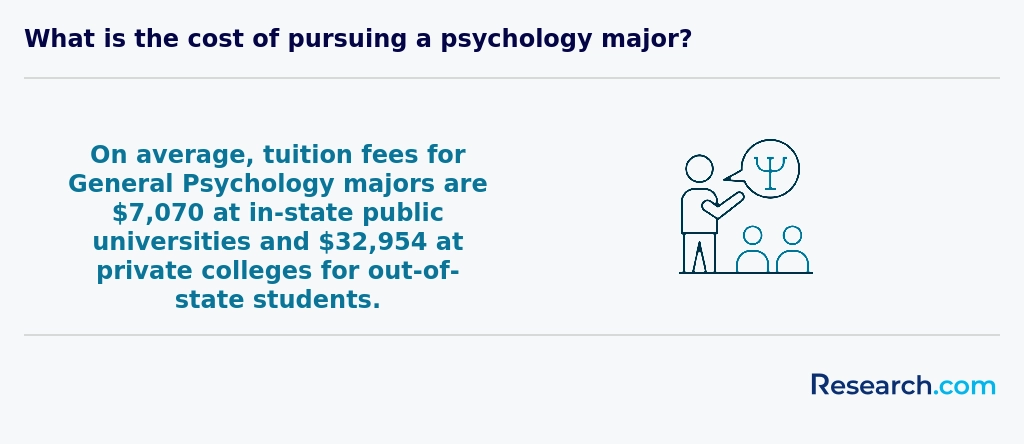
The average cost of a psychology degree in Newark currently centers around $25,900 for in-state students, while those coming from out-of-state typically face a median total cost near $51,400. This range reflects tuition trends at Newark's well-regarded universities and community colleges where students embark on their psychology education. Graduates often express satisfaction knowing their investment opens doors to impactful careers in mental health and research, especially when considering the supportive academic environments at local institutions.
Studying psychology in Newark offers a balance of affordability and quality, with many students appreciating the reasonable tuition compared to averages in other metropolitan areas. Community colleges provide a valuable gateway with lower costs per credit hour, allowing learners to build foundational skills before transferring to four-year programs. Students have shared positive experiences navigating these pathways, highlighting how manageable tuition fees contribute to reduced financial stress and greater focus on their studies.
Those pursuing advanced psychology degrees in Newark encounter costs that vary depending on specialization and program length, often reflecting higher tuition but matched by richer clinical and research opportunities. Access to scholarships, financial aid, and in-state status can notably offset expenses, making graduate education more attainable. For instance, information on professional pathways and costs can be explored here, helpful for students considering the next steps beyond a psychology degree in Newark.
With the growing demand for mental health professionals, the psychology degree tuition and fees Newark students face today could evolve with increased institutional support and innovative funding models. This evolution might provide future students with even more affordable education, inspiring many to pursue their passion for psychology without overwhelming financial burdens.

To legally practice psychology or counseling in Newark and throughout New Jersey, graduates must complete state-mandated steps:
- Earn a graduate degree: a master’s for licensed professional counselors (LPC) or a doctoral degree (PhD/PsyD) for licensed psychologists.
- Accumulate supervised hours: typically 3,000–4,000 hours under a board-approved supervisor.
- Pass required exams: the Examination for Professional Practice in Psychology (EPPP) for psychologists; the National Counselor Examination (NCE) or equivalent for LPCs.
- Submit application: provide official transcripts, supervision verification, and fees to the New Jersey State Board of Psychological Examiners or the Board of Marriage and Family Therapy Examiners.
- Maintain your license: complete 48 hours of continuing education every two years to meet renewal requirements.
Prospective students seeking flexible pathways often compare on-campus programs with the cheapest online psychology degree before pursuing licensure.
Psychology students in Newark have access to a variety of financial aid options that make pursuing their degrees more affordable and less stressful. Graduates from Rutgers University-Newark often share how federal aid like Pell Grants and Direct Loans provided crucial support during their studies, allowing them to focus more on learning than on finances.
State programs such as the New Jersey Student Tuition Assistance Reward Scholarship (NJ STARS) can be a game-changer for community college transfers aiming to enter Newark's four-year psychology programs. Many students recall feeling motivated knowing that such scholarships rewarded their academic dedication.
Institutional scholarships at places like the New Jersey Institute of Technology offer merit- and need-based grants, which students describe as affirming validations of their hard work and community engagement. The availability of these awards often sparks hope for a more manageable financial journey.
Professionally linked scholarships, including those from the American Psychological Association, also broaden opportunities, encouraging psychology students in Newark to envision careers supported by strong networks and funding. Moreover, emerging trends such as employer tuition assistance and loan forgiveness for public sector work inspire students to plan careers with both passion and financial sustainability in mind.
Graduating with a psychology degree is just the beginning of a rewarding professional journey. Ensuring that you meet state and national licensing requirements, such as preparing for the Examination for Professional Practice in Psychology (EPPP), is crucial for those aiming to practice clinically or in specialized fields. Alongside licensure, pursuing certifications in areas like counseling, industrial-organizational psychology, or forensic psychology can enhance your credentials and open doors to advanced career opportunities. Many programs also recommend engaging in internships and mentorship programs, which not only provide hands-on experience but also help build a network that supports continuous professional growth. For students looking to explore further avenues in clinical practice, consider checking out online psyd programs apa accredited, which offer flexible, rigorous options that align with industry standards. By investing in both formal education and ongoing professional development, you can ensure long-term success in the dynamic field of psychology.
Enrolling in psychology programs in Newark typically begins with a high school diploma or GED, but future admissions might increasingly value skills beyond academics. Graduates from Newark-based colleges, such as Rutgers-Newark or Essex County College, often recount how meeting prerequisites like foundational courses in general psychology and statistics built their confidence early on. Imagine starting your journey with hands-on community projects or volunteer roles in Newark's diverse neighborhoods, which could soon become formal prerequisites, enhancing both learning and empathy.
Looking ahead, test scores like the SAT or GRE may evolve into more flexible components, replaced by digital portfolios showcasing real-world problem-solving or mental health advocacy. Applicants usually prepare a statement of purpose and recommendation letters, but future trends might include interactive video essays or peer endorsements.
Essay reflections from Newark graduates emphasize that combining coursework with practical experiences creates a strong application, fostering enthusiasm and a genuine connection to the community. These evolving prerequisites point toward a more holistic, engaging, and accessible path for Newark students pursuing psychology degrees.
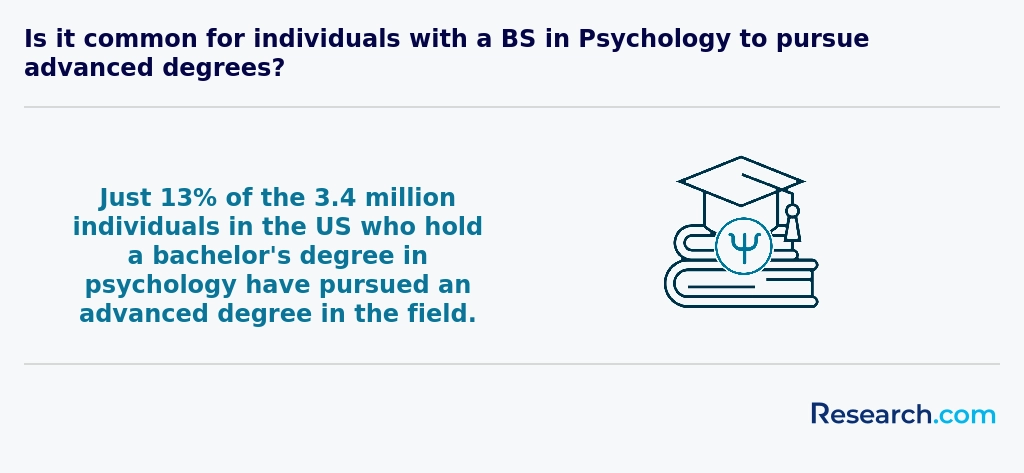
Earning a psychology degree in Newark, NJ, is only the first step toward a professional practice; graduates must also navigate state licensure and certification processes to work legally as counselors or psychologists. In New Jersey, aspiring Licensed Psychologists (LP) typically need a doctoral degree in psychology, completion of a supervised post-doctoral residency (usually 1,750–2,000 hours), and a passing score on the Examination for Professional Practice in Psychology (EPPP). Those interested in clinical counseling can pursue licensure as a Licensed Professional Counselor (LPC) by obtaining a master’s degree in counseling or a related field, completing at least 3,000 hours of supervised clinical experience, and passing the National Counselor Examination (NCE). To streamline this journey, students should verify that their chosen program meets the New Jersey Board of Psychological Examiners’ curriculum requirements, including core courses in assessment, ethics, and developmental psychology. Many programs also offer practicum placements in local clinics or hospitals, providing the supervised experience required for licensure. Planning ahead for these internships enhances readiness for both state board applications and the rigorous EPPP. For undergraduates considering cost-effective pathways before committing to graduate licensure requirements, the Most Affordable Online Bachelor's in Psychology Degree Programs Ranking in the Northeast offers insight into programs that balance affordability with accreditation. Choosing an accredited bachelor’s program ensures eligibility for competitive master’s and doctoral tracks, ultimately expediting the licensure timeline. By understanding New Jersey’s licensure framework-degree levels, supervised hours, and examination benchmarks-students can chart a clear roadmap from Newark classrooms to licensed practice, ensuring both compliance and confidence in their professional careers.
Psychology degree programs in Newark typically offer a mix of foundational and specialized courses that prepare students for real-world challenges. Graduates from well-known Newark institutions often recall how courses like Introduction to Psychology offered a fascinating overview of human behavior, which sparked their enthusiasm early on. They describe engaging deeply with Developmental Psychology, watching how concepts apply to everyday interactions within families and communities right here in Newark.
Many students find that Biopsychology and Cognitive Psychology bring science to life, linking brain function with decision-making during internships at local research centers or hospitals. Core classes such as Social Psychology make them aware of cultural dynamics in Newark's diverse neighborhoods, enhancing their understanding of social influence and group behavior.
Future trends hint at more integration of technology-driven labs and virtual assessments, offering students unique hands-on experiences. Graduates express excitement about courses like Research Methods and Psychological Assessment, which empower them to design experiments and interpret data crucial for careers in psychology and related fields.
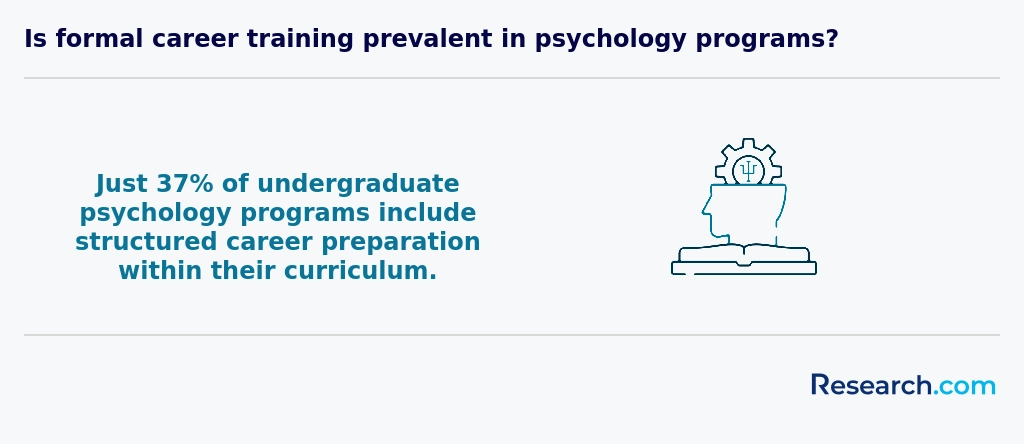
Psychology degree specializations Newark students pursue reflect a dynamic blend of traditional and forward-looking fields. Graduates from well-known Newark colleges often share how Clinical Psychology gives them a deeply rewarding path to support mental health, while others find Cognitive Psychology's exploration of memory and decision-making intellectually stimulating. Emerging interests in Industrial-Organizational Psychology speak to those excited by Newark's vibrant business centers, preparing them to boost employee well-being and optimize workplace culture through applied research.
Developmental Psychology is increasingly relevant, with graduates describing the fulfillment of working with diverse age groups, from children to seniors, within Newark's community services. Forensic Psychology remains a compelling choice, connecting students to criminal justice roles in its bustling metro environment. Those drawn to advanced psychology programs Newark offers appreciate the tailored expertise and career flexibility these specializations provide.
Many students report feeling hopeful and motivated, knowing certain paths, such as Clinical Psychology, may require graduate study. Exploring careers in clinical psychology further inspires them to envision impactful futures in helping professions locally.
Choosing the best psychology degree in Newark means looking beyond just the program name-it involves envisioning how the degree will fit your evolving career and lifestyle. Graduates from Rutgers University-Newark often reflect on how real-world engagements through community mental health partnerships shaped their confidence and practical skills. Considering program flexibility is key; many students juggling jobs appreciate part-time or online options that Newark colleges now increasingly offer. Accreditation also remains a cornerstone-graduates know that programs recognized by the American Psychological Association or regional accrediting bodies enhance long-term career prospects and licensing opportunities.
Cost is another forward-thinking factor. Newark's urban setting means living expenses can impact your budget, so exploring affordable psychology colleges Newark offers is wise. Students often recount leveraging scholarships or assistantships to ease financial burdens. Faculty expertise shapes experience profoundly, as graduates remember how working with professors actively researching emerging psychological fields propelled their academic enthusiasm.
For those open to broader learning opportunities, examining texas psychology degree programs can inspire comparisons and future pathways, especially as online education expands. This holistic perspective helps in selecting a psychology degree that aligns emotionally and professionally with your vision.

Graduates with a psychology degree in Newark find themselves poised for diverse career opportunities that reflect the city's dynamic community and growing demand for mental health services. Many alumni from Newark-based colleges speak enthusiastically about working in clinical and counseling psychology within local hospitals or community centers, where they address pressing mental health needs. Others highlight rewarding positions in school psychology, supporting student development in Newark's diverse educational settings.
Emerging sectors like industrial-organizational psychology attract graduates eager to improve workplace dynamics in Newark's bustling business and healthcare sectors, demonstrating the practical impact of their training. For those drawn to social causes, roles in social work and counseling within non-profit agencies offer meaningful connections to underserved populations. Aspiring professionals often explore research opportunities at nearby universities, building expertise that shapes future psychological practices. For more specialized paths, some consider careers in forensic or health psychology, both integral to Newark's social and medical institutions.
Many students recognize that understanding the full range of jobs with psychology degree in Newark helps them envision fulfilling futures. Those pursuing licensure or advanced specializations can enhance their opportunities. Prospective students weighing these options also find value in learning about the Texas social worker career path as a comparison for social work trajectories. The journey through Newark's academic and professional landscape cultivates rich, relatable experiences that encourage confidence and hope among graduates.
The job market for psychology degree job opportunities Newark continues to show promising growth, blending steady demand with expanding roles across healthcare, education, and business sectors. Graduates from popular universities in Newark often share how their hands-on internships at local hospitals or community centers opened doors to careers as mental health counselors or school psychologists, reflecting the city's diverse needs. The bustling urban environment near New York City means many psychology graduates find fulfilling jobs not just within Newark but also in nearby metropolitan areas, increasing overall employment prospects.
Newark psychology graduate employment prospects are enhanced by the region's emphasis on licensed professionals, pushing students to pursue advanced degrees and certifications. Graduates often remark on how their university programs integrate internship experiences that prepare them for state licensure and regional job demands. Costs of education vary, yet many find this a rewarding investment given the steady salaries and career stability described by alumni.
Those considering local programs might explore the range of options through popular psychology colleges in Newark, where academic rigor meets practical experience, fueling hopeful anticipation for a thriving career ahead.
2027 Most Popular Psychology Degree Programs Ranking in Newark
Investing in your education is a significant decision that can shape your future, and the Research.com team recognizes the importance of providing reliable guidance. To help prospective students in Newark, we have carefully developed the "2027 Most Popular Psychology Degree Programs Ranking in Newark." Our dedication to quality, credibility, and accuracy is evident in the rigorous research and analysis behind this ranking.
We utilized the following reputable data sources to ensure a comprehensive evaluation of psychology programs:
By consulting this ranking, readers gain valuable insights into the most popular psychology degree programs in Newark, empowering them to make well-informed decisions about their academic futures. For more information about our process, please visit our Research.com methodology page.

# 2 position
Pillar College
Bachelor of Arts in Psychology

# 3 position
Pillar College
Master of Science in Psychology
Frequently Asked Questions About psychology
Psychology degree students in Newark can maximize their learning experience by engaging actively with local internships and research opportunities. Newark's proximity to numerous healthcare and social service organizations offers practical settings where students apply theoretical knowledge. According to the New Jersey Higher Education Statistics, approximately 65% of psychology undergraduates participate in experiential learning before graduation.
Joining student groups focused on psychology also expands understanding through peer collaboration and networking. Additionally, residents can attend lectures and workshops hosted by institutions like Rutgers University-Newark, benefiting from expert insights.
Maintaining strong academic advising relationships ensures students tailor coursework to their career goals, enhancing both theoretical and applied skills essential for success in this field.
The psychology field is rapidly expanding, with several emerging niches gaining attention in Newark and across the US. One notable area is neuropsychology, focusing on brain-behavior relationships, which is showing strong growth due to advances in brain imaging technologies. Another promising niche is health psychology, addressing mental health challenges linked to chronic illnesses, increasingly important in urban centers like Newark.
For students in Newark, industrial-organizational psychology offers opportunities to improve workplace productivity and employee well-being, reflecting the city's diverse business environment. Additionally, forensic psychology, which combines psychology and the legal system, continues to grow as demand rises for expert testimony and criminal profiling.
According to the US Bureau of Labor Statistics, specialists in these niches are expected to see above-average job growth through 2030, making them attractive options for psychology graduates in Newark.
Graduates with psychology degrees in Newark should focus on building relevant experience to improve their job prospects. Internships and volunteer positions at local mental health clinics, hospitals, or social service agencies provide valuable skills and networking opportunities. According to the Bureau of Labor Statistics, psychology-related positions in New Jersey are expected to grow 10% through 2031, signaling steady demand.
Professional certification, such as becoming a Licensed Psychological Associate (LPA) or pursuing a master's degree, enhances employability. Joining local organizations like the New Jersey Psychological Association offers access to job listings and professional development.
Developing strong communication and data analysis skills is crucial, as many roles require interpreting behavioral data and consulting with clients or teams. Tailoring resumes to highlight relevant experience and attending Newark-area career fairs can connect graduates with potential employers.
Employers in Newark highly value psychology graduates who demonstrate strong critical thinking and analytical skills. These abilities enable graduates to assess complex behavioral data, a key requirement in many local clinical and research settings.
Communication skills are essential, especially given the city's diverse population. Psychology professionals must effectively convey findings and interact with clients from varied backgrounds, as highlighted by the New Jersey Department of Labor.
Research proficiency also ranks prominently. Graduates familiar with both qualitative and quantitative methods are better equipped for roles in Newark's healthcare and social service sectors.
Additionally, employers often seek candidates with cultural competence and ethical awareness due to Newark's multicultural environment and strict professional standards.
Finding psychology-related internships in Newark involves leveraging local resources and educational institutions. Students should start by consulting career services at nearby universities such as Rutgers University-Newark, which often maintain partnerships with hospitals and mental health clinics for internship placements.
Another approach is to explore opportunities at Newark-area organizations like the New Jersey Institute for Social Justice or community mental health centers, which occasionally offer internships in psychological research and counseling.
Online platforms like Handshake and the National Association of Psychology Teachers can also list local internships. Networking with professors and attending career fairs in Newark may increase chances of securing relevant internships.
According to the Bureau of Labor Statistics, internships boost employment prospects for psychology graduates nationally, emphasizing the value of practical experience.
A psychology degree in Newark can significantly enhance career mobility and advancement opportunities. The city's growing healthcare and social services sectors increasingly value professionals with expertise in psychological principles. According to the U.S. Bureau of Labor Statistics, clinical, counseling, and school psychologists in New Jersey see a projected job growth of 8% between 2022 and 2032, higher than many other professions.
Holding a degree in psychology offers a competitive edge for roles in healthcare, education, and human resources, fields that are well-represented in Newark. Graduates with advanced degrees often access higher-paying positions and leadership roles in these areas.
Moreover, Newark's proximity to major metropolitan areas like New York City expands networking and professional development options, facilitating career growth. Professional licensure, which typically requires a master's or doctoral degree in psychology, also plays a critical role in advancing within clinical roles.
Studying for a psychology degree in Newark equips students with skills applicable across multiple disciplines. Local programs emphasize collaboration with fields like social work, education, and healthcare, preparing graduates for diverse roles. Newark's universities often partner with community organizations and hospitals, offering practical experiences that link psychological theory with real-world challenges.
Students learn research methods, data analysis, and critical thinking, foundational skills valuable in business, law enforcement, and public policy. According to the National Center for Education Statistics, interdisciplinary training enhances employability, a key focus in Newark's psychology departments. This approach reflects the increasing demand for professionals who can navigate complex social systems.
Internships and cooperative education opportunities in Newark foster teamwork and communication across specializations, essential for today's integrated workplaces.
Choosing between a thesis and a non-thesis psychology degree program in Newark depends on your academic and career goals. A thesis option involves conducting original research and writing a formal report, which is ideal for students aiming for doctoral studies or research careers. Non-thesis programs typically emphasize coursework and practical skills, suitable for those targeting professional roles in counseling, social work, or applied psychology.
Newark hosts several universities offering both types, reflecting national trends: about 40% of U.S. psychology graduate students pursue thesis programs, according to the American Psychological Association (APA). Local advisors recommend considering your interest in research and your time availability, as thesis programs usually require 1-2 extra semesters. Employment data from the New Jersey Department of Labor suggest that graduates with research experience may have advantages in academic or clinical settings.
Students based in Newark who wish to study psychology abroad have various options to consider. Many U.S. universities, including those in Newark, offer exchange programs or partnerships with institutions overseas, allowing students to earn credits toward their psychology degree while experiencing different academic cultures.
Popular destinations for U.S. students include the United Kingdom, Canada, and Australia, where psychology programs often align with American accreditation standards. The American Psychological Association (APA) provides guidelines that some international programs meet, easing credit transfers.
Additionally, scholarship opportunities like the Gilman Scholarship encourage undergraduate students from Newark to pursue studies abroad, reducing financial barriers. Students are advised to consult their academic advisors and study abroad offices to explore tailored psychology program options that fit their educational goals.
Newark offers diverse part-time job opportunities that align well with psychology degree education. Positions such as research assistants at local universities or healthcare facilities provide practical experience in data collection and analysis. For example, Rutgers University-Newark frequently offers roles supporting psychological studies. Additionally, numerous mental health clinics and community centers in Newark hire part-time behavioral health aides and counseling assistants. These roles help students gain hands-on skills in client interaction and therapeutic environments.
Volunteering with organizations like the Newark Community Health Centers allows engagement with vulnerable populations, enriching understanding of social psychology. Working in educational settings as tutor or mentor also complements psychology studies, offering insight into developmental psychology trends.
Psychology students in Newark benefit from a variety of networking opportunities that can enhance their academic and professional prospects. Local universities often host events such as guest lectures, workshops, and psychology club meetings that connect students with faculty and professionals in the field. For example, Rutgers University-Newark offers student organizations focused on psychology that facilitate networking with alumni and practitioners.
Additionally, Newark's proximity to New York City expands access to regional conferences and seminars, where students can meet experts and explore internship opportunities. According to the New Jersey Psychological Association, annual conferences often draw participants from Newark's academic institutions, providing valuable professional connections.
Community centers and local hospitals also offer volunteer and internship positions, giving students practical experience while expanding their networks in clinical and counseling settings.
Alumni networks play a crucial role in supporting psychology degree students in Newark. These networks connect current students with graduates who have successfully entered fields such as clinical psychology, counseling, and research. According to the National Association of Colleges and Employers, 85% of jobs are filled through networking, highlighting the importance of these connections.
In Newark, alumni often provide mentorship, internships, and job leads specific to the local psychological services market. This direct link helps students gain practical experience and professional guidance, which improves their chances of employment.
Furthermore, Newark's psychology alumni frequently organize workshops and social events, fostering community and collaboration among students and graduates. This engagement is particularly valuable given the city's competitive job market in mental health services reported by the New Jersey Psychological Association.
Customizing a psychology degree program in Newark allows students to align their education with specific career goals. Many local universities offer elective courses in areas such as clinical psychology, counseling, or industrial-organizational psychology. This flexibility helps students develop skills relevant to fields like mental health services, human resources, or research.
Internship opportunities in Newark's diverse community and partnerships with regional healthcare providers enable practical experience. According to the National Center for Education Statistics, 65% of psychology students choose programs offering tailored specializations. Additionally, certificate programs in trauma counseling or data analysis enhance employability in competitive sectors.
Psychology students in Newark often face a range of academic and practical challenges during their studies. One common difficulty is managing the rigorous coursework, which typically includes subjects like statistics, research methods, and abnormal psychology. According to the National Center for Education Statistics, nearly 35% of students nationwide struggle with quantitative courses, a trend reflected locally.
Another challenge is securing supervised clinical placements, essential for practical experience but limited in availability due to high demand. Newark's competitive internship market can delay progress towards licensure.
Financial pressures also impact students, with New Jersey's average graduate tuition exceeding $18,000 per year, increasing stress levels.
With a psychology degree in Newark, graduates can pursue several professional certifications to advance their careers. Common options include Certified Clinical Mental Health Counselor (CCMHC) and Licensed Professional Counselor (LPC), which require passing specific exams and supervised work experience. Obtaining the Licensed Psychologist credential demands a doctoral degree and state licensure, while Certified Alcohol and Drug Counselor (CADC) certification is available for those focusing on substance abuse treatment.
In New Jersey, the Board of Psychological Examiners regulates licensure, ensuring adherence to rigorous standards. According to the New Jersey Department of Labor, employment for psychologists in the Newark area is projected to grow by 7% through 2030, emphasizing demand for certified professionals.
To write a winning application for a psychology program in Newark, start by thoroughly researching the specific requirements of each university, such as Rutgers University-Newark or New Jersey Institute of Technology. Highlight your academic achievements, especially coursework and experiences related to psychology. Newark's psychology programs often value relevant volunteer or internship experience in clinical or research settings.
Craft a clear, compelling personal statement that explains your motivation for studying psychology and how you plan to contribute to the field. According to the National Center for Education Statistics, emphasizing your GPA and standardized test scores remains crucial for competitive programs in Newark.
Include strong letters of recommendation from professors or supervisors who can attest to your commitment and skills. Finally, meet all deadlines and provide well-organized supplemental materials to strengthen your application.
The global outlook on psychology careers is expanding, with increasing recognition of mental health's importance. In the United States, including Newark, demand for trained psychologists is projected to grow 8% from 2022 to 2032, according to the Bureau of Labor Statistics. This growth aligns with worldwide trends emphasizing mental wellness and behavioral science. Psychology professionals are valued in diverse fields such as healthcare, education, and business, offering broad career opportunities.
Newark's proximity to major research centers and healthcare institutions provides students with unique chances for internships and collaborative projects. Additionally, psychology degrees in Newark often integrate global research perspectives, preparing graduates for both local and international roles.
Gaining practical experience while studying for a psychology degree in Newark is essential for career development. Many local institutions, including Rutgers University-Newark, offer internship opportunities through partnerships with hospitals, schools, and community organizations. Students often engage in supervised clinical work or research assistant roles, providing hands-on experience in real-world settings.
Volunteering at mental health clinics or crisis centers in Newark can also enrich understanding and skills. According to the National Center for Education Statistics, over 60% of psychology programs in New Jersey encourage fieldwork or internships as part of degree requirements.
Students should consult academic advisors early to select placements that align with their career goals and state licensure requirements.
Choosing the right concentration within a psychology degree program in Newark depends on your career goals and personal interests. Psychology offers various specializations such as clinical, counseling, forensic, and industrial-organizational psychology. In Newark, programs often reflect local workforce demands; for example, clinical psychology is popular due to an increasing need for mental health professionals in New Jersey, which reported a 12% growth in this field from 2020 to 2025 (Bureau of Labor Statistics).
Consider internships and practical opportunities offered by Newark universities to gain hands-on experience in your chosen area. Additionally, review faculty expertise and research focus within departments to find concentrations aligning with your aspirations. Reflect on state licensing requirements if you plan to become a practicing psychologist, as these can vary depending on your concentration.
- 2027 Most Popular Psychology Degree Programs Ranking in New York
- 2027 Most Popular Psychology Degree Programs Ranking in Bronx
- 2027 Most Popular Psychology Degree Programs Ranking in Queens
- 2027 Most Popular Psychology Degree Programs Ranking in Albany
- 2027 Most Popular Psychology Degree Programs Ranking in Amherst
- 2027 Most Popular Psychology Degree Programs Ranking in Worcester
- 2027 Most Popular Psychology Degree Programs Ranking in Boston
- 2027 Most Popular Psychology Degree Programs Ranking in Rochester
- 2027 Most Popular Psychology Degree Programs Ranking in Buffalo
- 2027 Most Popular Psychology Degree Programs Ranking in Cleveland
See What Experts Have To Say About Studying Psychology
Read our interview with Psychology experts

Elizabeth L. Jeglic Ph.D.
Psychology Expert
Professor of Psychology
City University of New York

Joann Farrell Quinn, Ph.D., MBA
Psychology Expert
Director at the College of Medicine Department of Medical Education
Morsani College of Medicine

Catherine Caldwell-Harris, Ph.D.
Psychology Expert
Associate Professor of Psychology
Boston University

- Have You Found a Niche? https://www.apaservices.org/practice/business/marketing/building/niche
- Professional Networking For Psychologists | Psychology.org https://www.psychology.org/resources/professional-networking/
- BA in Psychology at Rutgers University - Newark | YMGrad https://ymgrad.com/rutgers-university-newark/ba-in-psychology
- Sample letters in psychology https://www.mystudies.com/en-in/human-and-social-sciences/psychology/letter-model/
- Psychology Online Degree Pathway https://www.learndirect.com/course/psychology-online-degree
- Ontario Psychological Association - Networking and Community Resources https://www.psych.on.ca/become-a-member-(1)/member-services/networking-and-community-resources
- Know more about thesis vs non- thesis: what is the difference? https://studyfans.com/en/blogs/816
- Study Psychology Abroad | Go Overseas https://www.gooverseas.com/study-abroad/psychology
- Why Get a Psychology Degree Online? | University of Bridgeport https://www.bridgeport.edu/news/reasons-to-get-your-psychology-degree-online/
- Alumni Perspectives - Meet Our FPN Alumni https://www.aanmelder.nl/alumni-perspectives-june-2023


