
2027 Most Affordable Online Bachelor's in Psychology Degree Programs Ranking in the Northeast

Co-Founder and Chief Data Scientist
Are you considering earning a psychology degree but want to find the most affordable options in the Northeast? This article introduces the 2027 Most Affordable Online Bachelor's in Psychology Degree Programs Ranking in the Northeast, created by the Research.com team of data scientists. Their careful analysis helps you make an informed choice by highlighting programs that offer quality education without breaking the bank.
Reading this guide will empower you to pursue a rewarding career in psychology while managing your budget wisely. A psychology degree opens doors to understanding human behavior and making a positive impact on others' lives.
Key benefits of getting online psychology degree in the Northeast
- Psychology degree graduates in the Northeast can look forward to rewarding salaries such as $76,060 annually for Human Resources Specialists or $83,190 for Marketing Research Analysts, reflecting strong earning potential.
- Career paths include roles like Clinical Research Associate or Survey Researcher, offering diverse opportunities to work in healthcare, research, or business settings after studying at well-known regional universities.
- Online psychology degrees allow flexible learning schedules and reduced commuting stress, as many graduates from popular Northeast universities find balancing work and study easier compared to traditional programs.
- 2027 Most Affordable Online Bachelor's in Psychology Degree Programs Ranking in the Northeast
- What can I expect from online psychology degree in the Northeast?
- Where can I work with online psychology degree in the Northeast?
What can I expect from online psychology degree in the Northeast?
Tuition costs for online psychology degrees in the Northeast vary but tend to be competitive, especially compared to traditional on-campus programs. Many public institutions, like the University of Massachusetts and Penn State World Campus, offer discounted rates for in-state residents or fully online learners. Graduates from these programs often share that this affordability allowed them to balance work and study without overwhelming financial stress.
On average, students can expect to pay between $10,000 and $20,000 annually for tuition in reputable online psychology programs across the Northeast. Scholarships, employer tuition assistance, and payment plans are frequently available, helping students manage expenses more effectively. For example, some learners mention how flexible financial aid options enabled them to pursue their degree while maintaining family and job responsibilities.
When considering programs, it's important to evaluate cost alongside accreditation, faculty experience, and support services. This approach ensures investment in a quality education that genuinely prepares you for the growing job market in counseling and mental health services within the region.
Where can I work with online psychology degree in the Northeast?
Graduates with an online psychology degree in the Northeast find diverse job opportunities tailored to regional needs. Many land entry-level roles as psychiatric technicians, case managers, or behavioral health specialists in hospitals and mental health clinics in states like New York and Pennsylvania. These positions are growing steadily, driven by increasing awareness of mental health.
Others leverage their degree to work in nonprofit organizations or government agencies, supporting youth services, substance abuse programs, or community outreach-common paths for graduates of institutions such as Boston University or University of Connecticut. These roles offer hands-on experience helping vulnerable populations while building valuable skills.
Some graduates use their degree to join education settings as school counselor assistants or research aides, aiding student wellness initiatives. For example, colleges like Syracuse University attract students eager to support educational development through psychology backgrounds.
Business sectors in metropolitan areas like Boston and Philadelphia also seek psychology graduates for human resources and market research roles, emphasizing the value of understanding consumer behavior and organizational culture. These options show how an online psychology degree from the Northeast opens practical, fulfilling career paths across multiple industries.
Graduates with an online psychology degree in the Northeast often begin their careers in roles such as human resources specialists, marketing research analysts, or clinical research associates, where starting salaries typically range from about $62,000 to $83,000 annually. For example, a recent graduate from a popular Northeast university found a position as a clinical research associate earning approximately $62,370, which provided a solid entry point with room for growth.
Human resources specialists report a mean annual wage around $76,060, offering a rewarding balance of people-focused work and competitive pay. Marketing research analysts earn even more, with a mean wage of $83,190, reflecting strong demand for analytical skills in urban centers like Boston or New York City.
Those who prefer childcare or support roles might start near $32,000, with potential for advancement. Graduates benefit by leveraging internships or assistantships offered by renowned psychology programs in the region, which help build experience and connections that can boost earnings over time.
- Public universities in the Northeast charge between $10,000 and $20,000 per year for in-state online psychology students, while private schools can cost $25,000 to $40,000 annually.
- Online psychology programs in the region are often accredited by agencies like the Middle States Commission on Higher Education to ensure quality and licensure eligibility.
- Graduates with a bachelor's degree in psychology typically start with salaries around $40,000 per year, increasing to about $65,000 or more with experience.
- Job opportunities for psychology graduates in the Northeast include roles in healthcare, social services, education, and business.
- Many programs require general education courses alongside psychology classes and offer flexible part-time study options for working adults.
Completing an online psychology degree in the Northeast typically takes about four years for full-time students, especially at well-known institutions like those in New York or Massachusetts. Many graduates share how enrolling full-time allowed them to maintain steady progress while balancing personal commitments within this familiar timeframe.
Part-time enrollment is a common choice for working adults, extending the degree completion to six years or more. Transfer credits from previous college work can accelerate this timeline, which some students at Pennsylvania institutions successfully use to graduate sooner.
Some universities in the Northeast offer accelerated online programs, enabling motivated students to finish within three years by taking more courses per term and including summer sessions. This option suits those eager to enter the workforce quickly without sacrificing education quality.
Graduate degrees, such as master's or doctorates, take longer-typically two to seven years-because of research and practical requirements, which many online students find rewarding despite the extended timeline.
After earning an online psychology bachelor’s degree in the Northeast, many graduates turn toward professional credentials and licensure to enhance employability and clinical competence. State licensure requirements vary, but typically include a master’s or doctoral degree, 2,000–4,000 hours of supervised practicum, and successful completion of a national examination (e.g., the Examination for Professional Practice in Psychology or the National Counselor Examination). For those aiming to become licensed professional counselors (LPCs), understanding state-specific supervision ratios and continuing education mandates is essential to ensure uninterrupted career progression. For careers in behavior analysis, certification as a Board Certified Behavior Analyst (BCBA) is governed by the Behavior Analyst Certification Board (BACB). Candidates must complete graduate-level coursework in behavior analysis, accrue 1,500–2,000 hours of supervised fieldwork, and pass the BCBA exam. Many aspiring BCBAs leverage specialized master’s programs designed to meet BACB coursework requirements-explore our top applied behavior analysis graduate programs to compare accredited, affordable pathways that align with your professional goals. In addition to formal licensure, voluntary certifications-such as the Certified Rehabilitation Counselor (CRC) or the National Certified Counselor (NCC)-can differentiate candidates in competitive sectors like school counseling, health services, and organizational development. Maintaining licensure and certifications typically involves ongoing professional development: most boards require 20–40 continuing education units (CEUs) every two years. By mapping out these requirements early, graduates can seamlessly transition from an online bachelor’s program to advanced credentials and fulfill the evolving demands of psychology careers in the Northeast.
Online psychology degrees in the Northeast, such as those offered by public universities in New York and Pennsylvania, provide flexibility ideal for students balancing jobs or family. Graduates often describe relief in being able to access lectures and complete assignments anytime, fitting study around their lives without daily commutes. In contrast, on-campus programs at schools like Boston University offer structured schedules with face-to-face interaction, which many students find energizing and important for building connections with professors and peers.
Cost is also a deciding factor. Online participants frequently save on housing and transportation, with tuition ranging from $7,000 to $12,000 annually, compared to $10,000 to $15,000 for in-state on-campus options. Still, online students must proactively seek local internships or virtual labs to meet hands-on training requirements, while on-campus students benefit from direct access to campus resources and mentoring.
- Communication differs: online learners engage mainly through discussion boards and video calls; on-campus learners enjoy spontaneous, face-to-face dialogue.
- Scheduling: online courses often allow asynchronous participation; on-campus programs follow fixed class times.
- Networking: campus events foster stronger professional relationships for on-campus students, vital in psychology careers.
Scholarships specifically tailored for psychology students abound, with awards based on merit, financial need, or unique criteria such as community involvement. For instance, the Psi Chi Undergraduate Scholarships are highly sought after, providing funds that do not require repayment. A graduate from a New York college recounted, “Winning a scholarship not only eased my financial burden but also motivated me to excel academically.” Graduate students can also benefit from fellowships and assistantships, which often come with tuition waivers and stipends. These positions allow students to engage in teaching or research, gaining practical experience while receiving financial support. “Being a teaching assistant not only helped me financially but also deepened my understanding of the subject,” noted a graduate from a prominent university in Connecticut. Grants from government agencies and nonprofit organizations further enhance funding opportunities. The American Psychological Association (APA) offers grants that can significantly aid students, often requiring proposals that encourage students to think critically about their projects. “Writing a grant proposal was challenging, but it taught me invaluable skills,” reflected a graduate from a Rhode Island institution. State aid programs in the Northeast also provide additional support, covering tuition costs or offering loans based on academic criteria. These diverse financial aid options empower psychology students to pursue their degrees online, shaping future professionals equipped with both academic knowledge and practical experience. Many online psychology programs in the Northeast offer internal scholarships to their students, such as the University of Massachusetts' Psychology Department Scholarship, which awards funds to undergraduate students based on academic achievement and financial need. Additionally, external organizations like the National Alliance on Mental Illness (NAMI) offer scholarships to students pursuing degrees in psychology or related fields, with the aim of supporting future mental health professionals.
The average cost of an online psychology degree in the Northeast typically varies based on residency and institution type, with median total costs around $36,600 for in-state students and $52,320 for out-of-state learners. Graduates from well-known universities like the University of Massachusetts or Penn State World Campus often reflect on how investing in these programs felt worthwhile, given the strong support and quality education they received despite the higher tuition rates compared to other regions.
Many students managing the average cost of an online psychology degree in the Northeast find that understanding these variations helps them plan effectively. For example, choosing in-state public universities can significantly reduce expenses, while private institutions may charge upwards of $50,000 annually but sometimes offer flat-rate pricing or financial aid options that ease the financial burden.
Practical cost-saving strategies include applying for scholarships, seeking employer tuition assistance, and exploring affordable online bachelor's in psychology programs Northeast residents can access without relocating. Some graduates highlight the relief of selecting programs with included technology and exam fees, avoiding surprise costs.
To explore more financially practical options, students should review listings of affordable online masters in clinical psychology, which often mirror the budgeting considerations for bachelor's degrees and provide additional aid opportunities, helping to make the dream of earning a psychology degree more achievable and rewarding.
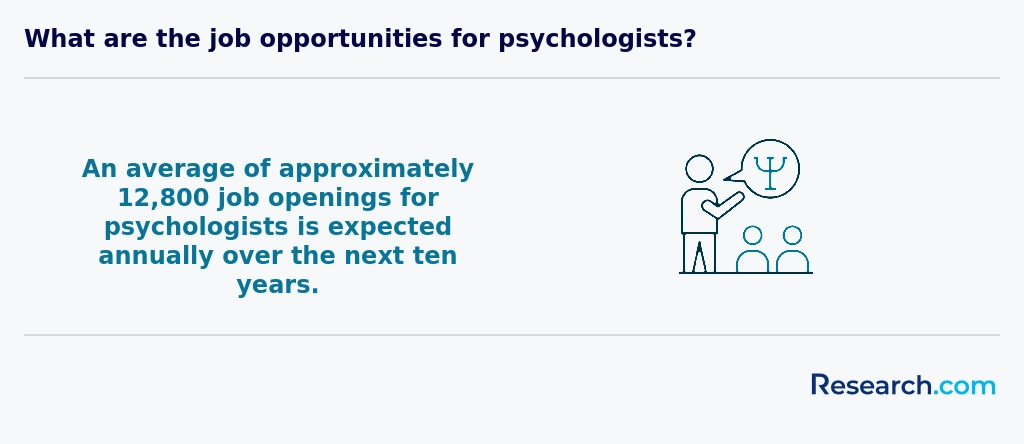
As the educational landscape rapidly evolves, online psychology programs are increasingly incorporating innovative technologies and adaptive learning methods that extend far beyond traditional coursework. Emerging trends in the Northeast are focused on integrating virtual reality simulations, interactive case studies, and real-time feedback systems that enhance the learning experience. These advancements not only make the curriculum more engaging but also prepare students for dynamic roles in an ever-changing job market. Additionally, institutions are expanding their collaborative networks, offering hybrid opportunities that combine online learning with periodic on-campus intensives and local community partnerships. This blend of technology and hands-on experience is paving the way for future professionals equipped to handle modern psychological challenges. For those looking to further their education while keeping an eye on cost efficiency, checking out the affordable online masters in clinical psychology can be a strategic next step. As the demand for adaptive and tech-enabled education grows, staying ahead of these trends will help prospective students make informed decisions about their educational pathways and career development.
Students pursuing an online psychology degree in the Northeast often find federal aid like the FAFSA invaluable for accessing grants, loans, and work-study options. For instance, graduates from well-known universities in the region frequently mention the Pell Grant's help, which can reduce their tuition burden by up to $7,395 annually. State-specific programs also make a significant difference; many psychology learners report how New York's TAP or Massachusetts' MassGrant eased the overall cost, allowing them to focus more on studies than finances.
Scholarships targeted at psychology students in the Northeast are another key resource. Graduates recall how university and professional association scholarships boosted their confidence and motivation, recognizing academic achievement and community service. Employers in the region also support education, with tuition reimbursement programs often covering online courses related to psychological skills, creating practical pathways for working students.
While federal loans have been used cautiously by many, their fixed interest rates and flexible repayment remain a practical backstop. Combining these aids has helped Northeast psychology students tackle tuition costs with optimism and focus.
Accreditation is the cornerstone of any reputable online psychology program, signaling that your coursework meets rigorous academic and professional standards. In the Northeast, look for both regional accreditation (such as by the New England Commission of Higher Education) and programmatic accreditation from the American Psychological Association (APA). Regional accreditation ensures transferability of credits and eligibility for federal financial aid, while APA accreditation is often required for licensure and clinical practice. Without these credentials, graduates may face obstacles when applying for state licensure, pursuing advanced degrees, or securing certain positions in healthcare and research. State licensure requirements vary across the Northeast, but most boards mandate graduation from an APA-accredited bachelor’s or master’s program, plus supervised clinical hours and successful completion of the Examination for Professional Practice in Psychology (EPPP). Prospective students should verify each school’s track record in preparing graduates for licensure by reviewing published pass rates and internship placement data. Additionally, up-to-date program handbooks and advising services play a vital role in guiding students through application deadlines, practicum arrangements, and documentation submissions. Finally, accreditation not only affects career pathways in the Northeast but also offers a benchmark for comparing programs nationwide. For a broader view of affordable, accredited psychology offerings beyond this region, consider rankings such as the Low Cost Psychology Degree Programs Ranking in Wisconsin, which highlights cost-efficient options that adhere to high academic standards. This holistic approach ensures that your investment in an online psychology degree translates into professional credibility, licensure eligibility, and long-term career success.
To enroll in an online psychology degree in the Northeast, you typically need a high school diploma or equivalent like a GED. For example, graduates from online programs connected to well-known Northeast universities often mention that submitting official transcripts with at least a 2.5 to 3.0 GPA was essential for acceptance. While some programs no longer require SAT or ACT scores due to test-optional policies, competitive schools may still ask for them to assess readiness.
Applicants should also prepare to complete an application form and submit personal statements and letters of recommendation. These documents helped many graduates highlight their passion for psychology and stand out during admissions. Having basic computer skills and reliable internet is crucial, as online learning demands active participation.
Students with prior college credits or an associate degree, common among those transferring into programs from community colleges in the region, often found that transferring credits shortened their time to graduation and reduced costs. Lastly, be ready for occasional local practicum placements or internships, which some Northeast programs require to gain hands-on experience close to home.

Many online psychology degree programs in the Northeast offer scholarships and financial assistance to help students manage their educational expenses. The Psi Chi Undergraduate Scholarships are highly sought after, providing funds that do not require repayment. A graduate from a New York college recounted, “Winning a scholarship not only eased my financial burden but also motivated me to excel academically.” Graduate students can also benefit from fellowships and assistantships, which often come with tuition waivers and stipends. These positions allow students to engage in teaching or research, gaining practical experience while receiving financial support. “Being a teaching assistant not only helped me financially but also deepened my understanding of the subject,” noted a graduate from a prominent university in Connecticut. Grants from government agencies and nonprofit organizations further enhance funding opportunities. The American Psychological Association (APA) offers grants that can significantly aid students, often requiring proposals that encourage students to think critically about their projects. “Writing a grant proposal was challenging, but it taught me invaluable skills,” reflected a graduate from a Rhode Island institution. State aid programs in the Northeast also provide additional support, covering tuition costs or offering loans based on academic criteria. These diverse financial aid options empower psychology students to pursue their degrees online, shaping future professionals equipped with both academic knowledge and practical experience. Some notable scholarships for online psychology students in the Northeast include:
- The National Science Foundation's Graduate Research Fellowship Program
- The American Psychological Association's (APA) Graduate Student Scholarships
- The Northeastern University's Psychology Department Scholarships
- The University of Connecticut's Psychology Department Awards Prospective students should research these opportunities thoroughly and reach out to their desired institutions for more information on available scholarships and financial assistance.
Online psychology degree programs in the Northeast typically include core courses like Introduction to Psychology, Research Methods and Statistics, Developmental Psychology, Abnormal Psychology, and Social Psychology. Graduates from well-known institutions in the region often share that mastering research methods and statistics helped them confidently analyze studies and design experiments, crucial skills for both advanced education and careers.
Many students appreciate electives such as Cognitive and Biological Psychology or Health Psychology, which broaden their understanding of mind-body connections and current psychological trends. For example, some graduates recall virtual labs that simulated real psychological experiments, making complex theories more tangible and engaging despite the online format.
Internships or practical experiences, even when virtual, are commonly integrated to ensure students can apply theoretical knowledge in real-world settings. This hands-on approach, emphasized by the APA, adds to the confidence and readiness of students entering the workforce.
Ultimately, these courses equip Northeast online psychology students with a balanced blend of scientific insight and practical skills, preparing them to thrive in diverse professional roles or graduate studies.
Online psychology degree specializations Northeast students frequently choose include clinical, counseling, developmental, and forensic psychology. Graduates from well-known universities in the region often highlight how specializing in clinical psychology allowed them to confidently assess and treat mental health disorders using evidence-based techniques. Those who focused on counseling psychology appreciate the practical skills gained in supporting clients through everyday life challenges. Developmental psychology is popular among students interested in life-span growth, often leading to rewarding roles working with children or older adults.
Psychology bachelor's concentration options Northeast also feature niche fields like health psychology, industrial-organizational psychology, and social psychology. Graduates who specialized in industrial-organizational psychology share how they apply workplace psychology principles to boost employee motivation and organizational efficiency in corporate settings. Forensic psychology students often find their training useful in criminal justice careers, combining legal insights with behavioral analysis. Many programs support students pursuing research or applied careers with flexible online options at respected institutions.
When considering cost and program fit, explore resources like the top applied behavior analysis graduate programs to supplement your specialization choice and enhance employment prospects in the Northeast market.
Start by verifying the regional accreditation of the institution, such as MSCHE or NECHE, to ensure your online psychology degree holds value in the Northeast job market. Graduates from well-accredited programs at popular colleges feel confident their credits transfer smoothly and that employers recognize their credentials. Look closely at the curriculum; choose programs offering a solid mix of foundational psychology and appealing specializations like clinical or industrial-organizational psychology to enhance career options.
Cost is a major factor. Many students find relief in programs offering lower tuition or flat fees for online learners compared to traditional on-campus rates, which can be steep in the Northeast. Exploring financial aid, scholarships, and employer tuition reimbursement can make a big difference. For guidance on affordable options, check out the Low Cost Psychology Degree Programs Ranking in Wisconsin for comparative insights.
Consider residency requirements carefully. Graduates who prioritized fully remote programs appreciated avoiding travel for practicums or on-campus sessions. Finally, strong career support and internship placements in local mental health organizations boost employment prospects. These resources often shape a graduate's enthusiasm and readiness for real-world challenges, making programs with excellent alumni networks highly desirable among those seeking the best affordable online psychology degrees Northeast.
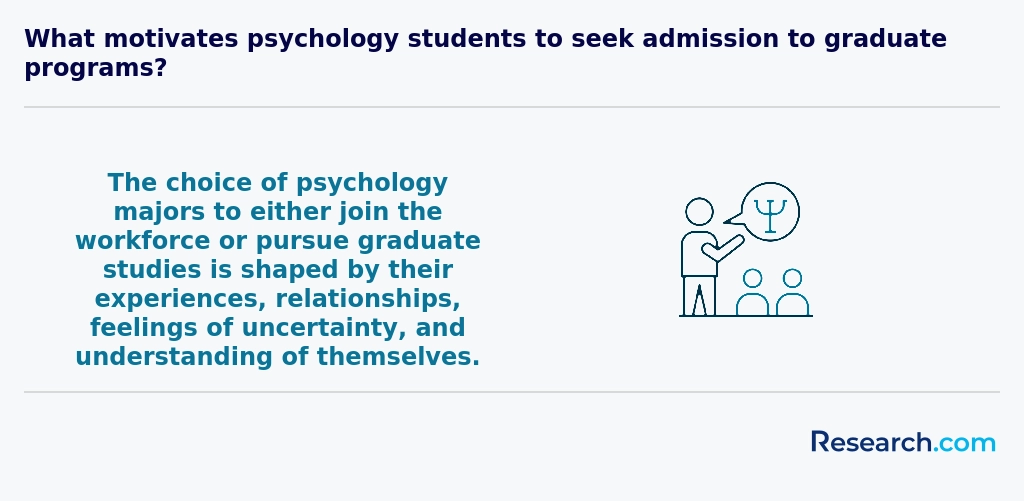
Graduates with an online psychology degree in the Northeast can pursue diverse career paths aligned with the region's strong healthcare and educational sectors. Many choose to become licensed clinical psychologists or counselors by continuing graduate studies after their bachelor's, enabling them to provide essential mental health services in states like New York and Massachusetts. Others find fulfilling roles as behavioral health technicians or case managers, working with hospitals and social service agencies that highly value practical skills in supporting community well-being.
Industrial-organizational psychology is another promising path, especially in metropolitan hubs such as Boston and Philadelphia, where graduates help businesses boost employee performance and workplace culture. Those interested in research often secure positions at universities or medical centers, benefiting from the Northeast's robust psychology research funding. Graduates from popular colleges in the region often highlight how their online degrees open doors to these opportunities without excessive tuition costs. For anyone looking for an easy masters degree route into psychology, these options reflect strong psychology job opportunities in Northeast markets.
The job market for online psychology degree graduates in the Northeast shows strong demand as healthcare and social assistance sectors expand. Graduates from universities such as those in New York and Massachusetts often land entry-level roles in community health organizations, counseling centers, and nonprofit agencies. Many highlight how their online psychology degree gave them the flexibility to balance studies with work while opening doors to human resources and behavioral support jobs that are growing in the region. This positive outlook is supported by the fact that psychology careers demand in Northeast US continues to rise, especially as awareness of mental health issues grows post-pandemic.
Salary expectations align with the region's higher living costs, with median wages ranging from $65,000 to $85,000. Graduates appreciate how an online bachelor's degree helps build a foundation for licensed clinical roles, although advanced degrees are often needed for those positions. For those aiming to further their education affordably, exploring the cheapest phd programs in usa offers practical options to boost credentials and career prospects.
2027 Most Affordable Online Bachelor's in Psychology Degree Programs Ranking in the Northeast
Investing in your education is a significant decision that can shape your future, and the Research.com team understands the importance of making informed choices. To assist prospective students in the Northeast, we have meticulously crafted the "2027 Most Affordable Online Bachelor's in Psychology Degree Programs Ranking in the Northeast." Our commitment to quality, credibility, and accuracy is reflected in the extensive research and analysis conducted to compile this ranking.
We utilized the following reputable data sources to ensure a comprehensive evaluation of psychology degree programs:
By exploring this ranking, readers will gain valuable insights into affordable, high-quality online psychology programs in the Northeast, helping them make confident and informed decisions about their educational paths. For more details on our methodology, please visit our Research.com methodology page.


# 5 position
Penn State University Park
Bachelor of Psychology


# 7 position
University of Maine at Machias
Bachelor of Psychology and Community Studies

# 8 position
Northern Vermont University-NVU Online
Bachelor of Psychological Science


# 13 position
Charter Oak State College
Bachelor of Psychology


# 16 position
Thomas Edison State University
Bachelor of Psychology

# 17 position
State University of New York College of Technology at Canton
Bachelor of Applied Psychology


Frequently Asked Questions About psychology
Online psychology degree students in the Northeast can maximize their learning by actively engaging with their coursework and instructors. Utilizing virtual office hours and discussion boards fosters deeper understanding and connects students with faculty expertise. According to the National Center for Education Statistics, institutions in the Northeast often provide strong online support services that students should leverage.
Students benefit from participating in local psychology organizations, such as the New England Psychological Association, to network and access regional resources. Seeking internship placements within Northeast mental health facilities enhances practical skills and complements academic learning.
Additionally, balancing study time with consistent application of psychological concepts through case studies and research projects helps retain knowledge. Staying informed about state licensure requirements early supports long-term career planning.
Emerging niches within psychology are rapidly shaping the future of mental health and research. In the Northeast, areas like neuropsychology and health psychology show strong growth, supported by the region's leading medical centers and research institutions. For example, the New England region has seen an increase in programs focusing on behavioral neuroscience and psychoneuroimmunology, reflecting broader trends nationally.
Additionally, forensic psychology and industrial-organizational psychology are gaining traction, driven by demand for expertise in legal settings and workplace mental health. According to the Bureau of Labor Statistics, these specialties are projected to grow by over 10% through 2030.
Online psychology programs in the Northeast are expanding curricula to include these fields, catering to students aiming for emerging career paths.
After earning an online psychology degree in the Northeast, preparing for the job market requires strategic steps. Start by gaining practical experience through internships or volunteer work, which many Northeast universities facilitate via local partnerships. According to the Bureau of Labor Statistics, the demand for psychology-related jobs in states such as New York and Massachusetts is growing faster than the national average.
Networking is essential; join professional organizations like the New England Psychological Association to connect with peers and employers. Additionally, consider obtaining relevant certifications in counseling or behavioral analysis to improve employability. Tailoring your resume to highlight both your academic and practical skills can help you stand out in a competitive market.
Employers in the Northeast value several key skills in psychology graduates from online degree programs. Critical thinking and strong analytical abilities are essential, as these help interpret complex behavioral data and research findings. Communication skills, both written and verbal, are highly sought after since psychologists must convey findings clearly to clients and colleagues.
Moreover, interpersonal skills are crucial due to the patient-centered nature of psychology jobs. According to the Bureau of Labor Statistics, psychology-related fields in states like New York and Massachusetts show growing demand for professionals adept at collaboration and empathy.
Familiarity with research methods and ethical standards also ranks high, reflecting the region's emphasis on evidence-based practice. Mastery of statistical software can further enhance employment prospects.
Finding internships in the Northeast relevant to a psychology degree involves several important steps. Start by exploring university career centers, which often have partnerships with local hospitals, clinics, and counseling centers offering psychology internships. Many Northeastern states have strong networks including organizations like the New England Psychological Association that list internship opportunities.
Online students should also use databases like the American Psychological Association's internship directory, which includes listings by region and specialty. Statistics show the Northeast has a high concentration of healthcare facilities, increasing internship availability for psychology students compared to other regions.
Networking through professional events and joining psychology-focused groups on platforms such as LinkedIn can also enhance internship prospects. Timing applications early-generally six months before the internship start date-is critical given the competitive nature of placements in this region.
Obtaining an online psychology degree in the Northeast can significantly enhance career mobility and advancement in this region. The Northeast hosts a substantial portion of the nation's psychology-related employment, with states like New York, Massachusetts, and Pennsylvania ranking among the top for jobs in psychology and social services, according to the U.S. Bureau of Labor Statistics (2023).
Online degrees offer flexibility, allowing students to balance education with work or family commitments. Graduates can qualify for a wider range of roles, from behavioral health technicians to case managers, improving their chances for promotion.
Additionally, many employers in the Northeast recognize regional accreditation and reputable online programs, which supports professional credibility and networking opportunities that can lead to advancement.
Studying for a psychology degree in the Northeast offers strong preparation for interdisciplinary roles due to the region's emphasis on collaboration across diverse fields. Many online programs incorporate courses in sociology, neuroscience, education, and public health, reflecting the complex nature of psychological work today. According to the American Psychological Association, psychology graduates from Northeast institutions are more likely to engage in cross-disciplinary projects, particularly in healthcare and community services. This trend is supported by partnerships between universities and local organizations, enhancing practical experience. These programs nurture skills like critical thinking and data analysis, essential for roles that blend psychology with other sectors.
When choosing between a thesis and a non-thesis psychology degree program in the Northeast, students should consider their career goals and learning preferences. Thesis programs typically require original research, which is ideal for those aiming for graduate study or research-focused roles. Non-thesis programs often emphasize coursework and practical experience, appealing to students seeking applied jobs or licensure.
The Council of Graduate Schools notes that about 40% of U.S. psychology graduate students pursue thesis options, reflecting the importance of research skills. In the Northeast, schools like the University of Massachusetts offer both tracks with flexible online formats. Understanding program requirements and local licensure implications is crucial before deciding.
Students based in the Northeast interested in studying psychology abroad have a few notable options through online degree programs affiliated with international universities. While fully online psychology degrees offered by foreign institutions must be carefully evaluated for accreditation recognized in the United States, many Northeastern students explore partnerships between U.S. and foreign universities.
Some programs allow students to complete core coursework online with opportunities for short-term study-abroad experiences, emphasizing global psychological perspectives. For example, schools in the Northeast often collaborate with European or Canadian institutions, broadening cultural and academic exposure.
According to Open Doors Report 2023, about 5% of U.S. students studying psychology participate in education abroad annually, highlighting demand for international learning.
Students pursuing online psychology degrees in the Northeast can benefit from part-time jobs that complement their academic learning and enhance practical experience. Common roles include behavioral health technician, research assistant, and mental health aide. These jobs provide hands-on exposure to psychological principles while allowing flexible schedules suitable for online learners.
The Bureau of Labor Statistics reports that the Northeast has a higher concentration of healthcare and social service jobs, with states like New York and Massachusetts offering more opportunities in mental health support.
Research assistant positions at universities further allow students to engage with ongoing psychology studies, building critical skills for graduate programs.
Online psychology students in the Northeast benefit from a range of networking opportunities tailored to their unique needs. Many regional universities partner with local chapters of professional psychology organizations such as the Northeastern Psychological Association. These partnerships offer virtual and in-person events including workshops and conferences, which facilitate connections with peers and professionals.
Students also commonly access university-sponsored online forums and mentorship programs, linking them to alumni and faculty across the Northeast. According to the American Psychological Association, such networks increase internship and job placement rates by approximately 20% for students engaged in these activities.
Additionally, psychology students can attend local mental health symposiums in major cities like Boston, Philadelphia, and New York, fostering practical industry relationships.
Alumni networks provide valuable support for online psychology degree students in the Northeast by fostering professional connections that can lead to internships, job opportunities, and mentorship. Many Northeast institutions, such as those in New York and Massachusetts, maintain active alumni groups that host networking events both virtually and locally.
These networks help students navigate the competitive psychology job market, which is expected to grow 8% nationwide through 2030 according to the U.S. Bureau of Labor Statistics. Connections within alumni networks often provide insights into regional licensure requirements and continuing education options specific to the Northeast.
Furthermore, alumni support can enhance career prospects by offering guidance in specialized psychology fields popular in the area, such as clinical and counseling psychology. Data from the National Association of Colleges and Employers show alumni recommendations significantly increase job placement rates for psychology graduates in this region.
Customizing an online psychology degree in the Northeast involves selecting programs that offer specialized tracks or electives aligned with your career goals. Many accredited universities in the region provide concentrations such as clinical psychology, counseling, or forensic psychology. For example, schools may allow choices in research methods, developmental psychology, or behavioral health.
It's important to verify that the program's curriculum meets licensure requirements if you plan to become a licensed psychologist or counselor. According to the American Psychological Association, Northeast programs often emphasize supervised clinical hours and evidence-based practice.
Additionally, some institutions partner with local agencies to facilitate internships or practical experience remotely, fitting diverse career objectives.
Online psychology students in the Northeast often face challenges related to balancing rigorous coursework with personal and professional responsibilities. Many programs require internships or supervised fieldwork, which can be difficult to arrange locally given the region's competitive job markets. Additionally, students may experience limited access to research opportunities compared to their on-campus peers, impacting hands-on learning.
Connectivity issues remain a concern in rural parts of the Northeast, hindering consistent access to online lectures. According to the U.S. Department of Education, about 10% of households in rural Northeast areas lack reliable high-speed internet. Furthermore, students report that adapting to virtual communication for group projects and discussions can be challenging, especially without strong faculty support tailored to online formats.
With an online psychology degree, graduates in the Northeast can pursue several professional certifications to advance their careers. Common options include becoming a Licensed Mental Health Counselor (LMHC) or Licensed Professional Counselor (LPC), both requiring a master's degree and supervised clinical hours after the bachelor's. For those interested in school settings, certification as a School Psychologist or School Counselor may be pursued, though these typically need further graduate study and state licensure.
The National Board for Certified Counselors (NBCC) offers the Certified Clinical Mental Health Counselor (CCMHC) credential, which enhances professional standing.
In the Northeast, states like New York and Massachusetts have specific licensure boards and requirements available through their respective psychology boards or state education departments.
Note that a bachelor's degree alone may qualify you for roles like a Behavioral Health Technician or Addiction Counselor, some with state-specific certification options.
Writing a winning application for an online psychology program in the Northeast requires clear articulation of your academic goals and relevant experiences. Admissions committees often value a strong personal statement that connects your passion for psychology with your career objectives. Highlight any volunteer or work experience related to psychology, as practical involvement can strengthen your candidacy.
Additionally, maintain a competitive GPA; many programs in the Northeast require a minimum of 3.0 for psychology applicants. Schools like Pennsylvania State University and Rutgers University emphasize holistic reviews but give significant weight to academic performance.
Letters of recommendation should come from academic or professional mentors familiar with your psychology-related skills and dedication. Finally, carefully follow application instructions and submit all required documents on time to demonstrate professionalism and commitment.
The field of psychology holds significant global importance, with career opportunities expanding across cultures and countries. In the United States, especially in the Northeast, psychology is among the fastest-growing professions, projected to grow 8% from 2019 to 2029 according to the Bureau of Labor Statistics. This growth reflects increasing awareness of mental health worldwide.
Internationally, psychology careers often emphasize research and clinical practice, mirroring trends in the U.S. However, licensure requirements vary by country, making accredited U.S. online psychology degrees valuable for students planning to work domestically or internationally. Northeastern institutions often incorporate global perspectives in their programs to prepare students for diverse settings.
For students in the Northeast, understanding these global perspectives enriches career planning and highlights the importance of culturally competent training. The region's online programs increasingly include coursework on international psychology practices and ethics, reflecting a broader global orientation.
Gaining practical experience while studying for an online psychology degree in the Northeast is essential for career readiness. Many accredited programs in this region incorporate virtual internships, allowing students to engage with real-world cases under supervision. Additionally, students often have access to local clinics or community centers that partner with their universities for in-person practicum placements.
According to the American Psychological Association, practicum and internship experiences play a vital role in developing clinical skills demanded by employers in the Northeast's competitive job market. Some schools also offer research assistant positions with faculty working in psychology labs, supporting hands-on learning and data analysis.
Students should check if their online program has formal agreements with Northeast healthcare facilities, ensuring convenient access to relevant work experience while studying remotely.
Choosing the right concentration within an online psychology degree in the Northeast involves aligning your interests with career goals. Popular options include clinical, counseling, developmental, and industrial-organizational psychology. According to the American Psychological Association, clinical psychology remains the most common path, especially in states like New York and Massachusetts, where mental health services are in high demand.
Consider regional job markets; the Bureau of Labor Statistics reports that the Northeast has a significant need for healthcare-related psychology roles. Research programs' accreditation status and faculty expertise to ensure quality education.
Finally, reflect on your preferred learning style and available practicum opportunities, as these vary across institutions.
See What Experts Have To Say About Studying Psychology
Read our interview with Psychology experts

Robin M. Kowalski. Ph.D.
Psychology Expert
Professor of Psychology
Clemson University

Catherine Caldwell-Harris, Ph.D.
Psychology Expert
Associate Professor of Psychology
Boston University

Joann Farrell Quinn, Ph.D., MBA
Psychology Expert
Director at the College of Medicine Department of Medical Education
Morsani College of Medicine

- Psychology https://northeast.edu/degrees-and-programs/psychology
- Professional Networking For Psychologists | Psychology.org https://www.psychology.org/resources/professional-networking/
- Mental Health Challenges Faced by Psychology Students | The Healthcare Guys https://healthcareguys.com/2023/11/23/mental-health-challenges-faced-by-psychology-students/
- Society for the Teaching of Psychology https://teachpsych.org/page-1784686/8675326
- How to help students cope with mental health challenges https://www.eaie.org/resource/help-students-cope-mental-health-challenges.html
- Know more about thesis vs non- thesis: what is the difference? https://studyfans.com/en/blogs/816
- A Guide to Psychology Internships | Psychology Degree Guide https://psychologydegreeguide.org/resources/internships/
- Call for papers https://www.hogrefe.com/us/journal/international-perspectives-in-psychology-research-practice-consultation
- Sample letters in psychology https://www.mystudies.com/en-in/human-and-social-sciences/psychology/letter-model/
- From the Classroom to Your Career: How a Psychology Degree Opens Doors https://www.torontomu.ca/arts/undergraduate/bachelor-of-arts-degree/from-the-classroom-to-your-career-how-a-psychology-degree-opens/


