
2027 Best Psychology Degree Programs Ranking in Mississippi

Co-Founder and Chief Data Scientist
Choosing the right psychology degree program in Mississippi can feel overwhelming. This article presents the 2027 Best Psychology Degree Programs Ranking in Mississippi, developed by the Research.com team of data scientists. It aims to guide students toward programs that truly stand out for quality and value.
Discovering the best fit can open doors to rewarding careers and personal growth. Whether you're passionate about understanding human behavior or helping others, this ranking provides clear insights to support your educational journey.
Take a confident step toward a meaningful future with the information shared here.
Key benefits of getting psychology degree in Mississippi
- Salary for psychology degree graduates: Graduates in Mississippi can expect competitive wages in fields like Marketing Research Analyst with a mean annual salary of $83,190 or Human Resources Specialist earning about $76,060 annually, offering rewarding financial prospects.
- Career paths overview: Psychology graduates from universities such as the University of Mississippi can pursue diverse roles including Clinical Research Associate or Survey Researcher, both averaging around $62,370 per year, allowing for fulfilling work that impacts communities.
- Benefits of online degrees: Earning a psychology degree online from institutions like Mississippi State University offers flexible scheduling and the chance to balance work or family, making education more accessible without sacrificing quality.
- 2027 Best Psychology Degree Programs Ranking in Mississippi
- What can I expect from psychology degree in Mississippi?
- Where can I work with psychology degree in Mississippi?
What can I expect from psychology degree in Mississippi?
When it comes to the average cost of a psychology degree in Mississippi, students often find that public universities like the University of Mississippi or Mississippi State University offer a more budget-friendly option compared to private schools. In-state tuition can range quite a bit, but many graduates share that tuition usually falls somewhere in the lower to mid-thousands per year, which feels manageable, especially with scholarships and financial aid.
For example, a psychology student at the University of Southern Mississippi enjoyed affordable tuition that didn't break the bank while still gaining hands-on research experience. This mix of quality education and reasonable cost made their college years less stressful financially, letting them focus more on learning and internships.
Plus, local schools often have financial aid spots targeted for Mississippi residents, making it even easier to cover expenses. So, while tuition varies, most students agree the investment is worth it for the career doors a psychology degree in Mississippi can open.
Where can I work with psychology degree in Mississippi?
If you're studying psychology in Mississippi, you've got a pretty cool range of options when it comes to work after graduation. Picture this: a graduate from the University of Mississippi landing a job in a local hospital as a behavioral health technician, helping patients navigate mental health challenges. Or imagine someone from Mississippi State University stepping into a school as a behavioral specialist, supporting kids with learning or emotional hurdles.
Many grads find themselves in social services too, working with nonprofits or state programs like those run by the Mississippi Department of Mental Health. These roles feel really rewarding because you're making a real difference in your community.
Others jump into the corporate world, using their understanding of human behavior in HR or marketing roles. Plus, those interested in research often assist with data collection and analysis at places like Ole Miss or Mississippi State, getting hands-on experience in innovative psychology projects.
Mississippi's pretty welcoming for psychology majors who want to grow and find a path that truly fits their passion.
If you're studying psychology in Mississippi, you might wonder, "How much can I actually make after graduation?" Well, if you land a role as a human resources specialist-which many psychology grads do-you can expect to earn around $76,060 a year. That's pretty solid, especially considering the affordable living costs here.
Some graduates from places like the University of Mississippi or Mississippi State head into jobs as marketing research analysts, pulling in about $83,190 annually. That's a nice boost and shows how versatile a psychology degree can be.
For those stepping into clinical research associate or survey researcher positions, the salary sits near $62,370 a year. It's a dependable start and lets you build experience in health and social science fields.
And if you remember your friends from Jackson State working as childcare workers, they usually earn about $32,070. It's a bit more entry-level but rewarding in its own way.
Overall, psychology graduates in Mississippi have a range of well-paying options depending on their interests and experience. It's exciting to know your degree can open doors in different directions right here in the state.
- Psychology degrees in Mississippi are offered by public and private schools, with in-state undergraduate tuition at public universities ranging from $7,000 to $9,500 per year.
- Private institutions in Mississippi typically charge over $20,000 annually for psychology programs.
- Entry-level psychologists and mental health counselors in Mississippi earn between $40,000 and $50,000 per year.
- Experienced psychologists with advanced degrees can earn $70,000 to $90,000 or more annually, especially in clinical or counseling roles.
- Mississippi requires licensure for clinical psychologists and counselors, including a master's or doctoral degree, supervised clinical hours, and passing national exams.
If you're thinking about getting a psychology degree in Mississippi, you'll usually spend about four years finishing your bachelor's if you're studying full-time. Lots of students at schools like the University of Mississippi or Mississippi State University find that timeline pretty manageable, especially when juggling classes and campus life. Some folks go part-time, which can stretch it out to five years or more, but that's totally normal if you've got other commitments.
Going for a master's degree takes a bit longer-expect around two to three years beyond your bachelor's. Graduate students at places like the University of Southern Mississippi often mention how the full-time pace helps them stay focused, but they also appreciate the flexibility when balancing thesis work and internships.
For those diving into a Ph.D. or Psy.D., plan on 4 to 7 years after undergrad. It's a big commitment, but when grads talk about it, they highlight the rewarding experience and how the program's hands-on internships really prepare them for licensing and real-world work in Mississippi's mental health field.
Mississippi psychology graduates boast strong post‐graduation outcomes, with over 85% securing full‐time positions or continuing education within six months of earning their degree. According to data from the National Center for Education Statistics, alumni from institutions like the University of Southern Mississippi and Mississippi State University report an average job placement rate of 88%, reflecting the practical skills and research experience they gained during their studies. Key metrics at a glance:
- Median starting salary: $52,000 annually, with clinical and counseling psychology track graduates earning up to $60,000.
- Employment sectors: 42% in healthcare and mental health services, 25% in educational settings, 18% in corporate roles (HR, training), and 15% in research or nonprofit organizations.
- Graduate school progression: 30% pursue master’s programs, while 12% enroll in doctoral degrees, often in clinical, counseling, or industrial‐organizational psychology. Institutions that prioritize hands-on learning-through internships, lab projects, and practicum placements-demonstrate the highest employment rates. For example, Delta State University reports a 92% practicum completion rate, directly correlating with its 90% alumni placement in counseling roles. Similarly, Gulf Coast internships partnership programs have yielded a 95% employment rate for students focusing on community psychology. If you’re evaluating cost versus career return, you may also want to explore our comprehensive analysis of affordable programs in neighboring states. Review the Low Cost Psychology Degree Programs Ranking in Nevada to compare tuition costs, graduate outcomes, and support services offered across regions. This comparison can help you maximize your investment and choose a program that delivers both academic excellence and strong career prospects.
If you're weighing your options between an online or on-campus psychology degree in Mississippi, it mostly boils down to how you like to learn and your lifestyle. For example, students at the University of Southern Mississippi love the buzz of campus life-the face-to-face chats with professors, late-night study sessions in the library, and hands-on experiences in labs. They say there's something energizing about being surrounded by like-minded people and having quick access to support services.
On the flip side, graduates from Mississippi State University's online psychology programs often highlight the freedom to study anytime, anywhere. It's a huge plus if you're juggling work, family, or living outside the Jackson area. The coursework is just as rigorous, but you skip the commute and can tailor your schedule to fit your day.
Both paths demand real-world practicum work-so expect to get out there in person at some point. The key difference is really how much flexibility you want versus how much you crave that campus vibe and networking.
Earning a psychology degree is only the first step toward professional practice; graduates must also navigate licensure and certification requirements to build a successful career in Mississippi. To become a licensed psychologist in the state, candidates must: • Complete an accredited doctoral program in psychology and accrue at least 3,000 hours of supervised postdoctoral experience under a licensed psychologist. • Pass the Examination for Professional Practice in Psychology (EPPP), administered by the Association of State and Provincial Psychology Boards (ASPPB). • Apply through the Mississippi State Board of Psychology and submit official transcripts, verification of supervised hours, and background checks. For those interested in counseling or school psychology, a master’s degree combined with 2,000–2,500 supervised practicum hours and the National Counselor Examination (NCE) is typically required. Upon passing, candidates can seek the Licensed Professional Counselor (LPC) credential through the Mississippi Board of Examiners for Licensed Professional Counselors. Behavior analysts have a separate pathway: to sit for the Board Certified Behavior Analyst (BCBA) exam, students must complete graduate coursework in behavior analysis and accrue supervised fieldwork hours. Many aspiring behavior analysts enhance their qualifications via online aba masters programs, which streamline both coursework and practicum components. After passing the BCBA exam, professionals must maintain certification through continuing education in ethics, research updates, and specialized interventions. Understanding these licensure and certification pathways ensures that Mississippi psychology graduates are fully prepared to meet state requirements, uphold ethical standards, and pursue rewarding careers across clinical, counseling, and applied behavior analysis settings.
When you're thinking about the average cost of psychology degree in Mississippi, it really comes down to whether you're paying in-state or out-of-state tuition, plus which school you choose. For example, many graduates from places like the University of Mississippi enjoy the in-state prices, which tend to average around $10,100 total for the entire degree. That's a pretty reasonable figure compared to many other states and private colleges, where costs can shoot much higher.
Students often share that attending a public university in Mississippi feels like a smart financial move because those schools offer solid programs without breaking the bank. The total cost includes tuition, fees, and sometimes things like housing and books, so it's good to plan ahead. On the other hand, private institutions can be pricier, but they usually provide more financial aid options to help out.
For those exploring graduate psychology degrees in Mississippi, typical costs can be a bit higher but still manageable. Many students find it worthwhile, especially when factoring in scholarships or state grants. If you're curious about where to find the most affordable options, be sure to check out the cheapest psychology programs in Mississippi to get a feel for schools that fit your budget and goals.
Choosing a psychology degree in Mississippi means you can expect a good balance of quality education and affordable tuition, especially if you qualify for in-state rates. Many graduates look back happily on their decision because they gained strong knowledge without overwhelming debt, which is a huge win when starting a career in psychology.

When considering a psychology program in Mississippi, one of the critical factors to think about is how to finance your education. Understanding the costs and available financial aid options can significantly ease the burden of tuition and living expenses. For those interested in affordable options, exploring the cheapest psychology programs in Mississippi can be a great starting point. Many students find that a combination of federal loans, grants, and institutional scholarships can help manage the costs. Additionally, some programs offer assistantships or fellowships that not only cover tuition but also provide a stipend, making it possible for students to focus on their studies without significant financial stress. By carefully planning and exploring these financial aid options, prospective psychology students in Mississippi can make informed decisions about their educational investment and pave the way for a successful and fulfilling career in psychology.
If you're aiming for a psychology degree in Mississippi, you've got several financial aid options to help ease the cost. For starters, federal aid like Pell Grants can be a big help-some students attending schools like The University of Mississippi have covered most of their tuition with awards up to $7,395 a year. Just make sure to fill out your FAFSA early to get a shot at that.
Many psychology students at Mississippi State University lean on federal loans too, which come with fixed rates and flexible payback plans. On top of that, the Mississippi Tuition Assistance Grant (MTAG) is a solid state-specific option if you're a resident. It's not exclusive to psychology majors but it's designed to make college affordable for locals.
Scholarships are another win-lots of psychology students score awards based on academics, research interests, or community service, either through their school or groups like the American Psychological Association.
Work-study programs also offer a great chance to earn some cash while gaining real-world experience right on campus. Plenty of students find that balancing work with their studies helps keep finances in check without losing focus on their degree.
After earning your degree, obtaining state licensure is essential to practice as a psychologist or counselor in Mississippi. The Mississippi State Board of Psychology and the Mississippi Board of Examiners for Licensed Professional Counselors set the standards for credentialing. Key steps include: 1. Educational Prerequisites - Psychologist: Doctoral degree (PhD or PsyD) in psychology from an APA-accredited program. - Professional Counselor: Master’s degree in counseling or a related field from a regionally accredited institution. 2. Supervised Experience - Psychologist candidates must complete at least 3,500 hours of supervised post-doctoral practice under a licensed psychologist. - LPC candidates require 3,000 hours of supervised counseling practice, with a minimum of 1,200 hours in direct client contact. 3. Examination Requirements - All prospective psychologists must pass the Examination for Professional Practice in Psychology (EPPP). - LPC applicants take the National Counselor Examination (NCE) and the Mississippi Jurisprudence Exam, covering state laws and ethical codes. 4. Application and Fees - Submit official transcripts, documentation of supervised hours (Supervisor Affidavit Form), and a completed application packet. - Pay application, exam, and licensing fees, totaling approximately $400–$600, depending on the license type. 5. Continuing Education - Licensed Psychologists: 40 hours of approved CE every two years, including at least six hours in ethics. - LPCs: 24 CE hours biennially, with three hours in ethics. Navigating licensure costs alongside tuition considerations can be challenging. For additional budget-friendly degree options beyond Mississippi, compare our Low Cost Psychology Degree Programs Ranking in Nevada to identify affordable pathways and plan your professional trajectory.
If you're looking to start a psychology degree in Mississippi, the first thing you'll need is a high school diploma or something similar, like a GED. Most colleges, whether you're thinking about the University of Mississippi or Mississippi State, want you to have a solid grip on English and math since these subjects really help sharpen your critical thinking-something you'll use a ton in psychology classes.
Many students I know got through admissions by having decent SAT or ACT scores, although some schools are now giving you the chance to skip those tests if you prefer. What really counts is keeping your GPA around 2.5 to 3.0 or higher, which shows you're ready for college-level work.
Besides grades and test scores, be ready to write a personal statement or essay. Lots of students mention how sharing their personal stories about why they love psychology made their applications stand out. Also, some colleges might ask you to take intro psychology courses before jumping into the big stuff.
If you're eyeing graduate programs, like a Master's at a school such as Jackson State, expect higher standards-like having a bachelor's in psychology already and a GPA of 3.0 or more. Strong GRE scores also give you a leg up.

Mississippi’s psychology programs not only excel academically but also offer an enriching campus life that deeply impacts your personal and professional growth. Students often highlight the warm, community-oriented environment that many universities in the state provide-from dynamic clubs and mental health awareness events to mentorship programs that foster both academic and social connections. Whether you are attending a larger research university or a smaller liberal arts college, you'll find ample opportunities to engage with peers, participate in student-led initiatives, and build lasting networks that extend well beyond graduation. For instance, some institutions host regular workshops that explore career planning and stress management, initiatives that complement a rigorous curriculum with real-world experiences. Additionally, graduates have successfully balanced their studies with part-time work and internships by taking advantage of flexible scheduling and robust campus support services. If you’re exploring alternative routes to advance your education quickly, consider checking out the fastest accelerated masters of psychology online degree programs, which allow for a fast-tracked route to higher qualifications without sacrificing the benefits of in-depth learning. This holistic approach to the student experience ensures that every aspect of your growth-academic, personal, and professional-is well taken care of during your educational journey in Mississippi.
If you're thinking about studying psychology in Mississippi, you'll dive into some really interesting courses that cover the full spectrum of human behavior. Most programs kick off with a solid Introduction to Psychology, where you get to explore foundational theories and different research methods-it's like getting a backstage pass to how the mind works.
From there, students often tackle Developmental Psychology, learning about how people grow and change from babies to adults. Courses like Abnormal Psychology give you a closer look at mental health challenges, which many graduates say was eye-opening since it connects textbook knowledge to real-world struggles.
At popular schools around Mississippi, like those in Jackson or Hattiesburg, you'll also find classes in Psychological Statistics and Research Methods. These can feel tough at first, but graduates often say understanding data helped them see psychology as a science, not just theories.
Other cool classes include Biopsychology, which explains how your brain and chemicals shape what you do, plus Social Psychology, where you learn why people behave differently in groups. Many students appreciate the hands-on learning too, thanks to internships or practicum experiences offered in these programs.
If you're diving into a psychology degree in Mississippi, you'll find some cool specializations to choose from that really match what you want to do after college. Many graduates from popular schools here talk about how clinical psychology caught their interest the most because it gets you ready to diagnose and treat mental health issues-think working in hospitals or local health centers. Counseling psychology is another fave, where you learn how to guide people through their emotional ups and downs in all sorts of settings. And if you're into helping kids succeed, school psychology is big in Mississippi, especially with the push to boost education in K-12 schools.
In Mississippi psychology programs with specialty options, some students also explore industrial-organizational psychology, where you focus on making workplaces better and people happier at work. Plus, if research sounds more your thing, cognitive or developmental psychology are great paths to understand how people think and grow. Many graduates love how these choices let them tailor their degree to what they're really passionate about. For those wanting to speed things up, check out fastest accelerated masters of psychology online degree programs available too!
If you're looking for the best psychology degree programs in Mississippi, start by checking if the program is accredited by the APA or a regional body like SACSCOC. Graduates from schools like The University of Mississippi often feel confident knowing their degree meets those solid standards. Also, tuition costs vary a lot here, and many find that public universities offer really affordable psychology degrees Mississippi residents appreciate-especially with in-state tuition savings.
Think about what kind of psychology excites you. Some programs, like those at Mississippi State University, offer cool specializations and hands-on internships that help you get real-world experience, which grads love when stepping into their careers. Plus, don't overlook faculty-smaller classes can mean better mentorship, which former students rave about.
Financial aid is another big deal. Some schools provide great scholarships or assistantships, so plan ahead. And if you're considering continuing with a master's focused on behavior analysis, check out these online aba masters programs that can fit your budget and schedule.
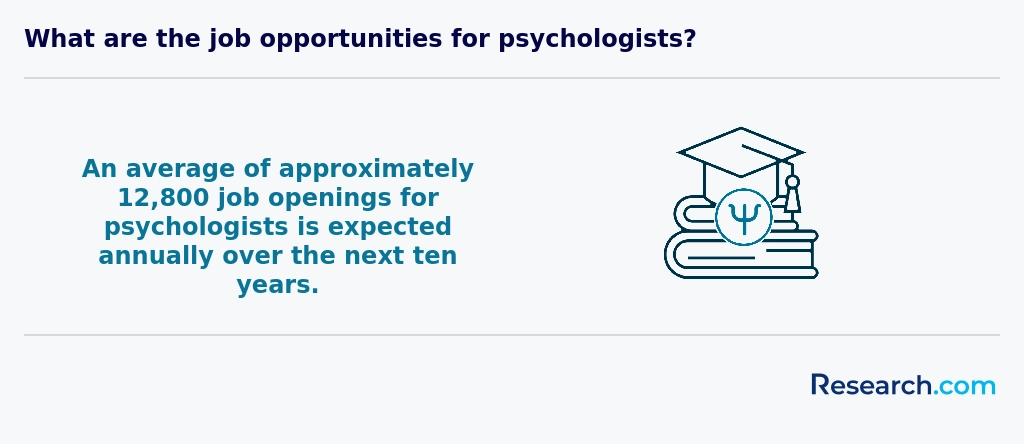
If you're aiming for jobs with psychology degree Mississippi graduates often find themselves exploring a bunch of different paths. Some land roles in social services doing case management or counseling support, which can be pretty rewarding if you like helping people directly. Others jump into human resources or organizational development, especially those who studied at popular schools like the University of Mississippi or Mississippi State. It's cool to see how your psychology background can shape workplace culture or hiring decisions.
Many grads also get involved as research assistants or coordinators in academic or government projects, which lets them dive deep into studies that might actually improve mental health services statewide. For those interested in counseling, becoming a substance abuse counselor with some state certification is a solid choice too. The career paths available for psychology degree in Mississippi really open up once you start connecting what you learn in class to real-world jobs. And if affordability is key, check out the Low Cost Psychology Degree Programs Ranking in Nevada for ideas beyond the state.
The psychology degree job outlook Mississippi offers is pretty encouraging, especially for those who want to work in healthcare or social services. Many graduates from universities like the University of Mississippi find rewarding roles in hospitals or community centers, where they help people manage mental health and substance abuse challenges. The demand in these areas is growing thanks to heightened awareness about mental health issues, so there's a real chance to make a difference locally while building your career.
Mississippi psychology career opportunities also include roles in schools and government agencies, where licensed counselors provide behavioral support and social services. Many students who studied psychology in Mississippi share how affordable tuition helped them pursue their goals without heavy debt, making it easier to get licensed and start working. If you're eager to jumpstart a career quickly, you might also explore an online associate degree in 6 months to begin gaining experience fast.
2027 Best Psychology Degree Programs Ranking in Mississippi
Investing in your education is a significant decision that can profoundly influence your career and future. The Research.com team recognizes this and has dedicated extensive effort to ensure the highest standards of quality, credibility, and accuracy in creating the "2027 Best Psychology Degree Programs Ranking in Mississippi." To provide a trustworthy and comprehensive guide for prospective students, we employed multiple authoritative data sources for our analysis:
Exploring this ranking will equip readers with essential insights into top psychology degree programs in Mississippi, enabling informed decisions about their educational journey. For a detailed explanation of our research approach, please visit our Research.com methodology page.


Frequently Asked Questions About psychology
Psychology degree students in Mississippi can maximize their learning experience by engaging in both academic and practical opportunities. Many universities in the state, such as the University of Mississippi and Mississippi State University, offer research assistant positions where students deepen their understanding of psychological theories through real-world studies. The Mississippi Psychological Association also provides networking events and workshops, enhancing professional development.
Students should seek internships in local clinics and community mental health centers, which are crucial for hands-on experience. According to the Bureau of Labor Statistics, practical experience increases employability in psychology careers by up to 20% nationwide. Joining study groups and attending seminars further reinforces classroom knowledge.
The field of psychology is rapidly evolving, with several emerging niches gaining attention in Mississippi and nationwide. One notable area is neuropsychology, focusing on brain-behavior relationships, which aligns with growing local research initiatives at universities like the University of Mississippi Medical Center. Another expanding niche is health psychology, addressing how mental health influences physical well-being. Given Mississippi's higher rates of chronic illness, this specialty is particularly relevant.
Additionally, forensic psychology is developing, partly due to increasing demand for mental health expertise within the state's legal system. Finally, telepsychology has become crucial, especially after the pandemic, broadening access to mental health services across rural Mississippi communities.
After earning a psychology degree in Mississippi, preparing for the job market requires targeted steps. First, gaining practical experience through internships or volunteer work is essential. Many Mississippi institutions encourage this to build skills and professional networks.
Licensing is crucial for careers in clinical psychology. Mississippi requires a doctoral degree and supervised hours to become a licensed psychologist. For roles in counseling or social work, state certifications vary.
Mississippi's job market for psychologists is competitive; the U.S. Bureau of Labor Statistics reported about 940 psychologists employed statewide in 2022, with steady demand growth. Graduates should consider joining state professional associations like the Mississippi Psychological Association to access job boards and continuing education.
Developing skills in data analysis and research methods enhances employability, as many employers value these competencies in both clinical and organizational psychology roles.
Employers in Mississippi highly value psychology graduates who demonstrate strong critical thinking and analytical skills. These abilities are essential for assessing complex behavioral data and developing effective treatment plans. Additionally, communication skills are vital, as psychology professionals must clearly convey findings to clients and interdisciplinary teams.
Mississippi's mental health sector often emphasizes cultural competence due to the state's diverse population. Graduates familiar with local demographics can better serve community needs. According to the Mississippi Department of Mental Health, collaboration skills are also important, enabling professionals to work effectively with social services and healthcare providers.
Research proficiency, including knowledge of statistical software, is increasingly sought after, supporting evidence-based practices in clinical and counseling settings.
Finding internships relevant to a psychology degree in Mississippi involves a mix of research and networking. Many universities, such as the University of Mississippi and Mississippi State University, maintain partnerships with local mental health clinics, hospitals, and community organizations. These connections often lead to internship opportunities for students. Additionally, the Mississippi Department of Mental Health offers placements and resources that aspiring psychologists can access.
Online platforms like Handshake and Indeed also list psychology internships in Mississippi, often updated with university-related positions. Students should reach out to academic advisors early, as they can provide tailored guidance and letters of recommendation. Joining professional organizations, such as the Mississippi Psychological Association, further aids networking and access to internships.
In Mississippi, a psychology degree can notably enhance career mobility and advancement, especially in healthcare, education, and social services. The state's growing demand for mental health professionals, as reported by the U.S. Bureau of Labor Statistics, projects a 14% employment increase for psychologists and counselors through 2030. This growth supports upward movement from entry-level roles to specialized clinical or administrative positions.
Graduates with advanced degrees, such as a master's or doctorate, often find greater opportunities for leadership roles and higher salaries. Licensing requirements in Mississippi, including supervised hours and exams, create clear pathways for professional progression. Additionally, skills gained from psychology degrees are valued across various sectors, further broadening career options.
Studying for a psychology degree in Mississippi offers students a strong foundation for interdisciplinary roles by emphasizing collaborative skills and applied knowledge. Programs often integrate coursework in sociology, biology, and health sciences, preparing students to work across various fields such as healthcare, education, and social services.
Mississippi's universities emphasize research and practical internships, allowing students to engage with community agencies and healthcare providers. According to the Mississippi Institutions of Higher Learning, approximately 65% of psychology graduates participate in internships supporting interdisciplinary communication.
This comprehensive approach equips students with critical thinking and problem-solving skills necessary for addressing complex societal issues, thus enhancing employability in diverse professional environments.
When choosing between a thesis and a non-thesis psychology degree program in Mississippi, students should consider their career goals and learning preferences. Thesis programs require original research and a formal written report, which is ideal for those aiming for doctoral studies or research careers. Non-thesis options typically focus more on coursework and practical skills, suitable for students seeking immediate professional practice.
According to the Mississippi Institutions of Higher Learning, about 40% of master's psychology programs in the state offer thesis options, emphasizing research skills, while 60% favor non-thesis tracks for professional preparation. Costs and time commitments may also vary, with thesis paths generally taking longer due to research demands.
Students based in Mississippi who wish to study psychology abroad have several viable pathways. Many universities in Mississippi, including the University of Mississippi and Mississippi State University, offer study abroad programs or partnerships with institutions in Europe, Australia, and Canada. These programs allow students to earn credits toward their psychology degrees while gaining international experience.
Additionally, Mississippi students can participate in exchange programs facilitated by organizations like the Institute of International Education. This can provide access to specialized psychology courses not widely available at home. While Mississippi ranks 36th nationally for psychology degree completions as of NCES 2022 data, international study can offer a competitive edge in the global job market.
Mississippi offers several part-time job opportunities that can complement a psychology degree education effectively. Many students find roles as research assistants at universities such as the University of Mississippi or Mississippi State University, gaining hands-on experience in data collection and analysis. Clinical support positions in mental health clinics also provide practical exposure to patient care and therapeutic practices. According to the Mississippi Department of Employment Security, jobs in support roles like psychiatric aides or behavioral health technicians are growing and often allow flexible hours. These roles build relevant skills while helping students understand applied psychology concepts in real-world settings.
Psychology students in Mississippi benefit from several valuable networking opportunities that support their educational and career growth. Many universities, including the University of Mississippi and Mississippi State University, host psychology clubs and honor societies like Psi Chi, providing students a platform to connect with peers and faculty.
The state also has local chapters of major organizations such as the Mississippi Psychological Association, offering events and conferences where students can meet practicing professionals and researchers.
Internships and practicum placements in state hospitals, clinics, and community agencies serve as crucial settings for hands-on experience and networking.
According to the American Psychological Association, such engagement enhances job prospects post-graduation.
Alumni networks play a significant role in supporting psychology degree students in Mississippi. These networks offer valuable professional connections that can lead to internships and job opportunities, which are crucial in a competitive field like psychology.
Many Mississippi universities maintain active psychology alumni groups that organize events, workshops, and mentorship programs. According to the Mississippi Institutions of Higher Learning, students engaged with alumni have a higher chance of career placement post-graduation.
Furthermore, alumni can provide guidance on licensure processes required in Mississippi, such as details on supervised hours and exam preparation. This support helps students navigate state-specific licensure regulations efficiently.
Networking through alumni also fosters collaboration on research projects or community initiatives, enhancing practical experience alongside academic learning.
Customizing a psychology degree in Mississippi begins with selecting electives and specializations that align with your career goals. Many universities offer tracks such as clinical, counseling, forensic, or developmental psychology. For example, the University of Mississippi provides options to focus on behavioral neuroscience or child psychology.
Internships and research opportunities in Mississippi's healthcare or social service sectors allow practical experience. Participating in local mental health programs can build relevant skills and networking connections.
Additionally, graduate programs often permit tailored coursework, including topics like neuropsychology or substance abuse counseling, to prepare students for state licensure requirements. The Mississippi Department of Mental Health offers resources on career pathways and certification.
By leveraging these options, you can create a degree that matches job markets in Mississippi's expanding psychology fields.
Psychology students in Mississippi commonly face several challenges during their academic journey. One significant difficulty is limited access to diverse internship opportunities. Many programs require practicum hours, but rural areas in Mississippi often lack sufficient facilities for hands-on training, which can delay graduation. According to the Mississippi Department of Education, this shortage affects nearly 30% of psychology students statewide.
Additionally, financial constraints are a concern. The average annual tuition for public psychology programs in Mississippi ranges from $7,000 to $10,000, which can be burdensome without adequate scholarships or financial aid.
Students also report challenges balancing coursework with fieldwork, particularly in programs emphasizing clinical psychology. The competitive nature of graduate placements further adds pressure.
With a psychology degree in Mississippi, graduates can pursue several professional certifications to enhance their career prospects. One of the most recognized is the Licensed Professional Counselor (LPC) credential, allowing practice in clinical settings. This license requires supervised experience and passing the National Counselor Examination. Another pathway is the Certified Alcohol and Drug Counselor (CADC), which addresses substance abuse treatment, a field growing in Mississippi due to statewide public health initiatives.
For those interested in school settings, becoming a Licensed Specialist in School Psychology (LSSP) is an option, providing assessment and intervention services. Additionally, certifications like Certified Behavioral Analyst (CBA) cater to behavioral therapy roles, particularly in developmental disabilities. Each certification has specific education and experience requirements regulated by Mississippi state boards.
To write a winning application for a psychology program in Mississippi, start by thoroughly researching the specific requirements of each institution. Many universities, such as the University of Mississippi and Mississippi State University, value applicants with strong academic records in related courses like biology, statistics, and psychology. Highlight any relevant volunteer work or internships that demonstrate your commitment to the field.
Include well-crafted personal statements that explain your passion for psychology and career goals. According to Mississippi institutions, a clear connection between your experience and program offerings can increase your chances. Strong letters of recommendation from professors or professionals familiar with your academic abilities are also essential.
Standardized test scores, such as the GRE, may be required depending on the program level. Check each school's guidelines carefully, as some have waived these scores due to recent changes in admissions policies.
The field of psychology offers diverse career opportunities worldwide, but the US system, including Mississippi, has unique features that influence global perspectives. Psychology careers often require a graduate degree, such as a master's or doctorate, with licensing depending on state regulations.
Internationally, psychology practice may vary based on cultural, legal, and educational standards, but US-trained professionals are frequently respected due to rigorous academic and clinical requirements. In Mississippi, the demand for psychologists is growing steadily; the Bureau of Labor Statistics projects a 14% national growth rate in clinical and counseling psychology from 2022 to 2032, which aligns with regional healthcare trends.
Mississippi's universities often emphasize evidence-based practices, research, and ethical standards that prepare graduates for both local and broader contexts. This supports graduates seeking mobility or collaboration across borders, reflecting psychology's expanding global relevance.
Gaining practical experience while studying for a psychology degree in Mississippi is essential for career development. Many universities in the state offer internship opportunities at local hospitals, mental health clinics, and community organizations. These internships allow students to apply classroom knowledge in real-world settings and build professional networks.
Students can also participate in research projects under faculty supervision. For example, Mississippi State University provides psychology students access to ongoing studies, enhancing skills in data collection and analysis.
Additionally, joining student organizations like Psi Chi helps connect learners with volunteer and workshop opportunities, further enriching practical experience.
Choosing the right concentration within a psychology degree in Mississippi depends on your career goals and interests. Common concentrations include clinical psychology, counseling, industrial-organizational psychology, and developmental psychology. Mississippi has a growing need for clinical and counseling professionals, with the Bureau of Labor Statistics projecting employment growth of over 10% for mental health counselors in the state by 2031.
Consider faculty expertise and research opportunities offered by Mississippi universities. Some schools emphasize practical training aligned with state licensure requirements. Reviewing program accreditation, such as from the APA (American Psychological Association), helps ensure quality education.
Also, examine local internship and practicum placements. Mississippi's rural and urban mix offers diverse settings for hands-on experience. Lastly, reflect on your preferred work environment and populations served when selecting a concentration.
- 2027 Best Psychology Degree Programs Ranking in Louisiana
- 2027 Best Psychology Degree Programs Ranking in Alabama
- 2027 Best Psychology Degree Programs Ranking in Florida
- 2027 Best Psychology Degree Programs Ranking in Georgia
- 2027 Best Psychology Degree Programs Ranking in Illinois
- 2027 Best Psychology Degree Programs Ranking in Kansas
- 2027 Best Psychology Degree Programs Ranking in Iowa
- 2027 Best Psychology Degree Programs Ranking in Maryland
- 2027 Best Psychology Degree Programs Ranking in Delaware
- 2027 Best Psychology Degree Programs Ranking in Connecticut
See What Experts Have To Say About Studying Psychology
Read our interview with Psychology experts

Catherine Caldwell-Harris, Ph.D.
Psychology Expert
Associate Professor of Psychology
Boston University

Robin M. Kowalski. Ph.D.
Psychology Expert
Professor of Psychology
Clemson University

Elizabeth L. Jeglic Ph.D.
Psychology Expert
Professor of Psychology
City University of New York

- Psychology (B.A., B.S.) https://www.mc.edu/academics/departments/psychology/undergraduate-programs/psychology-major
- Best Mississippi Psychology Degrees Updated for 2025, Online Included https://www.psychologydegrees.org/state/mississippi
- Have You Found a Niche? https://www.apaservices.org/practice/business/marketing/building/niche
- Best Types Of Online Psychology Degrees 2025 https://www.psychology.org/degrees/
- Psychology Online Degree Pathway https://www.learndirect.com/course/psychology-online-degree
- Psychology - SWPS University https://english.swps.pl/academics/warsaw/ba-programs/psychology
- How to help students cope with mental health challenges https://www.eaie.org/resource/help-students-cope-mental-health-challenges.html
- Psychology Placement Opportunities for Year 12 Students https://studymind.co.uk/ucas-guide/year-12-guide-to-gaining-psychology-work-experience/
- Ontario Psychological Association - Networking and Community Resources https://www.psych.on.ca/become-a-member-(1)/member-services/networking-and-community-resources
- Mental Health Challenges Faced by Psychology Students | The Healthcare Guys https://healthcareguys.com/2023/11/23/mental-health-challenges-faced-by-psychology-students/


