2027 Best Online Psychology Degree Programs Ranking in St. Paul, MN

Co-Founder and Chief Data Scientist
Choosing the right psychology degree program can feel overwhelming, especially with so many options available online. This article presents the 2027 Best Online Psychology Degree Programs Ranking in St. Paul, MN, created by the Research.com team of data scientists. It's designed to help you confidently explore the top programs tailored for students in your area.
Whether you're starting your academic journey or advancing your career, earning a psychology degree opens doors to meaningful work. Reading this guide will give you clear insights, making it easier to find a program that fits your goals and lifestyle.
Key benefits of getting online psychology degree in St. Paul
- Salary for psychology degree graduates: Graduates in St. Paul can pursue roles like Human Resources Specialist earning a mean annual wage of $76,060 or Clinical Research Associate with about $62,370 per year, offering rewarding salaries in diverse fields.
- Career paths: A psychology graduate from the University of St. Thomas in St. Paul often finds opportunities in research, counseling, or human resources, showcasing the flexibility of this degree to fit many interests and goals.
- Benefits of online degrees: Earning a psychology degree online from local schools lets students balance work and study, gain access to flexible schedules, and still enjoy quality education comparable to traditional programs in St. Paul.
- 2027 Best Online Psychology Degree Programs Ranking in St. Paul, MN
- What can I expect from online psychology degree in St. Paul?
- Where can I work with online psychology degree in St. Paul?
What can I expect from online psychology degree in St. Paul?
The average cost of an online psychology degree in St. Paul typically ranges from $15,000 to $35,000 for undergraduate programs, depending on the institution and program length. Graduates from well-regarded local universities often recall managing tuition through a combination of scholarships and state-funded aid, which significantly eases financial burdens. For many students, the reduced expenses on commuting and housing create a more affordable overall investment compared to traditional campus-based degrees.
Students describe the flexibility of studying part-time while working, appreciating the balance between scheduled virtual class discussions and independently accessed lectures. The personalized support from academic advisors at St. Paul colleges helps students navigate financial aid options and optimize their education budget. This approach fosters confidence, encouraging learners to pursue internship placements and research projects without overwhelming financial stress.
Overall, the accessible cost combined with local financial resources makes obtaining an online psychology degree in St. Paul both achievable and rewarding for those committed to advancing their careers in the mental health field.
Where can I work with online psychology degree in St. Paul?
Graduates from online psychology programs at prominent St. Paul institutions, such as the University of St. Thomas and Hamline University, find diverse career opportunities across multiple sectors in the city. Many secure positions within mental health services, including hospitals like Regions Hospital and local nonprofits, where they contribute as counselors, therapists, or behavioral specialists. These roles provide meaningful engagement in community health, often supporting vulnerable populations through substance abuse and family programs.
Others pursue careers in educational settings, working as school psychologists or behavioral specialists in the St. Paul Public School District. These professionals help students overcome learning challenges and provide critical counseling support, bringing their academic training directly into schools.
Corporate and government employers in St. Paul actively seek graduates for human resources, organizational development, and employee wellness roles. Psychology alumni describe rewarding experiences improving workplace culture and productivity.
While many gratifying roles are available with a bachelor's degree, certain clinical or licensed positions require advanced degrees and licensure under Minnesota's supervision and exam standards. Graduates feel confident knowing their education aligns well with local career demands and growth projections.
Graduates with an online psychology degree in St. Paul can expect varied earning potential depending on their chosen career path and level of education. For instance, entry-level roles such as childcare workers typically earn a mean annual wage of around $32,070, reflecting common starting positions for bachelor's degree holders.
Those advancing into research-oriented roles, like clinical research associates or survey researchers, command higher salaries near $62,370 annually. This demonstrates how graduates from respected St. Paul institutions can leverage their degrees to secure meaningful employment in research settings.
Career paths involving human resources or marketing research typically yield stronger salary prospects, with mean annual wages of $76,060 and $83,190 respectively. Graduates from local colleges often report satisfaction moving into these fields, noting the practical skills gained through applied psychology programs.
Overall, the salary range for psychology degree holders in St. Paul encourages optimism among graduates, with many appreciating robust job market growth and the ability to pursue fulfilling careers aligned with their training and interests.
- Online psychology degrees in St. Paul offer flexible fully online or hybrid options to balance studies with personal commitments.
- Bachelor's degree tuition typically ranges from $15,000 to $30,000, while graduate programs cost between $12,000 and $35,000.
- Job growth for psychology-related positions in St. Paul is expected to be about 8% over the next decade, exceeding the national average.
- Starting salaries for psychology graduates average around $50,000 per year, with experienced professionals earning $75,000 or more.
- Licensed psychologists in St. Paul earn between $80,000 and $110,000, depending on experience and workplace.
- Many online programs partner with local agencies to provide essential internships or practicums required for licensure.
Completing an online psychology degree in St. Paul typically varies by degree level and program format. For example, students pursuing an associate degree-often offered by local community colleges-usually finish around two years by completing about 60 credits. These programs suit working adults seeking flexibility but are less common for those targeting advanced psychology careers.
Most graduates aiming for a bachelor's degree, such as through the University of St. Thomas or Hamline University's online platforms, spend approximately four years completing 120 credits full-time. Many appreciate accelerated options that enable completion in three years, especially when leveraging prior college coursework. This timeline allows them to balance studies with job or family responsibilities.
Master's candidates in St. Paul often invest between 1.5 to 3 years, depending on the specialization and pace. Online programs through respected institutions, including local private colleges, offer part-time schedules to accommodate working professionals.
Doctoral degree seekers should expect 4 to 7 years, incorporating coursework, residencies, and dissertation phases. Graduates frequently remark on the rewarding challenge of blending rigorous academics with practical experience during this period.
Online and on-campus psychology degrees in St. Paul differ primarily in their delivery methods and daily student experiences. Graduates from the University of St. Thomas who pursued on-campus studies often highlight the energizing atmosphere of in-person classes, where real-time discussions and group projects foster deep connections with professors and peers. Conversely, online learners from Hamline University appreciate the ability to balance coursework with professional and family commitments by accessing asynchronous lectures and digital resources at their convenience.
Cost considerations are nuanced; while online students save on commuting and housing, tuition at these St. Paul institutions generally aligns with national averages, ranging from $9,000 to $21,000 annually. Both formats require practicum hours completed locally, ensuring hands-on experience within the St. Paul community. Networking thrives on-campus through face-to-face opportunities, but online programs emphasize flexible access without sacrificing accreditation standards, ensuring graduates remain competitive in psychology careers.
The average cost of an online psychology degree in St. Paul typically centers around $35,325, reflecting a balance between quality education and affordability. Graduates from popular institutions in the city often share positive experiences about managing tuition costs while benefiting from rigorous programs tailored to online learners. For students weighing St. Paul MN online psychology degree expenses, public universities in the area generally offer competitive pricing, especially for residents taking advantage of in-state tuition rates. This financial accessibility makes pursuing psychology more feasible for many.
For example, undergraduate students enrolled in state universities report tuition rates averaging near $400 per credit hour, fitting within a total program cost range of approximately $36,000 to $48,000. Similarly, master's degree candidates describe costs ranging from $20,000 to $40,000 when studying online through local public institutions. These figures exclude additional expenses like technology and proctoring fees, which, although modest, should be considered as part of the overall financial plan.
Besides tuition considerations, St. Paul students benefit from numerous financial aid opportunities unique to the region, including scholarships and employer tuition reimbursement. These supports frequently ease the burden of tuition and related costs, enhancing the appeal of psychology programs. Individuals exploring their options may also find value by reviewing pathways at online open admission colleges for accessible entry points and cost-effective education.
Understanding the typical cost of online psychology programs in St. Paul helps prospective students plan realistically, with many reporting satisfaction in managing expenses alongside achieving academic success.
Online psychology students in St. Paul frequently rely on federal financial aid to manage tuition costs. Completing the FAFSA opens access to Pell Grants, providing up to $7,395 annually to qualified undergraduates, a crucial support for many who juggle work and study at institutions like the University of St. Thomas or Hamline University.
State-specific aid also plays a vital role. The Minnesota State Grant offers need-based funding to residents attending eligible public and private colleges, helping reduce the financial burden for local students pursuing psychology degrees online.
Scholarships tailored to psychology students further alleviate expenses. Graduates often recall earning merit-based awards recognizing academic excellence or community engagement, sometimes sponsored by their schools or professional organizations such as the American Psychological Association.
Additionally, federal student loans with fixed rates provide flexible repayment options, while work-study programs offer part-time roles that build professional experience and supplement income. Veterans attending these programs benefit from GI Bill and Minnesota veterans' education benefits, making education more accessible for those who have served.
Payment plans offered by St. Paul colleges also assist students in managing tuition over multiple installments, fostering a positive balance between financial obligations and academic progress.
Enrolling in an online psychology degree in St. Paul requires fulfilling specific academic and administrative prerequisites that ensure readiness for rigorous study. For undergraduate programs at prominent institutions such as the University of St. Thomas or Hamline University, applicants must present a high school diploma or GED with a competitive GPA, typically between 2.5 and 3.0. Many students recall submitting their transcripts and feeling reassured as these documents confirmed their foundational skills in biology, statistics, and writing-key areas emphasized in course prerequisites.
Graduate-level admissions are notably more selective. Prospective students often hold a bachelor's degree in psychology or a related field with a minimum GPA around 3.0. They frequently highlight the value of gathering strong letters of recommendation and crafting a compelling statement of purpose, essential elements reported by successful applicants at St. Paul's educational institutions. Many appreciate that some programs now make standardized tests like the GRE optional, reducing stress during application.
Residency status also plays an integral role. Graduates often emphasize the benefit of proving legal U.S. residency or citizenship, which opens access to financial aid, thereby easing the financial burden while pursuing an online psychology degree in St. Paul.

Online psychology degree programs in St. Paul commonly include foundational courses such as introduction to psychology, developmental psychology, and abnormal psychology. Graduates from prominent St. Paul institutions often recall how these core classes laid a clear groundwork, helping them grasp essential psychological theories and human behavior patterns encountered in everyday life.
Students also engage deeply with research methods and statistics courses, which equip them with the skills to design studies and analyze data-capabilities that proved invaluable during their local internships or virtual lab experiences. These practical components bring to life theories learned in class, turning abstract concepts into meaningful understanding.
Specialized courses like social psychology, cognitive psychology, and the biological bases of behavior further enhance students' insights into how individuals think, feel, and interact. Ethics in psychology is consistently emphasized, reflecting the rigorous standards upheld by St. Paul's academic community and aligning with Minnesota Board of Psychology licensure requirements.
Many graduates appreciate how these comprehensive courses combine to form a balanced curriculum, preparing them for diverse professional paths while studying comfortably online from St. Paul.
Online psychology degree specializations in St. Paul typically include clinical psychology, counseling psychology, and industrial-organizational psychology, reflecting both national trends and local workforce needs. Graduates from prominent St. Paul colleges have shared how focusing on clinical psychology prepared them to respond effectively to the area's growing demand for mental health professionals, given the steady job growth reported by local employment agencies.
Counseling psychology remains popular among students who thrive in meaningful client interactions, commonly finding rewarding careers in schools or community mental health centers around St. Paul. Meanwhile, industrial-organizational psychology appeals to those interested in enhancing workplace efficiency, a fitting choice given the city's robust business and public sectors.
Other specialized tracks such as forensic, developmental, health, and school psychology allow students to align their studies with specific professional goals relevant to the St. Paul environment. Many students have appreciated how choosing the right concentration helped them map a clear career path and supported practical readiness, especially when enrolling in online courses.
Prospective learners may also explore various options through online accelerated bachelor degree programs, which offer flexible paths to obtaining a degree tailored to local job market demands and personal interests.
Psychology career concentrations online St. Paul are designed to equip students with the expertise needed for licensure and employment, combining academic rigor with real-world applicability.
Choosing the best online psychology degree in St. Paul requires prioritizing accreditation, particularly from the American Psychological Association (APA) or regional bodies like the Higher Learning Commission. Graduates from well-known St. Paul institutions often highlight how accreditation ensured their degrees met licensure requirements, a critical step in launching clinical careers. Equally important is selecting a curriculum aligned with your professional aspirations-whether it's clinical, counseling, or developmental psychology-since many psychology programs in St. Paul tailor courses to local and state-specific licensure standards.
Affordability is a key concern. Many students find that affordable psychology programs near St. Paul Minnesota public universities offer competitive tuition without compromising quality. Graduates have reported gratitude for financial aid and scholarships which eased their path. Additionally, local practicum opportunities tied to Minnesota licensure requirements, often embedded in St. Paul colleges' partnerships with mental health agencies, provide invaluable practical experience and mentorship.
Finally, assess program outcomes by reviewing graduation rates and student satisfaction. Alumni satisfaction often reflects robust faculty support and flexible online formats. For students seeking advanced career options, exploring resources on top paying master's degrees can inform educational investment decisions.
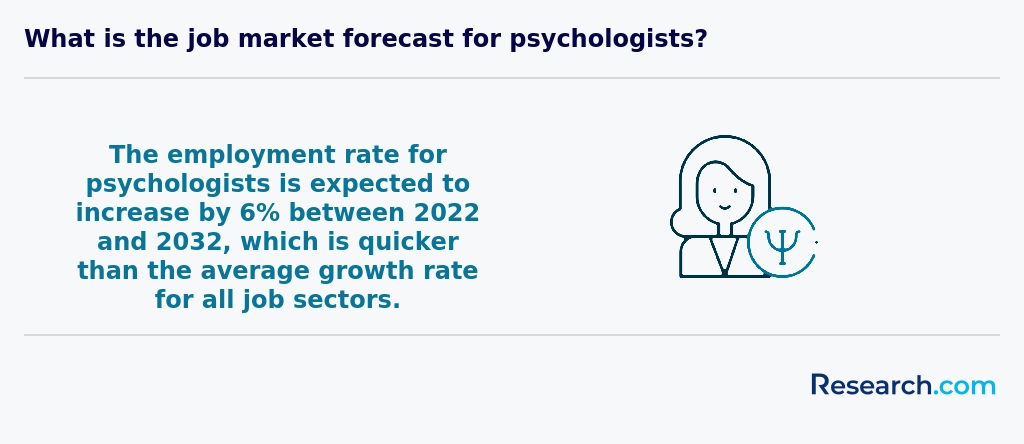
Graduates holding an online psychology degree in St. Paul often find diverse career paths reflecting local demand and expertise. Many start as case managers or psychiatric technicians, roles that involve supporting licensed professionals in healthcare settings, a common path for those studying at universities like the University of St. Thomas or Hamline University. These positions offer rewarding opportunities to contribute directly to community mental health efforts while developing practical skills.
Advanced degrees open doors to positions as licensed counselors or clinical psychologists, where graduates provide essential mental health services across St. Paul. Employment data highlights strong job growth and salaries ranging from $80,000 to $100,000, supporting long-term career satisfaction. Psychology students often report feeling fulfilled by improving individual and community well-being through their work.
Other graduates pursue careers in organizational psychology, influencing workplace productivity and culture in St. Paul businesses. Opportunities also exist as school psychologists, social workers, and research coordinators, allowing application of psychological principles in education, social services, and academia. For those balancing education and career goals, online programs at local institutions offer flexible schedules and connect directly to relevant job markets.
Students interested in expanding career options beyond traditional psychology roles often explore certificate programs that pay well in related fields, further enhancing employment prospects in St. Paul's competitive environment.
The job market for individuals with an online psychology degree in St. Paul is robust, reflecting steady demand across healthcare, education, and social services sectors. Graduates from well-regarded local institutions, renowned for their strong psychology programs, often secure roles as licensed psychologists, mental health counselors, or behavioral health specialists. Many find satisfaction working in community clinics or school systems, where their skills directly impact lives.
Psychology career opportunities in St. Paul Minnesota expand as mental health awareness grows, supported by local funding and an economy that values these professions. Recent graduates report positive experiences entering counseling and research assistance positions shortly after completing accredited online programs. The ability to transition into licensure pathways, especially through master's-level degrees, adds to the appeal.
Residents pursuing an online psychology degree in Minnesota benefit from cost-effective tuition rates and accessible clinical placements. For those seeking to advance further, programs offering a anchors part-time Ph.D. in economics demonstrate how flexible study options can align with career ambitions in multidisciplinary fields.
2027 Best Online Psychology Degree Programs Ranking in St. Paul, MN
Investing in your education is a significant decision that can shape your future, and the Research.com team understands the importance of making informed choices. To assist prospective students in St. Paul, MN, we have meticulously crafted the "2027 Best Online Psychology Degree Programs Ranking in St. Paul, MN." Our commitment to quality, credibility, and accuracy is reflected in the extensive research and analysis conducted to compile this ranking.
We utilized the following reputable data sources to ensure a comprehensive evaluation of psychology programs:
By exploring this ranking, readers will gain valuable insights into the best online psychology degree programs available in St. Paul, MN, enabling well-informed decisions about their educational paths. For more details on our methodology, please visit our Research.com methodology page.
# 1 position
Bethel University, Minnesota
Bachelor of Psychology

Frequently Asked Questions About psychology
Students pursuing online psychology degrees in St. Paul can enhance their learning by actively engaging with course materials and instructors. Consistent communication with faculty helps clarify complex topics in psychology, which is crucial given the complexity of subjects like cognitive and developmental psychology.
Additionally, leveraging local resources such as the University of St. Thomas or Hamline University's online libraries offers access to research databases and journals relevant to psychological studies. Staying informed about Minnesota-specific mental health statistics from the Minnesota Department of Health can also contextualize theoretical learning.
Finally, joining virtual study groups and professional psychology organizations can provide practical insights and networking opportunities within the St. Paul community.
The psychology field is rapidly evolving, with several emerging niches gaining attention nationwide, including in St. Paul. One notable area is telepsychology, which leverages digital platforms to provide mental health services remotely. This trend has accelerated since 2020 due to increased demand for accessible care.
Another growing specialty is neuropsychology, focusing on brain-behavior relationships. St. Paul-based institutions have reported a rise in interest for online programs including this focus, reflecting broader national workforce needs identified by the American Psychological Association.
Additionally, health psychology and digital mental health tools are expanding. These niches emphasize preventative care and integrating technology in treatment. Prospective students in St. Paul can expect online programs to increasingly offer tailored courses in these innovative areas.
After earning an online psychology degree in St. Paul, preparing for the job market involves several practical steps. First, gaining relevant experience through internships or volunteer work related to psychology is essential. The Minnesota Department of Employment and Economic Development reports that psychology-related roles in the region are expected to grow by 6% between 2022 and 2032.
Networking with local professionals and joining organizations like the Minnesota Psychological Association can open doors to job opportunities. Additionally, obtaining necessary licensure or certifications-especially for clinical or counseling roles-is crucial. Keeping skills current with continuing education improves employability in this competitive field.
Employers in St. Paul seek psychology graduates with strong critical thinking and communication skills. According to the U.S. Bureau of Labor Statistics, professionals in psychology must analyze complex data and clearly explain findings to clients and colleagues.
Local employers also value cultural competence due to St. Paul's diverse population, a skill graduates develop through applied coursework and community engagement. Research from the Minnesota Department of Employment and Economic Development highlights adaptability and ethical decision-making as essential traits in this field.
Additionally, proficiency in research methods and statistical software is important for evidence-based practice, a growing emphasis in Minnesota's healthcare settings.
Finding psychology internships in St. Paul involves leveraging local resources and networks connected to the city's educational and healthcare sectors. Students should start by exploring internship listings through the Minnesota Psychological Association, which often shares opportunities relevant to psychology students across the state. Many hospitals and community health centers in St. Paul, such as Regions Hospital, offer placements focused on clinical and counseling psychology.
University career services, even for online students, can provide connections to affiliated local organizations. Additionally, platforms like the American Psychological Association's internship database allow filtering by location, helping to identify openings in St. Paul. Networking with faculty and joining local psychology groups also supports finding suitable internships.
Obtaining an online psychology degree in St. Paul can significantly enhance career mobility by providing flexible access to accredited education. Many employers in the St. Paul area recognize online degrees approved by regional accrediting bodies, which allows graduates to qualify for a wider range of psychology-related roles.
According to the Minnesota Department of Employment and Economic Development, demand for mental health counselors and therapists in St. Paul is expected to grow by 15% through 2030, highlighting opportunities for advancement. An online degree equips students with foundational knowledge and skills needed to pursue licensure or advanced certifications.
Furthermore, the ability to continue working while studying online supports career growth without employment gaps. Employers in healthcare, education, and human services sectors in St. Paul often value the practical experience combined with formal education.
Studying for a psychology degree online in St. Paul equips students with versatile skills that are valuable in many fields. Programs typically emphasize research methods, behavioral science, and communication, which are essential for interdisciplinary collaboration.
St. Paul's universities often integrate coursework that connects psychology with healthcare, education, and social services. This approach reflects Minnesota's strong employment sectors, where psychology graduates work alongside professionals in public health, counseling, and human resources.
According to the Bureau of Labor Statistics, Minnesota expects a 10% growth in psychology-related jobs by 2030, highlighting demand for professionals who can navigate diverse roles. Online degrees in the area also help students adapt to technological tools used across disciplines.
When choosing between a thesis and a non-thesis online psychology degree program in St. Paul, consider your career goals and learning preferences. A thesis option requires conducting original research and writing a comprehensive paper, which benefits those aiming for research or doctoral studies. Non-thesis programs focus more on coursework and practical knowledge, suitable for students targeting professional roles in counseling or human services.
In Minnesota, including St. Paul, statistics show that psychology graduates with thesis experience are often more competitive for research positions or PhD programs, according to the Minnesota Office of Higher Education. However, non-thesis tracks may allow quicker program completion and often include internships or applied projects, helping students gain hands-on experience.
Students based in St. Paul seeking to study psychology abroad through online programs have multiple options thanks to the growing availability of accredited U.S. institutions offering international learning pathways. While physically studying outside the U.S. requires visas and other logistical considerations, many universities provide fully online psychology degrees accessible globally, including to St. Paul residents.
According to the National Center for Education Statistics, over 30% of psychology students in the U.S. take at least some coursework online, reflecting a broad shift toward digital education.
These programs often feature partnerships with foreign universities for cultural exchange or research opportunities, allowing students to gain international perspectives remotely. Students should verify program accreditation by bodies like the APA to ensure quality.
Students pursuing an online psychology degree in St. Paul can benefit from various part-time job opportunities that enhance their academic knowledge and practical skills. Common roles include behavioral health technician positions at local clinics or hospitals, where students assist professionals with client care and gain firsthand experience.
Another option is working as a research assistant at institutions like the University of St. Thomas or local non-profits, allowing direct involvement in psychological studies and data analysis. These roles support understanding of psychological theories and methodologies.
Additionally, jobs in social services or community outreach programs provide experience addressing mental health challenges. According to the Minnesota Department of Employment and Economic Development, healthcare support roles in the St. Paul area have grown by 7% over the last five years, reflecting rising demand for such positions.
Online psychology students in St. Paul have several networking opportunities despite the remote format of their studies. Local organizations like the Minnesota Psychological Association (MPA) offer virtual events, workshops, and conferences that allow students to connect with professionals and peers in psychology. Additionally, St. Paul's universities often facilitate online student groups and regional alumni networks, encouraging collaboration and mentorship. According to the U.S. Bureau of Labor Statistics, the Twin Cities metropolitan area supports a growing community of psychology professionals, enhancing local internship and job shadowing options. Such ties benefit online learners seeking practical experience and career connections within St. Paul's psychology field.
Alumni networks play a key role for students pursuing online psychology degrees in St. Paul by offering valuable professional connections and support. These networks often provide access to job opportunities within the local mental health field, which reported over 2,100 practicing psychologists in the Minneapolis-St. Paul metro area as of 2023 (Bureau of Labor Statistics).
Members benefit from mentorship programs, helping recent graduates navigate licensure requirements and career paths in psychology. Networking events, both virtual and in-person, allow students and alumni to share research insights and collaborate on projects relevant to the region's diverse population.
Ultimately, strong alumni ties enhance students' chances of securing internships and positions at St. Paul institutions like the Minnesota Psychological Association.
Customizing an online psychology degree program in St. Paul allows students to align education with specific career objectives. Many accredited institutions offer flexible elective courses, letting students focus on subfields such as clinical psychology, counseling, or industrial-organizational psychology. Internships and practicum opportunities, often coordinated locally, help students gain relevant experience tailored to their goals.
Students can also select courses that prepare them for licensure or certification requirements in Minnesota, where clinical psychologists must fulfill supervised hours and pass state exams. According to the Minnesota Board of Psychology, incorporating applied skills and research components into your curriculum enhances readiness for regional job markets. Advisors at St. Paul institutions commonly assist in designing personalized study plans to match evolving career paths.
Online psychology students in St. Paul face several common challenges. One major difficulty is balancing coursework with personal and professional responsibilities, as many students are working adults or parents. According to the National Center for Education Statistics, about 60% of online learners nationwide juggle multiple roles, which often impacts study time and focus.
Another issue is limited access to local, in-person practicum or internship opportunities, a key component in psychology programs requiring hands-on experience. Students in St. Paul must often coordinate with local clinics or agencies, which can be competitive or scarce.
Additionally, some students report challenges with technology reliability and adapting to virtual learning platforms, which can affect engagement and comprehension. These hurdles emphasize the importance of strong time management and self-discipline for online psychology students in the St. Paul area.
With an online psychology degree, graduates in St. Paul can pursue various professional certifications that enhance career opportunities. Common certifications include becoming a Licensed Professional Clinical Counselor (LPCC) or Licensed Psychologist, which require additional graduate education and supervised experience.
Other valuable certifications include Certified Alcohol and Drug Counselor (CADC) and Board Certified Behavior Analyst (BCBA), enhancing specialization potential. The Minnesota Board of Psychology provides licensing details relevant to St. Paul residents. According to the Minnesota Department of Health, demand for licensed psychologists is expected to grow by 8% through 2028, reflecting promising job prospects for certified professionals.
These credentials help demonstrate expertise and commitment, essential in clinical, educational, and corporate psychology roles.
Writing a winning application for an online psychology program in St. Paul begins with thorough research. Understand the program's prerequisites, such as a minimum GPA or required coursework. Many Minnesota schools emphasize strong academic records and relevant experience due to the competitive nature of psychology programs.
Highlight any volunteer work or internships related to psychology, as practical experience strengthens your profile. In St. Paul, local agencies often provide opportunities for psychology students to gain hands-on experience, which can be a valuable addition.
Personal statements should clearly explain your motivation for studying psychology and your career goals. Demonstrating knowledge of current trends or challenges specific to psychology in Minnesota can set your application apart. For example, addressing mental health needs in St. Paul's diverse communities shows awareness and commitment.
Lastly, ensure all application materials are error-free and submitted before deadlines. Schools like the University of St. Thomas advise early submission to improve chances in highly sought-after programs.
Psychology careers in the United States, including St. Paul, benefit from a global demand for mental health expertise and research. According to the American Psychological Association, the U.S. Bureau of Labor Statistics projects a 8% growth in psychologist jobs nationwide from 2022 to 2032, reflecting steady global interest.
Globally, psychology professionals often collaborate across countries, especially in areas like clinical practice, counseling, and neuroscience. Training in the U.S., and specifically programs available online to St. Paul students, aligns with internationally recognized accreditation standards, making graduates competitive worldwide.
In St. Paul, local universities support this global perspective by offering online degrees that emphasize both American psychological practices and research methods used internationally. This integration helps students prepare for diverse career paths.
Gaining practical experience while studying for an online psychology degree in St. Paul is essential for career readiness. Many programs encourage students to complete internships or practicum hours at local clinics, schools, or social service agencies.
St. Paul offers numerous opportunities for hands-on experience through organizations like the Ramsey County Mental Health Court and local nonprofit counseling centers. These settings often welcome psychology students for supervised practice, which is crucial for licensure.
Additionally, online students can seek part-time roles or volunteer positions to build skills. Checking with program advisors about affiliation agreements with St. Paul agencies can help secure placements.
The Minnesota Board of Psychology requires 1,500 supervised hours for licensure, emphasizing practical training alongside coursework.
Choosing the right concentration within an online psychology degree program in St. Paul requires considering your career goals and interests. Psychology offers various specializations such as clinical, counseling, developmental, or industrial-organizational psychology. Each concentration aligns with different job markets and licensure requirements.
Research local employment trends in St. Paul via sources like the Minnesota Department of Employment and Economic Development, which reports steady demand for clinical psychologists and counselors. Consider which populations or settings you prefer to work with, such as schools, hospitals, or businesses.
Additionally, verify that the online program's curriculum and practicum opportunities meet Minnesota's licensing board standards, ensuring your education supports professional certification.
- 2027 Best Online Psychology Degree Programs Ranking in Minneapolis, MN
- 2027 Best Online Psychology Degree Programs Ranking in Grand Forks, ND
- 2027 Best Online Psychology Degree Programs Ranking in Chicago, IL
- 2027 Best Online Psychology Degree Programs Ranking in Columbia, MO
- 2027 Best Online Psychology Degree Programs Ranking in Hays, KS
- 2027 Best Online Psychology Degree Programs Ranking in Springfield, MO
- 2027 Best Online Psychology Degree Programs Ranking in California, PA
- 2027 Best Online Psychology Degree Programs Ranking in University Park, PA
- 2027 Best Psychology Degree Programs Ranking in Saint Paul
- 2027 Best Psychology Degree Programs Ranking in Minneapolis
See What Experts Have To Say About Studying Psychology
Read our interview with Psychology experts

Joann Farrell Quinn, Ph.D., MBA
Psychology Expert
Director at the College of Medicine Department of Medical Education
Morsani College of Medicine

Robin M. Kowalski. Ph.D.
Psychology Expert
Professor of Psychology
Clemson University

Elizabeth L. Jeglic Ph.D.
Psychology Expert
Professor of Psychology
City University of New York

- Explore Psychology Degrees Online | Psychology.org https://www.psychology.org/online-degrees/
- Call for papers https://www.hogrefe.com/us/journal/international-perspectives-in-psychology-research-practice-consultation
- Society for the Teaching of Psychology https://teachpsych.org/page-1784686/8675326
- Study Psychology Abroad | Go Overseas https://www.gooverseas.com/study-abroad/psychology
- Know more about thesis vs non- thesis: what is the difference? https://studyfans.com/en/blogs/816
- How to help students cope with mental health challenges https://www.eaie.org/resource/help-students-cope-mental-health-challenges.html
- Why Get a Psychology Degree Online? | University of Bridgeport https://www.bridgeport.edu/news/reasons-to-get-your-psychology-degree-online/
- Mental Health Challenges Faced by Psychology Students | The Healthcare Guys https://healthcareguys.com/2023/11/23/mental-health-challenges-faced-by-psychology-students/
- Bachelor of Arts in Counseling Psychology https://spu.ac.ke/bachelor-of-arts-in-counseling-psychology
- Online Psychology Degrees | University of Phoenix https://www.phoenix.edu/online-psychology-degrees.html