
2027 Easiest Online Psychology Degree Programs Ranking in Maryland

Co-Founder and Chief Data Scientist
If you're considering a psychology degree in Maryland, this article is for you. It features the 2027 Easiest Online Psychology Degree Programs Ranking in Maryland created by the Research.com team of data scientists.
This ranking helps you identify programs that balance quality and convenience, making your education journey smoother. Understanding which programs are easier doesn't mean sacrificing value-it means smarter choices.
Whether you want personal growth or a career boost, earning a psychology degree opens rewarding opportunities. Dive in to find the right fit for your goals and lifestyle.
Key benefits of getting online psychology degree in Maryland
- Psychology degree graduates in Maryland can pursue roles such as Human Resources Specialist, earning a mean annual wage of $76,060, or Marketing Research Analyst with around $83,190, offering strong financial stability.
- Graduates from popular Maryland universities often explore careers in clinical research or survey research, applying their skills in diverse fields like healthcare and market analysis, ensuring exciting professional growth.
- Online psychology degrees provide flexibility and convenience, helping graduates balance work and study more easily, as experienced by those completing programs at Maryland's top online institutions.
- 2027 Easiest Online Psychology Degree Programs Ranking in Maryland
- What can I expect from online psychology degree in Maryland?
- Where can I work with online psychology degree in Maryland?
What can I expect from online psychology degree in Maryland?
The average cost of an online psychology degree in Maryland varies significantly, often depending on the public or private status of the institution. Graduates from universities like the University of Maryland Global Campus report that in-state tuition rates help keep expenses relatively manageable-typically ranging from around $10,000 to $20,000 per year for bachelor's programs. This financial accessibility is a positive factor for many learners balancing work and study.
However, costs can increase when considering additional fees, textbooks, or practicum placement expenses. Some students from institutions such as Towson University note that while tuition is affordable, careful budgeting is essential to accommodate these extra costs. Federal financial aid and scholarships available to Maryland residents often alleviate some of these pressures, making online degrees more attainable without resorting to excessive loans.
The flexibility of online programs also provides emotional benefits for students juggling family or jobs, who find satisfaction in progressing toward licensure without relocating. Yet, it's prudent to compare detailed cost breakdowns across colleges since prices and included services vary widely, impacting overall affordability and value.
Where can I work with online psychology degree in Maryland?
Graduates holding an online psychology degree in Maryland find opportunities across diverse fields but should remain aware that career paths often depend on additional certifications or licensure. For example, those from universities like Towson University or the University of Maryland Global Campus have reported working in mental health settings such as community health centers or hospitals, often beginning as behavioral health technicians or case managers before pursuing clinical licensure.
Their experiences highlight that while positions like licensed psychologist require graduate degrees and supervised practice, many graduates find rewarding roles supporting student mental health at local colleges or school districts, given Maryland's specific certification requirements.
Others have leveraged their degrees within Maryland's federal agencies-for instance, in research or administrative roles at NIH or VA-where the degree provides a useful foundation but advanced study may enhance advancement prospects.
Graduates also describe engaging with Maryland's tech sector, applying psychological principles to improve workplace efficiency or product design in startups, showcasing how the degree's flexibility opens unexpected doors outside traditional mental health careers.
Graduates with an online psychology degree in Maryland often find entry-level roles offering salaries around $32,000 to $62,000 annually, according to Bureau of Labor Statistics data. For example, careers as childcare workers average about $32,070 per year, while clinical research associates and survey researchers earn closer to $62,370. These figures reflect typical early career stages for those holding bachelor's degrees from institutions like the University of Maryland or Towson University.
Those advancing into more analytical roles, such as marketing research analysts, see mean wages near $83,190, highlighting opportunities to leverage psychology training in business contexts. Human Resources Specialists earn an average of $76,060, demonstrating that an online psychology background can open doors beyond traditional therapy roles. Graduates often express excitement when applying their skills in these varied settings across Baltimore or Silver Spring, where demand for psychological and research expertise is growing.
While salaries vary based on experience and certification, Maryland's diverse job market ensures psychology graduates can pursue fulfilling careers with competitive pay, especially when combining local licensure and specialized training.
- Online psychology degrees in Maryland are offered by regionally accredited schools and include undergraduate and graduate programs.
- Annual tuition for an online bachelor's degree typically ranges from $8,000 to $15,000, while master's programs cost between $12,000 and $25,000 per year.
- The job market for psychologists in Maryland is expected to grow by about 14% through 2031, reflecting strong demand in healthcare and education.
- Starting salaries for new psychology graduates in Maryland range from $55,000 to $65,000, with experienced professionals earning over $90,000 annually.
- Licensure requires an accredited degree, supervised clinical hours, and passing a national exam; online degrees from accredited programs usually meet these requirements.
Completing an online psychology degree in Maryland varies depending on the level of study and personal circumstances. For example, bachelor's programs at institutions like Towson University typically require about 120 credit hours, which full-time students often finish in four years. Graduates commonly share that flexible pacing helped them manage work and family alongside their studies, making the timeline feel achievable rather than overwhelming.
Associate degrees, available at community colleges such as Montgomery College, can be completed in roughly two years. Graduates often describe this pathway as a practical step toward broader career opportunities or eventual transfer to a four-year program.
For those pursuing graduate education, Maryland's online master's programs, like those at Johns Hopkins University, usually take between 1.5 and 3 years. Doctoral candidates at universities such as the University of Maryland report timelines ranging from 4 to 7 years, balancing coursework with research and clinical training.
While national averages suggest longer completion times due to part-time attendance, many Maryland online programs proactively support students to progress efficiently without sacrificing quality or work-life balance.
Online psychology students in Maryland have access to a comprehensive suite of support services designed to enhance academic success and personal well-being. Most programs partner with dedicated academic advisors who guide course selection, clarify degree requirements, and monitor progress through regular check-ins. Virtual tutoring centers and writing labs offer one-on-one assistance with research papers, statistical analyses, and study strategies, while digital libraries provide 24/7 access to peer-reviewed journals and e-books. Technical support is available around the clock to resolve login issues, troubleshoot software, and ensure seamless interaction with learning management systems. Career services teams host virtual workshops on resume building, interview preparation, and networking, and connect graduates with internship and job placement opportunities. Mental health and counseling services, often offered at no additional cost, support students’ emotional well-being through confidential online sessions and peer support groups. To explore affordability in other regions, students can compare program costs using our Affordable Psychology Degree Programs Ranking in Indianapolis, IN. By leveraging these resources, online psychology students in Maryland can balance academic rigor with personal growth, ensuring a supportive and enriching educational experience from enrollment through graduation.
Choosing between online and on-campus psychology degrees in Maryland hinges largely on how students prefer to engage with their education. Online programs at institutions like the University of Maryland Global Campus offer flexibility that suits those balancing work or family, allowing students to access lectures and assignments at their own pace. Graduates often describe this format as empowering, fostering strong self-discipline and time-management skills.
Conversely, on-campus programs such as those at Johns Hopkins University provide immersion in a vibrant academic community, with direct interactions in classrooms and access to campus resources like labs and counseling centers. Graduates frequently highlight the value of immediate feedback from professors and the rich networking opportunities afforded by face-to-face discussions and group collaborations.
Both formats require practical experiences, typically completed in person, and students in online programs often arrange local internships to fulfill this need. While tuition costs vary, online studies may reduce expenses related to housing and commuting, which some Maryland students find financially beneficial without sacrificing educational depth.
Graduates of an online psychology degree in Maryland must navigate state-specific certification and licensure requirements to practice and advance their careers. In Maryland, aspiring licensed psychologists must hold a doctoral degree in psychology, complete at least 4,000 hours of supervised professional experience, and pass the Examination for Professional Practice in Psychology (EPPP) as administered by the Maryland Board of Examiners of Psychologists. For those pursuing counseling or therapy roles, licensure as a Licensed Clinical Professional Counselor (LCPC) or Licensed Clinical Social Worker (LCSW) requires a master’s degree in a related field, 3,000 hours of supervised clinical practice, and successful completion of the National Counselor Examination (NCE) or the Association of Social Work Boards (ASWB) exam. Clinical psychology graduates should verify that their online program meets the Board’s curriculum standards for ethics, assessment, and intervention. Similarly, school psychology candidates must complete the Praxis School Psychologist exam and obtain credentials from the Maryland State Department of Education. It’s essential to plan for continuing education: Maryland mandates 40 hours of approved CEUs every two years, including at least three hours in ethics. Online learners can also explore specialized roles-such as child life specialists-through targeted certification programs. For insight into one such pathway and to discover what is the average salary for a child life specialist?, visit what is the average salary for a child life specialist? Adhering to these licensure steps ensures your online psychology degree translates into a fully credentialed, impactful career in Maryland.
The average cost of an online psychology degree in Maryland generally falls around a median total cost of $53,250, with in-state students typically paying about $37,440 and out-of-state students closer to $59,880. These figures help clarify the typical financial commitment for many who consider pursuing psychology online in this state. Graduates from popular Maryland institutions often note that while the upfront cost may seem steep, flexible online formats and the availability of financial aid make these programs manageable and rewarding.
Maryland online psychology degree tuition and fees vary significantly based on whether the institution is public or private and the level of study pursued. For example, public universities tend to offer more affordable rates for in-state students, which many find appealing when balancing cost and quality. Graduates remark on the value of courses at such schools, which often include built-in support services and practical experiences that justify the expense.
Some students at well-known Maryland colleges report that using scholarships and federal aid is crucial in offsetting costs, making the investment less daunting. Additionally, those aiming for advanced credentials often explore the balance between cost and reputation, especially if considering psychology doctoral degrees professional associations as part of their career path. Prospective students benefit from weighing these options carefully to match their budget with their educational and professional goals.

Students pursuing online psychology degrees in Maryland often rely on federal financial aid like Pell Grants and Direct Loans to manage costs. For example, a graduate from Towson University recalls how the Pell Grant's maximum award of $7,395 made a significant difference in covering tuition without accruing debt. However, eligibility for such aid varies, so it's important to verify qualification early in the application process.
State-specific programs also offer meaningful support. The Maryland Higher Education Commission's Howard P. Rawlings Grant eased financial stress for a student attending the University of Maryland Global Campus by providing up to $3,000 annually, though this aid targets those demonstrating need and low to moderate income.
Many institutions, including Johns Hopkins University's online programs, award scholarships that reward merit or support underrepresented groups in psychology, encouraging continued education through tailored aid. A graduate once shared that this localized support fostered a sense of belonging and motivation.
Additionally, employer tuition assistance is frequently overlooked. Healthcare workers in Maryland, pursuing psychology degrees online, find that their employers' investment in education helps bridge financial gaps, reflecting recognition of the growing mental health demand.
Finally, third-party national scholarships provide extra avenues, with organizations like the American Psychological Association offering resources accessible to Maryland residents seeking further funding.
Before enrolling in an online psychology program in Maryland, it’s essential to verify both regional and programmatic accreditation. Regionally accredited institutions-such as those recognized by the Middle States Commission on Higher Education (MSCHE)-ensure that curricula meet rigorous academic standards. For students pursuing clinical or counseling psychology, attending an American Psychological Association (APA)-accredited program is critical, as many state boards require APA approval for licensure eligibility. Even if your focus is research or human resources, choosing one of the [best psychology degree online](https://research.com/degrees/best-online-psychology-degrees) options with established accreditation safeguards transferability of credits and employer recognition. Maryland’s Board of Examiners of Psychologists mandates that candidates for licensure complete a sequence of supervised practicum and internship hours. Typically, a doctoral candidate must log at least 3,500 post-doctoral supervised hours and pass the Examination for Professional Practice in Psychology (EPPP). Master’s-level practitioners in counseling psychology may pursue licensure through the Board of Examiners of Counseling, requiring 3,000 supervised hours plus a state jurisprudence exam. Confirm that your online program provides practicum placements approved by Maryland regulators and clear guidance on fulfilling supervised-hour requirements. Program accreditation also impacts financial aid and transfer credit opportunities. Federally recognized schools permit students to apply for federal grants and loans, including Pell Grants and Direct Subsidized Loans. Moreover, courses from regionally accredited programs are more readily accepted when transferring between institutions-vital if you decide to advance from a bachelor’s to a master’s or doctoral track. Always review an institution’s accreditation page and consult with admissions advisors to ensure your academic record aligns with licensure prerequisites. Beyond accreditation, staying current with Maryland’s continuing education requirements is crucial for maintaining your license. Licensed psychologists and counselors in Maryland must complete 40 hours of approved continuing education every two years, including at least three hours in ethics. Selecting an online psychology program that offers built-in workshops, webinars, or partnerships with professional associations can streamline your post-graduation recertification process and help you stay competitive in the field. By prioritizing accredited offerings and understanding Maryland’s licensure pathway, you’ll secure a credential recognized by employers, insurance panels, and state boards-positioning you for a successful psychology career.
Enrolling in an online psychology degree in Maryland generally requires meeting clear but varied prerequisites depending on your target level of study. For undergraduates, students from institutions like the University of Maryland Global Campus often need a high school diploma or GED, alongside official transcripts. Some graduates recall that while SAT or ACT scores were once emphasized, many programs now adopt test-optional policies, easing access for diverse learners.
Academic readiness in core subjects such as English and math remains a shared expectation. For example, graduates from Towson University mention that introductory psychology knowledge helped them transition smoothly into upper-division coursework, although this prerequisite isn't universally enforced.
At the graduate level, especially in programs at institutions like Johns Hopkins University, a completed bachelor's degree with a solid GPA-often around 3.0-is a common baseline. Many graduates have found that submitting strong letters of recommendation and a clear statement of purpose can make a significant difference, reflecting the program's holistic review process. GRE requirements have been increasingly relaxed, reflecting evolving admissions trends.
Financially, Maryland's relatively affordable tuition rates for online psychology studies help reduce stress for students balancing work and education. Graduates often emphasize verifying program accreditation and state licensing requirements early on to ensure their investment aligns with long-term career goals.

Online psychology degrees in Maryland commonly include core courses such as Introduction to Psychology, Developmental Psychology, Abnormal Psychology, and Research Methods in Psychology, allowing students to build a strong foundation. Graduates from popular institutions like the University of Maryland often recall how the Research Methods course sharpened their analytical skills through real-world experiments, making complex statistical concepts relatable and engaging.
Courses like Biopsychology and Social Psychology immerse students in understanding behavior from biological and social perspectives. Students from colleges such as Towson University appreciate these classes for connecting theory with everyday human interactions, enhancing their empathy and critical thinking.
Electives or specializations are also available, granting flexibility to pursue interests such as forensic or counseling psychology. This adaptability reflects the varied career goals of Maryland students balancing work, family, and study, illustrating how online programs strive to accommodate diverse life circumstances without compromising academic rigor.
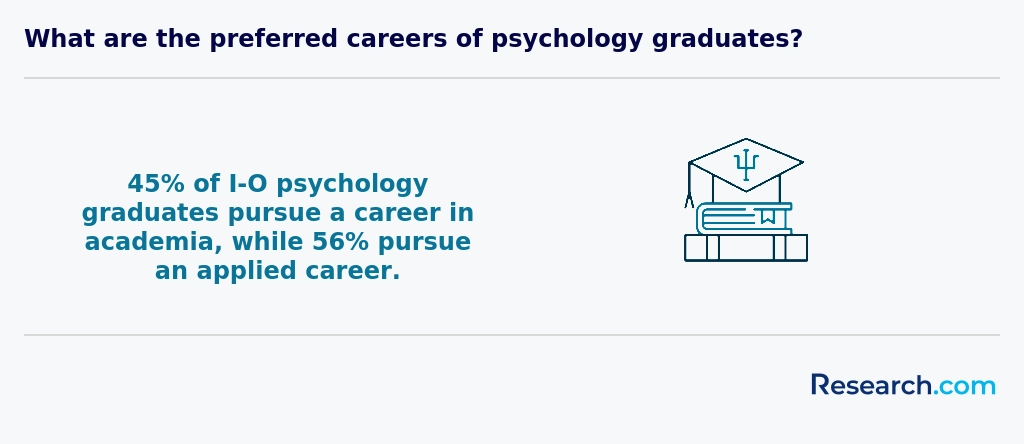
Online psychology degree specializations in Maryland offer students a diverse range of focused study areas that align with both professional ambitions and personal interests. Graduates from institutions like the University of Maryland Global Campus often highlight specializations such as Clinical Psychology, which equips them to handle mental health assessments and therapy, resonating with those passionate about direct patient care. Others mention Forensic Psychology, where the fusion of legal systems and behavioral science opens pathways into criminal justice careers. These real-life examples underscore how Maryland psychology program concentration options let students engage deeply with fields like Industrial-Organizational or Developmental Psychology, tailored to workplace dynamics or lifespan growth respectively.
Students appreciate programs with practical applications reflecting workforce needs, though it's worth noting some may prefer more research-focused tracks emphasizing data analysis methods. Such varied options are crucial for students balancing career goals with academic exploration, especially given the state's support for licensure pathways. For those contemplating the professional differences within psychology and social work, exploring resources like the MSW vs LCSW can clarify important distinctions.
Choosing the best online psychology degree in Maryland requires balancing accreditation, cost, and program flexibility. Graduates from institutions like Towson University appreciate the reassurance that comes with degrees accredited by recognized bodies, ensuring their education meets professional standards. However, personal circumstances may lead some to prioritize affordable online psychology programs in Maryland that offer lower tuition or flexible payment options, helping to avoid heavy debt.
Working adults often highlight the value of asynchronous classes, allowing them to study around work and family commitments. For example, many students at University of Maryland Global Campus find that such flexibility makes completing a degree not only achievable but also enjoyable. Another critical factor is the curriculum; strong programs typically cover core psychology topics and offer specializations that tailor to individual career goals.
Lastly, students benefit from exploring career support services and admission criteria. Programs that waive GRE requirements or accept transfer credits can significantly shorten the path to graduation. For those interested in counseling, researching online master's in counseling programs is a practical next step.

Graduates holding an online psychology degree in Maryland find diverse career paths shaped by local industry demands and educational resources. For example, some pursue roles as behavioral health technicians or counselor assistants, positions that offer fulfilling patient interaction and are currently in demand within Maryland's healthcare system. Graduates from institutions like the University of Maryland have shared how these roles provide immediate, hands-on experience supporting mental health services.
Others explore careers connected to industrial-organizational psychology roles, applying psychological principles to improve workplace environments. This pathway is common among those who choose Maryland colleges with strong corporate ties, allowing them to influence employee training and organizational development positively. These jobs often require advanced degrees but present gratifying challenges in corporate or government settings.
Research assistantships at Maryland's top research institutions also attract graduates who enjoy analytical and scientific work. While not every position requires licensure, those aspiring to become licensed psychologists often use their degree as a stepping stone toward doctoral programs and supervised clinical experiences. Given the range of choices, students considering online psychology degree jobs Maryland benefit from understanding each path's requirements and rewards to align their ambitions realistically.

The job market for those with an online psychology degree in Maryland shows a steady demand, particularly in mental health and community support sectors. Graduates from well-known institutions such as the University of Maryland and Towson University report positive employment experiences, often finding roles as behavioral therapists or research assistants. However, many recognize that advancing beyond entry-level positions usually requires additional qualifications like a master's or doctorate, especially for licensed counseling or clinical roles.
Maryland's investment in mental health services and diverse job settings-including hospitals and nonprofits in Baltimore and nearby Washington D.C. suburbs-creates concrete opportunities, reflecting favorable Maryland online psychology degree career prospects. Many graduates benefit from local agencies posting clinical and research positions regularly. For students exploring options, understanding pathways into cognitive psychology roles and related fields can widen employment potential.
2027 Easiest Online Psychology Degree Programs Ranking in Maryland
Investing in your education is a significant decision that can shape your future, and the Research.com team understands the importance of making informed choices. To assist prospective students in Maryland, we have meticulously crafted the "2027 Easiest Online Psychology Degree Programs Ranking in Maryland." Our commitment to quality, credibility, and accuracy is reflected in the extensive research and analysis conducted to compile this ranking.
We utilized the following reputable data sources to ensure a comprehensive evaluation of psychology degree programs:
By exploring this ranking, readers will gain valuable insights into the easiest online psychology degree programs available in Maryland, empowering them to make well-informed decisions about their educational journey. For more details on our methodology, please visit our Research.com methodology page.

# 2 position
University of Maryland Global Campus
Bachelor of Psychology

Frequently Asked Questions About psychology
Online psychology degree students in Maryland can enhance their learning by actively engaging with course materials and participating in virtual discussions. Research indicates that students who allocate structured study time each week tend to perform better academically. Utilizing Maryland library resources, including access to psychological journals through university portals, further enriches their understanding.
Connecting with local psychology professionals via online networking events or internships can provide practical experience valued in Maryland's job market. Additionally, students should leverage state-specific licensure requirements for psychologists, available through the Maryland Board of Examiners of Psychologists, to align their coursework with career goals.
Time management and seeking academic support services offered by Maryland institutions also contribute significantly to success in online programs.
The field of psychology is expanding with several emerging niches that reflect current societal and technological trends. In Maryland, online psychology degree programs increasingly highlight areas like health psychology, neuropsychology, and forensic psychology. Health psychology focuses on how mental, emotional, and social factors affect physical health, a growing need given Maryland's emphasis on integrated healthcare.
Neuropsychology, involving brain function and behavior, is gaining attention due to ongoing research at institutions such as Johns Hopkins University. Forensic psychology, which blends psychology with legal systems, is also expanding alongside Maryland's growing focus on criminal justice reform. These specialties offer promising career paths for students enrolled in online programs.
After completing an online psychology degree in Maryland, preparing for the job market involves several strategic steps. Maryland has a growing demand for psychology professionals, with the U.S. Bureau of Labor Statistics projecting a 14% growth in psychologist jobs in the state by 2030. Graduates should focus on gaining relevant experience through internships or volunteer opportunities in mental health clinics, schools, or social service agencies.
Networking is crucial; joining local chapters of professional organizations like the Maryland Psychological Association can provide valuable contacts and job leads.
Additionally, pursuing state licensure or certifications enhances employability, especially for clinical roles. Familiarity with Maryland's specific licensing requirements is essential.
Developing skills in evidence-based practices and technological tools used in psychology also improves competitiveness.
Employers in Maryland highly value psychology graduates who possess strong critical thinking and analytical skills. These abilities enable graduates to interpret data, conduct research, and make informed decisions in clinical and organizational settings. Communication skills are also essential since professionals must clearly convey complex information to clients and colleagues.
Maryland's growing mental health sector requires graduates to demonstrate cultural competence to effectively serve diverse populations. According to the Maryland Department of Labor, interpersonal skills and ethical judgment are frequently emphasized in job listings for psychology roles across the state.
Additionally, proficiency in technology and familiarity with telehealth platforms stand out as key skills, reflecting trends in online therapy services. Graduates equipped with these qualifications are better positioned for success in Maryland's evolving psychology job market.
Finding psychology internships in Maryland requires a focused approach, especially for online degree students. Start by exploring opportunities through Maryland's major universities such as the University of Maryland and Towson University, which often publish local internship listings. The Maryland Psychological Association also offers resources and networking events that can connect students with supervised internships.
Additionally, healthcare facilities and community mental health centers in Maryland, including those in Baltimore and surrounding counties, provide valuable practical experiences. Since Maryland has about 60 licensed psychology internship programs accredited by the APA, check their database to identify available placements. Online students should communicate clearly with their program advisors to ensure internships meet degree requirements.
Obtaining an online psychology degree in Maryland can significantly enhance career mobility and advancement within the state's diverse job market. With Maryland ranking among the top states for psychologist employment according to the Bureau of Labor Statistics, graduates benefit from strong demand. An online degree provides flexibility for working professionals to upgrade skills without interrupting their careers, which is critical in competitive fields such as clinical psychology, counseling, and social services.
Many Maryland employers recognize accredited online programs, facilitating smoother transitions into higher roles or specialized positions. Additionally, earning a degree online allows access to state licensure requirements preparation, which is essential for career progression in psychology.
According to the Maryland Board of Examiners of Psychologists, candidates with graduate-level psychology education show greater eligibility for certification and supervisory roles, promoting salary increases and leadership opportunities. The accessibility of Maryland's financial aid and online resources further supports student success and professional growth in psychology careers statewide.
Studying for an online psychology degree in Maryland equips students with skills relevant to many interdisciplinary roles. Programs often emphasize collaboration with fields such as healthcare, social work, and education, reflecting Maryland's diverse workforce needs. According to the Maryland Higher Education Commission, many psychology curricula include courses in research methods, statistics, and communication, which are valuable in various professional settings.
Maryland's proximity to federal agencies and healthcare hubs fosters networking opportunities for students interested in roles combining psychology with public health, policy, or technology.
Graduates gain a solid foundation to work in environments where psychological knowledge supports broader team goals.
When choosing between a thesis and a non-thesis psychology degree program in Maryland, consider your career goals carefully. Thesis programs typically require original research and are suited for students aiming to pursue doctoral studies or research careers. Non-thesis programs focus on coursework and practical skills, ideal for those seeking clinical practice or applied psychology roles.
In Maryland, universities offering online psychology degrees often provide both options. According to the Maryland Higher Education Commission, about 40% of psychology master's students opt for thesis tracks due to the state's emphasis on research.
Cost and time commitment also vary: thesis programs might take longer and involve more faculty mentorship.
Students based in Maryland interested in studying psychology abroad have several options through online programs partnered with international universities. While most U.S. institutions offer psychology degrees online, students can also enroll in global programs that provide U.S.-accredited psychology courses remotely, allowing them to gain international perspectives without relocating.
Maryland students may explore exchange agreements facilitated by their home institutions or seek programs listed by agencies such as the Council for International Exchange of Scholars (CIES). However, it is important to verify that the foreign program's credits transfer seamlessly to Maryland schools or meet state licensure requirements.
According to the Maryland Higher Education Commission, about 15% of psychology students pursue part of their studies through international partnerships or accredited online programs abroad. These options offer valuable cultural exposure and broaden understanding of psychology practices worldwide, important in today's globalized healthcare field.
Students pursuing online psychology degrees in Maryland can benefit from part-time jobs that provide relevant experience and skill development. Common roles include behavioral technician positions, often available through local healthcare providers, where employees support clients with developmental or mental health challenges. According to the Maryland Department of Labor, behavioral technician jobs typically pay around $15-$20 per hour and offer hands-on exposure to psychological practices.
Another option is working as a research assistant at universities or hospitals, helping with data collection and analysis in psychology studies. Maryland hosts several research institutions, such as Johns Hopkins and the University of Maryland, that frequently offer such opportunities.
Community mental health centers also hire part-time case aides or peer support specialists, roles that enhance interpersonal skills and understanding of clinical environments. These positions complement academic knowledge with practical experience valuable for future psychologists.
Online psychology students in Maryland have access to various networking opportunities that enhance their educational and professional growth. Many universities in Maryland, such as the University of Maryland Global Campus, offer virtual events, discussion forums, and alumni networks tailored to online students.
These platforms enable students to connect with peers, faculty, and professionals in the psychology field across the state. Additionally, Maryland's proximity to major research institutions and organizations, such as the Maryland Psychological Association, provides valuable access to conferences, workshops, and internships.
Such involvement helps online students build relationships that support career advancement within Maryland's psychology community.
Alumni networks provide valuable support for online psychology degree students in Maryland by connecting them with graduates who have navigated similar academic and career paths. These networks often offer mentorship opportunities, which are essential for guidance in psychology's competitive job market.
In Maryland, where the demand for licensed psychologists is growing-projected to increase by 15% through 2030 according to the Bureau of Labor Statistics-alumni connections can help students access internships and employment.
Networking through alumni events and online platforms also facilitates collaboration and sharing of research developments relevant to Maryland's diverse communities. This peer support can improve students' academic success and career preparedness.
Online psychology degrees in Maryland offer various ways to tailor your studies according to your career goals. Many programs allow you to choose concentrations such as clinical psychology, counseling, or industrial-organizational psychology. This customization can help align your education with specific job markets or further graduate studies.
Additionally, Maryland's institutions often provide elective courses and research opportunities that reflect regional mental health priorities, such as a focus on urban communities or veteran services. The Maryland Higher Education Commission notes that flexible course scheduling and practicum placements support working professionals and lifelong learners in advancing their careers.
Choosing internships or capstone projects relevant to Maryland's diverse population is another way to personalize your degree for practical experience in your desired field.
Online psychology students in Maryland commonly face challenges related to balancing coursework with personal and professional responsibilities. Many learners juggle full-time jobs or family duties while engaging in demanding academic schedules. This can lead to time management difficulties, which are critical given the rigorous nature of psychology programs.
Technical issues also pose hurdles. Reliable internet access and familiarity with digital learning platforms are essential, yet not all students have consistent resources. According to the Maryland Higher Education Commission, approximately 15% of students report limited access to adequate technology for online learning.
Additionally, students may experience limited opportunities for practical experience. Psychology degrees often require internships or practicum hours, which can be harder to arrange remotely in Maryland's varied clinical settings. This complicates meeting licensure requirements set by the Maryland Board of Professional Counselors and Therapists.
Lastly, some students cite a lack of direct interaction with faculty and peers, which can affect engagement and motivation. Maintaining communication becomes vital to offset feelings of isolation common in online education.
With an online psychology degree in Maryland, graduates can pursue several professional certifications to enhance their careers. One key certification is the Licensed Clinical Professional Counselor (LCPC), which requires a graduate degree and supervised clinical experience. Maryland's Department of Health oversees this licensure, vital for counseling roles.
Another option is certification as a Behavior Analyst, recognized nationally through the Board Certified Behavior Analyst (BCBA) credential. Maryland professionals benefit from growing demand for behavioral health services in the state, as noted by the Maryland Behavioral Health Administration.
Additionally, graduates may consider school psychology certifications, requiring further specialized education and state approval. These certifications open doors to work in educational settings across Maryland.
To write a winning application for an online psychology program in Maryland, start by clearly demonstrating your academic readiness. Most programs require a minimum GPA of 3.0, so highlight your relevant coursework and grades. Include a well-crafted personal statement explaining your interest in psychology, your career goals, and why an online format suits your needs.
Maryland's online psychology programs often seek applicants who understand local healthcare challenges, so referencing Maryland-specific mental health statistics from the Maryland Department of Health can strengthen your essay. Request strong letters of recommendation from professors or supervisors familiar with your commitment to psychology. Finally, ensure all materials are submitted before deadlines, typically aligning with the fall or spring semester start dates.
The field of psychology offers diverse career opportunities worldwide, reflecting growing interest in mental health and human behavior. In the United States, including Maryland, psychology careers are expected to grow 8% from 2021 to 2031, faster than the average for all occupations, according to the U.S. Bureau of Labor Statistics.
Globally, psychology professionals engage in clinical, research, educational, and organizational roles, but requirements vary across countries. The U.S. maintains rigorous licensing standards, with Maryland requiring a doctoral degree and supervised experience for clinical psychologists, per the Maryland Board of Examiners of Psychologists.
Online psychology degrees in Maryland help students meet these standards while preparing for diverse roles in a globally connected workforce. This flexibility attracts international perspectives and collaboration opportunities, reflecting psychology's growing global relevance.
Gaining practical experience while studying for an online psychology degree in Maryland is essential for career readiness. Many Maryland institutions encourage students to participate in local internships or practicum placements, often coordinated with healthcare facilities, mental health clinics, or community organizations. For example, the Maryland Psychological Association highlights internships as a key step toward licensure and skill development.
Students can also seek volunteer positions in related fields, which provide hands-on experience and networking opportunities. Additionally, some online programs integrate supervised fieldwork or research projects, meeting state requirements for professional certification.
Choosing the right concentration within an online psychology degree program in Maryland begins with understanding your career goals. Psychology offers various paths such as clinical, counseling, forensic, or industrial-organizational psychology, each with different job prospects.
Maryland's workforce data from the Bureau of Labor Statistics highlights strong demand for clinical and counseling psychologists, especially in healthcare settings near Baltimore and Washington, D.C.
Students should consider the curriculum focus and available internships. For instance, programs tied to Maryland's mental health agencies may offer practical experience relevant to clinical work.
Accreditation by bodies like the American Psychological Association (APA) is crucial if you aim to become a licensed psychologist in Maryland.
Reflect on your interests and regional employment trends to make an informed decision about the most suitable concentration.
- 2027 Easiest Online Psychology Degree Programs Ranking in Virginia
- 2027 Easiest Online Psychology Degree Programs Ranking in West Virginia
- 2027 Easiest Online Psychology Degree Programs Ranking in Pennsylvania
- 2027 Easiest Online Psychology Degree Programs Ranking in New York
- 2027 Easiest Online Psychology Degree Programs Ranking in Ohio
- 2027 Easiest Online Psychology Degree Programs Ranking in Kentucky
- 2027 Easiest Online Psychology Degree Programs Ranking in Tennessee
- 2027 Easiest Online Psychology Degree Programs Ranking in Massachusetts
- 2027 Easiest Online Psychology Degree Programs Ranking in Indiana
- 2027 Easiest Online Psychology Degree Programs Ranking in New Hampshire
See What Experts Have To Say About Studying Psychology
Read our interview with Psychology experts

Robin M. Kowalski. Ph.D.
Psychology Expert
Professor of Psychology
Clemson University

Catherine Caldwell-Harris, Ph.D.
Psychology Expert
Associate Professor of Psychology
Boston University

Joann Farrell Quinn, Ph.D., MBA
Psychology Expert
Director at the College of Medicine Department of Medical Education
Morsani College of Medicine

- Sample letters in psychology https://www.mystudies.com/en-in/human-and-social-sciences/psychology/letter-model/
- Psychology (Online) https://www.claflin.edu/DivisionofAcademicAffairs/the-center-for-professional-and-continuing-studies/degrees/psychology-(online)
- Psychology Unveiled: Fields and History - Virtual Work Experience | Springpod https://www.springpod.com/virtual-work-experience/psychology-unveiled-fields-and-history-virtual-work-experience/WEXP-00025
- Best Maryland Psychology Degrees Updated for 2025, Online Included https://www.psychologydegrees.org/state/maryland
- How Psychology Students Can Get Clinical Experience ... https://www.theplayfulpsychologist.com/post/students-experience-how-to-get-the-experience-you-need-before-you-graduate
- Know more about thesis vs non- thesis: what is the difference? https://studyfans.com/en/blogs/816
- Why Get a Psychology Degree Online? | University of Bridgeport https://www.bridgeport.edu/news/reasons-to-get-your-psychology-degree-online/
- Online Psychology Degrees | University of Phoenix https://www.phoenix.edu/online-psychology-degrees.html
- Best Psychology Internships Abroad 2026 & 2027 | Intern Abroad HQ https://www.internhq.com/blog/best-psychology-internships-abroad/
- Explore Psychology Degrees Online | Psychology.org https://www.psychology.org/online-degrees/





