
2027 Easiest Online Psychology Degree Programs Ranking in New Hampshire

Co-Founder and Chief Data Scientist
Choosing the right online psychology degree program can feel overwhelming, especially with so many options available in New Hampshire. Our article presents the 2027 Easiest Online Psychology Degree Programs Ranking in New Hampshire, developed by the Research.com team of data scientists to guide you toward the best choices.
By exploring this ranking, you'll gain insight into programs designed for success and flexibility. Earning a psychology degree opens doors to meaningful careers, personal growth, and the ability to positively impact others.
We're here to help you find the path that fits your goals and lifestyle.
Key benefits of getting online psychology degree in New Hampshire
- Salary Benefits: Graduates with a psychology degree can earn competitive salaries in New Hampshire, such as $62,370 annually for Clinical Research Associates and Survey Researchers, and up to $83,190 for Marketing Research Analysts, reflecting rewarding financial opportunities.
- Career Paths: Psychology degree holders from universities like the University of New Hampshire often pursue diverse roles including human resources, marketing research, and clinical research, offering flexibility to find a fulfilling career that matches personal interests.
- Online Degree Advantages: Earning an online psychology degree provides the flexibility to balance work and study while gaining the same valuable skills as traditional programs, as seen in graduates from Southern New Hampshire University who appreciate the convenience and quality of education.
- 2027 Easiest Online Psychology Degree Programs Ranking in New Hampshire
- What can I expect from online psychology degree in New Hampshire?
- Where can I work with online psychology degree in New Hampshire?
What can I expect from online psychology degree in New Hampshire?
The average cost of an online psychology degree in New Hampshire typically ranges between $12,000 and $25,000 for a bachelor's program, depending on the institution and residency status. Graduates from popular local universities often note that this investment reflects the quality of education received, including access to experienced faculty and comprehensive course materials tailored to the state's mental health requirements.
For example, students pursuing online degrees at well-regarded New Hampshire colleges appreciate the balance between affordability and academic rigor. Many share experiences of managing coursework while working or caring for family, emphasizing how the flexible schedules made the cost worthwhile. These programs frequently include opportunities for clinical placements through partnerships with state agencies, enhancing hands-on learning without additional financial burdens.
Master's level studies generally incur higher costs, often ranging from $20,000 to $40,000, yet remain competitively priced compared to national averages. Graduates highlight that the cost aligns with the program's ability to prepare them thoroughly for licensure and advanced professional roles in New Hampshire's evolving psychology field.
Where can I work with online psychology degree in New Hampshire?
Graduates with an online psychology degree in New Hampshire often find rewarding employment across various sectors. Many secure positions as behavioral health technicians, case managers, or psychiatric assistants in leading healthcare facilities like Dartmouth-Hitchcock Medical Center, where the demand for mental health support staff remains strong. Those who attended recognized institutions such as the University of New Hampshire or Southern New Hampshire University report feeling confident entering these roles due to their comprehensive academic preparation.
Advancing to master's or doctoral studies opens doors to licensure as clinical psychologists, school psychologists, or licensed mental health counselors. Licensed professionals frequently provide therapy, conduct assessments, and specialize in fields like substance abuse-services highly valued statewide. Graduates emphasize the satisfaction found in working within schools or community programs, partnering with organizations like the New Hampshire Department of Health and Human Services to coordinate impactful mental health initiatives.
Beyond healthcare, psychology alumni often thrive in human resources or nonprofit roles focused on employee wellness and advocacy, reflecting diverse career pathways enriched by their New Hampshire education experience.
Graduates from online psychology programs in New Hampshire often find rewarding career paths with competitive earnings. For example, many psychology degree holders transition into roles such as Human Resources Specialist, where the mean annual wage is around $76,060, or Marketing Research Analyst positions, which offer an average salary of $83,190 annually. These figures reflect strong opportunities for graduates from institutions like the University of New Hampshire and Southern New Hampshire University, where students report excitement about moving into these fields.
Others pursue positions as Clinical Research Associates or Survey Researchers, both offering median salaries close to $62,370 per year. These roles allow graduates to engage in meaningful research that impacts real-world policies and practices, fostering a sense of fulfillment as they contribute to community well-being.
Entry-level psychology graduates might initially work in related positions such as childcare or social services, with average salaries around $32,070. Yet, graduates often describe their upward trajectory and satisfaction in gaining experience and advancing into roles with higher compensation within New Hampshire's diverse job market.
- New Hampshire offers online psychology degrees through several regionally accredited institutions, allowing students to study without relocating.
- The average annual cost for a bachelor's degree ranges from $10,000 to $25,000 at public universities, with private schools sometimes charging over $30,000.
- Entry-level psychology jobs in New Hampshire typically pay between $45,000 and $50,000 per year, while experienced professionals can earn more than $80,000 annually.
- The job market for mental health counselors is expected to grow by about 8% over the next decade in New Hampshire.
- Licensure is required for most clinical psychology roles, which involves completing advanced degrees and supervised hours after the bachelor's program.
Completing an online psychology degree in New Hampshire typically aligns with national norms but offers flexibility tailored to individual circumstances. For example, students at well-regarded institutions like Southern New Hampshire University, a popular choice for online psychology studies, often finish their bachelor's degree in about four years when enrolling full-time. Many graduates describe this period as a rewarding journey, balancing coursework with personal and professional responsibilities.
Those opting for accelerated tracks have found success finishing in closer to three years, appreciating the intensity and momentum such programs provide. For master's degrees, students attending New Hampshire-based universities report an average completion time of approximately two years, although part-time options can extend this timeline pleasantly, allowing working adults to integrate learning with life.
Doctoral candidates engaged with local research-heavy programs face a commitment of four to seven years, often embracing the immersive experience despite limited fully online formats. Graduates frequently highlight the value of individualized pacing and credit transfer policies in shaping a manageable, fulfilling educational path tailored to their goals.
Online and on-campus psychology degree programs in New Hampshire differ primarily in delivery and student experience. Graduates from the University of New Hampshire often recall the vibrant campus atmosphere, where face-to-face interactions with professors and peers foster strong connections and hands-on learning opportunities such as labs and nearby internships. This traditional approach supports immediate access to campus resources and a structured schedule that many find motivating.
Conversely, online students enjoy flexible scheduling that suits busy adults balancing work or family, a common scenario in communities throughout New Hampshire. Graduates from Plymouth State University's online psychology program highlight the convenience of studying from home while still engaging in meaningful coursework via discussion boards and virtual meetings. However, these students must often proactively secure local internships independently, which can cultivate valuable networking tailored to their hometown environments.
Both modalities maintain rigorous curricula regulated by accreditation bodies, ensuring consistent academic quality. Tuition differences exist but can be minimal as some New Hampshire public universities charge equivalent rates for online and on-campus students.
The average cost of an online psychology degree in New Hampshire is approximately $60,960, reflecting the median total tuition expenses for completing such programs. Students enrolled at well-known institutions like the University of New Hampshire Online or Southern New Hampshire University often find the tuition aligns closely with this figure. Graduates describe the investment as substantial but worthwhile, noting how the convenience of online study and the quality of instruction contribute positively to their educational journey.
For many pursuing a New Hampshire online psychology degree tuition and fees represent a manageable commitment, especially when compared to private colleges in the region where tuition can exceed $40,000 annually. These public universities provide a flexible online format, attracting students balancing work and family life. One common narrative among learners involves balancing coursework with personal responsibilities, an experience eased by the online format and accessible faculty support.
Financial aid, scholarships, and residency discounts frequently help ease the financial burden, making the pursuit of a psychology degree in New Hampshire more accessible. Prospective students often explore online degrees that pay well, recognizing psychology as a field with promising career potential despite upfront costs. Their confidence grows as they witness alumni advancing in counseling, research, or human services thanks to the solid educational foundation provided at local institutions.
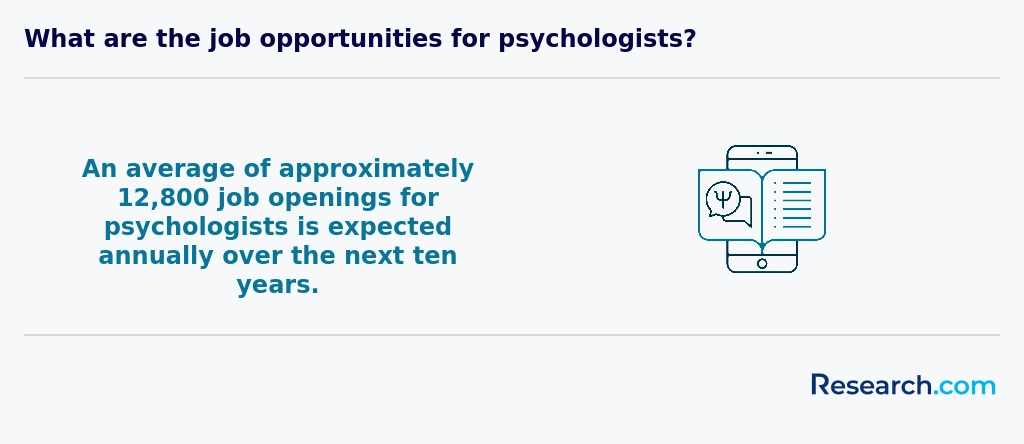
Students pursuing an online psychology degree in New Hampshire benefit from a range of financial aid options designed to reduce the burden of tuition fees. The Free Application for Federal Student Aid (FAFSA) opens the door to federal grants, including Pell Grants, which many students have found invaluable for covering a large portion of their tuition without repayment obligations.
State-specific programs like the New Hampshire Educational Improvement Tax Credit further support residents, helping to lower costs for those attending local institutions. Graduates from Southern New Hampshire University often highlight institutional scholarships as a key factor in managing expenses, with these awards sometimes reducing yearly tuition by thousands of dollars.
Federal student loans such as the Direct Subsidized and Direct Unsubsidized Loans offer flexible financing options with manageable interest rates, providing a practical solution for many psychology students balancing work and study. Additionally, numerous employers in New Hampshire provide tuition reimbursement, enabling working professionals to pursue their degree with less financial strain.
Engaging with financial aid advisors at one's chosen university is crucial to tapping into all available resources, ensuring a smoother and more affordable path to earning an online psychology degree.
Enrolling in an online psychology degree in New Hampshire typically requires a strong academic foundation tailored to the level of study. For undergraduate programs at institutions like Southern New Hampshire University, applicants must present a high school diploma or GED with a minimum GPA of approximately 2.5. Many undergraduates feel encouraged by schools offering flexible admissions policies, allowing them to focus on their passion for psychology without excessive emphasis on standardized test scores.
Graduate psychology programs in New Hampshire, such as those offered by the University of New Hampshire, expect applicants to hold a bachelor's degree from an accredited institution, not necessarily in psychology. Graduates often recall that having completed relevant coursework in statistics or biology helped them confidently tackle advanced topics. A typical undergraduate GPA requirement is 3.0 or above, alongside additional materials like letters of recommendation and a statement of purpose, which foster a personal connection between the applicant and admissions committees.
Students appreciate how regional accreditation by bodies such as the Higher Learning Commission assures quality education and access to financial aid, vital for managing costs ranging from $10,000 to $35,000 annually. These prerequisites create a structured yet attainable path for New Hampshire residents eager to advance in psychology through online programs.
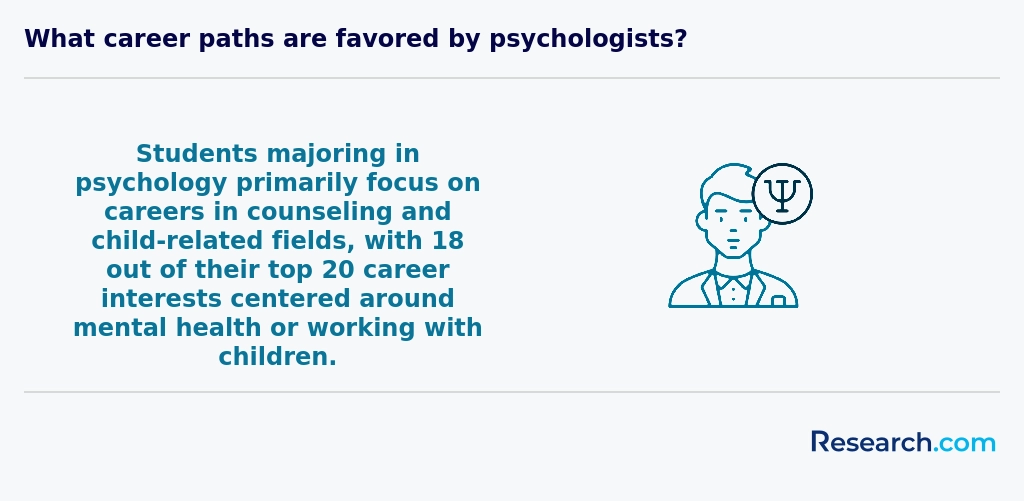
Online psychology degree programs in New Hampshire typically include foundational courses such as Introduction to Psychology, Developmental Psychology, Abnormal Psychology, Cognitive Psychology, and Social Psychology. Graduates from prominent institutions like the University of New Hampshire often recall how these courses offered clear insights into human behavior, from understanding childhood development stages to interpreting complex mental health disorders in everyday life.
Students appreciate the inclusion of Research Methods and Statistics, which equip them with essential skills for designing experiments and analyzing data, fostering confidence in conducting psychological research. The emphasis on Biopsychology or Neuroscience helps learners connect biological processes to behavior, making the subject matter more relatable and engaging.
Many online programs in the state also integrate electives or practicum opportunities focusing on counseling or forensic psychology, enabling students to tailor their studies toward career goals. Graduates frequently highlight how applied learning complemented theory, allowing them to envision real-world psychological practices comfortably from their homes in New Hampshire.
Students pursuing an online psychology degree in New Hampshire can select from several well-established specializations that cater to diverse career pathways. Clinical psychology is particularly popular among graduates, as it equips them with skills to diagnose and treat mental health disorders in settings ranging from hospitals to private practices. Counseling psychology, often chosen by local students, emphasizes helping healthy individuals manage stress and career transitions, providing a rewarding foundation for those interested in therapeutic professions.
Other common specializations available in New Hampshire include developmental psychology, which appeals to those passionate about human growth and education, and industrial-organizational psychology, favored by learners aiming to improve workplace dynamics and employee wellbeing. Graduates from prominent New Hampshire colleges often share positive experiences about immersing themselves in these specializations, noting how practical and theory-based training prepared them for real-world roles.
Occasionally, students can access niche areas such as forensic or neuropsychology, depending on the institution. Those exploring advanced degrees might consider 1 year phd programs online to expedite their education within these specialized fields. Understanding these options is essential for prospective students evaluating psychology career options in New Hampshire.
Choosing the best online psychology degree in New Hampshire requires careful attention to accreditation and curriculum relevance. Graduates from popular colleges such as the University of New Hampshire often emphasize the importance of programs accredited by the New England Commission of Higher Education (NECHE), which ensures credibility and eligibility for federal aid. Selecting a program that offers specialized courses in clinical or counseling psychology aligns well with local licensing requirements and career goals.
Cost considerations are paramount, especially for those seeking affordable psychology programs NH offers. Many students appreciate institutions that balance tuition with quality instruction, and exploring options like the cheapest online college options can ease financial barriers without sacrificing educational value. Graduates recall how faculty expertise and accessible online support services enriched their learning experience, fostering both confidence and academic success.
Flexibility in scheduling is crucial for working professionals pursuing an online psychology degree in New Hampshire. Alumni often praise asynchronous coursework that allows them to manage studies alongside personal and professional commitments. Additionally, choosing a program with strong licensing preparation and practicum opportunities has helped many secure licensure and thrive in New Hampshire's psychology job market.

Graduates holding an online psychology degree in New Hampshire pursue diverse career paths across clinical, educational, business, and research sectors. Many aim for licensure as clinical or counseling psychologists, enhancing their qualifications with advanced degrees from well-regarded institutions in the state that offer accessible online options. These professionals often find fulfilling roles providing therapy and mental health diagnoses in hospitals, private practices, or community centers, positively impacting local populations.
Other graduates gravitate toward school psychology or educational counseling within New Hampshire's K-12 and higher education environments, addressing behavioral challenges and fostering student well-being. The strong demand for such roles aligns with workforce needs highlighted in the region. Additionally, those interested in business leverage psychological insights to improve organizational development and employee relations, contributing to productivity in New Hampshire companies.
Research careers also attract many alumni, who undertake impactful studies on human behavior in government or academic settings. Students from popular colleges appreciate the flexible tuition options available, often discovering more affordable programs by exploring resources like best accredited non profit colleges. The positive experiences of these graduates attest to the promising psychology degree jobs and salary New Hampshire can provide.
The job market for individuals with an online psychology degree in New Hampshire is favorable, particularly for those pursuing advanced degrees. Graduates from well-known institutions in the state frequently find rewarding roles in hospitals, mental health clinics, and school counseling programs. Psychology careers in New Hampshire 2027 look promising as demand for mental health professionals grows due to heightened public awareness and expanded healthcare access.
Many graduates describe their experiences starting in social service agencies, working directly with clients, or supporting program development in nonprofit organizations. Those aiming for clinical roles often seek licensure, requiring a master's or doctoral degree, which significantly enhances job prospects. Entry-level salaries for psychology graduates typically range between $40,000 and $55,000, with experienced clinicians earning between $90,000 and $110,000 annually.
For prospective students weighing education investments, exploring accredited online colleges with no application fee offers an affordable pathway to entering this expanding field. Flexible online programs in New Hampshire enable working adults to balance education with other responsibilities, fueling optimistic career outcomes.
2027 Easiest Online Psychology Degree Programs Ranking in New Hampshire
Investing in your education is a significant decision that can profoundly influence your career and life, and the Research.com team is dedicated to helping you make well-informed choices. To support individuals seeking accessible psychology programs, we have thoughtfully developed the "2027 Easiest Online Psychology Degree Programs Ranking in New Hampshire." Our priority is ensuring the ranking's quality, credibility, and accuracy through rigorous research and data analysis.
We utilized the following reputable data sources to create this ranking:
By exploring this ranking, readers will gain valuable insights into the most accessible online psychology degree programs in New Hampshire, enabling them to choose the right path with confidence. For additional information on how the ranking was compiled, please visit our Research.com methodology page.
# 1 position
Antioch University New England
Master of Clinical Mental Health Counseling


# 3 position
Antioch University New England
Doctor of Couple and Family Therapy


Frequently Asked Questions About psychology
Online psychology degree students in New Hampshire can maximize their learning by actively engaging with course materials and participating in virtual discussions. Utilizing resources such as the New Hampshire Psychological Association offers networking and professional development opportunities tailored to state standards. Combining theory with practice through internships or research projects affiliated with local institutions enhances understanding and career readiness. Staying organized and maintaining a consistent study schedule is key for managing coursework effectively. Additionally, seeking online tutoring or joining study groups can clarify complex topics. Familiarity with New Hampshire's licensing requirements for psychologists, detailed by the state's Board of Mental Health Practice, is essential for career planning.
The psychology field is rapidly evolving with several emerging niches gaining attention, especially for students pursuing online degrees in New Hampshire. One notable area is health psychology, which focuses on how mental, emotional, and social factors affect physical health. This niche is growing due to increasing awareness of holistic healthcare approaches.
Another expanding specialty is neuropsychology, dealing with brain-behavior relationships. Graduates trained in this field support patients with neurological disorders, a demand rising in New Hampshire's aging population, as reported by the New Hampshire Department of Health and Human Services.
Additionally, forensic psychology is gaining prominence, intersecting psychology and the legal system. This offers unique career opportunities within criminal justice in the state. These niches reflect the dynamic landscape of psychology careers available through online programs.
After earning an online psychology degree in New Hampshire, preparing for the job market involves several strategic steps. First, gaining relevant experience through internships or volunteer positions in mental health centers or social service agencies improves practical skills and networking opportunities. According to the New Hampshire Department of Employment Security, the state's demand for psychologists and counselors is expected to grow moderately by 2028, emphasizing the need for real-world experience alongside academic credentials.
Second, obtaining licensure is crucial for clinical roles; candidates must complete supervised hours and pass the Examination for Professional Practice in Psychology (EPPP). Joining professional organizations like the New Hampshire Psychological Association can provide access to job listings and continuing education. Additionally, tailoring resumes to highlight skills in data analysis, counseling techniques, and communication enhances employment prospects in diverse psychology-related fields.
Employers in New Hampshire seek psychology graduates with strong communication skills, critical thinking, and ethical judgment. Given the state's growing mental health services sector, the ability to apply evidence-based practices is highly prized.
Data from the New Hampshire Employment Security indicate that psychology roles often require proficiency in data analysis and research methodologies. Graduates with skills in interpreting psychological assessments or using statistical software are advantaged.
Additionally, interpersonal skills are essential since many jobs involve client interaction or teamwork. Employers value graduates who demonstrate cultural competence and adaptability to diverse populations in New Hampshire's communities.
Understanding local regulations and licensing requirements also enhances employability for psychology graduates in the state.
Finding internships in New Hampshire relevant to a psychology degree involves connecting with local organizations and universities. Many psychology programs require or recommend internships to gain practical experience. Students can start by contacting New Hampshire's university career centers, such as those at the University of New Hampshire, which often list local internship opportunities.
Health facilities, counseling centers, and community mental health organizations in New Hampshire frequently offer internships. For example, New Hampshire Department of Health and Human Services supports internships in behavioral health services. Networking through professional associations like the New Hampshire Psychological Association can also provide leads.
The U.S. Bureau of Labor Statistics notes growth in psychology-related jobs in New England, highlighting the value of internships for job placement. Early outreach and applying through official channels increase chances of securing relevant internships in the state.
Obtaining an online psychology degree in New Hampshire can significantly enhance career mobility and opportunities for advancement within the state's growing mental health sector. According to the U.S. Bureau of Labor Statistics, employment of psychologists in New Hampshire is projected to grow about 8% through 2031, reflecting increasing demand. An accredited online degree meets educational requirements for many entry-level roles and is often the first step toward licensure, which is essential for clinical advancement.
Online programs offer flexibility allowing professionals to continue working while gaining skills needed for promotion. Graduates often move into specialized fields such as counseling or industrial-organizational psychology, which have higher earning potential locally. Additionally, New Hampshire's Department of Labor highlights that advanced degrees correlate with 15-20% higher wages in psychology-related jobs.
Studying for a psychology degree online in New Hampshire equips students with foundational knowledge applicable to many fields. The state's programs emphasize evidence-based practices and research skills, preparing graduates to collaborate across disciplines like healthcare, education, and social services.
New Hampshire's higher education institutions often integrate coursework in biology, sociology, and communication, reflecting psychology's interdisciplinary nature. The New Hampshire Department of Education highlights that psychology graduates frequently work in roles requiring teamwork with professionals such as social workers and medical practitioners.
Additionally, accredited online programs in New Hampshire follow guidelines from the American Psychological Association, ensuring graduates meet national standards versatile enough for interdisciplinary collaboration.
When choosing between a thesis and a non-thesis psychology degree program in New Hampshire, students should consider their career goals and learning preferences. Thesis programs typically require conducting original research and writing a formal paper, which can be ideal for those aiming for doctoral studies or research careers.
Non-thesis programs often focus more on coursework and practical skills, making them suitable for students who want to enter the workforce quickly, such as in counseling or human services.
According to the National Center for Education Statistics, fewer than 20% of psychology graduates in New Hampshire pursue thesis options, reflecting the demand for applied skills in the local job market.
Students should also review program requirements carefully, as some online degrees in the state may offer the flexibility to switch paths based on academic progress.
Students in New Hampshire interested in studying psychology abroad through online programs have several pathways to consider. While New Hampshire itself offers reputable psychology degrees, many universities across the United States provide fully online psychology programs accessible anywhere, including abroad.
However, for those specifically wanting international options, it is important to verify that the program is accredited by recognized bodies such as the American Psychological Association (APA) or regional accreditors accepted in the US. This ensures the degree's validity and transferability.
According to the National Center for Education Statistics, over 30% of psychology students in the US have taken at least one course online, reflecting the growing availability of flexible options.
Students should also consult New Hampshire's Department of Education for licensing requirements if they intend to practice psychology locally after an online international degree.
In New Hampshire, part-time job opportunities that complement an online psychology degree are diverse and provide valuable experience. Many students work as behavioral health technicians or psychiatric aides in hospitals and community health centers, supporting mental health professionals. According to the U.S. Bureau of Labor Statistics (BLS), the demand for these roles in New England is projected to grow 12% from 2022 to 2032.
Counseling assistants or case management aides in social service agencies also offer practical exposure. Nonprofits focusing on mental health, such as the New Hampshire Charitable Foundation, occasionally hire part-time support staff, which helps build skills in client interaction and program coordination.
Online psychology students in New Hampshire have several networking opportunities despite their remote status. Many state universities and colleges offer virtual events, webinars, and guest lectures that encourage interaction among students and professionals. For instance, the University of New Hampshire provides access to student organizations and psychology-focused groups, helping students connect with peers and faculty.
Additionally, regional chapters of national psychology organizations, such as the New Hampshire Psychological Association, host conferences and networking events open to online learners. These events promote professional growth and local community engagement.
Students can also benefit from LinkedIn groups and online forums dedicated to psychology careers in New Hampshire, creating virtual spaces for mentorship and job leads.
Alumni networks offer valuable benefits to online psychology degree students in New Hampshire. These networks provide opportunities for professional networking, helping graduates connect with psychologists, therapists, and counselors practicing across the state. Access to alumni can support mentorship, career advice, and job referrals, which is crucial in psychology's competitive job market.
According to the New Hampshire Psychological Association, strong professional connections often lead to higher employment rates among recent graduates. Additionally, alumni groups frequently share information about local internships and licensure preparation events, vital for students seeking to meet New Hampshire's licensing requirements.
Participation in alumni networks fosters a sense of community and ongoing learning.
Customizing an online psychology degree program in New Hampshire allows students to align their studies with specific career goals. Many New Hampshire institutions offer electives or focus areas such as clinical psychology, counseling, or organizational psychology. This flexibility helps tailor coursework to fit professional interests.
Students can also choose to engage in practicum or internship opportunities virtually or locally, gaining experience relevant to New Hampshire's job market. According to the Bureau of Labor Statistics, demand for psychological services in New England, including New Hampshire, is expected to grow by 14% through 2031, making specialized skills valuable.
Advising services help students select courses and certifications that match licensure requirements in the state. This ensures that their education supports their intended career path within New Hampshire's healthcare or educational sectors.
Online psychology students in New Hampshire often face challenges related to practical experience requirements. Many programs require internships or supervised clinical hours, which can be difficult to arrange remotely given the state's smaller population and limited local placement options. Additionally, students may encounter technical issues such as unstable internet connections, impacting participation in live lectures and discussions.
Another common challenge is time management. Balancing coursework with personal and professional responsibilities is difficult, especially for those working full-time. According to the National Center for Education Statistics, adult learners in online programs often report feeling isolated, which can affect motivation.
Finally, navigating New Hampshire's licensure requirements for psychologists can be complex, requiring thorough understanding of state-specific rules for online graduates. Awareness of these factors helps students better prepare for their educational journey.
With an online psychology degree in New Hampshire, graduates can pursue several professional certifications to enhance their credentials. One common path is becoming a licensed psychologist, which requires further graduate study and passing the Examination for Professional Practice in Psychology (EPPP), regulated by the New Hampshire Board of Psychology.
Additionally, students may qualify for certifications such as Certified Alcohol and Drug Counselor (CADC), a credential in demand due to rising substance abuse treatment needs in the state. Another option includes becoming a Certified School Psychologist, which requires specific state-approved training and supervised experience.
Certification requirements vary by specialization, so it is essential to consult New Hampshire state licensing boards for precise criteria. The Bureau of Labor Statistics notes the psychology field in New Hampshire is projected to grow about 5% through 2030, reinforcing the value of professional credentials for job competitiveness.
When applying to an online psychology program in New Hampshire, start by carefully researching each school's specific requirements. Tailor your personal statement to reflect your passion for psychology and how the program aligns with your career goals. Highlight any relevant experience, such as volunteer work or previous studies in psychology or related fields. Strong letters of recommendation from academic or professional contacts are crucial, providing insight into your abilities and dedication.
New Hampshire's online psychology programs often emphasize understanding of local mental health concerns, so demonstrate awareness of relevant issues when possible. Maintaining a competitive GPA, generally around 3.0 or higher, improves chances of admission according to data from the New Hampshire Department of Education. Finally, follow all application instructions precisely and submit materials before deadlines to create a positive impression.
Psychology careers have a wide-reaching impact both in the United States and globally. In New Hampshire, students pursuing online psychology degrees join a field that addresses mental health challenges common worldwide. According to the U.S. Bureau of Labor Statistics, employment for psychologists is expected to grow 8% from 2022 to 2032, reflecting strong demand.
Globally, psychology professionals often collaborate across cultures to develop approaches for mental health treatment, research, and policy. However, licensing and educational requirements differ greatly by country. In the U.S., New Hampshire requires a doctoral degree and supervised experience for clinical psychologists, while other nations may have alternative pathways.
For New Hampshire students, an online psychology degree offers flexibility and access to rigorous programs that meet state licensure standards, facilitating future work in diverse settings. As mental health awareness grows internationally, psychology remains a relevant and evolving career worldwide.
Gaining practical experience while studying for an online psychology degree in New Hampshire is essential to prepare for a psychology career. Many online programs encourage students to complete internships or practicum placements in local mental health organizations, schools, or counseling centers. New Hampshire's Department of Education and professional psychology associations often help connect students to supervised fieldwork opportunities within the state.
Students can also explore volunteering with community mental health clinics or nonprofits to build relevant skills. According to the New Hampshire Psychological Association, supervised experience is often required for licensure, so seeking out internships during study is critical.
Additionally, some universities may offer virtual labs or telehealth experiences, reflecting growing online practice trends.
Choosing the right concentration within an online psychology degree program in New Hampshire begins with understanding your career goals. Psychology offers various paths, such as clinical, counseling, industrial-organizational, and developmental psychology. Each concentration prepares you for different roles in mental health services, human resources, education, or research.
Consider New Hampshire's job market where mental health services are in high demand, particularly clinical and counseling psychologists, according to the Bureau of Labor Statistics. Exploring state licensure requirements is important since some concentrations may lead more directly to licensure eligibility.
Additionally, review the curriculum of programs offered by New Hampshire institutions to ensure they cover your interests. Online programs often allow some flexibility in electives, helping tailor your study experience.
Lastly, think about your preferred work setting and population, as this will influence which concentration aligns best with your personal and professional goals.
- 2027 Easiest Online Psychology Degree Programs Ranking in Massachusetts
- 2027 Easiest Online Psychology Degree Programs Ranking in Maine
- 2027 Easiest Online Psychology Degree Programs Ranking in New York
- 2027 Easiest Online Psychology Degree Programs Ranking in Pennsylvania
- 2027 Easiest Online Psychology Degree Programs Ranking in Maryland
- 2027 Easiest Online Psychology Degree Programs Ranking in Virginia
- 2027 Easiest Online Psychology Degree Programs Ranking in Ohio
- 2027 Easiest Online Psychology Degree Programs Ranking in West Virginia
- 2027 Easiest Online Psychology Degree Programs Ranking in Kentucky
- 2027 Easiest Online Psychology Degree Programs Ranking in Tennessee
See What Experts Have To Say About Studying Psychology
Read our interview with Psychology experts

Elizabeth L. Jeglic Ph.D.
Psychology Expert
Professor of Psychology
City University of New York

Joann Farrell Quinn, Ph.D., MBA
Psychology Expert
Director at the College of Medicine Department of Medical Education
Morsani College of Medicine

Robin M. Kowalski. Ph.D.
Psychology Expert
Professor of Psychology
Clemson University

- Why Get a Psychology Degree Online? | University of Bridgeport https://www.bridgeport.edu/news/reasons-to-get-your-psychology-degree-online/
- What Certifications Can I Get With A Bachelor's In Psychology? https://www.psychology.org/resources/certification-skills-for-psychology-major-resumes/
- Know more about thesis vs non- thesis: what is the difference? https://studyfans.com/en/blogs/816
- Study Psychology Abroad https://astarfuture.co.uk/study_psychology_abroad.html
- Call for papers https://www.hogrefe.com/us/journal/international-perspectives-in-psychology-research-practice-consultation
- SNHU Online BA in Psychology & Forensic Psychology https://www.onlineeducation.com/psychology/schools/snhu-ba-in-psychology-programs
- Best New Hampshire Psychology Degrees Updated for 2025, Online Included https://www.psychologydegrees.org/state/new-hampshire
- Online Psychology Degree Salary by Career Path: What the Data Actually Shows in 2026 https://www.collegetransitions.com/blog/online-psychology-degree-salary-by-career-path/
- Best Online and Campus Psychology Schools in New ... https://www.psychologydegree411.com/schools/new-hampshire/
- Mental Health Challenges Faced by Psychology Students | The Healthcare Guys https://healthcareguys.com/2023/11/23/mental-health-challenges-faced-by-psychology-students/


