2027 Easiest Online Psychology Degree Programs Ranking in Ohio

Co-Founder and Chief Data Scientist
Choosing the right psychology degree program can feel overwhelming, especially when studying online in Ohio. This article presents the 2027 Easiest Online Psychology Degree Programs Ranking in Ohio, created by the Research.com team of data scientists. It's designed to help you make an informed decision by highlighting programs that balance quality with accessibility.
Reading this guide will save you time and boost your confidence as you explore psychology degrees. With the right program, you're opening doors to meaningful careers that make a real difference. Your educational journey starts here-with clarity and hope for the future.
Key benefits of getting online psychology degree in Ohio
- Graduates with a psychology degree in Ohio can pursue rewarding roles like Marketing Research Analyst earning a mean annual wage of $83,190 or Human Resources Specialist with about $76,060, offering strong financial stability.
- Career paths for psychology graduates often include research, counseling, or human resources, similar to many who studied psychology at Ohio State University and found diverse opportunities.
- Completing an online psychology degree from a respected Ohio university provides flexibility for working adults and offers the same quality education, making it easier to balance life and study successfully.
- 2027 Easiest Online Psychology Degree Programs Ranking in Ohio
- What can I expect from online psychology degree in Ohio?
- Where can I work with online psychology degree in Ohio?
What can I expect from online psychology degree in Ohio?
The average cost of an online psychology degree in Ohio varies, often reflecting the degree level and the institution's policies. For many students at Ohio University or the University of Cincinnati, the tuition balances accessibility with quality, frequently offering in-state rates that ease financial pressure. Graduates frequently describe relief in finding programs that don't burden them with excessive debt, allowing focus on their studies and personal growth.
Imagine a student juggling work, family, and coursework-knowing that tuition remains reasonable helps maintain motivation and a positive outlook. This financial predictability sparks confidence in their ability to complete the program successfully. While the exact figures differ-bachelor's degrees generally cost less than master's or doctoral programs-the underlying sense of opportunity outweighs money concerns for many.
These online programs often come with access to scholarships and employer tuition reimbursement, making further education more than a distant dream. The affordability opens doors not only to knowledge but also to the practical experience required for licensure within Ohio, a crucial step shared by countless aspiring psychologists.
Where can I work with online psychology degree in Ohio?
Graduates with an online psychology degree from Ohio institutions like Ohio State University or Kent State often find themselves stepping into roles beyond the traditional counselor's office. Picture a graduate thriving as a mental health technician in a Cleveland hospital or coordinating community outreach with a nonprofit in Columbus. These roles tap into Ohio's growing healthcare landscape, offering the chance to impact real lives daily.
Many graduates from these programs recall starting in support positions-such as behavioral health specialists or case managers-where they learned firsthand the complexities of human behavior while helping others. Others find unexpectedly fulfilling careers in human resources or market research, applying psychological principles to improve workplaces or consumer understanding.
Yet, the journey doesn't end there. With Ohio's demand for mental health counselors projected to soar by 20% this decade, many graduates are motivated to pursue licensure. This often means further study and clinical experience, reflecting a deep commitment to making a difference in schools, clinics, or private practice across the state.
Whether working in public health through OhioMHAS or diving into research roles at local universities, psychology graduates often express a rewarding sense of purpose tied directly to their Ohio training and community connections.
Graduates from online psychology programs in Ohio, such as those at Ohio State University or University of Cincinnati, often find themselves earning differently depending on their chosen career path. For example, a Human Resources Specialist, a common role for bachelor's degree holders, enjoys a solid average annual wage of $76,060 in Ohio, reflecting a rewarding entry point into the workforce.
Others who apply their psychology background in Marketing Research Analysis can command an even higher mean wage near $83,190 annually, highlighting how versatile this degree is beyond clinical settings.
For roles more closely tied to research, like Clinical Research Associates or Survey Researchers, salaries average around $62,370. These figures remind graduates that psychology can lead to diverse opportunities, not always confined to counseling or therapy.
Many Ohio graduates share excitement about entering fields packed with human interaction and problem-solving, particularly those launching careers in Columbus or Cleveland where wages trend higher, making their investment in online learning feel worthwhile and impactful.
- Online bachelor's degrees in psychology in Ohio typically cost between $25,000 and $40,000, with lower rates at public universities for in-state students.
- Graduate psychology programs, like online master's degrees, usually range in cost from $15,000 to $35,000.
- Ohio employs over 16,000 psychologists, and entry-level salaries average about $58,000 per year, rising to around $85,000 for mid-career professionals.
- A doctoral degree is required for independent psychology practice in Ohio, but some roles are available to those with a master's or bachelor's degree.
- Many online programs meet Ohio licensing standards and are accredited by organizations such as the APA or Higher Learning Commission.
Completing an online psychology degree in Ohio often surprises students who expect a one-size-fits-all timeline. At institutions like Ohio State University and University of Cincinnati, graduates share how the journey varies widely. Full-time students usually complete their bachelor's degree in about four years, but enthusiastic learners who dive into accelerated programs at places like Ohio University proudly finish in as little as three years, feeling a powerful sense of accomplishment.
On the other hand, many students balancing work and family commitments find that stretching their studies part-time to five or six years allows for a healthier life balance, a choice often embraced by those enrolled at Kent State University. Graduate degrees tell a similar story: master's programs take from 1.5 to 3 years, though clinical psychology students often extend that time due to practicum demands.
Doctoral candidates at Ohio's universities face even longer commitments, usually 4 to 7 years, with hybrid models requiring on-campus presence adding complexity but also valuable, real-world connections. Transfer credits can ease timelines, rewarding those who transfer smartly.
Choosing between online and on-campus psychology programs in Ohio often challenges students to rethink how education fits their lives. Graduates from Ohio State University's on-campus program recall vibrant classroom debates and face-to-face mentorship that deepened their understanding through real-time feedback-experiences hard to replicate online. Meanwhile, alumni from online programs like those at Franklin University highlight the freedom to study after work, juggling family responsibilities without sacrificing progress. This flexibility resonates deeply with many.
However, for licensure, Ohio's requirement for supervised clinical hours compels even online students to engage in hands-on experiences. Graduates remember coordinating placements in local clinics or hospitals near their homes, underscoring how online study in Ohio blends virtual learning with critical in-person practice. Campus-based students at universities such as the University of Cincinnati benefit from readily available labs and internships, streamlining this process.
Ultimately, the difference lies not just in location but in the rhythm of learning and engagement, inviting prospective students to reflect on their priorities and lifestyle within Ohio's educational landscape.
The average cost of an online psychology degree in Ohio challenges many assumptions about affordability in higher education. Graduates from popular universities like Ohio State University often reflect on tuition that can reach around $65,880 for in-state students, while out-of-state learners may face totals nearing $45,255. These figures reshape perspectives on the typical financial investment required when pursuing an online psychology degree tuition fees Ohio.
Anecdotes from students at regional colleges highlight the nuanced expenses beyond tuition-technology fees, textbooks, and necessary materials-for online delivery can subtly raise costs yet remain more manageable compared to commuting and housing expenses tied to on-campus programs. One graduate noted that reduced campus fees made online learning not only feasible but also a liberating experience.
Residency status is a key determinant: Ohio residents benefit from lower in-state rates, generally providing a more economically sustainable path. Public institutions tend to offer more competitive prices compared to pricier private options, which some graduates have found to cost between $20,000 and $35,000 annually, making financial aid an invaluable asset.
The conventional view that higher tuition equates to superior education is often questioned by those who recognize the value in flexibility and focused, quality instruction through online platforms. For prospective students considering where to begin, exploring the psychology degree alberta may provide additional insights and comparative choices.

Many Ohio students pursuing an online psychology degree at universities like Ohio State or Miami University share how federal financial aid transformed their educational journey. Pell Grants, for example, provide crucial funding without the stress of repayment-up to $7,395 annually-allowing students to focus on mastering psychological concepts instead of worrying about tuition.
State programs, like the Ohio College Opportunity Grant, add another vital layer, reducing costs for those attending local public or qualifying private schools. Graduates often recall how this aid bridged unexpected financial gaps, making their ambitions feel more attainable. Beyond government support, merit-based scholarships offered by universities and psychology organizations reward achievement and commitment. One student described receiving such scholarships as a powerful validation of their dedication and promise.
Working adults often find relief through employer tuition assistance programs, which turn job roles into stepping stones for career advancement. Meanwhile, targeted scholarships from Ohio's mental health groups encourage passionate learners to contribute meaningfully to the field. These financial avenues collectively paint a hopeful picture for Ohio's online psychology students.
Enrolling in an online psychology degree in Ohio demands more than just enthusiasm; it requires meeting clear academic and personal benchmarks. Graduates from prominent Ohio colleges often recall submitting high school transcripts that highlighted strong skills in English and social sciences, crucial for undergraduate acceptance. Some even found that sharing a compelling personal essay expressing their passion for understanding human behavior helped set them apart in competitive programs.
For those aiming higher, graduate programs typically require a completed bachelor's degree with solid coursework in psychology and statistics. Alumni of respected universities in Ohio remember how letters of recommendation and a well-crafted statement of purpose became their gateway to advanced study, especially in clinical tracks. While GRE scores were once mandatory, recent shifts toward test-optional policies have made the process less daunting, allowing candidates to focus on what truly matters: a genuine commitment to the field.
Envision yourself navigating these steps-with tangible goals and clear expectations-and you're already embracing the journey many Ohio psychology students have successfully traveled.
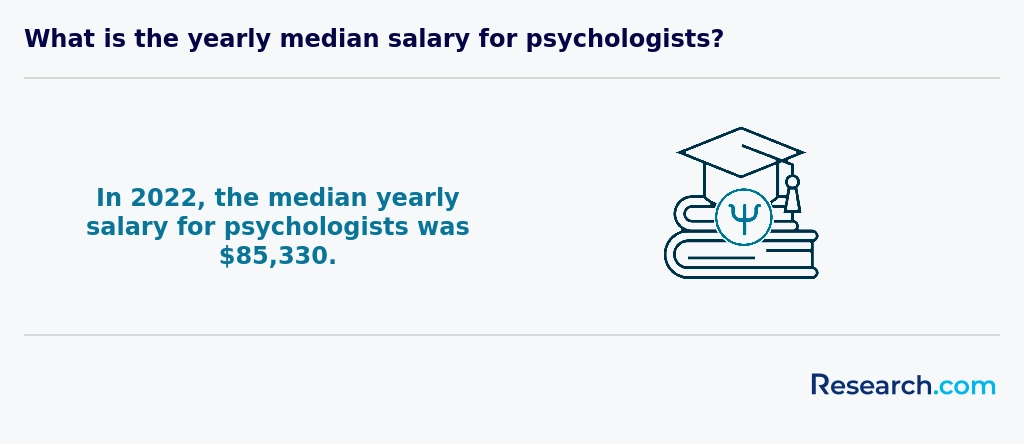
In Ohio, students pursuing an online psychology degree often find themselves diving into courses like General Psychology, which grounds them in the foundational theories and history of human behavior. Graduates from Ohio State University note how Research Methods in Psychology became pivotal, transforming abstract concepts into clear, applicable skills-imagine designing your own study and confidently interpreting real data.
Classes such as Biopsychology open fascinating doors by linking brain function to behavior, making the invisible workings of the mind feel tangible. At the University of Cincinnati, students appreciate how Developmental Psychology charts human growth from infancy through adulthood, inviting them to reflect on their personal experiences and relationships through an academic lens.
Other courses, like Social Psychology and Abnormal Psychology, challenge students to see beyond surface behaviors, cultivating empathy and a nuanced understanding of mental health. Many programs mandate Statistics or Data Analysis, sharpening analytical skills essential in today's data-driven world.
Ohio's online programs don't just teach theory-they invite students into vivid, relatable explorations of psychology that prepare them for real-life impact in counseling, research, or human services.
Online psychology degree specializations Ohio often challenge students to consider not just what interests them, but how those choices shape real-world impact. Graduates from Ohio State University and Cleveland State University regularly share how selecting Clinical Psychology opened doors to deeply rewarding roles in mental health counseling that felt both challenging and profoundly human. Others pursuing Industrial-Organizational Psychology discovered a surprising passion for transforming workplace culture, blending psychology with business strategies in ways textbooks barely capture.
Ohio psychology degree program concentrations also include Counseling Psychology, Developmental Psychology, and Forensic Psychology-each offering unique career trajectories. For example, students focusing on forensic applications find themselves intrigued by the interplay between legal systems and psychological expertise, often citing internships in criminal justice settings as pivotal to their personal growth.
With programs tailored to local workforce needs and a connection to licensure pathways, these specializations invite deeper reflection on what drives your ambition. For more details on advanced pathways, many explore options like psyd programs usa to extend their expertise beyond master's level.
Choosing the best online psychology degree in Ohio goes beyond just picking a school with a fancy name. Graduates from prominent Ohio colleges often reflect on how regional accreditation made their diploma credible with employers and licensing boards, especially accreditations from bodies like the Higher Learning Commission. This is foundational since Ohio's licensing pathways demand recognized credentials. Many students feel excitement discovering programs tailored to their passions-whether it's clinical or industrial-organizational psychology-because the right curriculum shapes their career trajectory.
Cost and flexibility weigh heavily in their choices, with public universities often providing affordable, competitive tuition around $10,000 annually. For those balancing work and study, asynchronous courses from Ohio institutions bring welcome relief, allowing them to learn without compromising life demands. When seeking the best affordable online psychology degrees Ohio offers, consider real feedback from peers who valued how well the programs aligned with their goals.
Some students uncover additional savings while exploring specialized programs in Texas, inspired by rankings like the Inexpensive Psychology Degree Programs Ranking in Texas. This broader view helps frame expectations about quality and cost. By focusing on accredited online psychology programs Ohio institutions provide, prospective learners build a pathway that is both credible and personally fulfilling.
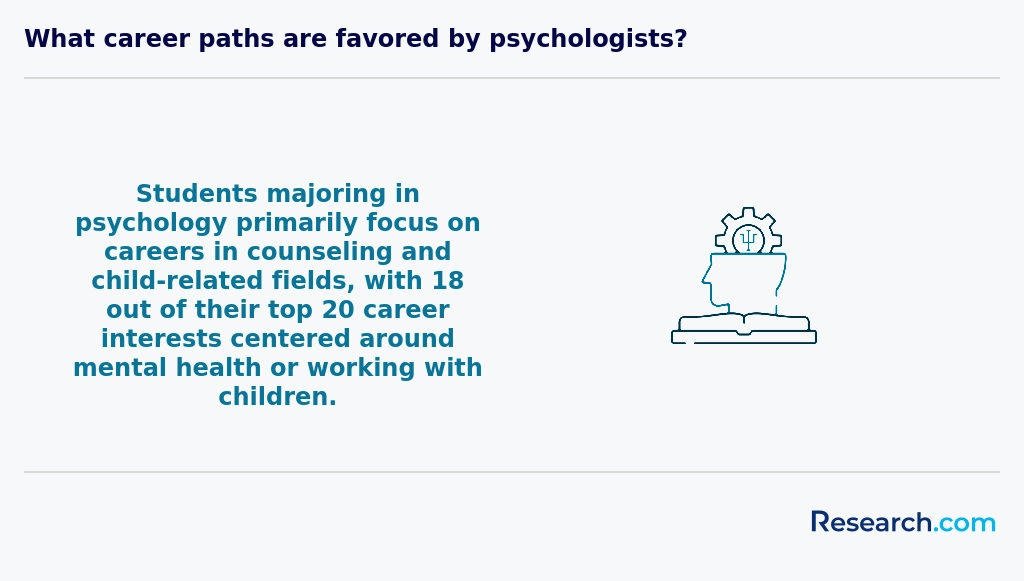
Graduates from online psychology programs in Ohio often find themselves stepping into diverse roles that defy simple categorization. Many begin as behavioral health technicians or case managers, gaining critical hands-on experience before pursuing advanced credentials. Popular universities like Ohio State University and the University of Cincinnati have grads who thrive in community support and psychiatric aide positions, blending academic theory with real-world impact. These early roles cultivate empathy and resilience, essential for navigating the complexities of mental health work.
Ohio's licensing framework ensures that students who advance to master's or doctoral levels can pursue careers such as clinical psychologists or marriage and family therapists, blending science with deeply human connections. The practical focus of Ohio's programs embeds supervised clinical hours that graduates recall as transformative, often shaping their professional identities. The spectrum of careers for online psychology degree careers Ohio holders is vast and rewarding, anchored firmly in a landscape where pay and purpose align. Exploring a fast associate degree can also serve as a strategic step toward these paths.
The online psychology degree job outlook Ohio presents is notably strong, bolstered by the state's fast-growing healthcare and social assistance sectors. Graduates from respected institutions like Ohio State University and University of Cincinnati often share how community clinics and school districts actively seek professionals trained in mental health, creating real opportunities beyond theory. These graduates highlight rewarding positions in urban hubs like Columbus, where demand for licensed psychologists and counselors is brisk, reflecting broader state investment in mental wellness.
For many psychology graduate career opportunities Ohio offers, the path to success lies in licensure and specialization, which significantly elevate earning potential beyond the average $79,000 annual wage statewide. Stories from recent graduates show how remote roles in telehealth services, expanding rapidly in Ohio, enable flexibility and access to underserved rural areas. Such scenarios reveal how students balance cost-effective education-which is feasible given Ohio's moderate tuition-with promising career returns, especially when supplemented by certifications you can get online that pay well.
2027 Easiest Online Psychology Degree Programs Ranking in Ohio
Investing in your education is a significant decision that can profoundly impact your career and personal growth. The Research.com team recognizes the importance of making well-informed choices and has dedicated extensive effort to ensure the quality, credibility, and accuracy of the "2027 Easiest Online Psychology Degree Programs Ranking in Ohio." We have carefully analyzed multiple trusted sources to create a reliable guide for prospective students.
We utilized the following reputable data sources to ensure a comprehensive evaluation of online psychology degree programs in Ohio:
By exploring this ranking, readers will gain valuable insights into accessible and reputable psychology programs, helping them choose the best path for their educational goals. For a detailed explanation of how this ranking was developed, please visit our Research.com methodology page.



Frequently Asked Questions About psychology
Online psychology degree students in Ohio can maximize their learning by actively engaging with course materials and participating in virtual discussions. Building a consistent study schedule helps manage coursework efficiently, especially when balancing work or family commitments. Ohio hosts several accredited online programs, including those approved by the American Psychological Association (APA), which ensures rigorous academic standards.
Students should also seek out opportunities for hands-on experience, such as internships or practicum placements, often facilitated through university partnerships with local organizations. The Ohio Board of Psychology provides resources for licensure requirements, guiding students towards professional pathways after graduation.
Utilizing university support services like tutoring and career counseling can significantly enhance academic success. According to the National Center for Education Statistics, online enrollment in Ohio has increased steadily, highlighting the importance of self-discipline and proactive communication with instructors to excel in digital learning environments.
The field of psychology is evolving rapidly, with several emerging niches gaining prominence. In Ohio, increasing attention is being paid to health psychology, which focuses on how behavior impacts physical health. This niche is particularly relevant given Ohio's aging population and chronic disease rates, as reported by the Ohio Department of Health.
Another growing area is neuropsychology, where specialists study brain-behavior relationships. Advances in brain imaging technologies have accelerated demand for experts in this field.
Additionally, digital mental health is expanding, with telepsychology services improving access for rural Ohio communities. The Ohio Psychological Association highlights this as a key growth area.
These niches reflect broader national trends and offer promising career paths for online psychology students in Ohio.
After completing an online psychology degree in Ohio, preparing for the job market involves several key steps. First, obtaining relevant licensure is essential. For example, to become a licensed psychologist in Ohio, graduates must pass the Examination for Professional Practice in Psychology (EPPP) and fulfill supervised experience requirements outlined by the Ohio Board of Psychology.
Building practical experience through internships or volunteer roles during study can significantly enhance employability. Ohio offers various mental health agencies and clinics where students can gain supervised hours.
Networking with local professional organizations, such as the Ohio Psychological Association, provides valuable job leads and mentorship opportunities.
Finally, familiarizing yourself with Ohio's employment trends in psychology is helpful; the Bureau of Labor Statistics reports a steady 6% growth for psychologists statewide through 2031.
Employers in Ohio seek psychology graduates with strong critical thinking and analytical skills. These abilities are crucial for interpreting research data and applying psychological theories in practical settings. According to the Ohio Psychological Association, communication skills, both written and verbal, rank highly because professionals must explain complex ideas clearly to diverse audiences.
Additionally, proficiency in research methods and statistical analysis is valued, given Ohio's emphasis on evidence-based practices in healthcare and social services. Familiarity with ethical standards and cultural competence also stands out, as Ohio's diverse population requires sensitivity to varied backgrounds.
Overall, graduates who demonstrate adaptability, problem-solving skills, and teamwork abilities tend to have better employment prospects in Ohio's psychology-related fields.
Finding psychology internships in Ohio involves several practical steps aligned with state regulations and university guidelines. Start by consulting your online program's career services, as many Ohio schools partner with local clinics, hospitals, and mental health agencies for internships.
The Ohio Psychological Association and Ohio Department of Mental Health & Addiction Services offer directories of approved internship sites that conform to licensure requirements. These resources ensure students gain supervised clinical experience essential for licensure.
Networking through professional groups like the Ohio Counseling Association also increases access to internship openings.
Given the demand for psychological services, Ohio's Bureau of Labor Statistics reported a 10% growth in psychology-related roles through 2030, highlighting ample practical opportunities.
Obtaining an online psychology degree in Ohio enhances career mobility by providing accredited credentials recognized by local employers. Many Ohio organizations, including hospitals and social service agencies, prefer candidates with a bachelor's or master's in psychology for roles related to counseling and behavioral health. According to the U.S. Bureau of Labor Statistics (2023), Ohio's employment in psychology-related fields is projected to grow 8% through 2032, faster than the average for all jobs.
Online degrees allow working professionals to advance their qualifications without relocating or quitting their jobs. This flexibility supports career progression into supervisory or specialized roles. Licensed psychologists in Ohio often require graduate degrees and supervised experience, so an online program fulfilling these requirements is a practical step toward state licensure. The Ohio Psychological Association highlights that a recognized degree significantly improves access to advanced clinical positions and higher salaries within the state.
Studying for a psychology degree in Ohio offers students training that supports interdisciplinary roles, which are increasingly important in healthcare, education, and social services. Ohio's universities often incorporate coursework from allied fields such as neuroscience, sociology, and business to promote a broad understanding of human behavior in different contexts.
Many online programs align with Ohio Board of Regents guidelines, ensuring graduates gain skills in research methods, data analysis, and ethical practice. These competencies prepare students for collaboration across professions including medicine, counseling, and public policy. According to the Ohio Department of Higher Education, psychology remains a high-demand major, with over 2,500 degrees awarded statewide annually, reflecting job market relevance.
In addition, Ohio's psychology curriculum often highlights applied learning and community engagement projects. This practical experience helps students develop communication and problem-solving skills essential for interdisciplinary teamwork in diverse professional environments.
When choosing between a thesis and a non-thesis psychology degree program in Ohio, consider your career goals. Thesis programs typically involve original research and are ideal for students aiming for doctoral studies or research roles. Non-thesis programs focus more on coursework and practical application, suited for those seeking professional practice or immediate workforce entry.
The Ohio Board of Regents highlights that about 60% of psychology graduates pursue non-thesis options due to flexibility and shorter completion times. Additionally, thesis programs often require more credits and time, usually two years or more.
Research the specific curriculum and faculty expertise at Ohio universities to match your interests and resources.
Students based in Ohio interested in studying psychology abroad through online programs have several pathways. Many Ohio universities participate in international exchange agreements, allowing students to take courses with foreign institutions while remaining enrolled locally. This hybrid model helps avoid issues with licensure and accreditation specific to U.S. psychology degrees.
Additionally, some internationally accredited online programs accept U.S. students, but Ohio students should verify state licensure requirements carefully. The Ohio Psychological Association stresses the importance of completing degrees from programs accredited by the American Psychological Association (APA) or recognized bodies.
Currently, no fully online psychology programs based outside the U.S. are approved by the APA, which is crucial for clinical licensure in Ohio.
Part-time job opportunities in Ohio that complement online psychology degree education often include roles in social services, mental health support, and research assistance. Students may work as behavioral health technicians, supporting patients under supervision while gaining practical experience. Ohio's expanding mental health sector offers positions in community mental health agencies, which align well with psychology coursework.
Research assistant roles at Ohio universities or health organizations also provide valuable experience with psychological research methods. According to the Ohio Department of Job and Family Services, these positions help develop critical skills useful in psychology careers.
Additional options include tutoring psychology subjects or assisting in school counseling offices, both enhancing educational and interpersonal abilities relevant to psychology professions.
Online psychology students in Ohio have several valuable networking opportunities. Many Ohio universities offering online psychology degrees provide virtual career fairs and alumni networking events. These platforms allow students to connect with professionals and peers statewide.
The Ohio Psychological Association (OPA) is a key resource, hosting conferences and workshops open to students. Participation helps build professional contacts within Ohio's psychology community.
Additionally, students often engage in internships or practicum placements required for licensure, which create direct links to local clinics and mental health services.
These combined options support strong networking that benefits career growth in Ohio's psychology field.
Alumni networks provide valuable support for online psychology degree students in Ohio by connecting them with professionals and peers across the state. These networks offer opportunities for mentorship, career advice, and access to job openings specifically in Ohio's psychology field. According to the Ohio Psychological Association, networking plays a key role in professional growth within the state's mental health community.
Students can leverage alumni connections to find internships and practicum placements at Ohio-based clinics and research institutions. This direct link to local employers helps graduates transition smoothly into licensure and employment.
Additionally, alumni events and online forums foster collaboration and continuous learning, helping students stay updated on Ohio's licensing requirements and industry trends.
In Ohio, many online psychology degree programs offer several ways to tailor your studies to match career goals. Students can often select specialized electives such as clinical, counseling, or organizational psychology. This flexibility allows focusing on areas in demand within the state's job market. For example, Ohio's Bureau of Labor Statistics highlights steady growth in mental health services, making clinical psychology concentrations valuable.
Additionally, some programs provide internship options or partnerships with local organizations, enabling practical experience that aligns with specific careers. Customizable capstone projects or research opportunities help students build expertise in targeted topics. Always check accreditation and state licensure requirements to ensure your chosen path supports professional goals in Ohio.
Online psychology students in Ohio often face several key challenges. One common difficulty is balancing coursework with personal and professional responsibilities, as many students are working adults. According to the National Center for Education Statistics, non-traditional students make up a significant portion of online learners nationwide, which reflects Ohio's student base as well.
Another challenge involves gaining practical experience. Psychology degrees require internships or practicum hours, which can be harder to arrange remotely. Students must seek local placements that meet accreditation standards from the Ohio Psychological Association.
Technical issues and feelings of isolation also affect persistence and completion rates. Reliable internet access is essential, yet disparities remain in rural Ohio areas.
With an online psychology degree in Ohio, graduates can pursue several professional certifications to enhance their career opportunities. The most common certification is becoming a Licensed Professional Counselor (LPC), which requires a master's degree, supervised clinical experience, and passing the Ohio Counselor, Social Worker, and Marriage and Family Therapist Board exam.
Other certifications include Certified Alcohol and Drug Counselor (CADC), which focuses on substance abuse treatment and requires specific coursework and supervised hours. Additionally, graduates may seek Board Certified Behavior Analyst (BCBA) certification if they work with behavioral interventions.
These certifications often require ongoing education and adherence to Ohio state regulations, helping professionals meet the demand for licensed mental health practitioners in the state.
When applying to an online psychology program in Ohio, start by researching accredited schools recognized by the Higher Learning Commission or the Ohio Department of Higher Education. Admissions committees value applicants who demonstrate a clear commitment to psychology, so tailor your personal statement to explain your motivations, career goals, and interest in the field. Highlight any relevant volunteer or work experience, especially within Ohio's mental health services sector, which has grown by 10% since 2020 according to the Ohio Department of Job and Family Services.
Provide strong academic records with a focus on coursework in social sciences and statistics, as programs often require a minimum GPA of 3.0. Obtaining letters of recommendation from professors or supervisors familiar with your academic abilities can also strengthen your application. Finally, carefully follow each program's application instructions and submit materials before deadlines, as timely submission reflects professionalism and dedication.
The field of psychology holds a strong global presence, with demand for qualified professionals continuing to grow. In the United States, including Ohio, careers in psychology are expanding as mental health awareness increases. According to the U.S. Bureau of Labor Statistics, employment of psychologists is projected to grow 11% from 2022 to 2032, faster than the average for all occupations.
Ohio offers various accredited online psychology degree programs that meet national standards, preparing students for licensure and employment. Globally, psychology integrates diverse cultural perspectives, encouraging practitioners to understand mental health within multiple social contexts. This global approach is vital for practitioners working in multicultural environments or with international populations.
The importance of evidence-based practice and research drives much of the psychology profession worldwide. In Ohio, universities often emphasize research skills in their curricula, aligning with global trends toward scientific rigor in psychological practice and policy development.
Students pursuing an online psychology degree in Ohio can gain practical experience through various opportunities. Many Ohio institutions partner with local clinics, hospitals, and community organizations to offer supervised internships or practicums, even for online learners. These placements allow students to apply theories in real-world settings while fulfilling degree requirements.
The Ohio Psychological Association highlights that students typically complete around 100 to 300 hours of practical work during their programs. Additionally, virtual simulation labs and case study projects are increasingly used to enhance practical skills remotely. Ohio's licensure requirements also encourage hands-on experience, which is essential for careers in counseling or clinical psychology.
Choosing the right concentration within an online psychology degree program in Ohio begins with understanding your career goals and interests. Psychology offers diverse fields such as clinical, counseling, industrial-organizational, and developmental psychology. Ohio's workforce data from the Bureau of Labor Statistics shows a steady growth in clinical and counseling psychology roles, reflecting local demand.
Look for concentrations that align with licensure requirements in Ohio if you plan to become a licensed psychologist or counselor. Accredited programs through regional bodies like the Higher Learning Commission ensure your coursework meets state standards.
Consider practical components; some concentrations require internships or practicums which might be arranged locally. Exploring state-specific licensing boards such as the Ohio Counselor, Social Worker, and Marriage and Family Therapist Board can guide your choice.
- 2027 Easiest Online Psychology Degree Programs Ranking in Indiana
- 2027 Easiest Online Psychology Degree Programs Ranking in Kentucky
- 2027 Easiest Online Psychology Degree Programs Ranking in West Virginia
- 2027 Easiest Online Psychology Degree Programs Ranking in Pennsylvania
- 2027 Easiest Online Psychology Degree Programs Ranking in Michigan
- 2027 Easiest Online Psychology Degree Programs Ranking in Illinois
- 2027 Easiest Online Psychology Degree Programs Ranking in Virginia
- 2027 Easiest Online Psychology Degree Programs Ranking in Tennessee
- 2027 Easiest Online Psychology Degree Programs Ranking in Missouri
- 2027 Easiest Online Psychology Degree Programs Ranking in Maryland
See What Experts Have To Say About Studying Psychology
Read our interview with Psychology experts

Elizabeth L. Jeglic Ph.D.
Psychology Expert
Professor of Psychology
City University of New York

Catherine Caldwell-Harris, Ph.D.
Psychology Expert
Associate Professor of Psychology
Boston University

Robin M. Kowalski. Ph.D.
Psychology Expert
Professor of Psychology
Clemson University

- Sample letters in psychology https://www.mystudies.com/en-in/human-and-social-sciences/psychology/letter-model/
- A Guide to Psychology Internships | Psychology Degree Guide https://psychologydegreeguide.org/resources/internships/
- Financial Aid for Psychology Students https://www.onlinepsychologydegrees.com/financial-aid/
- Community Psychology in Global Perspective http://siba-ese.unisalento.it/index.php/cpgp
- Society for the Teaching of Psychology https://teachpsych.org/page-1784686/8675326
- Study Psychology Abroad https://astarfuture.co.uk/study_psychology_abroad.html
- Why Get a Psychology Degree Online? | University of Bridgeport https://www.bridgeport.edu/news/reasons-to-get-your-psychology-degree-online/
- Online Psychology Degree Salary by Career Path: What the Data Actually Shows in 2026 https://www.collegetransitions.com/blog/online-psychology-degree-salary-by-career-path/
- Have You Found a Niche? https://www.apaservices.org/practice/business/marketing/building/niche
- What Certifications Can I Get With A Bachelor's In Psychology? https://www.psychology.org/resources/certification-skills-for-psychology-major-resumes/