2027 Best Psychology Degree Programs Ranking in Kent

Co-Founder and Chief Data Scientist
Choosing the right psychology degree program is a crucial step for students in Kent who want to build a rewarding career in understanding human behavior.
This article presents the 2027 Best Psychology Degree Programs Ranking in Kent, developed by the Research.com team of data scientists to help you discover which programs offer the best opportunities and value.
By exploring this guide, you'll gain insight into top programs that balance quality education with future career prospects, empowering you to make an informed decision.
Embarking on a psychology degree can open doors to meaningful work that makes a difference.
Key benefits of getting psychology degree in Kent
- Psychology degree graduates in Kent can expect rewarding salary opportunities, with roles like Marketing Research Analyst earning around $83,190 annually and Clinical Research Associates making about $62,370 per year, offering strong financial stability.
- Graduates often explore diverse career paths including human resources, marketing research, and clinical research, reflecting the flexible skills gained through psychology studies at universities in Kent.
- Completing a psychology degree online provides great flexibility, allowing students to balance work and study while accessing quality education from Kent's reputable institutions, leading to career-ready skills and confidence.
- 2027 Best Psychology Degree Programs Ranking in Kent
- What can I expect from psychology degree in Kent?
- Where can I work with psychology degree in Kent?
What can I expect from psychology degree in Kent?
If you're eyeing a psychology degree in Kent, expect the annual tuition for international students to run between £17,000 and £22,000. That's roughly what many students at the University of Kent and other local colleges pay each year. One grad shared how balancing that cost felt manageable thanks to some scholarships and part-time work, making the experience feel less stressful and more rewarding.
Beyond tuition, living expenses hover around £12,000 yearly. Picture renting a cozy flat or sharing with friends, grabbing coffee at campus cafes, and enjoying lectures with a close-knit group of peers. Many students say this budget covers essentials without sacrificing the fun side of uni life.
So, when you add tuition and living costs, a full psychology degree in Kent usually totals around £87,000 to £102,000 for the three years. But with BPS accreditation and excellent student support, many feel it's money well spent for a solid start in psychology.
Where can I work with psychology degree in Kent?
If you're studying psychology in Kent, you'll find loads of options for work once you graduate. Many grads from popular universities like the University of Kent or Canterbury Christ Church University land roles in healthcare, helping out in mental health clinics or community centers. Imagine supporting folks struggling with anxiety as a behavioral therapist-that's pretty rewarding and in demand here, especially with mental health services growing 8% recently.
Others jump into education, maybe as assistants in schools doing developmental assessments or helping students adjust to new learning styles. It's a great way to put your psychology knowledge into practice and make a real difference in young lives.
Some grads find social services super fulfilling, working with child welfare or substance abuse programs. Kent's community really needs passionate people in these roles, with a 12% rise in demand over the last few years.
And if you're more into the business side, plenty of local companies use psychology grads for talent scouting, HR, or marketing-sometimes even running employee wellbeing programs. So, whether you like hospitals, schools, social care, or offices, psychology opens doors all over Kent!
If you're studying psychology in Kent, you might be wondering, "How much can I expect to make after graduation?" Well, graduates working as Human Resources Specialists can expect to earn around $76,060 a year, which is pretty solid for starting out. Some grads who take on roles like Marketing Research Analysts often see salaries closer to $83,190 annually, giving a nice boost if you enjoy digging into data and trends.
Other common jobs, like Clinical Research Associates or Survey Researchers, typically pull in about $62,370 per year. It's interesting to hear from Kent graduates who studied at places like the University of Kent or Canterbury Christ Church University-they mention how real-world internships in local healthcare or education settings help bridge the gap between learning and earning.
Starting salaries here might hover around $50,000 to $60,000, but with some experience and certifications, it's absolutely possible to climb into those $80,000+ ranges. Many grads love the variety psychology offers-whether it's research roles or HR positions, there's a lot of opportunity to find your niche and grow your paycheck too!
- The cost for a psychology degree connected to Kent institutions ranges from $15,000 to $25,000 per year, depending on the program format.
- Kent universities offer psychology programs focusing on experimental, clinical, and developmental psychology, similar to US undergraduate curricula.
- Average starting salaries for psychology graduates from Kent-related programs are around $40,000, increasing to $65,000-$75,000 within 5 to 10 years.
- The job market in Kent offers fewer psychology roles compared to major US cities, but international connections and remote work are common options.
- Programs follow British academic calendars and grading systems, which may affect credit transfer and recognition in the US.
If you're thinking about studying psychology in Kent, you're probably wondering how long it'll take to finish your degree. Most students at popular spots like the University of Kent find that a bachelor's degree takes around four years if you're studying full-time. It's pretty much the standard pace, giving you enough time to really dive into all the fascinating topics without feeling rushed.
Some folks choose to take it slower, maybe studying part-time while working, and that can stretch the degree out by an extra year or two. On the flip side, a few grads mention accelerated options that let you finish in about three years, though those are pretty rare around here.
Then there are associate degrees at community colleges nearby, like Canterbury College, which usually take about two years and are a great option if you're after a quicker route or a stepping stone to a bachelor's.
For those aiming even higher, master's programs add about two more years, which many find manageable thanks to evening or weekend classes designed for busy students juggling work and life.
And if you're eyeing a doctorate-for example, to become a licensed clinical psychologist-that's a bigger commitment, around 5 to 7 years after your bachelor's, but graduates say it's well worth it for the career opportunities it opens up in Kent and beyond.
When considering a psychology degree in Kent, OH, one of the most significant factors is the cost. While the average tuition for psychology programs can be substantial, there are numerous affordable options available for students. For those looking for the cheapest psychology schools in Ohio, it's essential to research and compare prices. Many institutions in Kent, OH, offer competitive pricing without compromising on the quality of education. Additionally, students can explore financial aid options, scholarships, and grants to further reduce their expenses. By understanding the various affordable options and planning carefully, students can pursue their psychology degree without breaking the bank, setting themselves up for success in this rewarding and in-demand field.
Choosing between online and on-campus psychology degrees in Kent often comes down to how you want to learn and live your student life. Imagine a psychology student at the University of Kent who loves the buzz of campus life-joining club meetings, chatting face-to-face with professors, and diving into hands-on lab work. That close contact helps build connections and gives practical skills critical for clinical placements.
On the other hand, graduates from online programs appreciate the freedom to study whenever and wherever they want, which is great if you're juggling work or family. They tune into lectures from home and participate in discussion boards, often making their own schedule within set deadlines. For example, someone studying remotely might fit in coursework after putting the kids to bed, which is a big win.
Costs can be friendlier online, too, since commuting and campus fees drop out of the picture. But if you want that real-world vibe, on-campus spots in Kent offer labs and internships that truly bring psychology to life.
Graduates who wish to offer therapy or counseling services must complete additional credentials:
- Graduate degree: Earn a master’s (for counselors or MFTs) or doctorate (for licensed psychologists) from an accredited program.
- Supervised experience: Complete 2,000–3,000 hours under a licensed professional, depending on the credential sought.
- Examination: Pass the Ohio Counselor, Social Worker, and Marriage and Family Therapist Board exam or the Examination for Professional Practice in Psychology (EPPP).
- Continuing education: Fulfill 30 hours of approved courses every two years to renew licensure.
Aspiring marriage and family therapists can fast-track through accelerated marriage and family therapy programs to meet academic requirements more quickly.
If you're looking into the average cost of a psychology degree in Kent, you can expect the total price to hover around $35,692. That's roughly what many psychology students pay when studying at popular universities or colleges in Kent. For instance, graduates often talk about balancing their tuition with living expenses and still finding the experience rewarding and worth the investment. These schools have great programs that attract students wanting to dive deep into the mind, and the tuition reflects the quality of education and resources they offer.
Now, something many students don't always think about upfront is the difference between in-state and out-of-state tuition. For Kent-area students, in-state tuition tends to come in much lower, about $13,232 total, which definitely helps ease the financial load. That's a big plus if you qualify, but plenty of out-of-state students value the experience just as much, even if the cost is a bit higher.
Beyond tuition, you'll want to budget for books, materials, and other fees that often add around $1,000 to $2,000 yearly. A lot of students find these costs manageable when they plan well. Living in Kent while studying psychology usually means factoring in accommodation and daily expenses, but many who've been through it highlight the vibrant campus communities and support networks that make those costs feel meaningful.
Also, if you're curious about how long your journey might take, check out how long is a master's in psychology to get a better idea of what to expect from your timeline. Overall, understanding the psychology degree tuition and fees Kent 2027 students face will help you plan better and focus more on enjoying your academic adventure.

Students not only pursue academic excellence in Kent, OH but also benefit from a vibrant campus life that enhances their learning experience. Many psychology programs in the area foster a close-knit community where extracurricular activities, research clubs, and volunteer organizations play a crucial role in personal growth and professional networking. These environments allow students to form meaningful relationships with peers and faculty, collaborate on community projects, and engage in events that complement rigorous academic studies. For those interested in expanding their educational opportunities while balancing work and personal commitments, pursuing a masters in clinical psych online option can provide additional flexibility and community support through virtual student groups and networking platforms. This well-rounded approach not only prepares graduates for successful careers but also builds a foundation of social skills and community engagement essential for thriving in today’s dynamic professional landscape.
If you're studying psychology in Kent, you've got a few solid options to help with finances, especially if you're eyeing a US-style degree or programs linked with American colleges. Lots of students at places like the University of Kent or Canterbury Christ Church University have found federal grants like the Pell Grant super helpful because it's free money - no need to pay it back! Then there's the option of student loans, which sound scary but actually come with low-interest rates and flexible plans that many grads have found easy to manage once they landed jobs.
State aid can also be a game-changer if you're registered in a US state, offering grants or scholarships that reduce costs a lot. Here, some students shared how university scholarships or assistantships made a huge difference, especially in psychology research roles where they worked alongside professors. Plus, there are private scholarships out there aimed at psychology students, often based on your achievements or career goals, which really helped some folks tackle costs without stress.
And don't forget work-study options - a lot of students took on part-time gigs connected to psychology, earning while gaining experience. It's pretty empowering when you earn money and build your resume at the same time!
A cornerstone of psychology programs in Kent, OH, is the hands-on learning gained through internships and practicums. These field experiences not only enhance theoretical knowledge but also cultivate essential skills-such as client assessment, intervention planning, and ethical decision-making-that employers highly value. Most bachelor’s programs require between 200 and 300 practicum hours, while master’s students often complete 600+ hours under licensed supervisors. Key placement sites include:
- Campus Counseling Center at Kent State University, where students assist with intake interviews and group workshops.
- Local public schools, offering roles in behavioral observation and classroom support under certified school psychologists.
- Community mental health agencies like Family & Community Services, providing opportunities to work on outreach and resource coordination.
- Hospital and clinical settings such as St. Thomas Hospital’s behavioral health unit, where students participate in multidisciplinary treatment teams. Supervision is provided by doctoral-level faculty and licensed practitioners, ensuring adherence to APA guidelines and state licensure requirements. Interns receive regular feedback through site visits and reflective seminars, fostering professional growth. For students aiming to specialize-such as aspiring to become a child psychologist-these opportunities lay the groundwork for licensure and long-term career success.
If you're thinking about diving into a psychology degree in Kent, most programs expect you to have finished high school or something similar. Graduates from popular spots like the University of Kent often mention that having good grades in subjects like biology, social sciences, or maths really helped them hit the ground running. It's because psychology isn't just about people-it's about understanding the science behind behavior.
Some students share how volunteering in local mental health centers or joining psychology clubs made their applications stand out. Schools around Kent like Canterbury Christ Church University value these kinds of real-life experiences-it shows you're genuinely into the field.
For US students, sometimes you'll need to submit SAT or ACT scores, but Kent universities often focus more on your overall academic record and personal statement, which can be a relief. Recent grads say writing about what drew them to psychology made their application feel personal and authentic, and admissions really notice that.
Psychology programs in Kent, OH prioritize hands-on training through structured internships and practicum placements, ensuring students graduate with real-world experience. Local partnerships with counseling centers, school districts, and research labs enable undergraduates to complete 100–200 hours of supervised fieldwork in areas like child therapy, behavioral assessment, and community outreach. At Kent State University, for example, students have interned at the University Counseling and Psychological Services, gaining direct exposure to client intake, case management, and group therapy facilitation under licensed professionals. Similarly, the University of Akron’s Kent campus collaborates with local hospitals to offer practicum in neuropsychological assessment, where students learn standardized testing and report writing. These opportunities are supported by dedicated faculty advisors who help match each student’s interests-whether in clinical, school, or industrial-organizational settings-and guide reflective seminars that reinforce ethical standards and evidence-based practices. Many alumni credit their seamless transition into roles such as behavioral health technicians and human resources coordinators to these immersive placements. For those balancing cost concerns with in-depth training, exploring our Low Cost Psychology Degree Programs Ranking in Arkansas can reveal affordable internship-rich pathways and further inform your decision.
When you jump into a psychology degree in Kent, expect a mix of courses that really bring the subject to life. Many graduates from popular spots like the University of Kent or Canterbury Christ Church say they loved starting out with the basics-think intro to psychological science, where you get the history and key principles down.
From there, it gets more specific and exciting. You'll dive into areas like Biological Psychology, which helps you understand how brain activity influences behavior-a bit like figuring out why you react a certain way in stressful moments. Then there's Cognitive Psychology, which breaks down how your mind handles stuff like memory and making decisions, something every student finds super relatable during exam season!
Developmental and Social Psychology are also common courses, exploring how people grow and interact in real life-stuff you've probably noticed playing out among your own friends or family.
Plus, preparing for research is a big deal. Graduates often highlight how hands-on labs and stats classes aren't just dry theory-they gave them skills to actually design studies and analyze data, useful for internships or work later on in Kent or beyond.
Clinical and Abnormal Psychology rounds things out by teaching how mental health professionals understand and treat different issues, which many found eye-opening and inspiring throughout their degree journey.
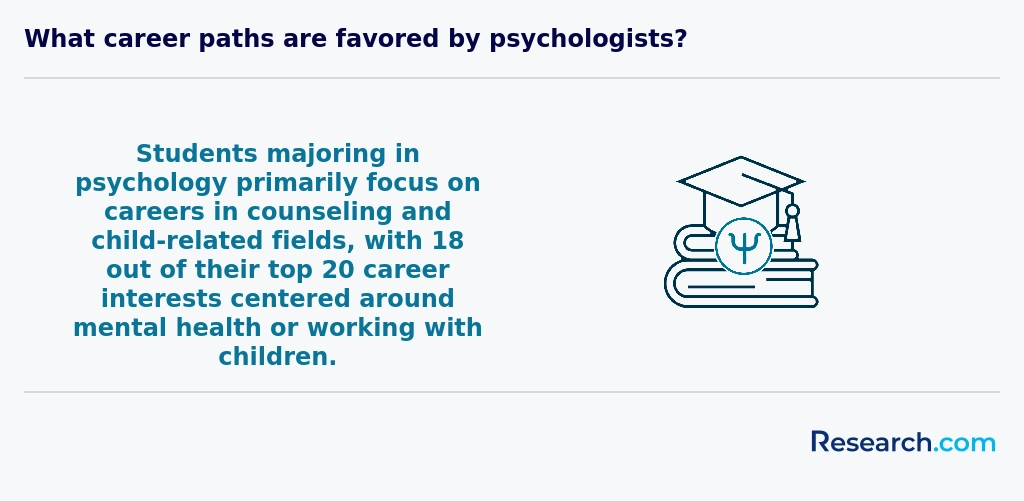
If you're looking into a psychology degree specializations Kent has some great options to consider. Many students find themselves drawn to clinical psychology, which is all about helping people deal with mental health challenges-something graduates often say feels really rewarding when they see clients improve. Then there's counseling psychology, which focuses more on wellness and everyday life struggles, perfect if you like a hands-on approach in therapeutic settings.
Developmental psychology is another favorite, dealing with people's growth from babyhood to old age. Students at popular colleges in Kent often mention how cool it is to study real-life development stages and apply that knowledge in education or working with kids and seniors. For something a bit different, forensic psychology gets you involved in the legal world, blending psychology with criminal justice, which some grads describe as exciting and intellectually stimulating.
Plus, many programs around Kent also offer specializations in social psychology or health psychology. Social psychology dives into how people interact in groups, while health psychology explores the mind-body connection, a field getting more attention as mental wellness gains importance. If you're curious about affordable psychology programs Virginia also has options worth checking out, which can give you broader perspectives on the field.
Picking the best psychology degree programs in Kent can feel overwhelming, but focusing on a few key things makes it easier. It's smart to check out universities like the University of Kent, where grads often mention how much they loved the mix of theory and real-world experience. They say getting involved in research projects or local psychology clinics really boosted their confidence and CVs. Another big plus is accreditation-make sure the degree is recognized by the British Psychological Society to keep your options open for future studies or work.
Since you're a US student, affordability probably matters a lot. Affordable psychology colleges Kent-wise usually have tuition fees around £15,000 to £25,000 a year, similar to many private US schools, plus you'll want to budget for living costs. Talking to current students online or attending virtual open days can give you the real vibe of the campus. Also, don't forget to explore practical paths like internships; grads often say these experiences made all the difference after finishing.
For planning your career steps after your degree, look into related opportunities like LPC online programs if you're thinking about counseling. That way, you'll have a clear post-grad plan that fits both US and UK standards.

If you're studying psychology in Kent, you've got some pretty exciting options ahead. Graduates from places like the University of Kent and Canterbury Christ Church often move into clinical psychology after further study, helping people through therapy and assessments. It's a rewarding path but does mean a few more years of schooling and licensing.
Others find their niche in counseling or social work, supporting individuals through tough times. These roles often require some extra certification, but many Kent grads say it's totally worth it for the chance to make a real difference. Plenty also explore psychology job opportunities Kent in areas like human resources or market research, where they use their understanding of human behavior to improve workplaces and marketing strategies.
There are also folks who dive into academia or research at local universities, studying cognition and behavior. And if you're curious about expanding your options, check out some of the mental health careers with a master's in psychology that graduates are finding rewarding in the area.

If you're eyeing a psychology degree in Kent, you'll find the job market pretty encouraging. Graduates from local universities often land roles as clinical or counseling psychologists, school counselors, or even industrial-organizational experts, especially since Kent's growing tech and business sectors keep things buzzing. Many grads say that combining their degree with internships at hospitals or community centers around Kent gave them a huge leg up-real-world experience employers really want.
The employment outlook for psychology graduates in Kent is bright, with average salaries hovering around $80,000, slightly above the national average. Entry-level jobs in social services might start lower, but they're great stepping stones. Plus, mental health awareness is rising, so demand for pros is steady.
For those worried about tuition costs, Kent offers good access to affordable programs, and you can check out the cheapest psychology schools in Ohio to keep expenses manageable while setting yourself up for success.
2027 Best Psychology Degree Programs Ranking in Kent
Investing in your education is a significant decision that can shape your future, and the Research.com team understands the importance of making informed choices. To assist prospective students in Kent, we have meticulously developed the "2027 Best Psychology Degree Programs Ranking in Kent." Our dedication to quality, credibility, and accuracy is demonstrated through thorough research and careful analysis in compiling this ranking.
We utilized the following reputable data sources to ensure a comprehensive evaluation of psychology degree programs:
By exploring this ranking, readers will gain valuable insights into the best psychology degree programs available in Kent, enabling them to make informed decisions about their educational journey. For more details on our methodology, please visit our Research.com methodology page.

Frequently Asked Questions About psychology
Psychology degree students in Kent can maximize their learning experience by engaging actively in both academic and practical opportunities. Participation in research projects is vital; Kent offers access to several labs where students can assist with ongoing studies, enhancing critical thinking and research skills. According to the British Psychological Society, practical experience improves graduate employability by 25%.
Joining student psychology societies or local volunteer groups allows learners to apply theoretical knowledge and develop interpersonal skills. Networking with professionals during guest lectures and internships also broadens career perspectives. Finally, staying updated with current psychological research through reputable journals strengthens academic understanding and motivates effective study habits.
The field of psychology is evolving rapidly, with several emerging niches attracting increased attention. One growing area is neuropsychology, which studies the relationship between brain function and behavior, reflecting advances in brain imaging technologies. Another expanding niche is health psychology, focusing on how psychological factors influence physical health and illness management.
Environmental psychology is gaining momentum, exploring how environments impact mental well-being, which is especially relevant as climate concerns rise. Additionally, forensic psychology continues to grow due to its role in legal systems, such as assessments and criminal profiling.
These specializations offer promising career paths for psychology students in Kent and across the US.
After completing a psychology degree in Kent, preparing for the job market involves gaining practical experience and building relevant skills. Many graduates pursue internships or volunteer roles in healthcare, social services, or research institutions to enhance their resumes.
Networking is crucial; joining professional organizations such as the British Psychological Society can provide valuable connections and career resources. Additionally, Kent's proximity to London offers access to numerous job fairs and workshops focused on psychology careers.
According to the UK Office for National Statistics, psychology-related employment is projected to grow by 10% through 2030, highlighting the importance of specialized training and certifications to remain competitive.
Employers in Kent seeking psychology degree graduates prioritize a range of valuable skills. Strong analytical abilities rank highly, since graduates must interpret data and research findings accurately. Communication skills are also essential, enabling clear interaction with clients, colleagues, and multidisciplinary teams.
Critical thinking is another key skill, helping graduates to evaluate theories and apply psychological principles effectively in real-world situations. Employers often expect familiarity with statistical software and research methods, reflecting the increasing importance of evidence-based practice in psychology.
According to the Kent Employability Report (2023), over 70% of psychology-related job postings emphasize interpersonal skills and adaptability as crucial competencies.
Finding internships in Kent relevant to a psychology degree involves targeted research and networking. Begin by consulting your university's career services, as many institutions in Kent maintain partnerships with local healthcare providers and research centers offering psychology placements. For example, the Kent and Medway NHS Trust provides clinical psychology internships and volunteering opportunities that give practical experience.
Additionally, professional organizations such as the British Psychological Society list internships and placements in the region. Online job boards and platforms like NHS Jobs also advertise roles suited for psychology students. Early application is critical, as competition is strong with psychology internships filling quickly, often months in advance.
Volunteering at local mental health charities or community centers in Kent can also enhance your CV and lead to internship offers. Building relationships with faculty for referrals may increase your chances, since many internships require academic recommendations. According to recent data by the UK Office for Students, hands-on experience significantly improves graduate employability in psychological professions.
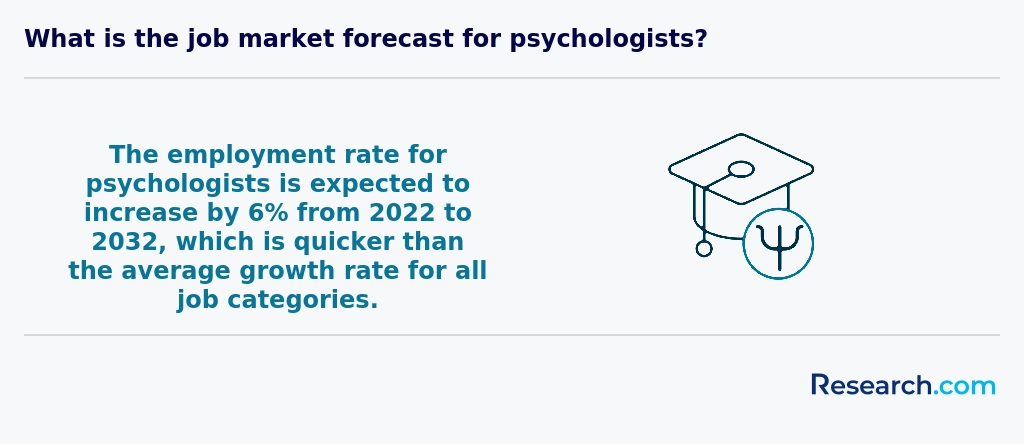
A psychology degree in Kent offers notable advantages for career mobility and advancement. Graduates often find opportunities in diverse fields such as healthcare, education, social services, and business. According to the U.S. Bureau of Labor Statistics, employment in psychology-related occupations is projected to grow 8% from 2021 to 2031, faster than average for all jobs. Kent's proximity to major metropolitan areas also provides access to a wider job market. Additionally, a degree in psychology equips individuals with critical skills in research, communication, and problem-solving, which are highly valued by employers across various industries. This versatility enhances prospects for promotions and career shifts.
Studying for a psychology degree in Kent equips students with skills that are crucial for interdisciplinary roles in various professional settings. The curriculum often integrates behavioral science with fields like healthcare, education, and social work, fostering a broad understanding of human behavior in different contexts. Kent's psychology programs emphasize research methods, critical thinking, and communication, which are valuable across multiple disciplines. According to the British Psychological Society, interdisciplinary collaboration is increasingly important in addressing complex social and health issues. For US-based students, studying in Kent provides exposure to a diverse educational environment that mirrors global trends in multidisciplinary teamwork.
When choosing between a thesis and a non-thesis psychology degree program in Kent, consider your career goals carefully. A thesis option typically involves conducting original research, which suits students aiming for research positions or further graduate study. Non-thesis programs focus more on coursework and practical skills, often preferred by those seeking immediate employment in clinical or counseling roles.
In Kent, several institutions offer both options, reflecting the US system's flexibility. According to the American Psychological Association, about 40% of psychology master's students nationwide choose thesis tracks to boost their research experience.
Consult with academic advisors about faculty expertise in your areas of interest. Also, weigh the time commitment-thesis programs may take longer due to the research component. Finally, consider funding availability, as some scholarships specifically support thesis research.
Students based in Kent who wish to study psychology abroad often explore programs in the United States due to the country's wide range of accredited institutions. US universities offer diverse psychology degrees, including Bachelor's, Master's, and Doctoral programs, with specializations in clinical, cognitive, and social psychology.
Many US universities participate in exchange programs with UK institutions, allowing Kent students to spend part of their studies in the US. According to the Institute of International Education, psychology is among the top fields for UK students studying in America.
Financial aid and scholarships are available, but students should budget for tuition, which can range from $10,000 to over $40,000 per year depending on the institution.
Students may also consider accredited online programs offered by US universities, which provide flexibility while maintaining rigorous academic standards.
Students pursuing psychology degrees in Kent can enhance their education through several part-time job opportunities that align with their academic interests. Working as research assistants in local universities or private firms can provide practical experience in data collection and analysis, key components in psychology careers. According to the University of Kent, psychology undergraduates often find such roles available on campus. Additionally, part-time roles in healthcare settings, such as mental health support workers or care assistants, offer real-world exposure to psychological principles and patient interaction.
Volunteering at community organizations and helplines in Kent also helps build communication and empathy skills important for psychology students. These roles often allow flexible hours fitting student schedules. Practical experience combined with academic knowledge strengthens graduate profiles for internships and future employment in clinical, counseling, or research psychology fields.
Psychology students in Kent have access to a variety of networking opportunities that support their academic and professional growth. Local universities often host events featuring guest speakers from the psychology field, allowing students to connect with practicing professionals. In addition, many institutions facilitate student participation in psychology-focused clubs and societies, which offer peer networking and collaboration.
Professional organizations, such as the British Psychological Society, have local branches near Kent that students can join. These groups provide workshops, conferences, and career fairs tailored to psychology students. Participating in these events can help students build relationships with researchers, clinicians, and potential employers.
Local internship placements and research assistant roles also provide hands-on experience and valuable contacts, essential for future job prospects.
Alumni networks offer significant benefits to psychology degree students in Kent by providing professional connections that can enhance career prospects. These networks often facilitate mentorship opportunities, connecting current students with graduates working in clinical, research, or counseling roles. According to a 2023 Kent Higher Education report, over 65% of psychology graduates found internships through alumni referrals.
Such networks also enable access to exclusive job postings and events, which may not be available to the general public. For students, this creates valuable pathways to employment after graduation. The University of Kent's Alumni Office states that psychology alumni actively engage in annual networking events fostering collaboration and guidance.
Moreover, alumni can offer real-world insights about industry trends, which is essential in the evolving psychology field. This support helps students develop professional skills beyond academic knowledge, aiding in successful transitions into the workforce.
Customizing your psychology degree program in Kent allows you to align your studies with specific career goals. Many universities in Kent offer elective courses in areas like clinical, cognitive, or social psychology, letting you specialize early. According to the American Psychological Association, choosing concentration courses can boost job readiness in niches such as counseling or research.
You can also select internship opportunities or research projects that match your interests. For example, engaging in community mental health programs helps build practical skills valued by employers.
Additionally, consider graduate certificate options or minors related to psychology for broader expertise, such as business or education.
Psychology students in Kent often face challenges balancing rigorous coursework with practical experience requirements. Many programs demand extensive research projects and internship hours, which can be time-consuming alongside regular classes. According to the American Psychological Association, about 60% of psychology undergraduates report stress related to managing these commitments.
Another common difficulty involves mastering complex theoretical concepts while developing critical thinking skills essential for clinical or research roles. Students may struggle to apply abstract ideas to real-world settings.
Additionally, financial pressures are significant, as tuition and living costs in Kent can be high. This can lead some students to seek part-time work, adding to their workload. Ensuring access to resources such as academic advising and mental health support is also a concern highlighted by recent university surveys in the area.
With a psychology degree, graduates in Kent can pursue several professional certifications that enhance career opportunities. One commonly sought credential is the Licensed Professional Counselor (LPC) certification, which requires completing supervised clinical hours after earning a master's degree. This certification allows practitioners to provide counseling services in various settings.
Another key certification is the Certified Clinical Psychologist license, which typically requires a doctoral degree and passing the Examination for Professional Practice in Psychology (EPPP). According to the American Psychological Association, this is a critical step for those seeking independent practice.
Other certifications include Certified Behavior Analyst (CBA), focused on behavioral therapy, and the National Certified School Psychologist (NCSP) designation for work in educational settings. These certifications require specific coursework, supervised experience, and passing of standardized exams.
To write a winning application for a psychology program in Kent, start with a clear personal statement. Highlight your passion for psychology and any relevant experience, such as volunteering or internships. Admissions committees value applicants who demonstrate a strong understanding of psychological concepts and commitment to the field.
Include academic achievements, especially in psychology or science-related subjects, with your GPA or test scores. According to recent data from the National Center for Education Statistics, a competitive psychology program applicant often has a GPA above 3.5.
Letters of recommendation from instructors familiar with your academic work can strengthen your application. Finally, tailor your application to reflect how Kent's programs align with your career goals.
The global perspective on a psychology career often reflects the growing demand for mental health professionals worldwide. In the United States, psychology is among the top fields expected to see significant job growth, with the Bureau of Labor Statistics projecting a 8% increase in clinical, counseling, and school psychologist jobs from 2021 to 2031. For students in Kent considering a psychology degree, understanding this trend is important as it highlights opportunities not only locally but internationally.
American psychologists increasingly collaborate on cross-cultural studies and global mental health initiatives, emphasizing diverse approaches and cultural competence. Graduates with a psychology degree can pursue careers in research, therapy, education, or human resources, with roles often requiring licensure depending on the state. Kent's proximity to international hubs offers additional access to global psychology networks and internships, enhancing career prospects.
Gaining practical experience while studying for a psychology degree is essential for developing skills and improving job prospects. In Kent, students often participate in internships or volunteer positions at local healthcare centers, schools, or social services. These placements provide hands-on exposure to psychological practices and client interactions.
Many US-based psychology programs encourage involvement in research labs, allowing students to assist faculty with studies. According to the American Psychological Association, 70% of psychology undergraduates engage in research activities before graduation. Such experience improves critical thinking and familiarity with data analysis.
Networking through student organizations or psychology clubs in Kent also offers access to workshops and conferences. These opportunities help students connect with professionals and learn current trends in psychology.
Choosing the right concentration within a psychology degree program in Kent starts with understanding your career goals. Psychology offers numerous specializations, such as clinical, cognitive, developmental, or industrial-organizational psychology. Each concentration prepares students for different paths, from therapy and counseling to research or business applications.
Research from the American Psychological Association notes that clinical psychology remains the most popular concentration, representing roughly 40% of psychology students nationwide. Kent students should consider local employment trends; for example, the demand for mental health professionals in Kent County has risen by 12% over the past five years, according to the Bureau of Labor Statistics.
Additionally, evaluate your interests by reviewing course offerings and faculty expertise at Kent institutions. Many programs include internships or research projects, which can help clarify which concentration fits best. Finally, consider accreditation and available resources, as strong clinical training sites or research labs enhance educational value.
- 2027 Best Psychology Degree Programs Ranking in Detroit
- 2027 Best Psychology Degree Programs Ranking in Fort Wayne
- 2027 Best Psychology Degree Programs Ranking in Notre Dame
- 2027 Best Psychology Degree Programs Ranking in Indianapolis
- 2027 Best Psychology Degree Programs Ranking in Washington
- 2027 Best Psychology Degree Programs Ranking in Baltimore
- 2027 Best Psychology Degree Programs Ranking in Louisville
- 2027 Best Psychology Degree Programs Ranking in Chicago
- 2027 Best Psychology Degree Programs Ranking in New York
- 2027 Best Psychology Degree Programs Ranking in Albany
See What Experts Have To Say About Studying Psychology
Read our interview with Psychology experts

Robin M. Kowalski. Ph.D.
Psychology Expert
Professor of Psychology
Clemson University

Joann Farrell Quinn, Ph.D., MBA
Psychology Expert
Director at the College of Medicine Department of Medical Education
Morsani College of Medicine

Elizabeth L. Jeglic Ph.D.
Psychology Expert
Professor of Psychology
City University of New York

- Mental Health Challenges Faced by Psychology Students | The Healthcare Guys https://healthcareguys.com/2023/11/23/mental-health-challenges-faced-by-psychology-students/
- Best Types Of Online Psychology Degrees 2025 https://www.psychology.org/degrees/
- Kent University Fees for International Students in 2026 https://www.turkeyuniversity.org/blog/kent-university-fees
- A Levels - what's the value in studying Psychology? https://www.midkent.ac.uk/news/blog/a-levels-what-the-value-in-studying-psychology
- 2021-2022 Programs and Tuition Fees https://international.kent.edu.tr/programs-tuition-fees/
- Study Psychology Abroad https://astarfuture.co.uk/study_psychology_abroad.html
- Call for papers https://www.hogrefe.com/us/journal/international-perspectives-in-psychology-research-practice-consultation
- University of Kent UK- United Kingdom Scholarships: Eligibility & Scholarship Amount 2026 https://timesofcollege.com/abroad/university-of-kent-207135+scholarships
- Alumni Perspectives - Meet Our FPN Alumni https://www.aanmelder.nl/alumni-perspectives-june-2023
- Psychology Placement Opportunities for Year 12 Students https://studymind.co.uk/ucas-guide/year-12-guide-to-gaining-psychology-work-experience/