2027 Most Affordable Psychology Degree Programs Ranking in Arkansas

Co-Founder and Chief Data Scientist
Choosing the right psychology degree program in Arkansas can feel overwhelming, especially when budgets are tight. This article introduces the 2027 Most Affordable Psychology Degree Programs Ranking in Arkansas, crafted by the Research.com team of data scientists to guide you toward the best value options.
By exploring this ranking, you'll discover programs that balance quality and affordability, helping you invest wisely in your future.
Whether you're starting your journey or aiming to advance, a psychology degree opens doors to impactful and rewarding careers. Let's help you make an informed, confident choice.
Key benefits of getting psychology degree in Arkansas
- Salary for psychology degree graduates: Graduates can earn competitive salaries in fields like Human Resources Specialist with a mean annual wage of $76,060 or Marketing Research Analyst at $83,190, reflecting rewarding opportunities in Arkansas.
- Career paths: A psychology graduate from the University of Arkansas might pursue roles in clinical research, marketing research, or childcare, showcasing diverse and fulfilling job options.
- Online degree benefits: Earning a psychology degree online from Arkansas State University offers flexibility and convenience, making it easier to balance studies with work or family life while gaining valuable skills.
- 2027 Most Affordable Psychology Degree Programs Ranking in Arkansas
- What can I expect from psychology degree in Arkansas?
- Where can I work with psychology degree in Arkansas?
What can I expect from psychology degree in Arkansas?
The average cost of earning a psychology degree in Arkansas is notably accessible compared to many other states, with tuition rates at public universities like the University of Arkansas and Arkansas State University reflecting this affordability. Graduates often recall their relief and enthusiasm when discovering that in-state tuition costs allowed them to focus more on immersive study and less on financial strain.
For example, many students pay annual tuition fees ranging from about $8,000 to $10,000 at these institutions. This cost-effectiveness enables hands-on learning experiences, such as internships or practicums, without the overwhelming burden of excessive debt. Arkansas students frequently share how lower expenses freed up resources to pursue extra research projects or community-based counseling roles, enriching their education in ways money alone can't buy.
Scholarships and financial aid provided by these universities further ease the journey, ensuring that passion for psychology isn't halted by economic hurdles. This financial accessibility combined with quality programs inspires many Arkansas psychology students to envision a future where both knowledge and wellbeing coexist.
Where can I work with psychology degree in Arkansas?
Graduates from psychology programs at the University of Arkansas or Arkansas State University quickly find their skills in demand across diverse fields. Many step confidently into mental health roles, becoming licensed counselors or behavioral specialists, directly impacting lives through empathy and support. These positions offer median wages near $42,000, a figure that reflects not only steady demand but the meaningful value placed on mental wellness in Arkansas communities.
Others recall how their training opened doors in schools-working as counselors or academic advisors-helping students navigate both academic challenges and emotional growth. The Arkansas Department of Education's certification requirements might seem daunting, but graduates often describe this journey as rewarding, especially with salaries ranging from $45,000 to $60,000.
Some graduates pivot to human resources in private or public sectors, translating their understanding of psychology into workplace culture and recruitment strategies. With over 9,000 HR specialists statewide and average salaries around $52,000, these roles provide stability and career growth.
Research opportunities at popular universities offer another pathway. Students often share how projects in psychological research sparked their curiosity and sharpened analytical skills, with entry-level salaries between $35,000 and $45,000. And for those pursuing advanced licensure, clinical psychology stands as a pinnacle-rigorous but rewarding, with mean annual earnings near $80,000 in settings ranging from hospitals to private practice.
Graduates from psychology programs at popular Arkansas institutions like the University of Arkansas often find their degree opens doors to a variety of roles, with earnings that can surprise those expecting typical counselor salaries. For example, many start in roles such as Childcare Workers, earning around $32,070 annually, a modest but meaningful stepping stone into human services.
Others leverage their analytical skills to become Survey Researchers or Clinical Research Associates, both averaging about $62,370 per year in Arkansas. These positions reflect how psychology graduates can apply their training beyond traditional clinical roles, tapping into research and data-driven fields.
Some graduates who pursue careers as Human Resources Specialists report mean annual wages near $76,060, illustrating how a psychology background can translate into leadership and organizational roles. Meanwhile, those stepping into Marketing Research Analyst positions in Arkansas enjoy even higher mean earnings - roughly $83,190 yearly - demonstrating the unexpected versatility of a psychology degree.
These figures highlight that the potential income for psychology graduates in Arkansas is not fixed but shaped by the path chosen, the city of employment, and the ability to leverage psychological insights into diverse careers.
- Psychology degrees in Arkansas are available at community colleges and four-year universities, offering associate's, bachelor's, master's, and doctoral programs.
- Average tuition for public four-year institutions is about $8,500 per year for in-state students, while private schools charge between $15,000 and $20,000 annually.
- Entry-level psychology graduates with bachelor's degrees earn around $40,000 per year, while licensed clinical psychologists make between $65,000 and $75,000.
- Job growth for clinical and counseling psychologists in Arkansas aligns with the national projection of 8% growth from 2021 to 2031.
- Licensure in Arkansas requires a doctoral degree and supervised experience for clinical psychologists, and a master's degree plus certification for counselors.
Completing a psychology degree in Arkansas is often seen as a straightforward timeline, yet it unfolds differently for each student. For many, earning a bachelor's degree at universities like the University of Arkansas or Arkansas State University takes about four years of full-time study, which mirrors national averages. Graduates recall balancing general education classes with specialized psychology courses, finding excitement in mastering theories while navigating campus life.
Master's programs in Arkansas, such as those offered at the University of Central Arkansas, usually require two to three years post-bachelor's. Graduates often describe an intense but rewarding period focusing on research and hands-on experience, where the timeframe feels shorter when passion drives their studies.
Doctoral degrees demand a longer commitment-four to seven years-as students dive deeply into clinical practice and research. This extended journey reflects the challenge and thrill of professional growth. Factors like part-time enrollment, thesis requirements, and credit transfers reshape these timelines, reminding students that their path is uniquely theirs.
For students considering psychology programs in Arkansas, understanding the array of options available is crucial for making informed decisions. One of the key factors to consider is the affordability of these programs, as the cost of tuition can significantly impact a student's decision. When exploring psychology degree programs, students often seek institutions that offer a balance between academic rigor and financial accessibility. To find the top psychology programs in Arkansas, prospective students should research thoroughly, considering factors such as accreditation, curriculum, and faculty expertise. Additionally, the availability of financial aid, such as scholarships and grants, can make a psychology degree more accessible. By carefully evaluating these aspects, students can identify programs that not only fit their budget but also provide a high-quality education that prepares them for successful careers in psychology.
Choosing between online and on-campus psychology degrees in Arkansas often feels like weighing entirely different worlds. Graduates from the University of Arkansas recall the thrill of hands-on research in campus labs and the rich, spontaneous conversations sparked by face-to-face study groups. These moments build a sense of community that can be deeply motivating.
Meanwhile, those who pursued their degree online appreciated the freedom to balance coursework with jobs or family life. Arkansas State University's hybrid programs highlight this flexibility, showing how virtual platforms can bring education to your living room without sacrificing curriculum integrity.
Yet, the challenge of securing meaningful internships highlights a key difference: on-campus learners often enjoy structured partnerships with local hospitals and clinics, embedding real-world experiences into their studies. Online students must navigate these opportunities independently, which can foster greater initiative and adaptability-qualities equally prized in psychology careers.
Ultimately, the path you choose in Arkansas psychology education shapes not just how you learn, but how you grow personally and professionally.
Choosing an accredited psychology program and understanding Arkansas’s licensure process are essential steps toward a successful career. Accreditation ensures that your degree meets national standards, while licensure grants the legal authority to practice. Key considerations include: 1. Program Accreditation - Look for regional accreditation from bodies such as the Higher Learning Commission (HLC). - For clinical and counseling tracks, APA (American Psychological Association) or CACREP (Council for Accreditation of Counseling and Related Educational Programs) accreditation is often required for licensure reciprocity and employment. 2. State Licensure Board Requirements - Arkansas Board of Examiners in Psychology (ABEP) governs psychologist licensure; the Arkansas Board of Examiners in Counseling oversees LPC (Licensed Professional Counselor) credentials. - Typical requirements include a doctoral degree (for psychologists) or master’s degree (for counselors), completion of supervised practicum/internship hours (1,500–3,000 supervised hours), and passing the Examination for Professional Practice in Psychology (EPPP) or National Counselor Examination (NCE). 3. Supervised Experience and Examination - Internships and post‐doctoral fellowships must be supervised by a licensed psychologist or counselor in good standing. - After meeting hourly requirements, candidates apply for exam approval and submit official transcripts, supervision logs, and references. 4. Continuing Education and Renewal - Arkansas requires licensed practitioners to complete a minimum of 20 continuing education units (CEUs) every two years, including ethics and cultural competency. - Approved providers include APA, NBCC, and state‐recognized organizations. While focusing on Arkansas’s requirements, students may also explore cost‐effective programs in other states-see our Cheapest Psychology Degree Programs Ranking in New York for comparative insights and accreditation benchmarks.
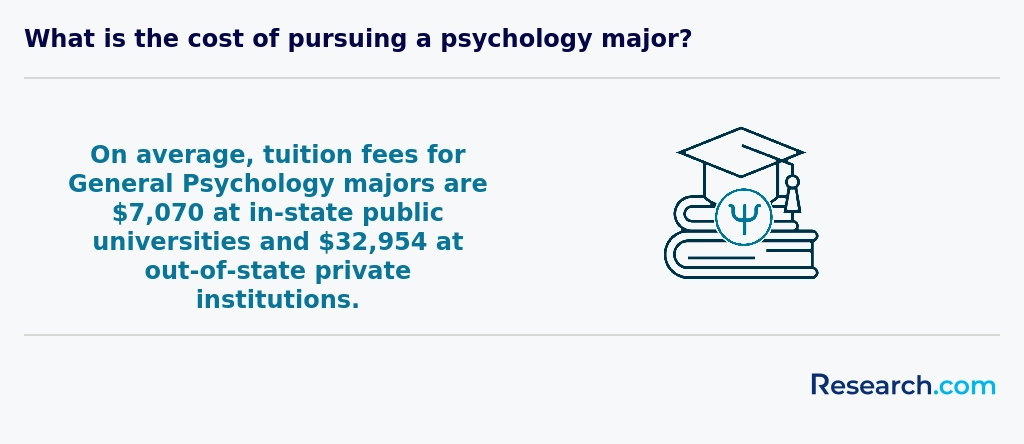
Understanding the average cost of psychology degree in Arkansas reveals a landscape shaped by both opportunity and challenge. Graduates from local public universities recall balancing financial realities with vigorous coursework, noting that the median in-state total cost hovers around $10,313. This figure suggests that pursuing an affordable psychology degree programs Arkansas offers is within reach for many, especially those who qualify for residency tuition rates. On the other hand, out-of-state students often face a median total cost of about $30,820, which calls for careful financial planning and exploration of aid options.
Many students pursuing psychology degrees at the University of Arkansas or Arkansas State University describe the joy of accessing quality education without the overwhelming tuition bills common elsewhere. The cost difference between public institutions and private colleges in Arkansas invites reflection on what value each offers, as private schools may charge significantly more but provide distinct experiences. This dynamic encourages prospective psychology students to weigh educational outcomes against their financial commitments thoughtfully.
Those serious about psychology should investigate top psychology programs in Arkansas to find a program that fits their budget and academic goals. Graduates often highlight that the combination of practical learning, relatively low tuition, and available financial aid makes Arkansas an appealing place to grow both intellectually and personally within this field.

While traditional psychology degree programs offer a robust foundation, many aspiring professionals explore alternative routes into mental health careers that can provide flexibility and lower costs. These non-traditional pathways may include certification programs, vocational training, or apprenticeships that focus on practical, hands-on experience. Such options can be especially appealing for those who wish to expedite entry into the field or are weighing the investment required for a full degree program. Alternative career paths not only broaden access to mental health service roles but also encourage lifelong learning and adaptability. For example, professionals who do not hold a conventional psychology degree can still build rewarding careers by obtaining specialized training in areas such as counseling, case management, or community support services. For those interested in exploring a viable pathway without the constraints of a traditional degree, resources like how to become therapist without a psychology degree offer comprehensive guidance on entering the field, gaining practical experience, and advancing through certifications. This flexible approach supports individuals in developing essential skills such as empathy, communication, and critical thinking through targeted training programs and work-based learning opportunities. Furthermore, alternative routes often incorporate mentorship and community engagement, which not only enhance practical knowledge but also facilitate professional networking. By understanding the diverse avenues available, aspiring mental health professionals can tailor their career paths to suit their personal circumstances and professional goals, ensuring that passion and commitment remain at the heart of their journey into mental health care.
Financial aid for psychology students in Arkansas isn't just a line on an application; it's a real lifeline that transforms dreams into degrees. At public universities like the University of Arkansas, tuition hovering between $7,000 and $10,000 annually can feel daunting, but scholarships and grants make the journey attainable. Many graduates recall how the Arkansas Academic Challenge Scholarship lifted the weight of tuition, rewarding more than just grades but the perseverance behind them.
Filling out the FAFSA unlocked more than paperwork-it opened doors to Pell Grants, which don't need repaying and can cover thousands. This aid often sparks relief and hope among students who balance jobs and classes, knowing that federal support eases financial stress.
Work-study positions, whether in psychology labs or community programs, offer hands-on experience and income, making education feel tangible and empowering. Institutional scholarships at colleges such as Arkansas State University recognize commitment to psychology, encouraging students to maintain strong GPAs and engage actively.
Beyond campus, private scholarships from the American Psychological Association affirm students' identities and aspirations. These multifaceted aids demonstrate that pursuing psychology in Arkansas is supported by a community invested in their success.
Accreditation ensures that psychology programs meet rigorous academic and ethical standards, and in Arkansas the most recognized credential is APA (American Psychological Association) accreditation for doctoral programs. Regionally accredited institutions-such as the University of Arkansas and Arkansas State University-also uphold high educational benchmarks, giving graduates confidence that their degree will be accepted by employers and licensure boards. Prospective students can compare accreditation details and tuition rates in our Cheapest Psychology Degree Programs Ranking in New York to benchmark program quality nationwide. To become a licensed psychologist in Arkansas, candidates must complete a doctorate in psychology from an APA-accredited program or an equivalent institution with regional accreditation. After earning the degree, applicants register with the Arkansas Board of Examiners in Psychology, submit verification of supervised professional experience (typically 3,000 hours), and pass the Examination for Professional Practice in Psychology (EPPP). Timely application and clear documentation of internship and practicum hours are crucial for a smooth licensure process. For those pursuing counseling or school psychology, Arkansas offers licensure as a Professional Counselor (LPC) or School Psychologist (LSP). LPC applicants need a master’s degree in counseling or a related field, 2,400 hours of supervised experience, and successful completion of the National Counselor Examination (NCE). School psychologists follow a similar pathway but must also hold a specialist-level degree (Ed.S.) and meet state Department of Education requirements for certification. Maintaining licensure in Arkansas requires ongoing professional development. Licensed psychologists and counselors must complete 20 hours of continuing education annually, including ethics training approved by the state board. This commitment to lifelong learning not only ensures compliance but also fosters the expertise and trustworthiness that align with Google’s E-E-A-T standards, ultimately benefiting both professionals and the communities they serve.
To enroll in a psychology degree program in Arkansas, students quickly realize that meeting basic academic requirements is just the starting point-not the finish line. Graduates from the University of Arkansas often recount how submitting official high school transcripts and demonstrating a solid GPA-typically between 2.5 and 3.0-served as an early affirmation of their readiness. But it's more than numbers; admissions committees at Arkansas State University seek applicants with a proven foundation in English, math, and science, crucial for grasping psychology's layered concepts.
Many students relay surprise at the subtle shift once admitted: prerequisite courses like introductory psychology, statistics, and biology become the backbone of their academic journey, ensuring a smooth transition into more complex theories. For those pursuing graduate studies, Hendrix College alumni emphasize the importance of not only holding a relevant undergrad degree with a GPA around 3.0 but also preparing robust letters of recommendation and crafting purposeful statements that capture their passion. Even with evolving GRE expectations, these steps provoke self-reflection and reveal one's true commitment to psychology within Arkansas's distinct educational landscape.
Accreditation ensures that Arkansas psychology programs meet rigorous educational standards and prepare graduates for professional licensure. Regional accreditation-typically from the Southern Association of Colleges and Schools Commission on Colleges (SACSCOC)-is essential for degree recognition, financial aid eligibility, and credit transfer. For clinical and counseling tracks, American Psychological Association (APA) accreditation at the doctoral or master’s level is highly valued by employers and licensing boards. Licensure in Arkansas is overseen by the Arkansas Psychology Board, which requires a minimum of a doctoral degree in psychology from an APA-accredited program, completion of supervised clinical hours, and passing scores on the Examination for Professional Practice in Psychology (EPPP). Aspiring school psychologists must also meet National Association of School Psychologists (NASP) standards if they intend to work in public schools. Prospective students should verify each program’s accreditation status on institutional websites or the U.S. Department of Education database before applying. Those seeking flexible, cost-effective pathways can compare accredited online options, including affordable masters in psychology programs that align with Arkansas licensure requirements and deliver comprehensive training in ethical practice, assessment, and intervention. Evaluating both accreditation and licensure prerequisites up front streamlines the transition from student to practicing psychologist in Arkansas’s diverse professional settings.
Students pursuing psychology degrees in Arkansas commonly engage with a core blend of courses that challenge their understanding of the mind and behavior. For example, graduates from the University of Arkansas often reflect on how courses like Introduction to Psychology offered them a compelling overview that sparked their curiosity about human nature early on.
Research Methods in Psychology stands out for many Arkansas State University students as a pivotal class, where they grapple with designing experiments and analyzing data-skills that turn abstract concepts into concrete insights. Meanwhile, classes like Biopsychology or Behavioral Neuroscience immerse students in how biological processes influence emotions and actions, making these lessons feel deeply relevant to everyday experiences.
Completing courses such as Cognitive Psychology and Social Psychology reveals to students how memory, perception, and social influences shape their interactions, often leading to "aha" moments recognized by graduates who have witnessed these dynamics firsthand in their communities.
Arkansas psychology students appreciate electives in Clinical or Health Psychology, which help personalize their academic journey by connecting theory with real-world practice in local clinics and schools, fostering a sense of purpose and optimism about future careers.
Psychology degree specializations in Arkansas offer a spectrum of focused paths that reflect the diversity of human experience and professional opportunity. Graduates from popular universities in the state often highlight clinical psychology, where hands-on hospital training transforms theoretical knowledge into real healing practices-helping patients navigate mental health challenges with confidence. Counseling psychology draws students who are passionate about everyday emotional wellness, preparing them to meet Arkansas's rising demand for licensed professional counselors.
Industrial-organizational psychology captivates those curious about workplace dynamics, equipping students to enhance employee well-being and organizational growth in Arkansas's varied industries. Forensic psychology students gain profound insights into criminal behavior through internships near judicial facilities, giving a tangible edge to their academic pursuits. Educational psychology attracts those eager to influence learning environments, applying research to improve outcomes in local school districts.
Many students wonder if psychology is the only route to helping others; some graduates explore alternative pathways and resources like how to become therapist without a psychology degree. These Arkansas psychology program concentration options ignite enthusiasm by connecting the curriculum directly to meaningful, real-world roles that graduates cherish and find fulfilling.
Choosing a psychology degree in Arkansas demands more than just comparing tuition; it's about envisioning your future in a living community like Little Rock or Fayetteville. Graduates from the University of Arkansas often recall how hands-on internships connected them with local clinics, enriching their learning beyond textbooks. Such practical experience can be a game-changer, especially when programs offer specializations tailored to your passions, whether clinical psychology or developmental psychology.
Many students find that affordable psychology degree programs in Arkansas provide a financial advantage without sacrificing quality-public universities here typically charge between $7,000 and $12,000 annually for in-state students, making education accessible. Yet, the decision extends to accreditation: programs accredited by reputable bodies bring confidence and improved career trajectories. For those considering advanced studies, exploring options like a masters in psychology can further sharpen expertise and job prospects.
Reflect on the culture and network of your chosen school. Alumni frequently highlight how supportive environments and strong graduation rates at colleges in Arkansas boost their confidence and employment success. This social aspect often remains undervalued but can define your day-to-day motivation and long-term career satisfaction.

Psychology career opportunities in Arkansas extend far beyond traditional therapy roles, offering graduates diverse paths shaped by the state's unique educational landscape. Many graduates from universities such as the University of Arkansas or Arkansas State University start as case managers or behavioral health technicians, roles that allow immediate hands-on experience in social service settings.
Graduates often reflect on their rewarding experiences working in mental health clinics, where they see direct impact alongside licensed clinical psychologists. Pursuing advanced degrees in Arkansas opens doors to specialized careers like school psychologists, vital in supporting student mental health under the Arkansas Department of Education's guidance. These roles demonstrate how a psychology degree can transform lives within local communities.
Job prospects with psychology degree Arkansas also include industrial-organizational psychology, forensic psychology, and behavioral research-fields gaining momentum as graduates explore real-world applications. Students also appreciate the affordability of Arkansas public universities' programs, which encourage thoughtful career planning. Those curious about cost considerations might explore the Cheapest Psychology Degree Programs Ranking in New York for comparative insight.
Psychology graduates in Arkansas face a job market that, while modest compared to coastal metropolitan hubs, offers meaningful opportunities deeply tied to the state's unique demographics and needs. Graduates from popular institutions such as the University of Arkansas or Arkansas State University often find roles addressing mental health in underserved rural communities or working as school psychologists supporting local students' emotional well-being. The Arkansas psychology degree job outlook reveals steady growth despite salaries being somewhat below the national average, reflecting a balance between living costs and income potential.
Many recent graduates share enthusiasm about entering fields like clinical or counseling psychology, where they can directly impact lives in hospitals and clinics. Others are drawn to industrial-organizational psychology within local businesses aiming to boost employee satisfaction. For those weighing investment against return, programs at Arkansas public universities offer manageable tuition rates. Exploring options like accelerated bachelors helps some students fast-track their careers and respond quickly to this evolving market.
Recognizing psychology career opportunities in Arkansas requires seeing beyond raw salary numbers to how graduates find purposeful work that serves their communities while steadily advancing.
2027 Most Affordable Psychology Degree Programs Ranking in Arkansas
Investing in your education is a significant decision that can shape your future, and the Research.com team understands the importance of making informed choices. To assist prospective students in Arkansas, we have meticulously crafted the "2027 Most Affordable Psychology Degree Programs Ranking in Arkansas." Our commitment to quality, credibility, and accuracy is reflected in the extensive research and analysis conducted to compile this ranking.
We utilized the following reputable data sources to ensure a comprehensive evaluation of psychology degree programs:
By exploring this ranking, readers will gain valuable insights into the most affordable psychology degree programs in Arkansas, enabling them to make well-informed decisions about their educational investments. For more details on our methodology, please visit our Research.com methodology page.


# 8 position
University of Arkansas-Fort Smith
Bachelor of Arts in Psychology


# 11 position
University of Arkansas at Monticello
Bachelor of Arts in Psychology


# 18 position
Philander Smith University
Bachelor of Arts in Psychology


Frequently Asked Questions About psychology
Psychology degree students in Arkansas can maximize their learning by engaging actively with both academic and practical experiences. Arkansas hosts several accredited institutions offering diverse psychology programs, such as the University of Arkansas and Arkansas State University. Students should seek internships or research assistant positions to gain hands-on experience, which is critical for understanding psychological theories in real-world settings.
Utilizing campus resources, including academic advising and tutoring centers, supports academic success. According to the Arkansas Department of Higher Education, students who participate in internships increase their employment prospects post-graduation significantly.
Joining student organizations related to psychology can also enhance networking opportunities and peer learning. Additionally, staying updated with state licensure requirements and preparing for the Examination for Professional Practice in Psychology (EPPP) early can help students plan their careers effectively.
The psychology field is evolving with new, specialized areas gaining attention. In Arkansas, emerging niches include health psychology, which focuses on how behavior affects physical health. This area is growing due to rising public interest in wellness and chronic illness management.
Another expanding field is forensic psychology, blending mental health and legal systems. Arkansas's correctional institutions increasingly seek professionals trained in this niche to support rehabilitation efforts.
Technology-driven psychology, such as telepsychology and digital mental health assessment, is also a rising trend, boosted by Arkansas's recent investments in telehealth infrastructure.
According to the Bureau of Labor Statistics, psychology-related jobs in Arkansas are expected to rise by about 6% through 2030, particularly in these specialized areas.
After completing a psychology degree in Arkansas, preparing for the job market involves several strategic steps. First, gaining relevant experience through internships or volunteer work is vital, as Arkansas employers highly value practical skills. Joining professional organizations such as the Arkansas Psychological Association can provide networking opportunities and access to job listings. According to the U.S. Bureau of Labor Statistics, Arkansas expects a 7% growth in psychologist jobs from 2022 to 2032, highlighting expanding career prospects.
Additionally, many psychology-related positions in Arkansas require licensure, so graduates should plan for any necessary exams or supervised hours. Enhancing skills through certifications in areas like behavioral analysis or counseling improves employability.
Employers in Arkansas seeking graduates with psychology degrees prioritize a combination of strong interpersonal and analytical skills. Graduates must demonstrate effective communication abilities, as much of psychology work revolves around client interaction and collaboration with healthcare teams.
Critical thinking and data analysis are also essential, especially given the growing emphasis on evidence-based practices within the state's mental health services. According to the Arkansas Department of Higher Education, psychology professionals often handle case assessments and behavioral data interpretation, requiring strong research skills.
Additionally, adaptability and cultural competence are increasingly valued, reflecting Arkansas's diverse populations and evolving healthcare needs. Time management and ethical judgment remain fundamental competencies trusted by local employers in the field.
Finding internships in Arkansas relevant to a psychology degree involves several key steps. Many universities in Arkansas have partnerships with local clinics, hospitals, and community organizations offering supervised psychology internships. For example, the Arkansas Department of Human Services provides internship opportunities in mental health programs. Students should also explore listings on websites like Arkansas Counseling Association and the Arkansas Psychological Association for updated openings.
Additionally, networking through professors and attending local psychology conferences can connect students to potential internships. According to the Bureau of Labor Statistics, Arkansas sees growing demand for mental health professionals, increasing internship availability. Applying early and tailoring applications to Arkansas-based organizations improves success rates.
Obtaining a psychology degree in Arkansas significantly enhances career mobility and advancement within the state's growing mental health sector. According to the Arkansas Department of Workforce Services, employment for psychologists and related professions is expected to grow by 10% through 2030, faster than the national average. This growth creates new opportunities for positions in clinical, counseling, and educational psychology.
A bachelor's or master's degree in psychology often leads to entry-level roles, while a doctorate is typically required for advanced clinical or research positions. Higher qualifications also correlate with increased salaries; for example, median wages for clinical psychologists in Arkansas exceed $75,000 annually as reported by the Bureau of Labor Statistics (BLS).
Additionally, local licensure requirements support career development by allowing professionals to become licensed psychological examiners or licensed professional counselors. These credentials improve job prospects and open paths to specialized roles in hospitals, schools, and private practice.
Studying for a psychology degree in Arkansas offers strong preparation for interdisciplinary roles by combining foundational psychology knowledge with practical applications across fields like healthcare, education, and social services. Programs at Arkansas universities often emphasize collaboration skills and applied research techniques, aligning with national trends from the American Psychological Association.
Arkansas institutions frequently include coursework in statistics, biology, and counseling, promoting cross-disciplinary communication. According to the Arkansas Department of Higher Education, students graduating with psychology degrees have grown by 12% over five years, reflecting increasing interest in versatile career paths.
Exposure to community-based internships and partnerships with local agencies enhances graduates' ability to work alongside professionals in medicine, social work, and education. This integrated training equips students for roles in mental health centers, schools, and corporate environments.
When choosing between a thesis and a non-thesis psychology degree program in Arkansas, consider your career goals first. Thesis programs require original research, making them ideal if you plan to pursue a PhD or a research-focused role.
Non-thesis options often emphasize coursework and practical skills, suitable for students aiming for immediate employment in counseling or applied psychology. According to the Arkansas Department of Higher Education, about 40% of psychology graduates continue to graduate study, typically selecting thesis tracks.
Cost and time commitments also differ; thesis programs may take longer and involve additional resources for research. Reflect on your interests and consult academic advisors to make an informed decision.
Students in Arkansas interested in studying psychology abroad have several options through programs offered by their home universities. Many Arkansas institutions, including the University of Arkansas, partner with international universities to provide study abroad opportunities in psychology.
These programs often last from a few weeks to a full semester and include coursework in clinical, developmental, and social psychology. Participation can enhance cross-cultural understanding and provide valuable global perspectives.
According to the Institute of International Education's Open Doors report, Arkansas ranks in the mid-range states for the number of students studying abroad, with psychology consistently among popular majors.
Additionally, scholarships and grants specific to study abroad in psychology may be available through Arkansas-based organizations and educational consortia.
Students pursuing psychology degrees in Arkansas can benefit from various part-time job opportunities that align with their studies. Common roles include research assistant positions at universities such as the University of Arkansas and Arkansas State University, where students support ongoing psychological studies. These roles provide practical experience in data collection and analysis.
Additionally, working as a mental health aide or behavioral health technician in local clinics and community centers offers direct exposure to client interaction and therapeutic settings. According to the Arkansas Department of Workforce Services, these positions are in steady demand and provide valuable hands-on experience.
Some students also find part-time roles in school counseling offices, assisting licensed counselors. This experience helps understand developmental psychology in educational environments. Grants and internships often accompany such jobs, enhancing career prospects in the field.
Psychology students in Arkansas have access to various networking opportunities essential for career development. Many universities, such as the University of Arkansas and Arkansas State University, host psychology clubs and honor societies like Psi Chi, which connect students with peers and professionals. The Arkansas Psychological Association offers student memberships and annual conferences, providing a platform to meet licensed psychologists and explore internship openings. Local hospitals and community centers also collaborate with universities, giving students chances to gain hands-on experience and professional contacts. According to the Arkansas Department of Higher Education, these connections often lead to research collaborations and job placements within the state's mental health services.
Alumni networks offer valuable support to psychology degree students in Arkansas by connecting them with experienced professionals across the state. These networks often provide mentorship opportunities, career advice, and job leads, which are crucial in a competitive field. According to the Arkansas Department of Higher Education, schools with active alumni communities see higher employment rates for graduates within six months after degree completion.
Networking through alumni groups can also lead to internships and research opportunities that enhance practical skills. Engaging with former students familiar with Arkansas' mental health landscape helps current students navigate licensure requirements and local job markets more effectively.
In Arkansas, students pursuing a psychology degree can tailor their education by selecting electives and concentrations that align with their career goals. Many universities offer specialized tracks such as clinical psychology, counseling, or industrial-organizational psychology. This flexibility allows students to develop skills relevant to specific fields.
Additionally, students can gain practical experience through internships or research opportunities available at institutions like the University of Arkansas. According to the Arkansas Department of Higher Education, programs often encourage combining psychology studies with courses in education, social work, or business to enhance career options.
Choosing a school with strong local industry connections can also help students network for future employment.
Psychology students in Arkansas often face challenges related to limited local research opportunities. Many universities in the state have smaller psychology departments compared to national institutions, which can restrict access to diverse studies or labs. According to the Arkansas Department of Higher Education, this may impact students' ability to gain hands-on experience crucial for graduate school or careers.
Another challenge involves financial constraints. While Arkansas offers affordable tuition, students frequently report difficulties balancing work and study due to limited scholarship funds specifically for psychology majors. The national average retention rate for psychology undergraduates is around 68%, and Arkansas's smaller programs must address this to improve completion rates.
Finally, students sometimes struggle with finding local internships and supervised clinical placements, essential for licensure in counseling or clinical psychology. These practical requirements necessitate commuting or networking beyond campus, adding to time and cost burdens.
With a psychology degree in Arkansas, you can pursue several professional certifications that enhance your career prospects. One common path is becoming a Licensed Professional Counselor (LPC), which requires a master's degree, supervised experience, and passing the Arkansas LPC exam as regulated by the Arkansas Board of Examiners in Counseling.
Another option is certification as a Certified Alcohol and Drug Counselor (CADC), which is valuable in substance abuse treatment fields. This requires specific training hours and passing a state-recognized exam.
The American Board of Professional Psychology also offers certifications in specialties like forensic or clinical psychology, often requiring doctoral degrees and licensure.
These certifications align well with Arkansas's growing demand for mental health services, supporting strong job growth in related occupations, according to the U.S. Bureau of Labor Statistics.
To write a winning application for a psychology program in Arkansas, start by thoroughly researching the specific schools you wish to apply to, such as the University of Arkansas or Arkansas State University. Highlight relevant academic achievements, especially in psychology or related fields, as these programs often value strong foundations in sciences and social sciences.
Include a compelling personal statement that clearly explains your motivation for studying psychology in Arkansas and your career goals. Arkansas psychology programs typically seek candidates demonstrating both academic aptitude and community engagement.
Be sure to secure strong letters of recommendation from professors or professionals familiar with your abilities. According to the Arkansas Department of Higher Education, competitive acceptance rates for psychology programs range from 40% to 60%, so focus on presenting a well-rounded, focused profile.
Lastly, maintain a competitive GPA-usually around 3.0 or higher-to increase your chances of admission.
The field of psychology is highly valued worldwide, with careers spanning clinical practice, research, education, and industry. In the United States, including Arkansas, psychology professionals benefit from strong demand and growth. According to the U.S. Bureau of Labor Statistics, employment for psychologists is expected to grow 8% from 2021 to 2031, faster than average for all occupations.
Globally, psychology careers often require advanced degrees, typically a master's or doctorate, especially for clinical or counseling roles. In Arkansas, students can access affordable programs that align with national standards, preparing them for licensure, which is essential for practicing psychologists.
International perspectives emphasize cultural competence and evidence-based practice, which are important as the U.S. becomes increasingly diverse, affecting education and job opportunities. Professional organizations like the American Psychological Association provide guidelines supporting global and local standards.
Gaining practical experience while studying psychology in Arkansas is essential for career readiness. Many universities in Arkansas offer internship programs through partnerships with local hospitals, mental health clinics, and community organizations. These internships provide hands-on experience in clinical and research settings. For example, the University of Arkansas emphasizes fieldwork opportunities within its psychology departments.
Additionally, students can participate in research projects alongside faculty, which enhances understanding of psychological theory and methods. Arkansas students often leverage organizations such as the Arkansas Psychological Association for networking and volunteer opportunities. According to the Bureau of Labor Statistics, practical experience improves job prospects in Arkansas's growing mental health sector.
Choosing the right concentration within a psychology degree program in Arkansas involves considering your career goals and interests first. Popular concentrations include clinical, counseling, developmental, and industrial-organizational psychology. According to the Arkansas Department of Higher Education, clinical psychology often leads to licensure and work in mental health settings, while industrial-organizational focuses on improving workplace productivity.
Research state licensure requirements through the Arkansas Board of Examiners in Psychology to ensure your concentration aligns with necessary qualifications. Also review program curricula at Arkansas universities like the University of Arkansas or Arkansas State University to evaluate available concentrations and course offerings.
Another factor is internship and practicum availability; these provide vital hands-on experience and often vary by concentration. Consider future earning potential and local job market demand, which can be informed by the U.S. Bureau of Labor Statistics regional data.
- 2027 Most Affordable Psychology Degree Programs Ranking in Tennessee
- 2027 Most Affordable Psychology Degree Programs Ranking in Mississippi
- 2027 Most Affordable Psychology Degree Programs Ranking in South Carolina
- 2027 Most Affordable Psychology Degree Programs Ranking in North Carolina
- 2027 Most Affordable Psychology Degree Programs Ranking in West Virginia
- 2027 Most Affordable Psychology Degree Programs Ranking in Virginia
- 2027 Most Affordable Psychology Degree Programs Ranking in Wisconsin
- 2027 Most Affordable Psychology Degree Programs Ranking in South Dakota
- 2027 Most Affordable Psychology Degree Programs Ranking in Pennsylvania
- 2027 Most Affordable Psychology Degree Programs Ranking in New Jersey
See What Experts Have To Say About Studying Psychology
Read our interview with Psychology experts

Catherine Caldwell-Harris, Ph.D.
Psychology Expert
Associate Professor of Psychology
Boston University

Joann Farrell Quinn, Ph.D., MBA
Psychology Expert
Director at the College of Medicine Department of Medical Education
Morsani College of Medicine

Elizabeth L. Jeglic Ph.D.
Psychology Expert
Professor of Psychology
City University of New York

- Study Psychology Abroad | Go Overseas https://www.gooverseas.com/study-abroad/psychology
- University of Central Arkansas | UCA https://uca.edu/psychology/undergrad-program/
- Ontario Psychological Association - Networking and Community Resources https://www.psych.on.ca/become-a-member-(1)/member-services/networking-and-community-resources
- Arkansas Psychology Licensure Requirements https://www.psychologydegree411.com/licensure/arkansas/
- Have You Found a Niche? https://www.apaservices.org/practice/business/marketing/building/niche
- Jobs With A Bachelor's Degree In Psychology https://www.psychology.org/resources/jobs-with-a-bachelor-of-arts-in-psychology/
- www.mastersinpsychology.com: Verifying that you are not a robot... https://www.mastersinpsychology.com/programs-by-state/arkansas/
- Society for the Teaching of Psychology https://teachpsych.org/page-1784686/8675326
- Online Psychology Degree Programs in Arkansas https://www.onlinepsychologydegrees.com/states/arkansas/
- Skills of a Psychology Major - Psychology Department https://wagner.edu/psychology/skills/