2027 Best Psychology Degree Programs Ranking in Scranton

Co-Founder and Chief Data Scientist
Choosing the right psychology degree program in Scranton can feel overwhelming, but this article is here to help. The 2027 Best Psychology Degree Programs Ranking in Scranton was created by the Research.com team of data scientists to guide you toward programs that truly stand out.
By exploring this ranking, you'll gain valuable insights to make an informed decision that fits your goals and aspirations. A psychology degree can open doors to meaningful careers, personal growth, and a deeper understanding of human behavior.
Take a confident step toward your future by discovering the best options available in Scranton today.
Key benefits of getting psychology degree in Scranton
- Salary for psychology degree graduates: Jobs like Human Resources Specialist offer a mean annual wage of $76,060, while Marketing Research Analysts earn about $83,190, showing strong earning potential in psychology-related fields.
- Potential career paths: A psychology graduate from a popular Scranton college might pursue roles such as Clinical Research Associate or Survey Researcher, both averaging $62,370 annually, illustrating diverse and rewarding career options.
- Benefits of online psychology degrees: Graduates from online programs in Scranton enjoy flexible schedules and lower costs, making it easier to balance work and study while launching a fulfilling psychology career.
- 2027 Best Psychology Degree Programs Ranking in Scranton
- What can I expect from psychology degree in Scranton?
- Where can I work with psychology degree in Scranton?
What can I expect from psychology degree in Scranton?
The average cost of pursuing a psychology degree in Scranton varies but generally remains competitive within the region. Graduates from institutions like the University of Scranton and Marywood University often reflect on balancing tuition expenses with scholarships or financial aid, which many find accessible and helpful. For example, one graduate shared how receiving targeted support alleviated financial stress, allowing deeper focus on absorbing complex psychological theories and engaging in research.
Tuition fees typically cover rigorous coursework spanning developmental, cognitive, and social psychology, paired with practical internships in local hospitals or counseling centers. This blend creates tangible learning experiences that justify the investment. Many students appreciate how affordability does not compromise quality, as faculty-led projects and community partnerships enrich their education in meaningful ways.
Considering the cost, students frequently express excitement about how Scranton's affordable options open doors to advanced degrees and professional licensing paths in psychology, fueling their passion for lifelong learning amid a supportive academic setting.
Where can I work with psychology degree in Scranton?
Graduates holding a psychology degree in Scranton often find themselves at the crossroads of multiple rewarding career paths. Many who studied at the University of Scranton or Marywood University share how their clinical internships at places like Commonwealth Health System transformed abstract theory into meaningful mental health support for real people dealing with anxiety or trauma.
Others describe their roles within the Scranton School District, where applying psychological principles directly impacts students' daily experiences, promoting emotional resilience and academic success. This hands-on involvement with youth underscores how psychology extends beyond therapy into shaping healthier communities.
Some graduates discover fulfilling opportunities in social services, navigating complex family dynamics or substance abuse recovery programs administered by local agencies. These roles challenge conventional ideas about typical psychology jobs by emphasizing advocacy and community empowerment.
Even those venturing into business find that their psychology background provides a unique advantage in understanding consumer behavior and organizational culture, bridging the gap between human insight and entrepreneurial growth.
Graduates holding a psychology degree in Scranton often find themselves navigating a rich landscape of career opportunities with promising salaries. For example, those stepping into roles like Human Resources Specialists can look forward to earning a mean annual wage of about $76,060, reflecting a solid return on investment from institutions such as the University of Scranton or Marywood University.
Marketing Research Analysts in the region, many with psychology backgrounds, command even higher salaries, with averages around $83,190 annually-showcasing how skills learned in psychology apply beyond traditional clinical paths. Clinical Research Associates and Survey Researchers also find consistent opportunities, earning approximately $62,370 per year.
Imagine a recent psychology graduate from a Scranton college leveraging their understanding of human behavior to optimize employee satisfaction in a corporate setting or design insightful studies that influence community health programs. These real-life scenarios resonate deeply with many alumni who describe their work as fulfilling yet financially stable-defying myths that psychology careers lack sustainable income.
The balance between passion and pay here challenges the notion that meaningful work and competitive salaries are mutually exclusive, especially in Scranton's evolving job market.
- Annual tuition for psychology programs in Scranton universities ranges from $25,000 to $35,000 for full-time undergraduates.
- Entry-level salaries for psychology bachelor's degree holders typically start between $40,000 and $50,000 per year.
- With experience or advanced degrees, annual salaries can rise to $60,000-$80,000 depending on the specialization.
- The local job market is growing with opportunities in healthcare, education, social services, and government sectors.
- Internships and networking partnerships in Scranton help improve graduate employability in the region.
Completing a psychology degree in Scranton often unfolds over a timeline that might surprise many. At the University of Scranton, graduates recall the intensity of their four-year bachelor's journey, balancing foundational psychology courses with research methods and general education. That familiar rhythm of full-time study, typical across the U.S., proved enough to prepare them for diverse career paths. Yet, some students who juggled part-time jobs extended their studies, embracing a more flexible pace without losing passion.
For those who pursued a master's degree locally, the two-year full-time model at institutions like Marywood University offered a rich blend of specialized training and hands-on internships. Alumni often describe this period as transformative, with every research project deepening their sense of purpose. The option to study part-time reflected a realistic response to life's demands, even if it meant longer completion times.
Doctoral candidates in Scranton face a more complex timeline-typically four to seven years engulfed in coursework, clinical hours, and dissertations. This extended commitment, shared by PhD and PsyD students alike, shapes a profound professional identity that many graduates find deeply rewarding despite the years invested.
For students looking to pursue a psychology degree without breaking the bank, exploring the most affordable psychology programs is a prudent step. In Scranton, PA, several institutions offer affordable options that balance quality education with financial feasibility. When considering affordability, it's essential to weigh factors such as tuition costs, scholarship opportunities, and the potential return on investment. Students can find valuable resources, such as our page on affordable psychology programs in Pennsylvania, to guide their search for budget-friendly psychology programs. By doing so, prospective students can make informed decisions that align with their financial situation and academic aspirations, ensuring a rewarding educational experience without undue financial strain.
Choosing between online and on-campus psychology degrees in Scranton isn't just about location; it's about how you experience learning. Graduates from The University of Scranton often recall the energized atmosphere of in-person lectures and spontaneous peer conversations that sparked new insights. Imagine sitting in a campus library, debating psychological theories with friends after class-this direct interaction can deepen understanding in ways virtual forums struggle to match.
Conversely, alumni of online programs at local institutions appreciate the flexibility to balance work and family while pursuing their degree. One graduate described logging into a virtual class after a long workday and feeling empowered by the ability to revisit lectures at their own pace, turning a hectic schedule into a structured learning opportunity.
Both paths meet rigorous academic standards, but your daily experience shapes how psychology comes alive. In Scranton, whether you're navigating the vibrant campus community or the dynamic online space, the key difference lies in how you connect-with peers, professors, and your own motivation.
Undergraduate psychology programs in Scranton should hold regional accreditation from the Middle States Commission on Higher Education. For clinical practice, graduate programs must have American Psychological Association (APA) accreditation to satisfy state licensing standards.
Becoming a licensed psychologist in Pennsylvania typically involves:
- Completing a doctoral degree in an APA-accredited clinical psychology program
- Accumulating at least 1,750 hours of supervised professional experience (pre- and post-doctoral)
- Passing the Examination for Professional Practice in Psychology (EPPP)
- Submitting an application, official transcripts and a background clearance to the Pennsylvania State Board of Psychology
Those aiming for counseling or therapy roles can explore accelerated mft programs for a focused path to licensure as a marriage and family therapist.
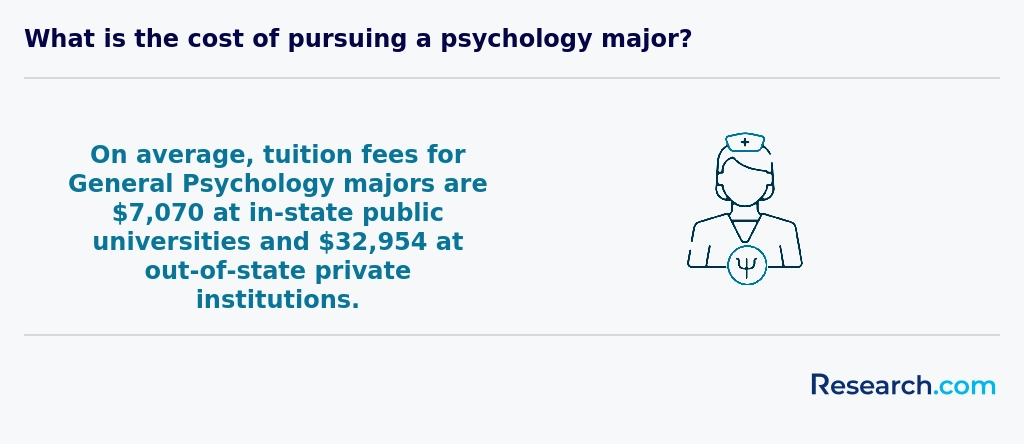
When exploring the average cost of a psychology degree in Scranton, the figures reveal a meaningful challenge for many aspiring students. The median total cost for completing a psychology degree here hovers around $61,040, with in-state students paying closer to $47,701. This cost reflects tuition, fees, and typical expenses like books and supplies, presenting a real financial commitment. Graduates from the University of Scranton often recall balancing the advantages of a private Jesuit education-marked by higher tuition-with the enriching academic environment and networking opportunities they experienced.
For those seeking more affordable paths, community colleges such as Lackawanna College offer a starting point with annual costs around $6,000, yet these require transferring to a four-year institution for a full psychology degree. Many students have found this two-step route rewarding but emphasize that careful financial planning is essential to manage the cumulative expenses and avoid unexpected burdens. This nuanced breakdown of psychology degree tuition and fees Scranton students face encourages prospective learners to weigh their options thoughtfully.
Understanding these costs also means exploring available resources, such as scholarships or financial aid, which can significantly alleviate expenses and improve access to education. Prospective students interested in comparing these investments with other local options may want to investigate affordable psychology programs in Pennsylvania that can make the pursuit of a psychology degree more attainable and emotionally rewarding.
Pursuing a career as a licensed psychologist in Pennsylvania requires more than a bachelor’s degree; it mandates completion of an APA-accredited doctoral program, successful passage of the Examination for Professional Practice in Psychology (EPPP), and accumulation of supervised clinical hours. Most candidates must earn either a PhD or PsyD in psychology, complete at least 3,600 hours of supervised experience (including a pre-doctoral internship), and apply for licensure through the Pennsylvania State Board of Psychology. Doctoral students should ensure their program meets Pennsylvania’s licensure criteria by verifying accreditation status and curriculum content, particularly in ethics, assessment, and intervention. For those evaluating doctoral pathways, considering cost can ease financial barriers. Many aspiring psychologists explore Inexpensive Online Doctorate in Psychology Degree Programs that offer flexible scheduling and lower tuition while maintaining rigorous standards. After completing academic and internship requirements, candidates submit supervised experience affidavits and pass the EPPP with a minimum score set by the state board. Additionally, Pennsylvania requires a jurisprudence exam covering state laws and professional regulations. Maintaining licensure involves earning continuing education credits-typically 30 hours every two years-including at least two hours in ethics. By understanding these licensure steps and strategically selecting an accredited, affordable doctoral program, students in Scranton and beyond can efficiently navigate the path to becoming fully licensed psychologists, positioning themselves for a wide range of clinical, academic, and research opportunities.
Many psychology students at universities like the University of Scranton discover that federal financial aid is a game changer in managing steep tuition costs, which often hover between $25,000 and $40,000 annually. Graduates recall how Pell Grants, awarded purely on financial need without repayment burdens, provided crucial support-sometimes exceeding $6,000-to lessen their financial stress early on.
Others reflect on the relief brought by subsidized federal student loans, which pause interest accrual during schooling, allowing them to focus on studies without the looming pressure of growing debt.
State aid through Pennsylvania's grant program often comes as a pleasant surprise for local students, delivering around $4,000 annually and making psychology degrees at Scranton institutions more attainable.
Not to be overlooked, merit scholarships from these colleges reward dedication and leadership, often shaping a student's journey by substantially reducing tuition. Work-study opportunities, meanwhile, offer students hands-on experience in counseling centers or research labs-turning part-time jobs into stepping stones for future careers in psychology.
Professional organizations amplify hope by occasionally granting support for advanced studies, encouraging students to envision a meaningful path beyond their undergraduate years.
After completing an accredited psychology degree in Scranton, PA, graduates must meet state licensure criteria to practice professionally. In Pennsylvania, the Board of Psychology oversees all licensing, ensuring practitioners uphold rigorous standards of training, ethics, and ongoing education. Key steps to become a licensed psychologist in Pennsylvania:
- Educational Credential: Graduate from an APA-accredited doctoral program in psychology (e.g., clinical, counseling, or school psychology).
- Supervised Experience: Complete at least 4,000 hours of supervised professional experience, including a minimum of 2,000 pre-doctoral and 2,000 post-doctoral hours under a board-approved supervisor.
- Examinations: Pass the national Examination for Professional Practice in Psychology (EPPP) and the Pennsylvania jurisprudence exam, which tests knowledge of state laws and ethical guidelines.
- Application: Submit official transcripts, proof of supervised hours, exam scores, and the applicable fees to the Pennsylvania Board of Psychology.
- Renewal & Continuing Education: Renew your license biennially by completing 30 hours of continuing education, with at least 3 hours in ethics and 3 hours in child-focused training if you’ve earned a specialization such as a children’s psychology degree. Meeting these requirements not only validates your expertise but also enhances trust with clients, employers, and referring professionals. Proper licensure is essential for career advancement, eligibility for insurance reimbursement, and compliance with Pennsylvania’s legal framework for mental health services.
Envision stepping onto the campus of a well-regarded Scranton college, where many psychology graduates recall the pivotal moment of submitting their transcripts. A high school diploma or GED is just the door opener; what truly matters is demonstrating academic perseverance through a GPA near 2.5 to 3.0. This checkpoint challenges students to balance curiosity with discipline-no different from the balancing act experienced during intro psychology courses.
While standardized tests like the SAT and ACT once dominated admissions, today's students in Scranton often find relief in test-optional policies. Such shifts invite deeper reflection: are raw scores the best measure of potential? Graduates from these programs appreciate this nuance, noting that personal statements and letters of recommendation reveal their authentic critical thinking and passion for understanding human behavior far better.
For those aiming higher, a Master's candidate in Scranton emphasizes that prior coursework in statistics and research methods isn't just a requirement-it's a foundation that made abstract theories feel tangible during late-night study sessions. Admissions committees seek this mix of preparation and genuine inquiry, shaping applicants ready to thrive in psychology's complex landscape.
Child psychology is an increasingly sought-after specialization that empowers graduates to make a meaningful impact on young lives. This field blends principles from developmental, clinical, and educational psychology, preparing professionals to address behavioral challenges and promote positive mental health among children. Prospective child psychologists should consider the following steps to strengthen their educational journey and career prospects: • Deepen Your Theoretical Knowledge: Enroll in advanced courses in developmental and educational psychology to build a solid foundation in the unique developmental stages and challenges children experience. • Gain Practical Experience: Seek internships and volunteer opportunities in school counseling centers, pediatric clinics, or community outreach programs. Hands-on experience is crucial in applying theoretical knowledge to real-world situations. • Acquire Specialized Certifications: To thrive in this niche, it is important to understand the specific requirements and credentials. For detailed guidance on the necessary training, review child psychologist qualifications. • Build a Network: Connect with professionals through workshops, seminars, and professional organizations dedicated to child psychology. Networking can provide valuable mentorship and insights into industry best practices. • Engage in Research Projects: Participating in research focused on child development and behavioral interventions can enhance your expertise and contribute to the broader academic community. By thoughtfully integrating these steps into your educational and career planning, you can build a robust profile that stands out in a competitive job market while making a lasting difference in the lives of children.
Psychology degrees in Scranton typically immerse students in foundational courses that challenge them to rethink human behavior in tangible ways. Graduates from local universities often recall how Introduction to Psychology unveiled the broad spectrum of the field, linking theories to everyday actions seen on campus or in their communities. In courses like Research Methods in Psychology, students gain hands-on experience designing studies and analyzing data-skills that proved invaluable during internships at Scranton's counseling centers.
Subjects like Biological Psychology and Developmental Psychology reveal the intimate connection between brain processes and life stages, allowing students to connect textbook knowledge with real patients they observe in nearby hospitals. Others highlight how Cognitive and Social Psychology courses sparked their curiosity by explaining why peers make certain decisions or behave as they do in group settings.
Alumni often share that Abnormal Psychology was a turning point, offering empathetic insights into mental health challenges that inspired career choices in counseling or therapy within Scranton's supportive local network.
Students enrolled in psychology degree specializations in Scranton often discover that traditional categories barely scratch the surface of real academic exploration. Clinical Psychology is a strong pillar, especially in institutions like the University of Scranton, where graduates speak to the transformative impact of hands-on internships that turn textbook theory into life-changing practice. These experiences build confidence for future clinical roles, providing a clear path for students aiming to meet child psychologist qualifications or broader mental health careers.
Scranton psychology program concentration options also include Counseling Psychology, where students engage deeply with multicultural competence and practical therapies, preparing them to support diverse communities. Graduates cherish the emotional growth and empathy nurtured through their rigorous coursework.
- Other local programs emphasize Industrial-Organizational Psychology, addressing real-world challenges in the workplace and motivating employees with insight gained from Scranton's unique economic landscape.
- Experimental Psychology is pursued by those fascinated with data-driven research, often collaborating with faculty in cutting-edge labs right on campus.
- Health Psychology, a rising field in Scranton, engages students with holistic patient care, showing the powerful mind-body connection through practical applications.
Choosing the best psychology degree in Scranton means looking beyond rankings and flashy brochures. Graduates from the University of Scranton recall how their decision hinged on real-world factors like access to local internships in healthcare settings and the practical expertise of faculty. These experiences made the theoretical material come alive, preparing them for meaningful careers. Meanwhile, Marywood University students appreciate programs that offer evening classes and online options, which helped balance studies with personal commitments-an aspect often overlooked when hunting for affordable psychology colleges Scranton PA.
Don't simply chase well-known degrees; consider what specializations fuel your passion. Some graduates discovered their calling through clinical or counseling psychology tracks, while others leaned toward industrial-organizational psychology. Exploring areas like a children's psychology degree might open unexpected doors. Reflect on whether the program connects you with local networks and offers a supportive environment with manageable class sizes. These details ultimately shape how deeply you engage and thrive in your psychology education.
Graduates holding a psychology degree in Scranton often find themselves at the crossroads of multiple fulfilling career paths, challenging the notion that psychology solely leads to clinical roles. Many alumni from universities like the University of Scranton and St. Thomas University step confidently into clinical and counseling positions at local hospitals, where their work directly impacts emotional well-being and community health. These roles offer a unique blend of human connection and scientific insight, making the career deeply rewarding.
Interestingly, the spectrum of jobs with a psychology degree in Scranton extends beyond healthcare. For example, some graduates leverage their expertise within school districts as educational counselors or school psychologists, helping shape youth development with compassion and practical strategies. Others dive into research roles at local colleges, where curiosity fuels breakthroughs in understanding human behavior.
Equally compelling is the growing trend of psychology graduates entering business and human resources, applying psychological principles to enhance organizational culture and productivity. Those drawn to these fields often find their work invigorating as they see direct impacts on workplace well-being and success. For students concerned about affordability, exploring an Inexpensive Online Doctorate in Psychology Degree Programs can open doors to advanced opportunities without prohibitive costs.
The job market for psychology degree holders in Scranton reveals a balanced yet promising landscape. Graduates from popular local institutions find pathways in clinics, schools, and social service agencies, reflecting the growing awareness and demand for mental health professionals. Many recent psychology graduates emphasize how entry-level roles, such as behavioral health technicians or case managers, provide valuable hands-on experience that fuels both professional growth and personal satisfaction. These positions align well with Scranton psychology graduate employment outlook, demonstrating steady regional demand despite fluctuating economic factors.
In Scranton, the median wages for psychologists and related professionals are competitive regionally, although they might appear modest compared to other metropolitan areas. Still, many graduates appreciate the opportunity to build careers near home while contributing directly to their communities. Considering tuition costs at local universities-ranging widely from public to private institutions-students are encouraged to carefully assess return on investment. For those balancing work and study, programs like the best accelerated online undergraduate degrees for working adults offer a practical route to obtaining credentials without sacrificing earning potential.
When exploring psychology degree job opportunities in Scranton, networking and internships emerge as vital. Graduates testify that local internships have been instrumental for landing full-time roles within healthcare and nonprofit sectors. This dynamic interplay between education and real-world application challenges conventional expectations and reveals how Scranton remains a fertile ground for psychology professionals eager to make meaningful impacts.
2027 Best Psychology Degree Programs Ranking in Scranton
Investing in your education is a significant decision that can shape your future, and the Research.com team understands the importance of making informed choices. To assist prospective students in Scranton, we have meticulously crafted the "2027 Best Psychology Degree Programs Ranking in Scranton." Our commitment to quality, credibility, and accuracy is reflected in the extensive research and analysis conducted to compile this ranking.
We utilized the following reputable data sources to ensure a comprehensive evaluation of psychology programs:
By exploring this ranking, readers will gain valuable insights into the best psychology degree programs available in Scranton, helping them make informed decisions about their educational paths. For more details on our methodology, please visit our Research.com methodology page.


Frequently Asked Questions About psychology
Students pursuing a psychology degree in Scranton can enhance their learning by engaging actively with both academic and community resources. The University of Scranton and nearby institutions offer opportunities for research assistance and experiential learning, which are vital for mastering psychological theories and practices.
Internships in local mental health clinics and nonprofit organizations provide practical exposure, a key factor in successful psychology programs nationwide. According to the American Psychological Association, hands-on experience improves career readiness and academic outcomes significantly.
Joining student organizations related to psychology fosters peer networking and support, promoting deeper understanding through collaboration.
Utilizing campus tutoring and writing centers can also improve performance in challenging courses.
The psychology field is evolving rapidly, with several emerging niches gaining attention among students and professionals in Scranton. One growing area is neuropsychology, which explores the connection between brain function and behavior. According to the American Psychological Association, demand for neuropsychologists is expected to increase by 15% through 2030.
Another niche is health psychology, focusing on how psychological factors affect physical health. This area aligns well with Scranton's expanding healthcare sector, offering strong career opportunities locally.
Environmental psychology, examining human interaction with environments, is also rising as sustainability becomes more important. Finally, forensic psychology remains a popular specialization due to its applications in legal settings across Pennsylvania.
After completing a psychology degree in Scranton, preparing for the job market requires strategic steps to increase employability. Gaining relevant experience through internships at local mental health clinics or community centers is essential. These opportunities offer practical skills valued by employers. According to the Bureau of Labor Statistics, the demand for psychologists in Pennsylvania is projected to grow 10% through 2031, indicating positive job prospects.
Networking plays a critical role; joining professional groups like the Pennsylvania Psychological Association can connect graduates with mentors and job leads. Additionally, obtaining certification or considering a master's or doctoral degree improves career options, especially in clinical or counseling psychology.
Employers seeking psychology degree graduates in Scranton highly value strong communication skills. According to the Bureau of Labor Statistics, effective verbal and written communication is essential for roles involving client interaction and report writing. Critical thinking and analytical abilities are also in demand, enabling graduates to assess behavioral patterns and contribute to research or clinical settings.
Local employers emphasize cultural competence and ethical awareness, reflecting Scranton's diverse population and adherence to APA ethical standards. Research proficiency, including familiarity with statistical software, is another key skill favored in academic and healthcare institutions in the area.
Additionally, teamwork and adaptability are prized as psychology professionals often work in multidisciplinary teams addressing complex mental health needs.
Finding psychology internships in Scranton involves leveraging local academic resources and healthcare institutions. Students should first consult their university's career services, as colleges like the University of Scranton often have partnerships with regional clinics and mental health agencies.
Scranton's healthcare facilities, such as the Geisinger Health System and local counseling centers, frequently offer internships relevant to psychology students. These internships provide hands-on experience in clinical and research settings.
Additionally, the Pennsylvania Psychological Association can be a valuable resource for networking and locating internship opportunities. Many internships require a background check and liability insurance, so students should plan ahead.
Starting early and applying broadly increases chances of placement in this competitive field.
A psychology degree in Scranton can significantly enhance career mobility and advancement opportunities. According to the U.S. Bureau of Labor Statistics, individuals with a psychology background generally experience a 14% job growth rate in related fields over the next decade, outpacing many other professions. In Scranton, the healthcare and social assistance sectors are among the largest employers of psychology graduates, providing paths into counseling, human resources, and behavioral health roles. Graduates with advanced degrees often qualify for higher-level positions such as licensed therapists or organizational consultants, increasing earning potential and job stability.
Local employers value candidates with a solid foundation in psychological principles, especially as mental health awareness grows. Educational institutions and healthcare providers in Scranton frequently collaborate with psychology programs to offer internships, boosting practical skills and networking. This professional experience is crucial for advancement in competitive job markets. Additionally, certification and continuing education supported by Pennsylvania state regulations improve career prospects for psychology graduates in the region.
Studying for a psychology degree in Scranton offers valuable preparation for interdisciplinary careers by emphasizing both foundational knowledge and practical skills. Local universities often incorporate courses in biology, sociology, and health sciences, encouraging students to understand human behavior within diverse contexts. According to the National Center for Education Statistics, programs in Pennsylvania increasingly emphasize collaboration across fields such as social work, counseling, and education.
Students benefit from opportunities to engage in community-based research and internships, linking psychology with real-world challenges like public health and social services. This approach equips graduates to work effectively alongside professionals in multiple disciplines.
When choosing between a thesis and a non-thesis psychology degree program in Scranton, students should consider their career goals and interests. A thesis program focuses on original research and is ideal for those planning to pursue doctoral studies or research-based careers. In contrast, non-thesis programs often emphasize practical skills and coursework, which suits students aiming to enter the workforce directly.
Local universities, such as the University of Scranton, offer both options, with thesis students dedicating significant time to research projects under faculty supervision. According to the National Center for Education Statistics, around 40% of psychology master's students nationwide choose thesis programs, reflecting a demand for research experience.
Evaluating faculty expertise, research facilities, and internship opportunities in Scranton can also guide your decision. Understanding program structure and long-term goals helps ensure the best fit for your education and career path.
Students based in Scranton interested in studying psychology abroad have several options through partnerships and exchange programs available at local institutions. For example, the University of Scranton's international programs often allow psychology majors to spend a semester or more at partner universities in Europe, Asia, and Latin America.
These programs enable students to experience diverse psychological theories and practices outside the US context. According to the Institute of International Education, approximately 1.7% of US psychology students took part in study abroad programs in 2022, highlighting growing interest in global education.
Additionally, many psychology programs encourage participation in international research collaborations or internships abroad, which can be credited toward degree requirements. These opportunities enrich students' cultural competence and broaden their professional perspectives.
Students pursuing psychology degrees in Scranton have access to diverse part-time job opportunities that can enhance their academic knowledge and practical skills. Local hospitals like Mercy Hospital and behavioral health clinics often hire psychology students as mental health aides or research assistants, providing hands-on experience with patient care and clinical research. Additionally, several nonprofit organizations in Scranton offer positions as crisis hotline counselors, which develop communication and crisis management skills useful in psychology careers.
Research conducted by the University of Scranton highlights growth in such roles, noting a 15% increase in part-time mental health support jobs between 2020 and 2023. These experiences can strengthen resumes and prepare students for graduate studies or professional psychology roles.
Other complementary roles include administrative assistants in counseling centers or tutoring psychology courses, offering academic reinforcement alongside work experience. Students should leverage local job boards and university career services to explore these opportunities.
Psychology students in Scranton benefit from a variety of networking opportunities that connect them with local professionals and academic communities. The University of Scranton, a key institution in the area, often facilitates student participation in psychology clubs and honor societies such as Psi Chi, which encourage networking events and guest lectures.
Local internships and partnerships with nearby hospitals and mental health facilities also provide students practical experience and professional contacts. According to the Pennsylvania Psychological Association, northeastern Pennsylvania hosts regular conferences and workshops, offering venues for students to engage with practicing psychologists.
Additionally, Scranton's relative proximity to larger cities like Philadelphia and New York expands access to regional psychology events and seminars, further enhancing networking possibilities for emerging professionals.
Alumni networks for psychology degree students in Scranton offer valuable resources that extend beyond graduation. These connections often provide mentorship opportunities, helping current students navigate academic challenges and career planning. According to the National Association of Colleges and Employers (NACE), 85% of jobs are filled through networking, emphasizing the importance of strong alumni ties.
In Scranton, local psychology alumni frequently engage with universities through guest lectures and workshops, enhancing practical learning. Additionally, these networks facilitate internships and job placements within regional mental health facilities and research institutions, crucial for hands-on experience in psychology careers.
Such networks also foster professional development by sharing field-specific insights tailored to the Northeastern Pennsylvania community, supporting students in a competitive job market.
Students pursuing psychology degrees in Scranton can often customize their programs by selecting specific concentrations or electives aligned with their career goals. Many local institutions offer options in clinical, counseling, or industrial-organizational psychology, allowing students to tailor their studies.
Internships and practicum placements available in Scranton's healthcare and social service organizations provide practical experience crucial for career development. According to the National Center for Education Statistics, hands-on experience improves employment prospects by over 30%.
Advising services at Scranton colleges further support degree customization, helping students align coursework with licensure requirements or graduate school prerequisites.
Psychology students in Scranton often face challenges common to many U.S. psychology programs, such as balancing rigorous coursework with practical experience. Many find it difficult to secure internships in local mental health settings due to limited availability. According to the American Psychological Association, hands-on experience is critical but can be competitive, especially in smaller cities like Scranton.
Furthermore, students must master complex topics like statistics and research methods, which can be demanding without sufficient academic support. The cost of education is another factor; the National Center for Education Statistics notes average undergraduate tuition in Pennsylvania has risen steadily, impacting Scranton students too.
Lastly, time management remains a critical hurdle as students juggle studies, part-time jobs, and personal responsibilities in this growing academic field.
With a psychology degree in Scranton, you can pursue several professional certifications to enhance your career. Common options include becoming a Licensed Psychologist, which requires passing the Examination for Professional Practice in Psychology (EPPP) and fulfilling state-specific requirements through the Pennsylvania State Board of Psychology.
Other certifications available include Licensed Professional Counselor (LPC) or Certified Rehabilitation Counselor (CRC), which often require supervised experience and passing relevant exams.
Local universities like the University of Scranton support students in meeting these credentials, with Pennsylvania reporting a steady demand for licensed mental health professionals-growing by 10% over the last decade, according to the U.S. Bureau of Labor Statistics.
Writing a winning application for a psychology program in Scranton begins with a clear, well-organized personal statement. Highlight your passion for psychology and any relevant experience, such as volunteering or research, which is valued by admissions committees. According to the National Science Foundation, psychology programs emphasize research skills and critical thinking.
Include strong academic records, especially in psychology and related social sciences, demonstrating your readiness for rigorous coursework. Scranton universities typically require official transcripts and standardized test scores, so ensure these are accurate and submitted on time.
Letters of recommendation from professors or professionals familiar with your abilities enhance your credibility. Tailoring your application to align with the specific program's values and faculty interests in Scranton can increase your chance of acceptance.
Careers in psychology hold a prominent place globally, with the United States leading in research and clinical practice. In Scranton and across Pennsylvania, psychology professionals benefit from a growing demand for mental health services. According to the U.S. Bureau of Labor Statistics, employment of psychologists is projected to grow 8% from 2022 to 2032, which aligns with national trends driven by increased awareness of mental health.
Internationally, psychology careers emphasize diverse specializations, from counseling to organizational psychology. For U.S. students in Scranton, gaining a degree means access to licensure pathways recognized nationwide, allowing opportunities both within the country and abroad. Institutions in Scranton provide comprehensive training accredited by the American Psychological Association, ensuring competitiveness in the global labor market.
Students pursuing a psychology degree in Scranton can gain practical experience through several key opportunities. Local universities often offer practicum placements in collaboration with community mental health centers, hospitals, and schools. For example, the University of Scranton's psychology program supports internships that allow students to apply theoretical knowledge in real-world settings.
Volunteering at local organizations, such as the Northeast Counseling Services or the Scranton Counseling Center, can also provide valuable hands-on experience. According to recent data from the National Center for Education Statistics, over 60% of psychology students nationwide complete internships before graduation, which enhances employment prospects.
Additionally, students may participate in research projects under faculty supervision, fostering skills in data collection and analysis relevant to clinical or experimental psychology.
Choosing the right concentration within a psychology degree program in Scranton requires careful consideration of your career goals and interests. Psychology offers many areas such as clinical, counseling, developmental, and industrial-organizational psychology, each serving different professional paths.
Research local demand and employment trends in Scranton's mental health and human services sectors. According to recent reports from the Bureau of Labor Statistics and Pennsylvania Department of Labor, clinical and counseling psychologists are among the most in-demand roles in the region.
Also, evaluate available concentrations at Scranton-area universities, comparing curriculum options, faculty expertise, and internship opportunities in regional hospitals or community centers. This direct exposure is crucial for hands-on experience.
Lastly, consider licensure requirements if you aim to become a practicing psychologist, as concentrations may differ in meeting these criteria.
- 2027 Best Psychology Degree Programs Ranking in New York
- 2027 Best Psychology Degree Programs Ranking in Albany
- 2027 Best Psychology Degree Programs Ranking in New Haven
- 2027 Best Psychology Degree Programs Ranking in Baltimore
- 2027 Best Psychology Degree Programs Ranking in Springfield
- 2027 Best Psychology Degree Programs Ranking in Amherst
- 2027 Best Psychology Degree Programs Ranking in Washington
- 2027 Best Psychology Degree Programs Ranking in Worcester
- 2027 Best Psychology Degree Programs Ranking in Cambridge
- 2027 Best Psychology Degree Programs Ranking in Boston
See What Experts Have To Say About Studying Psychology
Read our interview with Psychology experts

Robin M. Kowalski. Ph.D.
Psychology Expert
Professor of Psychology
Clemson University

Catherine Caldwell-Harris, Ph.D.
Psychology Expert
Associate Professor of Psychology
Boston University

Joann Farrell Quinn, Ph.D., MBA
Psychology Expert
Director at the College of Medicine Department of Medical Education
Morsani College of Medicine

- How to help students cope with mental health challenges https://www.eaie.org/resource/help-students-cope-mental-health-challenges.html
- Professional Networking For Psychologists | Psychology.org https://www.psychology.org/resources/professional-networking/
- Psychology Placement Opportunities for Year 12 Students https://studymind.co.uk/ucas-guide/year-12-guide-to-gaining-psychology-work-experience/
- Mental Health Challenges Faced by Psychology Students | The Healthcare Guys https://healthcareguys.com/2023/11/23/mental-health-challenges-faced-by-psychology-students/
- Why Get a Psychology Degree Online? | University of Bridgeport https://www.bridgeport.edu/news/reasons-to-get-your-psychology-degree-online/
- Ontario Psychological Association - Networking and Community Resources https://www.psych.on.ca/become-a-member-(1)/member-services/networking-and-community-resources
- Study Psychology Abroad https://astarfuture.co.uk/study_psychology_abroad.html
- Psychology - SWPS University https://english.swps.pl/academics/warsaw/ba-programs/psychology
- Have You Found a Niche? https://www.apaservices.org/practice/business/marketing/building/niche
- Society for the Teaching of Psychology https://teachpsych.org/page-1784686/8675326