
2027 Most Affordable Psychology Degree Programs Ranking in Arlington

Co-Founder and Chief Data Scientist
Choosing the right psychology degree program in Arlington can feel overwhelming. To help you navigate this important decision, our article features the 2027 Most Affordable Psychology Degree Programs Ranking in Arlington, created by the Research.com team of data scientists.
This ranking highlights cost-effective programs that still offer quality education, making it easier for you to find a program that fits your goals and budget. Earning a psychology degree opens doors to meaningful careers, personal growth, and the chance to make a difference in others' lives.
Explore the ranking to discover your best options and take a confident step toward your future.
Key benefits of getting psychology degree in Arlington
- Salary for psychology degree graduates: Jobs like Human Resources Specialist offer a mean annual wage of $76,060, while Marketing Research Analysts earn around $83,190 annually, showing strong earning potential in Arlington.
- Career paths: Graduates from Arlington universities often find roles as Clinical Research Associates or Survey Researchers, with wages near $62,370, highlighting diverse and rewarding job options.
- Online degree benefits: Earning a psychology degree online in Arlington allows flexible scheduling and skill-building from home, making it easier to balance work and study compared to traditional programs.
- 2027 Most Affordable Psychology Degree Programs Ranking in Arlington
- What can I expect from psychology degree in Arlington?
- Where can I work with psychology degree in Arlington?
What can I expect from psychology degree in Arlington?
Counting the cost of a psychology degree in Arlington often brings a blend of anticipation and practical weighing of options. Graduates from institutions like Marymount University or George Mason's Arlington campus recall tuition hovering around $30,000 to $40,000 per year for full-time undergraduate studies, a figure that includes not just classes but vibrant campus life and immersive research opportunities.
Graduate programs, with their specialization perks in areas like clinical and industrial-organizational psychology, tend to elevate that price tag, averaging $15,000 to $25,000 annually. Many students find the investment rewarding, especially when paired with the rich tapestry of practicum placements in nearby hospitals and mental health centers, transforming textbook theories into real-world problem solving.
The experience is more than numbers-imagine walking into a bustling clinic after a day's lecture, connecting theory to the smiles and stories of those you help. This blend of cost and opportunity defines psychology education in Arlington, where every dollar feels like a step closer to a career that's as inspiring as it is impactful.
Where can I work with psychology degree in Arlington?
Graduates from Arlington's psychology programs quickly find themselves woven into the fabric of thriving communities, from bustling outpatient centers to buzzing classrooms. Picture a Howard University alum transforming student struggles into triumphs as a school psychologist in Arlington Public Schools, a district serving over 27,000 eager minds. Or imagine a George Mason graduate counseling veterans at local nonprofits, turning empathy into action.
A psych degree here is your passport to government corridors near D.C., where research assistants analyze behavioral trends at federal agencies, shaping policies that ripple nationwide. The energy of Arlington's tech and defense firms calls on grads to decode workplace dynamics, boosting morale and productivity through innovative wellness programs.
In every corner, psychology students from University of Mary Washington or Marymount University mesh theory with real-world impact. They're not just working jobs-they're crafting stories of healing, advocacy, and insight in a community that values heart as much as mind.
Picture yourself stepping out of a psychology lecture hall at Marymount University in Arlington, armed with a freshly minted bachelor's degree and a hopeful heart. Your path might lead you to roles like Human Resources Specialist, where the mean annual wage sits around $76,060, blending people skills with an understanding of workplace dynamics. Or maybe Marketing Research Analyst catches your eye, offering a neat $83,190 yearly to those who can decode consumer behavior through psychological insights.
Imagine fresh grads navigating the world as Clinical Research Associates or Survey Researchers-both roles averaging about $62,370 annually-applying their research prowess to real-world questions, from hospital trials to social studies. These numbers aren't just figures; they're tangible milestones for Arlington's psychology enthusiasts who dream big while appreciating the city's vibrant mix of academic institutions and opportunities.
From the bustling streets near George Mason University to the quiet study corners of Marymount, Arlington's psychology graduates find varied pathways to rewarding salaries, each paycheck a testament to their dedication and the city's growing demand for informed minds.
- Tuition for a bachelor's degree in psychology in Arlington ranges from $12,000 to $25,000 per year for in-state students, while graduate programs cost between $15,000 and $40,000 annually.
- Additional expenses include textbooks, lab fees, and other educational materials.
- Entry-level psychology graduates can expect an average starting salary of about $50,000 per year, with experienced professionals earning $75,000 to $90,000 or more.
- Job growth for psychology-related positions in Arlington is projected at 8% to 10% over the next decade, reflecting rising demand for mental health services.
- Licensure for clinical psychologists requires completing an accredited degree, supervised clinical experience, and passing a national exam, impacting education length and cost.
In Arlington, the journey to a psychology degree is a carefully paced dance, typically unfolding over a few meaningful years. Graduates from local institutions often recall how their Associate Degree at a community college painted the foundational strokes in just about two years, each class a brushstroke toward a broader understanding.
Four years is the common rhythm for those pursuing a Bachelor's at Arlington's well-regarded universities, where students navigate vibrant campus life alongside psychology theories and experiments. They describe moments of clarity during lab work and lively discussions that make those semesters feel transformative rather than just a passage of time.
Master's candidates, balancing life and study, share tales of intense research projects and thesis defenses filling roughly two years - a blend of challenge and growth, often sprinkled with late-night inspiration.
Doctoral students embrace a longer expedition, spanning five to seven years, with immersive clinical practice and dissertations that demand dedication and passion, carving paths toward meaningful careers within Arlington's dynamic mental health landscape.
Navigating the evolving field of psychology requires more than just solid academic knowledge. As you embark on your educational journey in Arlington, TX, it's crucial to seek expert guidance that covers both in-class learning and real-world career strategies. Accessing tailored advice on building your professional network, engaging with industry mentors, and staying updated on emerging trends can set you apart in a competitive job market. Consider exploring pathways that integrate online learning with hands-on experience-as many institutions now offer flexible options that blend traditional classroom strengths with innovative digital tools. For example, check out our list of fastest masters in aba online for insights on accelerated programs designed to jumpstart your career in applied behavior analysis. Additionally, fostering skills such as time management, critical thinking, and effective communication is essential for both academic success and workplace excellence. Seek opportunities to participate in internships, join psychology associations, or attend industry conferences to gain practical experience and expand your network. Integrating expert recommendations with personalized career planning can empower you to make informed decisions throughout your educational journey and beyond, ensuring that you remain competitive and well-prepared for future challenges in the field of psychology.
Imagine juggling your psychology studies while sipping coffee at a local Arlington café-this is the reality for many online students enrolled at the University of Texas at Arlington. Their world orbits flexibility, logging in whenever inspiration hits, balancing work, family, and coursework without missing a beat. In contrast, on-campus students live the rhythm of scheduled lectures and vibrant hallway chats, forging bonds through lively discussions on abnormal psychology or diving into hands-on labs that deepen their grasp on clinical research methods.
Tuition dances around the $12,000 mark for both paths, but online learners might spot small tech fees subtly joining the bill. Recent graduates recall that the campus buzz-access to libraries and face-to-face mentorship-feels like a vital ingredient for sparking those "aha" psychology moments, whereas remote learners treasure the autonomy to explore complex theories at their own pace.
Yet, the anchor holding both journeys steady is APA accreditation, non-negotiable for those dreaming beyond graduation. Whether through a glowing campus sunlit classroom or a digital screen, Arlington students craft their own psychology odyssey.
. When considering psychology programs, it's essential to explore all available resources, including those that can provide guidance on the most affordable options. For instance, students can visit Research.com to find the most affordable psychology programs in Texas, which can help them make informed decisions about their educational investments. This resource, along with others like career counseling services and academic support, can significantly enhance a student's journey through their psychology program, ensuring they are well-prepared for their future careers in fields such as clinical psychology, counseling, or research.
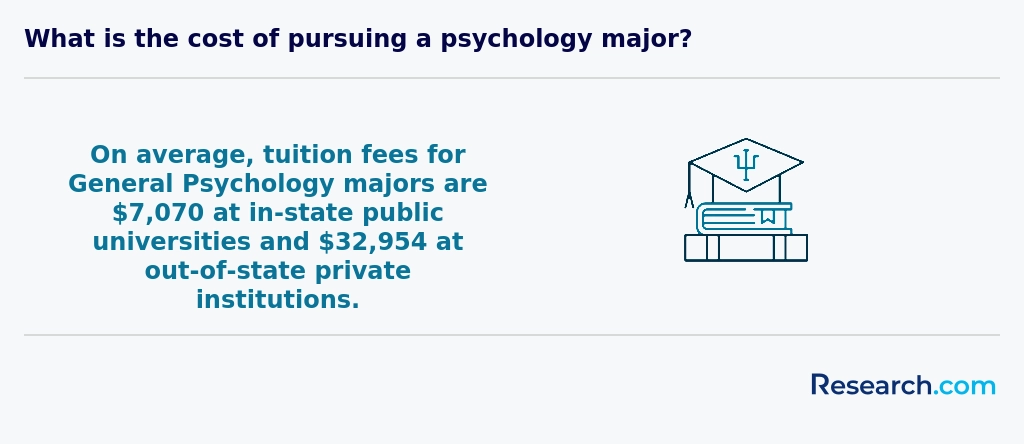
Envision walking through the halls of the University of Texas at Arlington, where the pursuit of a psychology degree is a journey both accessible and promising. If you're chasing an affordable psychology degree program in Arlington TX, you'll find the average cost for an in-state student hovers around $11,950 total-an inviting figure for those balancing dreams with dollars. Graduates often recall how this investment unlocked doors to meaningful research and clinical experiences without the shadow of overwhelming debt.
Out-of-state students, however, face a steeper climb, with median costs reaching approximately $43,674. Yet, many still cherish their time at UTA and other local institutions, highlighting financial aid's transformative role. Scholarships and assistantships frequently serve as lifelines, turning what seemed an inaccessible summit into a tangible goal. Imagine yourself thriving in vibrant psychology seminars or late-night study groups, buoyed not just by knowledge but by financial support that makes the path smoother.
Several psychology students, inspired by their affordable options, enrich their journey further by exploring online clinical psychology doctorate programs later on, blending flexibility with passion. This layered approach shows how the average cost of psychology degree in Arlington is part of a larger strategic pursuit, blending campus life with tailored academic growth and financial savvy.
Accreditation is the foundation of quality and credibility for any psychology degree. In Texas, accredited programs meet rigorous standards set by recognized bodies such as the American Psychological Association (APA) for doctoral programs and the Council for Accreditation of Counseling and Related Educational Programs (CACREP) for counseling tracks. Enrolling in an APA-accredited program at institutions like the University of Texas at Arlington ensures that your coursework, practicum, and internship experiences align with state licensure requirements. To become a licensed psychologist in Texas, graduates must: 1. Complete an APA-accredited doctoral program or a CACREP-accredited master’s program (for LPC licensure). 2. Accumulate a minimum of 3,000 supervised post-doctoral hours under a board-approved supervisor. 3. Pass the Examination for Professional Practice in Psychology (EPPP) administered by the Association of State and Provincial Psychology Boards (ASPPB). 4. Submit a licensure application and jurisprudence exam to the Texas State Board of Examiners of Psychologists. For those pursuing counseling licensure, the Texas State Board of Examiners of Professional Counselors requires a CACREP-accredited master’s degree, 3,000 supervised hours, and successful completion of the National Counselor Examination (NCE). Graduating from accredited programs not only streamlines the licensure process but also boosts employment prospects in clinical, educational, and organizational settings. For a broader view of accredited, cost-effective options beyond Arlington, compare our Affordable Psychology Degree Programs Ranking in Hattiesburg, MS.
Imagine walking through the vibrant halls of an Arlington university like Marymount or George Mason, energized by the knowledge that your financial aid isn't just a distant dream but a real, tangible support system. Many psychology students here tap into federal aid via FAFSA, unlocking Pell Grants of up to $7,395 that feel like a handshake from the universe, easing hefty tuition costs and turning stress into hope.
State funds like the Virginia Guaranteed Assistance Program amplify this relief, channeling thousands in grants exclusively to Virginia residents, making those lecture halls that much more accessible. Psychology graduates often recall snatching merit-based scholarships curated within their institutions, each award a badge of recognition and motivation.
Beyond dollars, Arlington's vibrant campus life offers work-study gigs right in psychology departments or counseling centers-an opportunity to earn while mastering skills that textbooks can't teach. Some even describe the American Psychological Association's grants as a lighthouse guiding graduate students toward impactful research.
When these streams of federal, state, institutional, and private aid merge, the daunting cost of psychology studies in Arlington transforms into a hopeful journey fueled by community and possibility.
Choosing an accredited psychology program ensures your degree is recognized, eligible for financial aid and meets state licensure standards in Texas.
- Regional Accreditation: Verify your institution is accredited by the Southern Association of Colleges and Schools Commission on Colleges (SACSCOC) to guarantee credit transfer and federal aid eligibility.
- APA Accreditation: For doctoral programs leading to licensure as a psychologist, select an American Psychological Association–accredited program.
- CACREP Accreditation: Master’s programs in counseling should hold Council for Accreditation of Counseling and Related Educational Programs approval for LPC licensure.
After graduation, follow these steps to become licensed:
- Earn your degree from the appropriate accredited program.
- Complete the required supervised experience hours (typically 3,000 for psychologists).
- Pass the Examination for Professional Practice in Psychology (EPPP) and any Texas jurisprudence exams.
- Apply with the Texas State Board and fulfill continuing education requirements to maintain your license.
For related fields like marriage and family therapy, explore online masters in marriage and family therapy
Envision stepping into Arlington's vibrant campuses, where eager psychology hopefuls first unlock the gateway: a high school diploma or GED, the simple proof that the journey begins. Imagine a graduate sharing how their solid GPA in science and math wasn't just numbers on a page but keys that opened doors to foundational psychology courses at George Mason University. Across Arlington's academic landscape, test scores like the SAT or ACT still whisper potential-some schools welcome scores eagerly, others take a more lenient, test-optional stance, reflecting the city's diversity of paths.
For those transferring or diving deeper, mastery of biology, statistics, or introductory psychology acts like a secret map, guiding them through complex theories with confidence. Graduate hopefuls holding bachelor's degrees from nearby institutions recall crafting personal statements and collecting heartfelt recommendation letters that became their voices beyond transcripts.
In Arlington's clinical psychology programs, submitting GRE scores sometimes feels like proving your readiness to join a community of thinkers and healers, preparing you for meaningful internships that transform academic dreams into real-world impact.

To practice as a psychologist or counselor in Texas, graduates must complete the following steps:
- Education: Earn a master’s or doctoral degree in psychology or a closely related field from an accredited institution.
- Supervised Experience: Accumulate 3,000–4,000 hours of supervised practicum or internship under a licensed psychologist.
- Examinations: Pass the national Examination for Professional Practice in Psychology (EPPP) and the Texas Jurisprudence Exam.
- Application: Submit transcripts, supervisor verification, and fees to the Texas State Board of Examiners of Psychologists.
- Continuing Education: Complete at least 20 hours of board-approved continuing education every two years to maintain licensure.
Aspiring counselors can also fulfill educational requirements through accredited online degrees in counseling programs.
Imagine walking the vibrant halls of an Arlington university, where your first encounter with psychology is through the lively world of Introduction to Psychology. Graduates often recall how this course opened their eyes to the intricate dance of human thoughts and behaviors, from childhood curiosity to social interactions at campus events.
Moving deeper, courses like Research Methods in Psychology transform you into a detective of the mind, teaching experimental design and data analysis. Many Arlington students cherish the "aha" moments when theory clicks during hands-on projects at their institutions.
Classes such as Biological Psychology pull back the curtain on the brain's secrets, while Abnormal Psychology invites students to understand mental health with compassion and insight-training that graduates say feels profoundly empowering.
Learning doesn't stop there-Developmental Psychology charts the journey of life itself, and practical experiences like practicums or internships embed you firmly in real-world settings, often through partnerships local to Arlington's community, sparking confidence and excitement about your future in psychology.

Imagine immersing yourself at an Arlington university where your psychology degree specializations sculpt your future like an artist shaping clay. Some graduates find themselves drawn to Clinical Psychology, deeply moved by hands-on work diagnosing and healing mental health challenges in local hospitals, feeling the rewarding pulse of real impact. Others dive into Cognitive Psychology, exploring the labyrinth of memory and language, energized by late-night research sessions in campus labs known across Arlington for cutting-edge inquiry. Developmental Psychology enthusiasts recount joyful moments shadowing pediatric programs or tutoring youth, witnessing the wonder of growth across ages. Industrial-Organizational Psychology attracts those intrigued by the vibrant Arlington business scene, applying psychology to boost workplace harmony and innovation. Neuropsychology students thrill at partnering with healthcare centers, unlocking mysteries of the brain's influence on behavior through specialized labs. Whether embarking on these Arlington psychology program concentration options or combining paths through interdisciplinary projects, students often balance their studies with part-time social work degree programs, enriching their understanding of human complexity.
Imagine walking through the bustling halls of Arlington's colleges, where graduates often share how they chose their path by tuning into the program's heartbeat-accreditation and specialization. Those who found the best accredited psychology programs Arlington TX praised the reassurance of APA recognition, knowing it opens doors to licensure and respected careers. One graduate recalled feeling empowered enrolling in a state university with affordable tuition, balancing costs without sacrificing quality-a perfect example of how to select affordable psychology degrees in Arlington.
Picture yourself in a classroom where professors actively research topics that ignite your curiosity, or in a local clinic gaining hands-on experience through internships embedded in the program's fabric. That's where study meets reality. Students often celebrate their growth when programs align with real-world opportunities, from counseling skills to industrial-organizational psychology. For those drawn to the wider world of mental health, exploring health psychology mental health careers adds another vibrant layer to their academic adventure, fueling passion with purpose.
Imagine stepping into vibrant Arlington, where psychology degree holders are not just book-smart but equipped to ignite change across diverse arenas. Graduates from local colleges often find themselves supporting real people-whether as social workers weaving community safety nets or human resources specialists crafting happier workplaces within the federal agencies nearby. When they talk about jobs with psychology degree Arlington TX offers, the narratives are alive with breakthrough moments, like counseling veterans at healthcare centers or pioneering workplace wellness strategies for tech firms.
Some peers plunge into dynamic research roles at universities, where their work fuels innovations in mental health, all while contemplating further study. Others carve paths as clinical therapists or school psychologists, empowered by Arlington's focus on accessible mental health. The ripple effect of these careers echoes in countless lives.
Intriguingly, psychology students here also explore affordable pathways, balancing in-state tuition with pragmatic ambitions. Those curious about specialized routes may consider online Christian counseling degree programs, blending faith and psychology into meaningful vocations.
Ultimately, psychology career opportunities in Arlington unfold like a rich tapestry, inviting graduates to shape the human experience in profoundly rewarding ways.

The job market for psychology degree holders in Arlington buzzes with energy, fueled by its proximity to Washington, D.C. and a growing demand for mental health professionals. Graduates from local institutions, immersed in diverse urban settings and community-centered programs, find pathways not only in clinical psychology but also in innovative sectors like federal government services and human resources. For students aiming at psychology degree employment opportunities in Arlington, the landscape offers robust chances to translate academic knowledge into impactful, real-world roles.
One graduate recalls navigating internships through Arlington's vibrant healthcare infrastructure, landing roles in school systems and government agencies where mental health initiatives thrive. The demand creates a bridge from classroom theories to tangible community support, encouraging rising counselors to consider advanced certifications or explore options like LPC schools South Carolina for further specialization.
Job outlook for psychology graduates Arlington is bright, with entry-level salaries ranging comfortably between $50,000 and $65,000. Masters or doctoral degree holders see even more promising financial rewards. This dynamic market welcomes those ready to embrace both traditional clinical roles and the expanding niche of program management, all while supported by local networks like the Arlington Psychological Association.
2027 Most Affordable Psychology Degree Programs Ranking in Arlington
Investing in your education is a significant decision that can shape your future, and the Research.com team understands the importance of making informed choices. To assist prospective students in Arlington, we have meticulously crafted the "2027 Most Affordable Psychology Degree Programs Ranking in Arlington." Our commitment to quality, credibility, and accuracy is reflected in the extensive research and analysis conducted to compile this ranking.
We utilized the following reputable data sources to ensure a comprehensive evaluation of psychology degree programs:
By exploring this ranking, readers will gain valuable insights into the most affordable and quality psychology degree options in Arlington, helping them make informed decisions about their educational paths. For more details on our methodology, please visit our Research.com methodology page.

Frequently Asked Questions About psychology
Psychology degree students in Arlington can maximize their learning by engaging actively in both classroom and practical experiences. Participating in internships or research projects offered through local universities or healthcare facilities provides hands-on exposure, essential for understanding psychological theories in real-world settings.
Students should also take advantage of Arlington's community resources, such as mental health clinics and counseling centers, to observe and participate in diverse psychological practices. Networking with professionals through local psychology associations or events can offer mentorship opportunities and insights into career paths.
Additionally, staying current with recent findings in psychology journals and attending relevant workshops helps deepen academic knowledge. According to the American Psychological Association, integrating practical experience with academic study improves retention and critical thinking skills, which is crucial for success in psychology careers.
The psychology field in Arlington and across the United States is experiencing growth in several emerging niches. One fast-developing area is neuropsychology, which focuses on understanding brain-behavior relationships. This niche offers opportunities in clinical settings and research, responding to advances in brain imaging technology.
Another expanding specialty is health psychology, which examines how psychological factors impact physical health. Arlington's healthcare institutions are increasingly integrating this approach to improve patient outcomes. Additionally, forensic psychology is gaining attention due to rising demand for mental health experts in legal contexts.
Industrial-organizational psychology also continues to grow, especially as Arlington businesses focus on employee well-being and productivity. According to the Bureau of Labor Statistics, I-O psychology is expected to grow 7% nationally through 2031, reflecting trends relevant to Arlington's corporate sector.
After completing a psychology degree in Arlington, preparing for the job market involves several strategic steps. First, gaining practical experience through internships at local mental health clinics or research facilities can enhance employability.
The U.S. Bureau of Labor Statistics reports that psychology-related jobs are projected to grow 8% from 2022 to 2032, highlighting opportunities in clinical, counseling, and school psychology roles. Arlington's proximity to Washington, D.C., expands options for positions in government agencies and private research.
Networking with professionals through Arlington-based organizations like the Northern Virginia Psychological Association can provide valuable connections and job leads. Additionally, obtaining relevant certifications or considering graduate education may increase competitiveness in specialized fields.
Employers in Arlington consistently seek psychology graduates who demonstrate strong critical thinking and analytical skills. These abilities are crucial for interpreting complex behavioral data and developing evidence-based interventions.
Communication skills are also highly valued. Graduates must convey psychological concepts clearly to clients, colleagues, and medical professionals. According to a 2023 report by the Arlington Workforce Development Board, over 70% of psychology-related job listings emphasize verbal and written communication proficiency.
Additionally, ethical judgment and cultural competence stand out as essential skills. Arlington's diverse population requires psychologists to apply sensitivity and adhere to professional standards.
Data analysis expertise, especially using statistical software, is important because many employers expect graduates to contribute to research or clinical assessments.
Finding internships in Arlington related to a psychology degree involves several strategic steps. Many universities with psychology programs in Arlington, such as Marymount University, have dedicated career centers that connect students with local internship opportunities. Additionally, Arlington's proximity to Washington, D.C., provides access to numerous government agencies, hospitals, and nonprofit organizations offering psychology internships.
Students should also explore listings on platforms like Handshake and Internship.gov, which frequently post psychology-related positions in Arlington. Networking with faculty, attending local psychology association meetings, and volunteering can further enhance internship prospects. According to the Bureau of Labor Statistics, internships improve employment chances in psychology fields by about 20% nationally.
A psychology degree in Arlington can significantly enhance career mobility and advancement opportunities. The region's growing healthcare and social services sectors create strong demand for professionals with psychology backgrounds. According to the U.S. Bureau of Labor Statistics, psychology-related fields in Virginia are expected to grow about 8% from 2021 to 2031, faster than average.
With a psychology degree, graduates in Arlington may access roles such as counselors, human resources specialists, or behavioral analysts, many of which offer clear advancement paths. Earning advanced credentials or licenses further supports career growth and higher salaries, with median wages for psychologists in the D.C. metro area typically exceeding the national average.
Local employers often prioritize candidates with formal education and field experience, making degree programs in Arlington vital for professional development.
Studying for a psychology degree in Arlington offers strong preparation for interdisciplinary roles by emphasizing both foundational psychology and its connections to related fields like healthcare, education, and social services. Programs often include coursework in biology, sociology, and statistics, fostering a broad skill set applicable across professions.
Local universities collaborate with Arlington's diverse industries, providing students access to internships in hospitals, schools, and community organizations. This hands-on experience helps bridge theoretical knowledge with practical, real-world problem-solving.
According to the U.S. Bureau of Labor Statistics, the Washington-Arlington-Alexandria metro area expects a 14% growth in psychology-related jobs through 2030, reflecting strong interdisciplinary opportunities.
Choosing between a thesis and a non-thesis psychology degree program in Arlington depends on your career goals and learning preferences. Thesis programs require students to conduct original research and write a detailed report, which can be beneficial if you plan to pursue doctoral studies or research careers. Typically, these programs may take longer to complete.
Non-thesis options focus more on coursework and practical skills, offering faster completion and often better suited for students aiming for professional practice or immediate employment. According to the Texas Higher Education Coordinating Board, Arlington institutions offer both paths, with thesis tracks enrolling about 40% of psychology graduate students as of 2023.
Consider your readiness for independent research and long-term academic plans before deciding your route.
Students in Arlington seeking psychology degrees with an international focus have several study-abroad opportunities through partnerships of local universities with foreign institutions. While psychology majors typically study within the US system, programs often include exchange options in countries like the UK, Canada, and Australia, offering valuable global perspectives on mental health.
Arlington is near universities that participate in the Education Abroad Network, which reports that about 10% of psychology students choose to study abroad during their degree. This helps students gain diverse clinical and research experience.
Financial aid and scholarships specific to education abroad are available for qualifying Arlington students to offset costs, making international study increasingly accessible.
Part-time jobs in Arlington offer valuable experience for psychology students seeking to complement their academic studies. Many students find roles as research assistants at local universities or healthcare facilities, where they can engage with psychological studies and data collection. According to Arlington County's Department of Human Services, internships in counseling or social services are also common for psychology students aiming to gain practical skills.
Positions in community outreach programs or mental health support centers provide direct client interaction, which is vital for those considering clinical psychology paths. Additionally, working as a behavioral technician or tutor in programs serving children with special needs aligns well with psychology curricula.
Psychology students in Arlington benefit from numerous networking opportunities that connect them with local professionals and organizations. The Arlington Psychological Association regularly hosts events and meetings, providing a platform for students to engage with experienced psychologists and expand their professional networks.
Local universities often organize career fairs and panel discussions, allowing students to meet recruiters from hospitals, counseling centers, and research institutions in Northern Virginia. According to Arlington Economic Development data, the region's healthcare and social assistance sectors employ over 15,000 professionals, many of whom are accessible through these events.
Internships and volunteer programs at nearby facilities such as Virginia Hospital Center also serve as valuable networking pathways for psychology students. These experiences often lead to mentorships or job placements after graduation.
Alumni networks offer valuable benefits to psychology degree students in Arlington by providing access to professional connections and career resources. These networks facilitate mentorship opportunities, enabling current students to seek guidance from graduates working in various psychology fields across the Greater Washington area.
Strong alumni ties can also increase chances of internships and job placements, as many local psychology-related organizations prefer candidates recommended by trusted alumni. According to the National Association of Colleges and Employers, students engaged with alumni networks report up to a 20% higher likelihood of securing employment after graduation.
In Arlington, where psychology services are in demand, networking through alumni groups connects students with a wide range of clinical, research, and counseling opportunities.
Customizing a psychology degree in Arlington involves selecting courses and experiences aligned with your career goals. Many local colleges offer elective options in areas like clinical, counseling, or organizational psychology. This flexibility allows students to build expertise in specialized fields.
Internships and research opportunities within Arlington's healthcare facilities and businesses provide practical experience critical to career readiness. For example, partnerships with Arlington Behavioral Healthcare and nearby organizations often enable hands-on learning.
Students can also pursue certifications or minors alongside their psychology degree to broaden their professional scope, such as in social work or human resources. Consulting an academic advisor helps tailor the curriculum effectively.
Psychology students in Arlington often face several challenges linked to the demands of the discipline and local educational settings. One common difficulty is balancing rigorous coursework with internships or practicum experiences, which are essential for hands-on training. According to the National Center for Education Statistics, psychology programs require a blend of theoretical study and applied practice, which can be time-consuming.
Financial pressure also affects many students in Arlington. The cost of living in the metropolitan area adds to tuition expenses, creating stress around budgeting effectively while studying.
Moreover, competition for research positions and faculty mentorship can be intense, as Arlington hosts prominent universities with selective programs. This competitive environment requires strong academic performance and networking.
Lastly, mental health challenges are reported among psychology students nationwide, due to the emotionally demanding content and high workload. Resources are available locally, but awareness and accessibility remain areas for improvement.
With a psychology degree in Arlington, you can pursue several professional certifications that enhance career opportunities. Common certifications include becoming a Licensed Professional Counselor (LPC), which requires passing a state exam and completing supervised clinical hours. The National Certified Counselor (NCC) credential is also popular and recognized nationwide.
For those interested in school settings, certification as a Licensed Specialist in School Psychology (LSSP) is available, typically requiring additional graduate coursework and internship experience.
Emerging fields like forensic psychology offer certification through the American Board of Forensic Psychology, providing specialization options.
Such certifications generally require graduate education, supervised practice, and passing relevant exams as per state regulations in Texas.
Writing a winning application for a psychology program in Arlington requires clear focus and preparation. Start by researching programs offered by local institutions such as Marymount University and the University of Texas at Arlington. Both emphasize hands-on experience and research opportunities, which you should highlight in your application.
Strong academic records are essential; most psychology programs look for a minimum GPA of 3.0. Include relevant coursework and highlight any research or volunteer experience related to psychology, as Arlington programs value practical involvement.
Personal statements should clearly explain your motivation for studying psychology and career goals. Use precise language, and consider referencing local mental health initiatives to show your commitment to Arlington's community.
Letters of recommendation must come from professors or professionals familiar with your academic and interpersonal skills. Lastly, meet all application deadlines carefully to enhance your chances of acceptance.
The global view of a psychology career emphasizes both broad expertise and cultural awareness. In the US, including Arlington, psychology professionals often engage with diverse populations, reflecting international trends in mental health awareness. According to the American Psychological Association, demand for psychologists is expected to grow 8% from 2021 to 2031, faster than average for all occupations.
Arlington's proximity to major research centers enhances opportunities for global collaboration. Psychology degrees here often include training on cross-cultural counseling and international ethical standards, preparing students to work in varied environments.
Many students benefit from understanding global mental health challenges, an increasingly vital skill for effective practice in an interconnected world.
Gaining practical experience while pursuing a psychology degree in Arlington is essential for career readiness. Many local colleges encourage students to participate in internships at nearby healthcare facilities, schools, and community organizations. For example, students often intern at Arlington Behavioral Healthcare or the Arlington Public School system, gaining first-hand exposure to psychological assessment and counseling.
Additionally, several universities in Arlington offer research assistant positions, allowing students to work alongside faculty on active psychology studies. According to the American Psychological Association, these roles strengthen research skills and bolster resumes.
Volunteering in local mental health nonprofits is another common way to gain experience. These opportunities help build interpersonal skills critical for future psychologists.
Choosing the right concentration within a psychology degree program in Arlington starts with understanding your career goals. Psychology offers diverse fields such as clinical, counseling, industrial-organizational, and developmental psychology. Each concentration targets different skills and job markets.
Research local employment trends to see which specialties are in demand. For instance, Arlington's healthcare sector has grown by 8% in recent years, increasing opportunities for clinical psychologists (Bureau of Labor Statistics, 2023).
Additionally, consider program accreditation and faculty expertise. Programs accredited by the American Psychological Association (APA) often provide better clinical training. Visiting campuses or attending virtual info sessions can help clarify which concentration aligns with your interests and local industry needs.
- 2027 Most Affordable Psychology Degree Programs Ranking in Wichita
- 2027 Most Affordable Psychology Degree Programs Ranking in Springfield
- 2027 Most Affordable Psychology Degree Programs Ranking in Baton Rouge
- 2027 Most Affordable Psychology Degree Programs Ranking in New Orleans
- 2027 Most Affordable Psychology Degree Programs Ranking in Kansas City
- 2027 Most Affordable Psychology Degree Programs Ranking in Hattiesburg
- 2027 Most Affordable Psychology Degree Programs Ranking in Mobile
- 2027 Most Affordable Psychology Degree Programs Ranking in Lincoln
- 2027 Most Affordable Psychology Degree Programs Ranking in Saint Louis
- 2027 Most Affordable Psychology Degree Programs Ranking in Birmingham
See What Experts Have To Say About Studying Psychology
Read our interview with Psychology experts

Robin M. Kowalski. Ph.D.
Psychology Expert
Professor of Psychology
Clemson University

Elizabeth L. Jeglic Ph.D.
Psychology Expert
Professor of Psychology
City University of New York

Joann Farrell Quinn, Ph.D., MBA
Psychology Expert
Director at the College of Medicine Department of Medical Education
Morsani College of Medicine

- Community Psychology in Global Perspective http://siba-ese.unisalento.it/index.php/cpgp
- Best Types Of Online Psychology Degrees 2025 https://www.psychology.org/degrees/
- How to Choose a Psychology Concentration | Touro University Worldwide https://www.tuw.edu/psychology/choose-psychology-concentration/
- How to help students cope with mental health challenges https://www.eaie.org/resource/help-students-cope-mental-health-challenges.html
- Psychology - SWPS University https://english.swps.pl/academics/warsaw/ba-programs/psychology
- Call for papers https://www.hogrefe.com/us/journal/international-perspectives-in-psychology-research-practice-consultation
- Study Psychology Abroad | Go Overseas https://www.gooverseas.com/study-abroad/psychology
- Study Psychology Abroad https://astarfuture.co.uk/study_psychology_abroad.html
- Know more about thesis vs non- thesis: what is the difference? https://studyfans.com/en/blogs/816
- Financial Aid for Psychology Students https://www.onlinepsychologydegrees.com/financial-aid/


