
2027 Best Psychology Degree Programs Ranking in Richardson

Co-Founder and Chief Data Scientist
Choosing the right psychology degree program is a big step toward a rewarding career. This article features the 2027 Best Psychology Degree Programs Ranking in Richardson, created by the Research.com team of data scientists. It offers a clear, trustworthy guide to help you find quality programs that fit your goals.
By exploring these rankings, you'll gain insight into top schools and their offerings, making your decision easier and more confident. A psychology degree opens doors to understanding people better and making a real difference in lives. Let this guide support your journey.
Key benefits of getting psychology degree in Richardson
- Psychology degree graduates in Richardson can expect rewarding salaries, with roles like Human Resources Specialists earning a mean annual wage of $76,060 and Marketing Research Analysts around $83,190.
- Graduates often explore diverse career paths such as clinical research, childcare, and survey research, highlighting the flexibility and broad impact of a psychology degree from local institutions.
- Online psychology degrees from popular Richardson universities offer convenience and adaptability, enabling students to balance studies with work, making education more accessible and enjoyable.
- 2027 Best Psychology Degree Programs Ranking in Richardson
- What can I expect from psychology degree in Richardson?
- Where can I work with psychology degree in Richardson?
What can I expect from psychology degree in Richardson?
The average cost of earning a psychology degree in Richardson dances around $25,000 to $40,000 annually at well-known institutions like the University of Texas at Dallas. Graduates often recount nights fueled by determination as they pour over research methods and cognitive theories, their tuition investment translating into vibrant classroom debates and hands-on internships within local clinics. This figure can feel like a hefty price tag, yet many find it a gateway to immersive learning experiences that stitch theory to real-world practice.
For example, a graduate might remember their first empathetic breakthrough during a counseling internship nearby or the thrill of contributing to a neuropsychology study, all supported by financial aid or scholarships tailored to Richardson's offerings. These dollars spark not just academic growth but emotional connections to understanding human behavior under the North Texas sky. The cost is more than numbers-it's a passport to a transforming journey in a community appreciative of psychological sciences.
Where can I work with psychology degree in Richardson?
With a psychology degree earned near Richardson, graduates often find themselves stepping into vibrant roles that shape lives daily. Imagine working as a counselor in a bustling community mental health clinic, guiding someone through their darkest moments-this is a reality for many inspired by local opportunities. Graduates from the University of Texas at Dallas frequently mention how internships here unlocked doors to such roles, fostering both empathy and professional growth.
Others dive into the classrooms of RISD as school psychologists, supporting students' emotional and academic success. Picture identifying a child's hidden learning challenge and tailoring interventions that transform their school experience-a deeply rewarding path commonly shared by Richardson's psychology scholars.
Then there's the thrill of corporate jungles within Telecom Corridor. Armed with behavioral insights, graduates craft employee wellness programs that spark motivation and innovation, making workplaces more human-centric and dynamic.
Research careers also flourish locally, where data meets human behavior. Some grads find excitement analyzing market trends or contributing to cognitive studies at UT Dallas, melding science and curiosity in ways that shape tomorrow's understanding of the mind.
Graduates from psychology programs in Richardson often find themselves stepping into roles where their earnings tell an encouraging story. Imagine a recent graduate from the University of Texas at Dallas, launching a career as a Human Resources Specialist-here, the mean annual salary per the latest data hovers around $76,060. That's a solid start, especially for those passionate about blending psychology with workplace dynamics.
Another pathway commonly embraced is becoming a Marketing Research Analyst, where local graduates leverage their skills in understanding human behavior and consumer trends. These roles offer a mean wage near $83,190 annually, reflecting Richardson's commercial pulse and tech-driven economy.
Entry-level positions such as Clinical Research Associates and Survey Researchers see earnings around $62,370 per year. One psychology alum from Richland College shares how working in these roles helped sharpen research acumen while comfortably supporting a lifestyle in Richardson.
These salaries anchor well within Richardson's vibrant job market, fueled by universities that offer strong psychology departments. They reveal not just numbers, but a tangible, inspiring story of how psychology degrees translate into rewarding careers with real economic impact in this growing Texas hub.
- Richardson offers psychology programs through community colleges, public universities, and private institutions with annual tuition ranging from $3,500 to over $30,000.
- Bachelor's degree graduates in psychology typically earn between $40,000 and $50,000 annually early in their careers.
- Advanced degree holders, such as those with a master's or doctoral degree, can earn median salaries from $70,000 to $90,000 or more.
- The local job market is strong in counseling, human resources, social services, and healthcare, with expected growth in psychology roles of about 10% nationwide from 2022 to 2032.
- Graduate licensure usually requires a doctoral degree plus supervised clinical experience to become a licensed psychologist or counselor.
Picture yourself stepping onto the bustling campus of the University of Texas at Dallas, where eager psychology students embark on a four-year journey that weaves together curiosity, coursework, and moments of self-discovery. Most bachelors here unfold over about 120 credit hours, blending general education with deep dives into the human mind. Graduates often reflect on the thrill of their first research project or practicum experience, landmarks marking that four-year rhythm.
Some dream bigger, extending their adventure by two to three years for a master's-balancing study with life's demands, sometimes stretching timelines but enriching the learning experience. Others brave the demanding doctoral route, spending five to seven years immersed in research and clinical training, often remarking on the profound growth this journey sparks.
Locals venturing through Richardson's colleges know part-time options and summer courses can bend these timelines, making each path uniquely theirs. The heartbeat remains the same: a dedicated voyage into psychology shaped by the vibrant academic scene nearby.
Picture a student at a well-known Richardson university, walking through buzzing halls filled with the hum of research and lively chatter. Their on-campus psychology degree offers daily face-to-face debates, late-night study sessions in the library, and hands-on internships secured through tight local networks. They revel in feeling plugged into a tangible community, where mentorship flows freely and complex ideas unfold in real-time discussions.
Meanwhile, an online psychology learner from a Richardson college balances lectures with the chaos of family dinners and work calls. Their flexible schedule means logging in from a cozy nook at midnight, absorbing lessons at their own pace-sometimes fueled by a midnight snack and the comfort of home. This learner's experience embodies freedom, adapting education to life's unpredictability, while still tackling the rigorous APA-accredited curriculum.
Both paths enroll Richardson students in a shared adventure of the mind, but the on-campus route glimmers with immersive social energy, and the online path shines as a beacon of adaptability for the modern scholar.
After earning a psychology degree in Richardson, TX, many graduates pursue state licensure and professional certifications to expand their career options and meet industry standards. Understanding the steps and requirements for each pathway ensures you’re prepared for roles that demand specialized credentials. 1. Texas Licensure for Psychologists and Counselors - Licensed Psychological Associate (LPA): Requires a master’s degree in psychology, 3,000 supervised hours, and passing the Examination for Professional Practice in Psychology (EPPP). - Licensed Professional Counselor (LPC): Involves a master’s in counseling or related field, 3,000 supervised hours under a board-approved supervisor, and the National Counselor Examination (NCE). - Licensed Specialist in School Psychology (LSSP): Entails a specialist-level degree (at least 60 graduate semester hours), 1,500 supervised internship hours in a school setting, and the School Psychologist Certification exam. 2. Certification and Specialty Credentials - Child Psychology Certification: For those targeting jobs with child psychology degree, obtaining a specialty certification-such as the National Certified School Psychologist (NCSP)-demonstrates expertise in child assessment and intervention. - Board Certified Behavior Analyst (BCBA): Requires specific graduate coursework in behavior analysis, 2,000 hours of supervised fieldwork, and the BCBA examination. 3. Continuing Education and Renewal - Renewal cycles vary by license: LPCs and LPAs must complete 24 hours of continuing education every two years, including ethics training. - Approved providers include the Texas Psychological Association and local university extension programs, offering workshops on the latest evidence-based practices. 4. Tips for Streamlining the Process - Track supervised hours with official logs; incomplete documentation is a common cause of delay. - Attend state board workshops and network at local conferences hosted by the Texas Counseling Association to stay informed on regulatory updates. - Leverage university career services to connect with licensed professionals who can serve as supervisors or mentors. By navigating these licensure and certification pathways strategically, Richardson graduates enhance their professional credibility, unlock specialized roles, and ensure compliance with Texas regulatory standards.
The average total cost of a psychology degree in Richardson hovers around $55,668, a figure that captures the entire journey from enrollment to graduation. For in-state residents attending local institutions like the University of Texas at Dallas, the investment generally feels lighter, with median in-state costs closer to $14,644. This difference in pricing can make a huge impact on students budgeting their education, especially when dreaming of late-night study sessions and engaging lectures on campus.
Graduates recall the emotional relief brought by knowing these numbers beforehand-balancing the excitement of acquiring knowledge with the reality of tuition fees and living expenses. The total cost psychology degree Richardson TX usually includes more than just tuition; think of textbooks, transportation, and those lively coffee runs that keep study groups buzzing. Many reflect on how financial aid and scholarships offered by Richardson universities helped ease the financial weight, letting them focus more completely on their passion for psychology.
One practical step forward is exploring the most affordable psychology schools in texas, which opens doors to options that fit tighter budgets without compromising quality. Postgraduate programs push costs higher, of course, sometimes exceeding $50,000 yearly, but for many psychology enthusiasts in Richardson, the investment is a thrilling challenge rather than a barrier.

When selecting a psychology degree program, affordability is a crucial factor to consider, especially for students in Richardson, TX, who are looking to balance the cost of education with the quality of the program. Prospective students can explore most affordable psychology schools in texas to find options that fit their financial situation. By understanding the cost implications of different programs, students can make informed decisions that align with their career aspirations and financial capabilities, ultimately setting them on a path to success in the field of psychology. This consideration is vital in ensuring that the investment in a psychology degree yields a strong return, both in terms of career opportunities and personal fulfillment.
Imagine walking through the buzzing halls of the University of Texas at Dallas, where a psychology student's financial worries begin to fade thanks to FAFSA unlocking federal aid. Pell Grants can feel like unexpected gifts-up to $7,395 to ease tuition anxiety-transforming stress into excitement. Graduates often recall how scholarships from the American Psychological Association kicked in just when hope seemed distant, rewarding both brainpower and passion for the human mind.
In Richardson's vibrant community, work-study programs place students right where psychology meets practice-assisting research labs or counseling centers-turning textbooks into tangible skills while putting a paycheck in your pocket. Those enrolled at institutions like Richland College find assistantships that not only cover tuition but spill into stipends, crafting experiences that feel less like chores and more like stepping stones.
Some students experiment cautiously with private loans, using the financial office's guidance to avoid common pitfalls, confident they're building a future rather than a debt trap. Here, financial aid isn't just a backup plan-it's the scaffold for dreams in psychology.
Accredited programs ensure quality, meet professional standards, and support licensure. In Richardson, students should confirm:
- Regional accreditation by the Southern Association of Colleges and Schools Commission on Colleges (SACSCOC).
- American Psychological Association (APA) accreditation for doctoral and internship training.
- State board approval for supervised clinical practicum.
Why accreditation matters:
- Qualifies graduates for state licensure exams.
- Enables seamless credit transfer between institutions.
- Ensures eligibility for federal financial aid.
Students pursuing counseling specialties can also benefit from programs recognized under CACREP standards; for more options, see best online mft programs counseling.
To dive into a psychology degree in Richardson, imagine stepping into a mosaic where your high school years paint the first strokes. Graduates often recall how excelling in English and biology unlocked doors at local colleges like the University of Texas at Dallas or Richland College. A GPA hovering near 2.5 to 3.0 feels like a solid handshake to admissions committees eager for thoughtful minds.
Standardized tests may not be the star players anymore, but submitting SAT or ACT scores above the 50th percentile can add weight, like a confident nod in a busy hallway. Transfer students tell stories of building bridges with completed psychology courses and research methods-a foundation turning complex theories into relatable stories.
Financially, Richardson's in-district tuition rates create a welcoming path, easing the journey toward your passion. Many have felt the thrill of financial aid battles won, scholarships awarded, and the pride of stepping closer to internships where background checks ensure safe, meaningful clinical experiences.
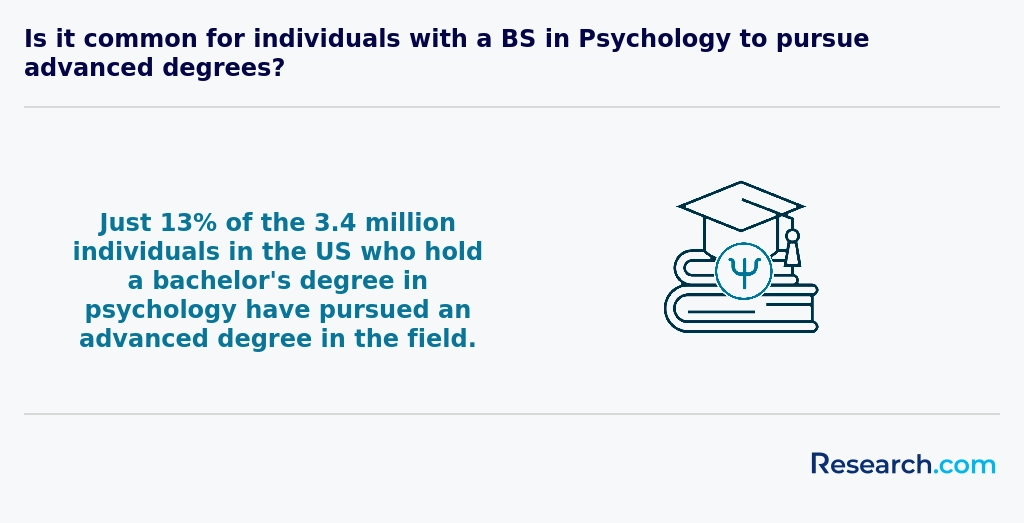
Navigating the path from graduation to professional practice requires understanding Texas’s licensure landscape for psychologists and counselors. To become a Licensed Professional Counselor (LPC) in Texas, candidates must: 1. Earn a qualifying graduate degree in counseling or psychology from an accredited institution. Prospective students concerned about cost may compare tuition rates by exploring our Affordable Psychology Degree Programs Ranking in Alaska for national benchmarks. 2. Complete a minimum of 48 semester hours of graduate coursework, including ethics, assessment, and psychopathology, as stipulated by the Texas State Board of Examiners of Professional Counselors. 3. Accumulate 3,000 hours of supervised clinical experience under a board-approved supervisor, with at least 1,500 hours in direct client contact. 4. Pass the National Counselor Examination (NCE) or the National Clinical Mental Health Counseling Examination (NCMHCE). 5. Submit a detailed application, pay fees, and undergo a background check through the Texas Behavioral Sciences Online portal. For those pursuing the Licensed Psychologist credential, additional steps include:
- Completing a doctoral degree in psychology accredited by the American Psychological Association (APA).
- Logging 3,500 post-doctoral supervised hours in assessment, diagnosis, and psychotherapy.
- Passing both the Examination for Professional Practice in Psychology (EPPP) and the Texas Psychology Jurisprudence and Ethics Examination. Maintaining licensure requires 40 hours of continuing education every two years, focusing on ethics, assessment, and cultural competency. Understanding these requirements early can streamline your transition from student to licensed professional and ensure compliance with Texas regulations.
Diving into a psychology degree in Richardson means embracing a vibrant curriculum that lights up the mind with curiosity. Picture yourself at a bustling university where your first brush with Introduction to Psychology sparks excitement-like uncovering the secrets behind human quirks and the why of behavior.
In research methods, students often share stories of designing their own experiments, transforming theory into real-world discovery, whether at a popular college downtown or a sprawling university campus nearby. Here, you sharpen your statistical skills much like a detective analyzing clues.
Biopsychology classes become a fascinating journey inside your own brain, where understanding neurons firing feels like decoding a personal, invisible universe. Developmental psychology courses take you through relatable life chapters-from the chaotic joy of toddlerhood to the complexities of adulthood, studied right in the heart of Richardson's educational hubs.
Graduates adore how social psychology recreates everyday conversations to reveal the unseen forces shaping friendships and community life. Each course is a step toward not only academic achievement but an emotional connection to the world around you.
In Richardson, psychology degree specializations invite students to step into vibrant worlds of human thought and behavior. Imagine diving into clinical psychology, where graduates from local universities share stories of transforming lives by diagnosing and treating mental health challenges-experiences that spark both empathy and purpose. Counseling psychology offers another deeply rewarding path; students often recount the joy of guiding individuals through life's storms, an emotional journey made real in counseling centers on campus.
At institutions known for their Richardson psychology programs with specialization options, developmental psychology breathes life into understanding growth from infancy to old age, inspiring many to pursue careers in education or healthcare. Industrial-organizational psychology, taught nearby where corporate pulse beats strong, empowers students to redesign workplaces with human well-being at the center. Meanwhile, cognitive psychology unfolds the mysteries behind memory and decision-making, enticing those drawn to rigorous research.
Many graduates emphasize the importance of practical training; some even recommend exploring the education needed to be a child psychologist as a specialized route. These specializations don't just reflect academic tracks but vibrant realities shaping Richardson's psychology landscape.
Choosing a psychology degree in Richardson means stepping into a vibrant world where your academic path intertwines with real community stories. Graduates from the University of Texas at Dallas often recount how small class sizes and hands-on research opportunities transformed dry theory into lively exploration. Imagine diving into cognitive psychology labs that feel like detective agencies, or clinical psychology seminars sharpened by local internships.
Finding the best psychology degree programs in Richardson hinges on uncovering those authentic experiences-programs where professors know your name, and the coursework feels less like paperwork and more like paving your future. Picture yourself navigating fields like industrial-organizational psychology, inspired by graduates who now lead teams in thriving companies around town.
Don't overlook affordability when hunting affordable psychology colleges Richardson TX; some students juggle part-time jobs while benefiting from scholarships and assistantships available locally. And if your heart leans toward helping children through psychological insight, explore jobs with child psychology degree to see how those programs open doors beyond the classroom.
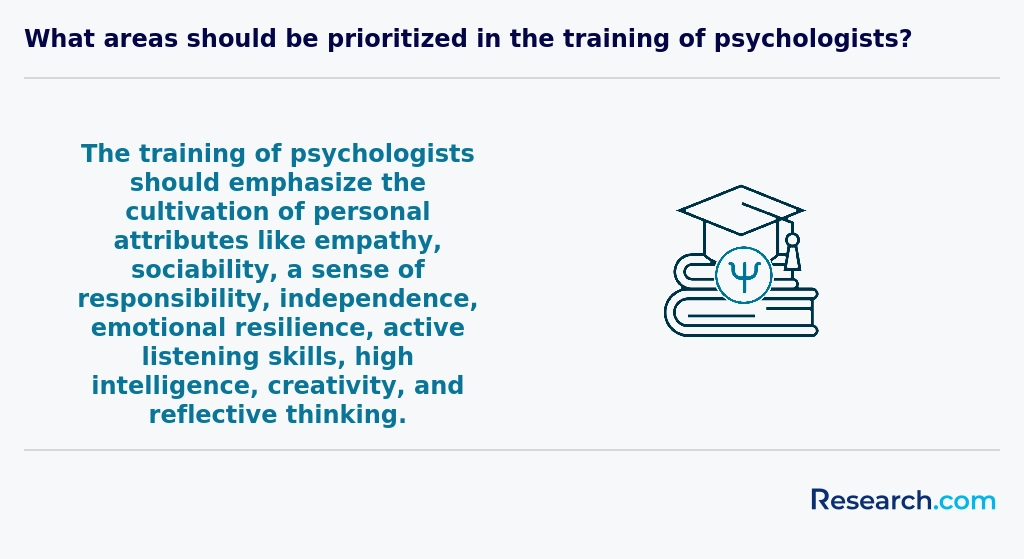
Graduates with a psychology degree in Richardson often find themselves stepping into roles that weave human understanding with real-world impact. Picture a student from a local university advancing to become a licensed counselor, their days filled with guiding clients through personal transformations at nearby mental health clinics. Others dive into industrial-organizational psychology, crafting vibrant workplace cultures in Richardson's corporate hubs where big ideas meet employee well-being, opening fresh terrains in psychology careers in Richardson Texas.
Meanwhile, some graduates take lively school psychology positions, nurturing young minds and collaborating directly with educators to shape brighter futures. These paths blossom naturally from the rich educational soil offered by Richardson's top colleges. For those passionate about inquiry, research roles beckon-students engrossed in human behavior at these institutions often continue on to drive new insights in academic or clinical studies.
Job opportunities for psychology graduates Richardson also include the strategic world of human resources and talent management, where psychological principles transform recruitment and training into artful science. Curious students can explore affordable routes via the Affordable Psychology Degree Programs Ranking in Alaska, finding financial balance while chasing their ambitions.
Psychology degree job outlook Richardson shines with promise as graduates from local institutions find themselves woven into a vibrant healthcare tapestry. Imagine the recent graduate from a well-known Richardson college, energized by cutting-edge courses and hands-on internships at nearby mental health clinics, stepping confidently into roles as licensed professional counselors or school psychologists. The city's expanding medical and social services sectors offer fertile ground, reflecting a steady rise in demand fueled by greater awareness of mental health.
Richardson psychology career opportunities feel tangible when walking campus paths, seeing peers immerse in research projects that pave the way for careers in human resources or behavioral science. Salaries hover around national medians, with prospects brightening as additional certifications boost credentials. For those weighing options, public universities nearby make pursuing a psychology degree accessible and affordable, turning educational dreams into achievable realities.
Considering your future? Explore the best college degrees to align ambitions with Richardson's dynamic job landscape.
2027 Best Psychology Degree Programs Ranking in Richardson
Investing in your education is a significant decision that can shape your future, and the Research.com team understands the importance of making informed choices. To assist prospective students in Richardson, we have meticulously crafted the "2027 Best Psychology Degree Programs Ranking in Richardson." Our commitment to quality, credibility, and accuracy is reflected in the extensive research and analysis conducted to compile this ranking.
We utilized the following reputable data sources to ensure a comprehensive evaluation of psychology programs:
By exploring this ranking, readers will gain valuable insights into the top psychology degree programs available in Richardson, enabling them to make well-informed decisions about their educational paths. For more details on our methodology, please visit our Research.com methodology page.

Frequently Asked Questions About psychology
Psychology degree students in Richardson can enhance their learning by actively engaging in both academic and practical experiences. Local institutions often provide access to internships and research opportunities, which are vital for applying theoretical knowledge. According to the Texas Higher Education Coordinating Board, participation in research projects improves comprehension and retention of complex psychological concepts by up to 30%. Networking with faculty and peers in Richardson's academic community also supports career development and collaboration.
Taking advantage of local mental health clinics and community organizations for volunteer work offers practical exposure. Additionally, Richardson students should stay informed about developments through professional associations like the Texas Psychological Association, which hosts workshops and seminars nearby.
Emerging niches within the psychology field reflect shifts in societal needs and advances in science. In Richardson and the broader Dallas-Fort Worth area, growing interest surrounds neuropsychology, which examines brain-behavior relationships. This niche benefits from local research institutions collaborating with tech firms. Another expanding area is health psychology, focusing on how psychology affects physical well-being and chronic illness management. Industrial-organizational psychology is also gaining traction, with businesses seeking experts to improve workplace productivity and employee satisfaction. Additionally, forensic psychology is developing rapidly due to increased demand in legal settings. According to the Bureau of Labor Statistics, psychology jobs in Texas are projected to grow 12% by 2030, reflecting these trends.
After completing a psychology degree in Richardson, preparing for the job market requires strategic planning and skill development. Start by gaining practical experience through internships or volunteer work in local mental health clinics, schools, or research facilities. These opportunities help build a professional network and enhance your resume.
Develop strong communication and data analysis skills, as employers highly value these in psychology-related roles. Familiarize yourself with licensure requirements if you plan to become a licensed psychologist or counselor; in Texas, this often includes supervised clinical hours and passing exams.
Explore local job postings through Richardson's workforce boards and resources like the Texas Workforce Commission, which reported a steady demand for psychological services in the Dallas metropolitan area.
Employers in Richardson value psychology graduates who demonstrate strong analytical skills and the ability to interpret complex data. According to the Bureau of Labor Statistics, proficiency in research methods and statistics is critical, as 65% of local psychology-related roles involve data analysis. Communication skills, both written and verbal, are essential for collaborating with clients and interdisciplinary teams. Additionally, employers seek graduates with knowledge of ethical practices and cultural competence to effectively serve diverse populations in the Dallas-Fort Worth metro area. Problem-solving and critical thinking also rank highly, helping graduates address mental health challenges innovatively and responsibly.
Finding internships in Richardson relevant to a psychology degree involves utilizing both local resources and university career centers. Institutions such as the University of Texas at Dallas, located nearby, often partner with local clinics and research facilities to offer internship opportunities. Students should explore healthcare providers, mental health agencies, and nonprofit organizations within Richardson, as these commonly provide hands-on experience for psychology students.
The Texas Workforce Commission reports that healthcare and social assistance sectors in Richardson continue to grow, creating more internship positions annually. Networking through local psychology associations or attending job fairs can also increase your chances. Contacting the Texas Psychological Association may help identify licensed professionals offering internships.
Lastly, applying early and maintaining a tailored resume aligned with psychology internship requirements is crucial to securing a position. Local hospitals and rehabilitation centers are prime venues for practical experience relevant to psychology degrees.
A psychology degree in Richardson can significantly enhance career mobility and advancement opportunities. The Dallas-Fort Worth metro area, which includes Richardson, has a growing demand for mental health professionals, with a projected 14% growth rate in psychologist employment through 2031 according to the U.S. Bureau of Labor Statistics. Holding a degree in psychology provides a strong foundation for various roles, from counseling to human resources or research positions. Additionally, local employers often prefer candidates with formal education due to the specialized skills in assessment, communication, and behavioral analysis that psychology programs develop.
Graduates in Richardson benefit from access to established healthcare and educational institutions, which offer internships and networking opportunities helping to accelerate career growth. Earning advanced degrees, such as a master's or doctorate, further increases earning potential and qualifies individuals for leadership roles in clinical or organizational settings. Data from the Texas Workforce Commission highlights that professionals with psychology-related graduate degrees earn 20-30% more on average than those with only a bachelor's degree in the region.
Studying for a psychology degree in Richardson equips students with skills applicable across multiple disciplines, such as healthcare, education, and business. Local universities emphasize cross-disciplinary coursework, including biology, statistics, and social sciences, fostering broad analytical abilities. According to the Texas Higher Education Coordinating Board, 43% of psychology graduates from the Dallas-Fort Worth area pursue interdisciplinary careers within five years. Students benefit from internships and research projects partnered with Richardson's medical and tech industries, enhancing practical experience in teamwork and communication. This integrated education prepares graduates for varied roles, from counseling to organizational development, meeting the evolving job market demands.
When choosing between a thesis and a non-thesis psychology degree program in Richardson, consider your career goals carefully. Thesis programs typically require original research and are ideal for students aiming for doctoral studies or research positions. Non-thesis options focus more on coursework and practical skills, often suited for those entering professional roles directly.
In Richardson, universities offering psychology degrees align with this national trend. According to the Texas Higher Education Coordinating Board, about 40% of local psychology graduate students pursue thesis tracks, reflecting strong academic research opportunities in the area.
Cost, time commitment, and faculty expertise are also important. Thesis programs may extend your study by a semester or more but can enhance your resume in competitive fields.
Students based in Richardson interested in studying psychology abroad have several pathways through US universities and exchange programs. Many institutions near Richardson, including the University of Texas at Dallas, offer partnerships with universities worldwide, allowing psychology students to participate in study abroad programs for one or two semesters. These programs provide exposure to diverse psychological practices and research methodologies.
According to the American Psychological Association, about 10% of US psychology students engage in international study experiences, enhancing their cultural competence and career prospects. Richardson's proximity to major airports also facilitates travel to key global academic hubs in Europe, Asia, and Latin America.
Federal financial aid and scholarships often support these opportunities, making overseas study a more achievable goal for psychology students in Richardson.
Richardson offers several part-time job opportunities well suited for students pursuing psychology degrees. Positions such as research assistants at the University of Texas at Dallas provide hands-on experience with psychological studies and data analysis. Working as a mental health technician or behavioral health aide in local clinics can deepen practical understanding of patient care.
Many nonprofit organizations in Richardson seek volunteers or part-time staff for crisis intervention or counseling support. According to the Texas Workforce Commission, these roles develop communication and empathy skills vital to psychology careers.
Additionally, tutoring roles focusing on psychology courses or related sciences allow students to reinforce their knowledge while earning. These jobs complement academic learning by applying theory in practical environments.
Psychology students in Richardson have multiple opportunities to build professional networks essential for their careers. The city is home to the University of Texas at Dallas (UTD), whose psychology programs actively promote student involvement in research groups and psychology clubs. These platforms often invite guest speakers, creating connections with established psychologists and local professionals.
Additionally, Richardson's proximity to the Dallas-Fort Worth metropolitan area offers access to related conferences and workshops, such as those hosted by the Texas Psychological Association. Attending these events helps students engage with industry experts and explore internships.
Local hospitals and mental health centers also provide volunteer and practicum openings that foster real-world experiences and professional relationships.
Alumni networks play a significant role in supporting psychology degree students in Richardson. These networks provide valuable connections to graduates who have navigated similar academic and career paths. According to the National Association of Colleges and Employers (NACE), students involved with alumni groups are 30% more likely to secure internships or job offers after graduation.
In Richardson, alumni often work in local mental health clinics, hospitals, and research institutions, offering mentorship and internships. They can help students understand current industry trends and provide guidance on specialization choices within psychology. This support enhances students' professional development and networking opportunities.
Many universities in Richardson actively engage alumni for career panels, workshops, and guest lectures, enriching the educational experience. Access to such resources can improve students' chances of successful employment in a competitive psychology job market.
Customizing a psychology degree program in Richardson allows students to align their studies with specific career ambitions. Many local institutions offer elective courses in areas such as clinical psychology, counseling, or industrial-organizational psychology. This flexibility helps tailor the curriculum to fit goals like becoming a therapist, human resources specialist, or researcher.
Internship opportunities with Richardson-based health centers and companies provide practical experience and networking advantages. According to the Texas Higher Education Coordinating Board, nearly 40% of psychology students in Texas complete internships as part of their degree, enhancing employability.
Graduate certificates and minors can also deepen expertise in specialties such as behavioral analysis or child development, further customizing your learning pathway.
Psychology students in Richardson commonly face challenges related to balancing rigorous coursework with practical experience. Many programs require students to complete internships or research projects, adding to their time commitments. According to the National Center for Education Statistics, about 65% of psychology undergraduates nationwide participate in experiential learning, which can be demanding alongside regular classes.
Another challenge is the competitive nature of placements in local clinical settings and research labs in Richardson, where students often vie for limited slots. Additionally, grasping complex psychological theories and statistical methods can pose difficulties, especially for those new to research techniques.
Financial strain is also significant. While Richardson hosts several universities offering psychology degrees, tuition and living expenses remain a burden, with many students relying on loans or part-time work. These factors can impact academic performance and stress levels.
With a psychology degree in Richardson, professionals can pursue various certifications to enhance their careers. One common path is becoming a licensed psychologist, which requires completing a doctoral degree and passing the Examination for Professional Practice in Psychology (EPPP). Additionally, certifications like Certified School Psychologist or Licensed Professional Counselor (LPC) are popular for those focusing on counseling or educational settings.
Other credentials include Board Certified Behavior Analyst (BCBA), which supports careers in applied behavior analysis. For specialization, certifications in neuropsychology or forensic psychology are also options, though they often require advanced degrees and supervised experience.
Such certifications help meet Texas state regulations and improve job prospects in Richardson's healthcare and educational sectors.
To write a winning application for a psychology program in Richardson, start by researching each college's requirements carefully. Most programs require a strong GPA, typically above 3.0, and relevant coursework or experience in psychology or related fields. Highlight any volunteer work, internships, or research projects that demonstrate your commitment.
Personal statements should emphasize your motivation for studying psychology, career goals, and how Richardson's specific programs align with your interests. Schools like the University of Texas at Dallas note the importance of clear, well-structured essays.
Letters of recommendation are crucial; choose professors or supervisors familiar with your academic abilities. Lastly, prepare thoroughly for any required standardized tests, such as the GRE, aiming for competitive scores to strengthen your candidacy.
Global perspectives on psychology careers reveal a growing demand for professionals skilled in mental health, behavioral sciences, and counseling. In the United States, psychology is a rapidly expanding field with the Bureau of Labor Statistics projecting a 8% job growth from 2022 to 2032. For students in Richardson, Texas, this means strong local opportunities align with national trends, particularly in clinical and counseling psychology. Many psychology degrees in Richardson focus on applied skills, reflecting a global shift towards evidence-based practice. Internationally, psychology careers also emphasize cultural competence and interdisciplinary approaches, which are increasingly integrated into U.S. curricula to prepare graduates for diverse populations.
Students pursuing a psychology degree in Richardson can gain practical experience through several avenues that complement their academic studies. Many local colleges and universities, including the University of Texas at Dallas, offer internship programs in collaboration with nearby hospitals, mental health clinics, and social service agencies. These internships provide invaluable hands-on learning critical for understanding psychological concepts in real-world settings.
Additionally, Richardson's proximity to Dallas broadens placement opportunities, as nearly 30% of psychology undergraduates secure internships or research assistant roles in this metropolitan area, according to recent reports from the Texas Higher Education Coordinating Board.
Volunteering with organizations focused on mental health also enhances practical skills and networking.
Choosing the right concentration within a psychology degree program in Richardson begins with assessing your career goals and interests. Common concentrations include clinical, counseling, developmental, and industrial-organizational psychology. Each focuses on different aspects, such as mental health treatment or workplace behavior.
Research local universities like the University of Texas at Dallas, which offers diverse psychology tracks reflecting current job market demands. According to the Bureau of Labor Statistics, Richardson and the Dallas metro area show growing opportunities in clinical and counseling psychology fields.
Consider internship and practicum availability in Richardson, as hands-on experience is crucial. Review program resources, faculty expertise, and licensure requirements specific to Texas when selecting a concentration.
- 2027 Best Psychology Degree Programs Ranking in Wichita
- 2027 Best Psychology Degree Programs Ranking in Springfield
- 2027 Best Psychology Degree Programs Ranking in Baton Rouge
- 2027 Best Psychology Degree Programs Ranking in Kansas City
- 2027 Best Psychology Degree Programs Ranking in New Orleans
- 2027 Best Psychology Degree Programs Ranking in Hattiesburg
- 2027 Best Psychology Degree Programs Ranking in Mobile
- 2027 Best Psychology Degree Programs Ranking in Saint Louis
- 2027 Best Psychology Degree Programs Ranking in Lincoln
- 2027 Best Psychology Degree Programs Ranking in Birmingham
See What Experts Have To Say About Studying Psychology
Read our interview with Psychology experts

Robin M. Kowalski. Ph.D.
Psychology Expert
Professor of Psychology
Clemson University

Joann Farrell Quinn, Ph.D., MBA
Psychology Expert
Director at the College of Medicine Department of Medical Education
Morsani College of Medicine

Elizabeth L. Jeglic Ph.D.
Psychology Expert
Professor of Psychology
City University of New York

- 2025-2026 Cost of Attendance https://www.utsouthwestern.edu/education/students/financial-aid/cost-of-attendance/graduate/
- Social Psychology Network http://richardson.socialpsychology.org/
- Alumni Perspectives - Meet Our FPN Alumni https://www.aanmelder.nl/alumni-perspectives-june-2023
- Know more about thesis vs non- thesis: what is the difference? https://studyfans.com/en/blogs/816
- Psychology Specializations Psychology | Calvin University https://calvin.edu/psychology/careers-outcomes/psychology-specializations
- Fastest Growing Careers In Psychology | Psychology.org https://www.psychology.org/resources/fastest-growing-careers-in-psychology/
- Psychology Programs in Richardson TX - EPPP 101 https://eppp101.com/psychology-programs-in-richardson-tx/
- Psychology - SWPS University https://english.swps.pl/academics/warsaw/ba-programs/psychology
- Ontario Psychological Association - Networking and Community Resources https://www.psych.on.ca/become-a-member-(1)/member-services/networking-and-community-resources
- DWU | Psychology https://www.dwu.edu/psychology


