
2027 Most Valuable Psychology Degree Programs Ranking in the South

Co-Founder and Chief Data Scientist
Choosing the right psychology degree program can shape your future in meaningful ways. This article introduces the 2027 Most Valuable Psychology Degree Programs Ranking in the South, crafted by Research.com's skilled team of data scientists. Designed to help you make informed decisions, it highlights top programs worth considering.
Exploring these rankings can boost your confidence as you plan your academic path. A psychology degree offers rewarding career opportunities and personal growth, making the journey truly worthwhile.
Discover which programs stand out and take a step closer to your goals!
Key benefits of getting psychology degree in the South
- Psychology degree graduates in the South can earn competitive salaries in various roles, such as Human Resources Specialists with a mean annual wage of $76,060 and Marketing Research Analysts earning about $83,190 yearly.
- Career paths include diverse fields like clinical research, marketing analysis, and childcare, offering flexibility and opportunities for graduates from universities such as the University of Florida.
- Obtaining an online psychology degree from schools like Liberty University allows for flexible scheduling and balancing work or family life, making education more accessible without sacrificing quality.
- 2027 Most Valuable Psychology Degree Programs Ranking in the South
- What can I expect from psychology degree in the South?
- Where can I work with psychology degree in the South?
What can I expect from psychology degree in the South?
Imagine walking the leafy pathways of a well-known Southern university where your dream to study psychology feels both vibrant and achievable. Here, the average annual tuition at public universities hovers around $9,000, a beacon of affordability that lets you focus more on understanding human minds than worrying about crushing debt. Graduates from these programs often share how this reasonable cost transformed their academic journey-allowing them to pour energy into internships and research without the heavy weight of financial strain.
Many students at these Southern institutions find their wallets happier compared to peers in other regions, making it easier to savor campus life and dive deep into specialized fields like industrial-organizational or clinical psychology. Picture yourself gaining hands-on experience through campus partnerships, knowing your investment is both smart and supportive of mental health communities across vibrant cities like Atlanta, Miami, or Austin.
With manageable tuition fees, you can embrace your passion fully, supported by education designed around regional needs and real-world impact.
Where can I work with psychology degree in the South?
Graduates from psychology programs at Southern universities often find themselves unlocking doors to vibrant careers, from bustling clinics in Atlanta to quiet school offices in Nashville. Imagine working as a clinical counselor in a Texas hospital, where every conversation nudges someone toward a brighter day, or stepping into a Miami research lab, analyzing human behavior that shapes social policies. Southern campuses like those in Georgia and Florida don't just teach theory; they prepare you to dive into real-world roles that matter.
Many find joy and purpose as school psychologists in Tennessee, guiding students through challenges with empathy and insight. Others thrive in Florida's corporate corridors, using industrial-organizational psychology to create healthier workplaces. Picture collaborating with social service agencies in Louisiana, crafting programs that heal families and strengthen communities. The South's blend of tradition and innovation makes psychology careers not just jobs but meaningful adventures.
Imagine stepping out of a vibrant psychology program at a well-known Southern university, like the University of Georgia or Tulane, ready to dive into a career where your understanding of human behavior pays dividends. Graduates often find themselves stepping into roles such as Human Resources Specialists, where the median annual wage stands at about $76,060, a solid entry point combining people skills and psychology knowledge.
Others land roles as Marketing Research Analysts, tapping into the science of decision-making with mean salaries hovering around $83,190-a sweet spot for those who love blending psychology with business savvy. Clinical Research Associates in Southern states report salaries near $62,370, reflecting the intrigue and challenge of advancing psychological science while earning a dependable income.
Picture yourself walking across the campus of Florida State University, inspired by stories of childcare workers earning roughly $32,070, often starting their careers with heart and a psychology degree in hand, knowing there's room to grow. Survey Researchers share similar earnings at about $62,370, offering a pathway to influence policies and products with psychological insights.
- In-state tuition for public universities in the South ranges from $8,000 to $12,000 per year, while private institutions charge between $20,000 and $35,000 annually.
- The median salary for early-career psychology graduates is about $45,000 per year, rising to around $65,000 within five to ten years of experience.
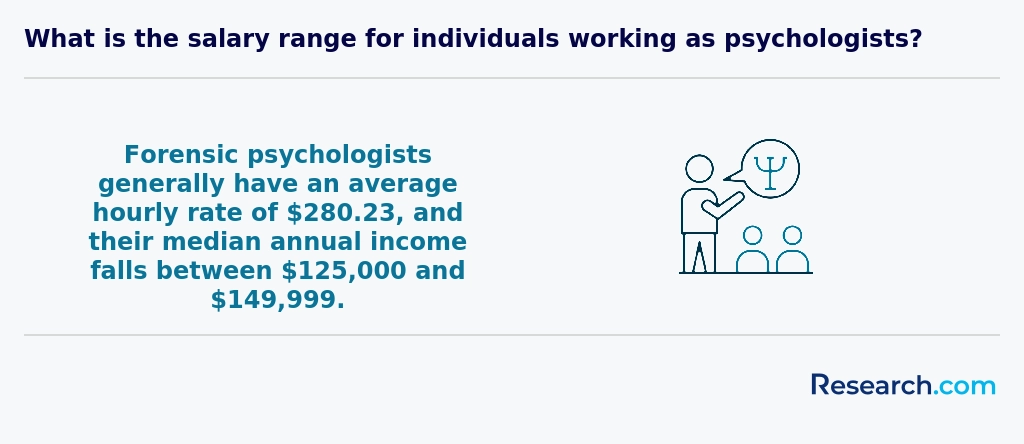
- Doctoral degree holders can earn salaries exceeding $90,000, especially in private practice or specialized fields.
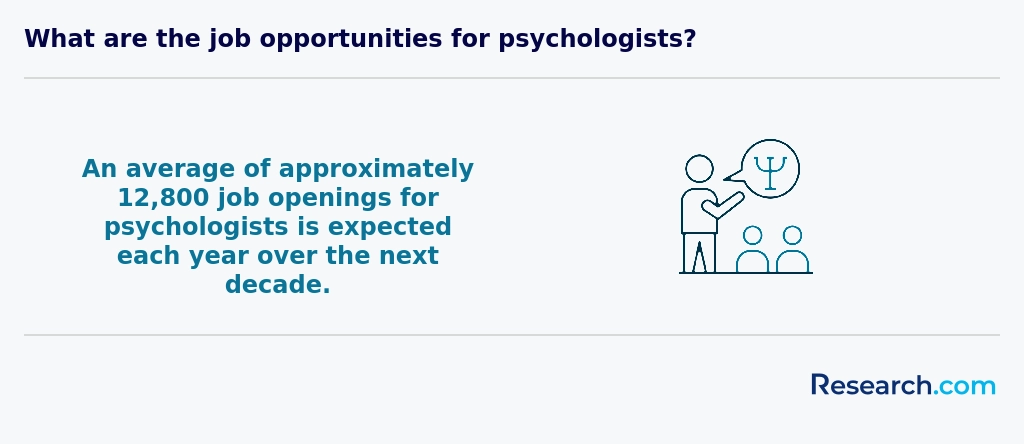
- Job growth for licensed psychologists in the South is projected at 10-15% over the next decade, higher than the national average.
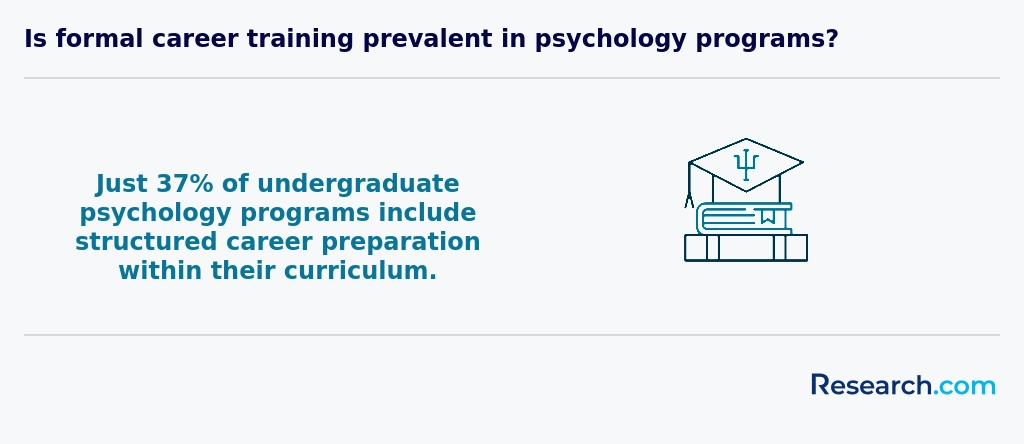
- The South offers practical internship and research opportunities important for licensure, with state-specific licensing requirements varying across the region.
In the South, diving into a psychology degree often feels like embarking on a four-year expedition at beloved institutions like the University of Florida or Louisiana State University. Graduates fondly recall those early semesters packed with lectures, lively campus debates, and late-night study sessions where 120 to 130 credit hours unfold like chapters in a gripping novel.
For those chasing deeper knowledge, the master's journey stretches roughly two more years, transforming eager learners into confident specialists. Picture a student balancing research projects and weekend clinical hours at Emory University, thrilled by every small breakthrough in understanding the human mind.
Doctoral paths weave through a more intensive five to seven-year odyssey-imagine carving out a dissertation amid Atlanta's vibrant energy, paired with supervised internships that unlock the doors to professional licensure. Southern students often cherish the flexibility of part-time or online options, allowing them to blend their academic dreams with real life's hustle and heart.
Choosing a program with American Psychological Association (APA) accreditation is critical for ensuring your degree meets professional standards and streamlines your path to licensure. APA accreditation confirms that a doctoral program-from curriculum to faculty expertise-adheres to rigorous quality benchmarks, preparing graduates for state board requirements. Many Southern universities offer APA-accredited tracks, and prospective students should verify accreditation status via the APA directory before applying. In addition to accreditation, each Southern state has specific licensing requirements, typically involving: • Completion of an APA-accredited doctoral program or equivalent. • A minimum of 1,500–2,000 supervised clinical hours post-degree. • Passing the Examination for Professional Practice in Psychology (EPPP). • Submission of a jurisprudence or ethics exam, where required by state boards. Planning for licensure early can save time and money. For those seeking flexible pathways, consider exploring online accredited psyd programs, which combine APA-approved coursework with distance supervision options. These programs often integrate telehealth practicums, helping you accrue supervised hours in your local community. Stay proactive by contacting the psychology licensure board in your state to confirm any additional requirements-such as background checks or reciprocity agreements if you plan to practice across state lines. Meeting all accreditation and licensure criteria ensures that your psychology degree not only ranks highly in value but also leads directly to professional practice and career growth.
Picture the psychology student at the University of Florida juggling lectures with family dinners, thanks to the magic of online learning. Their classroom? A digital world of video chats and discussion boards that bend time and space to fit study around life's ebb and flow. Meanwhile, an on-campus classmate at Louisiana State University thrives amid the hum of campus life, engaging directly with professors, sharing late-night study sessions in the library, and diving into hands-on lab work that feels as real as the Southern sun.
Online programs in the South offer a flexible rhythm, perfect for those balancing jobs or kids, while on-campus routes deliver tactile experiences - internships found through local university partnerships and spontaneous hallway conversations that spark networking gold. Tuition whispers a different tale: in-state on-campus students might spend between $7,000 and $15,000 annually, whereas online learners often spot savings but must navigate accreditation puzzles.
At heart, both paths spiral through core psychology realms like developmental studies and clinical practice, yet their journeys differ. Whether pacing solo through a virtual course at University of North Carolina or soaking in campus vibes at Emory University, Southern students craft their own story in the landscape of mind and behavior.
After earning your psychology degree, securing the appropriate licensure is essential for practicing legally and ethically in the South. Each state has its own Board of Psychology or Counseling that sets the standards for education, supervised experience, and examination. Generally, you must: • Graduate from an APA-accredited program or one that meets state board criteria. • Complete a specified number of supervised clinical hours-often ranging from 1,500 to 4,000-under a licensed psychologist or qualified supervisor. • Pass the Examination for Professional Practice in Psychology (EPPP) and any additional state-specific jurisprudence exams. To ensure you’re on the right track, verify your prospective program’s accreditation status early in your application process. Many students choose cost-effective yet accredited options, such as those featured in our Low Cost Psychology Degree Programs Ranking in Springfield, MA, which combine affordability with the credentials needed for board approval. Beyond the EPPP, some states require continuing education credits to maintain licensure. Common topics include ethics, cultural competence, and emerging treatment modalities. Planning for these ongoing requirements from the outset can help you avoid licensure lapses and ensure uninterrupted practice. Understanding and fulfilling these certification steps not only enhances your employability across clinical, academic, and organizational settings but also reinforces your commitment to high professional standards in psychology.
The average cost of earning a psychology degree in the South often shapes the ambitions and decisions of many aspiring students. For those studying in-state, the journey can run near $14,220 total, a figure that feels tangible and reachable for many. This number reflects more than just tuition; it captures the entire tapestry of a student's commitment, from the crisp pages of psychology textbooks to late-night study sessions fueled by caffeine and curiosity.
Graduates from universities popular in the region often recall the balance between dreams and dollars. For instance, attending a public institution like the University of North Carolina system delivers quality education at about $9,000 per year for residents, making it easier to invest both passion and finances wisely. Meanwhile, the total expenses for psychology degree programs southern US students encounter include fees, living costs, and supplies, which weave into the ultimate price tag but also contribute to an enriching college experience.
Private colleges bring a different flavor, with tuition sometimes soaring above $25,000 annually. Emory University, with its top-tier psychology programs, illustrates these higher costs yet promises profound opportunities that many find worth the price. Scholarships and financial aid often cushion these expenses, helping students traverse the financial landscape with less stress and more focus on their studies.
Many psychology students explore pathways beyond the bachelor's degree-wondering what jobs can you get with online doctorate degree in psychology-while managing graduate tuition that can range widely. Seeing the numbers clearly prepares students to face the financial side of their passion for psychology in the South with confidence and practical optimism.
For many professionals eager to deepen their expertise, pursuing an online doctorate in psychology offers a transformative opportunity to impact research, practice, and leadership roles within the field. This advanced degree not only refines your analytical and clinical skills but also positions you to explore specialized areas such as neuropsychology, forensic psychology, or health psychology. With flexible online formats, you can balance work, research, and family commitments while accessing cutting-edge resources and virtual networking opportunities. Moreover, obtaining a doctoral degree online opens doors to numerous career pathways; for instance, discover what jobs can you get with online doctorate degree in psychology as you explore roles in academia, clinical settings, or corporate environments. Embracing an online doctorate can be the key to unlocking leadership positions, attracting higher salaries, and contributing to groundbreaking initiatives that drive the future of psychological science.
Imagine a psychology student at the University of Florida uncovering unexpected treasures of aid beyond tuition bills. Federal aid, wielded through FAFSA, acts like a reliable compass, guiding applicants to Pell Grants worth up to $7,395-free money that feels like a breath of fresh Gainesville air. This non-repayable gift eases anxiety and lets students focus on unraveling the mind's mysteries instead of balancing budgets.
In Texas, a graduate from the University of Texas at Austin recalls how state scholarships, fueled by academic promise or financial need, acted as stepping stones across the often intimidating financial river. These merit-based awards illuminate a path toward success, turning dreams into doable goals.
Southern schools often guard secret scholarships nestled within psychology departments-tiny gold coins awarded for leadership or passion, as some Mississippi State students have found. Meanwhile, graduate students crafting career magic secure fellowships that waive tuition and offer stipends, transforming late-night research into rewarding journeys.
And beyond campus, scholarships from Psi Chi or mental health foundations sparkle like guiding stars, tugging hopeful minds deeper into psychology's vibrant world-financial aid in the South is a constellation waiting to be discovered.
The integration of technology in psychology education and practice is transforming the field, offering unprecedented opportunities for learning, research, and clinical practice. Online platforms, for instance, have made it possible for students to access a wide range of educational resources, including virtual labs, interactive simulations, and online courses. This flexibility is particularly beneficial for students who may not have access to traditional educational settings due to geographical constraints or other barriers. Furthermore, technology has enabled the development of innovative therapeutic tools, such as virtual reality exposure therapy and mobile apps for mental health management. These advancements not only enhance the efficiency and effectiveness of psychological interventions but also increase accessibility, making mental health services more widely available. Additionally, technological advancements in data analysis and machine learning are aiding researchers in uncovering new insights into human behavior, cognition, and emotion, thereby advancing our understanding of psychological phenomena. As the field continues to evolve, it is essential for psychology professionals to stay abreast of these technological developments to provide the most effective and evidence-based care.
To step into the world of psychology degrees in the South, imagine unlocking a door first sealed by a sturdy high school diploma or its equivalent. Graduates from vibrant campuses like the University of Florida recall that excelling in biology and math wasn't just about grades-it was about feeling ready to explore the human mind's mysteries.
Standardized tests, while often optional these days, still serve as a secret handshake for many top schools. A strong SAT or ACT score can brighten your application like a beam of Southern sunlight through mossy oaks, especially at institutions such as Texas A&M.
Before diving into upper-division classes, envision yourself mastering introductory psychology and statistics-these are the keys to joining the community of curious minds at Southern colleges. Graduate hopefuls, equipped with bachelor's degrees and foundational courses, stride confidently knowing their knowledge is a passport to advanced research and discovery.
Amidst dreams and study sessions, financial awareness grounds students, as annual tuition dances between $8,000 and $11,000 in-state, shaping hopeful plans and fueling ambition. This blend of preparedness and passion is what Southern psychology programs cherish.
Pursuing a psychology degree in the South can be a highly rewarding and enriching experience, both personally and professionally. The region offers a unique blend of cultural diversity, historical significance, and natural beauty, providing a rich backdrop for studying human behavior and mental processes. With numerous top-ranked universities and colleges, the South is home to a wide range of psychology programs, from undergraduate to graduate levels, catering to various interests and career goals. Whether you're intrigued by the complexities of the human mind, passionate about helping others, or interested in the scientific aspects of psychology, the South has something to offer. By choosing to pursue a psychology degree in this region, you'll not only gain a comprehensive education but also have the opportunity to engage with a vibrant community, participate in innovative research, and develop skills that are highly valued in the job market. The combination of academic excellence, cultural experiences, and career opportunities makes the South an ideal location for those looking to embark on a fulfilling journey in psychology.
Diving into a psychology degree in the South means embarking on a journey through the fascinating landscape of human behavior. Early on, students at popular Southern institutions find themselves immersed in General Psychology, where the whispers of human thoughts and feelings first take shape. Developmental Psychology courses reveal the magical evolution of minds from infancy to adulthood, while Biological Psychology uncovers the intricate dance of neurons shaping who we are.
Graduates often fondly recall how Abnormal Psychology courses felt like unlocking secret understandings of mental health struggles, fostering empathy and hope. Social Psychology classes spark moments of "aha!" as students observe group behaviors on vibrant college campuses, connecting textbook theories to lively Southern communities. Cognitive Psychology invites curious minds to unravel puzzles of memory and decision-making that impact everyday life.
Research methods and statistics might sound daunting, but Southern universities enrich these with hands-on lab experiences and internships, turning numbers into stories that students proudly share. Electives like Health Psychology and Counseling Techniques reflect real careers, inspiring students to envision their future helping others within the unique cultural tapestry of the South.
Imagine walking the lively campuses of Southern universities, where psychology degree specializations in the South transform curious minds into compassionate healers and sharp organizational strategists. Graduates from renowned programs often recall diving deep into clinical and counseling psychology, helping real patients understand their mental health journeys under the warm Southern sun, whether in Atlanta or Nashville. Others thrived exploring developmental psychology, inspired by the region's vibrant mix of children playing in parks and respected elders sharing stories, preparing to support all stages of life.
Meanwhile, industrial-organizational psychology draws students eager to optimize Southern businesses buzzing with growth in Dallas and beyond, turning office dynamics into symphonies of productivity and employee well-being. Some also chase forensic psychology, weaving psychological insight into courtroom dramas, or health psychology, unraveling how Southern lifestyles affect the mind-body connection.
For those intrigued by interdisciplinary angles or seeking flexible paths, many choose online accredited psyd programs tailored to these specializations, blending Southern practicality with cutting-edge research.
Choosing the best psychology degree programs in the South feels like curating your future through a vibrant mosaic of opportunities. Imagine walking the leafy paths of Texas A&M, where graduates cherish hands-on research blending clinical practice with groundbreaking theories. The secret sauce? Always verify APA accreditation-it's the golden ticket ensuring your degree holds weight when pursuing licensure. Graduates from the University of Florida rave about the flexible online and hybrid formats that let them juggle jobs and studies effortlessly, capturing that perfect balance between life and learning.
Financial reality often nudges decisions too. Southern state universities offer varied tuition scales-public schools hover around $8,000 to $12,000 annually, while privates can climb beyond $30,000. Many students discover relief by scouting scholarships or exploring options like the Low Cost Psychology Degree Programs Ranking in Springfield, MA. Aligning program specialization with personal passions is the final flourish-focus on faculty's expertise in counseling or industrial-organizational psychology to find a community where your curiosity thrives.
Remember, chasing affordable psychology colleges in southern states isn't just about cost; it's about embedding yourself in environments buzzing with internship possibilities and faculty mentorship. These elements shape not just your degree, but the professional you'll become.
Graduates with a psychology degree in the South often find themselves navigating a rich tapestry of career paths, each tuned to the southern spirit and its unique societal pulse. Imagine starting as a school psychologist in a bustling North Carolina public school, where your days swirl with the challenge of crafting behavioral strategies that brighten young minds and steady anxious hearts. Others may gravitate toward clinical psychology, addressing mental health in communities across Georgia and Florida, where rising populations fuel demand for compassionate professionals.
Industrial-organizational psychology also beckons, especially in dynamic business hubs like Atlanta, where graduates apply psychological insights to boost employee satisfaction and innovate workplace culture. Entry-level roles like research assistants at universities in Texas offer hands-on experience, opening doors to future leadership in the field. For those eager to deepen expertise quickly, pursuing a 1 year masters degree equips Southern students with advanced skills, sharpening their edge in competitive markets. This vibrant array of options perfectly illustrates psychology career opportunities in the South.
Beyond traditional routes, many psychology graduates embrace evolving roles in social services, substance abuse counseling, or forensic settings, enriching Southern communities. The best psychology jobs for graduates in Southern states resonate deeply with personal fulfillment as well as professional growth, reflecting the adaptable, hopeful essence of the South itself.
In the South, the job outlook for psychology graduates is like stepping into a world buzzing with expanding opportunities, especially for those drawn to counseling, clinical, or school psychology. Imagine a graduate from a popular Southern university, perhaps in Texas or Florida, who finds themselves stepping into classrooms or mental health centers rich with diverse, real-world challenges and growth. These positions are growing steadily, matching the pace at which Southern communities increasingly prioritize mental wellness.
Psychology career opportunities in southern states often reflect vibrant urban hubs like Atlanta or Miami, where community mental health services actively seek passionate professionals. Graduates frequently celebrate the rewarding nature of seeing tangible positive changes in individuals' lives, which makes the sometimes lower regional salaries feel like a worthwhile tradeoff. For students balancing costs, it helps to know many public schools in the South offer affordable tuition, making advanced degrees more accessible than elsewhere. Exploring the easiest way to get associate's degree can also be a practical step toward launching a psychology path in this thriving regional market.
2027 Most Valuable Psychology Degree Programs Ranking in the South
Investing in your education is a significant decision that can shape your future, and the Research.com team understands the importance of making informed choices. To assist prospective students in the South, we have meticulously crafted the "2027 Most Valuable Psychology Degree Programs Ranking in the South." Our commitment to quality, credibility, and accuracy is reflected in the extensive research and analysis conducted to compile this ranking.
We utilized the following reputable data sources to ensure a comprehensive evaluation of psychology programs:
By exploring this ranking, readers will gain valuable insights into the most valuable psychology degree programs in the South, empowering them to make informed decisions about their educational and professional futures. For more details on our methodology, please visit our Research.com methodology page.


# 9 position
University of Maryland Global Campus
Bachelor of Arts in Psychology


Frequently Asked Questions About psychology
Psychology degree students in the South can maximize their learning by actively engaging in internships and research opportunities offered through universities. Institutions like the University of Florida and the University of North Carolina provide strong programs with access to practical experience, which is essential for career readiness.
Participating in local mental health organizations or clinics can enhance understanding of diverse populations common in Southern states. According to the Southern Regional Education Board, hands-on experience improves job placement rates by up to 20% among psychology graduates.
Students should also take advantage of academic advising and mentoring programs, which guide course selection and professional development. Networking with faculty and peers helps build connections valuable for future employment or graduate studies.
Emerging niches in the psychology field reflect evolving societal needs and technological advancements. In the South, interest is growing in health psychology, focusing on how behavior impacts physical health. This area is critical given the region's high rates of chronic illnesses, as reported by the CDC. Another expanding specialty is neuropsychology, where professionals study brain-behavior relationships to help patients with neurological disorders.
Industrial-organizational psychology is also gaining traction, as Southern businesses seek experts to improve workplace productivity and employee well-being. Additionally, forensic psychology is notable due to the region's large criminal justice system, requiring professionals skilled in legal and psychological intersections. According to the American Psychological Association, these fields are expected to see significant growth by 2030.
After completing a psychology degree in the South, preparing for the job market involves strategic steps to enhance employability. Graduates should seek internships or practicum experiences during their studies, which are often required for licensure in clinical and counseling psychology fields. Engaging with local organizations, such as hospitals or schools, can provide vital hands-on experience. Networking through regional psychology associations, like the Southern Psychological Association, can open doors to job opportunities and mentorship.
According to the Bureau of Labor Statistics, psychology-related jobs in Southern states like Texas and Florida are projected to grow faster than the national average. Thus, developing strong research, communication, and data analysis skills remains crucial. Additionally, obtaining certifications in specialized areas, such as behavioral analysis or school psychology, can improve job prospects in this competitive market.
Employers in the South increasingly seek psychology degree graduates with strong critical thinking and communication skills. These abilities enable graduates to analyze complex behaviors and effectively interact with diverse populations, which is essential in clinical, educational, and organizational settings.
Data from the Bureau of Labor Statistics highlights that demand for psychology-related roles in Southern states such as Texas, Florida, and Georgia is growing at an above-average rate of 8-10% over the next decade. Alongside analytical skills, employers value cultural competence due to the region's diverse demographic.
Additionally, practical experience with data analysis software and research methods often sets candidates apart, reflecting the growing emphasis on evidence-based practice across mental health fields.
Finding psychology internships in the South involves a mix of campus resources, local organizations, and online searches. Many universities in the region, such as the University of Florida and University of North Carolina, offer dedicated career centers that connect students with internships at hospitals, schools, and research facilities. According to the American Psychological Association, internships are crucial for licensure and practical experience in psychology careers.
Students should also consider regional health systems and community mental health centers common in Southern states, which often provide internship opportunities. Networking through faculty and local chapters of psychology associations can further improve access to these placements.
Online platforms like Handshake and Indeed often list psychology internships in Southern metropolitan areas such as Atlanta, Houston, and Nashville. Applying early and tailoring applications to specific roles increases chances of placement.
A psychology degree in the South can significantly enhance career mobility and advancement opportunities. According to the U.S. Bureau of Labor Statistics, many Southern states have seen steady growth in employment for psychologists and related mental health professionals, driven by increasing demand in healthcare and educational sectors.
Graduates with psychology degrees often find roles in counseling, social services, and human resources, where their skills in understanding behavior are highly valued. Advanced degrees, such as a master's or doctorate, are particularly important for those seeking clinical or research positions or licensure, which boost career prospects.
The Southern region's emphasis on healthcare services and mental health awareness drives job market expansion, making psychology a versatile field to enter professionally in this area. Universities in the South also often provide strong networking connections within local industries that facilitate career advancement.
Studying for a psychology degree in the South equips students with a strong foundation in human behavior, combined with opportunities to engage with other disciplines such as social work, education, and healthcare. Southern universities often emphasize practical experiences, encouraging collaboration across fields to address complex community issues.
Many programs integrate courses in neuroscience, counseling, and public health, fostering versatile skills. According to the Southern Regional Education Board, interdisciplinary approaches in psychology are growing, reflecting workforce demands in mental health, education, and human services sectors.
This broad exposure prepares graduates to work in diverse roles, such as behavioral health specialists, research analysts, or clinical coordinators, often requiring knowledge beyond pure psychology. Students also benefit from partnerships with local organizations, enhancing real-world problem-solving abilities.
When choosing between a thesis and a non-thesis psychology degree program in the South, consider your career goals and time commitment. Thesis programs typically require original research, suitable for students aiming for doctoral studies or research careers. In contrast, non-thesis options focus more on practical skills and coursework, ideal for those seeking immediate employment in counseling or applied psychology.
Southern universities like the University of North Carolina and Texas A&M offer both formats, reflecting diverse student needs. According to the Southern Regional Education Board, about 60% of psychology graduates in the South prefer non-thesis tracks for faster completion.
Funding and faculty availability can also influence your choice, as thesis work often requires close mentorship and possible assistantships.
Students in the South seeking psychology degrees abroad have several options through study abroad programs offered by many Southern universities. Institutions such as the University of Florida and the University of Georgia partner with European and Asian universities for psychology-focused exchanges. These programs typically last a semester or a full academic year and allow students to earn credits transferable to their U.S. degrees.
Additionally, Southern students can participate in faculty-led trips emphasizing cross-cultural psychology and research methods. According to NAFSA, about 10% of Southern psychology undergraduates engage in international study before graduation, reflecting growing interest in global perspectives. Financial aid and scholarships are available to support these ventures, making them more accessible.
Students pursuing psychology degrees in the South have access to diverse part-time job opportunities that enhance their academic experience. Positions such as research assistants at local universities allow students to apply classroom knowledge to real-world studies. According to the Southern Regional Education Board, many institutions actively seek student workers to support faculty-led psychological research projects.
Additionally, roles in mental health facilities or community centers offer hands-on experience in client interaction and counseling basics. Jobs like behavioral health technician or case manager assistant provide practical skills relevant to future careers. According to the U.S. Bureau of Labor Statistics, the demand for such roles in Southern states like Georgia and Texas continues to grow.
Other options include tutoring psychology underclassmen or working in student counseling centers. These opportunities develop communication and leadership skills that complement degree programs.
Psychology students in the South have access to a variety of valuable networking opportunities through their academic programs. Many universities in states like Georgia, Texas, and North Carolina host regular psychology club meetings, guest lectures, and research symposiums that connect students with professionals and faculty members.
The Southern Psychological Association (SPA) is a key regional organization offering annual conferences where students can present research, attend workshops, and meet psychologists working in clinical, counseling, and academic settings. Participation in SPA can enhance students' professional connections and career prospects.
Additionally, internships are widely emphasized at Southern institutions, providing hands-on experience and direct contact with local health agencies, hospitals, and counseling centers. According to the APA's 2023 report, over 75% of Southern psychology programs integrate internships that create networking channels between students and practitioners.
Furthermore, historically Black colleges and universities (HBCUs) in the South often sponsor unique events and partnerships focused on community psychology and social justice, expanding networking into diverse professional circles.
Alumni networks play a crucial role in supporting psychology degree students in the South. These networks provide valuable opportunities for mentorship, allowing current students to connect with experienced graduates who understand regional job markets. According to the Southern Psychological Association, strong alumni ties can increase internship and job placements by up to 25% in southern states.
Networking through alumni associations often leads to early career guidance and professional development resources tailored to the South's specific healthcare and research environments. Additionally, alumni events create spaces for knowledge exchange that can help students stay updated on trends and licensure requirements relevant to psychology practice in the region.
Overall, leveraging alumni connections enhances both academic success and employment prospects for psychology students across southern universities.
Customizing a psychology degree program in the South to align with your career goals often involves selecting specialized courses and practical experiences. Many Southern universities offer concentrations such as clinical psychology, counseling, or industrial-organizational psychology, allowing students to tailor their studies. For example, research from the Southern Regional Education Board shows that over 60% of psychology programs in the South include options for internships or practicum placements, which provide hands-on training in relevant settings.
Students can also pursue elective courses in related fields like neuroscience or social work to broaden their expertise. Additionally, some programs encourage participation in research projects, which can enhance graduate school applications or job readiness. Finally, considering region-specific licensure requirements early in your studies can help you focus your degree path effectively.
Psychology students in the South often face challenges stemming from regional economic disparities and limited local funding for higher education. According to the Southern Regional Education Board, state appropriations for public universities in several Southern states remain below the national average, impacting resources available for psychology programs.
Additionally, many students encounter difficulties securing quality internships. Given the rural nature of parts of the South, access to diverse clinical settings and research opportunities can be limited compared to urban centers.
Mental health stigma in certain Southern communities may also affect students' fieldwork experiences and peer support networks, as noted in studies published by the Journal of Clinical Psychology.
With a psychology degree from the South, graduates can pursue various professional certifications to enhance their career prospects. Common certifications include Licensed Professional Counselor (LPC), Licensed Clinical Social Worker (LCSW) if combined with social work credentials, and Certified Addiction Counselor (CAC). These licenses typically require supervised clinical hours and passing state-specific exams.
Additionally, certifications like Board Certified Behavior Analyst (BCBA) are popular, especially in states such as Texas and Florida, where demand for behavior analysts is growing. According to the Bureau of Labor Statistics, these roles are projected to grow 14% from 2022 to 2032 nationally.
Many Southern universities provide guidance on licensure paths tailored to regional regulations, crucial for meeting state board requirements.
When applying for a psychology program in the South, clarity and focus are essential. Admissions committees typically look for applicants who clearly express their motivation for studying psychology and show an understanding of the field's relevance to Southern communities.
Highlighting relevant experience, such as volunteer work or internships in mental health settings common in Southern states, strengthens your application. According to the Southern Regional Education Board, psychology programs in the South emphasize both research and community engagement, so emphasizing these experiences is beneficial.
Strong letters of recommendation from professors or professionals familiar with your work in psychology enhance credibility. Additionally, a well-crafted personal statement discussing your career goals and how regional issues in the South inspire your interest is critically important.
Psychology careers are increasingly valued worldwide for their role in addressing mental health, organizational behavior, and human development. In the United States, and particularly in the South, psychology professionals benefit from growing demand in healthcare, education, and business sectors. According to the U.S. Bureau of Labor Statistics, psychology-related jobs are projected to grow 8% from 2020 to 2030, faster than average for all occupations.
The global perspective often emphasizes cross-cultural competence and research collaboration. U.S. programs, including many Southern institutions, prepare students to work in diverse environments, promoting skills applicable internationally. Southern universities are expanding partnerships for study abroad and research, reflecting psychology's global relevance.
Overall, students in the South entering psychology enter a field rich with opportunities shaped by local needs and global trends.
Gaining practical experience while studying for a psychology degree in the South is essential for career readiness. Many universities in this region offer internships and practicum placements that allow students to work alongside licensed psychologists in clinical, research, or community settings. For example, institutions like the University of Florida and Emory University have structured programs that connect students with local hospitals, schools, and nonprofits.
Additionally, volunteering in mental health clinics or social service organizations is a common way to build skills and professional networks. According to the Southern Association for Counselor Education and Supervision, over 60% of psychology students in the South engage in internships before graduation.
Research assistant positions are also prevalent, especially at research-intensive universities, giving access to ongoing studies and data analysis experience. Students are encouraged to consult academic advisors to customize practical training aligned with their career goals.
Choosing the right concentration within a psychology degree program in the South requires understanding your career goals and interests. Popular concentrations include clinical, counseling, developmental, and industrial-organizational psychology. Data from the Southern Regional Education Board shows clinical psychology remains the most pursued track in the region, reflecting strong demand for mental health professionals.
Consider the local job market: states like Texas and Florida report higher employment growth in clinical and counseling roles, according to the Bureau of Labor Statistics. Reviewing program curricula and faculty expertise in Southern universities can also guide your choice.
Finally, think about licensure requirements, which vary by state and concentration.
See What Experts Have To Say About Studying Psychology
Read our interview with Psychology experts

Joann Farrell Quinn, Ph.D., MBA
Psychology Expert
Director at the College of Medicine Department of Medical Education
Morsani College of Medicine

Robin M. Kowalski. Ph.D.
Psychology Expert
Professor of Psychology
Clemson University

Catherine Caldwell-Harris, Ph.D.
Psychology Expert
Associate Professor of Psychology
Boston University

- How To Find Psychology Internships https://www.psychology.org/resources/how-to-find-an-internship/
- Benefits of Studying Psychology Abroad https://www.semesteratsea.org/psychology-study-abroad/
- South Carolina Psychology Schools | Psychology Degree Guide https://psychologydegreeguide.org/state/south-carolina/
- Psychology Degrees In South Africa | Online Or On Campus https://www.sacap.edu.za/psychology-degrees/
- Society for the Teaching of Psychology https://teachpsych.org/page-1784686/8675326
- What can I do with my Psychology degree? https://cognitionandco.co.za/what-can-i-do-with-my-psychology-degree/
- Financial Aid for Psychology Students https://www.onlinepsychologydegrees.com/financial-aid/
- Why Get a Psychology Degree Online? | University of Bridgeport https://www.bridgeport.edu/news/reasons-to-get-your-psychology-degree-online/
- Psychology - SWPS University https://english.swps.pl/academics/warsaw/ba-programs/psychology
- CLINICAL PSYCHOLOGY (THESIS / NON-THESIS) - Lisansüstü Eğitim Enstitüsü https://lee.nisantasi.edu.tr/en/clinical-psychology-thesis-non-thesis/




